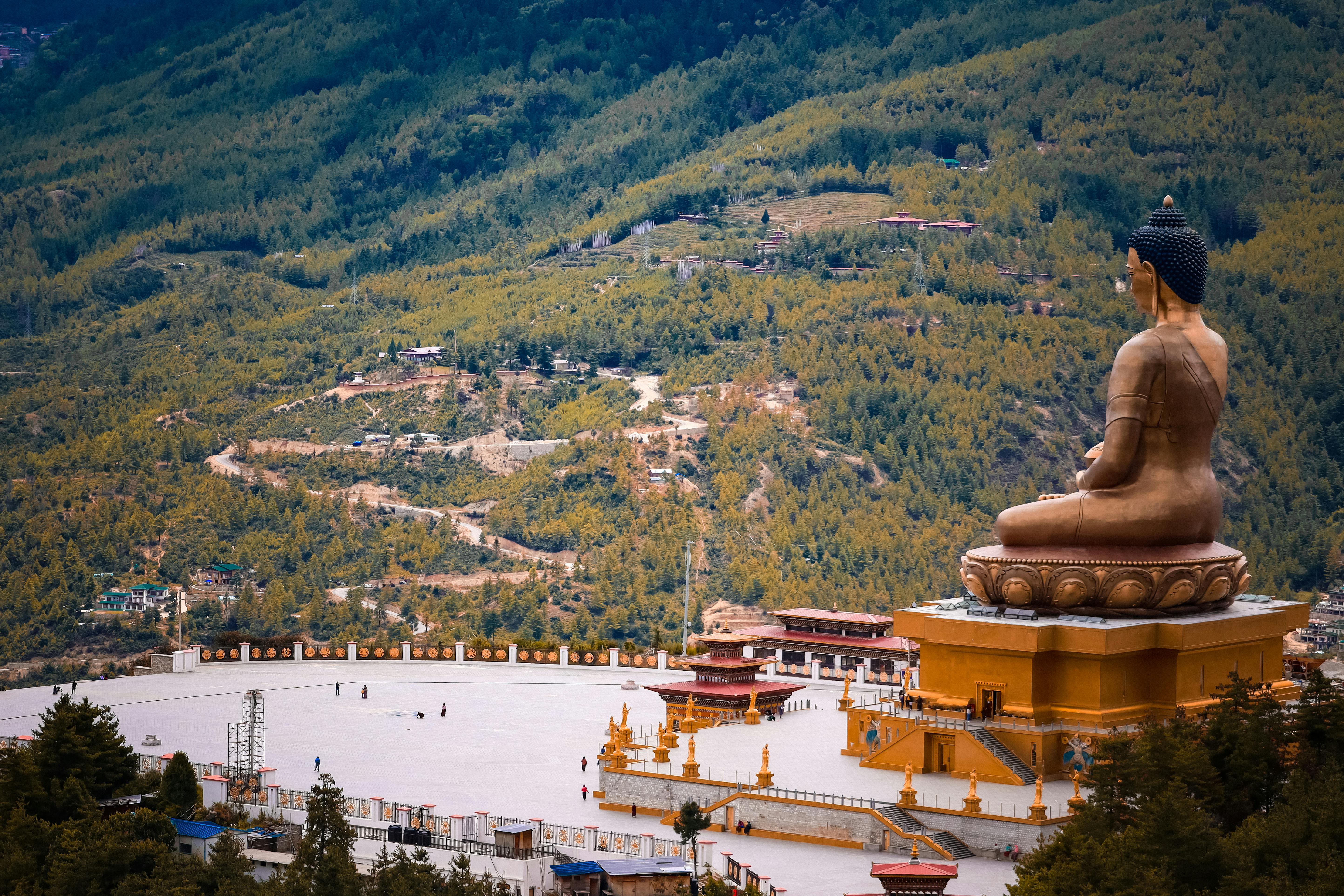
Bhutan
factsheet
The Land of the Thunder Dragon—a mystical Himalayan kingdom where ancient Buddhist traditions meet pristine nature, and happiness is measured by well-being, not wealth.
The Essentials
Best Time
Mar - May, Sep - Nov
Currency
BTN (₺)
Climate
Alpine & Temperate
Time Zone
UTC+6
Language
Dzongkha & English
Visa
Visa-Free for Indians
Capital
Thimphu
Population
0.77M
Calling Code
+975
Power Plug
Type G & D (220V)
Tipping
Not expected; appreciated for guides
Emergency
113 (Police), 112 (Ambulance)
History & Heritage
The Land of the Thunder Dragon—Timeless Kingdom
Experience the wonders of Bhutan travel by visiting Paro Valley and the picturesque Himalayan range in this eco-friendly country. Famous for its Gross National Happiness, the "Land of the Thunder Dragon" provides you with exclusive luxury wellness vacations and colorful Buddhist festivals, which form the essence of Bhutanese culture. Whether you are looking for Bhutan visa for trips or spiritual peace at ancient monasteries, there is no better place to visit than Bhutan.
Early Buddhist Era (7th-12th Centuries)
Guru Rinpoche (Padmasambhava), the legendary founder of Tibetan Buddhism, traveled to Bhutan in the 8th century, spreading Buddhist teachings and mystical traditions that remain the spiritual bedrock of the nation. Monasteries were built in remote mountain valleys, and Buddhism became woven into Bhutanese identity and culture.
The Zhabdrung Era & Unification (1616-1680s)
The great religious and political figure Zhabdrung Ngawang Namgyel fled Tibet and arrived in Bhutan, unifying fractious warring kingdoms under a single spiritual authority. He established the theocratic system (Bhutanese Buddhist monarchy) that still governs Bhutan, blending secular and religious authority—a unique model that has endured for centuries.
Isolation & Tradition Preservation (1680s-1970s)
For nearly 300 years, Bhutan remained largely isolated from the outside world, allowing its culture, traditions, and environment to flourish undisturbed. No roads connected towns, printing was restricted, and foreign influence was deliberately minimized. This 'splendid isolation' created a living museum of authentic Himalayan Buddhist culture.
Opening to the Modern World (1972-1974)
The Fourth King, Jigme Singye Wangchuck, ascended the throne at age sixteen with a visionary mandate: modernize Bhutan while protecting its soul. He introduced electricity, schools, hospitals, and democracy. In 1974, Bhutan opened its borders to international tourism, but with strict controls to prevent cultural erosion—pioneering the 'High Value, Low Impact' tourism model.
Democracy & Gross National Happiness (2008)
In 2008, the Fifth King voluntarily stepped down, transitioning Bhutan to a constitutional democracy—a historic move where a monarch willingly relinquished absolute power. Parliament adopted Gross National Happiness as the guiding philosophy, making well-being, environmental conservation, cultural preservation, and good governance the measures of national progress instead of GDP.
Modern Era & Sustainable Development (2008-Present)
Today, Bhutan remains one of the world's few carbon-negative nations, with over 60% forest coverage constitutionally protected. In 2024, Bhutan reduced its Sustainable Development Fee for South Asian visitors, leading to a 97% surge in arrivals. Indian tourists now comprise 70% of visitors—a cultural and economic turning point for the nation.
Spotlight: Tiger's Nest Monastery (Paro Taktsang)
Perched impossibly on a 3,120-meter cliff above Paro valley, the Tiger's Nest Monastery (Taktsang Goemba) is Bhutan's most iconic image and a pilgrimage site of profound spiritual significance. Legend says Guru Rinpoche flew to this precipice on the back of a tigress in the 8th century, founding the monastery. The three-hour hike through pine forests leads to this medieval marvel, from where valleys and snow peaks unfold beneath your feet—one of the world's most breathtaking spiritual sites.
First Democracy
2008
Voluntary transition to constitutional monarchy
Forest Coverage
60%+ Constitutionally Protected
World's only carbon-negative nation
Tourism Model
High Value, Low Impact Since 1974
Preserving culture and environment
GNH Philosophy
Since 1972
Measuring happiness over GDP
Climate & Time
Time Zone
Standard
UTC+6 (BTT - Bhutan Standard Time)
Difference
1.5 hours ahead of IST (India Standard Time)
🎯 Best Months
March-May (Spring) & September-November (Autumn)
Climate
The climate in Bhutan varies significantly by region, offering a diverse range of weather conditions from coastal areas to mountain peaks.
Spring (Bahar)
Mar – May
10–25°C (Valleys), 0–15°C (Highlands)
Peak season. Rhododendrons and blue poppies bloom. Clear mountain views. Perfect trekking. Pleasant winds. Paro & Thimphu Tshechus (festivals) celebrated. Crowded but magical.
Summer (Warmer)
Jun – Aug
15–28°C (Valleys), 5–18°C (Highlands)
Monsoon season. Heavy afternoon rains, landslides possible. Lower prices, fewer tourists. Good for central/eastern Bhutan. Misty, lush, but challenging for trekking. Budget travelers' choice.
Autumn (Fall)
Sep – Nov
10–23°C (Valleys), 0–13°C (Highlands)
Best season. Clear skies, pristine mountain views, comfortable weather. Thimphu Tshechu (major festival). Trekking ideal. Golden light. Crowded with good reason.
Winter (Cold Season)
Dec – Feb
2–15°C (Valleys), -5–5°C (Highlands)
Cold, especially at altitude. Possible snow in valleys, frequent snow in passes. Fewer tourists, budget prices. Punakha Tshechu (February). Crisp, clear days. Requires warm clothing.
Seasonal Packing List
Language Guide
Official Language
Dzongkha
Dzongkha is the national language, spoken by all Bhutanese. English is taught in schools from primary level and is widely spoken in tourism, business, and by younger generations. Limited Hindi/Urdu presence. Tibetan dialects spoken in eastern regions. Most tourists encounter English-speaking guides and hotel staff.
Local Signage
Essential Phrases
Hello
Kuzuzangpo la
Thank you
Kadrinche
Goodbye
Tashi Delek
Yes / No
Ong / Mayin
Please
Tshulthrim soem
Excuse me
Galo soem
How much?
Galay mo yin?
Where is...?
...katsi nay?
Currency & Money
Official Currency
Bhutanese Ngultrum
₺ / Nu. (BTN)
Exchange Rates
Denominations
Banknotes
1, 5, 10, 20, 50, 100, 500, 1,000 BTN
Coins
5, 10, 25, 50 Chertrum; 1, 2, 5 BTN
Culture & Vibes
Spiritual Serenity with Deep Buddhist Values
"Bhutan's culture is profoundly rooted in Buddhism, environmental reverence, and the philosophy of Gross National Happiness. A deeply spiritual people, Bhutanese treasure harmony, mindfulness, and community over individual ambition. Modern influences are carefully filtered; traditions are lived, not performed. Visitors encounter genuine hospitality, architectural beauty, and a pace of life dictated by nature and spiritual practice."
Greetings & Respect
Traditional greeting is 'Kuzuzangpo la' with hands pressed together (prayer-like) and a slight bow. Always remove shoes before entering homes, temples, monasteries. Respect for the monarchy is paramount—avoid criticizing or making light of the royal family.
Sacred Sites & Monasteries
Always walk clockwise around monasteries, stupas, and sacred monuments. Never pass prayer flags or wheels. Photography inside temples often prohibited—always ask first. Dress modestly: cover shoulders and knees. Remove shoes before entering. Women should not enter the inner sanctum during prayer times.
Spiritual Practices
Never touch sacred texts, religious objects, or prayer materials without permission. Never point at or criticize religious images. Showing the soles of your feet to statues is disrespectful. Loud behavior near monks or temples is inappropriate. Respect daily prayers and meditation practices.
Environmental Respect
Bhutan is constitutionally carbon-negative. Respect this—don't litter, don't pick wildflowers, don't disturb wildlife. Stay on marked trails. Minimize plastic use. Support local, sustainable businesses. Environmental stewardship is moral duty in Bhutanese eyes.
Essential Dos
- • Bow slightly with hands pressed together when greeting elders and monks.
- • Remove shoes before entering any home, temple, monastery, or shrine—no exceptions.
- • Ask permission before photographing people, monks, or religious ceremonies.
- • Learn basic Dzongkha phrases; locals deeply appreciate visitors' efforts.
- • Wear modest clothing: long sleeves, pants or long skirts, especially near monasteries.
- • Support local artisans and homestays rather than international chains.
- • Walk clockwise around stupas, monasteries, and prayer flags.
- • Embrace the slower pace of Bhutan; hurrying shows disrespect for contemplative life.
- • Accept tea and food graciously—refusal is impolite.
Essential Don'ts
- • Don't criticize or make light of the monarchy; respect for the king is sacred.
- • Don't enter monasteries during prayer times or without permission.
- • Don't photograph sacred texts, religious images, or ceremonies without asking.
- • Don't point at religious statues or prayer wheels; circumambulate (walk clockwise) instead.
- • Don't show the soles of your feet toward religious images or people of status.
- • Don't litter or pick wildflowers; environmental protection is constitutional duty.
- • Don't wear revealing clothing anywhere, especially near temples and monasteries.
- • Don't play loud music or speak loudly near meditation spaces or monks.
- • Don't touch another person's head or pass items over someone's head—very disrespectful.
- • Don't travel without a licensed tour guide (mandatory for most tourists).
Specific Etiquette
Business Etiquette
Formal etiquette; bow slightly when greeting. Meetings begin with small talk. Decision-making is consensus-based and unhurried. Respect hierarchy and authority. Punctuality is increasingly valued in modern Thimphu but less strict in rural areas.
Dining Etiquette
Meals are communal and social. Wait for elders to start eating. Rice is staple; finishing your plate shows appreciation. Accept tea and food graciously—refusal is insulting. Ema datshi (the national dish) is eaten at nearly every meal; embrace its fiery heat. Quiet conversation during meals is respectful.
Gifting Etiquette
Small gifts are appreciated—scarves, photos from your homeland, books. Avoid gifts with religious imagery (unless culturally appropriate). Wrapped gifts are traditional. Give and receive gifts with both hands or right hand only. Do not open gifts immediately in front of the giver.
Fiery Spice & Spiritual Sustenance
Bhutanese cuisine is bold, distinctive, and utterly unique. Characterized by generous use of chilies (treated as a vegetable, not condiment), yak butter, and local cheeses, Bhutanese food reflects mountain life and Buddhist values. Every meal is an experience where family gathers, conversation lingers, and food connects people to the land. Traditional meals are slow, social, and deeply satisfying.
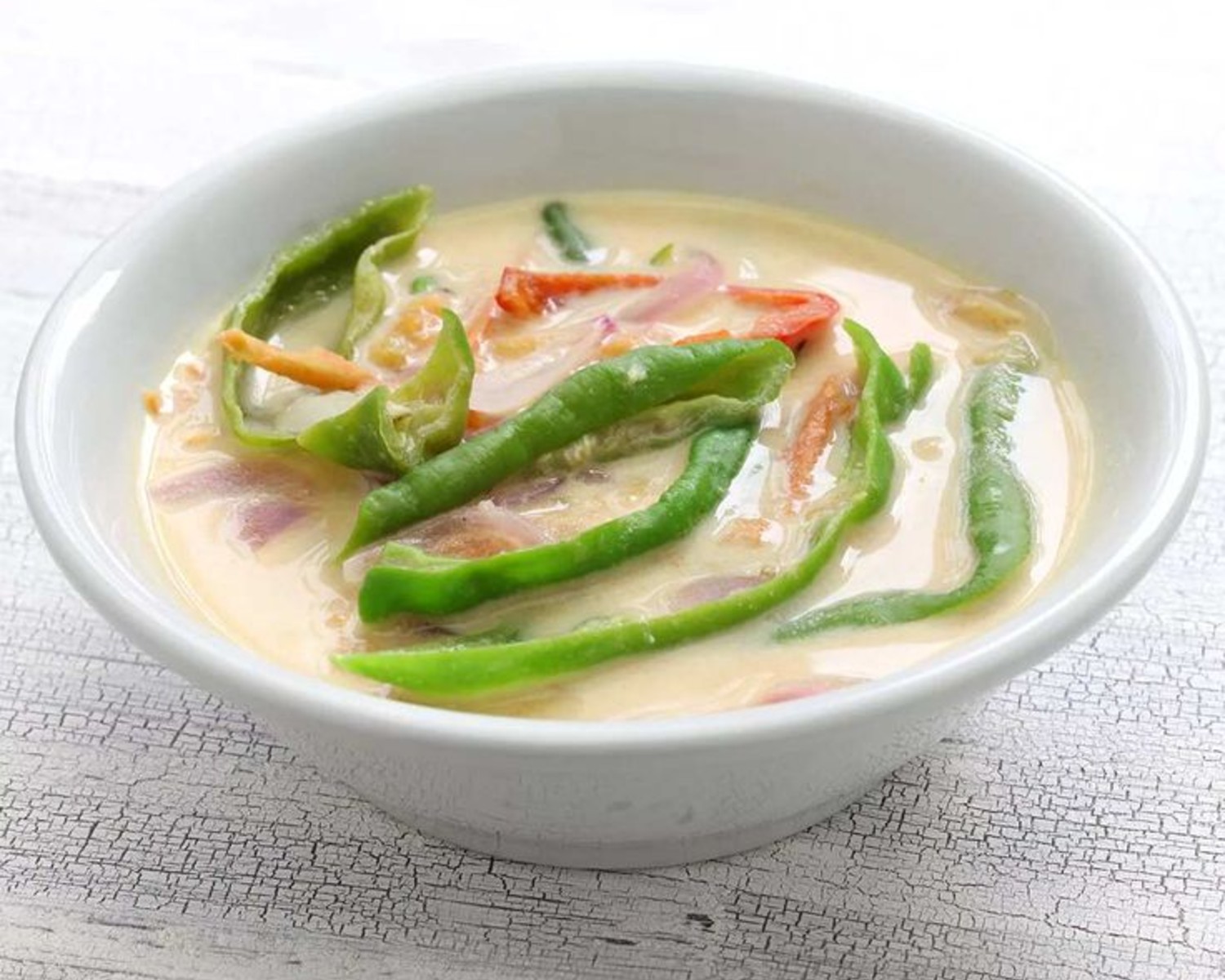
Ema Datshi (National Dish)
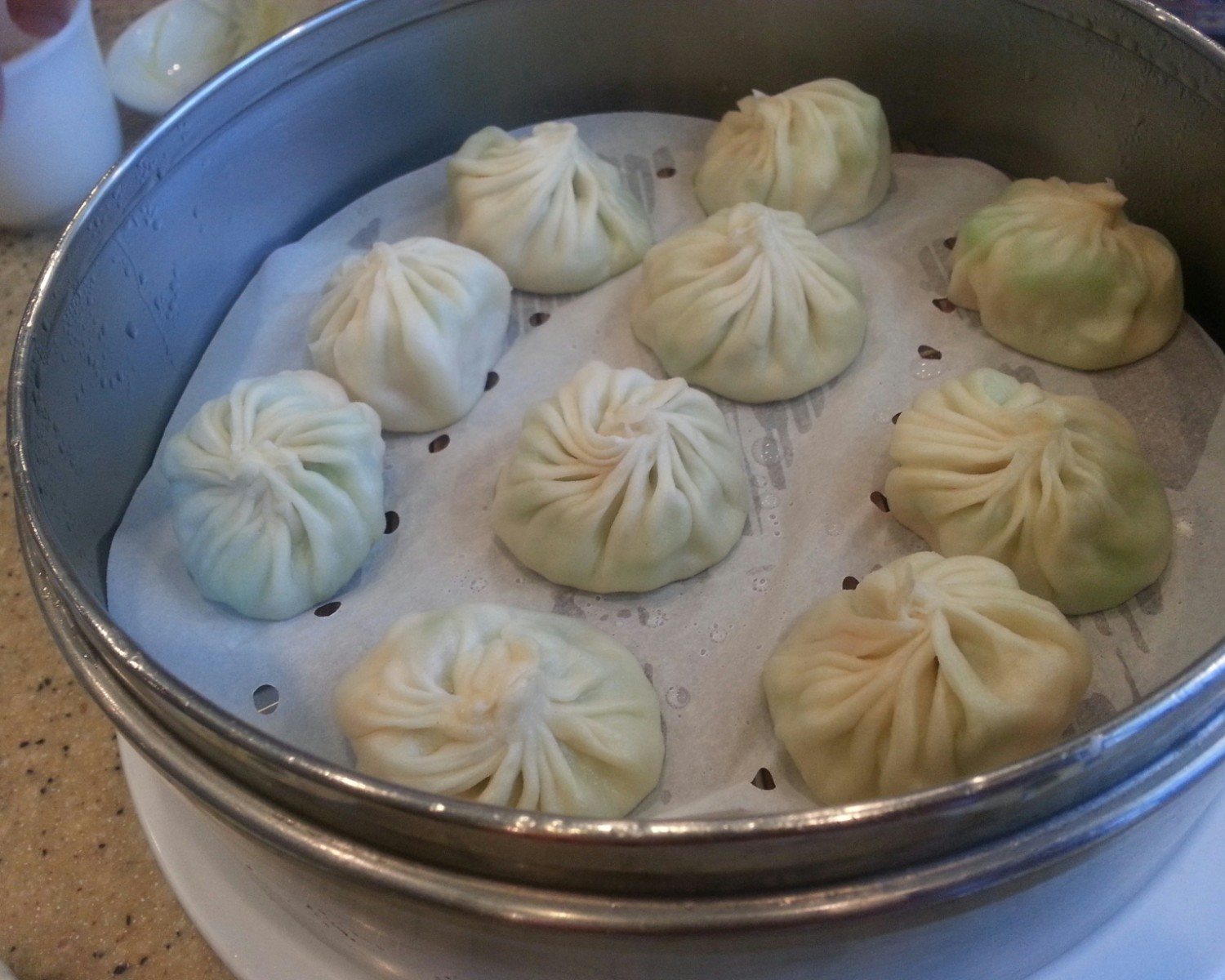
Momos (Himalayan Dumplings)
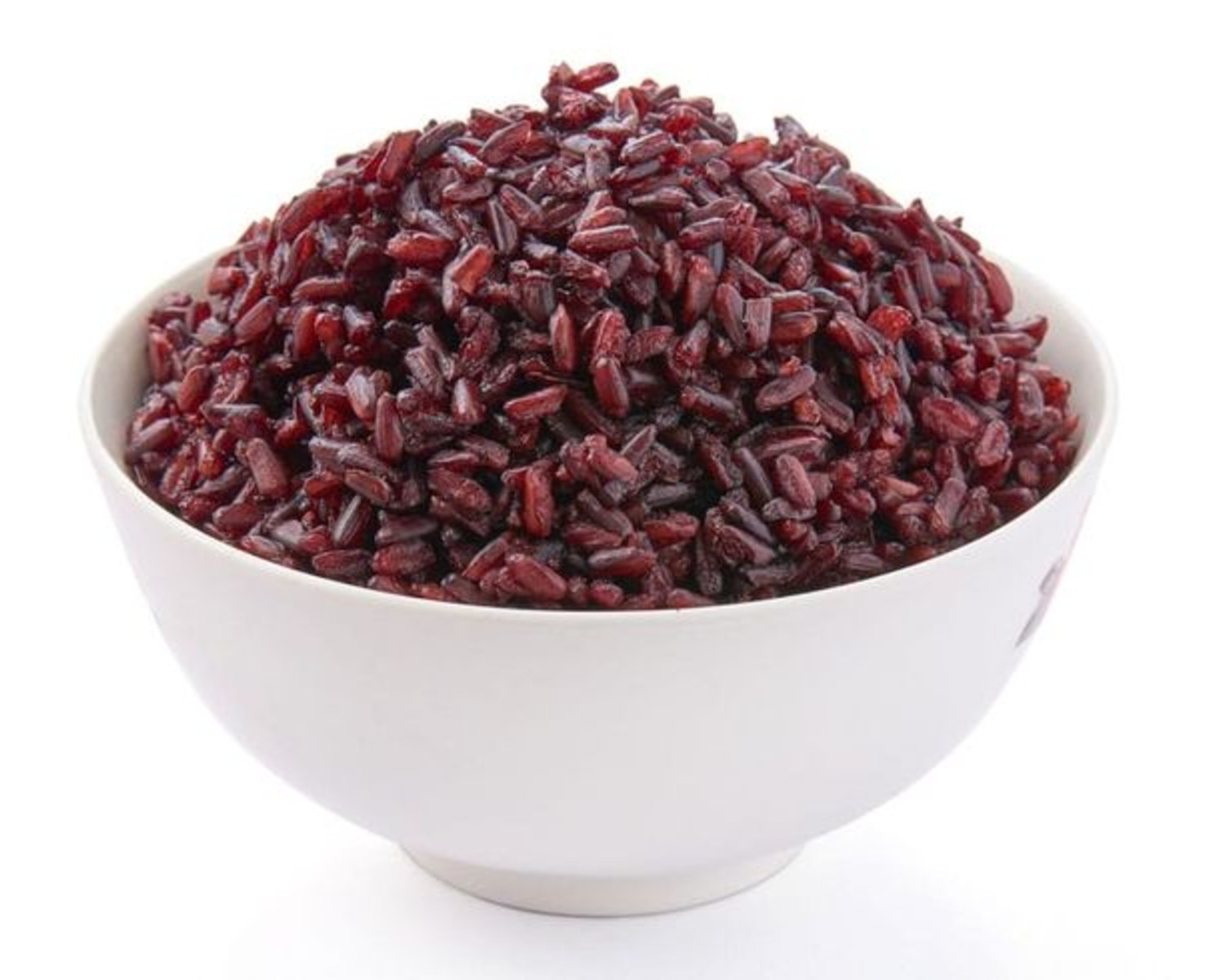
Red Rice & Bhutanese Staples
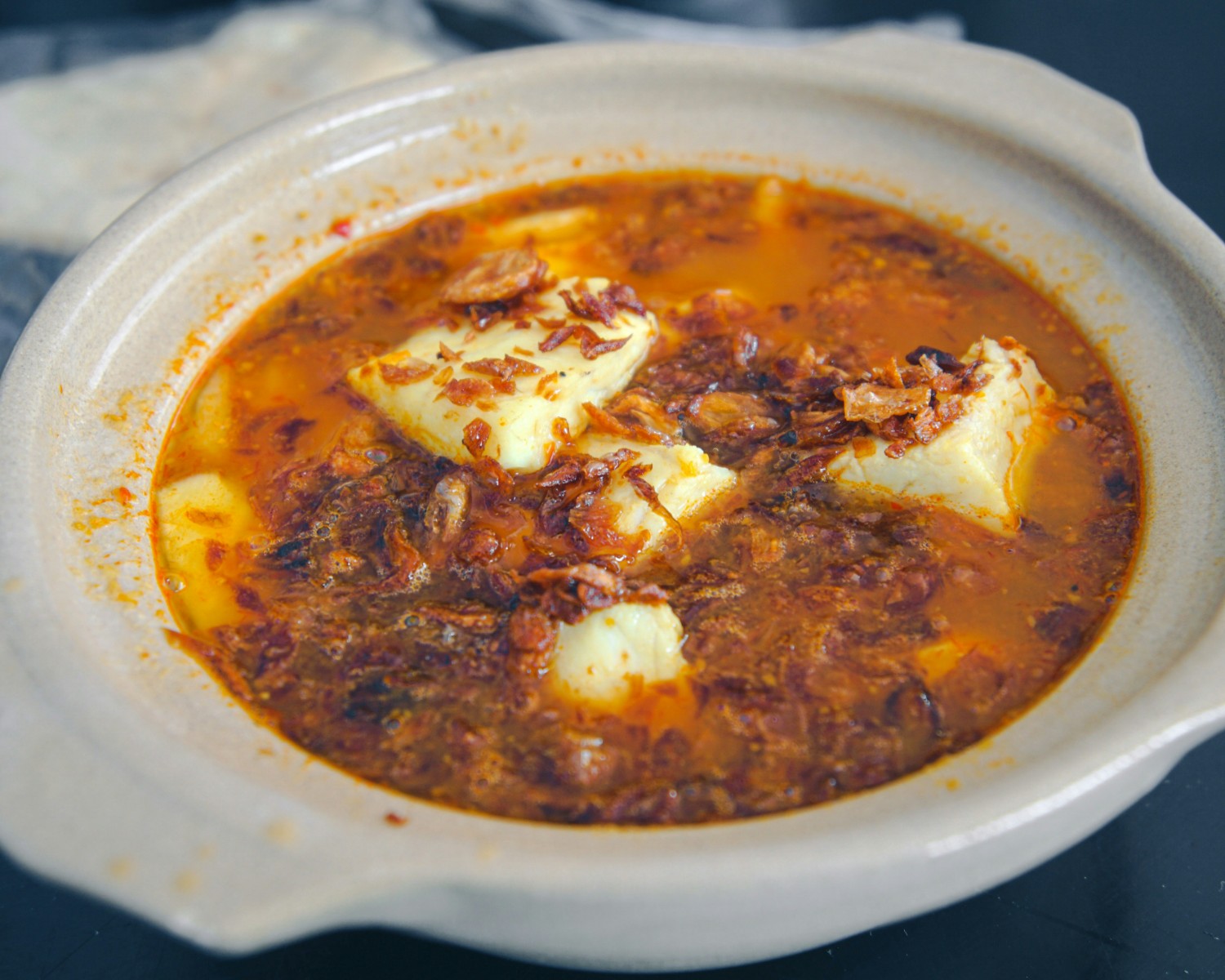
Phaksha Paa (Pork with Chili)
Shakam Ema Datshi (Dried Beef)

Jasha Maroo (Spiced Minced Meat)
Tingmo (Steamed Bread)
Where to Eat
Homestays & Guesthouses
Best cultural experience—home-cooked traditional meals prepared by local families. Warm, authentic, include butter tea and family conversation. Often mandatory on organized tours. ₺500–1,000/meal.
Traditional Restaurants (Bhutanese)
Small local eateries serving authentic Bhutanese cuisine. Simple décor, genuine atmosphere. Popular with locals. ₺300–800/meal. Found in all major towns.
Mid-Range Restaurants
Modern settings serving Bhutanese and international cuisine. Cleaner, more comfortable. Tourist-friendly. ₺800–1,500/meal. Concentrated in Thimphu and Paro.
Street Food & Stalls
Limited street food culture in Bhutan (unlike other South Asian countries). Occasional momos stalls, tea shops. Safe, cheap, authentic. ₺200–500. Found in market areas.
Dining Etiquette
- •Meals are communal, social events—eating alone is uncommon. Share tables and conversation.
- •Accept all food and drink graciously; refusal is insulting and culturally inappropriate.
- •Red rice (staple) is eaten at nearly every meal. Respect this crop; finish what you can.
- •Ema datshi (fiery chilies with cheese) dominates Bhutanese meals. Embrace the heat or ask for milder versions.
- •Wait for elders or hosts to start eating first. Follow their lead.
- •Use right hand for eating (traditional); forks/spoons acceptable in restaurants.
- •Tea service is sacred—never refuse; always accept at least one cup as a sign of respect.
- •Most meals are served family-style on shared platters. Take portions respectfully.
- •Quiet conversation during meals is respectful; avoid loud behavior.
- •Finishing your plate shows appreciation for the cook's work.
- •Alcohol available in restaurants; Buddhism discourages excess but doesn't prohibit.
- •Vegetarian options exist but meat dominates. Inform restaurants of dietary restrictions in advance.
Signature Drinks
Shop & Bring Home
Bhutanese shopping centers on authentic handcrafted goods: textiles, wooden artifacts, Buddhist paintings, and traditional items. Mass tourism hasn't corrupted markets yet. Authentic thangka paintings, woodcarvings, and weavings represent Bhutan's living artisan traditions. Shopping supports local craftspeople and cultural preservation.
Textiles & Traditional Weaving
- Hand-woven Kira (women's dress)
- Gho (men's robe) fabric
- Scarves (Rachus)
- Embroidered fabrics
- Prayer flags
Buddhist Art & Spiritual Items
- Thangka paintings (Buddhist art)
- Wooden prayer wheels
- Brass Buddha statues
- Prayer beads (malas)
- Incense
Woodcarvings & Traditional Crafts
- Hand-carved wooden masks
- Wooden door frames
- Decorative boxes
- Walking sticks
- Archery equipment
Local Products & Handicrafts
- Bhutanese hot sauce (ezi/ezay)
- Handmade soap
- Local honey & jam
- Mushrooms (dried)
- Hand-stitched items
Where to Shop (Local Hubs)
Thimphu Craft Bazaar
Traditional Handcrafts & Art
"Hundreds of artisans sell textiles, thangkas, carvings, souvenirs. UNESCO-recognized craftsmanship. Authentic, quality pieces. Prices higher than markets but guaranteed authenticity."
Paro Town Market
Textiles, Crafts & Local Goods
"Smaller than Thimphu but excellent selection. Weavings, woodcarvings, local products. Less crowded, more personalized experience. Good for intimate shopping."
Punakha Market
Local Products & Fresh Goods
"Smaller, less touristy. Local vegetables, fruits, jams, honey. Authentic daily market experience. Photography friendly if respectful."
Souvenir Shops (Scattered)
Tourist Items & Postcards
"Buddhist books, prayer flags, postcards, key chains, magnets. Standard souvenirs. Higher prices; less authentic than bazaars."
On the Move
Airport
PBH (Paro)
Only international airport; ~2.5 hours to Thimphu
Roads
Scenic Mountain Roads
Winding but improving; part of experience
Public Transport
Limited
Buses connect main towns; tours recommended
Airport Arrival
Paro International Airport (PBH) is Bhutan's only international gateway, located 7km south of Paro town. Journey to capital Thimphu: 2.5 hours by road through dramatic mountain scenery. Scenic drive is an attraction itself.
Travel Tech
Travel Tips
All tourists (except Indians with permits) must book through licensed tour operators—no independent travel allowed.
Mountain roads are winding, scenic, but sometimes slow. Drive times are estimates; weather can delay.
Guides are mandatory and invaluable—they provide cultural context, safety, and logistical expertise.
Altitude changes quickly; take time to acclimatize, especially if starting in high towns like Paro (2,250m).
Roads are improving but driving standards vary; relax and enjoy the journey.
Internet connectivity poor outside Thimphu/Paro—bring offline maps.
Petrol widely available; no fuel concerns.
Intercity Travel
Mountain Roads (Jeep/Car Tours)
The primary way to travel between towns. Scenic winding roads through Himalayas. 2.5–6 hours between major towns. Part of the Bhutan experience. Drive times: Paro-Thimphu (2.5h), Thimphu-Punakha (2h), Punakha-Trongsa (5h).
Internal Flights (Domestic Airports)
Small domestic airports in Yonphula, Bumthang, Gelephu. Expensive, weather-dependent, limited operations. Rarely used by tourists unless time-pressed. ₺3,000–5,000 per flight.
Helicopter Services
Royal Helicopter Services available for heli-hikes and scenic tours. Expensive (₺5,000+) but spectacular. Weather-dependent; luxury option.
BakıKart
No transit card system in Bhutan. Pay per journey or book through tour operators. Internal travel organized through authorized tour companies.
Visa Entry
Visa-Free Entry for Indian Nationals with E-Permit
Indian nationals enjoy a unique advantage: visa-free entry into Bhutan. Instead of a visa, visitors must obtain an e-permit online before arrival—a simple 5-minute process. This policy reflects India-Bhutan's close diplomatic relationship and Bhutan's effort to welcome Indian tourists at lower fees through the Sustainable Development Fee (SDF).
Visit Bhutan's Immigration portal or e-permit website: imigration.gov.bt
Fill online e-permit form with passport/voter ID details, travel dates, accommodation information.
Pay Sustainable Development Fee (SDF): ₺1,200/day (~₹1,200) via online payment.
Receive instant approval email with e-permit PDF (if processing fast) or within 24 hours.
Print or save digital copy of e-permit on phone.
Arrive in Bhutan with printed/digital e-permit, passport, and return flight ticket.
Present at immigration at Paro International Airport or land border (Phuentsholing).
Get stamp; you're cleared to enter. No additional fees at border.
Registration
Penalty: Without e-permit, you will be denied boarding by airlines or entry at immigration.
Entry Requirements
- • Valid Indian passport (6+ months validity recommended) OR Indian voter ID card (Aadhar and driving licenses NOT accepted).
- • Approved e-permit from immigration portal.
- • Return/onward flight ticket showing departure within visa-free period (typically 30 days).
- • Hotel booking or accommodation address in Bhutan (required for e-permit form).
- • Proof of sufficient funds (₹25,000–50,000 for 5–7 days recommended; no formal check but assume ₺1,200/day minimum).
- • Travel insurance (recommended but not mandatory; covers medical emergency, trip cancellation).