
kashmir
Kashmir
Dal Lake feels like paradise on Earth where houseboats drift. The lake mirrors snow-capped peaks while Shikara boats glide through floating gardens, kashmir tourism.
7+
packages
20k
Travelers
4.9
Rating
30+
Activities
Explore
Destination Overview
About Jammu and Kashmir
Paradise on Earth: Where Mughal Gardens, Ancient Pilgrimage, and Snow-Capped Peaks Meet in India's Most Enchanting Union Territory.
Jammu and Kashmir's history is one of profound beauty, spiritual significance, and geopolitical complexity, making it a key topic in any Jammu and Kashmir history search. Known as 'Paradise on Earth' and 'Jannat' in Persian, this region has been coveted by empires—Mughal, Afghan, Sikh, British, and beyond. The Treaty of Amritsar established it as a unified princely state under the Dogra dynasty. At India's Partition in 1947, the Hindu Maharaja Hari Singh acceded to India over Pakistan's objections, despite the region's 77% Muslim population. Article 370 of the Constitution of India granted special constitutional status (1950). On August 5, 2019, India abrogated Article 370, fundamentally transforming J&K's political status. On October 31, 2019, J&K was reorganized into two Union Territories: Jammu & Kashmir and Ladakh. Today, J&K remains a pilgrimage destination, cultural treasure, and contested geopolitical flashpoint.
Best TimeMar - May, Sep - Oct
Currency₹ INR
ClimateTemperate to Alpine
Time ZoneIST (UTC+5:30)
LanguageKashmiri/Urdu/English
EntryDomestic Travel
CapitalsSrinagar/Jammu
Population13.8M
Best Time
Mar - May, Sep - Oct
Currency
₹ INR
Climate
Temperate to Alpine
Time Zone
IST (UTC+5:30)
Language
Kashmiri/Urdu/English
Entry
Domestic Travel
Capitals
Srinagar/Jammu
Population
13.8M
Why Choose kashmir?
Mughal Paradise & Architectural Splendor
Kashmir's identity is inseparable from Mughal legacy. Emperor Jahangir's declaration of Kashmir as 'Paradise' reflects genuine architectural and horticultural genius. The Mughal Gardens—Shalimar Bagh, Nishat Bagh, Chashme Shahi—represent Renaissance-era landscape architecture, with cascading fountains, terraced gardens, and symbolic water channels. Built by Shah Jahan, these gardens combine Persian, Central Asian, and Indian aesthetic traditions. Today, they remain UNESCO-adjacent treasures and must-visit monuments symbolizing Kashmir's refined cultural heritage.
Pilgrimage Spirituality: Hindu & Islamic Traditions
J&K is India's pilgrimage heartland. Vaishno Devi (Jammu division) attracts 13+ million Hindu pilgrims annually—India's most-visited pilgrimage shrine. Amarnath (Kashmir valley) draws 400,000+ pilgrims seasonally to a glacial cave sacred in Hindu mythology. Simultaneously, Kashmir is home to Sufi Islamic tradition—the shrine of Mir Sayyid Ali Hamadani, the Hazratbal Shrine holding Prophet Muhammad's relic—attracting Muslim pilgrims. This dual spirituality—Hindu and Islamic—coexisting in sacred geography defines J&K's unique religious pluralism and makes it India's spiritual nexus.
Kashmiri Arts & Handicrafts: Global Legacy
Kashmir's handicraft tradition—Pashmina shawls, papier-mâché, hand-woven carpets, walnut wood carvings—has made it legendary globally. Pashmina shawls (woven from Changthangi goat wool) are luxury fashion icons. Carpets using the 'Kashmiri knot' represent months of master craftsmanship. Papier-mâché brought by Persian Sufi saint Mir Sayyid Ali Hamadani (14th century) creates colorful objects. These crafts employ hundreds of thousands, preserve centuries-old techniques, and represent Kashmir's cultural continuity through political upheaval.
Dal Lake & Water Heritage
Dal Lake, covering 22 sq km in Srinagar, is Kashmir's iconic water body. This floating ecosystem—with houseboats, shikaras, floating gardens, and the vegetable market—defines the 'Venice of the East' moniker. Historically, Dal Lake enabled daily life; today, it represents tourist imagination of Kashmir. The lake freezes during Chillai Kalan (harsh winter period); Mughal Gardens frame its shores. Protecting Dal Lake from pollution and environmental degradation has become a conservation imperative as tourism pressure intensifies.
Must-Experience Attractions
Dal Lake Houseboats (Srinagar)
Gulmarg Skiing & Gondola Ride
Pangong Tso Lake (Ladakh)
Thajiwas Glacier Trek (Sonamarg)
Leh Monasteries & Buddhist Heritage
Mughal Gardens & Shikara Sunset
Kashmir Tour Packages
A Kashmir tour package costs roughly ₹14,000 to ₹28,000 per person for a 4–6 day land-only trip, or ₹25,000 to ₹50,000 per person including return flights. Most travellers pick the classic Srinagar–Gulmarg–Pahalgam circuit over four to six days, extend it with Sonamarg and Doodhpathri over a week, or come specifically for snow in January and February or the tulip garden in April.
Two things have changed how you get to Kashmir, and most package pages have not caught up. The Udhampur–Srinagar–Baramulla rail link is complete, so there is now a direct Vande Bharat train from Jammu to Srinagar over the Chenab Bridge — the highest railway bridge in the world. And the Sonamarg Tunnel, opened in January 2025, gives Sonamarg year-round road access for the first time. Both are covered properly below.
Get a Kashmir quote →
Kashmir trip at a glance
Ideal duration | 4–5 days for Srinagar–Gulmarg–Pahalgam; 6–7 days adding Sonamarg; 8–10 days for a slower valley circuit |
Cost | ₹14,000–₹28,000 per person land-only; ₹25,000–₹50,000 including flights |
Best season | April–October for gardens, lakes and meadows; January–March for snow and skiing |
Entry | Domestic. A valid government photo ID is all you need. No permit required for the Kashmir Valley |
Main airport | Srinagar (SXR). Enhanced security screening — allow extra time at check-in |
By rail | Direct Vande Bharat from Jammu Tawi to Srinagar, around 4 hours 50 minutes, via the Chenab Bridge |
Best for | Honeymooners, families, snow travellers, photographers, first-time Himalayan visitors |
Altitude | Srinagar 1,585 m, Gulmarg 2,650 m, Sonamarg 2,740 m, Apharwat gondola top station 3,979 m |
Getting to Kashmir — including the new train
For decades the only practical routes into the Kashmir Valley were a flight to Srinagar or a long, landslide-prone drive up NH-44 from Jammu. That changed in 2025.
The Vande Bharat to Srinagar
Kashmir now has a direct rail connection. The Udhampur–Srinagar–Baramulla Rail Link was completed and dedicated in June 2025, and Vande Bharat services began running to Srinagar the following day. In April 2026 the service was extended from Katra to Jammu Tawi, and upgraded from eight coaches to twenty to meet demand.
Route | Jammu Tawi to Srinagar, roughly 266 km |
Journey time | About 4 hours 50 minutes, against 10 to 11 hours by road |
Frequency | Daily except Tuesday, with a second pair on the shorter Katra–Srinagar leg |
Why it matters | The first all-weather link to the Valley. Snow at the Jawahar Tunnel used to strand traffic on NH-44 for days at a time |
Worth knowing | The line runs 119 km inside tunnels across 943 bridges, including the Chenab Bridge — at 359 m above the river, the highest railway bridge in the world — and the Anji Khad, India's first cable-stayed rail bridge |
Sit on the right-hand side going up for the Chenab Bridge view. Timings shift with the seasonal timetable, so reconfirm on IRCTC before travel — we book and confirm this as part of any rail-inclusive itinerary.
The train has genuinely changed what a Kashmir trip can look like. A Delhi–Katra or Delhi–Jammu overnight train followed by the Vande Bharat is now a realistic alternative to flying, particularly for travellers who dislike small mountain airports or want to see the bridge.
Flying to Srinagar
Srinagar Airport (SXR) is about 12 kilometres from the city. Delhi is roughly an hour and twenty minutes nonstop with the widest choice of flights. Mumbai has direct service at around three hours. From most other Indian cities — including Bengaluru, Chennai, Hyderabad and Kolkata — you will usually connect through Delhi, which makes a realistic door-to-door time of five to seven hours.
Allow extra time at Srinagar Airport. Security screening is more thorough than at other Indian airports, with additional layers before you reach the terminal. Arrive three hours before departure rather than two, and expect your checked baggage to be screened separately before check-in.
By road
Jammu to Srinagar on NH-44 is about 270 kilometres and 8 to 11 hours depending on conditions — not the shorter distance some itineraries quote. The route is scenic but genuinely subject to landslides, snow closures and convoy restrictions. Since the rail link opened, we would generally recommend the train over this drive for anyone who does not specifically want the road journey.
Kashmir tour package cost
A 4–6 day Kashmir package costs ₹14,000 to ₹28,000 per person land-only, and ₹25,000 to ₹50,000 per person including return flights. Premium houseboat and luxury hotel itineraries run higher.
Component | Typical range (per person) | What moves the number |
Flight or train | ₹8,000 – ₹25,000 | Delhi is the cheapest and most frequent sector. From South India, a connection through Delhi adds cost and time. The Vande Bharat is far cheaper if you can reach Jammu |
Hotels, 4–5 nights | ₹8,000 – ₹30,000 | Srinagar hotels are good value. Gulmarg in peak snow season is the most expensive accommodation in the Valley |
Houseboat night on Dal or Nigeen | ₹2,500 – ₹12,000 | Deluxe to heritage category. Heating and hot water availability is the main practical difference |
Car with driver | ₹12,000 – ₹22,000 per vehicle | Quoted per vehicle for the whole circuit, not per person — so it drops sharply for a family of four |
Gulmarg gondola | ₹1,200 – ₹2,500 | Phase 1 to Kongdoori and Phase 2 to Apharwat are ticketed separately. Book online in advance |
Local charges at each destination | ₹3,000 – ₹10,000 | Pony rides, sledges, ski gear hire, Pahalgam's local union taxis to Aru, Betaab and Chandanwari. See the note below |
Shikara rides | ₹800 – ₹2,000 | Per boat per hour, not per person. Sunrise on Dal Lake is worth the early start |
Meals beyond breakfast | ₹700 – ₹1,800 per day | Local restaurants at the low end, hotel dining and a full wazwan at the high end |
The line that surprises people is local charges. Several Kashmir destinations operate through local transport unions with fixed tariffs — Pahalgam's onward valleys can only be reached by union taxi, and pony rides at Gulmarg, Sonamarg and Pahalgam are negotiated locally. These are legitimate and long-established, but they sit outside almost every package price and can add several thousand rupees per person. We tell you the expected figure upfront rather than letting you discover it at the barrier.
Kashmir package price by travel style
Travel style | Duration | What's included | Per person, land only |
Budget | 4–5 days | 3-star hotels, breakfast, car with driver, Srinagar sightseeing, Gulmarg and Pahalgam day trips | ₹14,000 – ₹20,000 |
Budget–mid | 5–6 days | 3–4 star mix, one houseboat night, shikara ride, gondola Phase 1, some meals | ₹20,000 – ₹28,000 |
Mid-range | 6–7 days | 4-star hotels, heritage houseboat, Sonamarg added, gondola both phases, more inclusions | ₹28,000 – ₹40,000 |
Premium / honeymoon | 7–10 days | Luxury hotels and heritage houseboats, private transfers, curated experiences, wazwan dinner | ₹45,000 – ₹80,000+ |
Prices are indicative for 2026 and move sharply with season. Peak snow in January and February, the tulip garden window in April, and the Indian summer holidays all cost substantially more than October or November. We quote hotels, the car, the houseboat and activity charges as separate lines.
Get a fixed price for your dates →
Popular Kashmir itineraries
Kashmir is compact — everything below sits within about three hours of Srinagar — which means you can base yourself in one place and do day trips, or move between hotels. Both work, and which is better depends on your dates.
Srinagar, Gulmarg and Pahalgam — 4 Nights / 5 Days
From ₹14,000 per person (land only) · Best for first-time visitors and families
The classic circuit and the right choice for a first trip. Lake, meadow and valley, with no long drives.
• Day 1 — Arrive Srinagar, shikara ride on Dal Lake, evening at the Boulevard
• Day 2 — Srinagar sightseeing: Shalimar Bagh, Nishat Bagh, Chashme Shahi, Pari Mahal, the Shankaracharya Temple, Hazratbal Shrine and the old city's Jamia Masjid
• Day 3 — Gulmarg (about 2 hours): the gondola to Kongdoori and on to Apharwat, the golf course in summer, skiing and sledging in winter
• Day 4 — Pahalgam (about 2.5 hours from Srinagar): Betaab Valley, Aru Valley and Chandanwari, riverside walks along the Lidder
• Day 5 — Return to Srinagar, Lal Chowk and handicraft shopping, departure
Base in Srinagar or move hotels? For four or five days, staying in Srinagar and doing Gulmarg and Pahalgam as day trips avoids two packing days and usually costs less. If you want the mountains in the evening — and Gulmarg after the day-trippers leave is genuinely different — stay a night there instead. In deep winter we recommend a Gulmarg night, because the road can close and you do not want to be commuting.
Customise this itinerary →
The Full Valley — Srinagar, Gulmarg, Pahalgam and Sonamarg — 6 Nights / 7 Days
From ₹28,000 per person (land only) · Best for a complete Kashmir trip
Adds Sonamarg and a houseboat night, at a pace that lets you actually stop and look at things.
• Days 1–2 — Srinagar: Dal Lake, the Mughal gardens, the old city, one night on a houseboat
• Day 3 — Sonamarg (about 2.5 hours): the Thajiwas Glacier by pony or on foot, the Sindh river valley
• Days 4–5 — Gulmarg: gondola both phases, Alpather Lake in summer, or ski school in winter. Overnight in Gulmarg
• Day 6 — Pahalgam: Betaab, Aru and Chandanwari valleys
• Day 7 — Srinagar and departure, with Doodhpathri or Yusmarg as an optional half day
Doodhpathri and Yusmarg are the two most underrated places in the Valley — meadows an hour or so from Srinagar with a fraction of the crowds at Gulmarg. If you have a spare half-day, take one of them over another Srinagar shopping afternoon.
Plan a full valley trip →
Kashmir in the Snow — 4 to 6 Days
From ₹22,000 per person (land only) · Best for January to March
Winter Kashmir is a different destination from summer Kashmir, and it needs to be planned differently.
• Gulmarg — the centre of it. Skiing and snowboarding on some of the longest ski runs in Asia, gondola Phase 2 to Apharwat at 3,979 m, sledging and snow play for non-skiers
• Sonamarg — accessible in winter for the first time thanks to the Sonamarg Tunnel. Snow play and a genuinely wild landscape
• Srinagar — Dal Lake in winter, sometimes partly frozen, with far fewer visitors. Kahwa by a kangri and wazwan in the cold is the point
• Pahalgam — quieter and snow-covered, though the onward valleys often close
Snow timing is not what most pages say. December snowfall is unreliable — some years the slopes are bare into early January. The dependable window is mid-January through February, into early March in a good year. If snow is the reason you are going, book those weeks rather than the Christmas period, which costs more and delivers less.
Chillai Kalan, the forty-day core of the Kashmiri winter running from late December to the end of January, is the coldest and snowiest stretch. It is spectacular and it is genuinely cold — packing properly matters more than most travellers realise.
Plan a snow trip to Kashmir →
The Tulip Garden — Late March to Mid-April
From ₹18,000 per person (land only) · A short, fixed window
The Indira Gandhi Memorial Tulip Garden on the Zabarwan foothills above Dal Lake is the largest tulip garden in Asia, with well over a million bulbs across terraced beds facing the lake.
It is open for roughly three to four weeks only, typically from late March into mid or late April, and the exact dates depend on that year's weather and are announced shortly before opening. Peak bloom is usually a window of about ten days inside that. Almost every listing that advertises "Kashmir tulip packages" fails to say this, and travellers book May dates expecting to see it.
It pairs naturally with the almond blossom at Badamwari in the old city, which comes slightly earlier, and with the Mughal gardens at their spring best. If the tulips are your reason for travelling, tell us early — we track the announcement and will tell you honestly whether your dates are likely to work.
Ask about tulip season dates →
The Mughal Gardens of Srinagar
Srinagar's Mughal gardens are the cultural heart of any Kashmir itinerary, laid out in the 17th century on the Persian charbagh plan — terraced levels, central water channels, and chinar trees framing the lake below.
Garden | Built | What makes it worth the stop |
Shalimar Bagh | 1619, by Jahangir | The largest and most famous. Four terraces rising away from the lake, with the black marble pavilion at the top |
Nishat Bagh | 1633 | Twelve terraces for the signs of the zodiac, with the best garden view of Dal Lake and the Zabarwan range behind |
Chashme Shahi | 1632 | The smallest of the three, built around a natural spring, and the most peaceful |
Pari Mahal | 17th century | A terraced monument above Chashme Shahi, built as a school of astrology. The best sunset view over Srinagar |
Verinag and Achabal | 17th century | Further out towards Anantnag, on the Pahalgam road. Worth adding if you are driving that way |
One correction worth making, because it is widely repeated. The Mughal Gardens of Kashmir are frequently described as UNESCO World Heritage Sites. They are not — they were added to India's Tentative List in 2010 and remain there, which means they are candidates for future inscription rather than inscribed sites. It is a small distinction, but a page that gets it right is more trustworthy than one that does not.
Best time to visit Kashmir
Kashmir genuinely has four distinct seasons, which is unusual in India and is much of the appeal. There is no single best time — it depends entirely on what you want to see.
Season | Months | What it's like and what's open |
Spring | March – April | Almond and cherry blossom, the tulip garden for three to four weeks, gardens at their best. Cool, some rain, fewer crowds than summer |
Summer | May – August | Warm days, green meadows, all high routes open, Alpather Lake accessible. Peak Indian family season with peak prices, particularly May and June |
Autumn | September – November | The most underrated season. Chinar leaves turn deep red and gold through late October and November, apple and walnut harvest, clear light, low prices, thin crowds |
Winter | December – February | Snow, skiing at Gulmarg, and Chillai Kalan's deep cold. December snow is unreliable; mid-January to February is the dependable window |
Autumn is the season most people miss
If you asked us to pick one month, it would be late October. The chinars turn, the light is extraordinary for photography, the summer crowds have gone, hotel rates drop substantially, the gardens are at their most beautiful, and everything is still open. The only thing you give up is snow. For honeymooners and photographers in particular, it is the best value in the Kashmiri calendar.
Dates worth planning around
• The tulip garden opens for roughly three to four weeks from late March, with dates announced shortly beforehand. Book flexibly if this is your reason for travelling
• The Amarnath Yatra, over about two months in summer, brings very large numbers of pilgrims through Pahalgam and Baltal and along the Srinagar–Pahalgam and Sonamarg roads. Hotel availability tightens and traffic controls apply. We route around it or build in extra transfer time
• Indian school holidays in May, June and late December are Kashmir's peak. Rates roughly double and Gulmarg fills first
• Chillai Kalan, from late December through January, is the coldest stretch — spectacular, and requiring genuinely warm clothing rather than a jacket you brought from Bengaluru
Where to go in Kashmir
Srinagar and Dal Lake
The Valley's centre and where most trips start. Dal Lake with its shikaras, houseboats and floating vegetable market at dawn; the quieter Nigeen Lake next door; the Mughal gardens on the eastern shore; Pari Mahal and the Shankaracharya Temple above the city; Hazratbal Shrine on the northern bank; and the old city with the wooden Jamia Masjid, Khanqah-e-Moula and the shawl and papier-mâché workshops around it.
Gulmarg
A meadow at 2,650 metres that becomes a ski resort in winter. The Gulmarg Gondola runs in two stages — Phase 1 to Kongdoori at around 3,080 m and Phase 2 up to Apharwat at 3,979 m, which is one of the highest cable cars in the world. Also here: Alpather Lake, frozen well into summer; St Mary's Church; and the Gulmarg Golf Course, the highest in India at around 2,650 m and one of the highest anywhere.
Book the gondola online in advance. Tickets for both phases sell out in peak season, and Phase 2 is regularly suspended in high wind or poor visibility — it is weather-dependent in a way that Phase 1 is not.
Pahalgam
A valley town on the Lidder river, surrounded by pine forest and meadow. The three onward valleys — Betaab, Aru and Chandanwari — are the reason to come, along with riverside walks, trout fishing and pony trails. Access to the onward valleys is by local union taxi only; private vehicles cannot proceed past a fixed point, and the tariff is set locally. This is normal and long-standing, but it is an extra cost and it is not included in most packages.
Sonamarg
The Meadow of Gold, at 2,740 metres on the road towards Ladakh, and the wildest of the Valley's four main destinations. The Thajiwas Glacier sits about three kilometres from town, reachable on foot or by pony, and holds snow year-round.
The Sonamarg Tunnel changed the season here entirely. The 6.5-kilometre Z-Morh tunnel between Gagangir and Sonamarg opened in January 2025 and gives the town all-weather road access for the first time — it was previously cut off from around November to April. Winter visits are now possible, though the glacier trail and Zero Point remain inaccessible in deep snow. The separate Zojila tunnel onwards to Ladakh is still under construction.
Doodhpathri and Yusmarg
Two meadows within about an hour and a half of Srinagar that most itineraries skip. Doodhpathri — the Valley of Milk — has streams running through open grassland below snow peaks. Yusmarg is quieter still, with pine forest and pony trails. Both give you the Gulmarg landscape without the crowds, and both make excellent half-day additions.
Dal Lake houseboats — what to expect
A houseboat night is one of the reasons people come to Kashmir, and it is worth understanding what you are booking.
• Categories matter more than star ratings. Houseboats are graded from Deluxe up to Heritage, and the practical differences are heating, hot water reliability, and the age and condition of the interiors. Carved walnut panelling and Kashmiri carpets are standard; a warm room in February is not
• Heating is the question to ask in winter. Many boats rely on a bukhari wood stove rather than central heating. Beautiful, and not the same thing. If you are travelling between November and March, confirm what the heating actually is
• Dal or Nigeen? Dal is the famous one, busier and closer to the Boulevard and the gardens. Nigeen is quieter, cleaner and better for a honeymoon or anyone wanting stillness. For a single night we usually suggest Nigeen
• One night is usually right. Two is lovely if you want to slow down, but houseboats are moored rather than cruising, and most travellers prefer a hotel base for the rest of the trip
• Go out at dawn. The floating vegetable market on Dal Lake starts before sunrise and finishes early. It is the single best thing on the lake and almost nobody sees it because it means a 5am shikara
Is Kashmir safe to travel to?
This is the most-asked question about Kashmir, and it deserves a straight answer rather than either reassurance or avoidance.
Kashmir receives very large numbers of Indian tourists each year, and the main tourist circuit — Srinagar, Gulmarg, Pahalgam and Sonamarg — is well established, heavily policed and set up for visitors. The overwhelming majority of trips pass without incident. At the same time, the security situation in the region is genuinely variable, restrictions can be imposed at short notice, and conditions can change between the time you book and the time you travel.
What we would suggest. Check the current position through official channels — the Ministry of Home Affairs, your state government's advisories, and the Jammu & Kashmir tourism department — close to your travel dates rather than relying on any operator's page, including this one. Register your itinerary with your hotel. Keep local contacts and identification with you. Follow instructions from local authorities without exception.
What we do. Bayard monitors conditions on the routes we operate, confirms access to each destination before finalising an itinerary, and will reroute, postpone or advise against travel where we judge it appropriate. We would rather tell you not to go than sell you a trip we are uncomfortable with. If you have concerns about specific dates or areas, ask us directly and we will give you an honest answer.
What's included in a Bayard Kashmir package
Included
• Hotel stays in Srinagar, Gulmarg, Pahalgam or Sonamarg as per your route
• Houseboat night on Dal or Nigeen Lake in your chosen category, where included
• Daily breakfast, with dinner on most itineraries and a wazwan meal on premium packages
• Air-conditioned vehicle with driver for the entire circuit, including all transfers
• Airport or railway station pickup and drop
• Shikara ride on Dal Lake
• Mughal garden entry tickets and Srinagar sightseeing
• Gulmarg gondola tickets where specified, booked in advance
• On-trip assistance and local coordination
Not included
• Flights or train fares, unless you have asked us to bundle them
• Local union taxi charges at Pahalgam for Betaab, Aru and Chandanwari — a fixed local tariff outside package pricing
• Pony rides and sledges at Gulmarg, Sonamarg and Pahalgam, negotiated locally
• Ski equipment hire, instruction and lift passes beyond the gondola
• Travel insurance
• Personal expenses: shopping, tips, minibar and laundry
We list the local charges explicitly because they are the most common source of unexpected cost on a Kashmir trip, and because most package pages leave them out entirely. We will tell you the expected figure per person before you travel.
Practical things worth knowing
What to pack — and this matters more than usual
Kashmir gets genuinely cold, and travellers from South and West India routinely underestimate it. In winter, daytime temperatures in Gulmarg sit below freezing and night-time can reach minus ten or lower. Even in May, mornings at altitude are cold.
• Winter — thermals as a base layer, a proper insulated jacket rather than a fashion one, waterproof boots with grip, gloves, a woollen cap and thick socks. Snow boots can be hired at Gulmarg and it is usually worth doing
• Summer — layers rather than a single warm garment. Days are pleasant, mornings and evenings are cold, and altitude changes everything
• All year — sunglasses and high-factor sunscreen. Snow and altitude together will burn you faster than a beach
• Medication — anything you take regularly, since pharmacy access outside Srinagar is limited
Altitude
Srinagar at 1,585 metres is unproblematic. The Gulmarg gondola's Phase 2 takes you to 3,979 metres in a matter of minutes, which is a substantial altitude gain with no acclimatisation. Mild breathlessness and headache are common and normal. Do not go straight up if you have a heart or respiratory condition, keep the time at the top short, and come down if anyone feels genuinely unwell.
Food
Kashmiri cuisine is distinct from anything else in India and is a reason to visit in its own right. Wazwan, the multi-course ceremonial meal, is the centrepiece — rogan josh, gushtaba, rista, tabak maaz and more, traditionally served on a shared copper tarami. Beyond that: kahwa, the saffron and almond green tea; Kashmiri pulao; nadru, the lotus stem; harissa in winter mornings; and the bakery culture of the old city.
Vegetarian travellers should plan ahead. Wazwan is overwhelmingly a meat tradition, and while vegetarian Kashmiri dishes exist — nadru yakhni, dum aloo, haak — they are less prominent on restaurant menus. Tell us at booking and we will place you where vegetarian and Jain food is properly available rather than an afterthought.
Money, connectivity and shopping
Cards work in Srinagar hotels and larger shops; carry cash for shikaras, ponies, union taxis and smaller purchases. Mobile connectivity can be intermittent — postpaid connections generally work better than prepaid for visitors, and coverage thins in Gulmarg, Sonamarg and the Pahalgam valleys.
Kashmir's handicrafts — pashmina, silk carpets, papier-mâché, walnut wood — are genuinely excellent and genuinely easy to overpay for. Buy from government emporiums or established shops your operator can vouch for, ask for a GI certification on pashmina, and take your time. We do not take commissions from shops, which means we can send you to the right ones.
Why book Kashmir with Bayard Vacations
Kashmir is a destination where the difference between a good trip and a frustrating one comes down to timing, honest costing, and knowing what is actually open.
• Seasonal honesty. We will tell you that December snow is unreliable, that the tulip garden runs for three weeks and not the whole of spring, and that late October is the best value month in the Valley.
• Local charges quoted upfront — the Pahalgam union taxis, the pony rides, the gondola phases — so you are not surprised at the barrier.
• Gondola tickets booked in advance, and realistic expectations about Phase 2, which is suspended in bad weather more often than people expect.
• Houseboat category chosen for the season, including confirming what the heating actually is if you are travelling in winter.
• Rail or air advised honestly, including when the Vande Bharat is the better option than flying.
• Conditions monitored before and during your trip, with rerouting where needed and a straight answer if we think you should postpone.
Talk to a Kashmir specialist →
Kashmir package FAQs
How much does a Kashmir tour package cost?
A 4–6 day Kashmir package costs ₹14,000 to ₹28,000 per person land-only, or ₹25,000 to ₹50,000 per person including return flights. Premium and honeymoon itineraries with heritage houseboats and luxury hotels run ₹45,000 to ₹80,000 and above per person.
Is there a direct train to Srinagar?
Yes, since 2025. The Udhampur–Srinagar–Baramulla rail link is complete, and a Vande Bharat runs from Jammu Tawi to Srinagar in about four hours fifty minutes, daily except Tuesday. It crosses the Chenab Bridge, the highest railway bridge in the world.
How many days are enough for Kashmir?
Four to five days covers Srinagar, Gulmarg and Pahalgam comfortably. Six to seven days lets you add Sonamarg and a houseboat night at a relaxed pace. Eight to ten days for a slower circuit including Doodhpathri, Yusmarg and the outer Mughal gardens.
What is the best time to visit Kashmir?
It depends what you want. April for tulips and blossom, May to August for green meadows and open high routes, late September to November for autumn chinars and the best value, and mid-January to February for dependable snow and skiing.
When is the Kashmir tulip garden open?
The Indira Gandhi Memorial Tulip Garden opens for roughly three to four weeks from late March into mid or late April. Exact dates depend on that year's weather and are announced shortly beforehand, with peak bloom lasting about ten days inside that window.
When does it snow in Gulmarg?
December snowfall is unreliable — some years the slopes are bare into January. The dependable window is mid-January through February, extending into early March in a good year. If snow is your reason for travelling, book those weeks rather than Christmas.
Is Sonamarg open in winter?
Yes, since the Sonamarg Tunnel opened in January 2025. The 6.5-kilometre tunnel gives the town year-round road access, where it was previously cut off from around November to April. The Thajiwas Glacier trail and Zero Point remain inaccessible in deep snow.
Do foreigners need a permit for Kashmir?
No. Foreign nationals do not need an Inner Line Permit for the Kashmir Valley — Srinagar, Gulmarg, Pahalgam and Sonamarg are all open. Permit requirements apply to certain border areas in Ladakh and to some north-eastern states, not to the Kashmir Valley.
Are the Mughal Gardens a UNESCO World Heritage Site?
Not yet. The Mughal Gardens of Kashmir were added to India's UNESCO Tentative List in 2010, meaning they are candidates for future inscription rather than inscribed sites. Many travel pages describe them as World Heritage Sites, which is incorrect.
How much does the Gulmarg gondola cost?
Roughly ₹1,200 to ₹2,500 per person depending on whether you take one phase or both. Phase 1 goes to Kongdoori at about 3,080 metres and Phase 2 to Apharwat at 3,979 metres. Book online in advance, as tickets sell out in peak season.
What extra costs should I budget for in Kashmir?
Local union taxi charges at Pahalgam for the Betaab, Aru and Chandanwari valleys, pony rides at Gulmarg, Sonamarg and Pahalgam, sledges and ski hire in winter, and shopping. These are set locally and sit outside most package prices — budget ₹3,000 to ₹10,000 per person.
Is a Dal Lake houseboat worth it?
Yes, for one night. Ask about heating rather than star rating if you are travelling between November and March, since many boats use a bukhari wood stove rather than central heating. Nigeen Lake is quieter and cleaner than Dal for a honeymoon.
Is Kashmir safe for tourists?
The main tourist circuit is well established and heavily policed, and the overwhelming majority of trips pass without incident. That said, conditions in the region are variable and restrictions can be imposed at short notice — check official advisories close to your travel dates.
Is Kashmir good for a honeymoon?
Yes, and late October is the best-value month for it — autumn chinars, thin crowds and low rates. A heritage houseboat on Nigeen Lake, a night in Gulmarg and the Pahalgam valleys runs ₹45,000 to ₹80,000 per person over seven to eight days.
Is vegetarian food available in Kashmir?
Yes, but plan ahead. Wazwan is overwhelmingly a meat tradition, and vegetarian Kashmiri dishes like nadru yakhni, dum aloo and haak are less prominent on restaurant menus. Tell us at booking and we will place you where vegetarian and Jain food is properly available.
How cold does Kashmir get?
Colder than most Indian travellers expect. Winter daytime temperatures in Gulmarg sit below freezing and nights can reach minus ten or lower, particularly during Chillai Kalan from late December through January. Even in May, mornings at altitude are cold. Pack thermals and proper insulated outerwear.
What is included in a Bayard Kashmir package?
Hotels, a houseboat night where specified, daily breakfast with dinner on most itineraries, a vehicle with driver for the whole circuit, all transfers, a shikara ride, Mughal garden entries and gondola tickets. Flights, train fares and local union charges are quoted separately.
How far in advance should I book a Kashmir trip?
Eight to ten weeks for most dates. Twelve weeks for the tulip window in April, the May and June school holidays, and January to February peak snow, when Gulmarg hotels sell out first and rates roughly double.
Planning a Kashmir trip? Tell us your dates, your city and what you most want to see — snow, tulips, autumn colour or simply the lake. We will send back a costed itinerary with the local charges stated upfront, and an honest view on whether your dates will deliver what you are hoping for.
Enquire now · WhatsApp · Call
kashmir Packages


Signature Collections
Handpicked signatures and top-rated escapes in kashmir

We Are Bayard Vacations
Not just another travel company. We're dreamweavers, adventure architects, and memory makers.
Explore
Now Featuring
Thailand

Highlight
Meet Bayard Buddy – Advanced AI Chatbot for Everyday Help
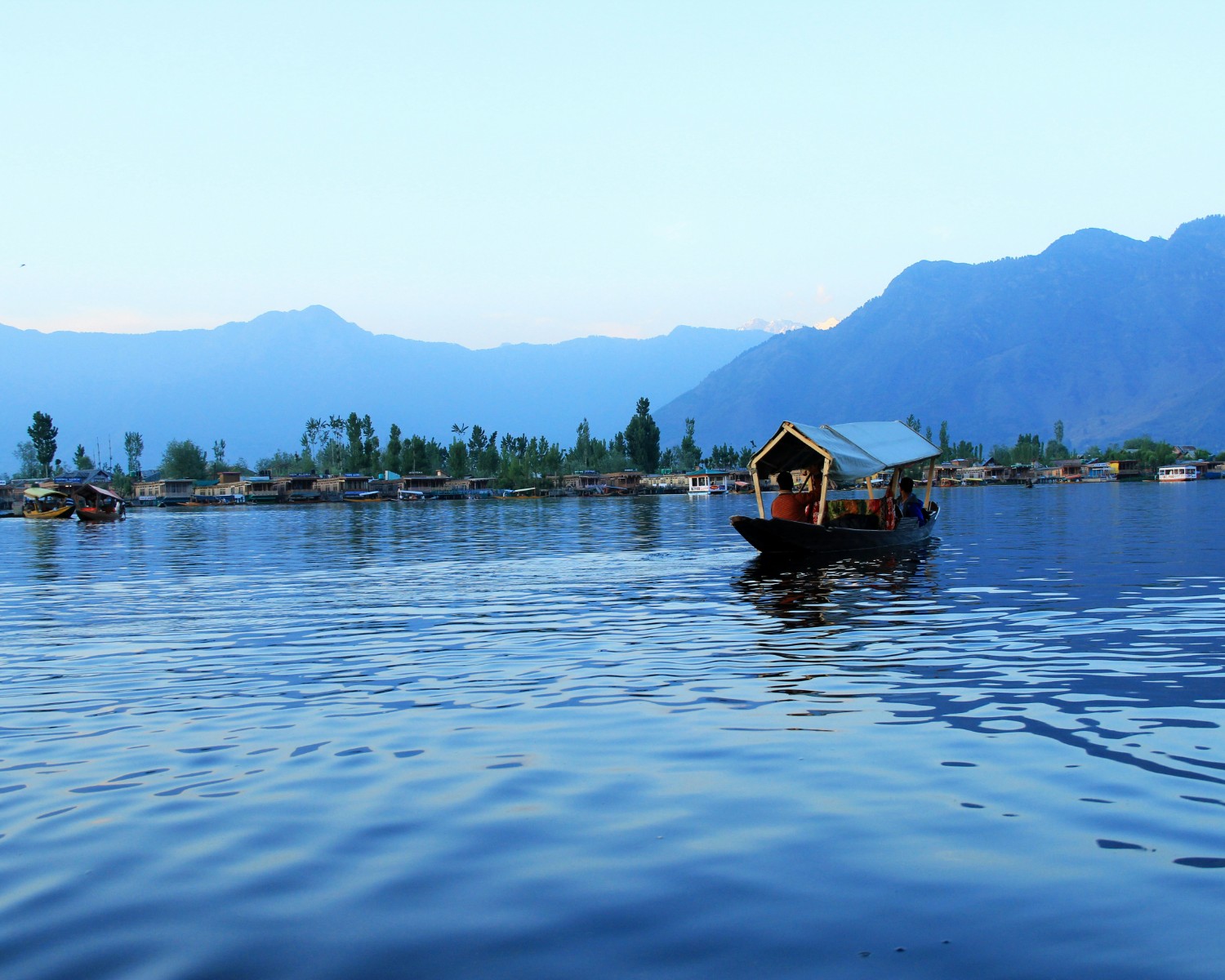
Experience 01
Dal Lake houseboats at sunrise with Himalayan backdrop
Explore HighlightExplore
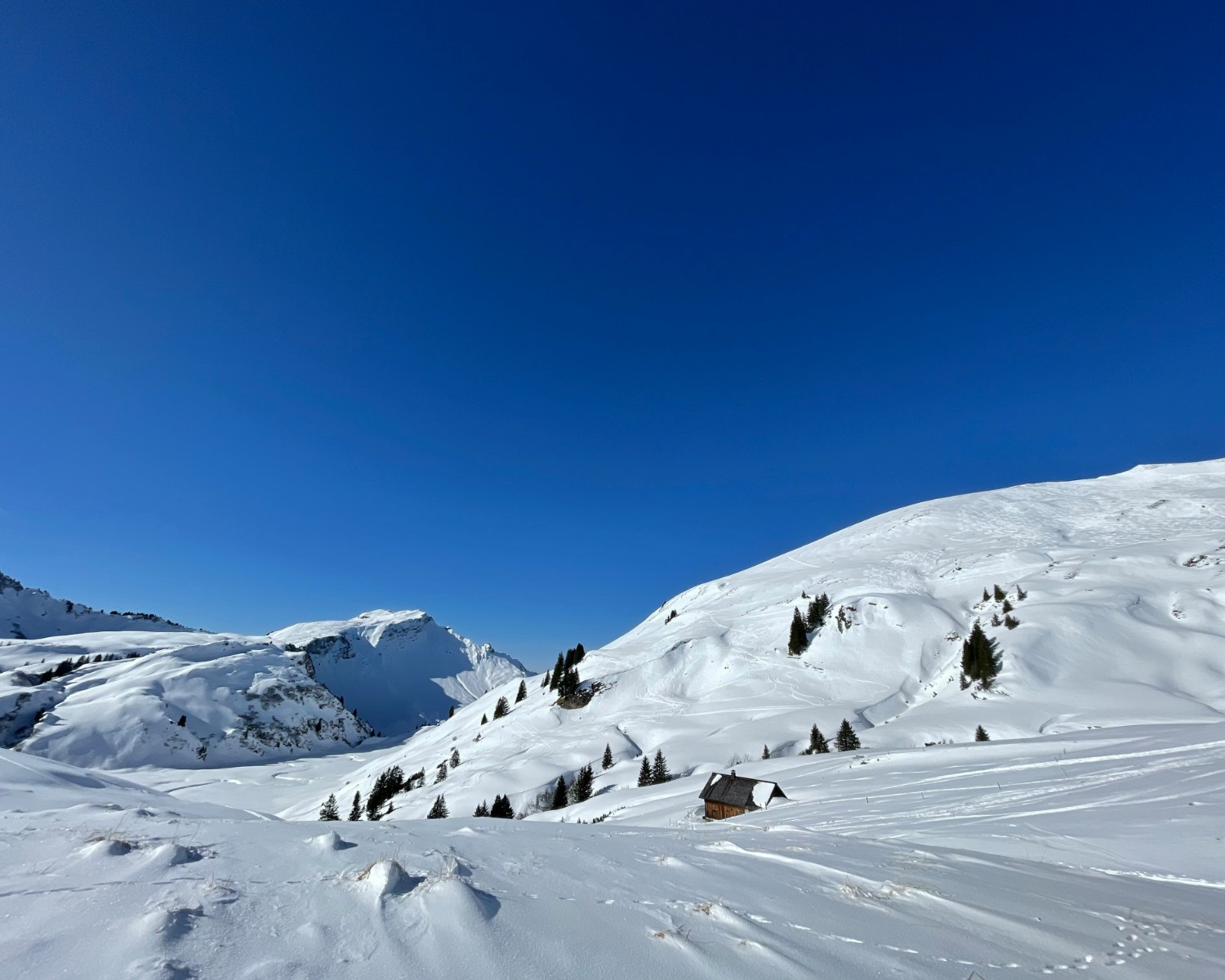
Experience 02
Gulmarg skiing slopes with snow-covered peaks
Explore HighlightExplore
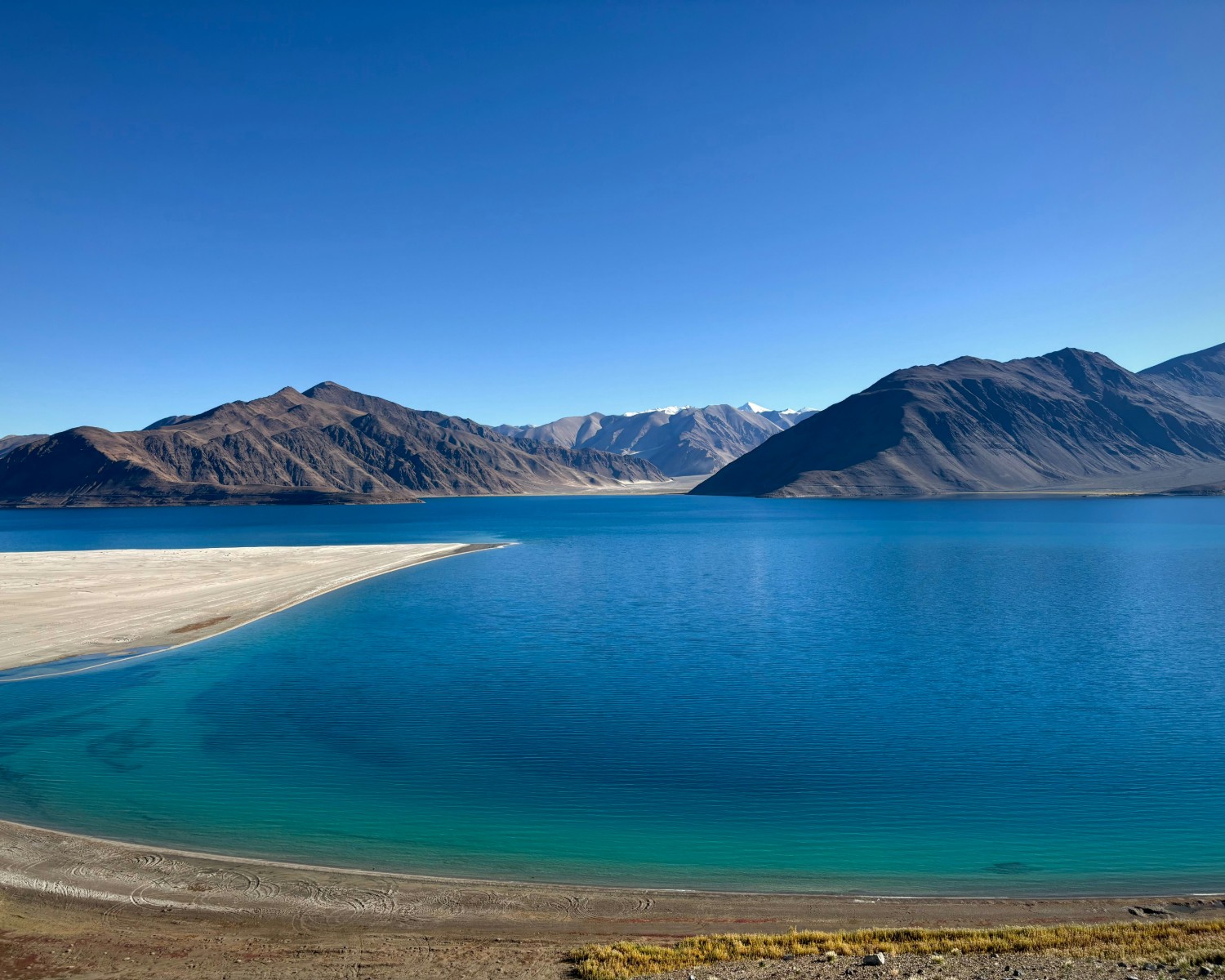
Experience 03
Pangong Tso's impossibly blue waters at mid-day
Explore HighlightExplore
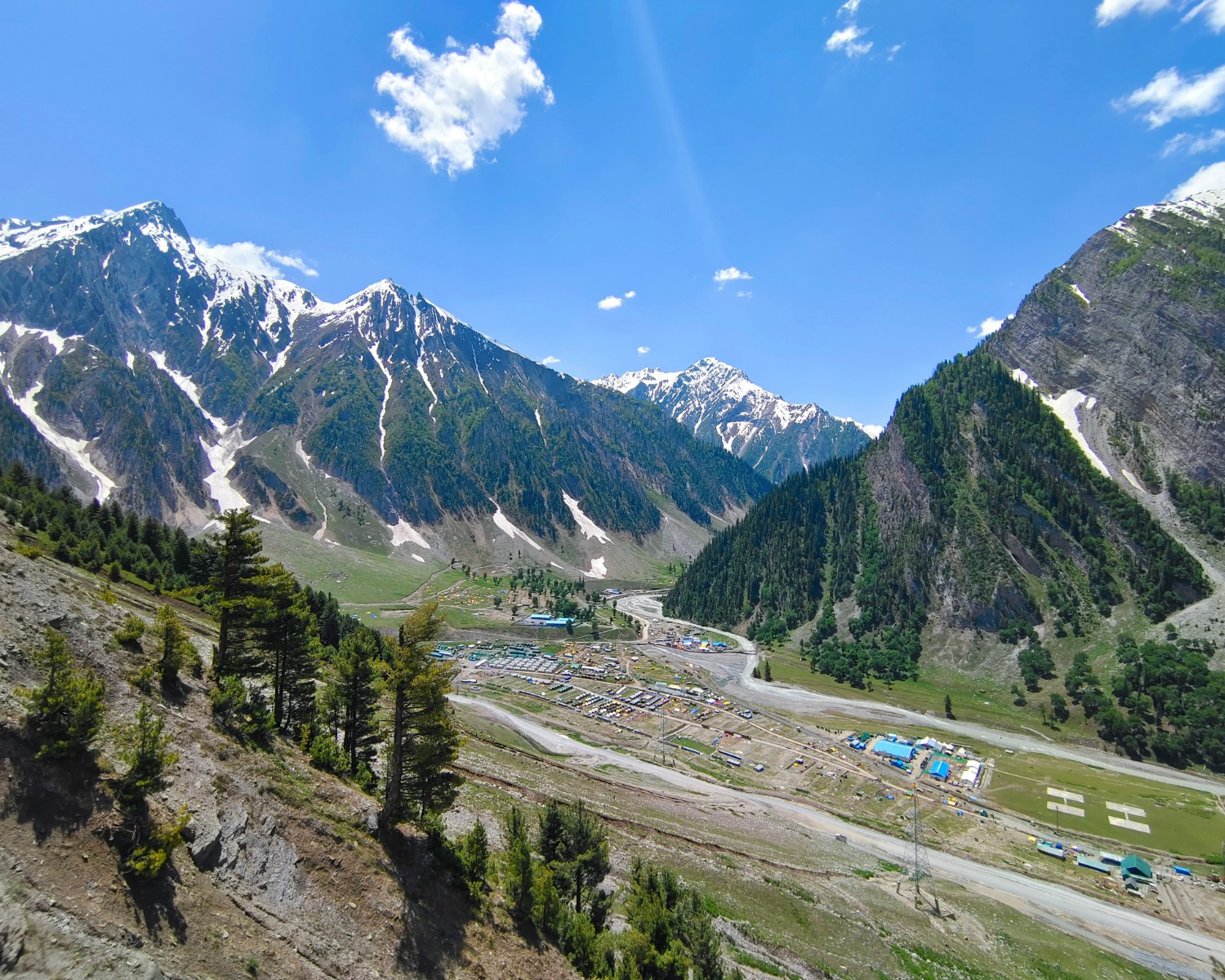
Experience 04
Amarnath cave shrine with ice lingam formation
Explore HighlightExplore
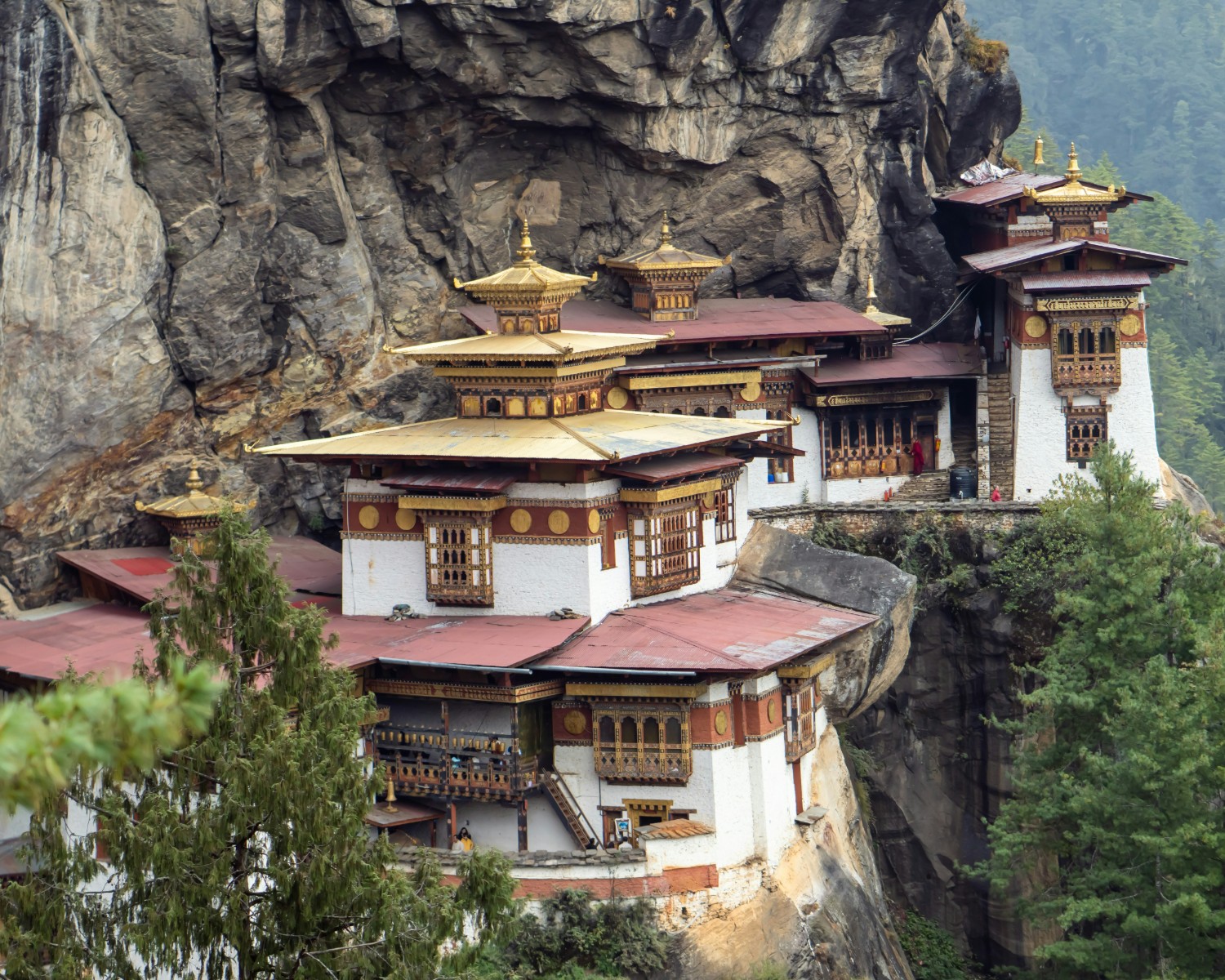
Experience 05
Buddhist monks in prayer ceremony at monastery
Explore HighlightExplore
KNOWLEDGE HUB
Things to Know in Tips for kashmir
Jammu and Kashmir's history is one of profound beauty, spiritual significance, and geopolitical complexity, making it a key topic in any Jammu and Kashmir history search. Known as 'Paradise on Earth' and 'Jannat' in Persian, this region has been coveted by empires—Mughal, Afghan, Sikh, British, and beyond. The Treaty of Amritsar established it as a unified princely state under the Dogra dynasty. At India's Partition in 1947, the Hindu Maharaja Hari Singh acceded to India over Pakistan's objections, despite the region's 77% Muslim population. Article 370 of the Constitution of India granted special constitutional status (1950). On August 5, 2019, India abrogated Article 370, fundamentally transforming J&K's political status. On October 31, 2019, J&K was reorganized into two Union Territories: Jammu & Kashmir and Ladakh. Today, J&K remains a pilgrimage destination, cultural treasure, and contested geopolitical flashpoint.
From Mughal Paradise to Modern Union Territory
Jammu and Kashmir's history is one of profound beauty, spiritual significance, and geopolitical complexity, making it a key topic in any Jammu and Kashmir history search. Known as 'Paradise on Earth' and 'Jannat' in Persian, this region has been coveted by empires—Mughal, Afghan, Sikh, British, and beyond. The Treaty of Amritsar established it as a unified princely state under the Dogra dynasty. At India's Partition in 1947, the Hindu Maharaja Hari Singh acceded to India over Pakistan's objections, despite the region's 77% Muslim population. Article 370 of the Constitution of India granted special constitutional status (1950). On August 5, 2019, India abrogated Article 370, fundamentally transforming J&K's political status. On October 31, 2019, J&K was reorganized into two Union Territories: Jammu & Kashmir and Ladakh. Today, J&K remains a pilgrimage destination, cultural treasure, and contested geopolitical flashpoint.
| Ancient Kingdoms & Hindu-Buddhist Heritage (Pre-1200)
Kashmir was home to Hindu and Buddhist kingdoms, with Srinagar founded in 1500 BC by Maharaja Ashoka. The region flourished as a center of learning—Kashmir Shaivism philosophy, Sanskrit scholarship, and Buddhist monasteries made it an intellectual hub. Lalitaditya Muktapida (8th century) expanded Kashmir's reach across Central Asia. Hindu temples, Buddhist monasteries, and libraries filled the valley. This pre-Islamic heritage remains foundational to Kashmir's cultural identity and spiritual significance.
| Mughal Golden Age (1589-1752)
Mughal Emperor Akbar annexed Kashmir, making it the empire's jewel. Emperor Jahangir declared it 'Paradise on Earth.' His son Shah Jahan commissioned the magnificent Mughal Gardens: Shalimar Bagh (Abode of Love) and Nishat Bagh (Garden of Bliss)—masterpieces of Mughal landscape architecture. Kashmiri shawls became legendary luxury exports. Sufi poetry, Persian-influenced arts, and refined cuisine flourished. This 160-year period defined Kashmir's architectural, artistic, and cultural aesthetic, leaving monuments that survive today.
| Afghan & Sikh Rule (1752-1846)
Following Mughal decline, Kashmir fell under Afghan rule, experiencing economic stagnation and cultural disruption. The Sikhs, under Maharaja Ranjit Singh, conquered Kashmir in 1819, imposing their own rule. These transition centuries saw political instability, though trade networks persisted. By 1846, the Sikhs faced British military pressure in the Anglo-Sikh Wars, and Kashmir's fate changed dramatically.
| Treaty of Amritsar & Dogra Rule (1846-1947)
On March 16, 1846, the Treaty of Amritsar transferred Kashmir to Maharaja Gulab Singh of Jammu, founder of the Dogra dynasty. For 75 lakh rupees, Kashmir became a unified princely state under British paramountcy. The Dogras ruled J&K for 101 years, developing infrastructure and governance. However, under British colonial oversight, Kashmir remained economically exploited, with political autonomy severely limited. This period built modern Srinagar's European-style architecture and administrative systems.
| Partition & Accession Crisis (1947-1948)
When British India partitioned on August 15, 1947, J&K faced an unprecedented choice: join India or Pakistan. Maharaja Hari Singh (Hindu, ruling 77% Muslim state) delayed accession. In October 1947, Pakistani tribal militias invaded Kashmir. Facing military threat, Maharaja signed the Instrument of Accession to India on October 26, 1947. India deployed troops; Pakistan withdrew but retained portions (now Azad Jammu & Kashmir and Gilgit-Baltistan). The UN intervened; plebiscite promised by India never materialized—a broken promise that fueled decades of conflict.
| Article 370 & Special Status Era (1950-2019)
India's Constitution adopted on January 26, 1950, included Article 370, granting J&K special status: partial autonomy in internal governance, separate flag (now removed), separate constitution. This hybrid status kept J&K semi-autonomous while theoretically part of India. Subsequent decades saw insurgency (1989-present), economic stagnation, tourism fluctuations, and political turbulence. J&K remained India's most contested territory, with ongoing cross-border skirmishes and internal instability. Despite challenges, tourism grew; pilgrimage to Amarnath and Vaishno Devi remained integral to India's spiritual life.
| Modern Era: Article 370 Abrogation & Reorganization (2019-Present)
On August 5, 2019, India's Hindu nationalist government under Prime Minister Narendra Modi controversially revoked Article 370 and Article 35A (protecting J&K's special status). Overnight, J&K lost constitutional autonomy. Communications blackouts, curfews, and military presence intensified. On October 31, 2019, Parliament passed the Jammu & Kashmir Reorganisation Act, dissolving the state and creating two Union Territories: Jammu & Kashmir (with legislature) and Ladakh (without). This seismic shift remains globally contentious. Pakistan condemns it; international observers express concerns. Domestically, some Indians celebrate sovereignty assertion; others mourn political autonomy's loss. Post-2019 tourism paradoxically surged—2.1-2.4 crore visitors annually—suggesting renewed interest despite political volatility.
Partition Year
August 15, 1947
J&K princely state accedes to India in October 1947
Article 370 Abrogation
August 5, 2019
Special status revoked; reorganization into Union Territories
Tourism Peak
2.36 Crore (2024)
23.6 million visitors annually; fastest-growing tourism destination in India
Vaishno Devi Pilgrims
13M+ Annually
India's most-visited pilgrimage shrine (Jammu division)
Travel Stories & Tips
Get inspired for your next adventure to kashmir

Guest Stories
H
Hemanth R
4 months agoExceptional Service and Stunning Views! I just returned from a trip to Kerala curated by Bayard Vacations, and I'm still thinking about the views. Unlike generic packages, Dhanushree from Bayard took the time to tailor the itinerary to my preferences. Every hotel and houseboat was chosen for its...
P
Prajwal Raikar
5 months agoWe went to Dubai, and Bayard Vacations made our entire trip truly joyful and memorable. Adarsh from Bayard Vacations was extremely helpful in arranging the yacht and managing a few issues promptly, which made our vacation smooth and stress-free.
M
Muthahir
5 months agoWe had a wonderful vacation in Dubai, all thanks to Bayard Vacations. From planning to execution, everything was smooth and well-organized. The itinerary was perfectly balanced, the accommodations were comfortable, and all arrangements were completely hassle-free. A special thanks to Mr. Adarsh for...
S
Spoorthy Venkatesh
5 months agoWe had an amazing time in Dubai with Bayard Vacation. Adarsh, our destination specialist, explained everything super smoothly and stayed in touch with us the whole time, which made the trip feel really easy and well organized. The team was great with the transport arrangements too. The drivers were...
B
Bakasura Brahmana
5 months agoBest iternary prepared by them. The best travel agency I suggest
H
Harsha Vardhan Attuluri
5 months agoWe recently went on a trip to Coorg and Wayanad with Bayard Vacations, and the experience was seamless. We opted for a private package, and all the arrangements were excellent. The communication was clear throughout the process. A special thanks to our agents, Rahul and Sowmya, who handled the plann...
A
Abhishek Satapathy
5 months agoWe had a wonderful vacation in Thailand thanks to the...
S
Shilpa Wartak
5 months agoWe booked our Hampi and Badami tour with Bayard Vacation and had an absolutely amazing experience! Everything was perfectly planned and very smooth from start to finish. The hotel location was excellent and close to all major places, and the drive was super comfortable. The whole trip was completely...
A
Abhilash Cr
5 months agoWe recently completed a 4-5 day Andaman trip with Bayard Vacation, and overall it was a very pleasant and well-organized experience. From the planning stage to the end of the journey, the team especially team of Rahul, Dhanushree, was supportive and responsive, making the trip smooth and stress-free.

Medha Devatraj
a month agoLoved our trip to Kerala(Munnar, Thekkady, Alleppey, Varkala and Kovalam) with Bayard Vacations. They've tailored our package and made adjustments according to our itinerary. Agents Sooraj and Dhanushree were the ones who planned and executed our trip so well🙌🙌. They were very polite and friendly. The vehicle arranged was a comfortable and spacious one for our family of 9. We were apprehensive about the tour but returned with beautiful and lifelong memories🫶🫶. A trip with Bayard Vacations is value for money ♥️♥️.

Sriram appalla
a month agoI recently took a 5N/6D trip to Kerala with Bayyard Vacation, and it turned out to be a lovely experience. Even before the trip began, the Bayyard team, especially Sooraj, helped me with every little detail and was super quick with his responses. Our assigned driver, Jbin Alex, was incredibly humble, kind, and supportive throughout the journey. I’d strongly recommend him if you’re planning a Kerala trip, and I’d definitely suggest choosing Bayyard Vacation for your travels. There was a small miss where one of the complimentary items mentioned in the itinerary couldn’t be fulfilled, but aside from that, everything went smoothly. Overall, I’d rate Bayyard Vacation a solid 4.5/5.

jothees waran
2 weeks agoManasa, sincere thanks for curating such an elegant and seamless Thailand experience. Every aspect of the journey was impeccably planned—from punctual transfers and smooth pickups to a perfectly balanced itinerary. The attention to detail, premium coordination, and effortless execution truly elevated the trip. Everything flowed with precision, allowing us to relax and enjoy each moment without a single concern. Your professionalism and commitment to excellence were evident throughout. Bayard Vacations delivers not just a trip, but a truly luxurious and memorable travel experience. Highly recommended.

Kaustubh Rastogi
3 weeks agoWe recently traveled to Malaysia and had a fantastic experience with Bayard Vacations. Their quick responses and excellent service made the entire planning process smooth and stress-free. Balaji’s recommendations were absolutely on point and perfectly matched our preferences. His attention to detail and prompt support truly made a difference. Highly satisfied with the overall experience and would definitely choose Bayard Vacations again for future trips. Highly recommended! ⭐⭐⭐⭐⭐

Manu Manu
in the last weekThe trip was very beautiful. We have experienced many places and we got chance to have the package. They guided us very safely and assured as everything that you need and food was also good and was in care of everything was fantastic trip. We went to Thailand and Bangkok, and we did alKaiser show Quarter Island and we explored a lot in the Water, also like paragliding Jaki riding And there was a dinner cruise in Bangkok. Also was very nice. Totally we really appreciate for the trip and we will like to do more.
Authentic Experiences
Read All Reviews Join 25,000+ happy travelers who explored kashmir with us.
You Might Also Like
Discover more incredible destinations and experiences tailored for you
Why Choose Bayard Vacations?
100%
Secure Booking
8+
Years Experience
25K+
Happy Travelers
24/7
Support Available
Best Price
Guaranteed
Personalized
Customized Trips
Expert
Local Guides
100+
Destinations Covered