
kerala
Kerala
God's Own Country in India's most celebrated escape for Kerala backwaters and authentic Ayurveda treatment.
10+
packages
20k
Travelers
4.9
Rating
15+
Activities
Explore
Destination Overview
About Kerala
Where emerald backwaters meet spice-laden winds, ancient temples whisper spiritual truths, and timeless traditions flow like coconut wine through the soul.
Kerala, which is the southernmost state in India, stands out as one of the most preferred South India tourism destinations. Being situated along the Malabar Coast, the history of Kerala is intertwined with the Spice Trade routes through which several global empires connected in ancient times. Currently, tourists visit God’s Own Country to enjoy the backwaters of Kerala, sandy beaches in Kovalam, and the tea plantations of Munnar.
Best TimeSep - Mar
CurrencyINR (₹)
ClimateTropical-Monsoon
Time ZoneIST (UTC+5:30)
LanguageMalayalam, English, Tamil
VisaNo Visa (Indian Citizens)
CapitalThiruvananthapuram
Population3.3M
Best Time
Sep - Mar
Currency
INR (₹)
Climate
Tropical-Monsoon
Time Zone
IST (UTC+5:30)
Language
Malayalam, English, Tamil
Visa
No Visa (Indian Citizens)
Capital
Thiruvananthapuram
Population
3.3M
Why Choose kerala?
Ancient Spice Trade Gateway
For 3,000 years, Kerala controlled the world's spice trade—pepper, cardamom, cloves, cinnamon attracted global empires. Roman coins unearthed prove direct trade with Rome. Arab, Chinese, and European merchants competed for Kerala's riches. The Spice Wars shaped continents. Ancient Kerala literally seasoned world civilization.
Saint Thomas & Christian Legacy
Saint Thomas the Apostle (Doubting Thomas) landed in Kodungallur (52 AD), establishing Christianity in India 18 centuries before European colonization. Syrian Christian community remains distinct—practicing ancient traditions unchanged for 2,000 years. Kerala's churches predate European Christianity's global expansion.
Tolerance & Religious Pluralism
Kerala's old synagogue (1568), ancient mosques, Hindu temples, and Christian churches coexist peacefully—proof that diverse faiths can flourish together. Jewish merchants, Muslim traders, Christian converts, and Hindu communities enriched Kerala through economic interdependence. Religious harmony was born from commerce.
The Kerala Model: Development Without Exploitation
Kerala achieved 94% literacy, universal healthcare, and zero hunger while remaining agrarian. Land reforms redistributed wealth. Education investment created human capital. The world's first democratically elected Communist government proved development requires justice, not exploitation. Kerala stands as proof that another development path is possible.
Must-Experience Attractions
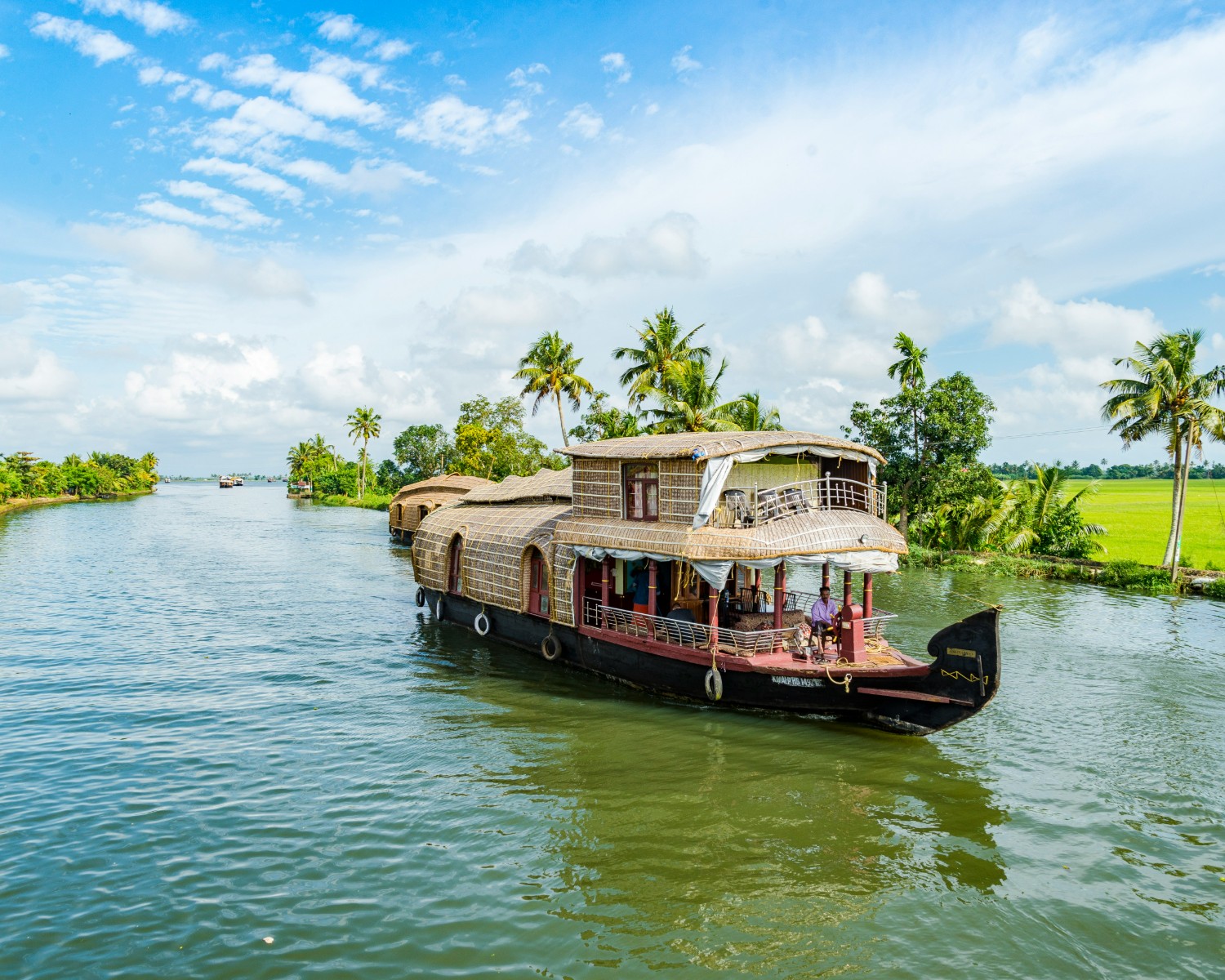
Alleppey Houseboat Backwater Cruise (overnight stay)
Authentic Ayurvedic Panchakarma Treatment (7-30 days)
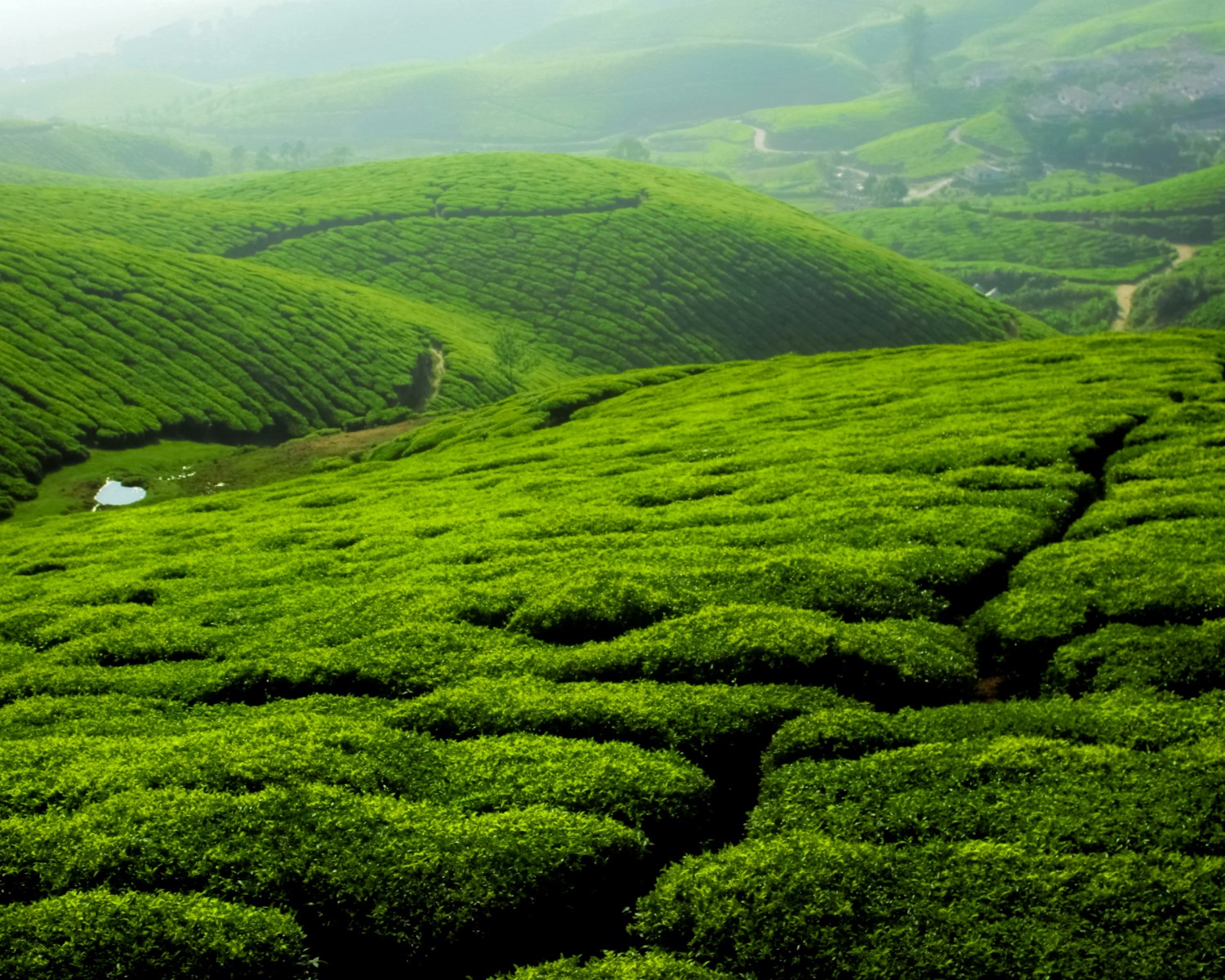
Munnar Tea Estates & Hill Station Retreat
Periyar Wildlife Sanctuary (Thekkady elephant encounters)
Varkala & Kovalam Beach Cliff Resorts (Arabian Sea)
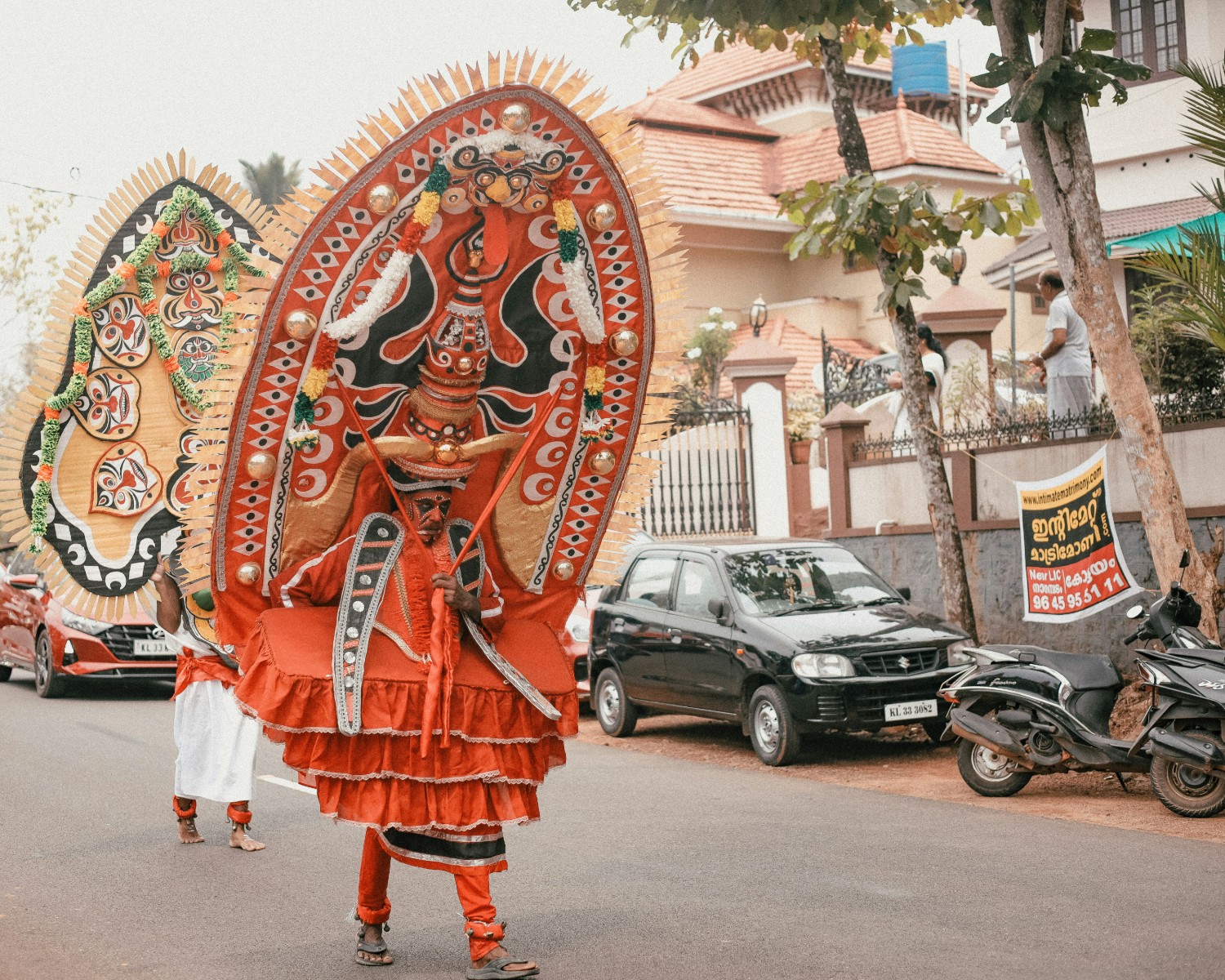
Kathakali Performance & Kerala Cultural Experience
Kerala Tour Packages
A Kerala tour package costs roughly ₹12,000 to ₹26,000 per person for a 5–6 day land-only trip, or ₹20,000 to ₹40,000 per person including return flights from most Indian metros. Most travellers pick one of three routes: Kochi–Munnar–Alleppey for a first visit, Kochi–Munnar–Thekkady–Kovalam for hills, wildlife and a beach, or a longer loop adding Wayanad and Varkala.
The thing that decides whether a Kerala trip feels relaxed or exhausting is not the hotels — it is the driving. Kerala looks compact on a map, but the ghat roads between Munnar, Thekkady and the backwaters are slow, and a four-day itinerary with four bases means most of your holiday is spent in a car. Bayard Vacations plans Kerala around realistic drive times, with the actual hours published below so you can see them before you book.
Kerala trip at a glance
Ideal duration | 4–5 days for Munnar and Alleppey; 6–7 days adding Thekkady and a beach; 8–10 days for a Wayanad and Varkala loop |
Cost | ₹12,000–₹26,000 per person land-only; ₹20,000–₹40,000 per person including flights |
Best season | November to March. October is not reliably dry — Kerala has a second monsoon |
Entry | Domestic. A valid government photo ID is all you need |
Main airports | Kochi (COK), Thiruvananthapuram (TRV), Kozhikode (CCJ), Kannur (CNN) |
Flight time | About 1h 15m from Bengaluru, 1h 20m from Chennai, 1h 45m from Hyderabad, 2h from Mumbai, 3h 15m from Delhi |
Best for | Families, couples, honeymooners, senior travellers, Ayurveda visitors |
Worth knowing | Eravikulam National Park closes 1 February to 31 March. Houseboats anchor at 5:30pm and cannot cruise at night |
How long the drives actually take
This is the single most useful table on this page, and almost no Kerala package listing publishes it. Kerala's distances are short but its roads are not fast — the Western Ghats sections are winding, single-carriageway and often behind a lorry. These are realistic door-to-door times including a break, not optimistic map estimates.
Route | Distance | Realistic driving time |
Kochi → Munnar | About 130 km | 4 to 4.5 hours |
Munnar → Thekkady | About 110 km | 3.5 to 4 hours |
Thekkady → Alleppey | About 140 km | 4 hours |
Alleppey → Kochi | About 55 km | 1.5 hours |
Alleppey → Kovalam | About 155 km | 4 hours |
Kovalam → Varkala | About 55 km | 1.5 hours |
Kochi → Wayanad | About 260 km | 6 to 7 hours |
Bengaluru → Wayanad (by road) | About 280 km | 6 to 7 hours |
What this means in practice. A five-day Kerala trip covering Kochi, Munnar, Thekkady and Alleppey involves roughly twelve hours in a car across four transfer days. That is a legitimate way to see a lot, but it is not a restful holiday, and it is worth knowing before you book rather than discovering on day three.
Our standing recommendation for a first Kerala trip is two bases, not four — Munnar and the backwaters, with Kochi at either end. You will see less and enjoy it more. If you want Thekkady and a beach as well, take seven days rather than five.
Kerala tour package cost
A 5 nights 6 days Kerala package costs ₹12,000 to ₹26,000 per person land-only, and ₹20,000 to ₹40,000 per person including return flights. Premium and honeymoon itineraries with resort properties and a private houseboat run considerably higher.
Here is what you are actually paying for, per person, on a typical 5–6 day trip:
Component | Typical range (per person) | What moves the number |
Return flight or train | ₹5,000 – ₹18,000 | Bengaluru, Chennai and Hyderabad are short and cheap. Delhi and Kolkata cost three times as much. Trains are far cheaper but eat a day each way |
Hotels, 4–5 nights | ₹8,000 – ₹25,000 | Munnar and Thekkady are good value. Kovalam and Varkala beachfront and Wayanad plantation stays cost more |
Houseboat | ₹3,000 – ₹9,000 | Per person on a shared two-bedroom boat. Deluxe, premium and luxury categories differ mainly in air conditioning hours and food quality |
Car with driver | ₹12,000 – ₹22,000 per vehicle | Quoted per vehicle for the whole circuit, not per person — so it drops sharply for a family of four versus a couple |
Sightseeing and entry tickets | ₹1,500 – ₹4,000 | Eravikulam, the Periyar boat ride, tea museums, spice gardens. Kerala's entry fees are genuinely low |
Meals beyond breakfast | ₹600 – ₹1,500 per day | Local restaurants and toddy shops at the low end, resort dining at the high end |
Ayurveda treatments | ₹2,000 – ₹8,000 | A single massage at the low end; a proper multi-day panchakarma programme costs far more and needs its own itinerary |
The car is the line people misread. It is quoted per vehicle for the entire circuit, not per person per day. For a couple it is a significant share of the trip cost; for a family of four it is a quarter of that per head. This is why Kerala often works out cheaper per person for families than the headline per-person numbers suggest.
Kerala package price by travel style
Travel style | Duration | What's included | Per person, land only |
Budget | 4–5 days | 3-star hotels, breakfast, car with driver, day cruise or shared houseboat, key sightseeing | ₹12,000 – ₹18,000 |
Budget–mid | 5–6 days | 3–4 star mix, some meals, overnight houseboat, Munnar and Thekkady sightseeing | ₹18,000 – ₹26,000 |
Mid-range | 6–7 days | 4-star hotels and resorts, premium houseboat, beach extension, more inclusions | ₹28,000 – ₹40,000 |
Premium / honeymoon | 7–10 days | Resort and plantation stays, private houseboat, private transfers, Ayurveda, curated experiences | ₹45,000 – ₹80,000+ |
Add roughly ₹5,000 to ₹18,000 per person for return flights depending on your city. Prices are indicative for 2026 and move with season — December, January and the Onam period cost noticeably more than June. We quote hotels, the car, the houseboat and sightseeing as separate lines so you can see which choice is driving the number.
Get a fixed price for your dates →
Popular Kerala itineraries
Four routes cover almost every Kerala booking we handle. All of them start and end at Kochi unless you are flying into Trivandrum for a south Kerala trip.
Kochi, Munnar and Alleppey — 4 Nights / 5 Days
From ₹15,000 per person (land only) · Best for first-time Kerala travellers
The classic route, and the one we recommend most. Two bases, one city bookend, and about seven hours of total driving across the whole trip.
• Day 1 — Arrive Kochi, Fort Kochi sightseeing: the Chinese fishing nets, St Francis Church, Mattancherry Palace, Jew Town, and a Kathakali performance in the evening
• Day 2 — Drive to Munnar (about 4 hours), stopping at Cheeyappara and Valara waterfalls on the way
• Day 3 — Munnar sightseeing: Eravikulam National Park, Mattupetty Dam, Echo Point, Top Station and the Tata Tea Museum
• Day 4 — Drive to Alleppey (about 4.5 hours), board your houseboat at noon, afternoon cruise through the backwaters, overnight on board
• Day 5 — Disembark at 9am, drive to Kochi (1.5 hours), departure
A note on Eravikulam: the park closes annually from 1 February to 31 March for the Nilgiri Tahr calving season. If your dates fall in that window we substitute Anamudi viewpoints, Marayoor sandalwood forest or the Kolukkumalai sunrise trip, and we tell you in advance rather than on the day.
Kochi, Munnar, Thekkady and Kovalam — 6 Nights / 7 Days
From ₹28,000 per person (land only) · Best for couples wanting hills, wildlife and a beach
The complete Kerala route. Take seven days for this rather than five — the same itinerary compressed into five is roughly sixteen hours of driving.
• Day 1 — Arrive Kochi, Fort Kochi heritage walk and Kathakali
• Day 2 — Drive to Munnar, afternoon at leisure among the tea estates
• Day 3 — Munnar sightseeing: Eravikulam, tea estates, Mattupetty, Top Station
• Day 4 — Drive to Thekkady (about 4 hours), evening spice plantation walk and a Kalaripayattu or Kathakali show
• Day 5 — Periyar Tiger Reserve: early morning boat ride on Periyar Lake, bamboo rafting or a guided nature walk, then drive towards Alleppey
• Day 6 — Houseboat overnight on the Alleppey backwaters
• Day 7 — Drive to Kovalam or Trivandrum for the beach finish, or return to Kochi for departure
On the Periyar boat ride: go on the first boat of the morning. Tickets are limited, sightings drop sharply as the day warms, and the later boats are crowded. We book this in advance rather than queuing on the day.
Kochi, Wayanad, Varkala and Kovalam — 8 to 10 Days
From ₹45,000 per person (land only) · Best for repeat visitors and slower holidays
The long loop, adding the north and a proper beach stretch. Wayanad is six to seven hours from Kochi, so this route only works with the days to absorb it.
• Days 1–3 — Wayanad: Edakkal Caves, Banasura Sagar Dam, Chembra Peak's heart-shaped lake, Soochipara Falls and a plantation stay
• Days 4–5 — Kochi and Munnar, or straight down to the backwaters
• Day 6 — Alleppey or Kumarakom houseboat
• Days 7–9 — Varkala's cliff beaches and Kovalam, with Ayurveda and yoga if you want them
• Day 10 — Departure from Trivandrum
Wayanad works better from Bengaluru than from Kochi — it is six to seven hours by road from either, but a Bengaluru road trip avoids the flight entirely. If you are travelling from Karnataka and Wayanad is the main draw, we can build it as a road itinerary.
Kerala for Ayurveda — 7 to 21 Days
From ₹40,000 per person · Best for genuine treatment rather than a spa holiday
A proper Ayurvedic programme is not an add-on to a sightseeing trip. Panchakarma and most classical treatments require a minimum of seven days and are more usually fourteen to twenty-one, with a prescribed diet, a fixed daily schedule and a doctor's consultation at the start. You stay in one place and you do not sightsee.
• Where — Kovalam, Varkala and the Kumarakom backwaters have the highest concentration of established centers
• When — the monsoon months of June to August are the traditional treatment season. See the section below on why
• How to tell a real centre from a hotel spa — look for Kerala Tourism's Green Leaf or Olive Leaf classification, a resident Ayurvedic physician, and a consultation before any treatment is prescribed. A menu of massages you can book by the hour is a spa, not a treatment center
We book both, but we will tell you which one you are actually getting. If you want a relaxing oil massage during a sightseeing trip, that is a perfectly good thing to want and we will arrange it — it just is not Ayurveda in the clinical sense.
What a Kerala houseboat night actually involves
The houseboat is the reason many people book Kerala, and it is also the single most common source of disappointment — almost always because of expectations nobody corrected at booking. Here is how it really works.
|
|
Check-in | Around 12 noon at the Alleppey or Kumarakom jetty. Cruising starts immediately |
Cruising hours | Roughly 12 noon to 5:30pm on day one, then 8am to 9am on day two |
Night anchoring | Mandatory. Boats anchor between 5:00 and 5:30pm and cannot move again until morning. This is a government regulation, not an operator's choice — engine-powered boats are barred overnight so local fishermen can set their nets |
Check-out | 9am the following morning |
Air conditioning | Deluxe boats run AC in bedrooms only, roughly 9pm to 6am. Premium and luxury boats run it around the clock. This is the main practical difference between categories |
Food | A fixed Kerala menu — lunch, evening tea and snacks, dinner and breakfast. Dietary requirements must be given at booking, not on board |
Swimming | Prohibited from the boat, for safety reasons — boat traffic, currents and submerged obstructions |
Crew | Usually three: a captain, an engine driver and a chef |
The 5:30pm rule is the one that surprises people. Travellers picture drifting through the backwaters after dark with dinner on the deck. What actually happens is that you moor beside a village bank around sunset and stay there. It is genuinely lovely — quiet, lantern-lit, with dinner cooked on board — but it is a different thing from what the photographs imply, and it is better to know in advance.
Avoid night-stay-only bookings. Some operators sell a 5:30pm check-in at a lower price. You board just as cruising stops, and you get about an hour of movement the next morning. You are paying for a floating hotel room, not a backwater cruise. A full-day or overnight cruise starting at noon is the version worth booking.
Alleppey or Kumarakom? Alleppey has more boats, narrower and more interesting village canals, and more life along the banks. Kumarakom sits on the wider Vembanad Lake, is quieter and less crowded, and pairs better with a resort stay. For a first trip we usually suggest Alleppey; for a honeymoon or a repeat visit, Kumarakom.
Kerala packages from your city
Kerala is straightforward to reach from anywhere in India, with four airports, strong rail links and, for South India, a genuine road option.
From | Approx. flight time to Kochi |
Bengaluru | About 1 hour 15 minutes |
Chennai | About 1 hour 20 minutes |
Hyderabad | About 1 hour 45 minutes |
Mumbai | About 2 hours |
Pune | About 2 hours |
Delhi | About 3 hours 15 minutes |
Kolkata | About 3 hours 15 minutes |
Ahmedabad | About 2 hours 45 minutes |
Kerala packages from Bangalore
Kochi is about an hour and a quarter from Bengaluru by air, with several daily flights and some of the cheapest domestic fares in the country on this sector. Bengaluru is Bayard's home base and our highest-volume Kerala market.
It is also the one Indian city where driving to Kerala is genuinely practical. Wayanad is six to seven hours by road from Bengaluru — closer than it is from Kochi — which makes a self-drive or chauffeured Wayanad long weekend a real option that does not exist from anywhere else. For Munnar and the backwaters, flying to Kochi remains faster and usually cheaper once you count fuel and tolls.
Travellers from Mysore and Coorg are closer to Wayanad still, and we build road itineraries accordingly.
Kerala packages from Chennai and Hyderabad
Chennai is about an hour and twenty minutes to Kochi, Hyderabad about an hour forty-five, both with daily direct flights and competitive fares. Chennai also has good overnight train connections to Kochi and Trivandrum if you would rather not fly — the trains are comfortable, considerably cheaper, and cost you a night rather than a day.
Kerala packages from Mumbai, Pune and Ahmedabad
Around two to three hours by air to Kochi, with direct service from all three. Fares are higher than from South India but still modest by domestic standards. From these cities a six or seven-day Kerala trip makes more sense than a four-day one, since the flights eat more of a short itinerary.
Kerala packages from Delhi and Kolkata
Just over three hours to Kochi from both, with daily direct flights. Given the flight time and cost, we would generally suggest a minimum of six days and a two-base itinerary — a compressed four-day Kerala trip from North or East India spends too much of the holiday in transit to be worth it.
Who Kerala suits best
Kerala for honeymoons
One of India's strongest , and better value than most. A private houseboat on the Kumarakom backwaters, a tea-estate bungalow in Munnar, and a cliff-top in Varkala runs ₹45,000 to ₹80,000 per person over seven to eight days with private transfers throughout. Book November to March, and book Munnar's better properties eight to ten weeks ahead — the good ones are small and fill early.
Kerala for families
Works well, with one caveat. The houseboat, the Periyar boat ride, the elephants at the spice plantations and the beaches all hold children easily, and Kerala's food is gentle enough for fussy eaters. The caveat is the driving — a four-base itinerary is hard on young children, and the ghat roads to Munnar cause motion sickness in a fair proportion of passengers. Two bases and a seven-day trip is the family-friendly version.
Kerala for senior travellers
Among the best destinations in India for older travellers: good hospitals, English widely spoken, gentle food, well-made resorts and very little walking required at most sights. Two things to plan around — the ghat road drives are long and winding, so we build in shorter driving days, and the houseboat has steps and no lift, which is worth flagging if mobility is limited. Kumarakom resorts with a day cruise are often the better version.
Kerala for Ayurveda and wellness
Kerala is the global centre of Ayurvedic practice, and unusually, its traditional treatment season is the monsoon rather than the dry months. If you are coming for genuine treatment rather than a spa day, plan seven days minimum, stay in one place, and choose a Green Leaf or Olive Leaf classified centre. See the Ayurveda itinerary above.
Best time to visit Kerala
November to March is the best window for a standard sightseeing trip. But Kerala's seasons are more complicated than most pages suggest, and the complication matters.
Kerala has two monsoons, not one
This is where most Kerala pages, including plenty of operator ones, are misleading. Kerala gets the southwest monsoon from June to September, which everyone knows about, and then the northeast or retreating monsoon from October into November, which is far less discussed.
The practical consequence is that October is not a reliably dry month in Kerala. Pages that recommend "September to March" are quietly including two months that often still get significant rain. If you want dependable weather for hill views and beach days, aim for late November onwards.
Period | What it's like | Verdict |
December – February | Cool, dry and clear. Best hill visibility, calmest seas, peak season and peak rates | The best time to go. Book 8–10 weeks ahead for the Christmas and New Year window |
March – May | Warming up, humid on the coast, still comfortable in the hills. Softer rates, fewer crowds | Good value. Munnar and Wayanad stay pleasant while the plains get hot |
June – September | Southwest monsoon. Heavy but usually intermittent rain, spectacular greenery, waterfalls at full flow, lowest rates of the year | The Ayurveda season, and excellent for travellers who like rain. Not for guaranteed hill views |
October – mid November | Retreating monsoon. Still wet, particularly in the south. Shoulder rates | Improving through November but not yet dependable. The month most travellers get wrong |
Why monsoon is Kerala's Ayurveda season
In classical Ayurvedic practice, the monsoon month of Karkidakam — roughly mid-July to mid-August — is considered the most effective period for treatment. The reasoning is that cooler, humid air opens the pores, the body absorbs medicated oils more readily, and the season's natural slowdown suits a treatment schedule that requires rest and a controlled diet.
Whether or not you accept the theory, the practical effect is real: Kerala's serious Ayurvedic centres run their main programmes in the monsoon, rates are at their lowest, and the state is at its greenest. If you are considering Ayurveda, this is the counterintuitive but correct time to come.
Dates that will change your trip
• Eravikulam National Park closes 1 February to 31 March each year for the Nilgiri Tahr calving season — right through peak tourist season. This is Munnar's headline wildlife attraction and its closure is announced annually by the forest department. We plan alternatives when your dates fall inside it
• Onam, in August or September, is Kerala's biggest festival — spectacular to witness, but hotels and flights price accordingly and book out well ahead
• The Nehru Trophy Boat Race at Alleppey, on the second Saturday of August, is the largest snake boat race in Kerala. Worth planning around if you want to see it, and worth avoiding if you want a quiet backwater trip
• The Sabarimala pilgrimage season, from mid-November to mid-January, brings very large numbers of pilgrims through central Kerala. Roads around Erumely, Pathanamthitta and the Kottayam corridor get congested and hotel availability tightens across the region
• Thrissur Pooram, in April or May, is one of India's great temple festivals — elephants, percussion ensembles and fireworks. A genuine reason to travel in an off-peak month
Where to go in Kerala
Munnar — tea country
Kerala's best-known hill station, sitting at around 1,600 metres among rolling tea estates. Eravikulam National Park for the Nilgiri Tahr, Mattupetty Dam, Echo Point, Top Station's valley views, the Tata Tea Museum, and the Kolukkumalai sunrise jeep trip — the highest tea estate in the world and worth the 4am start. Marayoor's sandalwood forest and dolmens sit an hour away and almost nobody includes them.
Alleppey and Kumarakom — the backwaters
The reason most people come. Houseboats through the canals and across Vembanad Lake, village walks, coir-making demonstrations, shikara rides through the narrower channels that houseboats cannot enter, and Kumarakom Bird Sanctuary. Alleppey for canals and life; Kumarakom for open water and quiet.
Thekkady — Periyar and the spice hills
Periyar Tiger Reserve around a large artificial lake, with a boat ride that is the standard way to see it — take the earliest departure. Beyond the boat: bamboo rafting, guided border hikes, night jungle patrols, spice plantation walks through cardamom, pepper and vanilla, and evening Kathakali and Kalaripayattu performances in Kumily town.
Kochi — the gateway
Where almost every Kerala trip begins. Fort Kochi's Chinese fishing nets, St Francis Church, the Dutch Palace at Mattancherry, Jew Town and the Paradesi Synagogue, and a Kathakali performance where you can watch the makeup being applied beforehand. Give it a full day rather than treating it as an airport transfer.
Kovalam and Varkala — the beaches
Kovalam's Lighthouse Beach is the developed, family-friendly option with a full range of hotels. Varkala is the more atmospheric one — a red laterite cliff with cafés and guesthouses along the top, a stairway down to Papanasam Beach, and a long-standing yoga and Ayurveda scene. An hour and a half apart, and easy to combine.
Wayanad — the northern hills
Green, forested and less visited than Munnar, with the Edakkal Caves and their prehistoric petroglyphs, Chembra Peak's heart-shaped lake, Banasura Sagar Dam, Soochipara and Meenmutty waterfalls, and coffee and spice plantation stays. Six to seven hours from Kochi, but only six to seven from Bengaluru — which is why it suits Karnataka travellers particularly well.
What's included in a Bayard Kerala package
Included
• Hotel stays in Kochi, Munnar, Thekkady, Alleppey or Kumarakom, Kovalam, Varkala and Wayanad as per your route
• Daily breakfast, with lunch and dinner on many itineraries and all meals on the houseboat
• Air-conditioned car with driver for the entire circuit, including all transfers
• Airport or railway station pickup and drop
• Houseboat stay or day cruise in Alleppey or Kumarakom, in your chosen category
• Sightseeing and entry tickets — Eravikulam, the Periyar boat ride, tea and spice plantation visits, Kathakali performance
• On-trip assistance and local coordination
Not included
• Flights or train fares, unless you have asked us to bundle them
• Optional paid activities — jeep safaris, bamboo rafting, night patrols, premium spa sessions
• Ayurveda treatments beyond those specified in your itinerary
• Travel insurance
• Personal expenses: shopping, tips, minibar and laundry
Kerala, Goa or Sri Lanka — which should you pick?
These three come up together for a five-to-eight-day holiday from India. Here is the honest comparison.
Pick Kerala if you want variety in one trip — hills, backwaters, wildlife and beaches — and a slower, greener holiday. It is the strongest of the three for families with older parents, for Ayurveda, and for travellers who want something restful rather than social. The trade-off is the driving.
Pick Goa if the beach is the point and you do not want to move. Goa has better beaches than Kerala, a far livelier social and food scene, and needs almost no internal travel. It is worse for hills, wildlife and anything resembling quiet in peak season.
Pick Sri Lanka if you want a similar landscape mix to Kerala with the addition of major historical sites — Sigiriya, Kandy, the ancient cities — and you want the trip to feel international. It costs more once flights and visa are counted, and involves comparable amounts of driving on comparable roads.
On cost specifically: Kerala is usually the cheapest of the three per day, particularly for families, because the car cost is shared across the vehicle rather than charged per head. Goa can be cheaper for a couple staying in one place. Sri Lanka is the most expensive once airfare and entry costs are included.
We plan all three. Tell us your dates, group and budget and we will price them side by side.
Compare Kerala, Goa and Sri Lanka →
Practical things worth knowing
Alcohol in Kerala
Kerala's alcohol rules are stricter than most Indian states and catch visitors out. Sales are largely through state-run outlets and licensed hotel bars, and the first day of every month is a dry day across the state. Many mid-range hotels have no bar at all. If a drink with dinner matters to you, tell us at booking and we will place you accordingly — this is easy to plan for and impossible to fix on the night.
Food
Kerala's food is one of the reasons to come. The traditional sadya — a vegetarian feast served on a banana leaf with a dozen or more dishes — is worth seeking out, and most hotels will arrange one with notice. Beyond that: appam with stew, puttu and kadala, Malabar biryani in the north, Syrian Christian beef and duck dishes in the centre, and fresh seafood on both coasts. Coconut is in nearly everything.
Vegetarian food is abundant and excellent throughout the state. Jain and no-onion-no-garlic requirements need advance notice, particularly on the houseboat where the menu is fixed and provisioned before you board.
Motion sickness on the ghat roads
Worth stating plainly because it affects a meaningful proportion of travellers. The roads to Munnar, Thekkady and Wayanad are steep, continuously winding and often behind slow traffic. If anyone in your group is prone to motion sickness, take medication before setting off rather than during, sit in the front, and tell us so we can build in more stops. It is the most common complaint on a first Kerala trip and it is entirely manageable with warning.
Money, connectivity and what to pack
Cards and UPI work almost everywhere including small restaurants. Carry some cash for spice shops, tea estates and the houseboat crew tip. Mobile coverage is good across the state but patchy in the Periyar forest areas and parts of Wayanad.
Pack light cottons, a rain layer whatever the month, and something genuinely warm for Munnar and Wayanad — the hills drop to single figures on winter nights and most travellers underpack for it. Mosquito repellent for the backwaters, modest clothing for temples, and comfortable shoes for the plantation walks.
Why book Kerala with Bayard Vacations
Kerala is easy to book badly. The itineraries that sell best are the ones that cram four destinations into five days, and they are the ones travellers come back unhappy from — not because anything went wrong, but because they spent the holiday in a car.
• Realistic drive times, published upfront. We would rather talk you into seven days or two bases than sell you a route that looks impressive and does not work.
• Houseboat expectations set at booking. The 5:30pm anchoring rule, the air conditioning hours by category, and what a night-stay-only booking actually gets you.
• Seasonal honesty. We will tell you that October is not reliably dry, and that Eravikulam is closed in February and March, before you book rather than after.
• Hotel location chosen deliberately — near the Munnar viewpoints or the Alleppey canals rather than a name that looks central on a booking site.
• Ayurveda booked for what it actually is, with Green Leaf and Olive Leaf classified centres for genuine treatment and a clear distinction from hotel spa services.
• Dietary requirements planned for, including on the houseboat where the menu is provisioned before you board and cannot be changed on the water.
Kerala package FAQs
How much does a Kerala tour package cost?
A 5–6 day Kerala package costs ₹12,000 to ₹26,000 per person land-only, or ₹20,000 to ₹40,000 per person including return flights. Premium and honeymoon itineraries with resort stays and a private houseboat run ₹45,000 to ₹80,000 and above per person.
How many days are enough for Kerala?
Five days covers Kochi, Munnar and the backwaters comfortably with two bases. Seven days lets you add Thekkady and a beach without excessive driving. Eight to ten days for a Wayanad and Varkala loop. Four days works only for a single region.
What is the best time to visit Kerala?
December to February is best — cool, dry and clear, with the best hill visibility and calmest seas. Note that Kerala has two monsoons, so October is not reliably dry despite appearing in most "best time" lists. Aim for late November onwards.
Is Eravikulam National Park open in February?
No. Eravikulam closes annually from 1 February to 31 March for the Nilgiri Tahr calving season, which falls right in peak tourist season. If your Munnar dates land in that window, we substitute Marayoor, Kolukkumalai or the Anamudi viewpoints instead.
Do Kerala houseboats cruise at night?
No. Government regulation requires houseboats to anchor between 5:00 and 5:30pm and they cannot move again until around 8am, so local fishermen can set their nets. You moor beside a village bank for the evening, which is lovely but different from what most photographs suggest.
What time is houseboat check-in and check-out?
Check-in is around 12 noon at the Alleppey or Kumarakom jetty, with cruising starting immediately, and check-out is 9am the next morning. Avoid night-stay-only bookings at 5:30pm — you board as cruising stops and get almost no time on the water.
Alleppey or Kumarakom for a houseboat?
Alleppey has more boats, narrower village canals and more life along the banks — better for a first trip. Kumarakom sits on the wider Vembanad Lake, is quieter and less crowded, and pairs better with a resort stay — better for a honeymoon or repeat visit.
Is a houseboat air-conditioned?
It depends on the category. Deluxe boats run air conditioning in the bedrooms only, roughly 9pm to 6am. Premium and luxury boats run it around the clock. This is the main practical difference between categories and worth confirming before you book.
How long is the drive from Kochi to Munnar?
About 130 kilometres and four to four and a half hours, including a stop. The road climbs through the Western Ghats and is continuously winding, so it takes considerably longer than the distance suggests. Munnar to Thekkady is another three and a half to four hours.
Is Kerala good for a honeymoon?
Yes, and it is better value than most Indian alternatives. A private houseboat at Kumarakom, a tea-estate bungalow in Munnar and a cliff-top room in Varkala runs ₹45,000 to ₹80,000 per person over seven to eight days with private transfers throughout.
Is Kerala good for senior travellers?
Among the best destinations in India for older travellers — good hospitals, English widely spoken, gentle food and little walking at most sights. Plan around two things: the long winding ghat drives, and the fact that houseboats have steps and no lift.
When is the best time for Ayurveda in Kerala?
The monsoon months of June to August, and particularly Karkidakam from mid-July to mid-August, are the traditional treatment season. Cooler humid air is considered to aid absorption of medicated oils, rates are lowest, and serious centres run their main programmes then.
How do I tell a real Ayurveda centre from a hotel spa?
Look for Kerala Tourism's Green Leaf or Olive Leaf classification, a resident Ayurvedic physician, and a consultation before any treatment is prescribed. A menu of massages bookable by the hour is a spa. Genuine programmes need seven days minimum and a fixed diet.
Is alcohol available in Kerala?
Yes, but rules are stricter than most Indian states. Sales run mainly through state outlets and licensed hotel bars, many mid-range hotels have no bar, and the first day of every month is a dry day statewide. Tell us at booking if this matters.
What is Onam and will it affect my trip?
Onam is Kerala's biggest festival, falling in August or September. It is spectacular to witness — sadya feasts, boat races, floral decorations — but hotels and flights price accordingly and book out well in advance. Plan around it deliberately either way.
Does the Sabarimala season affect travel in Kerala?
Yes, in central Kerala. From mid-November to mid-January very large numbers of pilgrims travel through the region, congesting roads around Erumely, Pathanamthitta and the Kottayam corridor and tightening hotel availability. We route around it where possible.
What is included in a Bayard Kerala package?
Hotels, daily breakfast with more meals on many itineraries, an air-conditioned car with driver for the whole circuit, all transfers, the houseboat stay or cruise, sightseeing with entry tickets, and on-trip support. Flights and train fares are quoted separately.
How far in advance should I book a Kerala trip?
Six to eight weeks for most dates. Ten to twelve weeks for the Christmas and New Year window and for Onam, when the better Munnar properties and premium houseboats sell out first. Munnar's good hotels are small and fill earlier than people expect.
Planning a Kerala holiday? Tell us your city, your dates and how many days you have. We will send back a costed itinerary paced for the time you actually have — and if the route you have in mind involves too much driving, we will say so.
Enquire now · WhatsApp · Call
kerala Packages


Signature Collections
Handpicked signatures and top-rated escapes in kerala

We Are Bayard Vacations
Not just another travel company. We're dreamweavers, adventure architects, and memory makers.
Explore
Now Featuring
Thailand

Highlight
Meet Bayard Buddy – Advanced AI Chatbot for Everyday Help
Experience 01
Traditional Kettuvallam houseboat navigating Alleppey backwaters
Explore HighlightExplore
Experience 02
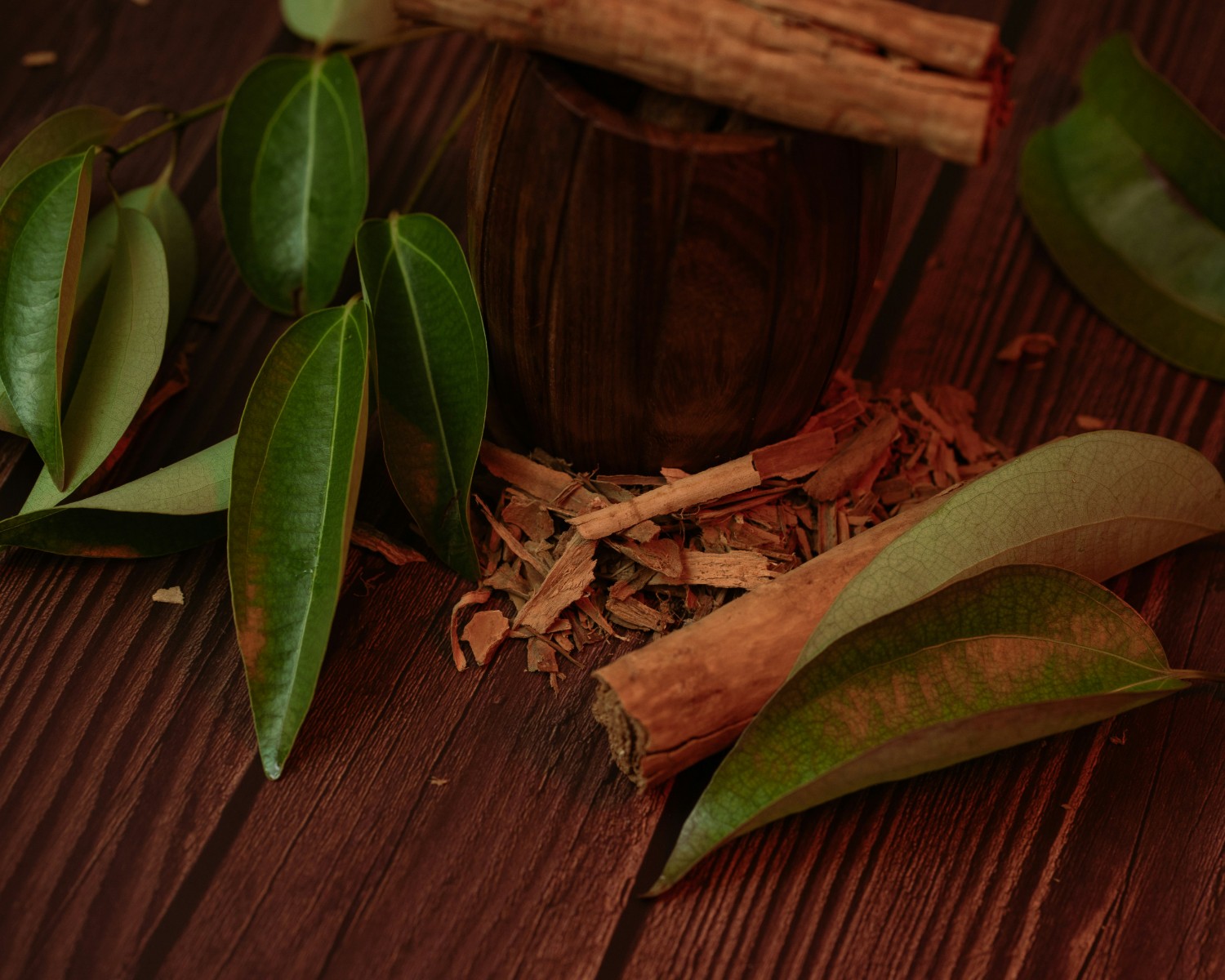
Herbal medicinal plant cultivation in Kerala Ayurvedic gardens
Explore HighlightExplore
Experience 03
Rolling tea plantation terraces covering Munnar hillsides
Explore HighlightExplore
Experience 04
Kathakali performer in elaborate makeup and costume
Explore HighlightExplore
KNOWLEDGE HUB
Things to Know in Tips for kerala
Kerala, which is the southernmost state in India, stands out as one of the most preferred South India tourism destinations. Being situated along the Malabar Coast, the history of Kerala is intertwined with the Spice Trade routes through which several global empires connected in ancient times. Currently, tourists visit God’s Own Country to enjoy the backwaters of Kerala, sandy beaches in Kovalam, and the tea plantations of Munnar.
A Journey Through Time
Kerala, which is the southernmost state in India, stands out as one of the most preferred South India tourism destinations. Being situated along the Malabar Coast, the history of Kerala is intertwined with the Spice Trade routes through which several global empires connected in ancient times. Currently, tourists visit God’s Own Country to enjoy the backwaters of Kerala, sandy beaches in Kovalam, and the tea plantations of Munnar.
| Ancient Maritime Trade (3000 BC - 1500 AD)
Kerala served as the world's spice gateway—cardamom, pepper, cloves, cinnamon attracted Phoenicians, Romans, Arabs, and Chinese traders. The 'Spice Wars' shaped global history. Roman coins discovered in Kerala prove thriving trade networks. Merchants enriched Kerala; spices enriched the world.
| Arrival of Saint Thomas (52 AD)
Saint Thomas the Apostle landed in Kerala (Kodungallur), establishing Christianity in India 1,900 years before the Western Church. The Syrian Christian community remains unique—proving early Christian presence in Asia predates European colonization.
| Jewish & Islamic Heritage (8th-12th Century)
Kerala attracted Jewish merchants fleeing persecution, establishing the world's oldest Jewish synagogue in Cochin (1568). Islamic traders built the first mosques. This religious pluralism defined Kerala's identity—tolerance and coexistence rooted in economic interdependence.
| Kingdom of Travancore & Cochin (1500-1947)
Maharajas of Travancore ruled with enlightened policies. Education investment created India's first modern state—literacy rates exceeding 50% by 1947. Cochin Fort became Portuguese, Dutch, then British stronghold. Colonial resistance was intellectually sophisticated, not violent.
| Communist Government & Social Reforms (1957-Present)
Kerala elected world's first democratically elected Communist government (1957). Land reforms redistributed wealth. Universal education and healthcare created models adopted globally. The 'Kerala Model' proves development doesn't require exploitation.
| Modern Kerala: Development & Tourism (1970-Present)
Post-independence, Kerala invested in human capital over infrastructure. 94% literacy rate, 99% healthcare coverage, zero hunger—metrics rivaling developed nations. Tourism emerged as major industry; backwaters, houseboats, and Ayurveda attract millions. 'God's Own Country' brand became global phenomenon.
Spice Trade Era
3000 BC - 1500 AD
Global empires fought for Kerala's spices
Christian Arrival
52 AD
Jewish Synagogue
1568 AD
World's oldest Jewish synagogue in Cochin
Literacy Rate
94%
Highest in India; highest among Indian states
Travel Stories & Tips
Get inspired for your next adventure to kerala


Guest Stories
H
Hemanth R
4 months agoExceptional Service and Stunning Views! I just returned from a trip to Kerala curated by Bayard Vacations, and I'm still thinking about the views. Unlike generic packages, Dhanushree from Bayard took the time to tailor the itinerary to my preferences. Every hotel and houseboat was chosen for its...
P
Prajwal Raikar
5 months agoWe went to Dubai, and Bayard Vacations made our entire trip truly joyful and memorable. Adarsh from Bayard Vacations was extremely helpful in arranging the yacht and managing a few issues promptly, which made our vacation smooth and stress-free.
M
Muthahir
5 months agoWe had a wonderful vacation in Dubai, all thanks to Bayard Vacations. From planning to execution, everything was smooth and well-organized. The itinerary was perfectly balanced, the accommodations were comfortable, and all arrangements were completely hassle-free. A special thanks to Mr. Adarsh for...
S
Spoorthy Venkatesh
5 months agoWe had an amazing time in Dubai with Bayard Vacation. Adarsh, our destination specialist, explained everything super smoothly and stayed in touch with us the whole time, which made the trip feel really easy and well organized. The team was great with the transport arrangements too. The drivers were...
B
Bakasura Brahmana
5 months agoBest iternary prepared by them. The best travel agency I suggest
H
Harsha Vardhan Attuluri
5 months agoWe recently went on a trip to Coorg and Wayanad with Bayard Vacations, and the experience was seamless. We opted for a private package, and all the arrangements were excellent. The communication was clear throughout the process. A special thanks to our agents, Rahul and Sowmya, who handled the plann...
A
Abhishek Satapathy
5 months agoWe had a wonderful vacation in Thailand thanks to the...
S
Shilpa Wartak
5 months agoWe booked our Hampi and Badami tour with Bayard Vacation and had an absolutely amazing experience! Everything was perfectly planned and very smooth from start to finish. The hotel location was excellent and close to all major places, and the drive was super comfortable. The whole trip was completely...
A
Abhilash Cr
5 months agoWe recently completed a 4-5 day Andaman trip with Bayard Vacation, and overall it was a very pleasant and well-organized experience. From the planning stage to the end of the journey, the team especially team of Rahul, Dhanushree, was supportive and responsive, making the trip smooth and stress-free.

Medha Devatraj
a month agoLoved our trip to Kerala(Munnar, Thekkady, Alleppey, Varkala and Kovalam) with Bayard Vacations. They've tailored our package and made adjustments according to our itinerary. Agents Sooraj and Dhanushree were the ones who planned and executed our trip so well🙌🙌. They were very polite and friendly. The vehicle arranged was a comfortable and spacious one for our family of 9. We were apprehensive about the tour but returned with beautiful and lifelong memories🫶🫶. A trip with Bayard Vacations is value for money ♥️♥️.

Sriram appalla
a month agoI recently took a 5N/6D trip to Kerala with Bayyard Vacation, and it turned out to be a lovely experience. Even before the trip began, the Bayyard team, especially Sooraj, helped me with every little detail and was super quick with his responses. Our assigned driver, Jbin Alex, was incredibly humble, kind, and supportive throughout the journey. I’d strongly recommend him if you’re planning a Kerala trip, and I’d definitely suggest choosing Bayyard Vacation for your travels. There was a small miss where one of the complimentary items mentioned in the itinerary couldn’t be fulfilled, but aside from that, everything went smoothly. Overall, I’d rate Bayyard Vacation a solid 4.5/5.

jothees waran
2 weeks agoManasa, sincere thanks for curating such an elegant and seamless Thailand experience. Every aspect of the journey was impeccably planned—from punctual transfers and smooth pickups to a perfectly balanced itinerary. The attention to detail, premium coordination, and effortless execution truly elevated the trip. Everything flowed with precision, allowing us to relax and enjoy each moment without a single concern. Your professionalism and commitment to excellence were evident throughout. Bayard Vacations delivers not just a trip, but a truly luxurious and memorable travel experience. Highly recommended.

Kaustubh Rastogi
3 weeks agoWe recently traveled to Malaysia and had a fantastic experience with Bayard Vacations. Their quick responses and excellent service made the entire planning process smooth and stress-free. Balaji’s recommendations were absolutely on point and perfectly matched our preferences. His attention to detail and prompt support truly made a difference. Highly satisfied with the overall experience and would definitely choose Bayard Vacations again for future trips. Highly recommended! ⭐⭐⭐⭐⭐

Manu Manu
in the last weekThe trip was very beautiful. We have experienced many places and we got chance to have the package. They guided us very safely and assured as everything that you need and food was also good and was in care of everything was fantastic trip. We went to Thailand and Bangkok, and we did alKaiser show Quarter Island and we explored a lot in the Water, also like paragliding Jaki riding And there was a dinner cruise in Bangkok. Also was very nice. Totally we really appreciate for the trip and we will like to do more.
Authentic Experiences
Read All Reviews Join 25,000+ happy travelers who explored kerala with us.
Got Questions?
Frequently Asked Questions
Still have questions?
Our travel experts are ready to help you craft the perfect itinerary. Reach out for personalized recommendations and support.
You Might Also Like
Discover more incredible destinations and experiences tailored for you


Why Choose Bayard Vacations?
100%
Secure Booking
8+
Years Experience
25K+
Happy Travelers
24/7
Support Available
Best Price
Guaranteed
Personalized
Customized Trips
Expert
Local Guides
100+
Destinations Covered