
vietnam
Vietnam
Ancient temples and French colonial charm meet Ha Long Bay's emerald waters, cruise, best places to visit in Vietnam,Southeast Asia travel destinations.
28+
packages
20k
Travelers
4.9
Rating
10+
Activities
Explore
Destination Overview
About Vietnam
From misty mountains and emerald waters to ancient temples and vibrant street food alleys, Vietnam enchants with 4,000 years of history, timeless traditions, and the warmth of its people.
Vietnam's history is an epic of resilience—from ancient kingdoms resisting Chinese rule for 1,000 years, to French colonization, Japanese occupation, and finally the Vietnam War, often explored through Vietnam history. Each chapter left deep scars and profound lessons. Today's Vietnam is a nation reborn, honoring ancestors while embracing modernity with remarkable grace.
Best TimeOct - Apr (Dry Season)
CurrencyVietnamese Dong (₫)
ClimateTropical to Subtropical
Time ZoneUTC+07:00
LanguageVietnamese
VisaE-Visa (24h) or Sticker Visa
CapitalsHanoi (Political) / Ho Chi Minh (Economic)
Population99.5M
Best Time
Oct - Apr (Dry Season)
Currency
Vietnamese Dong (₫)
Climate
Tropical to Subtropical
Time Zone
UTC+07:00
Language
Vietnamese
Visa
E-Visa (24h) or Sticker Visa
Capitals
Hanoi (Political) / Ho Chi Minh (Economic)
Population
99.5M
Why Choose vietnam?
1,000 Years Under Chinese Rule (111 BCE - 938 CE)
Vietnam endured the longest period of foreign rule in Southeast Asia, yet resisted cultural assimilation. Vietnamese identity persisted through Buddhist temples, folk legends, and resistance movements. The Vietnamese people's determination to remain 'Vietnamese' despite Chinese pressure became the nation's defining trait. Independence in 938 CE under the Ly Dynasty became a sacred moment in national consciousness.
The Tran Dynasty's Mongol Victories (1258-1287)
General Tran Hung Dao defeated the massive Mongol invasions three times—once considered unstoppable conquerors. The Vietnamese navy destroyed Mongol fleets using indigenous knowledge of tides and weather. These victories proved that courage, strategy, and knowledge of terrain could overcome superior numbers. They remain Vietnam's proudest military achievements and shaped national identity around resistance to foreign aggression.
Ho Chi Minh's Viet Minh (1941-1945)
Ho Chi Minh unified nationalists and communists to fight the French and Japanese. From mountain bases in northern Vietnam, the Viet Minh harassed occupiers and won hearts through land redistribution and literacy campaigns. Ho Chi Minh's declaration of independence (1945) quoted the American Declaration of Independence, hoping for U.S. support. Instead, Cold War geopolitics dictated Vietnam's tragic fate.
The Vietnam War & American Involvement (1964-1973)
Operation Rolling Thunder dropped 7.6 million tons of bombs (more tonnage than on Japan in WWII). Agent Orange defoliated 12% of Vietnam's land, causing birth defects and cancers for generations. The war killed 3 million Vietnamese civilians, displaced 10 million, and created ethical crises globally. Yet Vietnam emerged unified and determined to rebuild. Today, Vietnamese and Americans work together peacefully—remarkable reconciliation.
Must-Experience Attractions
Halong Bay (UNESCO Limestone Wonderland)
Hoi An Ancient Town (Lantern-Lit Heritage)
Hue Imperial City (Last Dynasty's Capital)
Sapa (Mountains & Ethnic Villages)
Mekong Delta (Floating Villages & Temples)
Phong Nha-Ke Bang (Caves & Jungle)
Vietnam Tour Packages from India
A Vietnam tour package from India costs roughly ₹28,000 to ₹45,000 per person for a 5–6 day land-only trip, or ₹55,000 to ₹80,000 per person with return flights included. Most Indian travellers pick one of four routes: Hanoi and Halong Bay for a short first trip, Da Nang–Hoi An for the scenery everyone has seen photographs of, a 7-day Highlights circuit covering both, or a North–South run that adds Ho Chi Minh City and the Mekong Delta.
The single biggest change for Indian travellers is connectivity. Vietnam is now a direct flight from most Indian metros — Bengaluru, Hyderabad, Delhi, Mumbai, Ahmedabad and Kochi all have nonstop service, and several of those routes fly straight to Da Nang and Phu Quoc rather than routing you through Hanoi or Saigon. Bayard Vacations builds Vietnam itineraries around the flight that actually exists from your city, not around a generic hub connection.
Vietnam trip at a glance
Ideal duration | 5–6 days for one region; 7–8 days for two; 9–11 days for a North–Central–South run or a Cambodia combination |
Cost from India | ₹28,000–₹45,000 per person land-only; ₹55,000–₹80,000 per person with flights |
Best season | October to April for the north and centre; Phu Quoc and the south work November to April |
Visa for Indians | E-visa required, 90 days, single or multiple entry, applied online. Phu Quoc is visa-free for 30 days on direct arrival |
Direct flights | Nonstop from Bengaluru, Hyderabad, Delhi, Mumbai, Ahmedabad and Kochi to Hanoi, Ho Chi Minh City, Da Nang, Phu Quoc and more |
Flight time | About 4h 10m from Bengaluru, 4h 20m from Hyderabad, 5h from Mumbai, 5h 30m from Delhi |
Main entry airports | Hanoi (HAN), Ho Chi Minh City (SGN), Da Nang (DAD), Phu Quoc (PQC) |
Best for | Couples, honeymooners, families, friend groups, second-time international travellers |
Currency | Vietnamese Dong (VND). Cards work in cities; carry cash for markets, Hoi An and the Mekong |
Are there direct flights from India to Vietnam?
Yes — from most major Indian cities. This is the detail most Vietnam pages still get wrong, because they were written before the routes launched. You do not need to connect through Bangkok, Kuala Lumpur or Singapore from the cities below.
From | Direct to | Approx. flight time |
Bengaluru | Ho Chi Minh City, Hanoi, Da Nang, Phu Quoc, Nha Trang, Hue, Hai Phong, Da Lat | About 4h 10m to Ho Chi Minh City |
Hyderabad | Ho Chi Minh City, Hanoi, Da Nang, Phu Quoc, Nha Trang, Quy Nhon, Da Lat, Hai Phong | About 4h 20m to Ho Chi Minh City |
Delhi | Ho Chi Minh City, Hanoi, Da Nang, Phu Quoc | About 5h 30m to Ho Chi Minh City |
Mumbai | Ho Chi Minh City, Hanoi, Da Nang, Phu Quoc, Nha Trang | About 5h to Hanoi |
Ahmedabad | Ho Chi Minh City, Hanoi, Da Nang, Phu Quoc, Nha Trang | About 5h 30m to Ho Chi Minh City |
Kochi | Ho Chi Minh City and onward Vietnamese hubs | About 4h 30m to Ho Chi Minh City |
Chennai, Kolkata, Trichy | Usually one-stop via a Vietnamese or Southeast Asian hub | Varies by routing |
Why this matters more than it sounds. Direct service to Da Nang means you can start a trip in Central Vietnam and skip Hanoi entirely — which is the right call if you only have five or six days and want Hoi An, Ba Na Hills and the beach rather than a capital city. Direct service to Phu Quoc means something even better, which is covered in the visa section below.
Schedules change by season and not every route runs daily. We check live availability for your exact dates before quoting, rather than assuming a connection.
Do Indians need a visa for Vietnam?
Yes, for mainland Vietnam — but it is entirely online and straightforward. Indian passport holders apply for a Vietnam e-visa through the official government portal at “evisa.gov.vn It is valid for up to 90 days, available as single or multiple entry, and accepted at all 83 international entry points including every airport you would use.
|
|
Validity | Up to 90 days |
Entries | Single or multiple, chosen at application |
Fee | USD 25 single entry, USD 50 multiple entry, paid online and non-refundable |
Processing | Typically 3–5 working days. Apply 7–10 days ahead, and earlier around Tet |
Where it works | All 83 approved entry points — airports, land borders and seaports |
Phu Quoc is visa-free for Indians
If you fly directly to Phu Quoc from outside Vietnam, you do not need a visa at all — Indian passport holders get 30 days visa-free on the island. Since Vietjet flies nonstop to Phu Quoc from Bengaluru, Hyderabad, Delhi, Mumbai and Ahmedabad, this is a genuinely visa-free beach holiday for most Indian travellers, and almost nobody in the Indian market advertises it.
The condition is that your arrival must be a direct international flight into Phu Quoc and you must stay on the island. The moment your itinerary touches mainland Vietnam — Ho Chi Minh City, Hanoi, Da Nang — you need the e-visa. If a visa-free week on a beach is what you are after, we build Phu Quoc as a standalone trip.
What you need to apply
• Passport valid for at least 6 months beyond your arrival date, with at least two blank pages
• A scan of your passport data page
• A recent passport-style photograph, white background, no glasses
• Your travel dates, intended entry point and Vietnam accommodation address
• Card payment for the visa fee
The details you enter must match your passport exactly — a mismatched name or date is the most common reason an application is rejected, and it cannot be corrected after submission. Bayard guides every traveller through the application and checks the details before you submit.
Vietnam tour package cost from India
A 5 nights 6 days Vietnam package costs ₹37,000 to ₹45,000 per person land-only, and ₹55,000 to ₹80,000 per person with return flights. Longer multi-region and multi-country itineraries run considerably higher.
Vietnam has a reputation for being cheap, and on the ground it genuinely is — but the internal flights are what move the number. Here is what you are actually paying for, per person, on a typical 6-day trip:
Component | Typical range (per person) | What moves the number |
Return international flight | ₹22,000 – ₹40,000 | Direct routes from Bengaluru and Hyderabad are usually the cheapest. Delhi and Mumbai run higher |
E-visa | ₹2,100 – ₹4,200 | USD 25 single entry, USD 50 multiple entry. Zero if you are flying direct to Phu Quoc only |
Hotels, 5–6 nights | ₹10,000 – ₹25,000 | Vietnam's best value line. 4-star city hotels cost what 3-star costs elsewhere in the region |
Internal flights | ₹4,000 – ₹12,000 | The line that decides your total. Hanoi–Da Nang or Da Nang–Saigon; a two-region trip usually needs one |
Halong Bay cruise | ₹4,000 – ₹18,000 | Day cruise at the low end, overnight cabin at the high end. The single biggest swing in a North Vietnam trip |
Sightseeing and activities | ₹5,000 – ₹12,000 | Ba Na Hills and the Golden Bridge, Cu Chi Tunnels, Mekong boat tour, Hoi An walking tour |
Meals beyond breakfast | ₹700 – ₹1,800 per day | Street food and local restaurants at the low end; hotel and Western dining at the high end |
Dong cash for markets and tips | ₹6,000 – ₹12,000 | Hoi An tailors, night markets and Mekong villages are largely cash |
Vietnam package price by travel style
Travel style | Duration | What's included | Per person, land only |
Budget | 4–5 days | 3-star hotels, breakfast, one region, Halong day cruise or Ba Na Hills, shared transfers | ₹28,000 – ₹35,000 |
Budget–mid | 5–7 days | 3–4 star mix, two regions, one internal flight, more guided tours | ₹35,000 – ₹50,000 |
Mid-range | 6–9 days | 4-star hotels, overnight Halong cruise, two to three regions, private transfers | ₹55,000 – ₹80,000 |
Premium / multi-country | 8–12 days | 4–5 star, premium cruise cabin, internal flights, Vietnam with Cambodia or Bali | ₹1,00,000 – ₹2,00,000+ |
Prices are indicative for 2026 and move with season, airfare and cruise category. We separate land cost, internal flights and the Halong cruise on every quote, so you can see exactly which decision is costing what.
Get a fixed price for your dates →
Popular Vietnam itineraries
Vietnam is long. The single most common planning mistake Indian travellers make is trying to cover Hanoi, Hoi An and Saigon in six days, which turns a holiday into three airports. These five routes are paced to avoid that.
Hanoi and Halong Bay — 3 Nights / 4 Days
From ₹24,000 per person (land only) · Best for a short first trip
One region, no internal flights, and the two things everyone comes to North Vietnam for.
• Day 1 — Arrive Hanoi, evening at Hoan Kiem Lake and the Old Quarter
• Day 2 — Hanoi city tour: Ho Chi Minh Mausoleum complex, One Pillar Pagoda, Temple of Literature, Train Street
• Day 3 — Transfer to Halong Bay, board your cruise, sail among the karsts with a cave visit and kayaking
• Day 4 — Return to Hanoi, or add Ninh Binh — the inland limestone landscape often called Halong on land
• Day 5 — Departure
The one decision that matters here: day cruise or overnight cruise on Halong. The overnight costs meaningfully more and is worth it — sunrise on the deck with the day boats gone is the whole point of the bay. If budget is tight, the day cruise still works.
Da Nang, Hoi An and Ba Na Hills — 5 Nights / 6 Days
From ₹32,000 per person (land only) · Best for couples and first-time Vietnam travellers with limited days
Central Vietnam on its own, reachable on a direct flight from several Indian cities, with no domestic sector needed at all. This is the highest-value short Vietnam trip for Indian travellers and the one we recommend most often.
• Day 1 — Arrive Da Nang direct, evening on My Khe Beach and the Dragon Bridge
• Day 2 — Sun World Ba Na Hills: cable car, the Golden Bridge, French Village, full day
• Day 3 — Hoi An Ancient Town: walking tour, heritage houses, tailors, lantern-lit riverside evening and a basket-boat ride
• Day 4 — Marble Mountains, Linh Ung Pagoda and the Son Tra peninsula, or a day trip to Hue's Imperial City
• Day 5 — Beach day, cooking class or free time in Hoi An
• Day 6 — Departure from Da Nang
Why this one over Hanoi for a first trip: the direct flight saves you a day at each end, the three main sights sit within an hour of each other, and Hoi An at night is the image most people actually have in their head when they picture Vietnam.
Plan a Da Nang and Hoi An trip →
Highlights of Vietnam — 6 Nights / 7 Days
From ₹45,000 per person (land only) · Best for a complete first Vietnam trip
North and Centre together: the capital, the bay, the Golden Bridge and the lantern town. One internal flight.
• Days 1–2 — Hanoi: Old Quarter, city sightseeing, street-food walk
• Day 3 — Halong Bay cruise, day or overnight
• Day 4 — Fly to Da Nang, evening at My Khe Beach
• Day 5 — Sun World Ba Na Hills and the Golden Bridge, full day
• Day 6 — Hoi An Ancient Town, lantern streets and riverside evening
• Day 7 — Departure from Da Nang
This is the format most Indian group and private tours run, and it is popular for good reason — it covers the country's two most photographed regions without a third airport.
North and South Vietnam — 7 Nights / 8 Days
From ₹55,000 per person (land only) · Best for travellers who want both ends of the country
Hanoi and Halong in the north, then Ho Chi Minh City and the Mekong Delta in the south. Two internal sectors, and a genuine change of character between halves.
• Days 1–3 — Hanoi and Halong Bay
• Day 4 — Fly to Ho Chi Minh City, evening in District 1
• Day 5 — Saigon city tour: Notre Dame Cathedral, Central Post Office, War Remnants Museum, Ben Thanh Market
• Day 6 — Mekong Delta day trip: sampan boats, coconut candy workshops, village stops
• Day 7 — Cu Chi Tunnels excursion
• Day 8 — Departure from Ho Chi Minh City
Worth knowing: the north and south really do feel like different countries — cooler and more traditional in Hanoi, hotter and faster in Saigon, with noticeably different food. That contrast is the point of this route.
Vietnam with Cambodia — 10 to 11 Days
From ₹1,00,000 per person (land only) · Best for a bigger once-in-a-while trip
Hanoi, Halong, Ho Chi Minh City and then Siem Reap for Angkor Wat. The natural pairing, since the flight from Saigon to Siem Reap is short and Angkor is a genuinely different order of sight.
• Days 1–4 — Hanoi and Halong Bay
• Days 5–7 — Ho Chi Minh City, Mekong Delta, Cu Chi Tunnels
• Days 8–10 — Fly to Siem Reap: Angkor Wat sunrise, Angkor Thom, Ta Prohm, Tonle Sap
• Day 11 — Departure
One thing to get right at booking: if your routing takes you out of Vietnam and back in, you need a multiple-entry e-visa, not a single-entry one. A single-entry visa becomes invalid the moment you exit, and this is the most expensive mistake we see travellers make on this route. We flag it at the planning stage.
Vietnam also pairs well with Bali over 9–11 days if you want beaches rather than temples.
Plan a Vietnam and Cambodia trip →
Vietnam packages from your city
Vietnam has gone from a connection-only destination to one of the better-connected Southeast Asian countries for Indian travellers in the space of a few years. We handle departures from all of the cities below.
Vietnam packages from Bangalore
Bengaluru has the widest direct network to Vietnam of any Indian city — nonstop to Ho Chi Minh City, Hanoi, Da Nang, Phu Quoc, Nha Trang, Hue, Hai Phong and Da Lat, with Ho Chi Minh City at roughly 4 hours 10 minutes. It is Bayard's home base, and the direct Da Nang and Phu Quoc services in particular change what is possible on a short trip: a five-day Central Vietnam or Phu Quoc holiday from Bengaluru genuinely works, where from most cities it would not.
Travellers from Mysore, Mangalore and elsewhere in Karnataka depart from Bengaluru, and we build the itinerary around it.
Vietnam packages from Hyderabad
Hyderabad is the other strongly connected city, with nonstop service to Ho Chi Minh City, Hanoi, Da Nang, Phu Quoc, Nha Trang, Quy Nhon, Da Lat and Hai Phong. Ho Chi Minh City is about 4 hours 20 minutes. The unusual secondary routes — Quy Nhon and Da Lat — make Hyderabad the best departure city in India for a Vietnam trip that avoids the standard circuit.
Vietnam packages from Delhi
Nonstop to Ho Chi Minh City, Hanoi, Da Nang and Phu Quoc. Ho Chi Minh City is about 5 hours 30 minutes, Hanoi slightly less. Delhi was the first Indian city to get direct Vietnam service and remains well served, though fares run higher than the southern metros.
Vietnam packages from Mumbai
Nonstop to Hanoi, Ho Chi Minh City, Da Nang, Phu Quoc and Nha Trang, with Hanoi at roughly 5 hours. Mumbai's direct Phu Quoc service makes the visa-free island trip straightforward from the west coast.
Vietnam packages from Ahmedabad
Nonstop to Ho Chi Minh City, Hanoi, Da Nang, Phu Quoc and Nha Trang — unusually good connectivity for a non-metro, and worth knowing if you assumed you would have to fly via Mumbai or Delhi.
Vietnam packages from Kochi
Direct service to Vietnam operates from Kochi, at roughly 4 hours 30 minutes to Ho Chi Minh City. Frequencies are lower than the larger metros, so dates matter more here — we check live schedules before quoting.
Vietnam packages from Chennai, Kolkata and other cities
Chennai and Kolkata are generally one-stop, routing through a Southeast Asian hub or via another Indian metro. The connection adds three to five hours each way, which is worth factoring into a short itinerary — on a five-day trip it is often better to fly out of Bengaluru or Hyderabad instead.
Who Vietnam suits best
Vietnam for honeymoons
An overnight Halong Bay cruise in a private balcony cabin, Hoi An's lantern-lit old town, and a beach finish in Phu Quoc or Nha Trang is one of the better-value honeymoons in Southeast Asia. Expect ₹80,000 to ₹1,20,000 per person for a premium seven-to-eight-day honeymoon with 4-star hotels, a good cruise cabin and private transfers. Vietnam gets you a materially better hotel category than Thailand or Bali at the same spend.
Vietnam for families
Ba Na Hills works like a theme park and holds children for a full day. Halong Bay cruises have family cabins and kayaking. Hoi An is walkable and safe in the evenings. The thing to plan around is pacing — Vietnam tempts you into too many internal flights, and a family trip is where that hurts most. Two regions maximum for a first family visit.
Vietnam for groups and friends
Vietnam handles groups well and cheaply — private cruise charters on Halong, group rates at Ba Na Hills, and city hotels that can hold a large booking without splitting you across properties. Food and nightlife in Hanoi and Saigon are a large part of the appeal for younger groups, and the per-person cost drops noticeably above about twelve travellers.
Vietnam for second-time international travellers
If you have already done Thailand, Dubai or Singapore and want something that feels less packaged, Vietnam is the usual next step. It is more textured and less polished — the traffic in Hanoi, the Mekong villages, the food — while still being easy to navigate, with an online visa, direct flights and English widely spoken in tourism.
Best time to visit Vietnam from India
October to April is the best overall window for most Indian itineraries, covering Hanoi, Halong Bay, Ninh Binh, Da Nang and Hoi An. Vietnam runs more than 1,600 kilometres north to south, so the country does not have one season — it has three.
Region | Best months | What to know |
North — Hanoi, Halong, Ninh Binh, Sapa | October – April | Cool and dry. December–February can be genuinely cold and misty on Halong Bay, which is atmospheric but not the postcard blue. March–April is the sweet spot |
Centre — Da Nang, Hoi An, Hue | February – August | Dry and hot. Avoid September–November, when this region gets its heaviest rain and Hoi An's old town regularly floods |
South — Ho Chi Minh City, Mekong, Phu Quoc | November – April | Dry season. May–October brings afternoon downpours that pass quickly, but Phu Quoc's sea gets rough |
The Tet warning nobody gives you
Tet, the Vietnamese Lunar New Year, falls in late January or February and the date shifts every year. For a week or more around it, much of the country closes: family-run restaurants shut, museums and smaller attractions reduce hours, domestic flights and hotels are booked out at inflated prices, and e-visa processing slows down.
It is not a reason to avoid Vietnam — the atmosphere in the days before Tet is genuinely worth seeing — but it is a reason to know it is happening before you book. Almost no Indian tour page mentions it, and travellers arrive expecting a normal working country. Tell us your dates and we will tell you where they fall relative to Tet.
The Central Vietnam rain most itineraries ignore
Central Vietnam's wet season runs roughly September to November, which is the opposite of the north and south. Hoi An's Ancient Town floods most years — sometimes to the point where the streets are navigated by boat. If your trip falls in that window, we route you north or south rather than promising you a lantern-lit walking tour that may not be walkable.
Where to go in Vietnam
Hanoi — the northern capital
The gateway to North Vietnam and the more traditional of the two big cities. Hoan Kiem Lake and the Old Quarter's tangle of trade streets, the Ho Chi Minh Mausoleum complex, the One Pillar Pagoda, the Temple of Literature, and a street-food scene that is reason enough on its own. Two days is right for most itineraries.
Halong Bay — the limestone karsts
Nearly two thousand limestone islands rising out of green water, best seen from a cruise. Day cruises cover the headline scenery; overnight cruises add kayaking, cave visits, squid fishing and a sunrise on deck after the day boats have gone. Lan Ha Bay, just south, is quieter and increasingly the better choice.
Ninh Binh — Halong on land
The same karst landscape inland, seen from a rowed sampan on the Tam Coc or Trang An rivers, plus the Mua Cave viewpoint at the top of five hundred steps. An easy day trip from Hanoi and one of the most photographed places in the country.
Da Nang and Ba Na Hills — Central Vietnam
A modern beach city with a long stretch of My Khe Beach, the Dragon Bridge, the Marble Mountains, and Sun World Ba Na Hills in the mountains above — the cable car, the French Village and the Golden Bridge held up by two giant stone hands. Now reachable on a direct flight from several Indian cities.
Hoi An — the lantern town
A preserved trading port of yellow walls and silk lanterns, best after dark when the riverside fills with lantern boats. Also Vietnam's tailoring capital, where a made-to-measure suit or dress takes a day. Half an hour from Da Nang, and the reason most people's Vietnam photographs look the way they do.
Hue — the imperial city
Vietnam's former imperial capital, with a walled citadel, the Forbidden Purple City and a series of emperors' tombs along the Perfume River. A day trip from Da Nang over the scenic Hai Van Pass, or a stop in its own right on a longer central itinerary.
Ho Chi Minh City and the Mekong Delta
Saigon is faster, hotter and more commercial than Hanoi — French colonial architecture in District 1, the War Remnants Museum, Ben Thanh Market and a serious rooftop bar scene. The Cu Chi Tunnels sit an hour outside. The Mekong Delta, two hours south, is sampan boats through coconut channels, floating markets and village workshops.
Phu Quoc — the visa-free island
Vietnam's largest island, in the Gulf of Thailand: long white beaches, a cable car over the sea, national park in the interior, and resorts at every price point. Direct flights from several Indian cities, and no visa required if you fly in directly and stay on the island.
Sapa and Nha Trang
Sapa, in the far north, has terraced rice fields, hill-tribe villages and trekking, reached by an overnight train or road transfer from Hanoi — worth adding on a nine-day-plus trip. Nha Trang is a beach and diving city on the south-central coast with direct service from Bengaluru, Hyderabad, Mumbai and Ahmedabad.
What's included in a Bayard Vietnam package
Included
• Hotel stays in Hanoi, Da Nang, Hoi An, Ho Chi Minh City, Phu Quoc or other hubs as per your itinerary
• Halong Bay cruise — day or overnight, in the cabin category you choose
• Daily breakfast, plus meals on the cruise and on selected tours
• All airport transfers and inter-city transfers, road or rail
• Internal Vietnam flights where your itinerary needs them, quoted as a separate line
• Guided sightseeing and entry tickets — city tours, Ba Na Hills, Hoi An walking tour, Cu Chi Tunnels, Mekong boat tour
• E-visa guidance and application support
• On-trip assistance and local partner coordination
Not included
• International flights from India, unless you have asked us to bundle them
• The e-visa government fee itself (USD 25 or USD 50, paid directly to the portal)
• Travel insurance (strongly recommended, and we can arrange it)
• Optional activities and experiences not listed in your itinerary
• Personal expenses: shopping, tailoring, extra meals, tips and incidentals
Vietnam, Thailand or Bali — which should you pick?
Almost every Indian traveller planning Vietnam is also weighing Thailand and Bali. Here is the honest comparison.
Pick Vietnam if you want the best value on the ground and more variety of landscape than either alternative — a bay, a lantern town, a delta, mountains and beaches in one country. Your money buys a better hotel category here than anywhere else in the region. The trade-off is more internal travel.
Pick Thailand if you want the easiest possible trip. Thailand has no visa requirement for Indians, better tourism infrastructure, more Indian food, and a Bangkok–Pattaya format that needs no domestic flights at all. It is the better first international trip; Vietnam is the better second one.
Pick Bali if you want one island, one hotel and no moving around. Bali is a single destination you settle into. Vietnam is a country you travel through.
On cost specifically: Vietnam is usually cheaper than Thailand on hotels, food and local transport, and the direct-flight expansion has closed most of the airfare gap that used to favour Thailand. Where Vietnam loses ground is internal flights — a two-region Vietnam trip needs one, a Thailand trip needs none. On a 6-day trip the all-in difference between the two is typically smaller than one hotel category.
We plan all three. Tell us your dates and budget and we will price the same trip length in each, so you are comparing like with like.
Compare Vietnam, Thailand and Bali for your dates →
Practical things worth knowing
Money and cards
The Vietnamese Dong runs to large numbers — a normal meal can cost 150,000 VND — and the notes look similar, which trips up new arrivals. Cards work in hotels, malls and city restaurants, but Hoi An's markets and tailors, Mekong villages and street food are cash. Budget ₹6,000 to ₹12,000 per person in Dong for a 6-day trip. Withdraw from ATMs in Vietnam rather than exchanging Rupees at an Indian airport.
SIM cards and connectivity
Tourist SIMs and eSIMs are cheap and sold at every Vietnamese arrival hall. Buy one rather than using Indian roaming. Data coverage is good across cities and surprisingly good on Halong Bay, though patchy in Sapa and on parts of the Mekong.
Food, including vegetarian and Jain
Vietnamese cooking uses fish sauce as a base in most savoury dishes, including many that look vegetarian. The good news is that Buddhist vegetarian food — signposted as com chay — is widely available and genuinely good. Hanoi, Ho Chi Minh City and Da Nang all have Indian restaurants. If you need strictly vegetarian, Jain or no-onion-no-garlic food, tell us at the planning stage and we build the itinerary around places that can actually deliver it.
Getting around
Grab works across Vietnamese cities for both cars and motorbikes, and is the easiest option. Crossing the road in Hanoi or Saigon is its own skill — walk slowly and predictably and the traffic flows around you; stopping suddenly is what causes problems. Internal flights are cheap and frequent, but book them as part of the package rather than separately, so a delay does not strand you between regions.
What to pack
Layers if you are visiting the north between December and February — Hanoi and Halong get genuinely cold and most Indian travellers arrive underdressed. Rain protection for Central Vietnam September to November. Comfortable walking shoes for Hoi An and the Mua Cave steps, modest clothing for pagodas, and space in your luggage if you plan to have anything tailored.
Why book Vietnam with Bayard Vacations
Vietnam is a country where routing decides the quality of the trip. Too many internal flights, a badly sequenced cruise, or a central Vietnam itinerary booked in October, and a good holiday becomes an exhausting and expensive one.
• We plan around the direct flight from your city. Bengaluru to Da Nang and Hyderabad to Phu Quoc open up itineraries that a hub connection makes impossible on a short trip.
• Two regions, not four. We will talk you out of a six-day trip that covers Hanoi, Hoi An and Saigon, because it does not work.
• Costs separated, not bundled into a single number. Land cost, internal flights, Halong cruise category and any multi-country add-on are quoted as distinct lines, so you can see which decision costs what.
• Cruise category matched to your budget honestly — including telling you when the day cruise is the right call rather than upselling a cabin.
• E-visa handled properly, including flagging when you need multiple entry rather than single.
• Seasonal routing — we will move you north or south rather than send you to Hoi An in flood season.
Talk to a Vietnam specialist →
Vietnam package FAQs
Do Indians need a visa for Vietnam?
Yes, for mainland Vietnam. Indian passport holders apply online for an e-visa at evisa.gov.vn, valid up to 90 days as single or multiple entry, costing USD 25 or USD 50. Phu Quoc island is the exception — 30 days visa-free if you fly there directly.
How much does a Vietnam trip cost from India?
A 5–6 day Vietnam package costs ₹28,000 to ₹45,000 per person land-only, or ₹55,000 to ₹80,000 per person with return flights. Longer multi-region itineraries run ₹55,000 to ₹80,000 land-only, and Vietnam–Cambodia combinations from ₹1,00,000 per person.
Are there direct flights from India to Vietnam?
Yes. Nonstop flights operate from Bengaluru, Hyderabad, Delhi, Mumbai, Ahmedabad and Kochi to Ho Chi Minh City, Hanoi, Da Nang, Phu Quoc and other Vietnamese cities. Chennai and Kolkata are usually one-stop. Bengaluru has the widest direct network.
How long does a Vietnam e-visa take?
Typically 3 to 5 working days through the official government portal. Apply at least 7 to 10 days before departure, and earlier if you are travelling around Tet in late January or February, when processing slows considerably.
Is Phu Quoc really visa-free for Indians?
Yes, for up to 30 days, provided you arrive on a direct international flight into Phu Quoc and stay on the island. Direct flights operate from Bengaluru, Hyderabad, Delhi, Mumbai and Ahmedabad. Touching mainland Vietnam requires the e-visa.
How many days are enough for Vietnam?
Five to six days covers one region well — either Hanoi with Halong Bay, or Da Nang with Hoi An. Seven to eight days covers two. Nine to eleven days lets you add the south, Sapa or Cambodia. Trying to cover the whole country in under a week does not work.
What is the best time to visit Vietnam from India?
October to April overall. The north is best from October to April, Central Vietnam from February to August, and the south from November to April. Avoid Central Vietnam between September and November, when Hoi An regularly floods.
Should I do a day cruise or an overnight cruise on Halong Bay?
Overnight if the budget allows. Sunrise on the deck after the day boats have left is the experience people remember, and overnight cruises include kayaking and cave visits. A day cruise still covers the headline scenery for considerably less.
What is Tet and will it affect my trip?
Tet is the Vietnamese Lunar New Year, falling in late January or February with dates that shift annually. Many restaurants and attractions close for a week or more, flights and hotels sell out at higher prices, and visa processing slows. Check your dates before booking.
Is Vietnam cheaper than Thailand?
Usually, on the ground — hotels, food and local transport are cheaper, and your money buys a better hotel category. Direct flights have closed most of the airfare gap. The offset is internal flights: a two-region Vietnam trip needs one, a Thailand trip needs none.
Is vegetarian food easy to find in Vietnam?
Easier than most travellers expect. Buddhist vegetarian food, signposted as com chay, is widely available and good. Hanoi, Ho Chi Minh City and Da Nang have Indian restaurants. Be aware that fish sauce is a base ingredient in most standard savoury dishes.
Do I need a multiple-entry visa for Vietnam?
Only if your itinerary leaves Vietnam and returns — a Vietnam–Cambodia trip, for example. A single-entry e-visa becomes invalid the moment you exit the country, even if validity remains. Multiple entry costs USD 50 against USD 25.
Is Vietnam good for a honeymoon?
Yes, and it is better value than most alternatives. An overnight Halong cruise with a private balcony, Hoi An's lantern-lit old town and a Phu Quoc or Nha Trang beach finish runs ₹80,000 to ₹1,20,000 per person over seven to eight days.
Is Vietnam safe for Indian tourists?
Yes. Vietnam is one of the safer destinations in Southeast Asia, with low violent crime and well-established tourism infrastructure. Normal precautions apply against pickpocketing in Hanoi's Old Quarter and Saigon's District 1, and use metered taxis or Grab.
How much cash should I carry to Vietnam?
Budget ₹6,000 to ₹12,000 per person in Vietnamese Dong for a 6-day trip. Cards work in hotels, malls and city restaurants, but markets, Hoi An tailors, Mekong villages and street food are cash. Withdraw from ATMs in Vietnam rather than exchanging in India.
Can I visit Vietnam and Cambodia in one trip?
Yes, and it is a popular pairing. Ten to eleven days covers Hanoi, Halong Bay, Ho Chi Minh City and Siem Reap for Angkor Wat, from ₹1,00,000 per person land-only. You will need a multiple-entry Vietnam e-visa and a separate Cambodian visa.
What is included in a Bayard Vietnam package?
Hotels, the Halong Bay cruise in your chosen category, daily breakfast, all transfers, internal flights where needed, guided sightseeing with entry tickets, e-visa support and on-trip assistance. International flights and the government visa fee are quoted separately.
How far in advance should I book a Vietnam trip?
Six to eight weeks for most dates. Ten to twelve weeks for December–January, the April–May Indian school holidays, and anything falling near Tet, when hotels, internal flights and the better Halong cruise cabins are booked out first.
Planning a Vietnam holiday? Tell us your city, your dates and how many days you have. We will send back a costed itinerary paced for the time you actually have — not a template.
Enquire now · WhatsApp · Call
vietnam Packages


Signature Collections
Handpicked signatures and top-rated escapes in vietnam

We Are Bayard Vacations
Not just another travel company. We're dreamweavers, adventure architects, and memory makers.
Explore
Now Featuring
Thailand

Highlight
Meet Bayard Buddy – Advanced AI Chatbot for Everyday Help
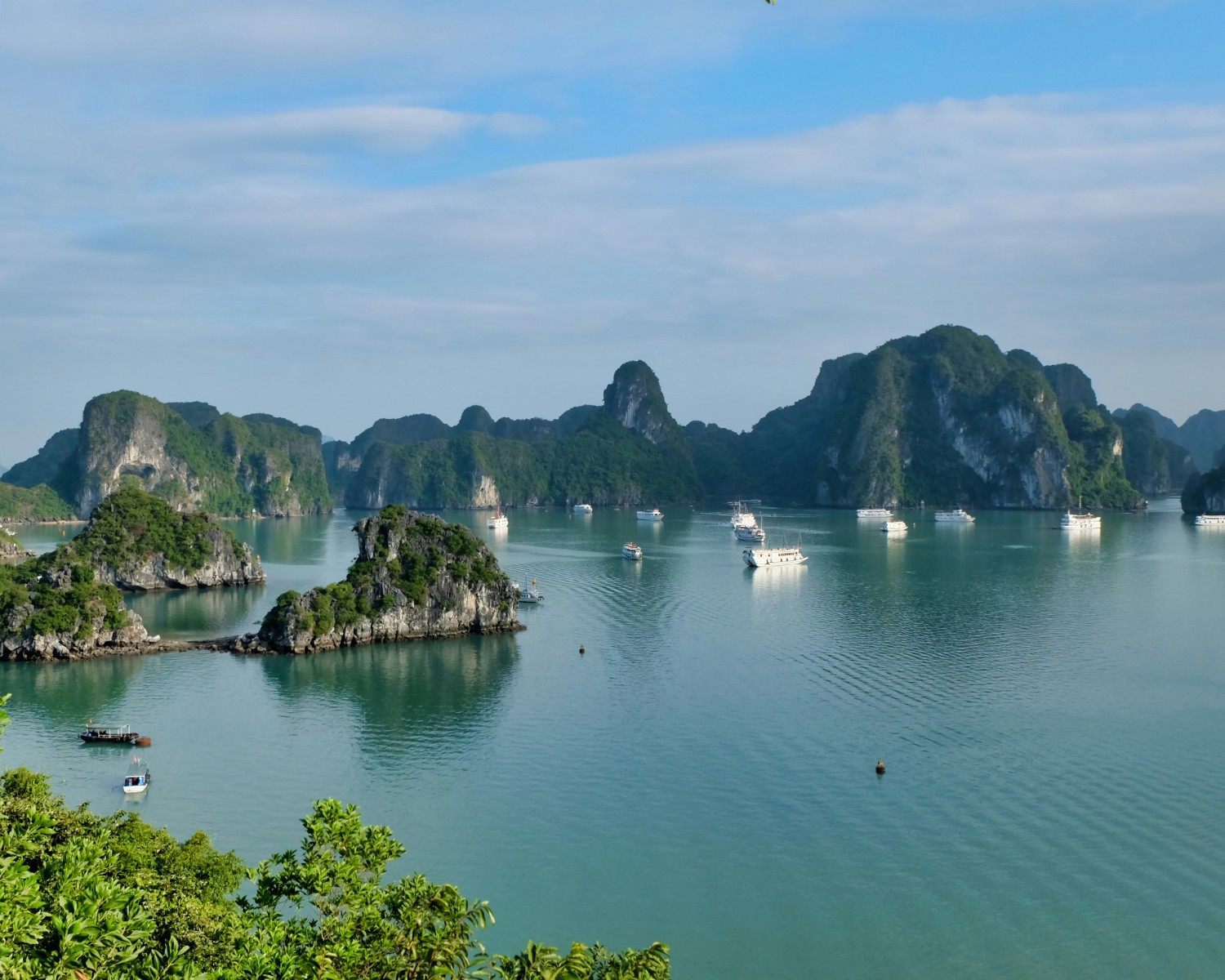
Experience 01
Halong Bay's iconic limestone karsts rising from emerald waters
Explore HighlightExplore
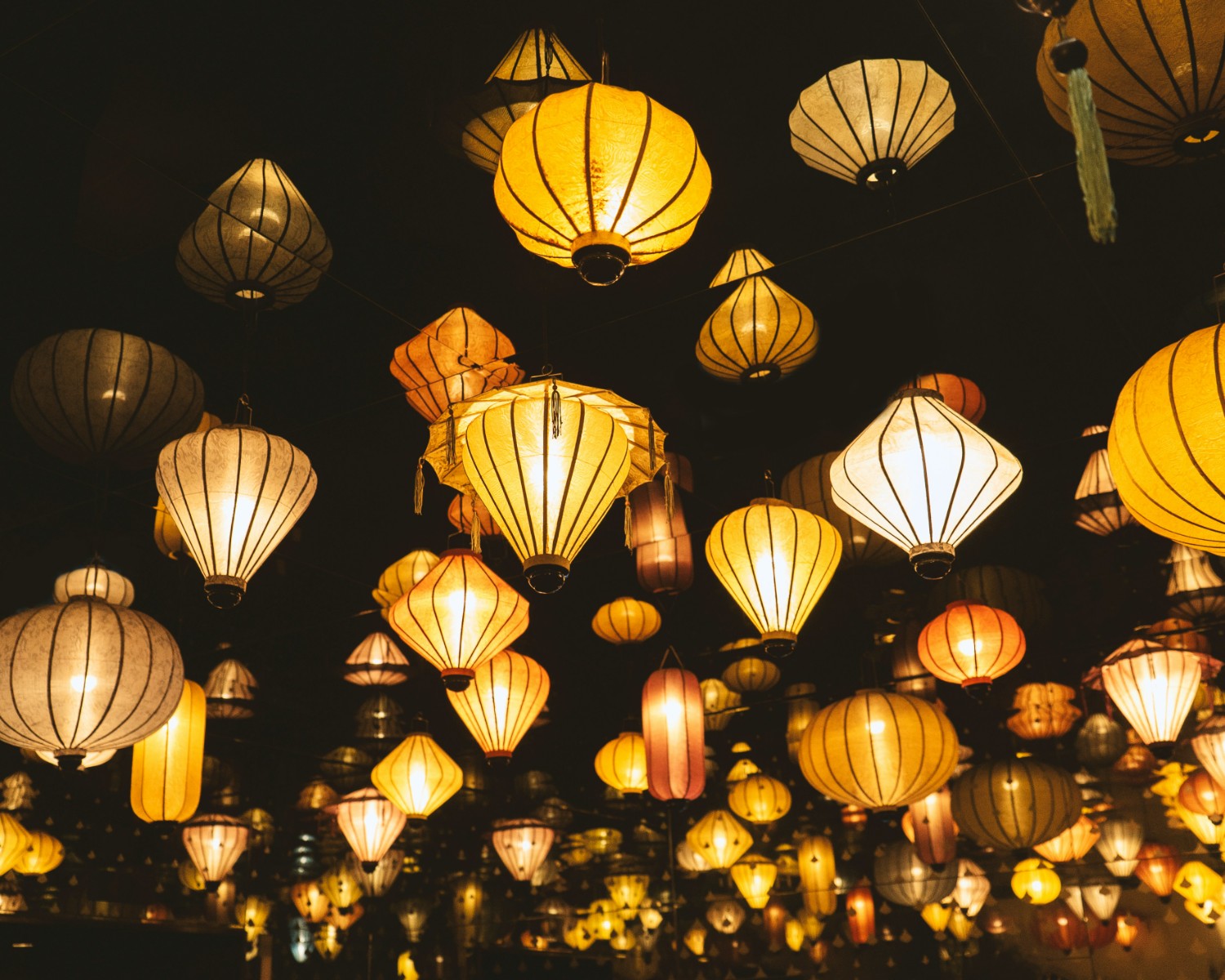
Experience 02
Lantern-lit streets of Hoi An Ancient Town at night
Explore HighlightExplore
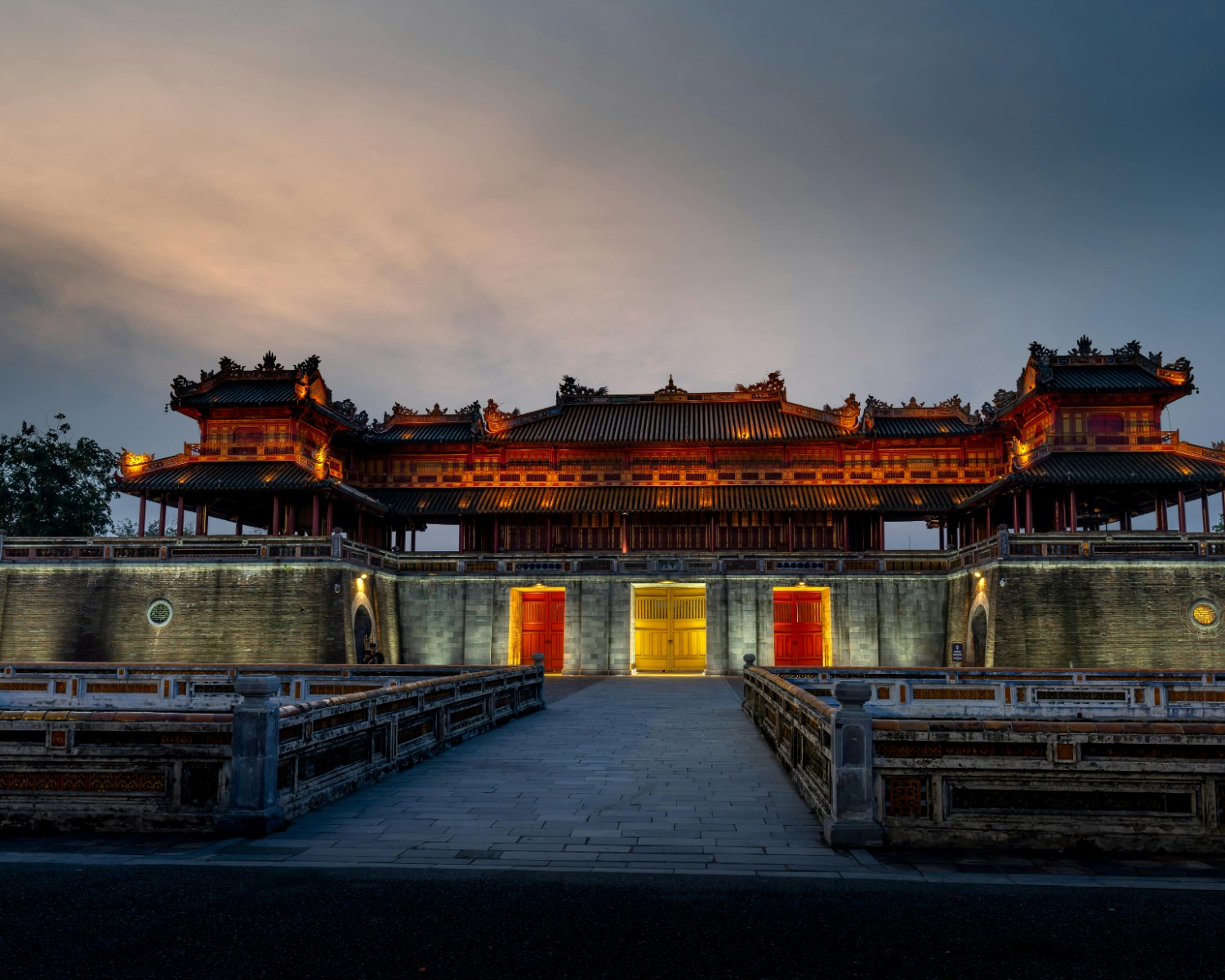
Experience 03
Hue Imperial City's grand gates and fortress walls
Explore HighlightExplore
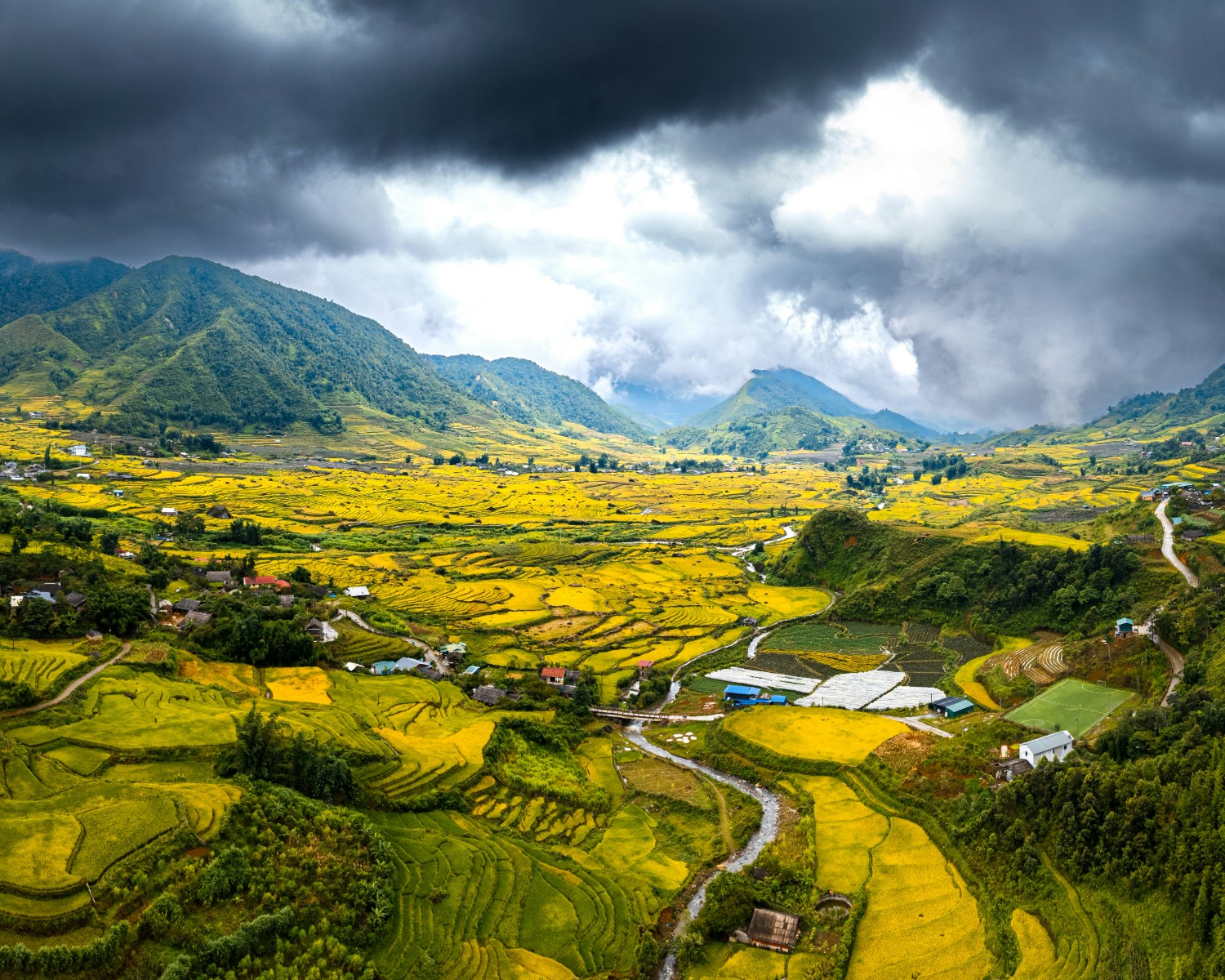
Experience 04
Emerald rice terraces cascading down Sapa's mountainsides
Explore HighlightExplore
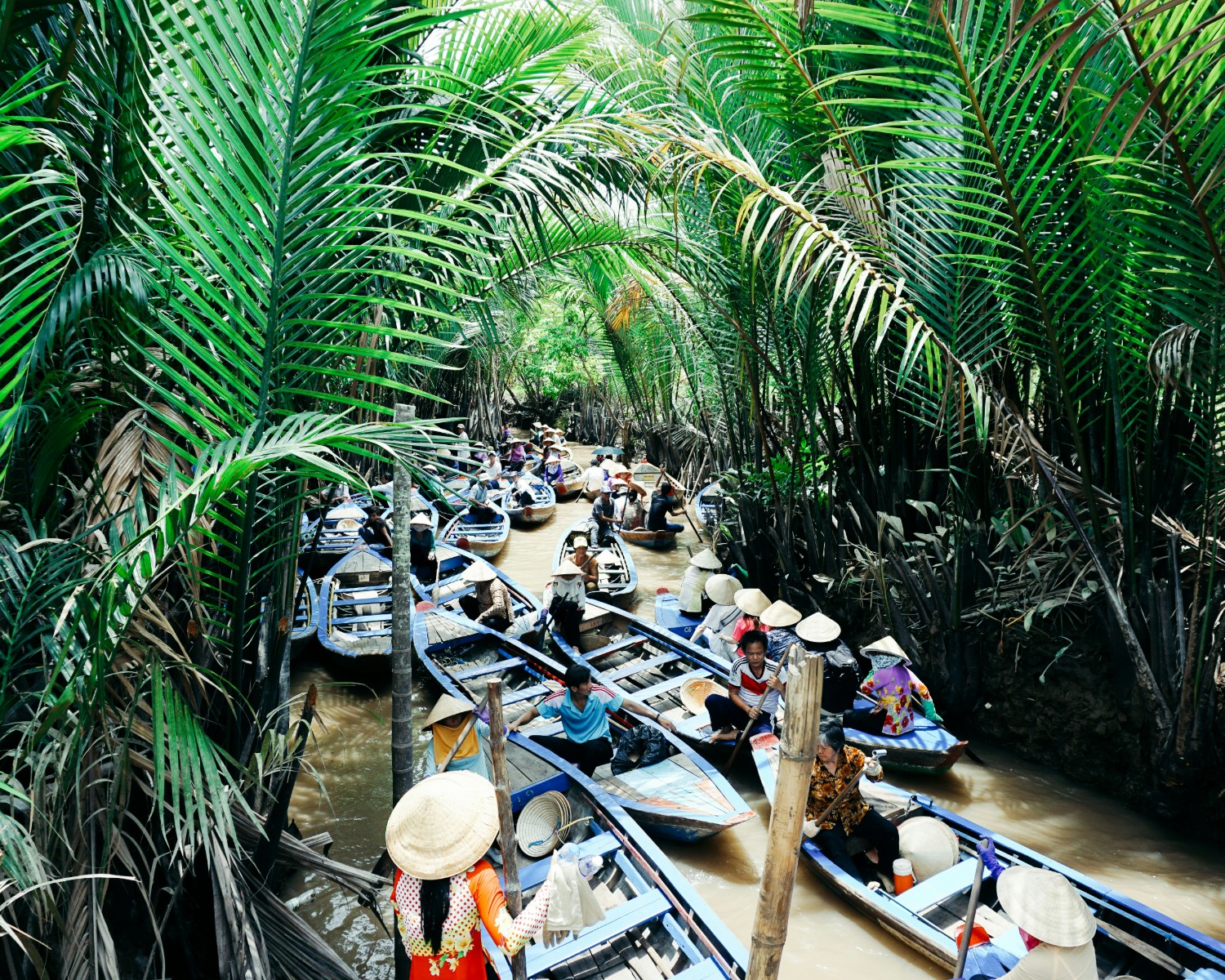
Experience 05
Floating villages with traditional stilt houses and waterways
Explore HighlightExplore
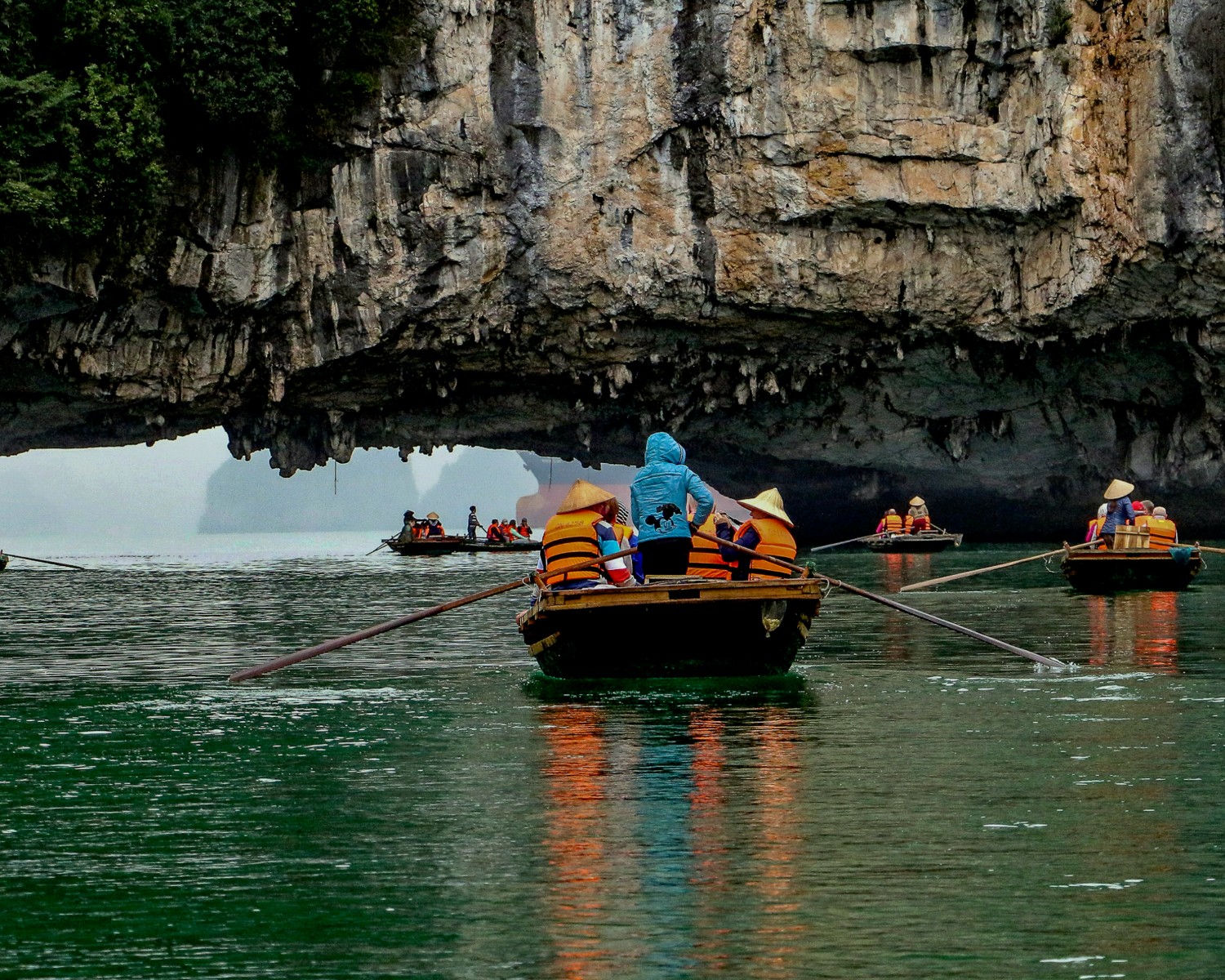
Experience 06
Dramatic limestone formations in Phong Nha cave systems
Explore HighlightExplore
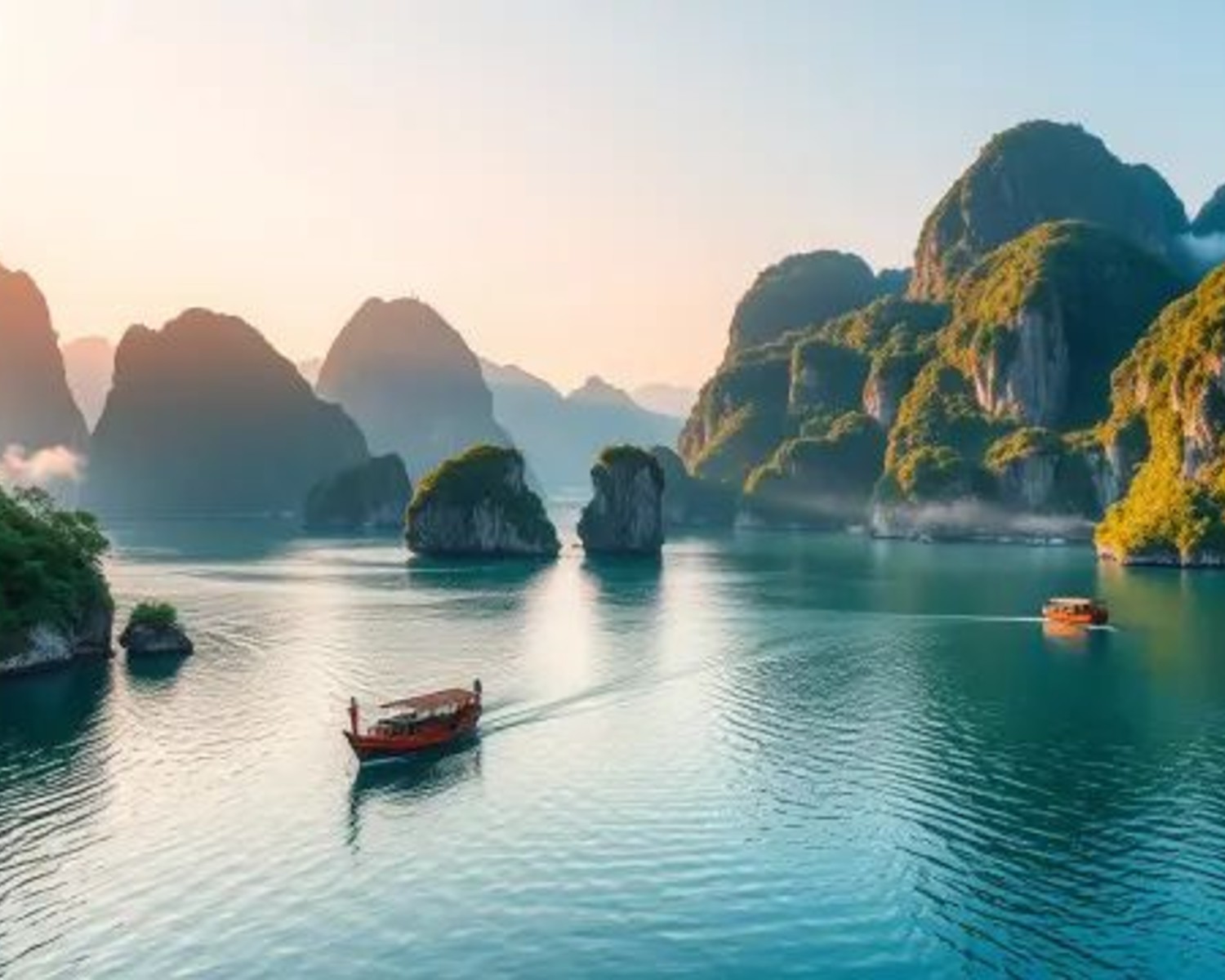
Experience 07
Kayaking through Halong Bay's dramatic limestone formations
Explore HighlightExplore
KNOWLEDGE HUB
Things to Know in Tips for vietnam
Vietnam's history is an epic of resilience—from ancient kingdoms resisting Chinese rule for 1,000 years, to French colonization, Japanese occupation, and finally the Vietnam War, often explored through Vietnam history. Each chapter left deep scars and profound lessons. Today's Vietnam is a nation reborn, honoring ancestors while embracing modernity with remarkable grace.
4,000 Years of Resistance, Resilience & Renewal
Vietnam's history is an epic of resilience—from ancient kingdoms resisting Chinese rule for 1,000 years, to French colonization, Japanese occupation, and finally the Vietnam War, often explored through Vietnam history. Each chapter left deep scars and profound lessons. Today's Vietnam is a nation reborn, honoring ancestors while embracing modernity with remarkable grace.
| Ancient Kingdoms (2000 BCE - 938 CE)
Vietnam's earliest civilizations developed along the Red River Delta. The state of Nam Viet (South Viet) emerged as a thriving kingdom blending Austroasiatic and Chinese influences. For 1,000 years (111 BCE - 938 CE), Vietnam endured Chinese rule under the Han and later dynasties, yet maintained distinct cultural identity. Vietnamese independence movements simmered beneath the surface.
| Independent Dynasties (938-1859)
The Ly Dynasty ended 1,000 years of Chinese rule in 938 CE, establishing Hanoi as capital and centralizing Vietnamese governance. The Tran Dynasty defeated Mongol invasions (1258, 1285, 1287)—among history's greatest military upsets. The Le Dynasty expanded Vietnam southward (Nam Vu). The Nguyen Dynasty reunited fractured Vietnam under Emperor Gia Long (1802), constructing the imperial capital in Hue. Vietnamese culture flourished: Confucian scholarship, Buddhist temples, rice cultivation, fish sauce traditions.
| French Colonization (1859-1954)
France invaded in 1858, conquered southern Vietnam by 1862, and established French Indochina (Vietnam, Laos, Cambodia) by 1887. Colonial rule extracted resources, imposed foreign education systems, and introduced Latin script (Quoc Ngu, replacing Chinese characters). Vietnamese nationalism surged: Ho Chi Minh (born Phan Boi Chau) formed the Viet Minh independence movement. Resistance grew despite French repression.
| Japanese Occupation & Independence (1940-1945)
When France fell to Germany in 1940, Japan invaded Vietnam. The Viet Minh, led by Ho Chi Minh, fought both Japanese and French. On September 2, 1945, Ho Chi Minh declared Vietnamese independence in Hanoi's Ba Dinh Square, drawing 500,000 supporters. France refused to accept independence, sparking the Indochina War (1946-1954). Ho Chi Minh's forces defeated the French at Dien Bien Phu (1954).
| Vietnam War & Reunification (1955-1975)
After France withdrew, Vietnam was divided at the 17th Parallel: North under Ho Chi Minh, South under Western-backed governments. The U.S. gradually escalated involvement, bombing campaigns killed millions of civilians, napalm destroyed crops, and Agent Orange poisoned land and DNA. On April 30, 1975, North Vietnamese forces entered Saigon. Vietnam was reunified under communism. The war killed 3+ million Vietnamese, 58,000 Americans, and traumatized generations.
| Modern Vietnam (1975-Present)
Post-war Vietnam faced devastation, sanctions, and a 'Boat People' refugee crisis. The 1986 Doi Moi (Renovation) economic reforms transformed Vietnam from state control to market socialism. Vietnam opened to foreign investment, tourism boomed, and poverty plummeted from 75% (1990) to 4% (2023). Today, Vietnam is a global manufacturing hub, EU trade partner, and Southeast Asia's fastest-growing economy. Vietnamese diaspora connects homeland to world. The nation reconciles war scars while building a prosperous future.
Independence
Sep 2, 1945
Ho Chi Minh declares independence from France
Reunification
Apr 30, 1975
Fall of Saigon; Vietnam unified under communism
Doi Moi Reforms
1986
Economic liberalization; Vietnam opens to world
UNESCO Sites
8 Sites
Ha Long Bay, Hoi An, Hue, Phong Nha, Complex of Hue Monuments
Travel Stories & Tips
Get inspired for your next adventure to vietnam


Guest Stories
H
Hemanth R
4 months agoExceptional Service and Stunning Views! I just returned from a trip to Kerala curated by Bayard Vacations, and I'm still thinking about the views. Unlike generic packages, Dhanushree from Bayard took the time to tailor the itinerary to my preferences. Every hotel and houseboat was chosen for its...
P
Prajwal Raikar
5 months agoWe went to Dubai, and Bayard Vacations made our entire trip truly joyful and memorable. Adarsh from Bayard Vacations was extremely helpful in arranging the yacht and managing a few issues promptly, which made our vacation smooth and stress-free.
M
Muthahir
5 months agoWe had a wonderful vacation in Dubai, all thanks to Bayard Vacations. From planning to execution, everything was smooth and well-organized. The itinerary was perfectly balanced, the accommodations were comfortable, and all arrangements were completely hassle-free. A special thanks to Mr. Adarsh for...
S
Spoorthy Venkatesh
5 months agoWe had an amazing time in Dubai with Bayard Vacation. Adarsh, our destination specialist, explained everything super smoothly and stayed in touch with us the whole time, which made the trip feel really easy and well organized. The team was great with the transport arrangements too. The drivers were...
B
Bakasura Brahmana
5 months agoBest iternary prepared by them. The best travel agency I suggest
H
Harsha Vardhan Attuluri
5 months agoWe recently went on a trip to Coorg and Wayanad with Bayard Vacations, and the experience was seamless. We opted for a private package, and all the arrangements were excellent. The communication was clear throughout the process. A special thanks to our agents, Rahul and Sowmya, who handled the plann...
A
Abhishek Satapathy
5 months agoWe had a wonderful vacation in Thailand thanks to the...
S
Shilpa Wartak
5 months agoWe booked our Hampi and Badami tour with Bayard Vacation and had an absolutely amazing experience! Everything was perfectly planned and very smooth from start to finish. The hotel location was excellent and close to all major places, and the drive was super comfortable. The whole trip was completely...
A
Abhilash Cr
5 months agoWe recently completed a 4-5 day Andaman trip with Bayard Vacation, and overall it was a very pleasant and well-organized experience. From the planning stage to the end of the journey, the team especially team of Rahul, Dhanushree, was supportive and responsive, making the trip smooth and stress-free.

Medha Devatraj
a month agoLoved our trip to Kerala(Munnar, Thekkady, Alleppey, Varkala and Kovalam) with Bayard Vacations. They've tailored our package and made adjustments according to our itinerary. Agents Sooraj and Dhanushree were the ones who planned and executed our trip so well🙌🙌. They were very polite and friendly. The vehicle arranged was a comfortable and spacious one for our family of 9. We were apprehensive about the tour but returned with beautiful and lifelong memories🫶🫶. A trip with Bayard Vacations is value for money ♥️♥️.

Sriram appalla
a month agoI recently took a 5N/6D trip to Kerala with Bayyard Vacation, and it turned out to be a lovely experience. Even before the trip began, the Bayyard team, especially Sooraj, helped me with every little detail and was super quick with his responses. Our assigned driver, Jbin Alex, was incredibly humble, kind, and supportive throughout the journey. I’d strongly recommend him if you’re planning a Kerala trip, and I’d definitely suggest choosing Bayyard Vacation for your travels. There was a small miss where one of the complimentary items mentioned in the itinerary couldn’t be fulfilled, but aside from that, everything went smoothly. Overall, I’d rate Bayyard Vacation a solid 4.5/5.

jothees waran
2 weeks agoManasa, sincere thanks for curating such an elegant and seamless Thailand experience. Every aspect of the journey was impeccably planned—from punctual transfers and smooth pickups to a perfectly balanced itinerary. The attention to detail, premium coordination, and effortless execution truly elevated the trip. Everything flowed with precision, allowing us to relax and enjoy each moment without a single concern. Your professionalism and commitment to excellence were evident throughout. Bayard Vacations delivers not just a trip, but a truly luxurious and memorable travel experience. Highly recommended.

Kaustubh Rastogi
3 weeks agoWe recently traveled to Malaysia and had a fantastic experience with Bayard Vacations. Their quick responses and excellent service made the entire planning process smooth and stress-free. Balaji’s recommendations were absolutely on point and perfectly matched our preferences. His attention to detail and prompt support truly made a difference. Highly satisfied with the overall experience and would definitely choose Bayard Vacations again for future trips. Highly recommended! ⭐⭐⭐⭐⭐

Manu Manu
in the last weekThe trip was very beautiful. We have experienced many places and we got chance to have the package. They guided us very safely and assured as everything that you need and food was also good and was in care of everything was fantastic trip. We went to Thailand and Bangkok, and we did alKaiser show Quarter Island and we explored a lot in the Water, also like paragliding Jaki riding And there was a dinner cruise in Bangkok. Also was very nice. Totally we really appreciate for the trip and we will like to do more.
Authentic Experiences
Read All Reviews Join 25,000+ happy travelers who explored vietnam with us.
Got Questions?
Frequently Asked Questions
Still have questions?
Our travel experts are ready to help you craft the perfect itinerary. Reach out for personalized recommendations and support.
You Might Also Like
Discover more incredible destinations and experiences tailored for you


Why Choose Bayard Vacations?
100%
Secure Booking
8+
Years Experience
25K+
Happy Travelers
24/7
Support Available
Best Price
Guaranteed
Personalized
Customized Trips
Expert
Local Guides
100+
Destinations Covered