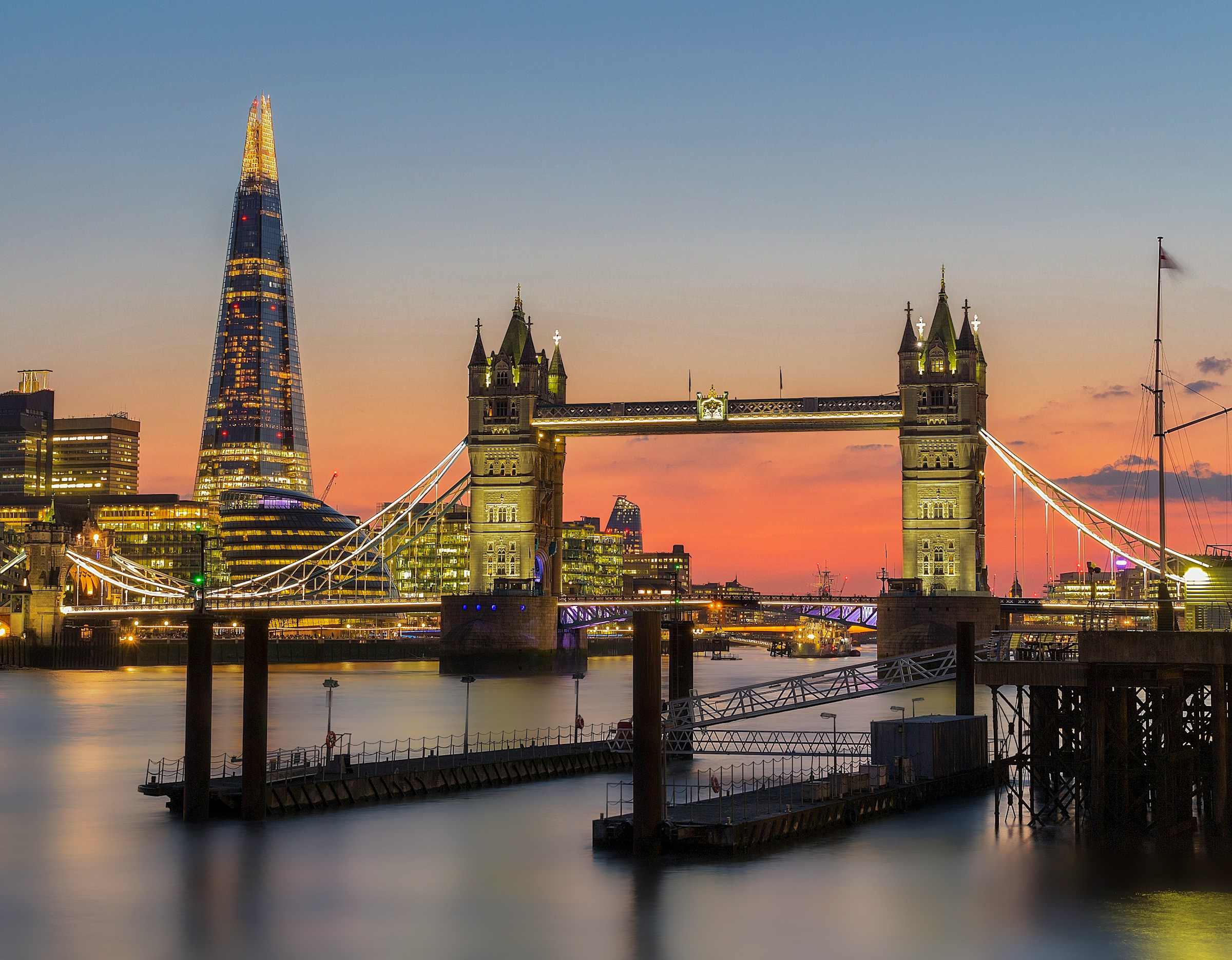
England
factsheet
The birthplace of modern democracy, industrial revolution, and literary genius, where royalty, romance, and rebellion shape a timeless destination.
The Essentials
Best Time
May - Sep
Currency
GBP (£)
Climate
Temperate Maritime
Time Zone
UTC+0 (GMT/BST)
Language
English
Visa
Standard Visitor
Capital
London
Population
56.5M
Calling Code
+44
Power Plug
Type G (Square 3-pin, 230V)
Tipping
10-15% standard (£1-2 appreciated)
Emergency
999 / 112
History & Heritage
Centuries of Monarchy, Revolution, and Global Influence
Discover the best London tourist destinations in England, which boasts of famous landmarks such as Buckingham Palace and the Tower of London that make up its unique geographical landscape. As the number of tourists to England continues to grow, making it one of the most popular destinations among foreign visitors, with an astonishing influx of more than half-a-million tourists from India alone, now is the best time to visit UK and experience the place that gave birth to international culture.
Roman Conquest & Britannia (43 AD – 410 AD)
Julius Caesar's invasions (55-54 BC) foreshadowed conquest. Emperor Claudius ordered full invasion in 43 AD, establishing the Roman province of Britannia. Romans constructed Hadrian's Wall (122 AD) to delineate northern frontier. Roman rule brought urbanization, infrastructure (roads, aqueducts), and Latin influence lasting four centuries until Rome withdrew circa 410 AD.
Anglo-Saxon Settlement & Kingdoms (5th-10th Centuries AD)
After Roman withdrawal, Germanic peoples (Angles, Saxons, Jutes) gradually settled Britain. The Heptarchy—seven major kingdoms (Northumbria, Mercia, Wessex, etc.)—dominated. Alfred the Great (871-899) unified kingdoms, resisted Viking invasions, and established English identity. By 927, England emerged as a unified kingdom under Æthelstan.
Medieval Monarchy & Norman Conquest (1066–1485)
William the Conqueror's invasion (1066) established Norman dynasty, introducing feudalism and French nobility. The Magna Carta (1215) limited royal power, birthing constitutional principles. Subsequent dynasties (Plantagenet, Lancaster, York) witnessed feudal conflicts (Wars of the Roses) and cultural flourishing. Medieval cathedrals, literature (Chaucer), and legal traditions defined the era.
Tudor & Stuart Periods – Renaissance & Civil War (1485–1707)
Henry VIII (1509-1547) broke with Rome, established Church of England, and consolidated royal power. Elizabeth I presided over England's Golden Age—defeating Spanish Armada (1588), supporting literature/drama (Shakespeare). Civil War (1642-1651) challenged monarchy; Oliver Cromwell's Commonwealth briefly abolished kingship before Restoration (1660). Stuart succession united England/Scotland (1603).
Industrial Revolution & Imperial Dominance (1750–1914)
England pioneered industrialization—steam power, textile factories, railways transformed society. Britain built global empire spanning India, Africa, Asia. Victorian era (1837-1901) saw technological innovation, social reform, and cultural dominance. British literature, science, and industry shaped the modern world.
20th Century to Modern Era (1914–Present)
World War I devastated Britain; the empire fragmented post-WWII. Britain became a welfare state with NHS (1948). Post-imperial adjustment led to multicultural society. British culture—literature, music (Beatles), fashion (King's Road)—remained globally influential. Today, England balances heritage preservation with contemporary innovation. Tourism thrives: 603,000 Indian visits in 2024; Indians 25% of all UK visitor visas; £806.4M spent in UK by Indian tourists.
Spotlight: Tower of London & Crown Jewels
Founded by William the Conqueror (1066), the Tower served as royal palace, fortress, and prison. The Crown Jewels—displayed within—symbolize 1,000 years of monarchy. Famous prisoners (Anne Boleyn, Lady Jane Grey) were executed here, earning it notoriety as 'Bloody Tower.' Today, it's UNESCO World Heritage Site attracting 3M+ annual visitors, embodying England's medieval grandeur and turbulent history.
Indian Visitors 2024
603,000
25% of all UK visitor visas granted
Spending 2024
£806.4M
Indian tourists' total expenditure; avg £1,338/visit
London Visitors (H1 2024)
10.4M international
Over half of UK visitors go to London
UK Tourism 2024
42.6M visits
£32.5B spent; +6% vs 2023
Climate & Time
Time Zone
Standard
UTC+0 (GMT - Greenwich Mean Time); UTC+1 (BST - British Summer Time, late Mar–late Oct)
Difference
5.5 hours behind IST (India Standard Time)
🎯 Best Months
May, June, July, August, September
Climate
The climate in England varies significantly by region, offering a diverse range of weather conditions from coastal areas to mountain peaks.
Spring (March–May)
Mar – May
9–16°C (48–61°F)
Flowers bloom; weather gradually warms. March cool, April wettest month. Perfect for gardens (Kew Gardens) and outdoor exploration. Fewer crowds than summer. Easter celebrations vibrant. Late May ideal (15–18°C). Shoulder season pricing favorable.
Summer (June–August)
Jun – Aug
18–21°C (64–70°F); peaks 25–30°C
Peak season: warmest, longest daylight (near midnight dusk in north). Ideal for beaches, outdoor festivals, Wimbledon, Edinburgh Fringe. July-August most crowded & expensive. Festival season; concerts, theater thriving. Rain occasional but weather pleasantly warm. Perfect for sightseeing.
Autumn (September–November)
Sep – Nov
12–20°C (54–68°F)
September-October ideal (15–18°C); pleasant, dry. Foliage golden; harvest season. Fewer tourists than summer; prices lower. November cooling (10–12°C); increasing rain. Cultural events, theater season begins. Scottish Highlands spectacular.
Winter (December–February)
Dec – Feb
2–8°C (36–46°F)
Cold, wet; occasionally snowy (north/Scotland more likely). Daylight brief (8-9 hours). Christmas markets, festive decorations, New Year celebrations magical. Budget-friendly season. Indoor activities (museums, theater, shopping) thrive. Not ideal for outdoor exploration but atmospheric.
Seasonal Packing List
Language Guide
Official Language
English
English is the global lingua franca and official language of England. All tourism infrastructure, signage, and interactions conducted in English. Regional accents (Cockney, Yorkshire, West Country) and slang exist but Standard English widely understood. Regional dialects charming but not barrier to tourism. English proficiency universally high.
Local Signage
Essential Phrases
Hello
Hello / Hi
Thank you
Thank you very much
Goodbye
Goodbye / Cheers
Yes / No
Yes / No
Please
Please
Excuse me
Excuse me / Sorry
How much?
How much does this cost?
Where is...?
Where is...?
Currency & Money
Official Currency
British Pound Sterling
£ (GBP)
Exchange Rates
Denominations
Banknotes
£5, £10, £20, £50
Coins
1p, 2p, 5p, 10p, 20p, 50p, £1, £2
Culture & Vibes
Refined Tradition with Contemporary Irreverence & Democratic Spirit
"English culture balances formality with informality, tradition with modernity, and propriety with humor. Society values politeness, queuing, and understatement ('Brit humor'). Tea time is sacred ritual—afternoon tea (3-5 PM) represents elegance and social cohesion. The English maintain polite distance initially but warm to friendly engagement. Regional identities strong; class consciousness historically present but increasingly fluid. Contemporary culture embraces multiculturalism, creativity, and irreverent comedy. Sports (football, cricket, tennis) culturally important; fair play valued. Parliamentary democracy and rule of law permeate values."
Greetings & Politeness
Handshakes firm; 'How are you?' common greeting (respond politely). Address strangers formally ('Mr.,' 'Mrs.,' 'Miss,' 'Ms.') unless invited otherwise. 'Please' and 'thank you' ubiquitous. Politeness paramount; rudeness deeply offensive. Queue discipline essential—cutting queues considered gravely disrespectful.
Afternoon Tea & Dining
Afternoon tea (3-5 PM) is sacred social ritual—tea, sandwiches, scones, pastries served elegantly. Never refuse offered tea; it's insulting. Use proper etiquette: knife/fork on right/left. Wait for host to begin eating. Compliment cook generously. Finishing most food shows appreciation.
Heritage & Historical Respect
England's historical sites (Tower of London, cathedrals, palaces) deserve reverence. Speak quietly in museums/churches. No photography without permission. Respect monarchy symbolically; criticism acceptable but disrespect taboo. British institutions (Parliament, BBC, NHS) culturally valued.
Sports & Fair Play
Football (soccer), cricket, tennis central to culture. Fair play, good sportsmanship paramount. Respect for opponents expected. Spectator etiquette—no excessive noise, abuse, or violence. Sports passion celebrated but violence condemned.
Essential Dos
- • Learn British etiquette; respect queue culture
- • Greet with firm handshake and direct eye contact
- • Participate enthusiastically in offered tea; it's ceremonial
- • Ask permission before photographing people or sites
- • Appreciate British humor (dry, self-deprecating, ironic)
- • Respect royal institutions and historical heritage
- • Compliment British culture, cuisine, and achievements
- • Use 'please' and 'thank you' liberally—politeness expected
Essential Don'ts
- • Don't cut queues; queue discipline sacred
- • Don't be loud, aggressive, or overly casual in formal settings
- • Don't refuse offered tea; deeply insulting
- • Don't criticize the Royal Family publicly (still sensitive)
- • Don't rush through meals; dining leisurely and social
- • Don't photograph protected sites without permission
- • Don't ignore British class nuances without sensitivity
- • Don't interrupt speakers or monopolize conversations
Specific Etiquette
Business Etiquette
Business cards exchanged formally with both hands. Meetings begin with coffee/tea and small talk. Punctuality essential; lateness disrespectful. Hierarchy respected; address senior figures by titles initially. Austere first impression thaws with rapport-building.
Dining Etiquette
Knife on right, fork on left. Wait for host/eldest to begin. Small talk during meal courteous. Finish most food (waste disrespectful). Compliment cook. Use napkins to dab mouth. Don't chew noisily. Coffee/tea after main course. Tipping 10–15% for good service; round up casual venues.
Gifting Etiquette
Avoid knives (cutting friendship symbolism), chrysanthemums (funeral flowers), or 13 as number (unlucky). Wrap gifts neatly. Wine or quality chocolates appropriate. Accept gifts graciously. Present/receive with both hands.
From Fish & Chips to Fine Dining – English Culinary Heritage
English cuisine blends working-class tradition (fish & chips, pies, full breakfast) with aristocratic refinement (roast dinners, afternoon tea, fine dining). Food reflects history: Roman influence, medieval feasts, Indian spice trade, immigrant creativity. Contemporary London boasts Michelin-starred restaurants alongside traditional pubs. Meals are leisurely, social events. Quality ingredients—beef, dairy, seafood—prized. English breakfast, Sunday roast, and afternoon tea represent cultural identity beyond nutrition.
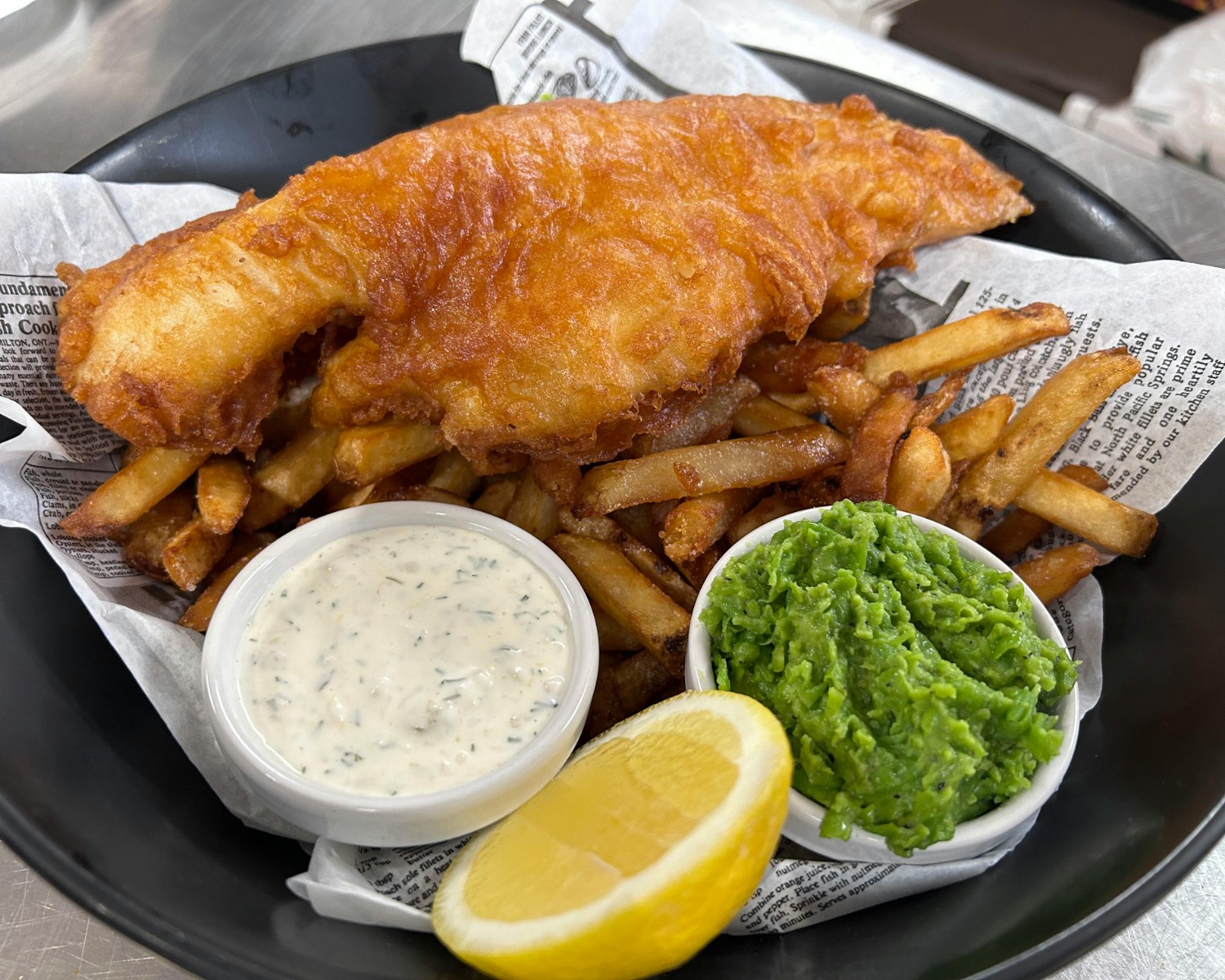
Fish & Chips
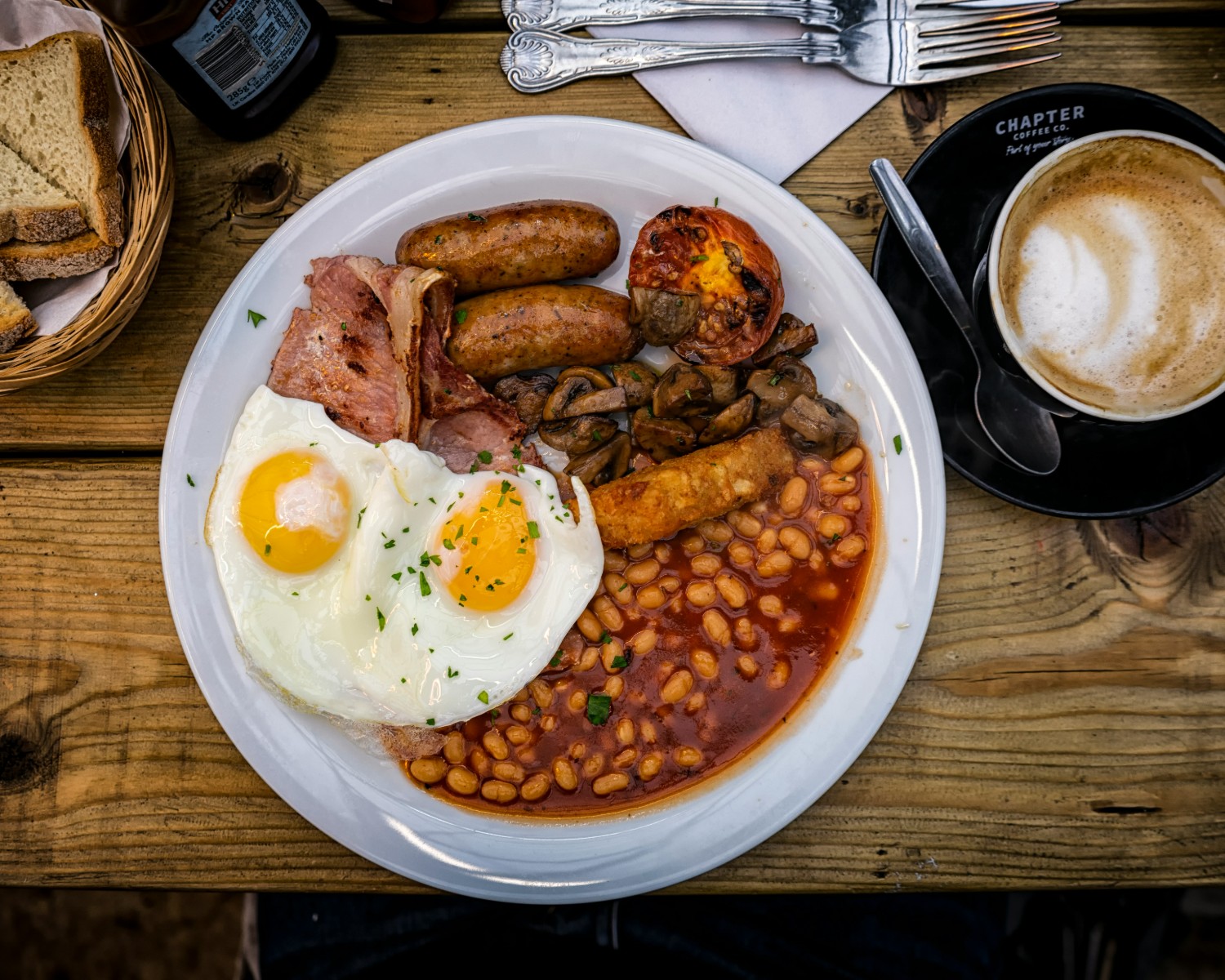
Full English Breakfast
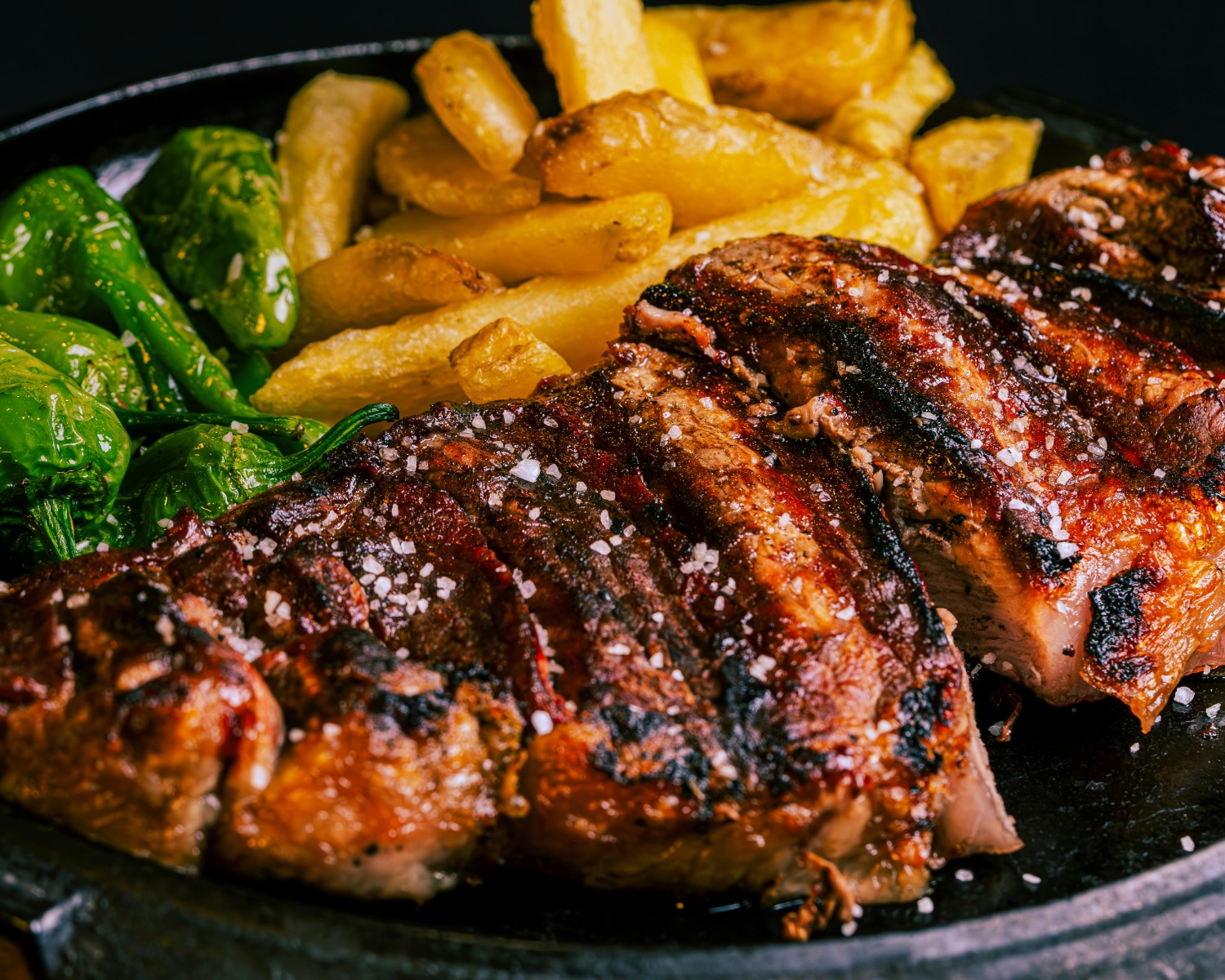
Sunday Roast
Afternoon Tea
Shepherd's Pie
Sticky Toffee Pudding
Where to Eat
Traditional Pubs
Historic establishments serving real ale, traditional food (fish & chips, pies, roasts). Cozy, atmospheric; social hub. £8–20 per meal. Found everywhere, especially village/town centers.
Tea Rooms / Cafés
Elegant afternoon tea experiences; scones, sandwiches, pastries, tea. Hotel afternoon tea formal. Independent tea rooms charming. £25–45 for afternoon tea.
Restaurants (Fine Dining to Casual)
London has Michelin-starred establishments; casual restaurants abundant. Modern British to international cuisines. £15–100+ per person depending on venue.
Markets & Street Food
Borough Market (London), local farmers markets: artisan foods, fresh produce, street stalls. Budget-friendly, authentic. £5–15 per item. Cultural immersion.
Dining Etiquette
- •Meals leisurely and social; rushing discouraged
- •Wait for host/eldest to begin eating
- •Tea/coffee offered after main meal (tradition)
- •Compliment food and cook generously
- •Finish most food on plate (waste disrespectful)
- •Knife on right, fork on left (formal dining)
- •Tipping 10–15% standard in restaurants
- •Pub culture: order at bar or wait for server depending on establishment
- •Sunday roast sacred family tradition
Signature Drinks
Shop & Bring Home
London and English cities offer world-class shopping: iconic department stores (Harrods, Selfridges), flagship fashion brands, luxury boutiques, historic markets, and street markets. Oxford Street is Europe's busiest shopping street; Knightsbridge exclusive; Covent Garden artisan-focused. Historic markets (Borough, Camden, Portobello Road) blend authenticity with charm. Tax refunds available for non-UK residents; items £75+ eligible.
Luxury Department Stores
- Harrods (Knightsbridge)
- Selfridges (Oxford Street)
- Harvey Nichols (Knightsbridge)
- Liberty (Soho)
Fashion & High Street
- Designer brands (Burberry, Mulberry)
- High street fashion (Zara, H&M, Topshop)
- Luxury boutiques (Bond Street, Savile Row)
- Vintage/designer secondhand (Portobello Road)
Markets & Artisan Goods
- Borough Market (food/artisan)
- Camden Market (vintage/antiques)
- Portobello Road (antiques/collectibles)
- Covent Garden (crafts/street performers)
- Greenwich Market (antiques)
Books & Antiques
- Waterstones (flagship on Piccadilly)
- Charing Cross rare books
- Cecil Court bookshop lane
- Antiquarian bookshops throughout London
Where to Shop (Local Hubs)
Oxford Street
Europe's Busiest Shopping Street
"Mile-long retail boulevard: flagship stores (Selfridges, Debenhams, Marks & Spencer), mass-market brands, restaurants. Peak crowds; major tourist hub. Budget shopping friendly."
Harrods (Knightsbridge)
Luxury Department Store Icon
"1.1M sq ft luxury emporium: fashion, beauty, food hall, jewelry, homeware. 15M annual visitors. Opulent architecture. High-end pricing. Fine dining, champagne bar."
Borough Market (South Bank, London)
Historic Food & Artisan Market
"1000-year-old market: artisan foods, cheeses, chocolates, fresh produce, street food stalls. Authentic, vibrant. Tourist-friendly. Bargaining possible. Cultural immersion."
Portobello Road (Notting Hill, London)
Antiques & Vintage Market
"Iconic street market: antiques, vintage clothing, collectibles, bric-a-brac. Saturday busiest (antiques day). Colorful Victorian storefronts. Neighborhood charm."
Camden Market (North London)
Alternative & Antique Market
"Alternative, bohemian vibe: vintage fashion, antiques, crafts, street food. Eclectic, creative atmosphere. Youth-oriented; alternative culture showcase."
On the Move
Main Airport
LHR (Heathrow)
23 km west; 16-60 min to center
Taxi Apps
Uber/Bolt
Reliable, transparent pricing
National Rail
Trainline Network
Efficient connections across UK
Airport Arrival
London Heathrow (LHR) is main gateway, 23 km west of central London. Journey to center: 16 min by Heathrow Express train (£25), 40 min by Underground (£3.40), 45–60 min by taxi/Uber (£45–60). Other airports: Gatwick (south), Stansted (east), Luton (north).
Travel Tech
Travel Tips
Buy Oyster Card (reloadable) or use contactless payment—most economical
Download Citymapper app for route planning; free navigation
London Underground efficient but crowded peak hours; avoid if possible
Iconic red buses offer cheap sightseeing; hop-on hop-off tours informative
National Rail efficient for regional exploration; book in advance
Walking London's neighborhoods (Soho, Bloomsbury, Chelsea) rewarding
River boat services (Thames) scenic alternative transport
Intercity Travel
National Rail (Trainline Network)
Efficient rail connections: London to Edinburgh (7.5h), Manchester (2h), Bath (1.5h), Cambridge (1h). Modern trains, frequent services. Book in advance for discounts. £15–100 depending on distance/class.
Megabus / Stagecoach Express
Budget coach option to regional cities. Slower than trains but cheapest (£5–20). Comfortable coaches; overnight services available.
Car Rental / Self-Drive
International license required. Drive left side of road (British rule). Scenic drives (Cotswolds, Lake District) iconic. £30–70/day. Parking challenging in city centers; use park-and-ride.
Private Drivers / Organized Tours
Hotels arrange; ideal for safety, local expertise. Day tours to Stonehenge, Bath, Windsor Castle popular. £50–150 depending on itinerary.
BakıKart
Oyster Card or Contactless Payment: Universal London transit card (Metro, buses, trams). £1.75 off-peak, £2.80 peak (zones 1-2). Daily cap £8.90 zones 1-2; £16.30 zones 1-6. Weekly cap £25.20–£60.20 depending on zones. Most economical for tourists.
Visa Entry
UK Standard Visitor Visa – Your Gateway to England
Indian nationals require Standard Visitor visa to enter the UK for tourism, business, or family visits. Indians accounted for 25% of all UK visitor visas granted in 2024 (549,249 visas), making India the largest visa applicant nationality alongside China. Visa processing streamlined; biometric data collection now mandatory as of October 2025.
Visit UK government website (gov.uk) and complete online visa application
Gather required documents: passport (valid), bank statements, hotel bookings, return flight
Book biometric appointment at UK Visa Application Centre (UKVI) in your city—mandatory as of Oct 2025
Attend appointment; provide fingerprints, photo, passport scan
Submit application and payment (online or at center)
Receive decision via email (3–6 weeks standard)
Collect passport with visa sticker from center or arrange courier delivery
Present visa and passport at London airport immigration upon arrival
Complete EES (Entry/Exit System) biometric scan at UK border upon arrival (mandatory Nov 2024+)
Registration
Penalty: Overstays result in fines (£500–£1,000+), deportation, and future entry bans
Entry Requirements
- • Valid Indian passport (minimum 6 months validity beyond stay period)
- • Passport-size color photo (35×45mm, white background)
- • Bank statements showing sufficient funds (£50/day minimum; £1,500 for 30 days)
- • Hotel booking confirmation or accommodation letter
- • Return flight ticket or onward travel booking
- • Travel insurance (minimum £1 million coverage; recommended)
- • Employment letter/business registration (if employed/self-employed)
- • University enrollment/retirement documentation (if student/retired)
- • Proof of ties to India (property, family, employment) demonstrating return intent
- • Completed visa application form
- • Biometric data (fingerprints/photo) collection at appointment