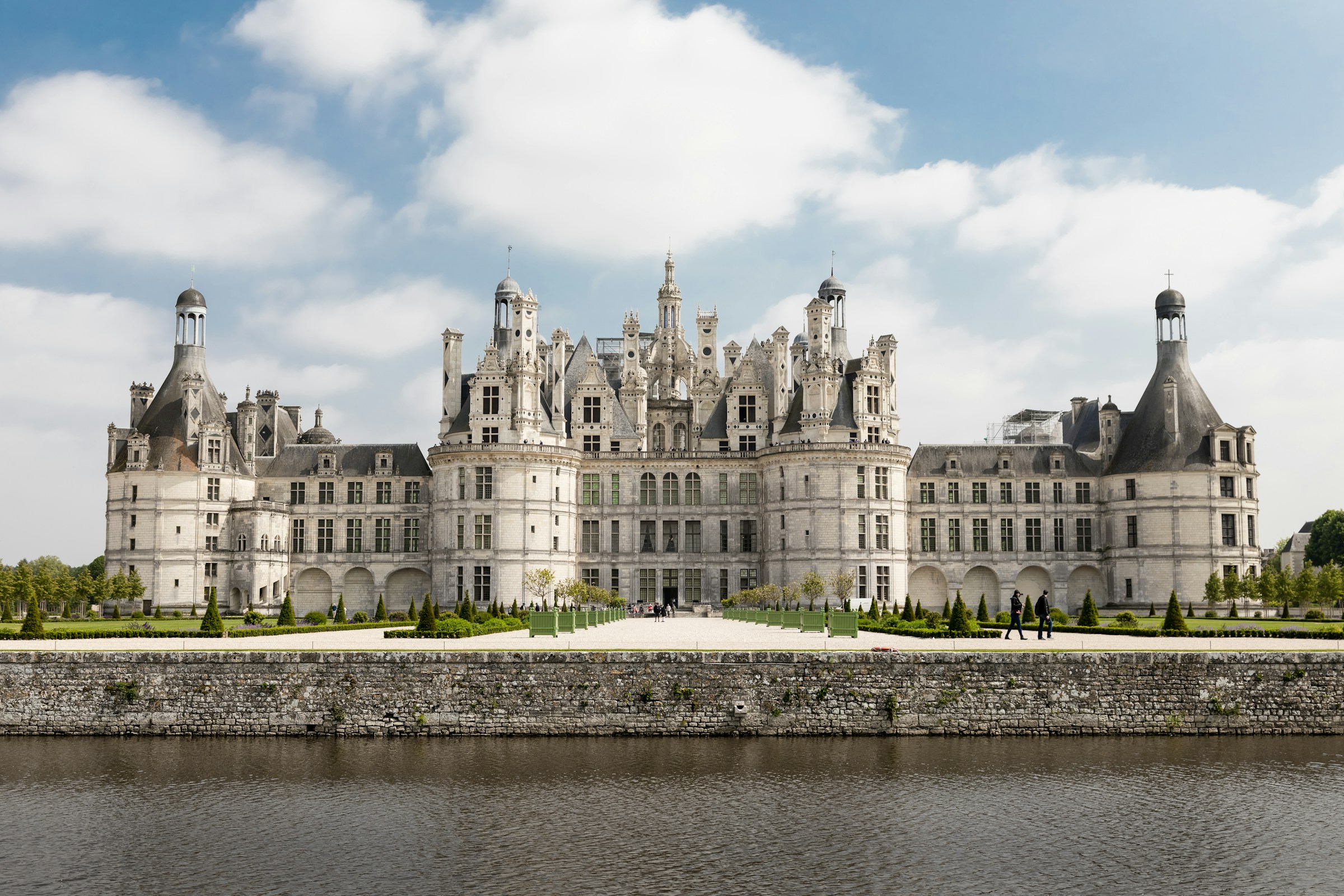
France
factsheet
The Art of Living: Where Timeless Beauty, Culinary Excellence, and Romantic Elegance Define a Civilization.
The Essentials
Best Time
Apr - Oct
Currency
EUR (€)
Climate
Temperate
Time Zone
UTC+1/+2
Language
French
Visa
Schengen Visa
Capital
Paris
Population
68.6M
Calling Code
+33
Power Plug
Type C & E (230V)
Tipping
Service included (5-10% appreciated)
Emergency
15 (Medical), 17 (Police), 18 (Fire)
History & Heritage
A Thousand Years of Civilization
France is the birthplace of Renaissance, Enlightenment, and revolutionary ideas in Europe, so tourism in France is a trip back to the roots of Western culture. The rich heritage of France from the past can be seen in the history of ancient Gaul, magnificent splendor of the Palace of Versailles, and the indelible legacy of the French Revolution. The French way of life is embodied in fine dining with French culinary arts and as well as the world-famous treasures of the Louvre Museum.
Ancient Gaul (Before 50 BC)
Celtic kingdoms flourished across the region until Roman conquest under Julius Caesar. Gallo-Roman culture emerged, creating a unique blend of Celtic and Mediterranean influences that would define France's cultural DNA for millennia to come.
Frankish Kingdoms & Charlemagne (5th-9th Century)
Clovis I (481-511) united Gaul and converted to Catholicism, establishing the Merovingian dynasty. Later, Charlemagne (768-814) created a vast empire, earning the title 'Father of Europe.' The coronation in 800 AD marked the zenith of medieval European power.
The Capetian Dynasty (987-1328)
Hugh Capet founded the Capetian dynasty, laying the foundation for the modern French monarchy. Over three centuries, Capetian kings systematically consolidated power, turning scattered fiefdoms into a centralized nation-state—a revolutionary governance model for medieval Europe.
Medieval Splendor & Gothic Age (12th-15th Century)
France became the cultural capital of Christendom. Gothic cathedrals—Notre-Dame, Chartres, Reims—rose as monuments to faith and human achievement. The Hundred Years War (1337-1453) tested national resolve; Joan of Arc's heroism (1429-1431) became the symbol of French resilience and divine purpose.
Renaissance & Age of Kings (16th-17th Century)
Francis I (1515-1547) embraced the Renaissance, patronizing Leonardo da Vinci and transforming the Loire Valley. Louis XIV (1643-1715) epitomized absolute monarchy at Versailles, declaring 'L'État, c'est moi' (I am the state)—creating the most envied court in Europe and establishing French cultural supremacy worldwide.
Enlightenment & Revolution (18th Century)
Voltaire, Rousseau, and Montesquieu pioneered Enlightenment philosophy. The 1789 French Revolution abolished feudalism, proclaimed 'Liberté, Égalité, Fraternité,' and redefined human rights. Though tumultuous, it inspired democratic movements globally and reshaped civilization's trajectory.
Modern France: Empire to Republic (19th-21st Century)
After Napoleon's reign (1804-1815), France navigated monarchy restoration, industrial revolution, and Belle Époque cultural flourishing. Two World Wars tested resilience; postwar France led European unity through the EU. Today, as a G7 member and permanent UN Security Council seat, France champions culture, reason, and diplomacy worldwide.
Spotlight: The Eiffel Tower (La Tour Eiffel)
Built for the 1889 World's Fair, this 330-meter iron lattice tower transcended its utilitarian origins to become the globe's most iconic monument and symbol of Paris itself. Gustave Eiffel's engineering marvel was initially controversial—Parisians called it an eyesore. Today, 6.3 million visitors annually ascend its levels to witness breathtaking vistas, proving that bold vision and audacity can create immortal beauty.
Revolution
July 14, 1789
Birth of modern democracy and rights
Eiffel Tower
1889
World's Fair, now 6.3M visitors/year
UNESCO Sites
52
World's heritage treasures
Versailles Palace
1661-1715
Absolute monarchy's architectural apotheosis
Climate & Time
Time Zone
Standard
CET (Central European Time) UTC+1, or CEST (Central European Summer Time) UTC+2 March-October
Difference
3.5 hours behind IST (India Standard Time) in winter; 2.5 hours behind in summer
🎯 Best Months
April, May, June, September & October
Climate
The climate in France varies significantly by region, offering a diverse range of weather conditions from coastal areas to mountain peaks.
Spring (Printemps)
Mar – May
10–22°C
Paris Fashion Week (Sep/Mar), Cannes Film Festival (May), wildflower blooms in Provence, perfect hiking weather. Peak season emerges late April. Moderate rain.
Summer (Été)
Jun – Aug
20–30°C (14-28°C average)
Lavender fields of Provence at peak (July), French Riviera beach season, outdoor festivals in Avignon, Paris terrasse culture. Long daylight until 10 PM. Crowded but magical.
Autumn (Automne)
Sep – Oct
15–25°C
Ideal sightseeing weather. Golden grape harvesting in wine regions, forest colors in Loire Valley, fewer tourists, outdoor café culture. Indian summer days, crisp mornings. Clear skies.
Winter (Hiver)
Nov – Feb
2–8°C
Alpine skiing at Chamonix/Val d'Isère, Christmas markets in Strasbourg, cozy hot chocolate in Parisian cafés, romantic ambiance. Lower prices, quieter attractions. Occasional snow in Paris.
Seasonal Packing List
Language Guide
Official Language
French (Français)
A Romance language spoken by 280+ million worldwide, French is the language of diplomacy, haute couture, fine cuisine, and refined conversation. As an EU language and official tongue of 29 countries, French carries prestige. English is increasingly understood, especially among younger Parisians and in tourism sectors, but speaking French earns respect and opens doors.
Local Signage
Essential Phrases
Hello
Bonjour
Thank you
Merci beaucoup
Goodbye
Au revoir
Yes / No
Oui / Non
Please
S'il vous plaît
Excuse me
Excusez-moi
How much?
Combien ça coûte?
Where is...?
Où est...?
Currency & Money
Official Currency
Euro
€ (EUR)
Exchange Rates
Denominations
Banknotes
5, 10, 20, 50, 100, 200 EUR
Coins
1, 2, 5, 10, 20, 50 Cent, 1, 2 EUR
Culture & Vibes
Refined Elegance with Democratic Spirit
"French culture is the art of elevated living—intellectual rigor, aesthetic refinement, and passionate debate without dogma. Egalitarian ideals coexist with pride in French accomplishment. Parisians value conversation, style, and authenticity. Despite stereotypes of aloofness, the French are welcoming to those who respect their customs and attempt their language."
Greetings
Always say 'Bonjour' or 'Bonsoir' (after 6 PM) when entering shops, restaurants, or elevators—skipping this is considered rude. Handshakes are formal; 'la bise' (cheek kisses, 1-4 depending on region) for friends. Men wait for women to offer hand first in formal settings.
Dress & Appearance
The French dress with understated elegance. Quality, fit, and cohesion matter more than brands. Flashy or overly casual attire stands out. Neat grooming is respected. Black, navy, and neutrals dominate sophisticated fashion. Comfortable but polished is the aspiration.
The Dining Ritual
Meals are sacred social events. Never rush. Lunch (déjeuner) is substantial (12-1 PM); dinner (dîner) is lighter (7-8 PM). Wine is chosen with care. Bread (pain) is always on the table, eaten throughout the meal. Compliment the chef/host's cuisine generously.
Conversation & Humor
Intellectualism is prized; politics, philosophy, and current events are fair game. Wit and wordplay are admired. Sarcasm and irony are common. However, avoid criticizing France, its food, or leadership in public. Self-deprecating humor is safer than jokes about others.
Essential Dos
- • Say 'Bonjour' and 'Au revoir' in all interactions—even brief ones
- • Attempt French phrases; locals appreciate the effort and effort opens doors
- • Accept wine or coffee offered; refusal can be perceived as rejection
- • Arrive 10-15 minutes late to dinner parties (fashionably late is expected)
- • Engage in intellectual discussion and debate—it's social glue
- • Respect French culinary traditions; never criticize French food
- • Use 'vous' (formal you) with strangers; switch to 'tu' only when invited
- • Appreciate the pace of French life—rushing meals or skipping café breaks is frowned upon
Essential Don'ts
- • Don't fail to greet people upon entering a shop or restaurant—it's mandatory
- • Don't bring wine to a dinner party; it implies distrust of host's selection
- • Don't give chrysanthemums (associated with death) or knives (symbolize broken friendship) as gifts
- • Don't eat while walking or talking on phone in public—considered uncouth
- • Don't criticize French government, language, food, or culture
- • Don't put elbows on the dining table or hands below during meals
- • Don't discuss money, salaries, or property prices directly—considered vulgar
- • Don't photograph people without permission; privacy is fiercely guarded
Specific Etiquette
Gifting Etiquette
Avoid knives (symbolize cutting friendship), chrysanthemums (for funerals), or even numbers of flowers (odd numbers = joy). High-quality chocolates, wine, or flowers in odd numbers are perfect. Gifts are opened later, not in front of giver. Wrap beautifully—presentation matters.
Business Etiquette
Handshakes are formal. Business cards are exchanged with ceremony (right hand, read carefully before pocketing). Meetings begin with coffee/tea and small talk. Punctuality is increasingly valued in modern France. Formal 'vous' is default until invited to use 'tu'.
Dining Etiquette
Wait for the host to indicate when to start eating. Bread is placed on the table (never on plates). Keep napkin on lap. Use fork in left hand (tines down), knife in right. Never cut bread with a knife—tear it. Compliment the food profusely. Finishing plates shows appreciation; leaving food can seem rude.
The French Art of Gastronomy
French cuisine is not merely food—it's philosophy, art, and civilization expressed through taste. Rooted in regional traditions, seasonal ingredients, and meticulous technique, French gastronomy elevates the everyday into the extraordinary. From Michelin-starred temples to humble bistros, every meal is a celebration of life's refinements, built on centuries of culinary mastery.
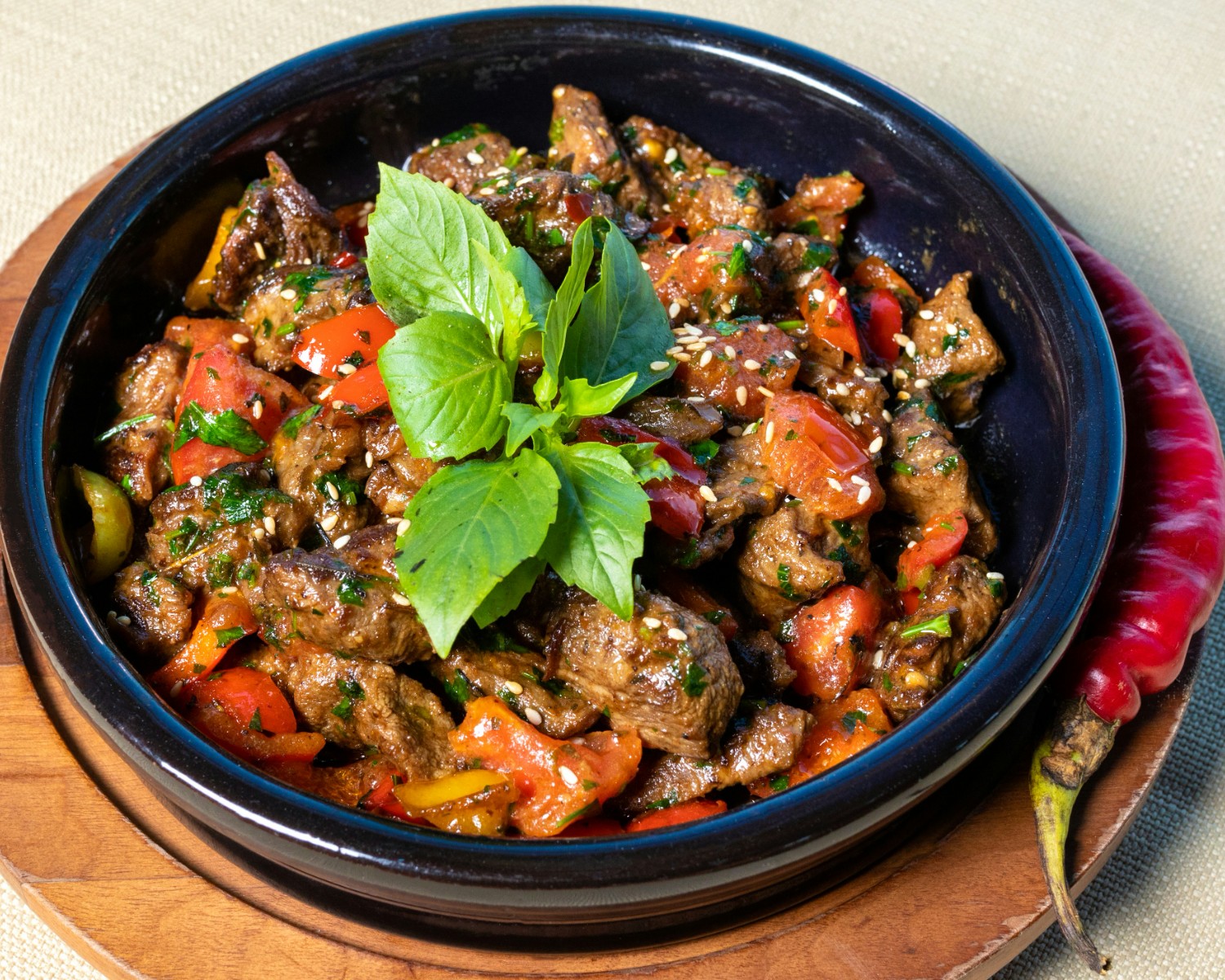
Boeuf Bourguignon
Coq au Vin
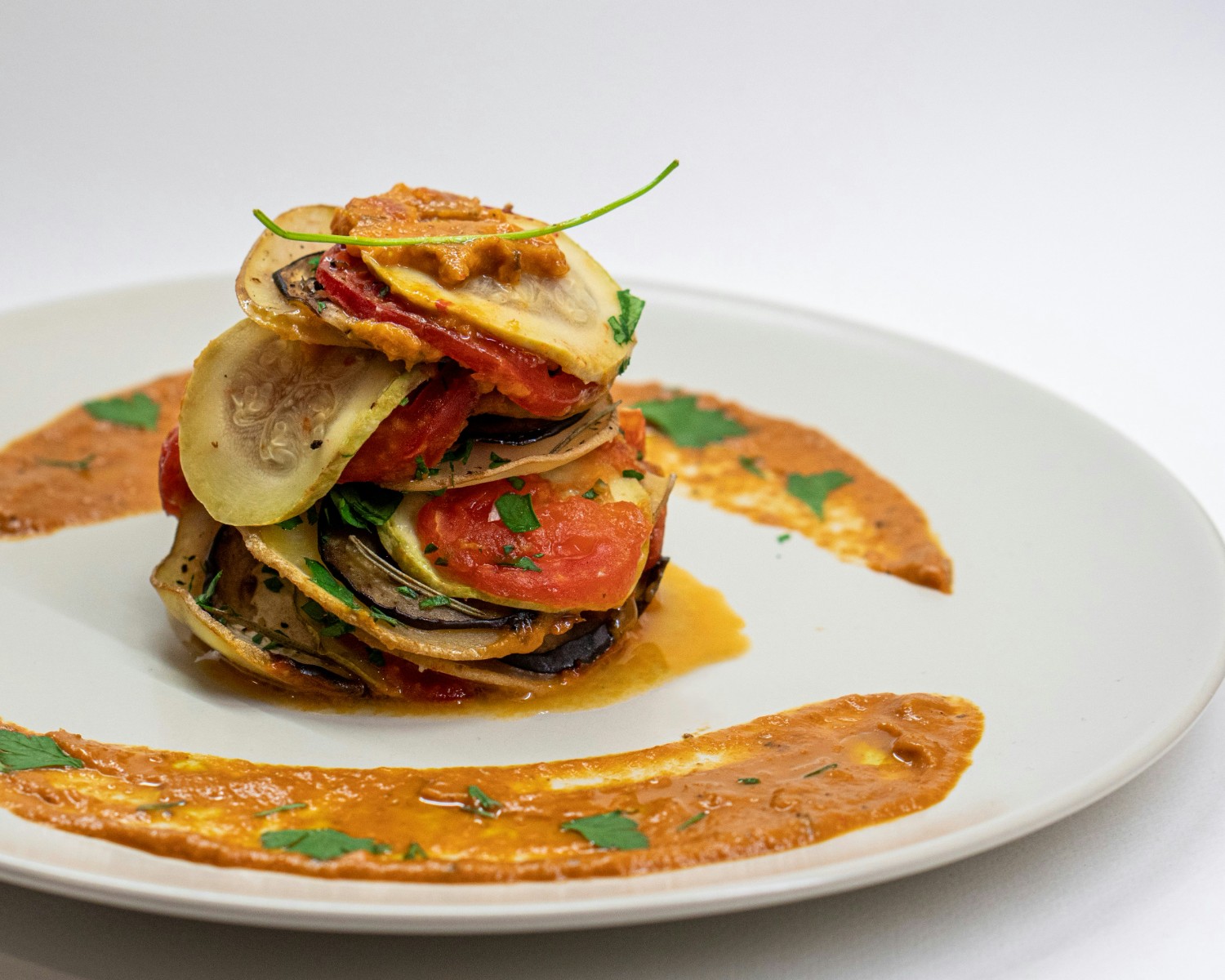
Ratatouille
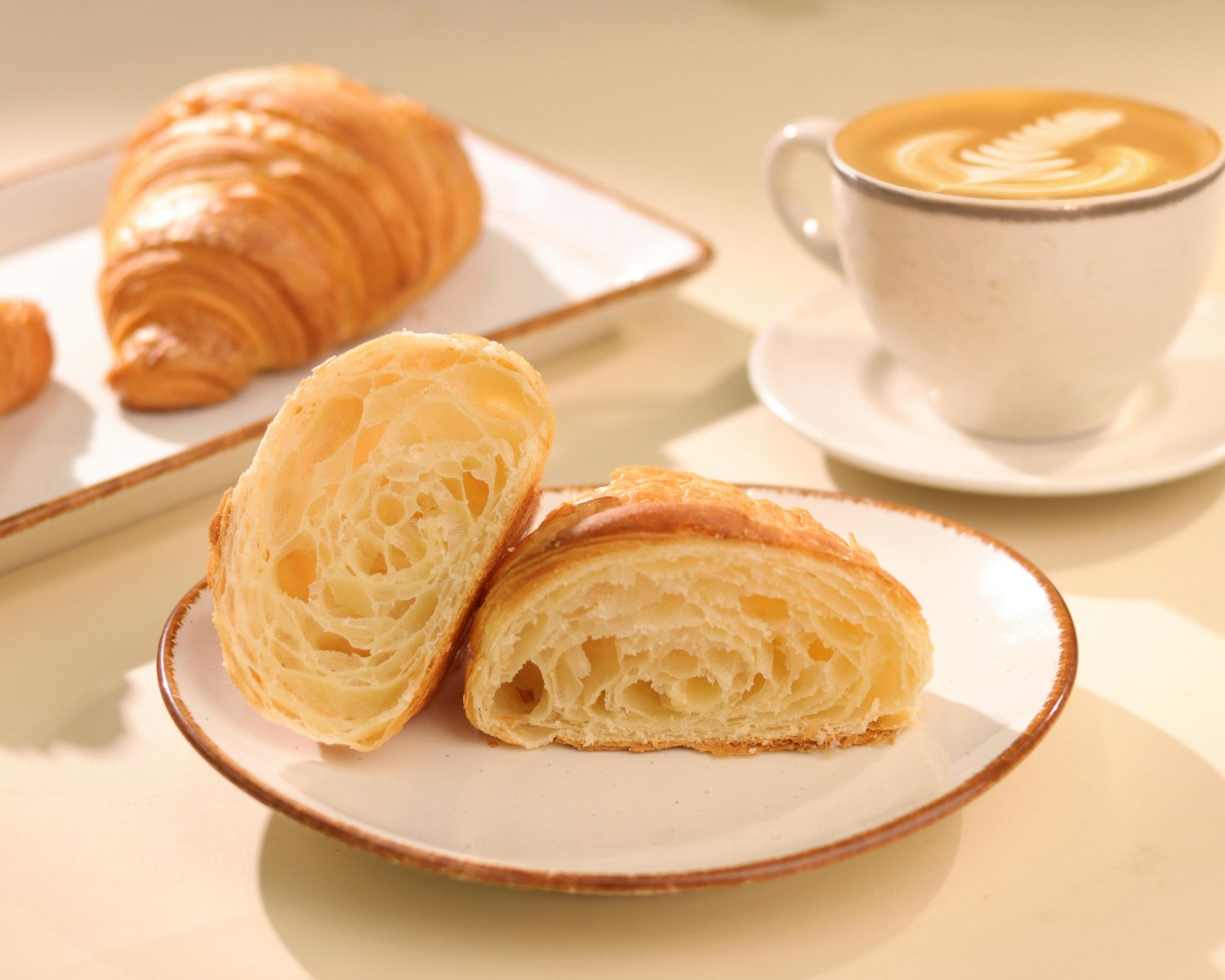
Croissant
Quiche Lorraine
Bouillabaisse
Soufflé
Where to Eat
Restaurants (Restauration)
Formal or casual, full meals. €18-60+ per person. Abundant in cities; book ahead for dinner, especially weekends.
Bistros (Petit Restaurant)
Casual neighborhood eateries, traditional French fare, warm ambiance. €15-30. Soul of French dining culture.
Cafés (Café)
Coffee, pastries, salads, sandwiches. Stay as long as you wish. €5-12. Social hub of French life.
Boulangeries (Bakeries)
Fresh bread, pastries, sandwiches, savory items. €2-8. Always queue at counters; patience expected. Every neighborhood has one.
Marchés (Markets)
Outdoor/indoor food markets. Fresh produce, cheese, charcuterie, flowers, artisan goods. €5-15 for picnic provisions. Authentic, lively, quintessentially French.
Dining Etiquette
- •Meals are timed: déjeuner (lunch) 12-1 PM, dîner (dinner) 7-8 PM. Eating outside these times is unusual.
- •Always say 'Bon appétit' to others before eating; it's polite greeting.
- •Bread is torn, never cut. Always present on table. Placed directly on tablecloth, never on plate.
- •Water is free (carafe d'eau) if requested. Wine is ordered and paid for.
- •Cheese course precedes dessert in formal dinners. Never rush through meals.
- •Service included in bill (typically 15%). Tipping 5-10% acceptable but not mandatory.
- •Smoking is banned indoors; outdoor seating may allow smoking.
- •Most restaurants open 12-1 PM (lunch), close 2-3 PM (rest), reopen 7-10 PM (dinner). Many closed Mondays.
- •Vegetarian options exist but meat dominates. Inform restaurant in advance of dietary restrictions.
Signature Drinks
Shop & Bring Home
Shopping in France is an art form. From legendary Paris fashion houses to intimate antique markets, regional specialties to gourmet delicacies, France offers unparalleled shopping experiences. VAT refund (12-15% for purchases over €100) available to non-EU visitors, making luxury acquisitions particularly attractive.
Fashion & Luxury
- Chanel, Dior, Louis Vuitton (Paris flagship stores)
- French designer boutiques (Sézane, A.P.C., Hermès)
- Vintage couture (Marais district, Paris)
- High-end department stores (Galeries Lafayette, Printemps)
Perfume & Beauty
- Grasse perfumes (Fragonard, Galimard, Molinard)
- Chanel No.5, Dior, luxury cosmetics
- French skincare (Clarins, Lancôme, Kérastase)
- Artisanal soap and bath products
Gastronomy & Wine
- Bordeaux, Burgundy, Champagne wines (€12-500+)
- Cognac and Armagnac (€30-200+)
- Foie gras, truffles, caviar (luxury)
- Macarons (Ladurée, Pierre Hermé, local pâtisseries)
Artisan Crafts & Antiques
- French pottery and ceramics
- Hand-painted porcelain (Limoges)
- Vintage furniture and decorative arts
- Antique Toile de Jouy fabric and prints
Where to Shop (Local Hubs)
Champs-Élysées (Paris)
Luxury Flagship Paradise
"World's most famous shopping avenue. Flagship stores of every luxury brand: Chanel, Dior, Guerlain, Apple, Disney. High prices but iconic experience. Tourist-heavy, crowded."
Galeries Lafayette (Paris Haussmann)
Luxury Department Store
"Paris's most iconic multi-brand luxury store. Six floors of fashion, cosmetics, jewelry, accessories. VAT refund counter. Rooftop Eiffel Tower views. Expensive but comprehensive."
Printemps (Paris Haussmann)
Department Store & Fashion
"Elegant multi-brand retailer. Fashion-focused, accessible price points. Beautiful Belle Époque architecture. Less crowded than Galeries Lafayette. VAT refund available."
Le Marais (Paris)
Antique & Vintage Boutiques
"Charming 17th-century district. Vintage couture, artisan shops, galleries, trendy concept stores. Authentic Parisian shopping. Prices negotiable in smaller boutiques."
Grasse (Provence)
Perfume Capital
"Historic perfume houses: Fragonard, Galimard, Molinard offer tours and shopping. Lavender fields nearby. UNESCO-recognized craft. Provence lavender soaps and fragrances at reasonable prices."
Provençal Markets (Aix-en-Provence, Nice, Marseille)
Open-Air Food & Crafts
"Fresh produce, local honey, artisan crafts, textiles, flowers. Authentic, lively, budget-friendly. Vendors expect haggling. Essential Provençal experience. Closed during rainy weather."
On the Move
Airport
CDG/ORY
23-25 km from center; 20-40 min by train
Taxi Apps
Uber/Bolt
Safe, metered, professional
Inter-city
SNCF TGV
Fast trains to Bordeaux, Lyon, Provence
Airport Arrival
Paris Charles de Gaulle Airport (CDG) is the main hub, 23km northeast of Paris center. Journey to center: 20-40 minutes by train/bus/taxi.
Travel Tech
Travel Tips
Paris public transport pass (Navigo weekly €26.80) saves money over daily tickets if staying 4+ days.
Purchase Metro tickets at machines using card or coins; many machines take notes.
Download Citymapper or official RATP app for real-time navigation and disruption alerts.
Avoid Metro during rush hours (8-9 AM, 5-7 PM) if possible; extremely crowded.
Regional trains often cheaper than TGV but take 2-3x longer; plan accordingly.
Reserve TGV seats 1-2 weeks in advance for best fares and seat selection.
Some old Métro lines can feel unsafe late at night; use taxis after midnight.
Vélib' bikes are for casual short trips; hills and traffic can challenge first-timers.
Intercity Travel
TGV High-Speed Trains
SNCF operates Europe's fastest trains. Paris-Lyon 2h, Paris-Marseille 3h, Paris-Bordeaux 2.5h. Modern, comfortable, frequent. Book online for discounts. €30-120 depending on route/timing.
Regional Trains
Slower but scenic. Cover smaller towns. €15-60 for regional journeys. Useful for Loire Valley châteaux, Burgundy wine regions.
Long-Distance Coaches
Budget option (Flixbus, Ouigo Bus). €10-30 for long routes. Slower, less comfortable, but economical for tight budgets.
Car Rental
International license required. Drive on right. Speed limits: highways 130 km/h, motorways 110 km/h. Petrol readily available. €40-80/day. GPS/navigation essential.
BakıKart
RATP Card (Paris): Reusable card for Metro, buses, RER. Navigo Easy card €2, charged per journey or weekly pass €26.80.
Visa Entry
Schengen Visa - Gateway to France & Europe
France, as a Schengen Area member, requires visa applications for most non-EU visitors including Indian citizens. The streamlined Schengen visa grants access to 27 European countries and is valid for up to 90 days in any 180-day period for tourism, business, or visiting family.
Identify which French consulate covers your jurisdiction (major ones in Mumbai, Delhi, Bangalore, Kolkata, Chennai).
Schedule visa appointment online via France-Visas portal (approximately 2-week wait).
Complete visa application form (Schengen form available online).
Gather required documentation (detailed below).
Attend appointment with biometric collection (fingerprints, photo).
Wait 5-15 business days for processing decision.
Collect passport with visa stamped or receive rejection (rare for straightforward tourism).
Note: Visa issued as a sticker in passport; digital copies not accepted at borders.
Registration
Penalty: Overstaying visa results in fines (€200-500), blacklisting from Schengen Area for 1-5 years, deportation.
Entry Requirements
- • Valid passport (minimum 6 months validity beyond intended departure, at least 2 blank pages).
- • Completed Schengen visa application form (signed, dated).
- • Two passport-size color photographs (35mm x 45mm, white background, taken within last 6 months).
- • Travel itinerary with dates, planned activities, and regions to visit.
- • Confirmed hotel booking(s) or Airbnb reservation (each night of stay).
- • Return flight ticket (round-trip proof, flexible tickets acceptable).
- • Proof of financial means (recent bank statements, 3-6 months, showing ₹30,000+ minimum per month) or sponsorship letter.
- • Travel insurance (€30,000 minimum coverage, valid throughout Schengen, including emergency repatriation).
- • Proof of employment or studies (employment letter, enrollment certificate, business license if self-employed).
- • For self-employed: Business registration, tax documents, recent invoices.