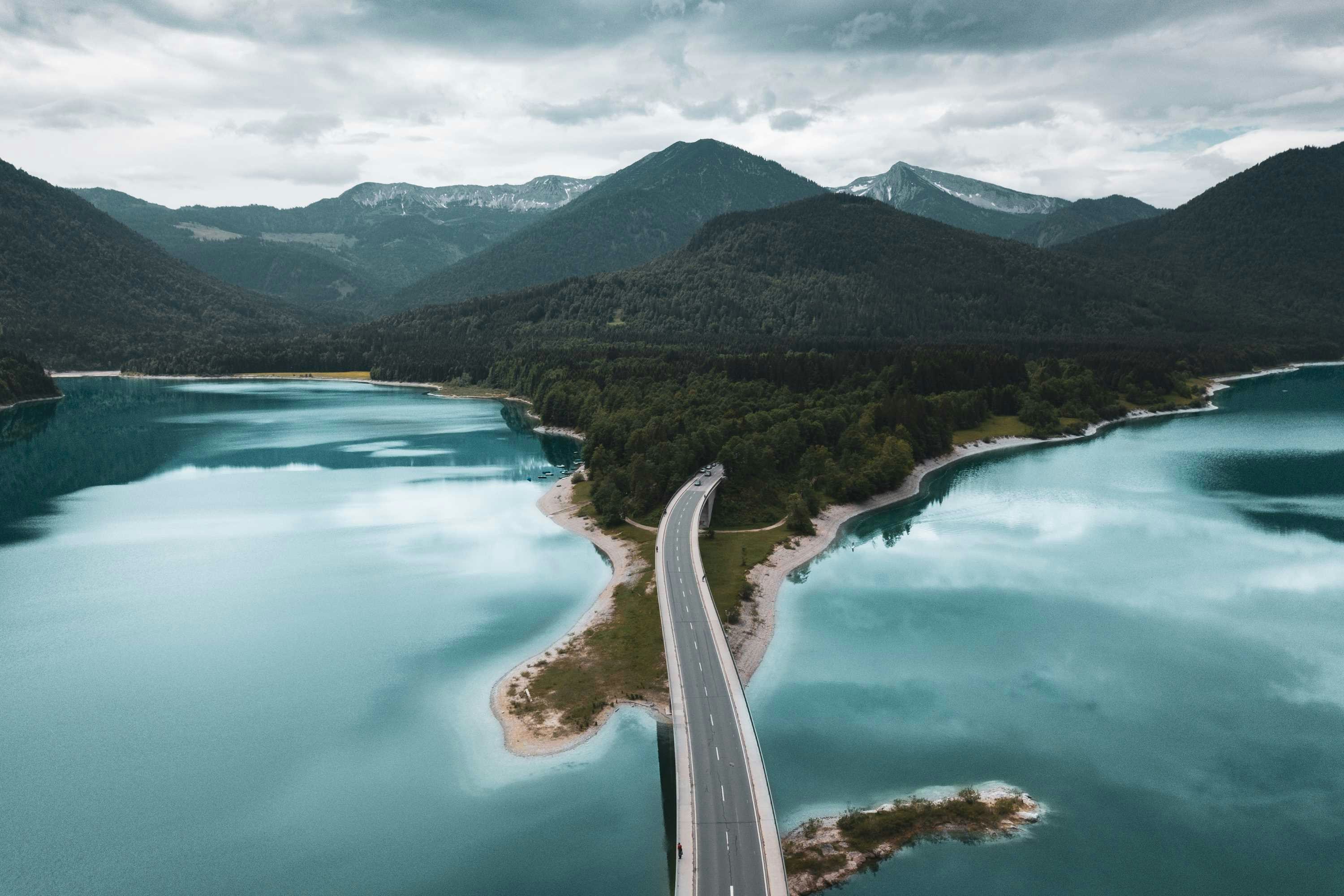
Germany
factsheet
Where precision engineering meets rich history, world-class beer flows freely, and medieval charm coexists with cutting-edge innovation across diverse landscapes.
The Essentials
Best Time
May - Jun, Sep - Oct
Currency
EUR (€)
Climate
Temperate Continental
Time Zone
UTC+1 (CET)
Language
German (Deutsch)
Visa
Schengen Visa
Capital
Berlin
Population
83.4M
Calling Code
+49
Power Plug
Type C & F (230V)
Tipping
10% standard (round up appreciated)
Emergency
112
History & Heritage
From Holy Roman Empire to Modern Powerhouse
Germany—heart of Central Europe—shaped world history through empires, revolutions, and transformations. From medieval principalities through Prussian power, Imperial grandeur, Nazi darkness, division, and reunification, Germany history timeline reveals how the nation emerged as Europe's economic and cultural leader, balancing tradition with innovation.
Holy Roman Empire (962–1806)
German territories fragmented into 300+ principalities, kingdoms, bishoprics. Diverse regional identities: Bavaria, Prussia, Saxony, Rhineland. Catholic-Protestant tensions erupted in Thirty Years' War (1618–1648). Religious freedom, decentralization defined German identity.
Prussian Ascendancy (1701–1871)
Prussia emerged as dominant German power under Frederick the Great. Industrial revolution transformed society. Bismarck unified Germany (1871) under Prussian leadership. German Empire became European superpower. Militarism, nationalism intensified.
Weimar Republic & Golden Twenties (1919–1933)
WWI defeat devastated Germany. Weimar Republic (1919) established democracy. Golden Twenties: Berlin thrived as avant-garde cultural capital (Bauhaus, Cabaret, Expressionism). Economic crisis (1929), political instability, resentment paved way for authoritarianism.
Nazi Era & Holocaust (1933–1945)
Hitler seized power (1933). Nazi dictatorship: totalitarianism, racism, militarism. WWII (1939–1945) launched. Holocaust murdered 6 million Jews and millions others. Germany defeated (1945). Nation divided, cities destroyed. Collective trauma.
Division & Cold War (1945–1990)
Germany divided: West (FRG, democratic, capitalist, Western-aligned) vs. East (GDR, communist, Soviet-controlled). Berlin Wall (1961–1989) symbolized division. West Germany thrived economically; East stagnated. Cold War tensions defined European geopolitics.
Reunification & Modern Era (1990–Present)
Fall of Berlin Wall (November 1989). German reunification (October 3, 1990). Germany became EU's largest economy, global innovation leader. Berlin renaissance. Reckoning with Nazi past through memorialization, education. Democracy, reconciliation, integration central.
Spotlight: Neuschwanstein Castle—Fairytale Reality
19th-century Romantic castle perched atop Alpine foothills (Bavarian Alps). King Ludwig II's fantasy realized: Gothic Revival architecture, stunning views. Inspired Disney's Sleeping Beauty Castle. Tourist icon, architectural marvel. UNESCO heritage. Symbol of German Romanticism and fantasy.
Reunification
October 3, 1990
End of division; German unity restored
Oktoberfest
Est. 1810
World's largest beer festival
Beethoven Born
December 17, 1770
Bonn; revolutionized classical music
Capital
Berlin
City of history, innovation, culture
Climate & Time
Time Zone
Standard
UTC+1 (Central European Time - CET); UTC+2 (Summer Time CEST, Mar–Oct)
Difference
4.5 hours behind IST (India Standard Time) in winter; 3.5 hours in summer
🎯 Best Months
May–June (Spring), September–October (Autumn)
Climate
The climate in Germany varies significantly by region, offering a diverse range of weather conditions from coastal areas to mountain peaks.
Spring (Frühling)
Mar – May
8–18°C
Easter markets, blooming gardens. Mild weather perfect for sightseeing, wine festivals. Fewer tourists than summer. Rhine Valley vineyards budding. Occasional rain.
Summer (Sommer)
Jun – Aug
18–26°C
Warm, sunny. Festival season (Oktoberfest, Bayreuth Festival, open-air concerts). Beer gardens, outdoor dining. Lakes swimming. Peak tourism; crowded attractions. Long daylight (until 9–10 PM).
Autumn (Herbst)
Sep – Nov
8–16°C
Golden foliage, autumn colors. Wine harvest (Rhine, Moselle). Perfect sightseeing weather. Fewer crowds than summer. Museums, concert season begins. Cooler evenings; beer halls cozy.
Winter (Winter)
Dec – Feb
-1 to 2°C
Christmas markets (Berlin, Cologne, Nuremberg magical). Skiing in Bavarian Alps. Snowy castles picturesque. Cold but festive. Budget-friendly; fewer tourists. New Year's celebrations vibrant.
Seasonal Packing List
Language Guide
Official Language
German (Deutsch)
Germanic language; 83.4 million native speakers in Germany. Complex grammar (4 cases, genders). English widely spoken in cities, tourist areas, among youth. Bavarian, Saxon, Plattdeutsch regional dialects persist. Standard German (Hochdeutsch) understood nationwide.
Local Signage
Essential Phrases
Hello
Guten Tag / Hallo
Thank you
Danke schön
Goodbye
Auf Wiedersehen
Yes / No
Ja / Nein
Please
Bitte
Excuse me
Entschuldigung
How much?
Wie viel kostet das?
Where is...?
Wo ist...?
Currency & Money
Official Currency
Euro
€ (EUR)
Exchange Rates
Denominations
Banknotes
€ 5, 10, 20, 50, 100, 200
Coins
€ 1, 2; 1, 2, 5, 10, 20, 50 cents
Culture & Vibes
Efficient Precision with Hearty Warmth
"German culture values order, punctuality, directness, and quality. Post-WWII society emphasizes historical awareness, accountability, and reconciliation. Modern Germans blend efficiency with warmth; reserved in first meetings but genuinely hospitable once relationships form. Beer culture, local pride, intellectual engagement central."
Greetings
Handshake standard; firm but brief. 'Guten Tag' (good day) formal; 'Hallo' informal among friends. Maintain eye contact. Wait to be invited to use first names. Respect personal space—Germans value privacy.
Churches & Religious Sites
Dress modestly; cover shoulders and knees. Remove hats. Silence required; photography often restricted. Germany 50% Christian (Catholic, Protestant); respect sites' sanctity. Many churches operate as museums or concert venues.
Beer & Dining Culture
Beer sacred in German culture. Beer halls (Bierhalle) social institutions. 'Prost!' (cheers) when toasting. Make eye contact. Never refuse offered beer (rude). Round tables may have reserved regulars' spots ('Stammtisch')—don't sit without invitation.
Public Behavior
Germans orderly, punctual, direct. Loud conversations, phone calls frowned upon (especially on public transport). Queue orderly. Offer seats to elderly, pregnant women. Jaywalking forbidden (even when streets empty). Directness valued over small talk.
Essential Dos
- • Remove shoes when entering someone's home (hosts provide slippers).
- • Bring flowers when invited to dinner (odd numbers; even for funerals).
- • Validate public transport tickets immediately (inspectors frequent; fines € 100+).
- • Learn basic German phrases; locals appreciate effort.
- • Respect quiet hours (10 PM–6 AM in residential areas; strictly enforced).
- • Wait for pedestrian signals (jaywalking heavily fined).
- • Toast properly in beer halls (eye contact, 'Prost!').
- • Admire German engineering, efficiency, precision—point of pride.
Essential Don'ts
- • Don't discuss Nazi era insensitively; Germany's WWII role deeply sensitive, heavily taught.
- • Don't confuse German regions (Bavarian, Prussian, Saxon identities distinct).
- • Don't be loud or boisterous in public spaces.
- • Don't jaywalk or violate traffic rules (heavily enforced, fined).
- • Don't photograph people without permission.
- • Don't expect effusive friendliness; Germans reserved until trust built.
- • Don't leave tips on credit card; always cash.
- • Don't criticize German culture or efficiency (core value).
- • Don't sit at 'Stammtisch' (regulars' table) without invitation.
Specific Etiquette
Gifting Etiquette
Flowers (odd numbers, unwrap at door), wine, chocolate appropriate. Avoid knives (symbolize cutting friendship). Open gifts immediately; express gratitude. Red roses symbolize romantic love; avoid.
Business Etiquette
Punctuality critical (5 minutes early expected). Handshakes firm. Business cards exchanged formally. Direct communication valued; Germans appreciate honesty. Meetings formal; humor limited until relationships built.
Dining Etiquette
Wait for host to say 'Guten Appetit' before eating. Hands visible on table (not in lap). Finish everything on plate (shows appreciation; portions generous). Bread held, not placed on table. Bill split individually ('getrennt bitte'); group bills uncommon.
Hearty Bavarian & German Comfort Food—Beer & Sausage
German cuisine is substantial, meat-heavy comfort food: schnitzel, bratwurst, sauerkraut, pretzels, bread. Beer essential to culture. Bavarian specialties (Spätzle, Knödel) and regional variations reflect local pride. Modern Germany celebrates craft beer, artisan bread, local produce.
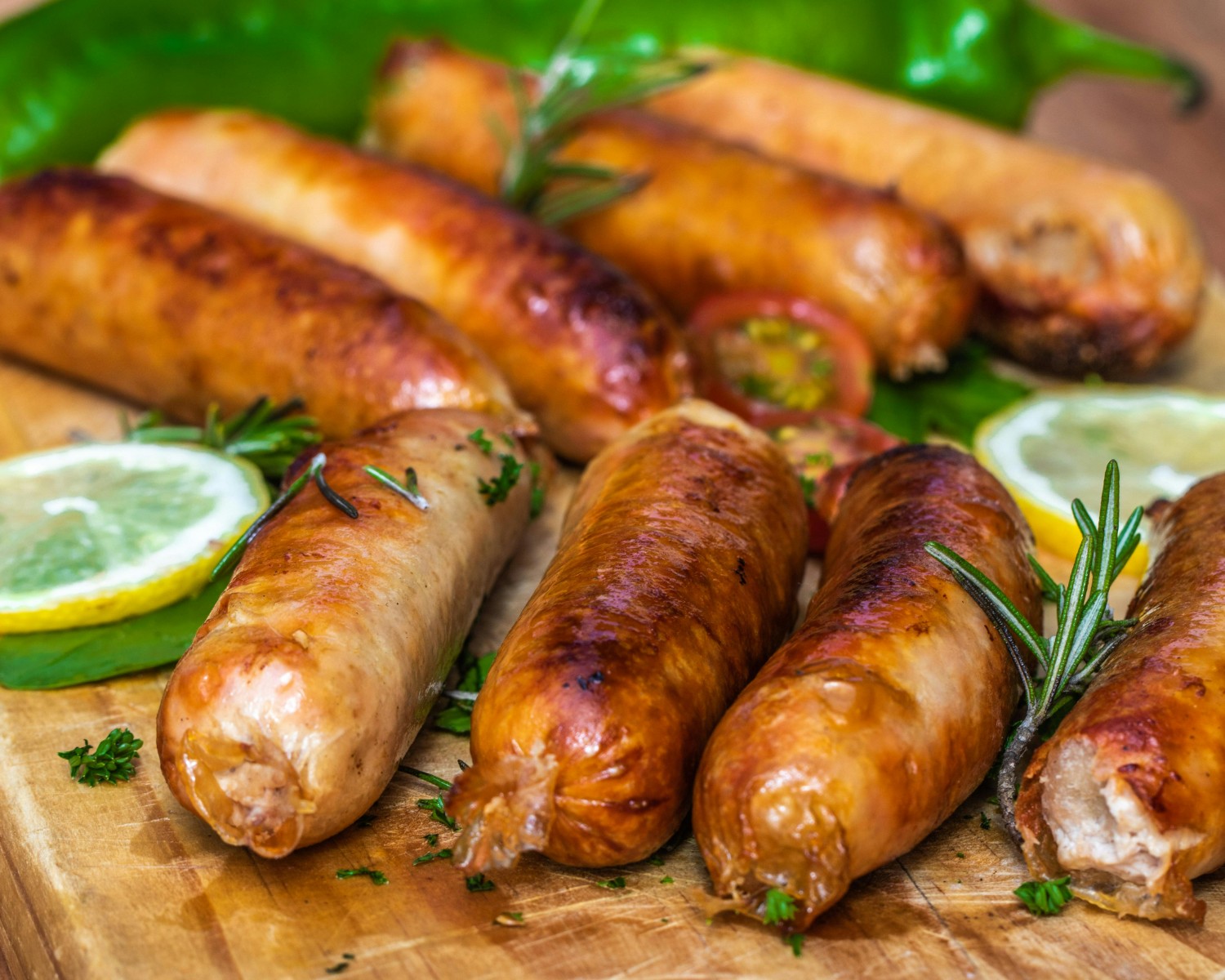
Bratwurst & Currywurst
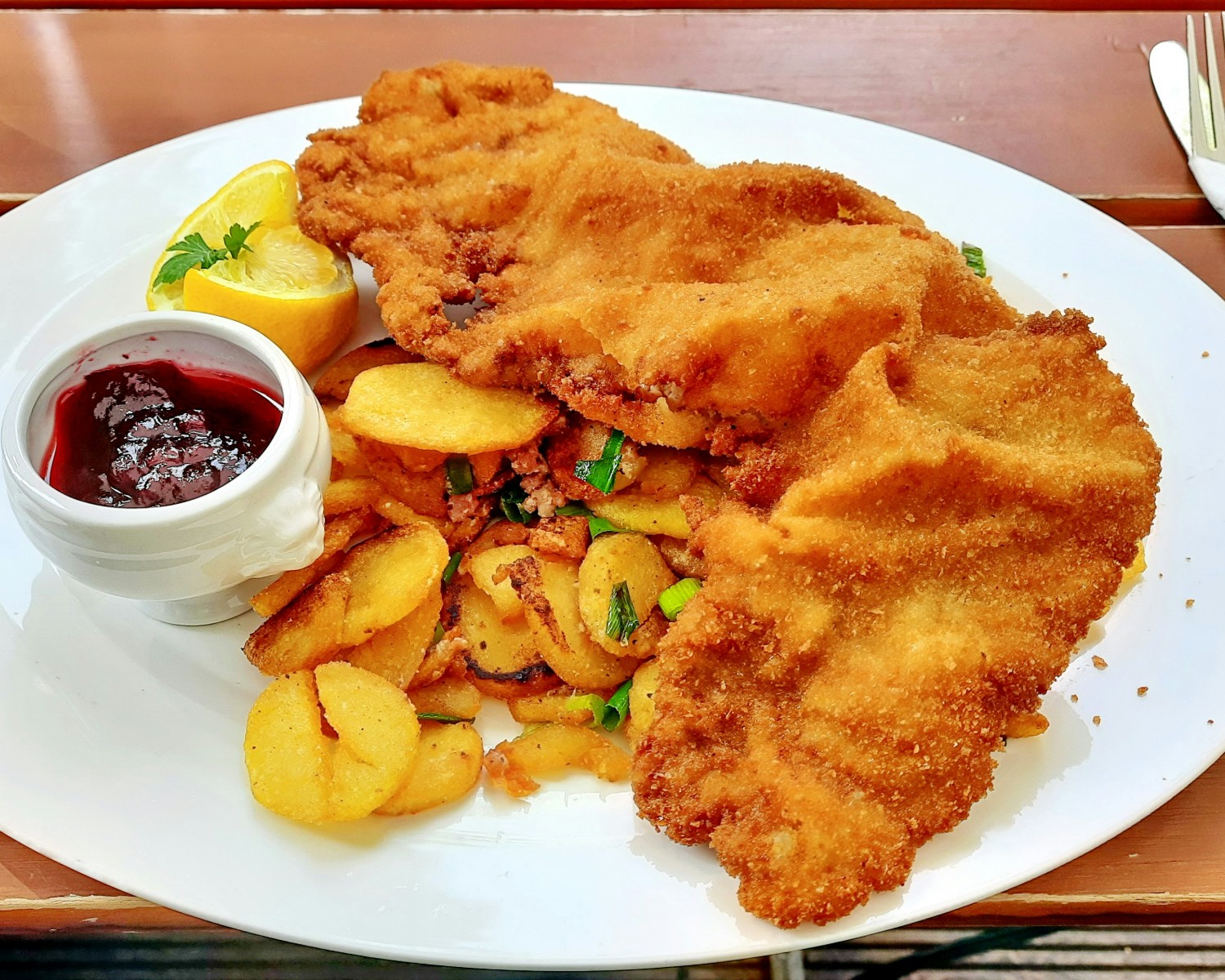
Schnitzel
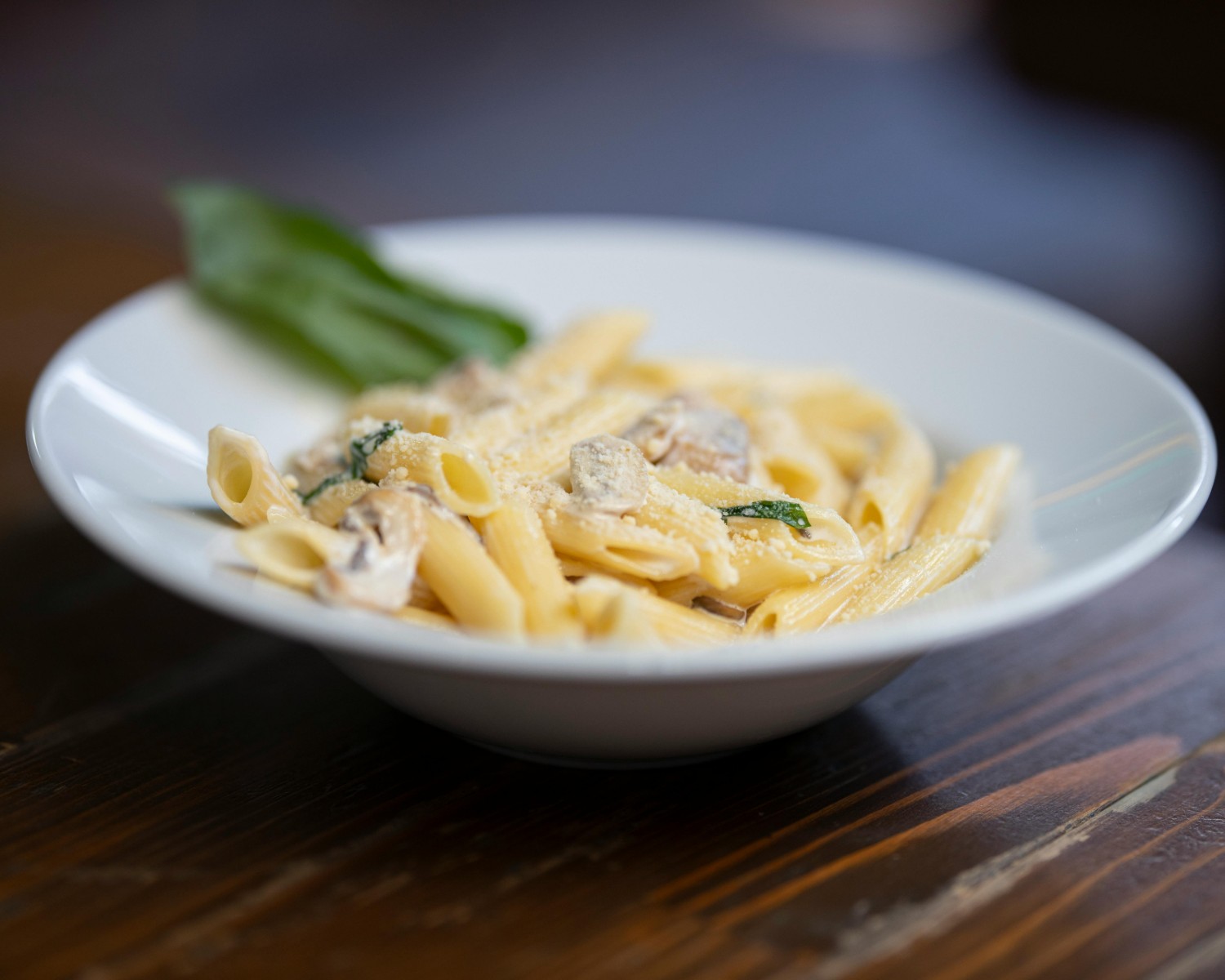
Spätzle
Sauerkraut & Pickled Vegetables
Black Forest Cake (Schwarzwälder Kirschtorte)
Pretzel (Brezel)
Knödel (Dumplings)
Where to Eat
Beer Halls (Bierhalle) & Beer Gardens (Biergarten)
Traditional institutions. Hofbräuhaus (Munich) most famous. Casual, social. Hearty German food. € 12–25 per meal. Essential German experience.
Restaurants (Gasthaus / Restaurant)
Range from traditional to Michelin-starred fine dining. Berlin, Munich, Frankfurt have world-class restaurants. € 15–150+ per meal.
Street Food & Markets
Currywurst, Bratwurst stands. Farmers markets (Viktualienmarkt Munich). € 3–8. Quick, authentic, affordable.
Cafés (Kaffeehouse)
Coffee, cakes, pastries. Afternoon café culture. Sitting for hours acceptable. € 2–8 per coffee + pastry.
Dining Etiquette
- •Say 'Guten Appetit' (bon appétit) before eating; others reply similarly.
- •Wait for everyone to be served before starting.
- •Hands on table (not in lap); wrists resting on edge.
- •Finish everything on plate (shows appreciation; portions generous).
- •Bill split individually ('getrennt bitte'); group bills uncommon.
- •Tipping: Round up or add 10% cash (don't include in card payment).
- •Toast: 'Prost!' with eye contact. Clink glasses, make contact.
- •Beer hall etiquette: stand at bar, sit at communal tables only when invited.
Signature Drinks
Shop & Bring Home
Germany offers engineering products, luxury goods, Christmas ornaments, and artisan crafts. Shopping spans modern Berlin design to Alpine village boutiques. Oktoberfest souvenirs, German porcelain, cuckoo clocks, beer steins, Christmas decorations iconic. Designer outlets, historic arcades, Christmas markets.
Engineering & Quality Products
- German Tools (Leatherman, Wüsthof)
- Kitchenware (WMF, Fissler)
- Watches & Precision Instruments
- Camera Equipment
Crafts & Traditions
- Cuckoo Clocks (Black Forest)
- Beer Steins (Ceramic, Pewter)
- Nutcrackers (Erzgebirge)
- Wooden Toys
- Porcelain (Meissen, Rosenthal)
Fashion & Designer Goods
- Hugo Boss, Jil Sander (German designers)
- Dirndl & Lederhosen (Bavarian)
- High-end Fashion Outlet
- Luxury Leather Goods
Food & Beverages
- German Beer (Oktoberfest varieties)
- Wine (Riesling, Mosel)
- Gourmet Sausages (Wurst varieties)
- Chocolate (Lindt, local brands)
- Bread & Pastries
Where to Shop (Local Hubs)
Kurfürstendamm (Berlin)
Main Shopping Street
"Berlin's premier boulevard. International brands, German designers. 3.5 km pedestrian street. Historic arcades, cafés, department stores."
Neuschwanstein Christmas Markets
Alpine Christmas Hub
"Bavarian castle region. Traditional crafts, local products, Christmas ornaments. Scenic Alpine setting. Glühwein, food."
Marienplatz Christmas Markets (Munich)
Historic Christmas Hub
"Munich's famous market (since 1310). Gothic town hall backdrop. Traditional Bavarian products, crafts, food. Magical atmosphere."
Metzingen Outlet (Swabia)
Designer Outlet
"30+ designer outlet stores (Hugo Boss, Puma, Adidas, etc.). Discounted 30–70%. Near Stuttgart; day trip option."
Viktualienmarkt (Munich)
Historic Market
"Munich's most vibrant market (since 1807). Fresh produce, flowers, local products, gourmet foods. Central location (near Marienplatz)."
On the Move
Main Airports
FRA, BER, MUC
Frankfurt (12 km), Berlin (13 km), Munich (29 km) from city centers
Taxi Apps
Uber, Bolt, Mytaxi
Safe, transparent pricing
Railways
DB (Deutsche Bahn)
Efficient, scenic national rail network
Airport Arrival
Frankfurt Airport (FRA) is largest gateway, 12 km southwest of city. Berlin Tegel (TXL), Munich (MUC) also major. Journey to city: 15 minutes by train (Frankfurt), 30–45 minutes (Berlin, Munich).
Travel Tech
Travel Tips
Validate tickets immediately (yellow machines); inspectors frequent, fines € 60+.
Download DB app; comprehensive German train timetables, real-time tracking.
Google Maps works perfectly; real-time German public transport.
Taxis: Use apps only (Uber, Bolt, Mytaxi); avoid street hailing.
Sachsenticket, Bayern-Ticket offer regional train passes—consider for multi-city visits.
Cycling infrastructure excellent; bike rentals abundant (€ 10–20/day).
Cobblestones everywhere; wear comfortable walking shoes.
Intercity Travel
Trains (Deutsche Bahn)
Extensive, punctual network. Berlin–Munich (4h, € 25–100), Berlin–Cologne (4.5h, € 30–120), Frankfurt–Berlin (3.5h, € 20–80). Fast, scenic. Book via bahn.de.
Buses (FlixBus, BlaBlaCar)
Cheaper than trains. Berlin–Munich (8h, € 15–40), Frankfurt–Cologne (3h, € 10–25). Comfortable, WiFi. Popular for budget travelers.
Car Rental
EU/International driver's license required. Drive on right. Roads excellent (Autobahn famous for speed). Rental: € 40–100 daily. Scenic routes: Black Forest, Bavarian Alps.
Domestic Flights
Germany compact; trains often faster due to airport distances. Flights mainly international. Lufthansa primary carrier.
BakıKart
BahnCard 25/50 (German Railways): Discounted train travel. Stadt Card (Berlin, Munich): Public transport pass.
Visa Entry
Schengen Visa Required for Indians
Germany is Schengen Area member. Indian citizens require Schengen visa before travel. Apply at German Embassy/Consulates or VFS Global centers in India (Delhi, Mumbai, Bangalore, Kolkata, Chennai). Process straightforward but plan 15–30 days advance.
Book appointment online at VFS Global (www.vfsglobal.com/germany/india) or German Embassy.
Fill Schengen visa application form online. Print and sign.
Gather required documents (see requirements below).
Attend appointment at VFS/Embassy; submit documents, biometrics (fingerprints, photo).
Pay visa fee (EUR €80) + VFS service fee (₹2,500). Keep receipt.
Track application via VFS website. Decision within 15–30 days.
Collect passport (visa stamped) from VFS or via courier.
Registration
Penalty: Overstays incur fines, Schengen ban, deportation.
Entry Requirements
- • Valid passport (6+ months validity beyond intended stay; 2 blank pages minimum).
- • Recent passport-size photos (Schengen specifications: 35x45mm, light background, frontal).
- • Completed Schengen visa application form (signed).
- • Travel insurance (EUR €30,000+ coverage; medical, repatriation). Mandatory.
- • Flight itinerary (confirmed round-trip booking; not necessary to pay fully until visa approved).
- • Hotel bookings/accommodation proof (entire stay; Booking.com confirmable free cancellation).
- • Bank statements (last 3–6 months; showing sufficient funds—approx. ₹50,000+ per week).
- • Employment proof (leave approval letter from employer) or student ID/university letter.
- • Cover letter explaining purpose, itinerary, ties to India (job, family, property).
- • Schengen travel history (if any; helps approval).