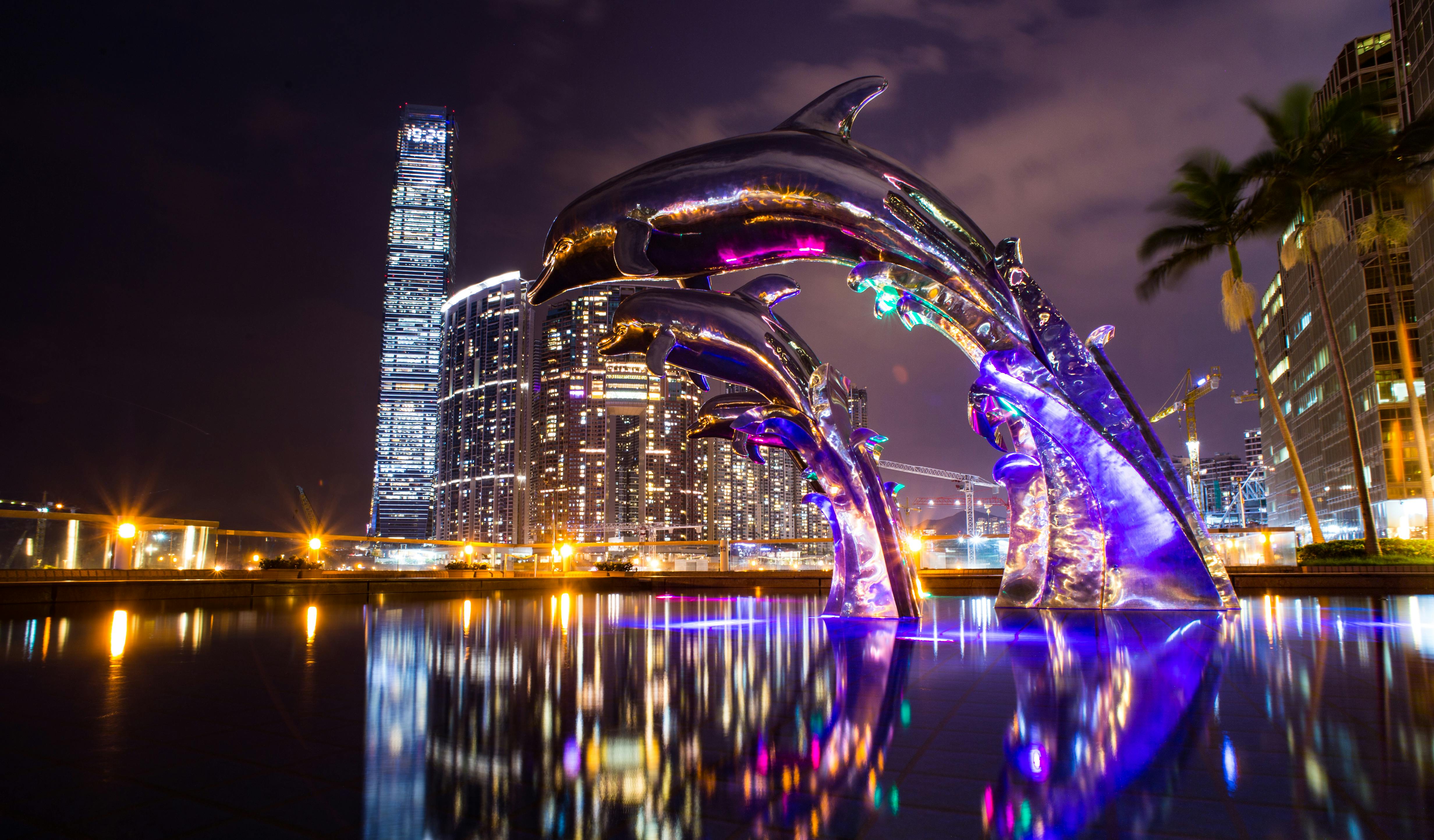
Hong Kong
factsheet
Sky-high energy, neon harbours, timeless temples, and world-class shopping in Asia’s most electric city.
The Essentials
Best Time
Oct – Mar
Currency
HKD (HK$)
Climate
Subtropical (Humid)
Time Zone
UTC+8
Language
Chinese & English
Visa
PAR / Short-Stay Visa-Free
Capital
Hong Kong SAR
Population
7.5M
Calling Code
+852
Power Plug
Type G (220V)
Tipping
10% service charge; small extra tips appreciated
Emergency
999
History & Heritage
From Fishing Villages to Global Icon
Hong Kong remains a powerhouse of global finance and a premier travel destination in 2026. As a critical hub in the Guangdong-Hong Kong-Macao Greater Bay Area (GBA) the city is experiencing robust economic momentum with a forecast GDP growth of up to 3.5%. Visitors flocking to the city prioritize iconic tourist attractions such as the Victoria Peak, Tian Tan Big Buddha statue on Lantau Island, and the Hong Kong Disneyland.
Ancient Roots (Pre-19th Century)
Long before the skyscrapers, Hong Kong’s inlets and coves were home to fishing clans, salt farmers, and boat-dwelling Tanka communities. Archaeological finds from places like Sham Wan on Lamma Island reveal human activity dating back thousands of years.
Qing Dynasty & Opium Wars (18th–19th C.)
As Guangzhou (Canton) became a major Qing trading port, nearby Hong Kong waters saw growing foreign maritime traffic. After the First Opium War, the Treaty of Nanjing (1842) ceded Hong Kong Island to Britain, reshaping the region’s destiny as an entrepôt between China and the West.
British Crown Colony (1842–1941)
Under British rule, Victoria Harbour developed into a pivotal shipping and commercial hub. The Kowloon Peninsula (1860) and the New Territories (1898 lease) expanded the colony, while banks, tramways, and the Peak Tram symbolised Hong Kong’s emergence as a modern port city.
War, Refugees & Boom Years (1941–1980s)
Japanese occupation during World War II devastated the colony, but post-war Hong Kong reinvented itself. Waves of migrants and entrepreneurs from mainland China powered an industrial boom in textiles, then electronics and services, laying the foundation for Hong Kong’s ‘Tiger economy’ decades.
Handback & ‘One Country, Two Systems’ (1997)
On 1 July 1997, sovereignty transferred from the UK to China, creating the Hong Kong Special Administrative Region under the principle of ‘one country, two systems’. Hong Kong retained its separate legal system, currency, and role as a major Asian financial centre.
Modern Metropolis
Today Hong Kong blends glass-and-steel skylines with incense-filled temples, Michelin-starred dim sum with dai pai dong street stalls. Victoria Harbour’s nightly Symphony of Lights, hyper-efficient transport, and packed events calendar keep it at the forefront of global city tourism.
Spotlight: Victoria Peak (The Peak)
Once a cool-climate retreat for colonial elites, Victoria Peak is now Hong Kong’s postcard viewpoint. The historic Peak Tram climbs through towers and trees to panoramas of Victoria Harbour, Kowloon, and the South China Sea—especially magical at night when the city glows below.
Handover
July 1, 1997
Return of sovereignty to China
Official Status
Special Administrative Region
‘One Country, Two Systems’ framework
Core Districts
Hong Kong Island, Kowloon, New Territories
Three main regions
Harbour Highlight
Victoria Harbour
Stage for Symphony of Lights
Climate & Time
Time Zone
Standard
UTC+8 (HKT – Hong Kong Time)
Difference
2.5 hours ahead of IST (India Standard Time)
🎯 Best Months
October, November, March & April
Climate
The climate in Hongkong varies significantly by region, offering a diverse range of weather conditions from coastal areas to mountain peaks.
Spring
Mar – May
17–24°C
Warming temperatures, occasional fog, flower shows, and pleasant urban walks before peak humidity sets in.
Summer
Jun – Aug
27–31°C
Hot, humid, and lively—great for beaches and air-conditioned malls, but expect tropical downpours and possible typhoons.
Autumn
Sep – Nov
24–28°C (early), 18–24°C (late)
Generally regarded as the best time to visit: blue skies, lower humidity, ideal for Victoria Peak, harbour cruises, and hiking.
Winter
Dec – Feb
14–20°C
Cool, dry, and comfortable with festive lights, Chinese New Year events, and great visibility from high viewpoints.
Seasonal Packing List
Language Guide
Official Language
Chinese & English
Cantonese is the main spoken Chinese language in Hong Kong, while Mandarin has grown in business and tourism contexts. English remains an official language and is widely used in government, transport signage, and the hospitality sector, making navigation easy for international visitors.
Local Signage
Essential Phrases
Hello
Neih hou (你好)
Thank you
M̀h'gōi / Dōjeh (唔該 / 多謝)
Goodbye
Jóigin (再見)
Yes / No
Haih / M̀h haih (係 / 唔係)
Please
M̀h'gōi (唔該)
Excuse me
Deui m̀h jyuh (對唔住)
How much?
Gei chín a? (幾錢呀?)
Where is...?
... hái bīn douh? (...喺邊度?)
Currency & Money
Official Currency
Hong Kong Dollar
HK$ (HKD)
Exchange Rates
Denominations
Banknotes
10, 20, 50, 100, 500, 1,000 HKD
Coins
10, 20, 50 cents; 1, 2, 5, 10 HKD
Culture & Vibes
Hyper-Urban Energy with Deep Cantonese Roots
"Hong Kong’s culture is a fast-paced blend of Cantonese traditions, Chinese festivals, British colonial legacies, and global influences. Neon-lit streets, temple incense, fortune-tellers, and rooftop bars coexist within a city that values efficiency, hard work, and family ties."
Greetings
Polite nods or handshakes are common in business; address people by title and surname. In informal settings, a friendly ‘hello’ or ‘neih hou’ works well.
Queue Culture
Lining up is taken seriously. Always queue for MTR trains, buses, escalators, and lifts; cutting in line is frowned upon.
Temples & Shrines
Dress modestly, speak quietly, and avoid blocking worshippers. Ask before taking photos of people praying or staff at altars.
Fast-Paced Dining
Tables turn quickly in busy eateries—order efficiently, keep bags off extra chairs, and be prepared to share tables at peak times.
Essential Dos
- • Stand on the right on escalators to let people pass on the left.
- • Have your Octopus card or small change ready before boarding transport.
- • Try local Cantonese dishes and dim sum rather than only international chains.
- • Offer and receive items (like business cards) with both hands in formal contexts.
- • Speak softly on public transport; locals value a quiet MTR.
- • Respect personal space, especially in lifts and queues.
- • Learn a few Cantonese phrases—locals appreciate the effort.
Essential Don'ts
- • Don’t eat or drink on the MTR; it is prohibited and can incur fines.
- • Don’t speak loudly on trains and in confined spaces; it is considered inconsiderate.
- • Don’t place chopsticks upright in rice; it resembles funeral incense.
- • Don’t touch strangers on the shoulder or head; it can feel intrusive.
- • Don’t litter or spit on the street; fines are strictly enforced.
- • Don’t assume everyone speaks Mandarin; Cantonese and English are often better choices.
- • Don’t photograph people without permission in markets or religious spaces.
Specific Etiquette
Business Etiquette
Punctuality is expected. Meetings often start with a brief chat, but the tone remains efficient. Exchanging business cards is common—present and receive them respectfully with both hands.
Gifting Etiquette
Offer gifts with both hands; red or gold wrapping is auspicious. Avoid clocks, sharp objects, and white wrapping, as they are associated with bad luck or funerals.
Dining Etiquette
At shared meals, wait for elders or hosts to start first. Use serving spoons when provided, avoid sticking chopsticks upright in bowls, and leave a small amount of tea in your cup to indicate you don’t need a refill.
Dumplings, Dai Pai Dong & Harbour Views
Hong Kong’s food scene ranges from steaming bamboo baskets in bustling dim sum halls to sizzling woks in dai pai dong street stalls and refined tasting menus atop skyscrapers. Eating here is a sport, a hobby, and a deep cultural expression all at once.
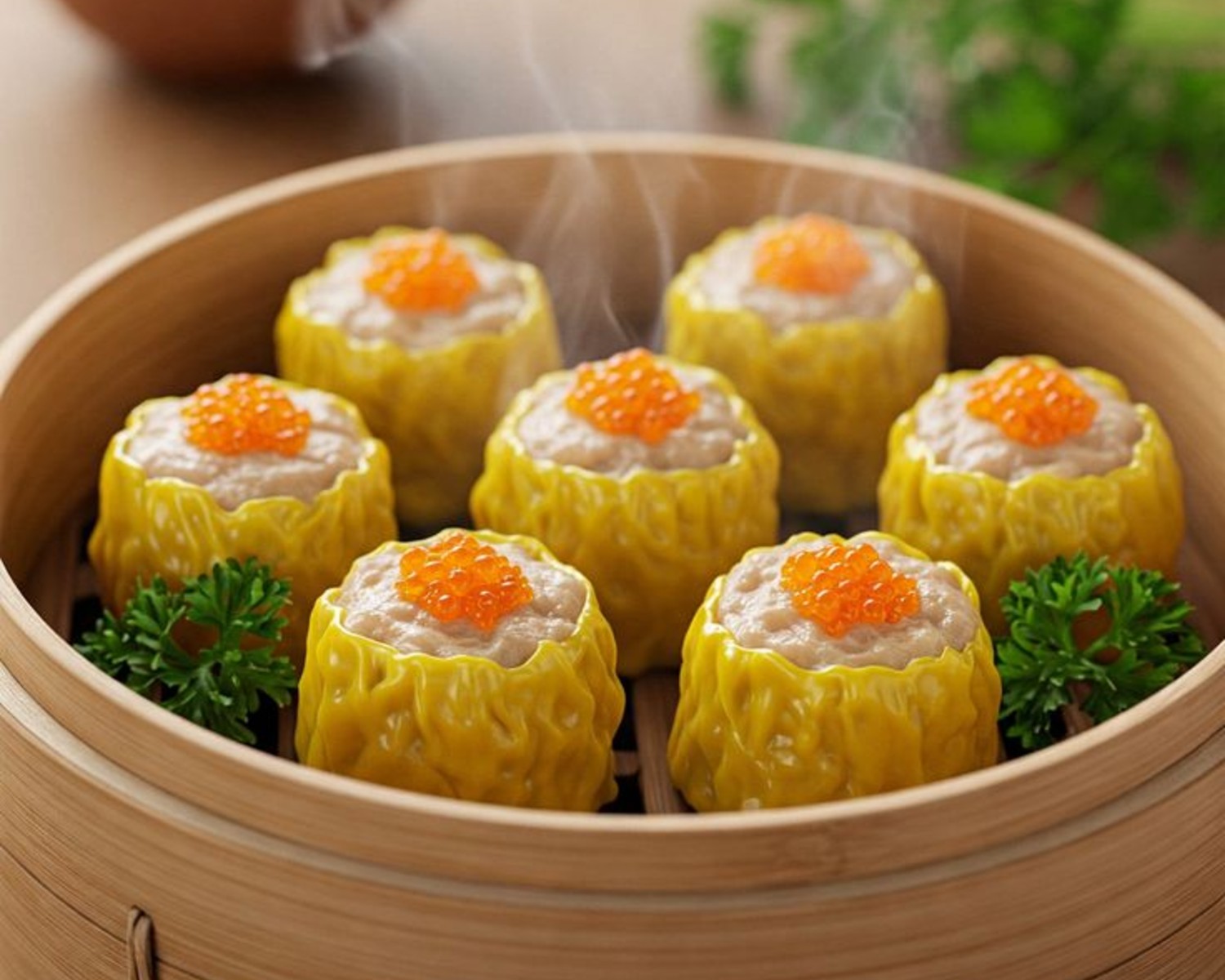
Dim Sum
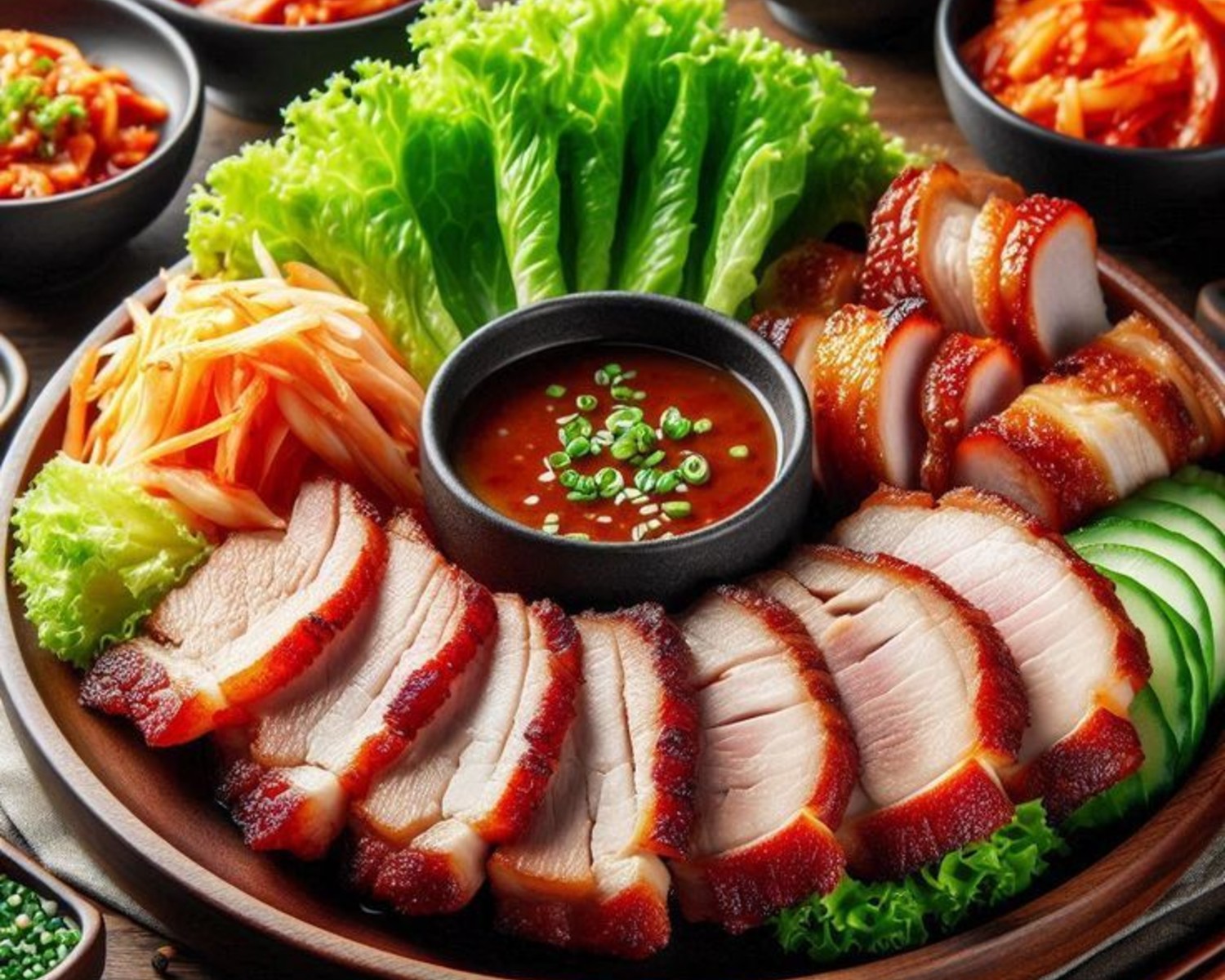
Char Siu & Roast Meats
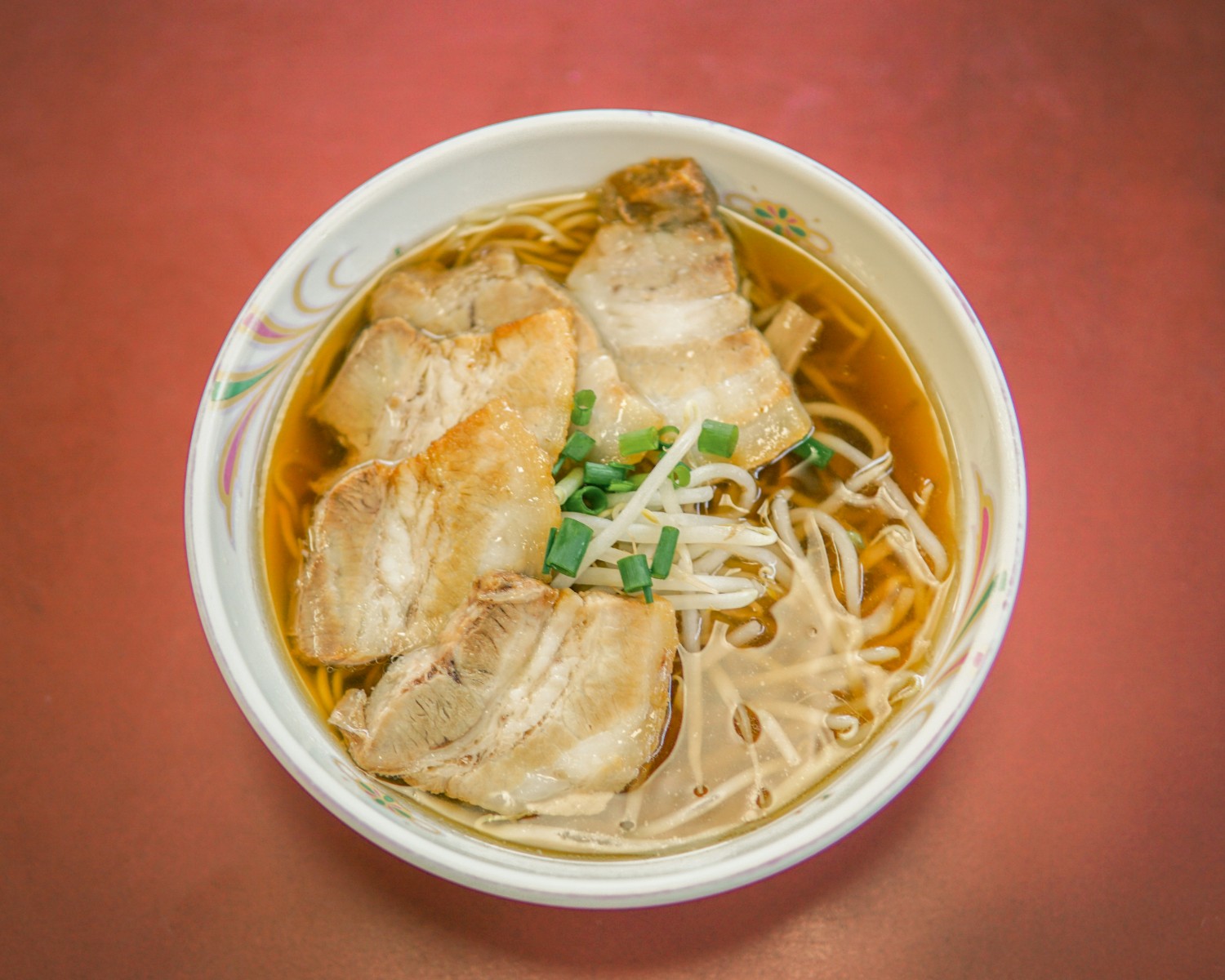
Wonton Noodle Soup
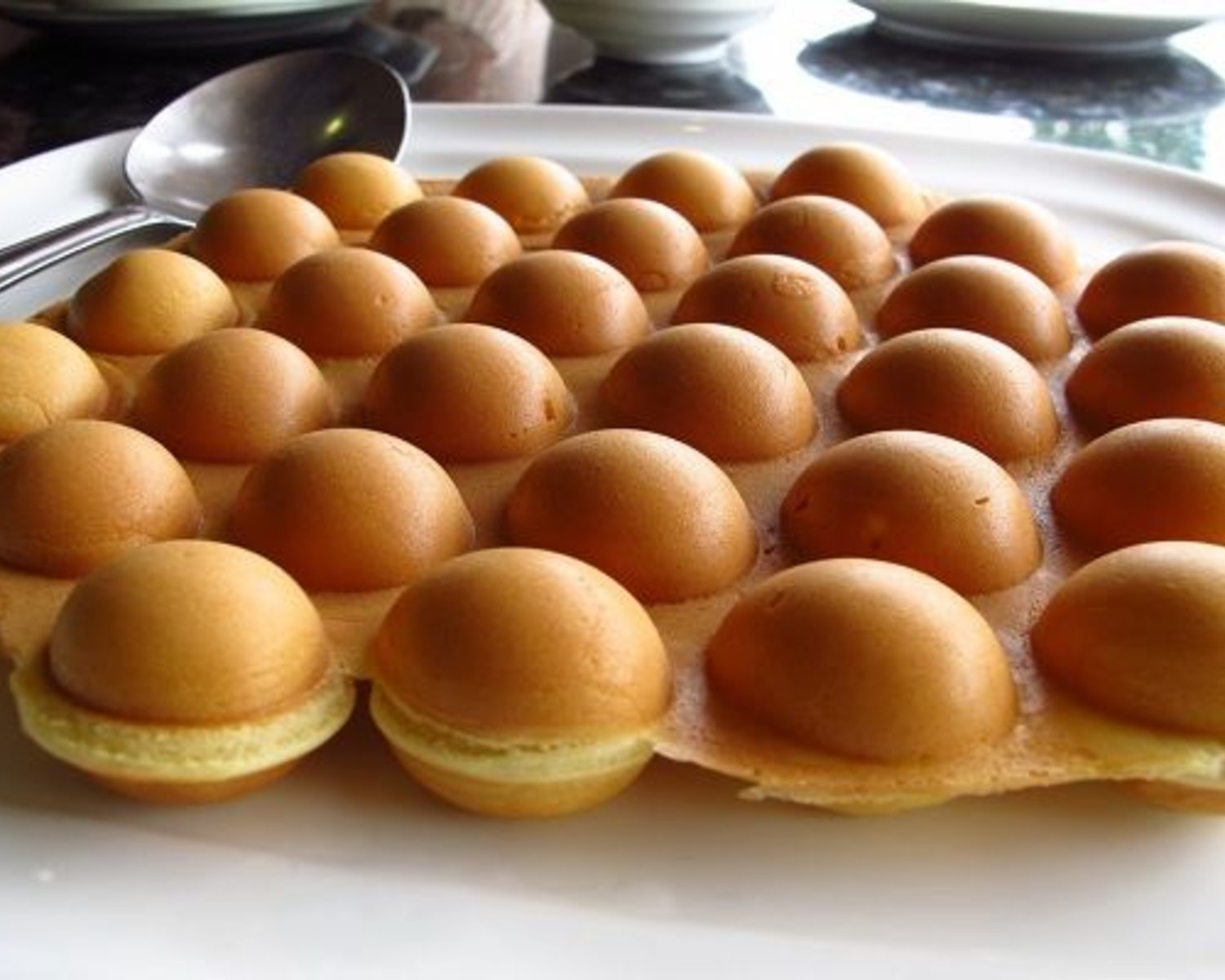
Egg Waffles (Gai Daan Jai)
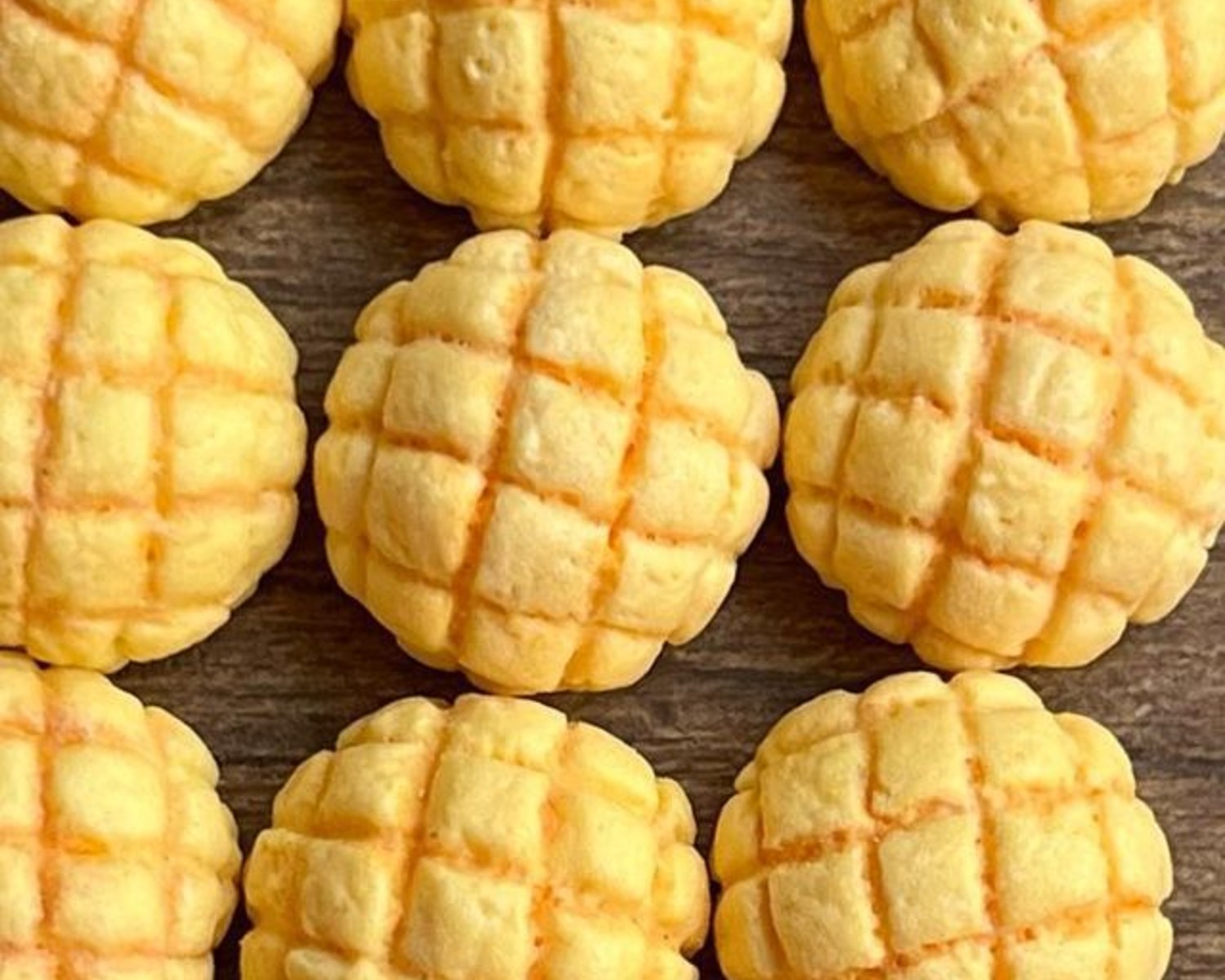
Pineapple Bun (Bolo Bao)
Hot Pot
Street-Side Skewers
Where to Eat
Cha Chaan Teng
Hybrid Hong Kong–Western cafés serving milk tea, macaroni soup, toast, and baked rice; ideal for budget-friendly, local-style meals.
Dim Sum Teahouses
From traditional push-cart halls to polished dining rooms, dim sum spots are must-visit venues for a classic Hong Kong brunch.
Dai Pai Dong & Street Stalls
Open-air eateries and snack stands serving stir-fries, noodles, and skewers—great for late-night eats and authentic atmosphere.
Rooftop & Harbourfront Restaurants
High-rise and waterfront venues offer international menus with panoramic views of the skyline and harbour light shows.
Dining Etiquette
- •Expect to share dishes family-style; individual plates are less common at traditional Cantonese meals.
- •At busy dim sum and noodle shops, sharing tables with strangers is normal during peak hours.
- •Service can be brisk rather than chatty—this reflects efficiency, not rudeness.
- •Tea is often included; gently tap the table with two fingers when someone refills your cup as a sign of thanks.
- •Vegetarian and halal options exist but may require researching specific restaurants in advance.
- •Some small eateries may be cash-only; keep HK$100–200 handy for meals.
Signature Drinks
Shop & Bring Home
Hong Kong is a shopper’s playground—bargain-filled street markets sit minutes away from glossy malls packed with global luxury brands. Whether you seek gadgets, sneakers, jade, or local design, there is a neighbourhood devoted to it.
Electronics & Gadgets
- Smartphones & tablets
- Cameras & lenses
- Headphones
- Gaming gear
Fashion & Sneakers
- Streetwear labels
- Luxury brands
- Limited-edition sneakers
- Local designers
Souvenirs & Gifts
- Mini junk boats
- Skyline prints
- Chinese calligraphy art
- Cute dim sum magnets & keychains
Tea & Delicacies
- Chinese teas
- Egg rolls & biscuits
- Dried seafood
- Local sauces & condiments
Where to Shop (Local Hubs)
Tsim Sha Tsui & Canton Road
Luxury & Flagships
"Harbourfront malls like Harbour City host luxury boutiques, global fashion, and harbour-view dining."
Causeway Bay
Youth Fashion & Department Stores
"Times Square, Hysan Place, and side streets filled with boutiques, cosmetics, and lifestyle brands."
Mong Kok Markets
Street Markets & Sneaker Street
"Ladies’ Market, Sneaker Street, and various gadget alleys for bargain hunters and night-market atmosphere."
Temple Street Night Market
Night Market
"Souvenirs, fortune-tellers, open-air eateries, and a classic neon-lit Hong Kong street scene."
Shopping Malls (Citywide)
Air-Conditioned Convenience
"IFC, Pacific Place, Elements, and others offer international brands, cinemas, and extensive dining options."
On the Move
Airport
HKG
Major international hub on Lantau Island
Transit Card
Octopus
Tap-in, tap-out on almost all transport
Airport Express
≈24 min
Fastest link between airport and Central
Airport Arrival
Hong Kong International Airport (HKG) on Lantau Island is the main gateway, linked to the city by Airport Express trains, buses, and taxis. The journey to Central takes about 24 minutes by Airport Express.
Travel Tech
Travel Tips
Buy an Octopus card at the airport or any MTR station for seamless bus, train, tram, and ferry rides.
Avoid eating or drinking on the MTR to prevent fines and respect local norms.
Travel outside rush hours (roughly 8–9:30 AM and 5:30–7 PM) for more comfortable journeys.
Use MTR Mobile or mapping apps for live route planning and station exits.
Keep small change or a loaded Octopus card ready for minibuses and older buses that may not accept cards.
Intercity Travel
High-Speed Rail (West Kowloon)
Connects Hong Kong to mainland Chinese cities such as Shenzhen and Guangzhou via high-speed trains; passports and immigration procedures apply.
Cross-Border Buses
Coaches and shuttles use land crossings and the Hong Kong–Zhuhai–Macau Bridge to reach Macau and nearby mainland cities.
Ferries to Outlying Islands
Regular ferries from Central to Lantau (Mui Wo), Cheung Chau, Peng Chau, and Lamma Island—ideal for day trips, beaches, and hikes.
Taxis & Private Cars
Useful for late nights or routes not well-served by rail; three taxi colours (red, green, blue) denote service areas across Hong Kong.
BakıKart
Octopus Card: Reloadable stored-value card usable on MTR, buses, trams, Star Ferry, and many shops and convenience stores.
Visa Entry
Visa & Pre-Arrival Registration (PAR)
Hong Kong maintains its own entry policies separate from mainland China. Many nationalities enjoy short-stay visa-free access, but Indian passport holders must complete a simple online Pre-arrival Registration (PAR) for short visits.
Visit the official Hong Kong Immigration Department website and access the Pre-arrival Registration (PAR) system for Indian nationals.
Fill in passport details, personal information, and basic travel plans (intended dates, contact info).
Submit the form and wait for an on-screen approval result; if successful, download or print the PAR notification slip.
Carry the same passport used during PAR when travelling; the registration is electronically linked to that passport.
Present your Indian passport and PAR confirmation at airline check-in and Hong Kong immigration.
For stays over 14 days or non-tourist purposes, apply in advance for an appropriate visa through Hong Kong Immigration or a Chinese mission.
Registration
Penalty: Travellers without approved PAR or a valid visa can be denied boarding or refused entry at Hong Kong immigration.
Entry Requirements
- • Valid Indian passport with at least 6 months remaining validity.
- • Successful Pre-arrival Registration (PAR) approval before departure for short visits.
- • Return or onward ticket and proof of sufficient funds, if requested.
- • Hotel booking confirmation or local contact address for your stay.
- • Appropriate visa if planning to work, study, or stay longer than 14 days.