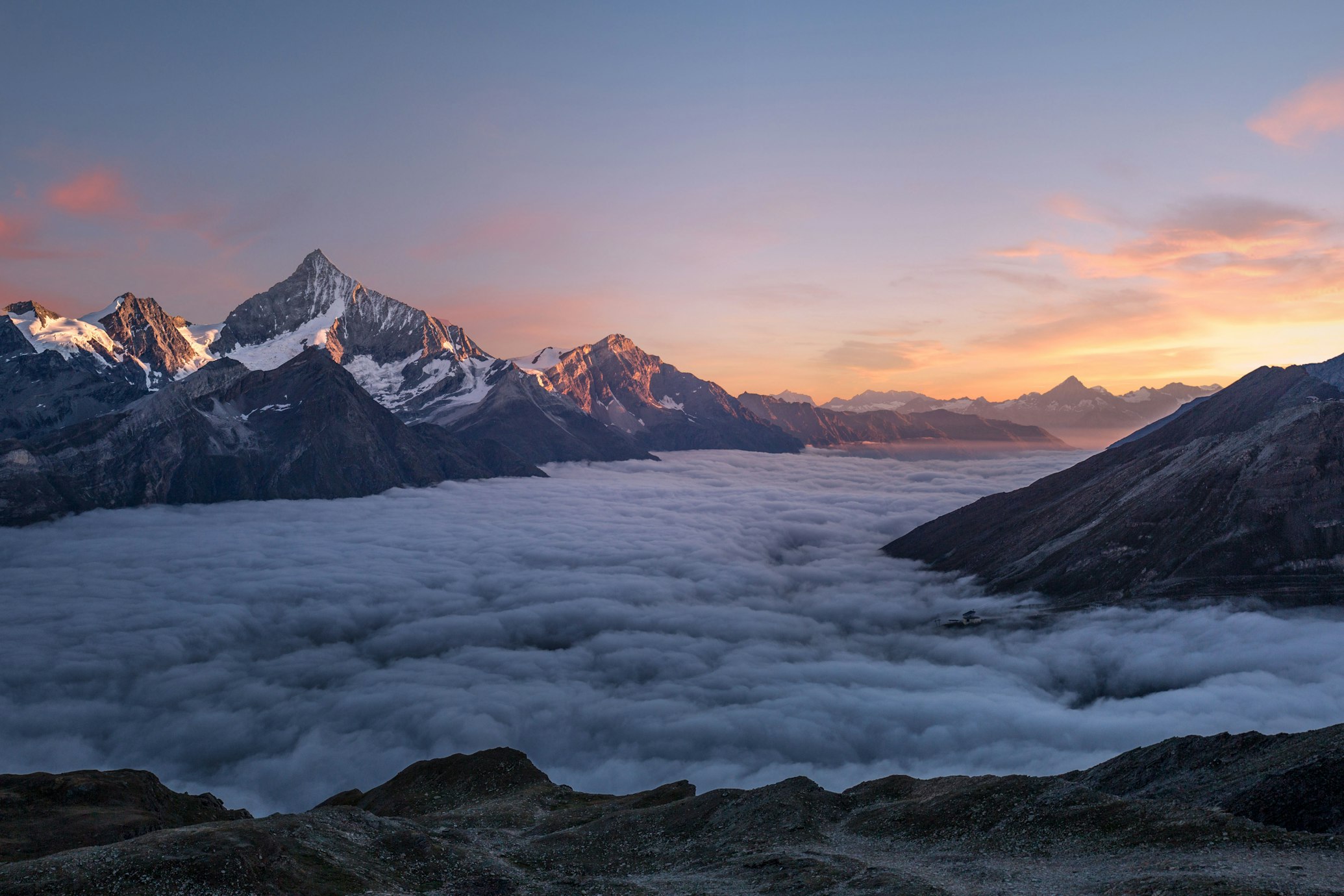
Jammu and Kashmir
factsheet
Paradise on Earth: Where Mughal Gardens, Ancient Pilgrimage, and Snow-Capped Peaks Meet in India's Most Enchanting Union Territory.
The Essentials
Best Time
Mar - May, Sep - Oct
Currency
₹ INR
Climate
Temperate to Alpine
Time Zone
IST (UTC+5:30)
Language
Kashmiri/Urdu/English
Entry
Domestic Travel
Capitals
Srinagar/Jammu
Population
13.8M
Union Territory Status
October 31, 2019
Power Plug
Type D & M (230V)
Tipping
10% appreciated (optional)
Emergency
100/101/102
History & Heritage
From Mughal Paradise to Modern Union Territory
Jammu and Kashmir's history is one of profound beauty, spiritual significance, and geopolitical complexity, making it a key topic in any Jammu and Kashmir history search. Known as 'Paradise on Earth' and 'Jannat' in Persian, this region has been coveted by empires—Mughal, Afghan, Sikh, British, and beyond. The Treaty of Amritsar established it as a unified princely state under the Dogra dynasty. At India's Partition in 1947, the Hindu Maharaja Hari Singh acceded to India over Pakistan's objections, despite the region's 77% Muslim population. Article 370 of the Constitution of India granted special constitutional status (1950). On August 5, 2019, India abrogated Article 370, fundamentally transforming J&K's political status. On October 31, 2019, J&K was reorganized into two Union Territories: Jammu & Kashmir and Ladakh. Today, J&K remains a pilgrimage destination, cultural treasure, and contested geopolitical flashpoint.
Ancient Kingdoms & Hindu-Buddhist Heritage (Pre-1200)
Kashmir was home to Hindu and Buddhist kingdoms, with Srinagar founded in 1500 BC by Maharaja Ashoka. The region flourished as a center of learning—Kashmir Shaivism philosophy, Sanskrit scholarship, and Buddhist monasteries made it an intellectual hub. Lalitaditya Muktapida (8th century) expanded Kashmir's reach across Central Asia. Hindu temples, Buddhist monasteries, and libraries filled the valley. This pre-Islamic heritage remains foundational to Kashmir's cultural identity and spiritual significance.
Mughal Golden Age (1589-1752)
Mughal Emperor Akbar annexed Kashmir, making it the empire's jewel. Emperor Jahangir declared it 'Paradise on Earth.' His son Shah Jahan commissioned the magnificent Mughal Gardens: Shalimar Bagh (Abode of Love) and Nishat Bagh (Garden of Bliss)—masterpieces of Mughal landscape architecture. Kashmiri shawls became legendary luxury exports. Sufi poetry, Persian-influenced arts, and refined cuisine flourished. This 160-year period defined Kashmir's architectural, artistic, and cultural aesthetic, leaving monuments that survive today.
Afghan & Sikh Rule (1752-1846)
Following Mughal decline, Kashmir fell under Afghan rule, experiencing economic stagnation and cultural disruption. The Sikhs, under Maharaja Ranjit Singh, conquered Kashmir in 1819, imposing their own rule. These transition centuries saw political instability, though trade networks persisted. By 1846, the Sikhs faced British military pressure in the Anglo-Sikh Wars, and Kashmir's fate changed dramatically.
Treaty of Amritsar & Dogra Rule (1846-1947)
On March 16, 1846, the Treaty of Amritsar transferred Kashmir to Maharaja Gulab Singh of Jammu, founder of the Dogra dynasty. For 75 lakh rupees, Kashmir became a unified princely state under British paramountcy. The Dogras ruled J&K for 101 years, developing infrastructure and governance. However, under British colonial oversight, Kashmir remained economically exploited, with political autonomy severely limited. This period built modern Srinagar's European-style architecture and administrative systems.
Partition & Accession Crisis (1947-1948)
When British India partitioned on August 15, 1947, J&K faced an unprecedented choice: join India or Pakistan. Maharaja Hari Singh (Hindu, ruling 77% Muslim state) delayed accession. In October 1947, Pakistani tribal militias invaded Kashmir. Facing military threat, Maharaja signed the Instrument of Accession to India on October 26, 1947. India deployed troops; Pakistan withdrew but retained portions (now Azad Jammu & Kashmir and Gilgit-Baltistan). The UN intervened; plebiscite promised by India never materialized—a broken promise that fueled decades of conflict.
Article 370 & Special Status Era (1950-2019)
India's Constitution adopted on January 26, 1950, included Article 370, granting J&K special status: partial autonomy in internal governance, separate flag (now removed), separate constitution. This hybrid status kept J&K semi-autonomous while theoretically part of India. Subsequent decades saw insurgency (1989-present), economic stagnation, tourism fluctuations, and political turbulence. J&K remained India's most contested territory, with ongoing cross-border skirmishes and internal instability. Despite challenges, tourism grew; pilgrimage to Amarnath and Vaishno Devi remained integral to India's spiritual life.
Modern Era: Article 370 Abrogation & Reorganization (2019-Present)
On August 5, 2019, India's Hindu nationalist government under Prime Minister Narendra Modi controversially revoked Article 370 and Article 35A (protecting J&K's special status). Overnight, J&K lost constitutional autonomy. Communications blackouts, curfews, and military presence intensified. On October 31, 2019, Parliament passed the Jammu & Kashmir Reorganisation Act, dissolving the state and creating two Union Territories: Jammu & Kashmir (with legislature) and Ladakh (without). This seismic shift remains globally contentious. Pakistan condemns it; international observers express concerns. Domestically, some Indians celebrate sovereignty assertion; others mourn political autonomy's loss. Post-2019 tourism paradoxically surged—2.1-2.4 crore visitors annually—suggesting renewed interest despite political volatility.
Spotlight: Dal Lake & The Floating Gardens
Dal Lake is Srinagar's beating heart and Kashmir's iconic symbol. This 22 sq km freshwater lake features unique ecosystem: traditional wooden houseboats (bhuts), shikaras (small gondola-like boats), and floating gardens (rad in Kashmiri)—artificial islands of vegetation and soil layered on water. The lake has four distinct basins: Gagribal, Lokut Dal, Bod Dal, and Nagin. Every morning, vegetable vendors paddle their boats to floating markets; fishermen cast nets in traditional style; tourists experience shikara rides amid mountain-framed serenity. Dal Lake represents the essence of Kashmir tourism: a living, breathing ecosystem where daily commerce, spirituality, tourism, and nature converge in breathtaking beauty.
Partition Year
August 15, 1947
J&K princely state accedes to India in October 1947
Article 370 Abrogation
August 5, 2019
Special status revoked; reorganization into Union Territories
Tourism Peak
2.36 Crore (2024)
23.6 million visitors annually; fastest-growing tourism destination in India
Vaishno Devi Pilgrims
13M+ Annually
India's most-visited pilgrimage shrine (Jammu division)
Climate & Time
Time Zone
Standard
IST (Indian Standard Time) UTC+5:30
Difference
Same as India national time; no offset from IST
🎯 Best Months
March-May (Spring), September-October (Autumn)
Climate
The climate in Kashmir varies significantly by region, offering a diverse range of weather conditions from coastal areas to mountain peaks.
Spring (Bahar)
Mar – May
2–19°C
Wildflowers bloom; snow melts; perfect trekking weather. Indira Gandhi Tulip Garden features 1M+ tulips (April). Romantic atmosphere; peak season begins. All roads open; high accessibility. Moderate rainfall occasional. Couples' favorite season; families flock.
Summer (Grishm)
Jun – Aug
15–30°C
Peak tourist season. Pleasant, dry weather ideal for mountain activities. Gulmarg, Pahalgam, Sonamarg accessible. Adventure sports: trekking, camping, rafting. Long daylight hours (sunrise ~5 AM, sunset ~9 PM). Hotels/transport fully booked; prices peak. Clear mountain views. Chinar trees shade city streets.
Monsoon (Varsha)
Jul – Sep
13–25°C
Lush green landscapes; waterfalls flowing; cool refreshing air. Budget travelers' paradise (50% hotel discounts). Fewer crowds; serene atmosphere. Moderate rainfall; not heavy downpours. Muddy trekking trails limit mountain activities. Some attractions close seasonally. Perfect for introspection and intimate exploration. Lower humidity than Indian plains.
Autumn (Sharad)
Sep – Oct
9–20°C
Ideal shoulder season: golden landscapes, clear skies, moderate temperatures, reasonable prices. Chinar trees turn golden-crimson. Grape harvest; pomegranate season. Less crowded than summer. Perfect hiking conditions. Festival season (local temple fairs/zatras). Early autumn snow possible on high passes. Crisp mornings; warm afternoons; magical evenings.
Winter (Shita)
Nov – Feb
0–15°C (can drop to -5°C)
Heavy snowfall transforms valley into winter wonderland. Chillai Kalan (Dec-Feb): 40-day harshest winter. Dal Lake freezes (ice skating possible). Gulmarg, Sonamarg, Gulmarg ideal for skiing. Jammu remains mild (winter capital). Srinagar becomes magical; fewer tourists; budget rates. Road access limited by avalanches/closures. Beauty beyond imagination; adventure/solitude seekers paradise.
Seasonal Packing List
Language Guide
Official Language
Kashmiri (official language), Urdu, English
Kashmiri, a Dravidian/Indo-Aryan language with 6.7+ million speakers, is J&K's primary language. Urdu is co-official and widely understood. English prevails in tourism, hospitality, and youth. Dogri (Jammu region), Hindi, and Ladakhi (now separate UT) also spoken. Persian and Arabic influence evident in Kashmiri vocabulary due to 600+ years of Islamic/Mughal rule. Learning basic Kashmiri/Urdu phrases shows cultural respect and enriches interactions with locals. Tourist infrastructure offers English signage/guides.
Local Signage
Essential Phrases
Hello (Kashmiri)
Assalamualaikum
Hello (Urdu)
Salaam
Thank you (Kashmiri)
Meherbani
Thank you (Urdu)
Shukriya
Goodbye
Khuda Hafiz
Yes / No (Urdu)
Haan / Nahi
Please (Urdu)
Meherbani se
How much? (Urdu)
Kitna hai?
Currency & Money
Official Currency
Indian Rupee
₹ (INR)
Exchange Rates
Denominations
Banknotes
₹10, ₹20, ₹50, ₹100, ₹200, ₹500, ₹2000
Coins
₹1, ₹2, ₹5, ₹10 (coins rarely used; mostly notes)
Culture & Vibes
Spiritual Pluralism with Colonial Charm & Mountain Mystique
"Jammu and Kashmir's culture blends Hindu spirituality (pilgrimage, temples), Islamic tradition (Sufi mysticism, Mughal heritage), and syncretic Kashmiri identity. The region treats guests as sacred (Islamic hospitality principle). Wazwan—the elaborate multi-course feast—embodies Kashmiri values: hospitality, communal dining, culinary artistry. Colonial Mughal architecture, ancient temples, and modern infrastructure coexist. Kashmiris are famously warm, philosophical, artistic. The region's spirituality transcends religion—pilgrims of all faiths find transcendence here. Despite geopolitical turbulence, cultural pride and natural beauty define J&K identity."
Greetings & Respect
Handshakes common; respectful engagement valued. Elders greeted first. Kashmiri hospitality genuine; guests treated as family. Modest behavior appreciated; avoid loud public displays of affection.
Religious Sites
Dress modestly: cover shoulders, knees, chest. Women cover hair at mosques. Remove shoes at temples/shrines. No photography in prayer areas without permission. Respect prayer times; avoid entering during Namaz (Islamic prayer). Behave reverently; pilgrimage sites sacred.
The Sacred Hospitality
Guests treated as sacred (Islamic principle). Accept tea/food offered—refusing insulting. Kashmiri tea (kahwa/kehwa) is ritual hospitality; always accept. Sharing meals central to trust-building. Generosity deeply valued.
Family & Community
Family paramount in Kashmiri culture. Elders receive utmost respect. Public shows of disrespect toward family/parents considered serious offense. Community values strong; locals protective of heritage/traditions.
Essential Dos
- • Remove shoes when entering homes, temples, or religious sites
- • Accept hospitality (tea, food) graciously; refusing deeply insulting
- • Learn basic Kashmiri/Urdu greetings; locals deeply appreciate cultural respect
- • Ask permission before photographing people, especially in religious contexts
- • Respect prayer times; avoid interrupting worship or loud behavior near mosques/temples
- • Compliment Kashmiri hospitality, cuisine, handicrafts, and natural beauty
- • Participate in local festivals (Tulip Festival, Wazwan celebrations) if invited
- • Tip guides/housekeeping staff; ₹50-100 appreciated for good service
Essential Don'ts
- • Don't discuss sensitive geopolitical topics (Kashmir issue, Pakistan, military presence)
- • Don't be loud, rude, or disruptive in public/religious spaces
- • Don't wear swimwear outside beaches (swimwear inappropriate in city streets/markets)
- • Don't photograph sacred religious items or prayer areas without permission
- • Don't disrespect Islamic traditions or elders in family/community settings
- • Don't litter or damage natural/heritage sites
- • Don't mention military/conflict-related incidents in casual conversation
- • Don't refuse food/tea offered by locals; hospitality deeply cultural
Specific Etiquette
Gifting Etiquette
Avoid knives (symbolize cutting friendship), clocks (death association), or handkerchiefs (tears). Books, chocolates, spices, items from your country appropriate. Wrap gifts beautifully. Business gifting less formal than South India. Gifts should reflect thoughtfulness, not expense.
Business Etiquette
Business meetings often begin with tea. Handshakes standard. First names used relatively quickly. Punctuality valued in urban Srinagar/Jammu but more relaxed in villages. Hierarchy respected in government/formal settings. Patience, warmth, and relationship-building important.
Dining Etiquette
Wait for eldest/honored guest to start eating. Bread sacred; never waste or place upside down. Compliment chef generously; hospitality valued. Finishing meals optional; leaving small portions acceptable. Communal dining emphasizes sharing, togetherness. Accept tea/beverages multiple times—refusing insulting.
The Culinary Art of Wazwan: Royal Feasts & Sacred Hospitality
Kashmiri cuisine is a sophisticated, meat-heavy tradition reflecting Mughal refinement and Persian influences, making it a key highlight in any Kashmiri cuisine search. Wazwan—the legendary multi-course feast—is considered a culinary art form: 7–36 dishes prepared by hereditary master chefs (wazas) over days. Served communally on large copper trays (traem), shared by 4 diners. Signature spices: Kashmiri red chillies, saffron, cockscomb flower (mawal), walnuts. Rice is staple; bread traditionally not eaten with meals (except breakfast). Vegetarian options exist but meat dominates—lamb and mutton preferred. Kahwa is a saffron-infused green tea and hospitality ritual. Cuisine reflects Kashmir's spiritual traditions: mindful preparation, communal eating, respect for ingredients.
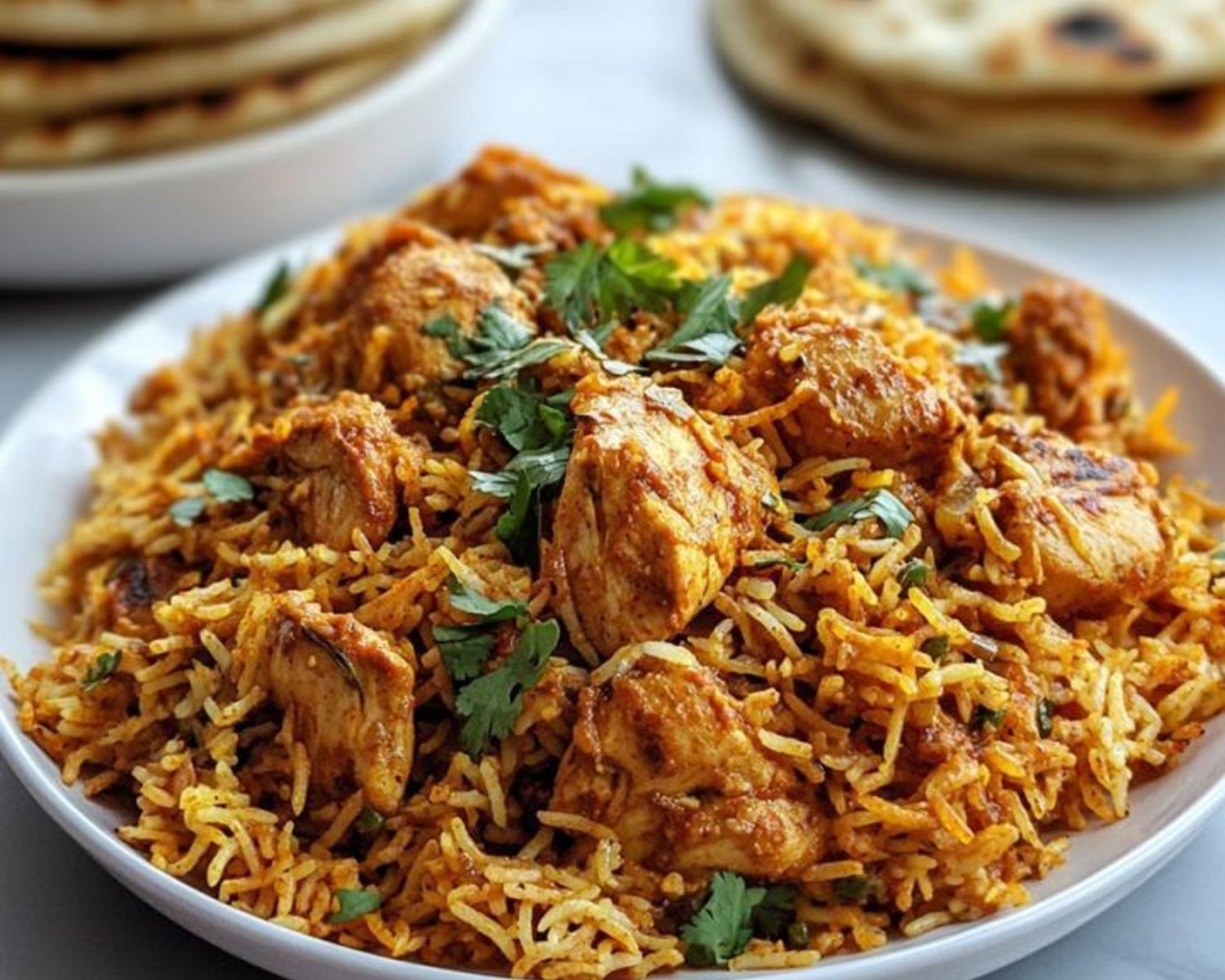
Wazwan (Multi-Course Feast)
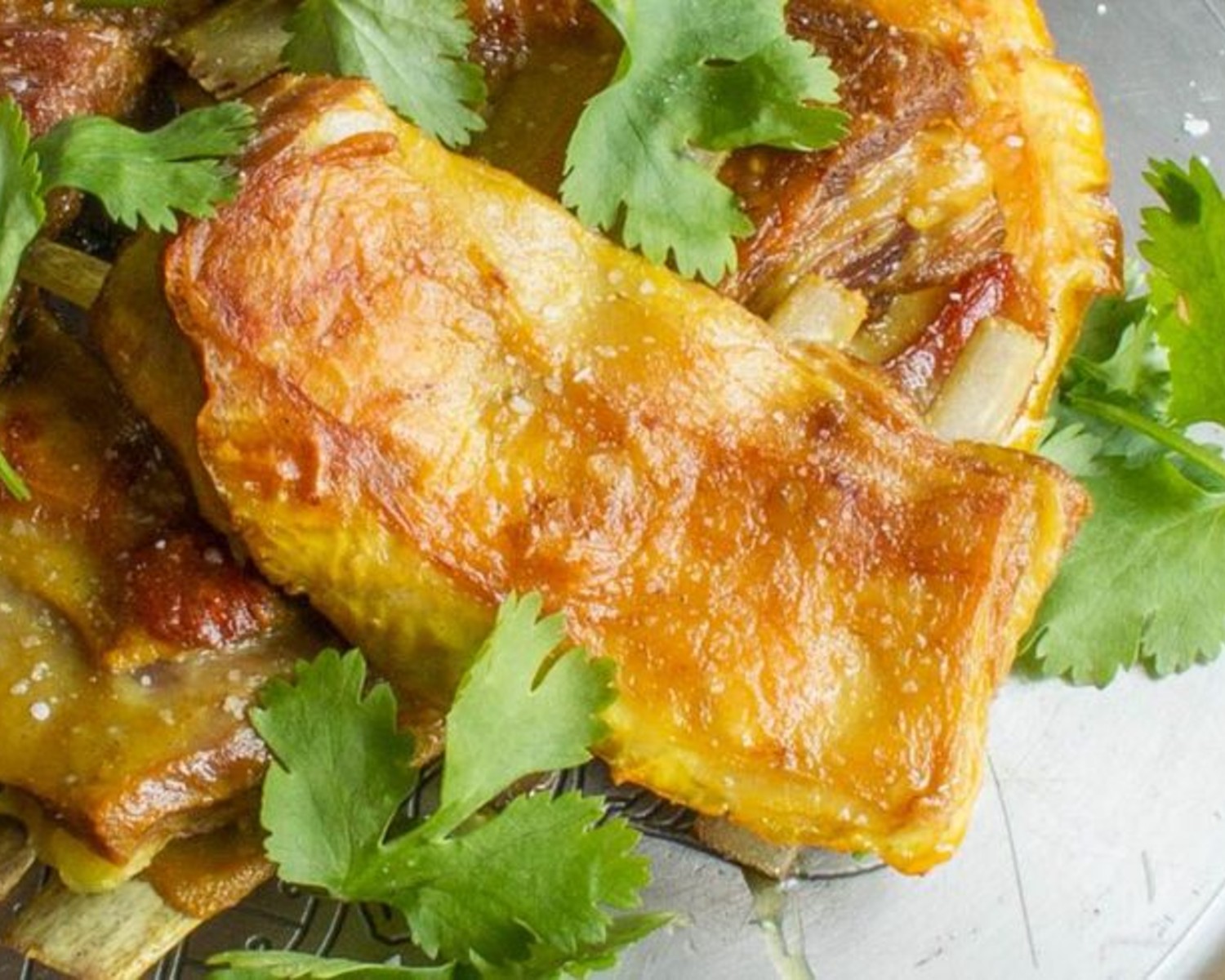
Tabak Maaz (Lamb Ribs)
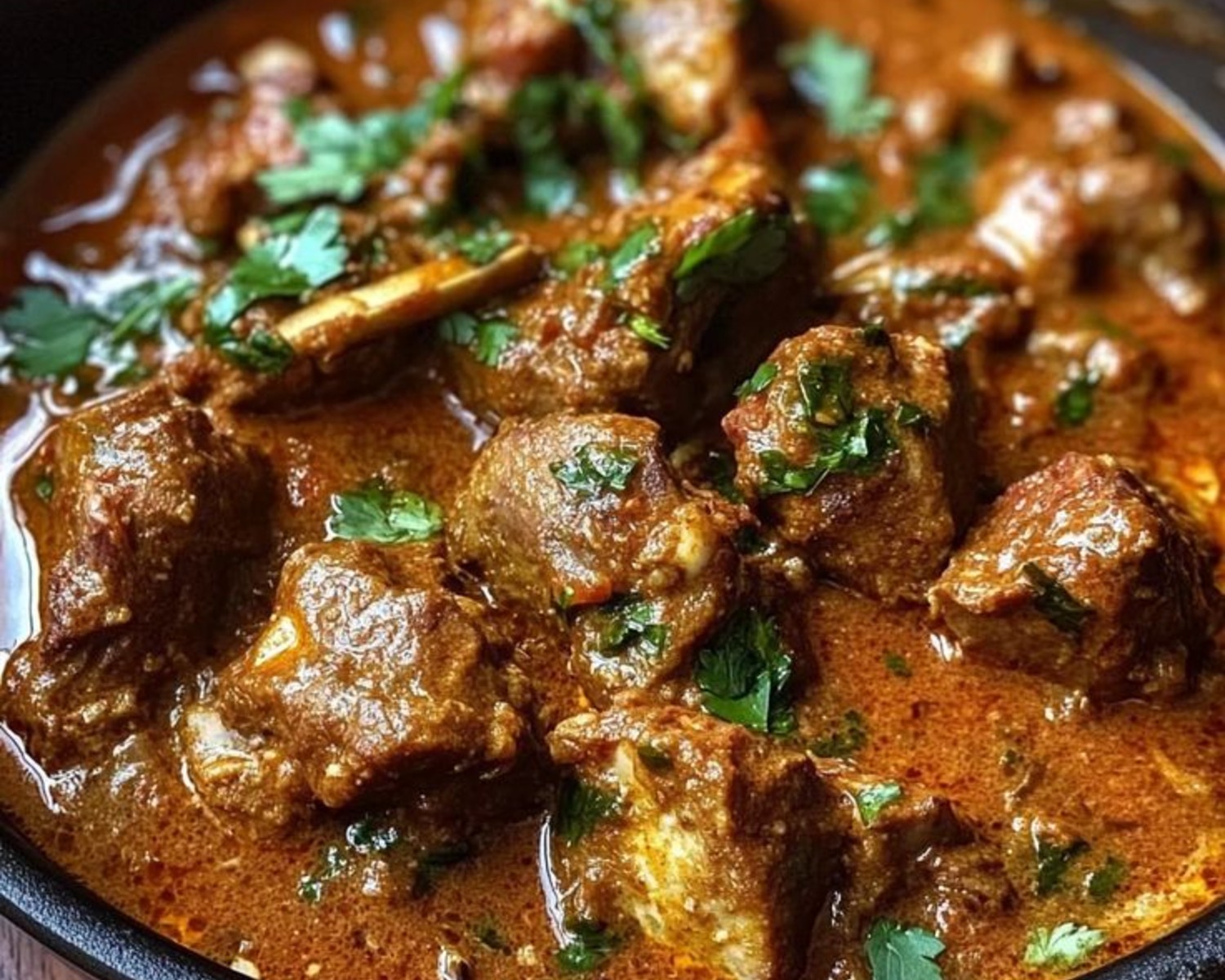
Rogan Josh (Spiced Lamb Curry)

Gushtaba (Meat Meatballs in Yogurt Gravy)

Yakhni (Meat Broth/Soup)
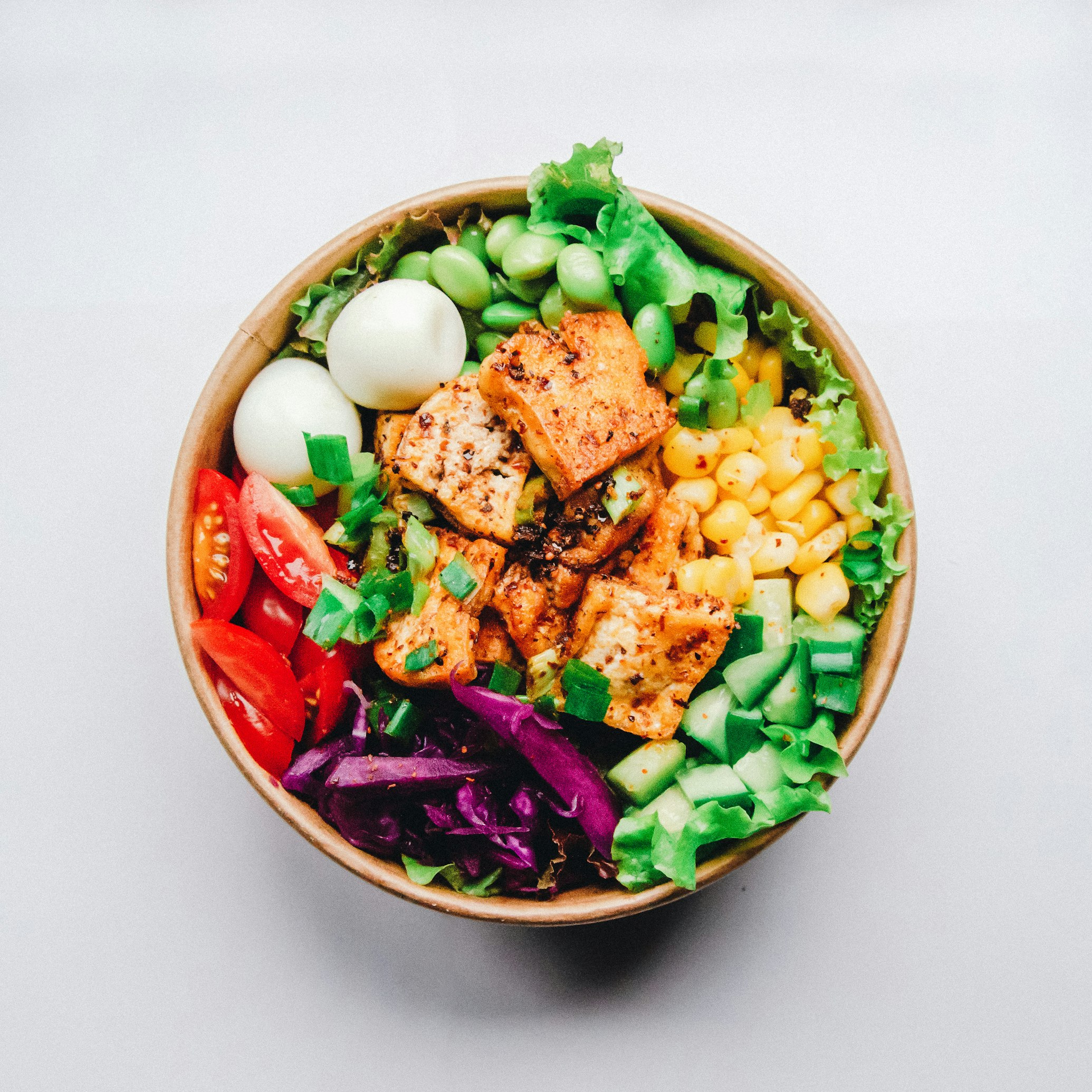
Harissa (Meat-Rice Porridge)

Kahwa (Kashmiri Tea)
Where to Eat
Wazwan Restaurants (Traditional)
Specializing in authentic Wazwan feasts. Found in Srinagar, Pahalgam. Reservations recommended. ₹1,500-3,000+ per person. Experience represents Kashmiri culinary excellence.
Local Dhabas & Cafes
Casual, budget-friendly eateries serving local dishes. Rice-based meals, curries, tea. ₹150-400 per meal. Authentic, family-run, community gathering spaces.
Houseboat Dining (Dal Lake)
Romantic meals on houseboats with lake views. Combination of Kashmiri & Indian cuisine. ₹500-1,500 per person. Unique experience; advance booking essential.
Tourist Restaurants (Hotels)
3-5 star hotels offer Kashmiri, Indian, international cuisine. Fixed prices; standardized quality. ₹800-2,000+ per person. English-speaking staff; familiar ambiance for tourists.
Dining Etiquette
- •Kashmiri dining culture emphasizes hospitality, communal eating, mindful preparation. Take your time; rushing considered rude.
- •Bread placed on table, never on plates. Sacred; never waste or disrespect bread.
- •Wazwan served on copper traem (plate) shared by 4 diners. Communal eating fosters unity, togetherness.
- •Accept tea/hospitality multiple times; refusing insulting.
- •Compliment cook's skills generously; Kashmiris take pride in culinary artistry.
- •Finishing meals optional; leaving small portions acceptable.
- •Most meals meat-heavy; vegetarian options available but limited. Inform restaurants in advance.
- •Peak dining: lunch 12-2 PM, dinner 7-9 PM.
- •Tipping: 10% appreciated at restaurants; not mandatory.
- •Alcohol available in tourist restaurants; Islamic traditions mean less prominent than Indian plains.
Signature Drinks
Shop & Bring Home
J&K shopping reflects centuries of artistic tradition: Pashmina shawls (luxury legend), hand-woven carpets (Kashmiri knot), papier-mâché (14th-century Persian craft), walnut wood carvings (intricate artistry). Markets range from Srinagar's Old City bazaars (tourist-heavy, negotiation culture) to artisan workshops (direct from craftspeople). Pilgrimage tourism drives shopping: devotional items, religious offerings, prasad (blessed food). Tourist areas: Lal Chowk (Srinagar city center), Dal Lake waterfront shops. Local markets: produce, spices, fresh goods. Bargaining expected in bazaars; fixed prices in malls/tourist shops. Quality craftsmanship represents generations of family tradition; purchasing supports artisan livelihoods.
Pashmina & Textiles
- Pashmina shawls (fine wool, hand-woven)
- Sozni embroidery (satin stitch floral)
- Kani shawls (wooden bobbin-woven pattern)
- Pherans (traditional Kashmiri dress)
- Embroidered fabrics & wall hangings
Handicrafts & Papier-Mâché
- Papier-mâché boxes, vases, bowls (intricate designs)
- Walnut wood carvings (decorative pieces)
- Copperware engraved vessels
- Hand-carved wooden boxes
- Artistic decorative items
Carpets & Rugs
- Hand-woven Kashmiri carpets (Kashmiri knot)
- Namda (wool felt with bright embroidery)
- Kilims (flat-woven geometric patterns)
- Prayer mats (Islamic designs)
- Decorative rugs
Spices, Saffron & Local Products
- Kashmiri saffron (premium spice)
- Walnuts (local harvest)
- Almonds & dried fruits
- Kashmiri jam & preserves
- Spice blends for Wazwan
Where to Shop (Local Hubs)
Srinagar Old City (Icherisheher)
Historic Bazaar & Handicrafts
"Narrow cobblestone streets lined with craft shops, galleries, carpet dealers. Pashmina shawl merchants, papier-mâché artisans, souvenir vendors. Lal Chowk (Red Square) city center. Tourist-heavy; bargaining culture. Overpriced for tourists; negotiate firmly. Authentic experiences; layers of history."
Lal Chowk (Srinagar Center)
Modern Shopping District
"City center hub. Mix of modern shops, cafes, street vendors. Tourist information, restaurants. Convenient for quick shopping; less traditional bazaar feel. Fixed prices; no bargaining. Modern brands alongside local goods."
Dal Lake Waterfront (Shikara Vendors)
Tourist Lakeside Shopping
"Vendors paddle shikara boats selling souvenirs, handicrafts, spices, flowers. Unique floating market; romantic setting. Prices higher (tourist markup); negotiation possible. Experience unique to Dal Lake; iconic Kashmir memory."
Hazratbal/Srinagar Markets
Local Bazaars
"Less touristy; local prices; authentic market experience. Fresh produce, spices, household goods. Early morning visits recommended for best selection. Bargaining expected; friendly interaction with vendors. Glimpse into daily Kashmiri life."
Carpet Bazaar (Old City)
Carpet Merchant Hub
"Dozens of carpet sellers; expert craftspeople. Largest collection outside Ganja Bazar (Azerbaijan). Wide price range (₹5,000-100,000+). Negotiate hard; discounts 30-50% from asking prices possible. View carpet-making demonstrations."
On the Move
Airport
SXR/IXJ
Srinagar 12 km from center; Jammu 40+ km from center
Taxi Apps
Limited availability
Ola/Uber in major cities; prepaid taxis at airports safer
Railways
Limited network
Main line: Jammu-Srinagar; Banihal railway station gateway
Airport Arrival
Srinagar International Airport (SXR) located 12 km from Srinagar city center. Main entry point for Kashmir Valley. Jammu Airport (IXJ) serves Jammu division (~266 km from Srinagar). Journey to Srinagar city: 20-30 minutes by taxi, 45-60 minutes by bus.
Travel Tech
Travel Tips
Book prepaid taxis at airport booths (safest, no negotiation hassles).
Google Maps essential; local taxi drivers know routes better.
Peak season (May-Sep): book transport 2-3 days in advance.
Winter (Nov-Feb): many mountain passes close due to snow; check road conditions before traveling.
Monsoon (Jul-Sep): roads may be muddy/washed; allow extra travel time.
Security checkpoints common; carry ID, travel permits visible.
Travel during daylight; night travel riskier due to terrain/security.
Travel in groups where possible; safer, more enjoyable experience.
Intercity Travel
Flights (Air India, IndiGo, SpiceJet)
Jammu-Srinagar (35 min, ₹3,500-20,000); Srinagar-Delhi, Srinagar-Mumbai. Quick option for major routes; advance booking essential.
Buses (JKSRTC/Private)
Jammu-Srinagar (12-13 hours, ₹290-859); comfortable coaches available. Budget option; scenic mountain routes. Advance booking recommended.
Taxis/Private Drivers
Jammu-Srinagar (~4.5 hours, ₹6,199 one-way). Custom routes, flexibility. Hotels arrange drivers. ₹2,000-3,000/day for full-day hire.
Tourist Vehicles
Organized tours include transportation. Package deals often cheaper than self-arrange. Hotels/travel agents book.
BakıKart
No unified transit card; pay per journey. Buses, taxis, rides paid individually.
Visa Entry
Domestic Travel Within India
Jammu and Kashmir is an Indian Union Territory; Indian citizens need no visa for domestic travel. Valid government-issued photo ID sufficient for flights, trains, buses. Foreigners require Indian Tourist Visa (e-Visa or regular Tourist Visa). No additional 'Inner Line Permits' required (unlike some northeastern states). However, travel advisories suggest exercising caution due to security concerns in border regions. Some restrictions exist: military checkpoints, restrictions on certain high-altitude areas, photography restrictions. Overall, J&K is open to tourists; billions visit annually.
Indian Citizens: Present valid government photo ID (Aadhar, Passport, Voter ID, Driver's License) at airport/railway station/bus terminal.
Foreign Tourists via e-Visa: Visit indianvisaonline.gov.in; complete online form; upload documents; pay ₹2,000-2,500 (~USD 26-30); receive email approval within 96 hours.
Foreign Tourists via Regular Visa: Visit Indian Visa Application Center (VAC) in your country; submit documents in person; attend interview if required; collect visa within 4-5 working days.
Documents for Foreign Tourists: Valid international passport (6+ months validity), recent color photograph (4cm x 4cm, white background), completed visa form, return flight ticket, hotel booking confirmation, proof of sufficient funds.
Registration
Penalty: Overstaying visa has severe consequences: fines (₹500-2,000), deportation, ban from India (5-10 years). INZ tracks all arrivals/departures biometrically.
Entry Requirements
- • For Indian Citizens: Valid government-issued photo ID (Aadhar, Passport, Voter ID, Driver's License, Student ID, PAN Card).
- • For Foreign Tourists: Valid passport (issued within 10 years, valid minimum 6+ months from travel date).
- • Passport-size color photograph (4cm x 4cm, white background, taken within 6 months).
- • Completed visa application form (online for e-Visa; in-person for Regular Visa).
- • Return flight ticket (proof of onward travel).
- • Hotel booking confirmation or accommodation proof.
- • Proof of sufficient funds (bank statements 3-6 months, credit cards, travelers checks).
- • Travel insurance (recommended, especially for high-altitude/winter travel).