Kerala
factsheet
Where emerald backwaters meet spice-laden winds, ancient temples whisper spiritual truths, and timeless traditions flow like coconut wine through the soul.
The Essentials
Best Time
Sep - Mar
Currency
INR (₹)
Climate
Tropical-Monsoon
Time Zone
IST (UTC+5:30)
Language
Malayalam, English, Tamil
Visa
No Visa (Indian Citizens)
Capital
Thiruvananthapuram
Population
3.3M
Calling Code
+91
Power Plug
Type A, B, C (230V)
Tipping
Optional (₹20-50 appreciated)
Emergency
100 (Police), 101 (Fire), 102 (Ambulance)
History & Heritage
A Journey Through Time
Kerala, which is the southernmost state in India, stands out as one of the most preferred South India tourism destinations. Being situated along the Malabar Coast, the history of Kerala is intertwined with the Spice Trade routes through which several global empires connected in ancient times. Currently, tourists visit God’s Own Country to enjoy the backwaters of Kerala, sandy beaches in Kovalam, and the tea plantations of Munnar.
Ancient Maritime Trade (3000 BC - 1500 AD)
Kerala served as the world's spice gateway—cardamom, pepper, cloves, cinnamon attracted Phoenicians, Romans, Arabs, and Chinese traders. The 'Spice Wars' shaped global history. Roman coins discovered in Kerala prove thriving trade networks. Merchants enriched Kerala; spices enriched the world.
Arrival of Saint Thomas (52 AD)
Saint Thomas the Apostle landed in Kerala (Kodungallur), establishing Christianity in India 1,900 years before the Western Church. The Syrian Christian community remains unique—proving early Christian presence in Asia predates European colonization.
Jewish & Islamic Heritage (8th-12th Century)
Kerala attracted Jewish merchants fleeing persecution, establishing the world's oldest Jewish synagogue in Cochin (1568). Islamic traders built the first mosques. This religious pluralism defined Kerala's identity—tolerance and coexistence rooted in economic interdependence.
Kingdom of Travancore & Cochin (1500-1947)
Maharajas of Travancore ruled with enlightened policies. Education investment created India's first modern state—literacy rates exceeding 50% by 1947. Cochin Fort became Portuguese, Dutch, then British stronghold. Colonial resistance was intellectually sophisticated, not violent.
Communist Government & Social Reforms (1957-Present)
Kerala elected world's first democratically elected Communist government (1957). Land reforms redistributed wealth. Universal education and healthcare created models adopted globally. The 'Kerala Model' proves development doesn't require exploitation.
Modern Kerala: Development & Tourism (1970-Present)
Post-independence, Kerala invested in human capital over infrastructure. 94% literacy rate, 99% healthcare coverage, zero hunger—metrics rivaling developed nations. Tourism emerged as major industry; backwaters, houseboats, and Ayurveda attract millions. 'God's Own Country' brand became global phenomenon.
Spotlight: Padmanabhaswamy Temple - The Golden Abode
Padmanabhaswamy Temple in Thiruvananthapuram is one of Hinduism's most sacred shrines and a testimony to Kerala's spiritual grandeur. Built between 8th-16th centuries, the temple features Dravidian architecture at its finest. The inner sanctum houses the reclining Vishnu idol in absolute darkness—worshippers perceive divinity through faith alone. In 2011, hidden treasures estimated at ₹2 trillion were discovered in sealed underground vaults—one of the world's greatest archaeological finds. The temple remains a living center of devotion where thousands gather daily.
Spice Trade Era
3000 BC - 1500 AD
Global empires fought for Kerala's spices
Christian Arrival
52 AD
Jewish Synagogue
1568 AD
World's oldest Jewish synagogue in Cochin
Literacy Rate
94%
Highest in India; highest among Indian states
Climate & Time
Time Zone
Standard
IST (UTC+5:30) - Indian Standard Time
Difference
Same as all India (synchronized across entire nation)
🎯 Best Months
September-October, November-December, January-February, March
Climate
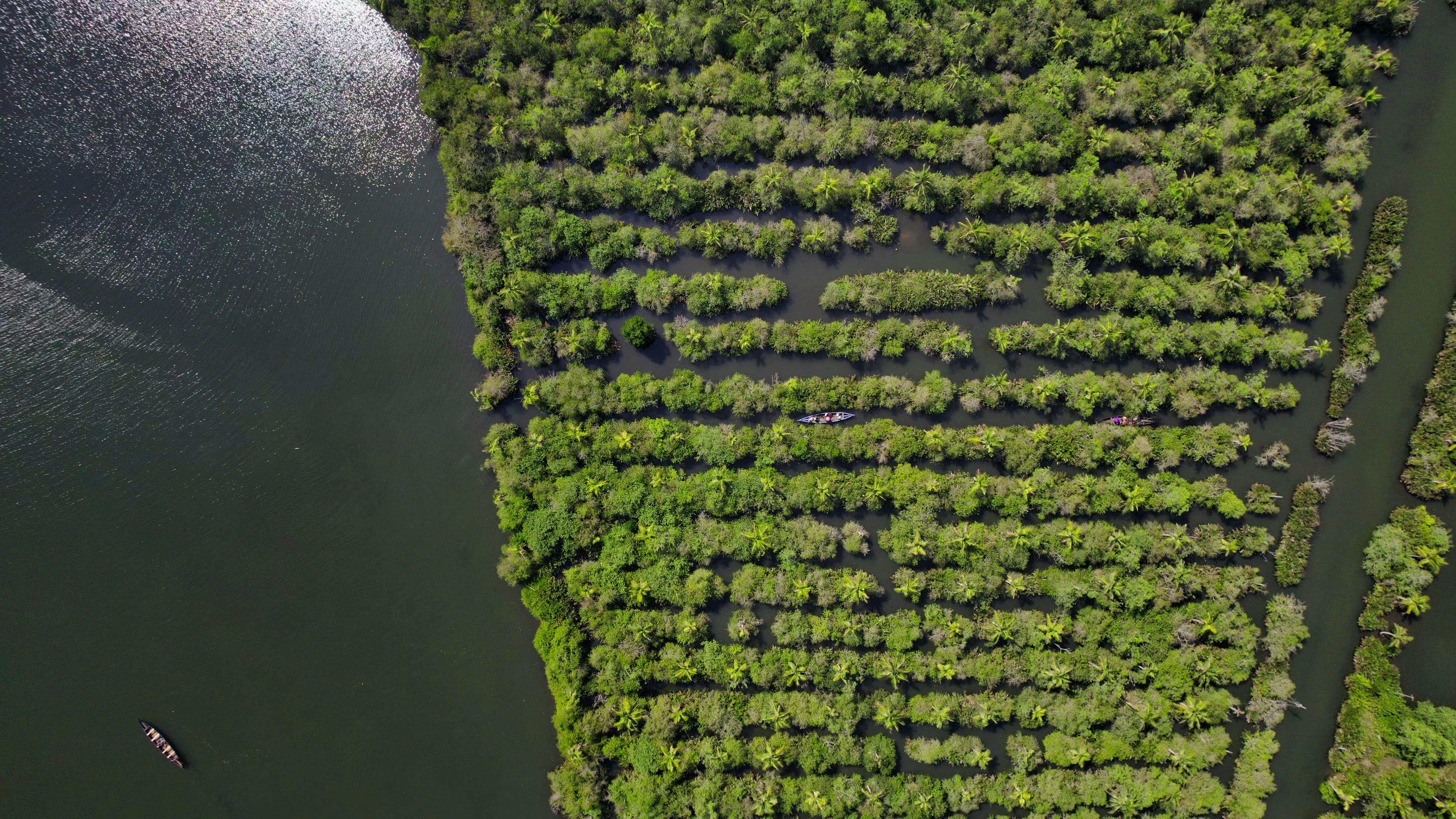
The climate in Kerala varies significantly by region, offering a diverse range of weather conditions from coastal areas to mountain peaks.
Monsoon (Varsha)
Jun – Aug
24–28°C
Heaviest rainfall transforms landscape emerald green. Backwaters swell. Ayurveda treatments peak (Monsoon therapies). Water rafting on rivers. Fewer tourists, budget-friendly. Rice paddies flood with water birds.
Post-Monsoon (Sharat)
Sep – Nov
23–32°C
Best season. Backwaters full, perfect for houseboat cruises. Cochin Biennale (Dec-Jan), cultural festivals begin. Clear skies. Spice plantations fragrant. Ayurveda season peaks.
Winter (Hemanta)
Dec – Feb
20–30°C
Ideal weather. Cool mornings. Temple festivals (Cochin Carnival, Nedumbassery Sree Poornathrayeesa Temple Festival). Beach season. Birdwatching season. Peak tourist season—crowded but magical.
Summer (Grishma)
Mar – May
28–35°C
Hot and humid. Not recommended for intensive outdoor exploration. Hill stations (Munnar, Wayanad) offer cooler refuge. Summer fruit harvest (mangoes, pineapples). Beach activities possible early morning.
Seasonal Packing List
Language Guide
Official Language
Malayalam (Malayalam Script)
Malayalam is primary language spoken by 3+ million Keralites. English widely understood and spoken—Kerala has highest English proficiency in India. Tamil and Kannada understood in border regions. Malayalam carries Kerala's unique cultural identity rooted in ancient trade and literary traditions.
Local Signage
Essential Phrases
Hello
Namaskara
Thank you
Shukriya / Nandi
Goodbye
Poiyirangkana
Yes / No
Aam / Alla
Please
Karuna Cheiyuka
Excuse me
Kshmayakkutti
How much?
Ivide evvalol?
Where is...?
...evide anu?
Currency & Money
Official Currency
Indian Rupee
₹ (INR)
Exchange Rates
Denominations
Banknotes
₹10, ₹20, ₹50, ₹100, ₹200, ₹500, ₹2,000
Coins
₹1, ₹2, ₹5, ₹10
Culture & Vibes
Spiritual Tranquility with Progressive Consciousness
"Kerala's culture is a harmonious blend of spirituality, education, social consciousness, and artistic expression. The state celebrates tolerance, literacy, and intellectual freedom. From ancient temple rituals to classical art forms (Kathakali, Koodiyatta), from Ayurvedic wisdom to modern progressivism, Kerala pulses with cultural sophistication. The people are educated, inquisitive, and welcoming—treating guests as part of an extended family in the tradition of 'Atithi Devo Bhava' (Guest is God)."
Greetings
Namaskara with hands pressed together is standard. Younger people respect elders with slight bows. Women may greet with hand-over-heart. Handshakes common in business contexts.
Religious Sites
Remove shoes before entering temples, mosques, churches, synagogues. Cover shoulders and knees; women may be asked to cover hair. Photography prohibited in inner sanctums. Respect ongoing prayers and rituals. Cleanliness highly valued.
Chai & Hospitality
Tea or coconut water offered to guests is sacred hospitality. Accepting is sign of respect. 'Atithi Devo Bhava' (Guest is God) defines Kerala hospitality. Rejecting offered food/drink is deeply insulting.
Family & Elders
Family highly valued in Kerala society. Elders receive utmost respect. Education and intellectual achievement celebrated. Public respect for cultural traditions paramount.
Essential Dos
- • Remove shoes when entering homes and religious sites
- • Greet elders respectfully with 'Namaskara' and slight bow
- • Ask permission before photographing people, especially in villages
- • Accept offered tea, coconut water, or snacks—rejection insulting
- • Appreciate Kerala's progressive values and educational achievements
- • Learn basic Malayalam phrases; locals deeply appreciate effort
- • Engage with local artists and cultural performers
- • Respect nature—Kerala's environment is sacred
Essential Don'ts
- • Don't point feet at religious idols or elders while sitting
- • Don't touch anyone's head or eat from others' plates
- • Don't discard coconuts or food carelessly—agriculture sacred
- • Don't be loud in temples or sacred spaces—meditation culture
- • Don't refuse offered hospitality—deeply insulting
- • Don't photograph religious ceremonies without explicit permission
- • Don't criticize any religion publicly—Kerala's pluralism sacred
- • Don't discuss caste insensitively—though Kerala progressive, sensitivities exist
Specific Etiquette
Dining Etiquette
Remove shoes before sitting on floor (traditional style). Right hand used for eating. Finishing all food shows appreciation. Sharing meals from common serving bowl indicates family unity. Generous hospitality: hosts provide abundant portions.
Business Etiquette
English widely spoken—business easily conducted. Initial meetings establish personal relationships before transactions. Intellectual engagement highly valued. Education and credentials respected.
Gifting Etiquette
Avoid knives, clocks, or sharp objects (symbolize broken relationships/death). Wrap gifts beautifully. Odd numbers (1, 3, 5) auspicious. Accept gifts with right hand. Flowers, chocolates, and books safe choices.
The Flavors of Kerala - Coconut, Spices & Seafood
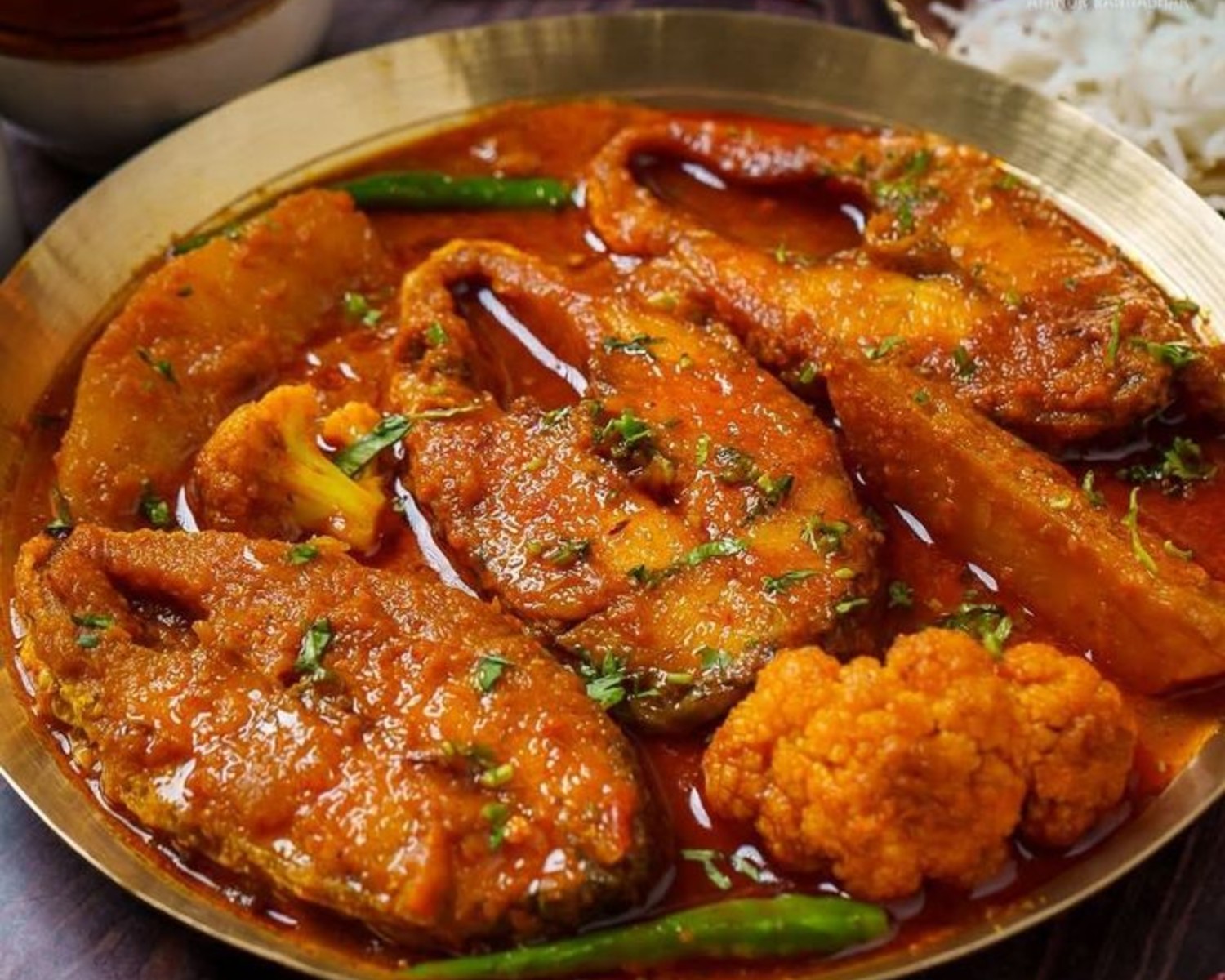
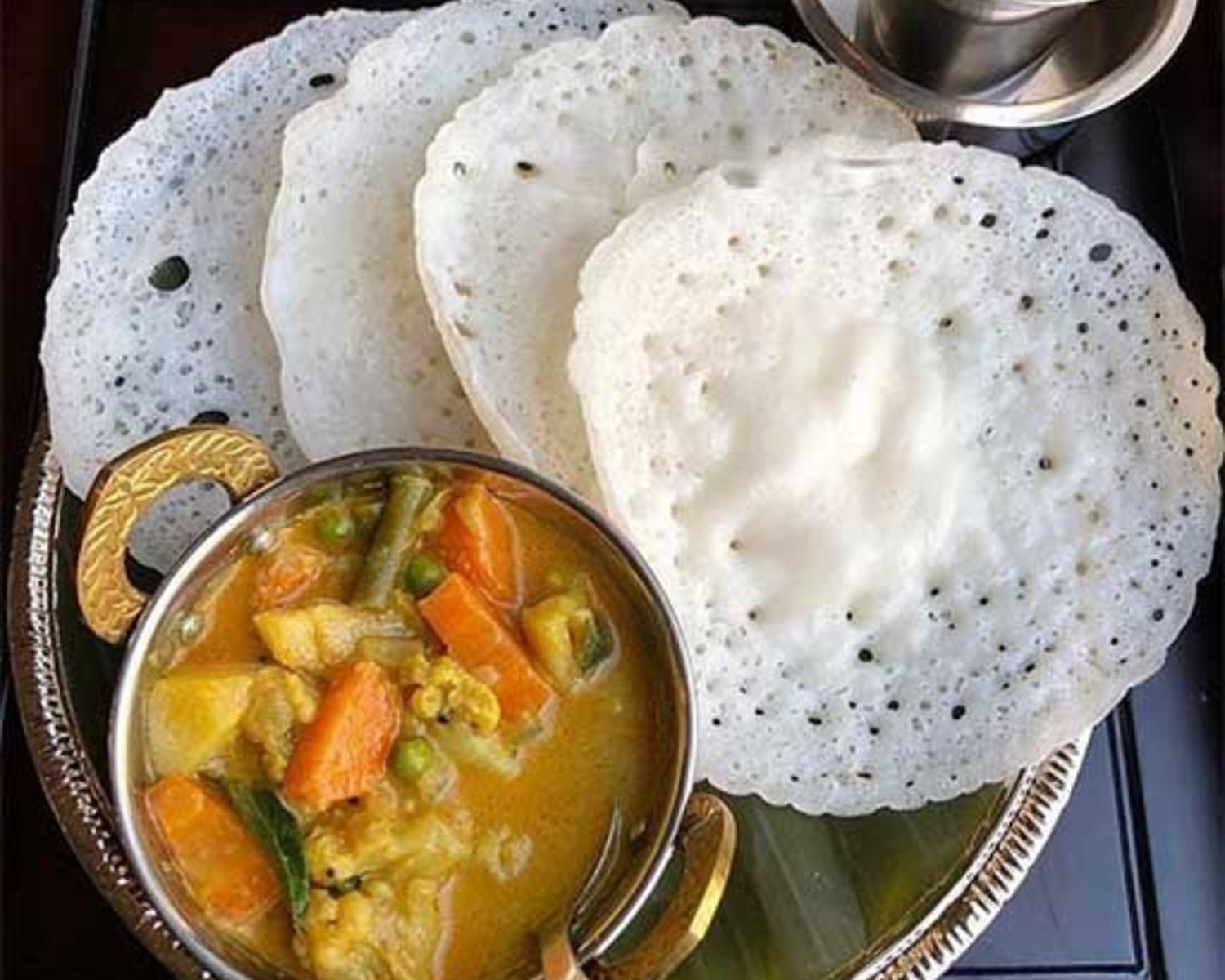
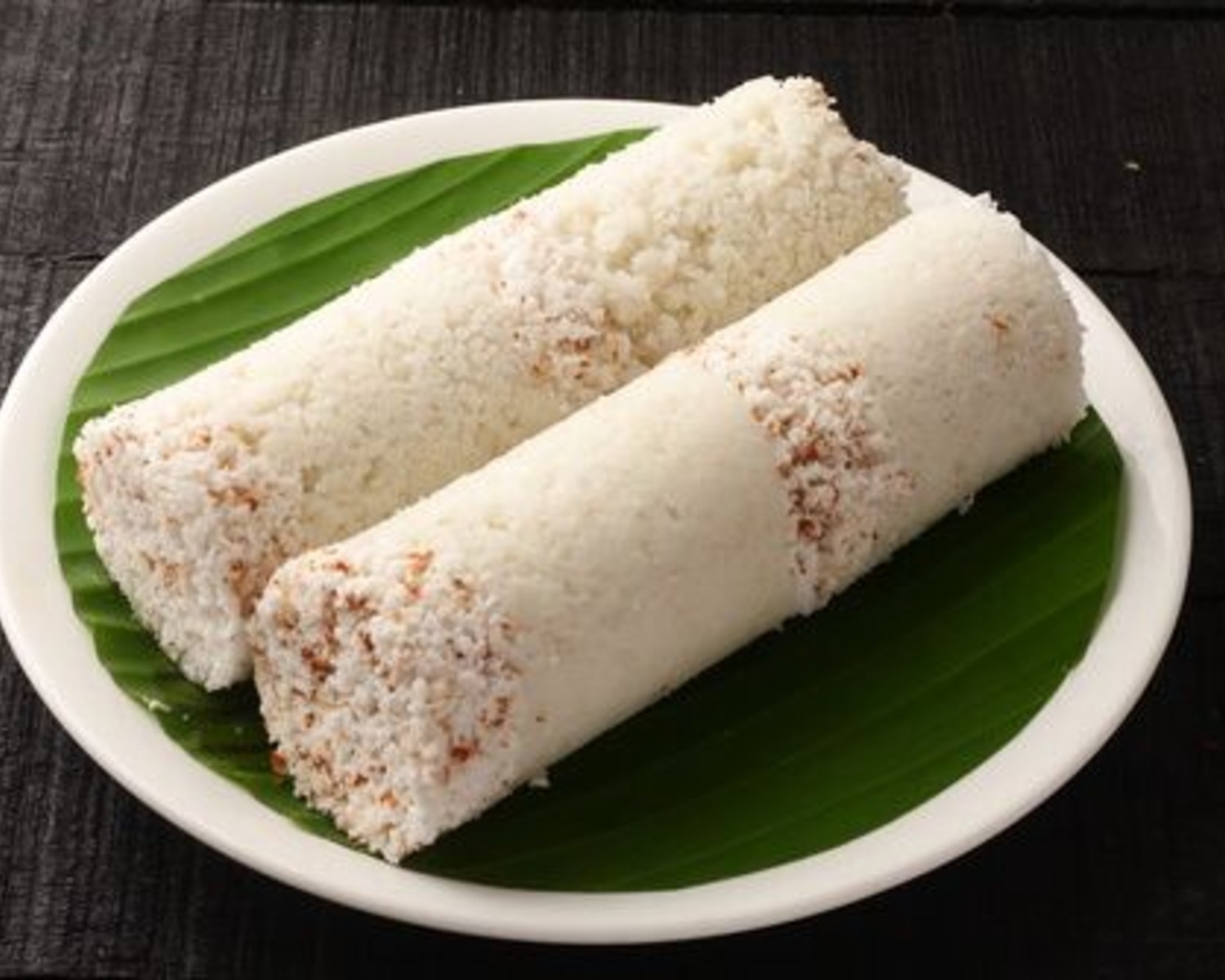
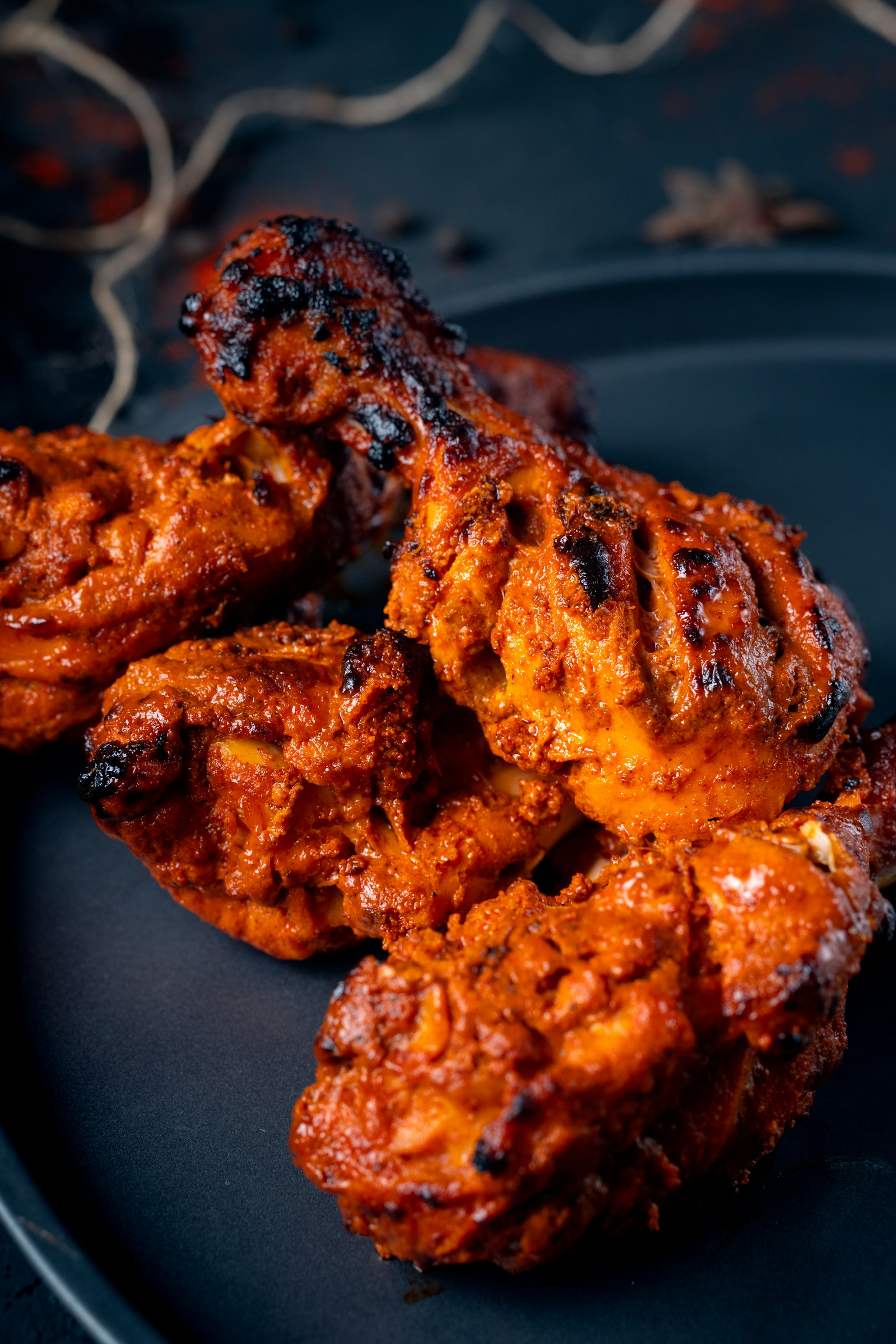
Kerala cuisine is a sensory celebration—coconut as base, spices as soul, seafood as treasure. The food culture reflects 3,000 years of spice trade and coastal abundance. Blending Hindu, Christian, Muslim, and Jewish culinary traditions, Kerala food is uniquely inclusive. Rice is staple; coconut is currency; fish and seafood are royalty. Every dish tells stories of Kerala's pluralistic heritage and agricultural bounty.
Malabar Fish Curry
Appam
Puttu
Avial
Kaalan
Modak
Prawn Pollichathu
Where to Eat
Local Toddy Shops (Toddy Bars)
Traditional diners serving fish curries, spicy dishes, fresh fish. Rustic, authentic, budget-friendly. ₹300-₹600 per meal. Unique Kerala experience.
Kerala Restaurants (Restoran)
Family-run establishments serving traditional Keralan cuisine. ₹400-₹800 per person. Sadya (ceremonial feast) popular. Found in all towns.
Street Food Vendors
Appam, puttu, idiyappam stalls. ₹50-₹150 per item. Safe, authentic, budget-friendly. Morning specialties.
Coastal Shacks & Beach Restaurants
Fresh seafood grilled over charcoal. ₹500-₹1,200 per person. Sunset dining with sea breeze. Cochin and Alleppey iconic.
Dining Etiquette
- •Meals are community occasions—shared family dining preferred.
- •Rice/bread base with curries, vegetables, coconut preparations. Fish/seafood central to meals.
- •Right hand used for eating (if tradition observed). Many urban Keralites use utensils.
- •Tipping not mandatory but appreciated (₹20-50 for good service in restaurants).
- •Most eateries open 7 AM-10 PM; street food available throughout day.
- •Vegetarian and non-vegetarian options equally available—Kerala progressive on dietary choices.
- •Sharing meals from common serving indicates family unity.
- •Coconut water and traditional beverages integral to meals.
Signature Drinks
Shop & Bring Home
Kerala's shopping is legendary—the spice kingdom where black pepper, cardamom, cinnamon, and cloves sourced 3,000 years of global trade. From handloom textiles to ayurvedic products, from traditional jewelry to artisan crafts, every purchase connects to Kerala's heritage. Shopping blends bustling spice markets with serene artisan studios—a living marketplace of ancient traditions.
Spices & Spice Products
- Black Pepper (Kali Mirch)
- Cardamom (Green & Black)
- Cinnamon (Dalchini)
- Cloves (Laung)
- Nutmeg (Jaiphal)
- Turmeric (Haldi)
- Spice Powders & Blends
Handloom Textiles & Sarees
- Kerala Cotton Sarees (Mundu)
- Kasavu Sarees (Golden Border)
- Kota Silk Sarees
- Hand-Woven Cotton Dresses
- Embroidered Fabrics
Ayurvedic & Wellness Products
- Ayurvedic Oils (Coconut, Sesame)
- Herbal Pastes & Balms
- Ayurvedic Medicines
- Spice-based Health Drinks
- Wellness Packages (Oils, Soaps)
Traditional Crafts & Art
- Kathakali Mask Replicas
- Wooden Sculptures
- Coconut Shell Crafts
- Brass & Copper Items
- Traditional Jewelry
Where to Shop (Local Hubs)
Spice Markets (Cochin)
Global Spice Hub
"Fort Cochin and Mattancherry spice markets. Warehouses fragrant with pepper, cardamom, cinnamon. Wholesale and retail traders. Bargaining culture. Experience spice trade history."
Handloom Emporium (Thiruvananthapuram)
Government Textile Hub
"Certified handwoven sarees and textiles. Government-operated quality assurance. Fixed prices. Direct from weavers. Authentic Kerala textiles."
Ayurvedic Product Shops
Wellness & Healing
"Authentic Ayurvedic products. Government-recognized brands. Spice-based oils and medicines. Consultants available for personalized recommendations."
Art & Craft Cooperatives (Kochi)
Artisan Communities
"Direct from wood sculptors, mask makers, jewelry artisans. Support communities. Witness artisans at work. Unique pieces."
Modern Malls (Kochi/Thiruvananthapuram)
Contemporary Shopping
"Inox, Lulu, Q-Citadel. International brands, Indian designers, restaurants. Fixed prices, modern convenience."
On the Move
Main Airports
COK, TVM
Cochin & Thiruvananthapuram; multiple daily flights
Taxi Apps
Ola/Uber
Safe, affordable, widely available in cities
Inter-city
Indian Railways
Scenic journeys through backwaters
Airport Arrival
Cochin International Airport (COK) is main gateway, located 30km northeast of Kochi city center. Also: Thiruvananthapuram International Airport (TVM) in south. Journey: 30-45 minutes by taxi, 60-90 minutes by bus.
Travel Tech
Travel Tips
Backwater travel essential—book houseboat or boat tours in advance.
Download Ola app for safety and transparent pricing.
Alleppey backwaters 1.5 hours from Kochi—easy day/overnight trip.
Train journeys scenic—book overnight trains for unique experience.
Roads good—safer driving than many Indian states.
Monsoon travel caution: heavy rainfall may impact some activities.
Fort Cochin walkable and charming—explore on foot.
Intercity Travel
Indian Railways
Trains to Thiruvananthapuram (4h), Alleppey (1.5h), Munnar (4h via bus). Scenic routes through backwaters. Affordable, comfortable. Book in advance. ₹500-₹2,000 depending on class.
Shared Minibuses (Sumos/Tempo)
Affordable inter-city travel. Depart when full. Routes to Alleppey, Munnar, Kumarakom. Budget option. ₹400-₹800 per route.
Houseboat Cruises
Multi-day backwater journeys. Slow, immersive, romantic. ₹2,000-₹5,000+/night depending on luxury. Best way to experience Kerala.
Car Rental & Private Drivers
Best for customized tours. Hotels arrange. ₹2,000-₹3,500/day depending on vehicle. Safer than self-driving.
BakıKart
No universal card system. Pay per journey in rupees or digital payment in cities.
Visa Entry
No Visa Required for Indian Citizens
Kerala is part of India—no visa needed for Indian citizens. Domestic travel within India requires valid ID (Aadhaar, PAN, or Passport). For foreign nationals, standard Indian visa applies (same for entire country).
For Indian Citizens: Book flights and accommodation directly. No visa processing needed.
For Foreigners: Apply for Indian visa through official portal or embassy.
Standard Indian e-Visa valid for 30/1 year multiple entry.
Passport valid for 6+ months beyond intended stay required.
No special permits needed for temples, backwaters, or wildlife sanctuaries—open to all registered visitors.
Extended stays (>2 months): Register with Foreigners Regional Registration Office (FRRO) in Kochi.
Registration
Penalty: Minimal—casual enforcement for short-term tourists. Long-term stays require registration.
Entry Requirements
- • Valid identity proof (Aadhaar, PAN, Passport, Driving License) for Indian citizens
- • Passport (for foreigners) with 6+ months validity
- • Proof of accommodation (hotel booking or guesthouse address)
- • Contact details of accommodation provider
- • No visa fee for Indian citizens within India