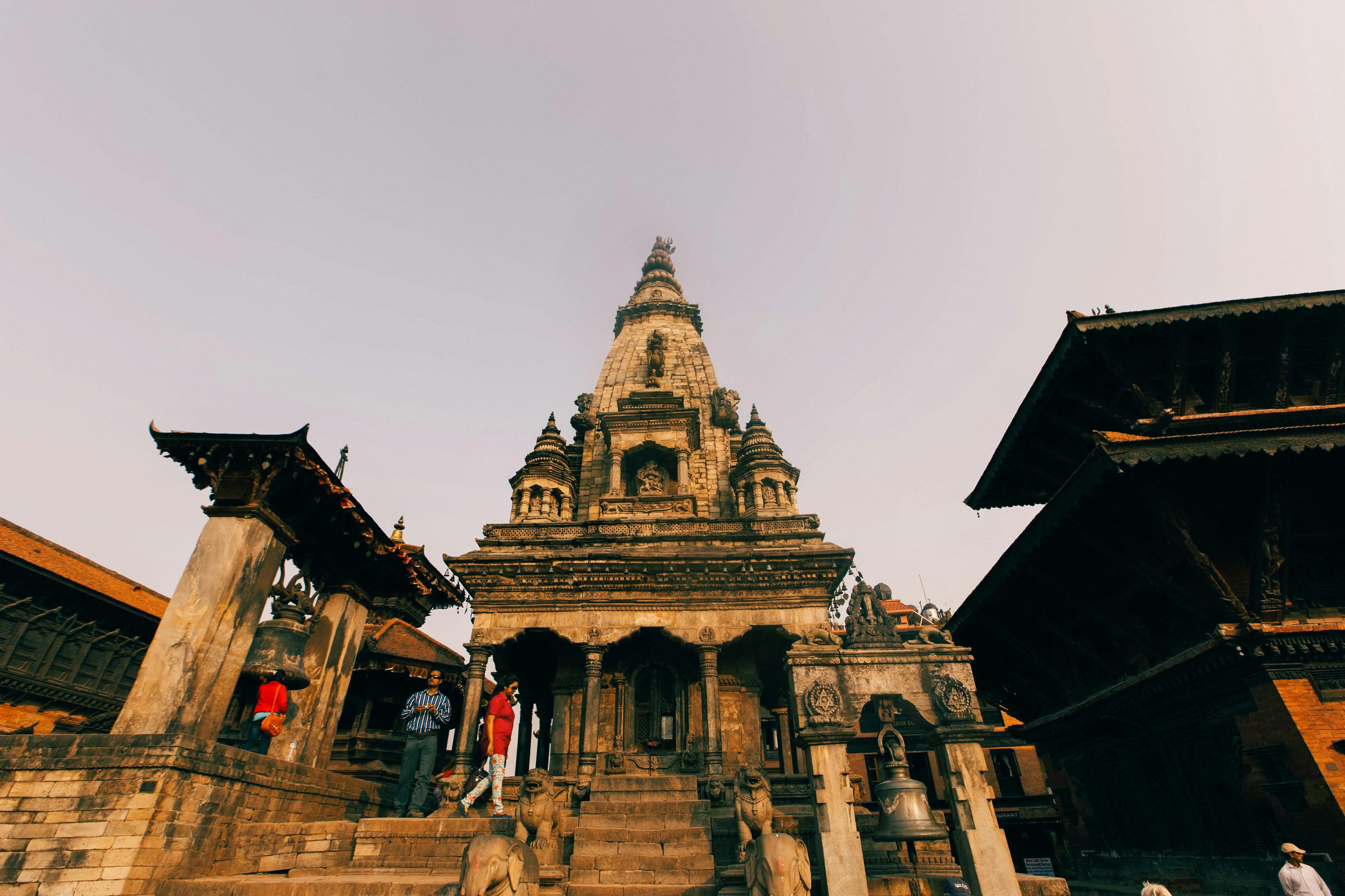
Nepal
factsheet
Where the world's highest mountains touch the sky, ancient temples dot the valleys, and the warmth of Himalayan hospitality welcomes every wanderer to an unforgettable journey.
The Essentials
Best Time
Oct - Nov, Mar - May
Currency
NPR (₨)
Climate
Subtropical to Alpine
Time Zone
UTC+5:45 (Nepali Time)
Language
Nepali
Visa
Tourist Visa / E-Visa
Capital
Kathmandu
Population
≈30M
Calling Code
+977
Power Plug
Type D & M (230V)
Tipping
10% in restaurants; appreciated but not mandatory
Emergency
100 Police | 101 Fire | 102 Ambulance
History & Heritage
From Ancient Kingdoms to Sacred Mountain Haven
Nepal, one of the best places for Himalayan treks, is considered an important spiritual intersection where Hinduism and Buddhism co-exist. It boasts a unique culture from its earliest kingdoms like those of the Licchavi dynasty, through its current standing as a federal democratic republic. Being the birthplace of Mount Everest, the tallest mountains in the world, and the only Hindu country besides India, Nepal continues to be an international representation of mountain spirituality.
Licchavi Dynasty: Foundation of Civilization (c. 450–750 CE)
The Licchavi dynasty, ruling from the Kathmandu Valley, established one of South Asia's earliest organized kingdoms with Sanskrit inscriptions dating from 464 CE. They harmoniously blended Hindu temples with Buddhist monasteries, creating a unique syncretic religious culture that endures today, as documented by Chinese pilgrim Xuanzang around 640 CE.
Malla Confederacy: Artistic & Cultural Golden Age (1200–1769)
Beginning in the 12th century, Malla rulers transformed Nepal into a cultural jewel. Under kings like Jayasthitimalla and Yakshamalla, the three city-kingdoms of Kathmandu, Patan, and Bhaktapur flourished with exquisite temples, palaces, and arts. The three-kingdoms period, despite political rivalries, witnessed extraordinary architectural achievements—temples and palace complexes that still define Kathmandu Valley's UNESCO-listed heritage.
Unification & Prithvi Narayan Shah (1769)
In the 18th century, the Gorkha kingdom, ruled by the visionary Prithvi Narayan Shah, unified fragmented Nepali principalities into a single nation. Shah conquered the Kathmandu Valley in 1769 and moved his capital there, establishing the foundation for modern Nepal. His descendants ruled for over two centuries, creating a centralized state.
The Rana Dynasty & Isolation (1846–1951)
Following conflict over succession, the Rana clan established hereditary rule, placing Nepal under a self-imposed isolation from the modern world for over a century. While Nepal avoided colonial rule (unlike India), the Ranas modernized select aspects like roads and military while keeping the nation insular from global change.
Democratic Awakening & Restoration of Monarchy (1951–1990)
In 1951, Nepal's king reclaimed power, ending Rana rule and opening the nation to democracy, education, and international engagement. Despite political fluctuations and royal interventions, Nepal gradually liberalized, embracing tourism and global connection while preserving its spiritual identity.
Federal Democratic Republic (2006–Present)
In 2006, after a decade-long civil war, Nepal transitioned to a secular federal democratic republic, abolishing the 240-year-old monarchy. The constitution enshrines religious freedom and minority rights. Today, Nepal is a vibrant democracy balancing modernity with ancient Buddhist and Hindu traditions.
Spotlight: Swayambhunath Stupa: The 'Monkey Temple' of Enlightenment
Perched on a hilltop overlooking Kathmandu Valley, Swayambhunath is one of Asia's oldest Buddhist stupas, believed to have emerged from primordial cosmic waters 5,000 years ago. The complex of golden dome, prayer wheels, shrines, and the playful monkeys inhabiting its grounds symbolizes the meeting of spirituality and nature—a quintessential Nepali treasure attracting millions of pilgrims and visitors annually.
Democratic Republic
2006
Transitioned from monarchy to federal democratic republic
Everest Summit
1953 (Tenzing Norgay)
First Sherpa to summit world's highest peak
UNESCO Sites
10 World Heritage Sites
Including seven in Kathmandu Valley alone
Capital
Kathmandu
Ancient trading hub and spiritual heart of Nepal
Climate & Time
Time Zone
Standard
UTC+5:45 (Nepali Time, uniquely 15-minute offset)
Difference
30 minutes behind IST (India Standard Time)
🎯 Best Months
October–November & March–May for optimal trekking and sightseeing
Climate
The climate in Nepal varies significantly by region, offering a diverse range of weather conditions from coastal areas to mountain peaks.
Spring (Bahar)
Mar – May
15–30°C (varies by altitude)
Rhododendrons bloom (March–May), clear skies, perfect for trekking Annapurna and Everest regions. Temperatures rise from March (12°C) to May (17°C in mountains, 35°C in valleys). Slight rain increase in May, but still excellent for Himalayan views.
Summer (Garmi)
Jun – Aug
20–30°C in hills; 35–40°C in Terai
Heavy monsoon season with daily rainfall (peak 650mm in July). Lush green landscapes and indoor attractions like museums recommended. Mountain views obscured by clouds. Not ideal for trekking due to landslides and canceled flights, but budget-friendly and fewer tourists.
Autumn (Sharad)
Sep – Oct
15–25°C
Post-monsoon clarity brings brilliant mountain views and perfect trekking weather. Temperatures comfortable in high 20s. Fewer crowds than spring. Second-best season overall. Early September may still have monsoon rain; mid-September onward ideal.
Winter (Jado)
Dec – Feb
2–15°C (colder at altitude)
Clear, dry weather with stunning Himalayan visibility. Lower altitude trekking comfortable; high-altitude treks possible but cold. Budget-friendly, few tourists. Some mountain passes close. Terai region remains mild and pleasant for jungle safaris and wildlife viewing.
Seasonal Packing List
Language Guide
Official Language
Nepali (Khaskura)
Nepali, a Sino-Tibetan language with ~20 million speakers in Nepal and adjoining regions, is the lingua franca and official language. English proficiency varies—higher in Kathmandu's tourist areas and among youth, but limited in rural regions and mountain villages, making translation apps and basic Nepali phrases invaluable.
Local Signage
Essential Phrases
Hello / Greetings
Namaste (नमस्ते)
Thank you
Dhanyavād (धन्यवाद)
Goodbye
Tata (ता ता)
Yes / No
Ho / Hōina (हो / होइन)
Please
Kripaya (कृपया)
Excuse me / Sorry
Hajur / Mâpha garnus (हजुर / माफ गर्नुस)
How much?
Kati ho? (कति हो?)
Where is...?
...kahā chha? (...कहाँ छ?)
Currency & Money
Official Currency
Nepalese Rupee
₨ (NPR)
Exchange Rates
Denominations
Banknotes
₨5, 10, 20, 50, 100, 500, 1,000, 2,000, 5,000
Coins
₨1, 5, 10, 25, 50
Culture & Vibes
Spiritual Warmth, Mountain Humility, & Himalayan Hospitality
"Nepali culture is a tapestry of Hindu and Buddhist traditions, ethnic diversity, and the humble spirituality of mountain people. The saying 'Atithi Devo Bhava' (Guests are like gods) defines Nepalese hospitality—visitors are welcomed as blessings, offered the best of everything, and treated with genuine warmth. Family, respect for elders, and spiritual devotion form the foundation of daily life."
Namaste Greeting & Respect
The palm-together 'Namaste' greeting acknowledges the divine within each person and is used as hello, goodbye, and in prayer. Always greet elders first and with deference. The gesture shows profound respect deeply rooted in Hindu and Buddhist philosophy.
Right Hand & Dining Etiquette
The left hand is considered unclean; always eat, give, and receive food with your right hand. Sharing meals symbolizes friendship and trust. Leaving food uneaten can appear wasteful or disrespectful; finish your plate or politely say 'Ma khana sakiyen' (I've eaten enough).
Religious Sites & Sacred Spaces
Dress modestly (covered shoulders, knees) when visiting temples, stupas, and monasteries. Remove shoes before entering temples and homes. Do not touch religious statues or enter inner sanctums without permission. Circumambulate stupas clockwise as a sign of respect.
Elders & Family Hierarchy
Respect for elders ('buwa' for father, 'aamaa' for mother) is paramount. Address elder strangers with titles like 'didi' (older sister), 'dai' (older brother), or add 'ji' to names for formality and respect. This demonstrates cultural sensitivity and will earn genuine smiles.
Essential Dos
- • Greet with Namaste and remove shoes when entering homes, temples, and many shops.
- • Use your right hand for eating, giving, and receiving food—essential in Nepali culture.
- • Accept tea, food, and hospitality graciously; refusing is considered deeply rude.
- • Compliment hosts on their hospitality and cooking; they take immense pride in both.
- • Offer small gifts (sweets, fruit, tea, or items from your country) when visiting local homes.
- • Learn and use Nepali greetings and phrases; locals respond warmly to respectful efforts.
- • Finish food on your plate or politely indicate fullness; wasting food is frowned upon.
Essential Don'ts
- • Don't refuse tea, food, or hospitality offered by locals; it's deeply insulting and breaks cultural norms.
- • Don't point your feet at people or religious statues while sitting; extremely disrespectful.
- • Don't use your left hand for eating, giving, or receiving items—considered unclean.
- • Don't step over food, bread, or people; highly disrespectful in Nepali culture.
- • Don't photograph religious ceremonies, monks, or people without explicit permission.
- • Don't speak disrespectfully about religion, Hinduism, Buddhism, or government in public.
- • Don't wear revealing clothing (short shorts, sleeveless tops, transparent fabrics) in temples or rural areas.
- • Don't touch people's heads or pass objects over their heads—considered very disrespectful.
Specific Etiquette
Gifting Etiquette
Avoid knives, clocks, or even-numbered gifts (associated with funerals). Wrap gifts beautifully in colorful paper. Refuse once or twice before accepting as a show of humility—expected in Nepali etiquette.
Business Etiquette
Business meetings often begin with tea and small talk. Punctuality increasingly valued in Kathmandu but more relaxed in rural areas. Building personal relationships ('samband') is important before formal transactions.
Dining Etiquette
Wait for elders to begin eating; eat with your right hand only. Sharing meals from communal plates is normal. Compliment the cook generously. Declining food risks serious insult; politely taste everything.
Himalayan Fusion: Buddhist Simplicity Meets Culinary Heritage
Sikkimese cuisine represents a harmonious blend of Lepcha, Limbu, Bhutia, and Nepali culinary traditions, influenced by Tibetan Buddhist vegetarian philosophy. Rice is the staple food; fermented foods (gundruk, sinki, kinema) provide digestive benefits in cold climate. Momos (dumplings) define Sikkimese comfort food, with countless regional variations. Thukpa (noodle soup) warms bodies during harsh winters. Fresh herbs, local vegetables, and sustainable farming practices reflect organic state commitment. Preparation is mindful; meals are social events celebrating family unity. Buddhist principles of non-violence influence food choices; vegetarian options abundant.
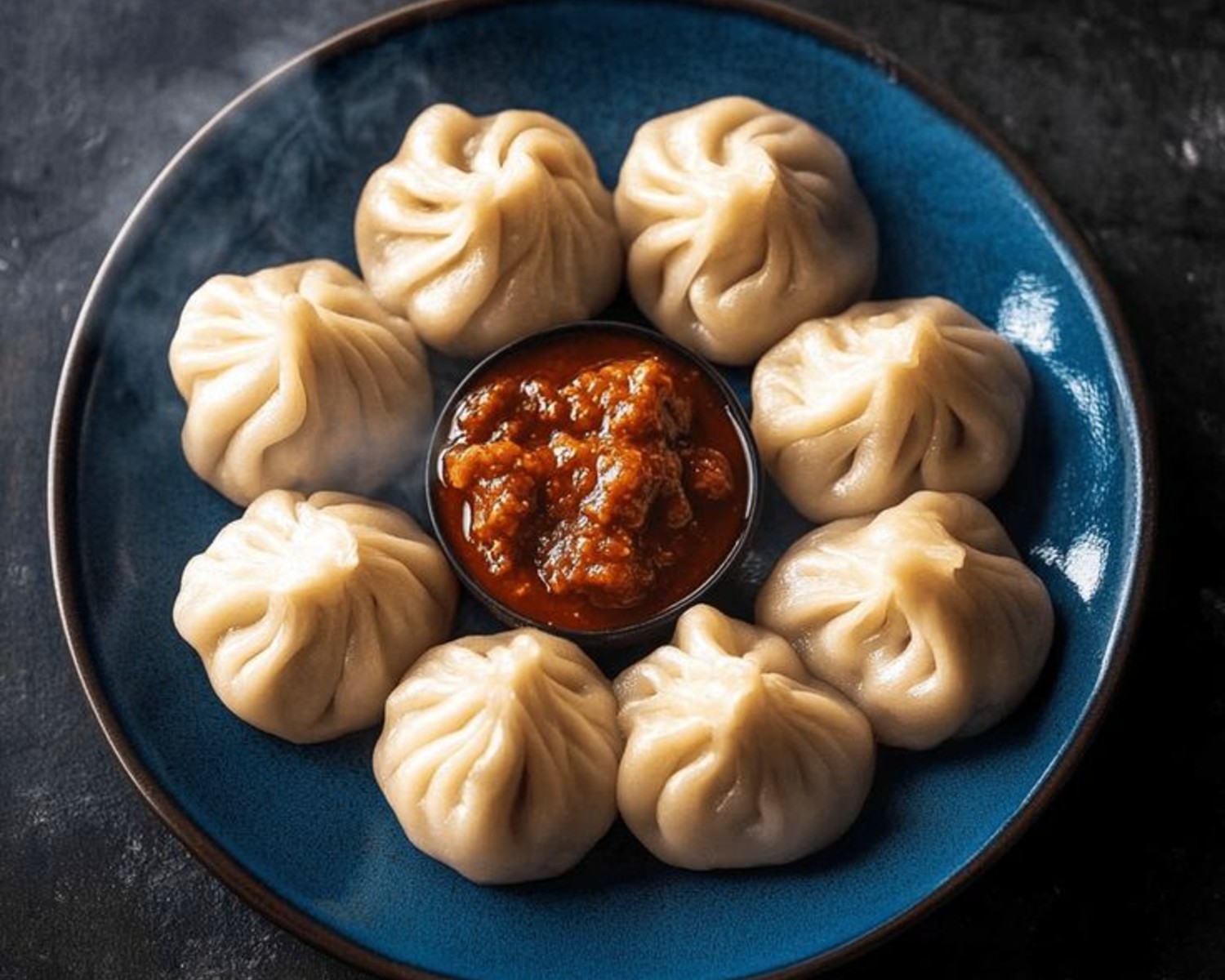
Momos (Dumplings)
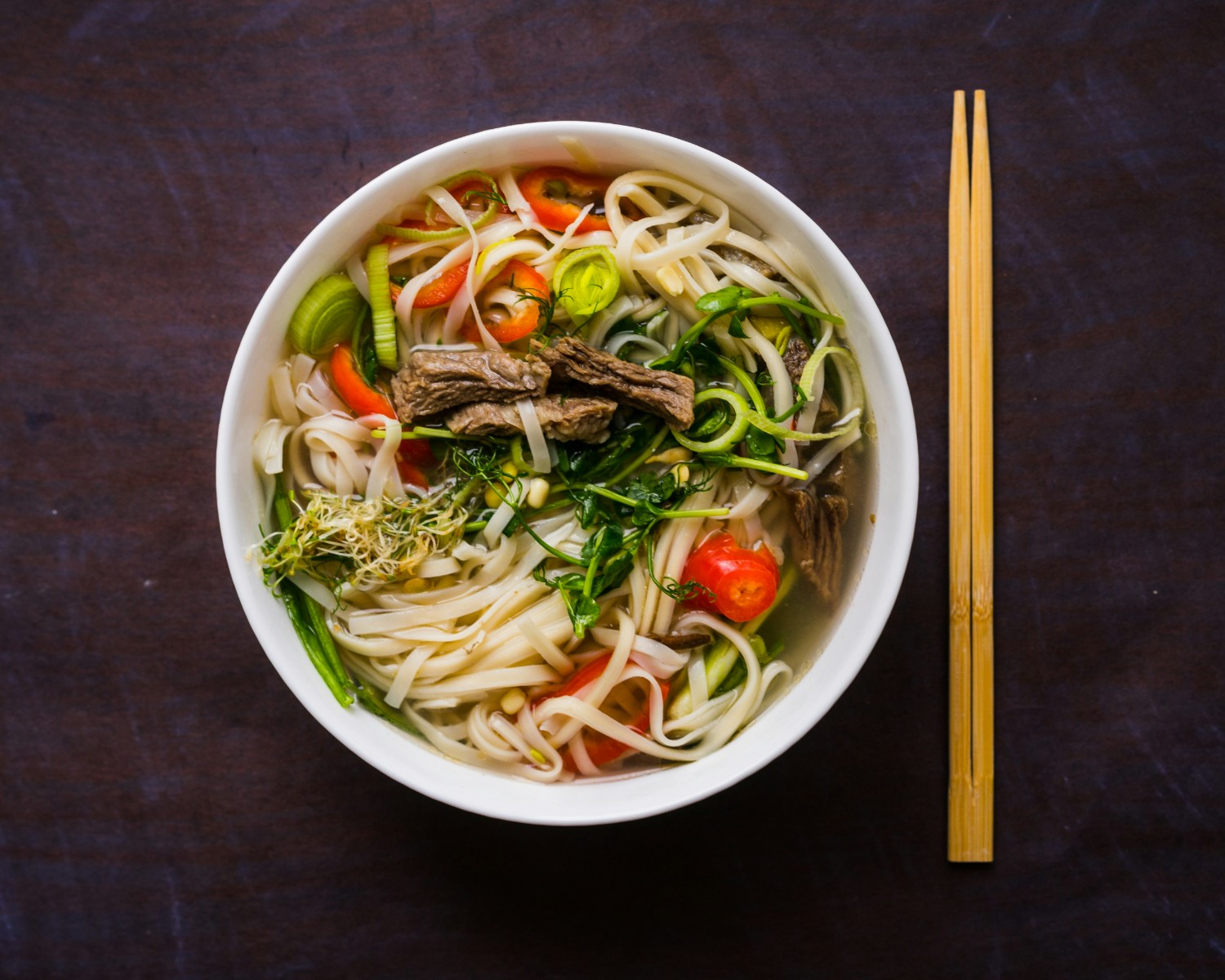
Thukpa (Noodle Soup)
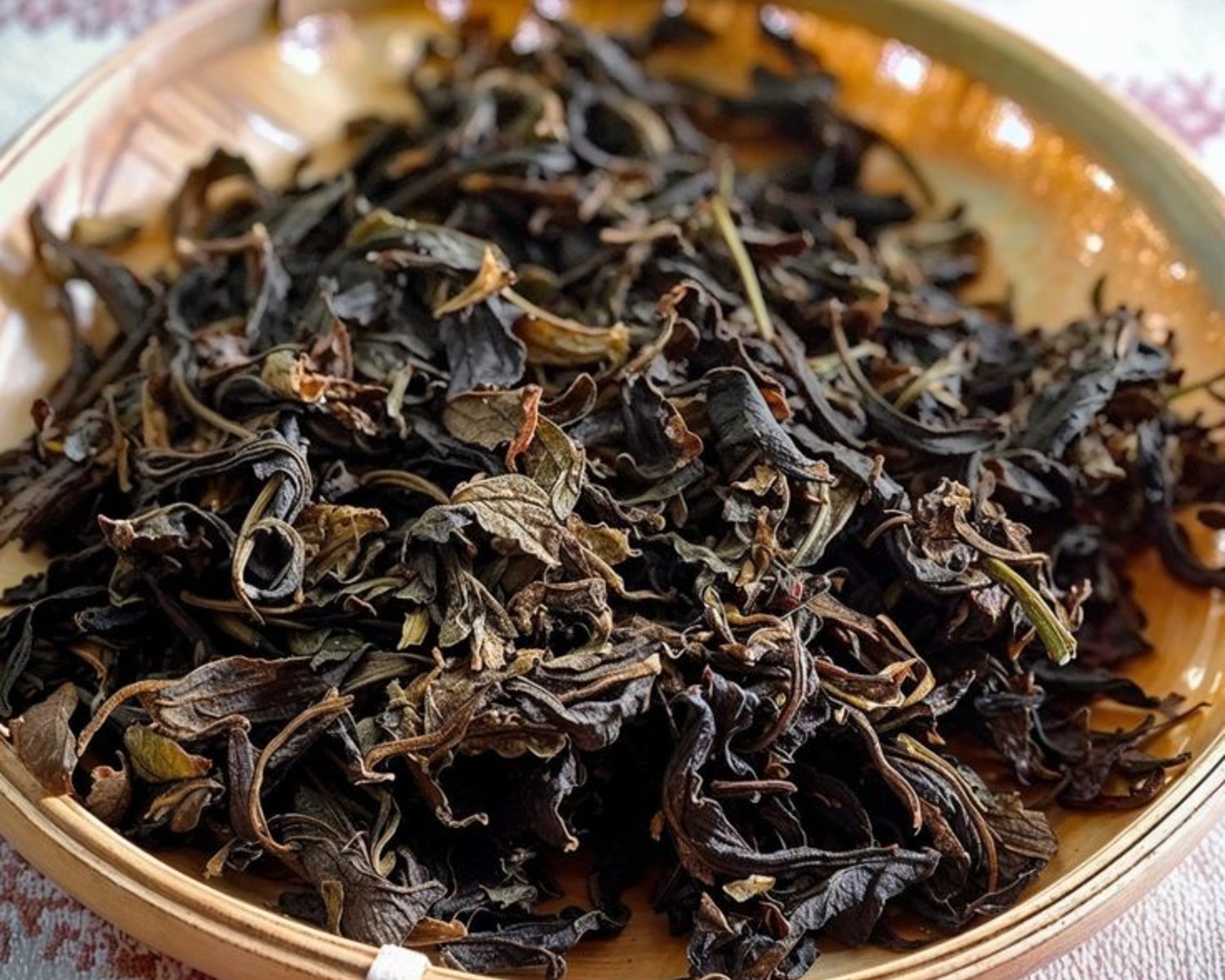
Gundruk (Fermented Greens)
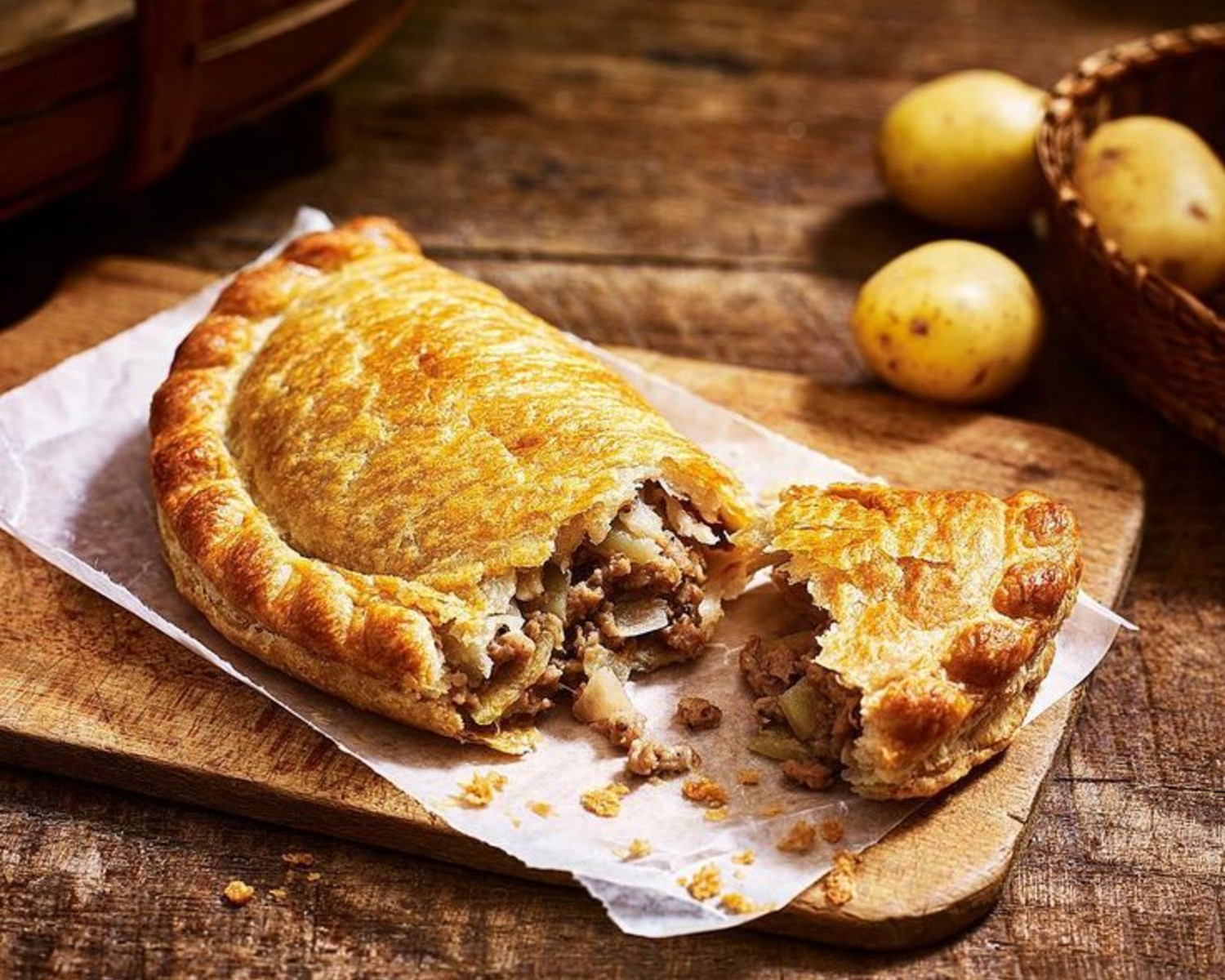
Sha Phaley (Meat Pastry)
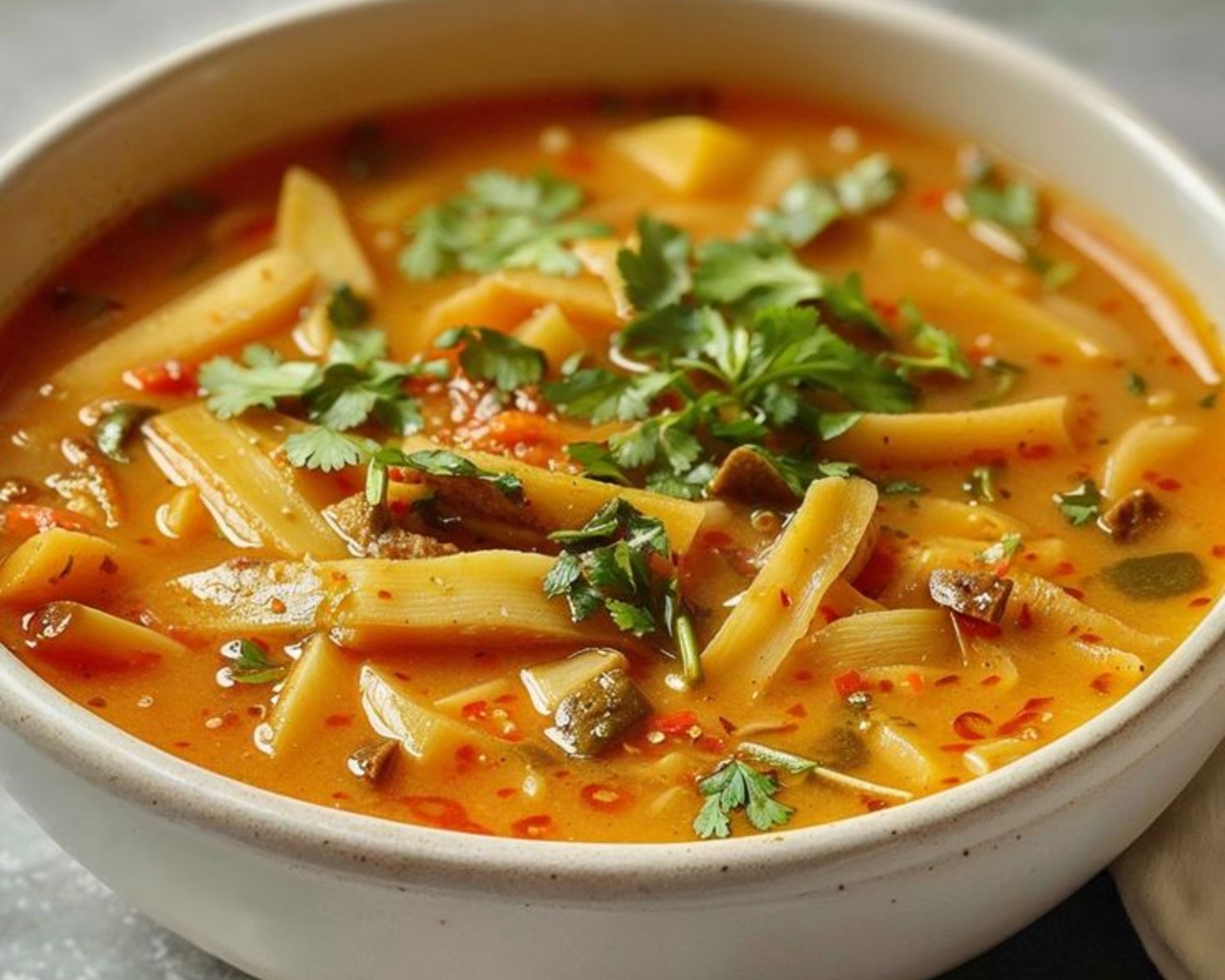
Bamboo Shoot Curry
Chura-Momo (Fried Momo)
Sael Roti (Sweet Rice Pancake)
Where to Eat
Traditional Dhabas & Local Cafes
Casual, family-run eateries serving authentic local cuisine. No-frills ambiance. ₹100-300 per meal. Budget-friendly; where locals eat. Authentic flavors. Found throughout Gangtok, towns.
Momo Stalls & Street Vendors
Dedicated momo vendors; various fillings. ₹30-80 per plate. Safe, delicious, authentic. Social gathering spaces. Early morning/evening best times.
Tea Houses & Cafes
Cozy settings for tea, snacks, light meals. Mountain views common. ₹50-200 per person. Authentic Sikkim atmosphere. Perfect for breaks during trekking.
Hotels & Restaurants (3-5 Star)
Modern dining; Indian, Sikkimese, continental cuisines. ₹600-1,500+ per person. Professional service; consistent quality. English-speaking staff. Tourist-friendly.
Dining Etiquette
- •Meals are communal events; take your time, enjoy, engage.
- •Accept offered food/tea graciously; refusing insulting to host.
- •Eat with right hand traditionally; respect local custom.
- •Momos eaten with hands in casual settings; forks at formal dinners.
- •Compliment cook's skills generously; preparation considered spiritual act.
- •Tipping: 10% appreciated at restaurants; not mandatory.
- •Peak dining: lunch 12-2 PM, dinner 6-8 PM.
- •Vegetarian options abundant; inform restaurants of dietary restrictions.
- •Alcohol (beer, local chang) available; Buddhist moderation valued.
- •Street food generally safe; ask locals for recommendations; hygiene varies.
Signature Drinks
Shop & Bring Home
Sikkim's shopping reflects indigenous craftsmanship: Lepcha handwoven textiles (natural dyes, geometric patterns), traditional bamboo baskets, thanka paintings (Tibetan Buddhist art), wooden masks, organic tea (Temi Tea Garden), cardamom, local honey. Markets blend spiritual significance with commerce. Gangtok's MG Marg offers modern shops alongside traditional vendors. Local bazaars provide authentic experiences, direct-from-artisan purchases support livelihoods. Bargaining less intense than Indian plains; quality over quantity valued. Tourist shops exist but local markets offer genuine products.
Handloom Textiles & Apparel
- Lepcha handwoven durry (traditional cotton fabric)
- Thangka paintings (Tibetan Buddhist religious art)
- Traditional shawls with geometric patterns
- Embroidered textiles (natural dyes)
- Sikkimese traditional dress (Bakhu for men, Chuba for women)
Bamboo & Wood Crafts
- Lepcha bamboo baskets (intricate weaving)
- Wooden masks (hand-carved)
- Wood-carved boxes, figurines
- Bamboo furniture (sustainable)
- Traditional hats (Lepcha specialty)
Organic Local Products
- Sikkim organic tea (Temi Tea Garden)
- Green cardamom (authentic organic)
- Local honey (wild-harvested)
- Dried fruits, nuts
- Handicraft spice blends
Spiritual & Religious Items
- Prayer wheels (spinning brass wheels)
- Mala beads (meditation/spiritual)
- Buddhist incense (Himalayan cedar)
- Thangka paintings (authentic Tibetan art)
- Crystal singing bowls
- Prayer flags
Where to Shop (Local Hubs)
MG Marg (Gangtok)
Modern Shopping District
"Lively street with shops, cafes, restaurants. Mix of modern boutiques, traditional craft shops. Tourist-friendly. Fixed prices; less bargaining. Shopping hub; convenient for quick purchases. Vibrant evening atmosphere."
Gangtok Bazaar
Traditional Local Market
"Authentic local market; vegetables, spices, handicrafts. Less touristy than MG Marg. Bargaining expected. Glimpse into daily Sikkimese life. Early morning visits recommended for fresh goods."
Namgyal Institute of Tibetology Gift Shop
Spiritual & Educational Items
"Authentic Buddhist items, books, thangka paintings. Museum-quality merchandise. Supports research/preservation. Spiritual atmosphere; educational purchases."
Temi Tea Garden (Ravangla)
Organic Tea & Agritourism
"Tea estate shop; fresh, organic Sikkim tea. Factory tours available. Tea tasting sessions. Direct from producer; best prices. Beautiful mountain views."
Artisan Cooperatives & Community Shops
Direct-from-Artisan Purchases
"Lepcha women's handicraft cooperatives; bamboo craft centers. 100% support goes to artisans. Meet craftspeople; learn techniques. Authentic items; fair-trade prices."
On the Move
Main Airports
2 options
Pakyong (Sikkim), Bagdogra (West Bengal)
Taxi Apps
Limited availability
Ola/Uber in Gangtok; pre-booking recommended
Altitude Challenge
0-8,586m
Dramatic elevation variations; altitude sickness possible
Airport Arrival
Two main airports serve Sikkim: Pakyong Airport (32 km from Gangtok, Sikkim's own airport) and Bagdogra Airport (126 km away, West Bengal). Bagdogra offers more flight options. Journey to Gangtok: 4-5 hours by taxi, 5-6 hours by bus from Bagdogra. No direct airport-to-Gangtok buses; ground transportation essential.
Travel Tech
Travel Tips
Book taxis at official airport booths or apps; safer than street hails.
Google Maps essential; download offline maps for connectivity issues.
Peak season (Mar-May, Oct-Dec): book transport 2-3 days advance.
Altitude sickness possible (Gangtok at 1,650m); acclimatize gradually.
Mountain roads steep/winding; travel during daylight recommended.
Monsoon (Jul-Sep): landslides possible; check road conditions before travel.
Nathula Pass/high-altitude areas: permits required; arrange through tour operators.
Travel in groups where possible; safer, more enjoyable mountain experience.
Intercity Travel
Flights (Pakyong/Bagdogra)
Air India, IndiGo, SpiceJet operate. Gangtok-Kolkata (90 min); Gangtok-Delhi (3.5 hrs); quick option for long distances. Book 2-3 weeks advance for best prices.
Buses (SNT/Private Operators)
Siliguri/Bagdogra to Gangtok (5-6 hrs, ₹200-860); comfortable coaches. Budget option; scenic mountain routes. Advance booking recommended peak season.
Shared Minibus/Jeep Taxis
Depart when full; less predictable schedules. Budget option (₹100-400 per person). Frequent routes between main towns. Local experience.
Helicopter Service
Bagdogra-Gangtok (20-35 minutes); premium option (₹5,000-8,000). Weather-dependent; booked through STDC. Scenic aerial views.
Visa Entry
Restricted Area Permits & Border Region Entry
Sikkim is a border state requiring special permits for foreign nationals. Indian citizens need valid photo ID for domestic travel; no additional permits required within state. Foreign tourists require Indian Tourist Visa (e-Visa or regular). Additionally, all foreigners must obtain Restricted Area Permit (RAP) for Sikkim entry—issued for 30 days on arrival. Protected Area Permit (PAP) required for high-altitude sensitive areas (Nathula Pass, Gurudongmar Lake). Application processes streamlined; registration at permit offices simple.
Indian Citizens: Present valid government-issued photo ID (Aadhaar, Passport, Voter ID, Driving License) at Gangtok/airport entry.
Foreign Tourists: Visit RAP office in Gangtok (8 AM-8 PM daily) or apply at border entry points.
Documents required: Valid Indian Tourist Visa, passport, 2 passport-size photos, completed application form.
Receive 30-day RAP permit on same day (usually within hours).
For PAP areas (Nathula, high-altitude): Apply through registered tour operators; additional documentation; higher security screening.
Registration
Penalty: Failure to register risks ₹500-2,000 fines; serious violations lead to deportation risk. Registration tracked biometrically.
Entry Requirements
- • For Indian Citizens: Valid government-issued photo ID (Aadhaar most accepted; PAN, Voter ID, Driving License also valid).
- • For Foreign Tourists: Valid passport with 6+ months validity; valid Indian Tourist Visa (e-Visa or regular).
- • Passport-size color photographs (2 copies, white background, taken within 6 months).
- • Completed RAP application form (available at permit offices; simple, straightforward).
- • For PAP areas: Additional requirements, detailed itinerary, registered tour operator sponsorship.
- • Citizens of Pakistan, Afghanistan, China (by birth) require prior Ministry of Home Affairs clearance.
- • Travel insurance recommended (especially for high-altitude trekking/adventure activities).