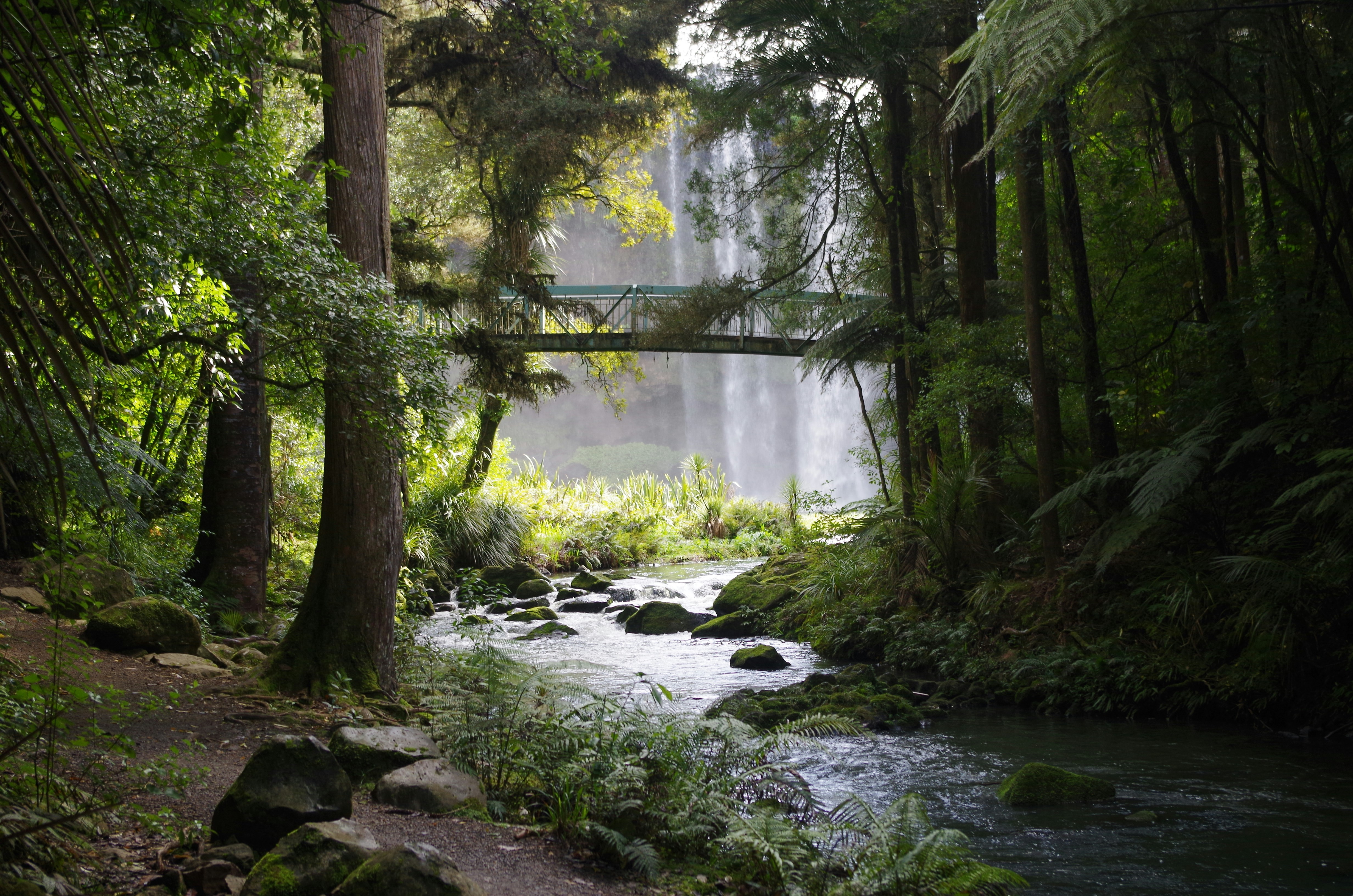
New Zealand
factsheet
Land of the Long White Cloud: Where Māori Heritage, Adventure Sports, and Breathtaking Natural Wonders Converge in Paradise.
The Essentials
Best Time
Dec - Mar
Currency
NZD ($)
Climate
Temperate
Time Zone
UTC+12/+13
Language
English/Māori
Visa
Visitor Visa
Capital
Wellington
Population
5.3M
Calling Code
+64
Power Plug
Type I (230V)
Tipping
Optional (10-15% appreciated)
Emergency
111 (all services)
History & Heritage
Indigenous Roots to Modern Nation
New Zealand's history is one of indigenous Polynesian settlement, European colonization, and the evolution of a bicultural nation honoring Māori heritage, making it a key topic in any New Zealand history search. From the legendary voyages across the Pacific (~1200 AD) to the pivotal Treaty of Waitangi (1840), New Zealand has forged a unique identity. Known as 'Aotearoa' (Land of the Long White Cloud) in Māori, it is celebrated for its innovative spirit, egalitarian values, and breathtaking natural landscapes shaped by dramatic geological forces.
Polynesian Arrival (c. 1200 AD)
Māori ancestors, master navigators from Hawaiki (likely Tahitian origin), arrived via great ocean-going canoes (waka). These extraordinary voyagers navigated using stars, ocean currents, and traditional wayfinding. Seven primary canoes are said to have brought the first settlers, establishing tribal iwi (groups) throughout the islands. This arrival represents one of humanity's greatest maritime achievements—settling the most remote inhabited islands on Earth.
Pre-European Māori Civilization (1200-1769)
Over 600 years, Māori developed sophisticated societies with complex tribal structures, intricate art forms (carving, weaving), agricultural systems adapted to new lands, and unique spiritual traditions. Pākeha (European) first arrived with explorers like Abel Tasman (1642), who encountered Māori resistance. Long isolation created a distinct Māori culture—language, customs, and worldview—completely separate from European influence.
European Exploration & Early Settlement (1769-1840)
Captain James Cook's voyages (1769-1770) mapped New Zealand and reported favorably on its potential. European settlers, missionaries, and traders arrived gradually. The Bay of Islands became a crucial trading hub where Māori and Europeans exchanged goods (timber, flax, whale products). However, uncontrolled European settlement and unfair land dealings created tensions, prompting British intervention to establish order and protect Māori interests.
Treaty of Waitangi (February 6, 1840)
The founding document of modern New Zealand. Captain William Hobson, representing the British Crown, negotiated with approximately 540 Māori rangatira (chiefs). The Treaty promised Māori land rights, citizenship, and British protection in exchange for Crown sovereignty. However, critical differences between English and Māori versions created ongoing disputes over interpretation—a tension that persists today. Despite its complications, Waitangi Day (Feb 6) is now celebrated as New Zealand's national day.
British Colony & Land Wars (1840-1900)
New Zealand became a British Colony (1841). Rapid European settlement followed, leading to conflicts over land. The New Zealand Land Wars (1845-1872) saw Māori resist European land confiscation. Although Māori were ultimately outnumbered militarily, their resilience and leadership (chiefs like Te Kooti and Rauparaha) became legendary. By century's end, European institutions dominated, but Māori culture survived through whānau (family) traditions and community bonds.
Dominion Status & Modern Development (1900-1945)
New Zealand became a Dominion (1907), gaining greater autonomy from Britain. The country pioneered progressive social policies: women's suffrage (1893—first nation globally), old-age pensions, labor rights, and social welfare. However, Māori remained marginalized, dispossessed of most land and culturally suppressed. World War participation (both wars) cemented New Zealand's international identity, though at great cost to young men and Māori.
Contemporary Nation & Cultural Renaissance (1945-Present)
Post-WWII, New Zealand experienced immigration, economic growth, and social change. A pivotal moment came in 1987 when Māori language (Te Reo Māori) was declared an official language alongside English. The 1990s-2000s saw growing recognition of Māori rights, cultural revival, and the international success of New Zealand cinema (Lord of the Rings, etc.). Today, New Zealand balances modernization with bicultural respect, indigenous recognition, and environmental stewardship as defining values.
Spotlight: The Treaty of Waitangi (1840)
Signed on February 6, 1840, at Waitangi in the Bay of Islands, this founding document established New Zealand as a British colony while promising Māori land rights and citizenship. Approximately 540 Māori chiefs signed the Māori-language version. Waitangi Day (February 6) is now a public holiday celebrating (and sometimes protesting) this pivotal agreement. Though imperfect and disputed, the Treaty remains central to New Zealand's national identity and bicultural framework, uniquely acknowledging indigenous rights at the nation's foundation.
Treaty Signed
February 6, 1840
Founding document of modern New Zealand
Polynesian Arrival
c. 1200 AD
Māori settlement from Hawaiki
Te Reo Revival
1987 Official
Māori language revitalized from near-extinction
Women's Suffrage
1893
First nation where women could vote
Climate & Time
Time Zone
Standard
NZST (New Zealand Standard Time) UTC+12, or NZDT (Daylight Saving Time) UTC+13 (late September - early April)
Difference
16.5-17.5 hours ahead of IST (India Standard Time)
🎯 Best Months
December, January, February (summer); November & March (shoulder season)
Climate
The climate in New Zealand varies significantly by region, offering a diverse range of weather conditions from coastal areas to mountain peaks.
Summer (Raumati)
Dec – Feb
18–27°C (64–81°F)
Peak season: beach weather, long golden days (sunset ~9 PM), perfect hiking, coastal swimming. Extremely busy; accommodation booked months ahead. School holidays (mid-Dec to late-Jan) chaotic. Ideal for North Island exploration.
Autumn (Ngahuru)
Mar – May
13–24°C (55–75°F)
Golden season: crisp mornings, warm afternoons, fall foliage, fewer crowds, excellent hiking. April-May particularly stunning. Shoulder season pricing. Perfect for photography. Occasional rain increases (especially May).
Winter (Hōikoukou)
Jun – Aug
8–18°C (46–64°F)
Ski season peak: Whakapapa, Cardrona, Treble Cone resorts active. Coastal/urban areas mild, quiet. Crisp, clear starry nights. Southern lights (aurora) possible in far south. Lakes freeze in South Island. Budget prices in non-ski areas.
Spring (Koanga)
Sep – Nov
10–21°C (50–70°F)
Renewal season: wildflowers bloom, wildlife active, hiking trails clear, temperatures gradually warming. September-October cool, November warm. Weather unpredictable ('four seasons in one day'). Late-season skiing possible. Spring break school holidays mid-September.
Seasonal Packing List
Language Guide
Official Language
English and Te Reo Māori (both official since 1987)
English is the primary language, widely spoken and the business/government lingua franca. Te Reo Māori (Māori language) was nearly extinct in 1980s but has experienced remarkable revival since official recognition in 1987. Today ~150,000 people speak Te Reo fluently; immersion schools (kura kaupapa Māori) are thriving. Place names, cultural terms, and greetings increasingly use Te Reo. Visitors encounter Māori language in official contexts, signage, and cultural experiences. Understanding basic Te Reo phrases shows respect for indigenous culture. New Zealand English has distinctive accent and vocabulary ('Kiwi English').
Local Signage
Essential Phrases
Hello (English)
Hello / Hi
Hello (Māori)
Kia ora
Thank you (English)
Thank you
Thank you (Māori)
Ka pai
Goodbye (English)
Goodbye
Goodbye (Māori)
Kia kaha
Yes / No (English)
Yes / No
Welcome (Māori)
Harikoa
Currency & Money
Official Currency
New Zealand Dollar
$ (NZD)
Exchange Rates
Denominations
Banknotes
$5, $10, $20, $50, $100 NZD
Coins
10c, 20c, 50c, $1, $2 NZD
Culture & Vibes
Laid-Back Egalitarianism with Adventure Spirit
"New Zealand culture blends relaxed informality with ambitious innovation, Māori heritage with European pragmatism, and conservation ethics with thrill-seeking adventure, making it a key highlight in any New Zealand culture search. Kiwis are famously friendly, unpretentious, and inclusive. The 'No. 8 wire' mentality—creative problem-solving with limited resources—defines character. Respect for nature, bicultural commitment to honoring Māori traditions, and embrace of diversity characterize contemporary society. Social equality valued; tall-poppy syndrome (cutting down those seen as arrogant) discourages hierarchies. Outdoor lifestyle is central to identity."
Greetings & Informality
Handshakes common but less formal than some cultures. First names used immediately. Casual dress acceptable in most contexts (no formal dress codes except fine dining). Kiwis value straightforwardness and directness without being rude. Hierarchy minimal; treating bosses, elders, and service workers as equals is normal.
Environmental Respect
Conservation deeply valued. Leave No Trace ethic fundamental. Stay on marked tracks; take all rubbish; respect 'No Tramping' signs on private property. Water sources are sacred (Māori principle). Don't remove native plants or animals. Clean hiking boots at sites (biosecurity). Camping requires permission; wild camping restricted.
Māori Protocol & Respect
Learn basic Te Reo greetings ('Kia ora'). Show respect for marae (meeting houses); remove shoes, ask permission to enter, observe protocols. Never mock haka or Māori traditions. Acknowledge Māori cultural significance in place names and heritage sites. Understanding bicultural context enriches experience.
Friendliness & Honesty
Kiwis are genuinely friendly and help visitors readily. 'How are you?' elicits honest answer, not just 'fine.' Sarcasm and dry humor common; directness appreciated. Tall-poppy syndrome means don't boast; self-deprecating humor valued. Australians are teased; take it in good spirit.
Essential Dos
- • Use first names; be casual and friendly
- • Respect Māori culture; learn basic Te Reo phrases
- • Leave no trace; pack out all rubbish
- • Ask permission for photos, especially of Māori people or spiritual sites
- • Arrive on time (punctuality valued in business/formal settings; more relaxed socially)
- • Compliment New Zealand's natural beauty and conservation efforts—locals proud
- • Try local Kiwi icons: Fish & chips, pavlova, wines, meat pies
- • Embrace adventure sports and outdoor activities—central to culture
Essential Don'ts
- • Don't be formally hierarchical or overly deferential; egalitarianism valued
- • Don't mock or demean Māori culture, language, or haka
- • Don't litter or leave trace in natural areas
- • Don't photograph Māori people/ceremonies without permission
- • Don't remove native plants, animals, or minerals
- • Don't trespass on private land without permission
- • Don't make assumptions about Australia-New Zealand differences; Kiwis value distinction
- • Don't underestimate weather/terrain—changing conditions can be dangerous
Specific Etiquette
Business Etiquette
Casual dress (smart-casual) acceptable in most business contexts. First names used immediately. Handshakes firm but not aggressive. Punctuality important for meetings; lateness frowned upon. Direct communication valued; get to point quickly. Consensus-building preferred over top-down decisions. Egalitarian approach—don't be overtly hierarchical.
Gifting Etiquette
Avoid knives (cutting friendship), clocks, or chrysanthemums (funeral flowers). Wine, chocolates, small crafts, or items from your country appropriate. Gifts opened immediately (appreciated gesture). Business: modest gifts (NZD 20-50 value) acceptable; nothing too personal. Thoughtfulness matters more than expense.
Dining Etiquette
No strict formality; casual dress acceptable most places. Compliment food. Ask before reaching across table. Dessert/coffee common after meals. Leaving small amount of food acceptable (no obligation to finish). Alcohol available; no pressure to drink. Tipping optional (~10% for excellent service). BYOB at many cafés (bring own wine); corkage fees modest. Split bills common among friends.
Pacific Rim Cuisine: From Māori Traditions to Contemporary Excellence
New Zealand cuisine reflects bicultural heritage and Pacific location. Traditional Māori kai (food) emphasizes fresh seafood, native plants (kumara, puha), and earth-oven cooking (hangi). British colonial influence brought meat pies, fish & chips, and roasts. Contemporary 'Kiwi' cuisine blends local produce, Asian influences, European techniques, and innovative chefs. Fresh ingredients—lamb, beef, seafood (greenlipped mussels, Bluff oysters, crayfish), cheese, wine—define modern New Zealand dining. The country punches above its weight in wine production (Marlborough Sauvignon Blanc particularly renowned), farm-to-table dining, and award-winning restaurants.
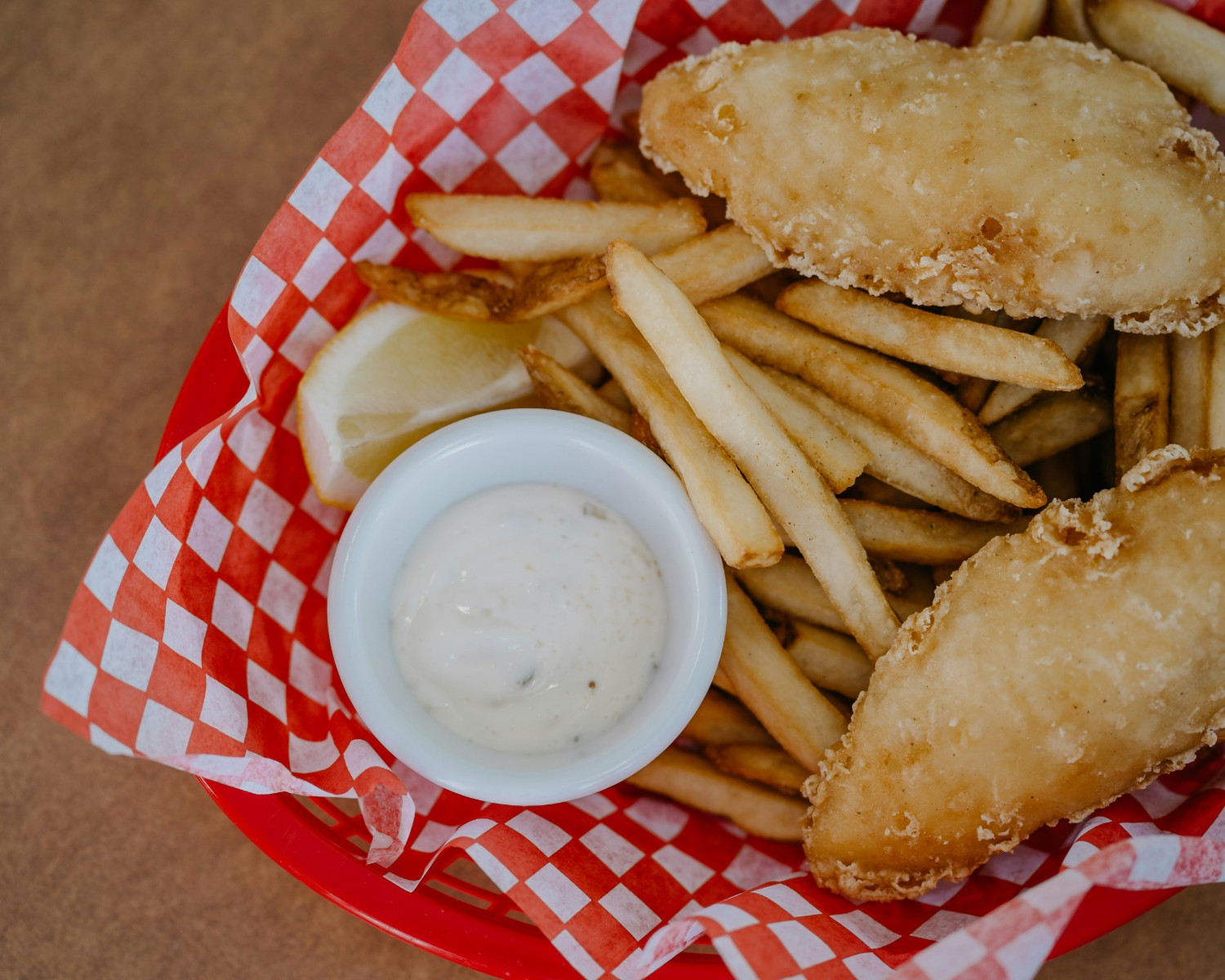
Fish & Chips
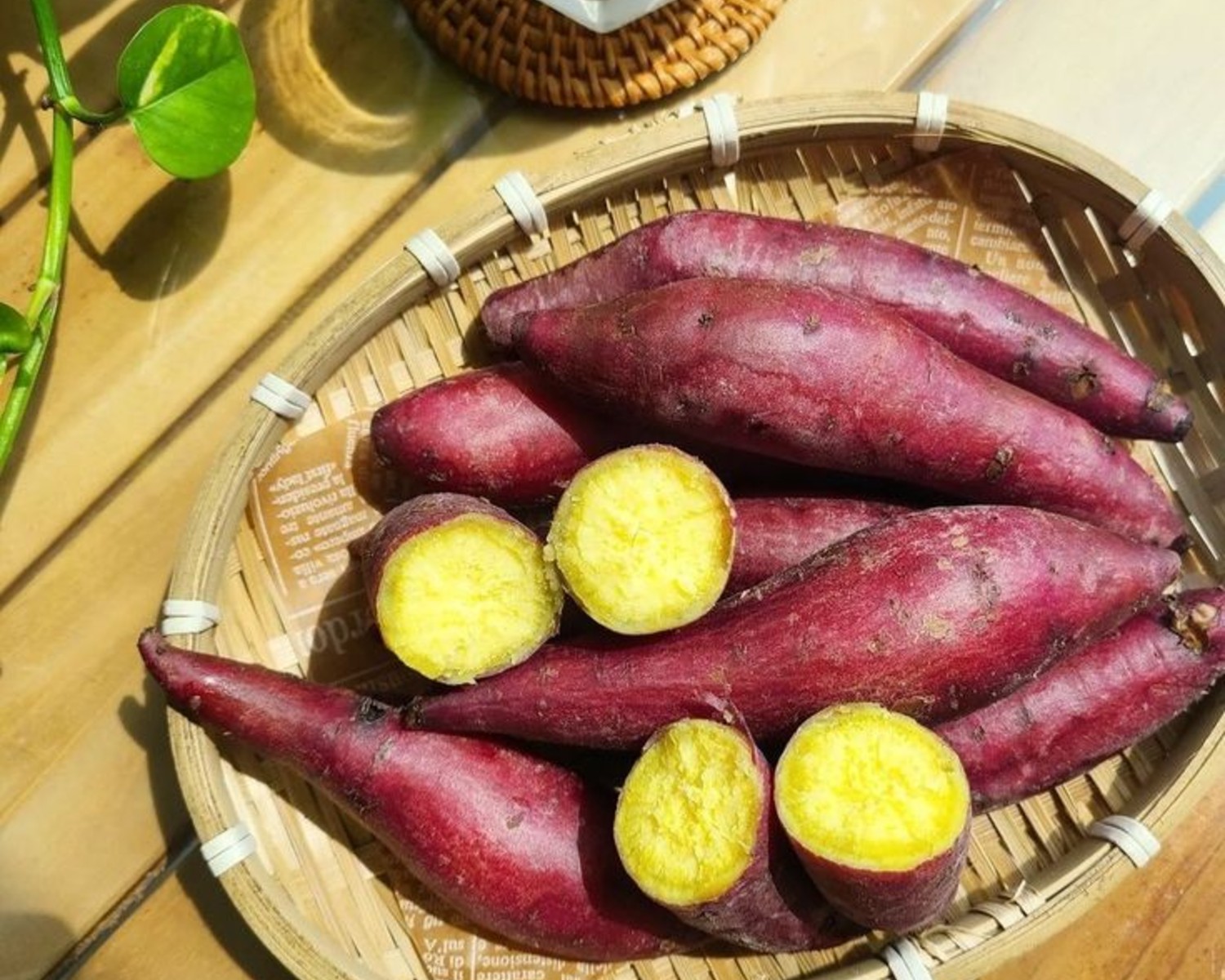
Kumara
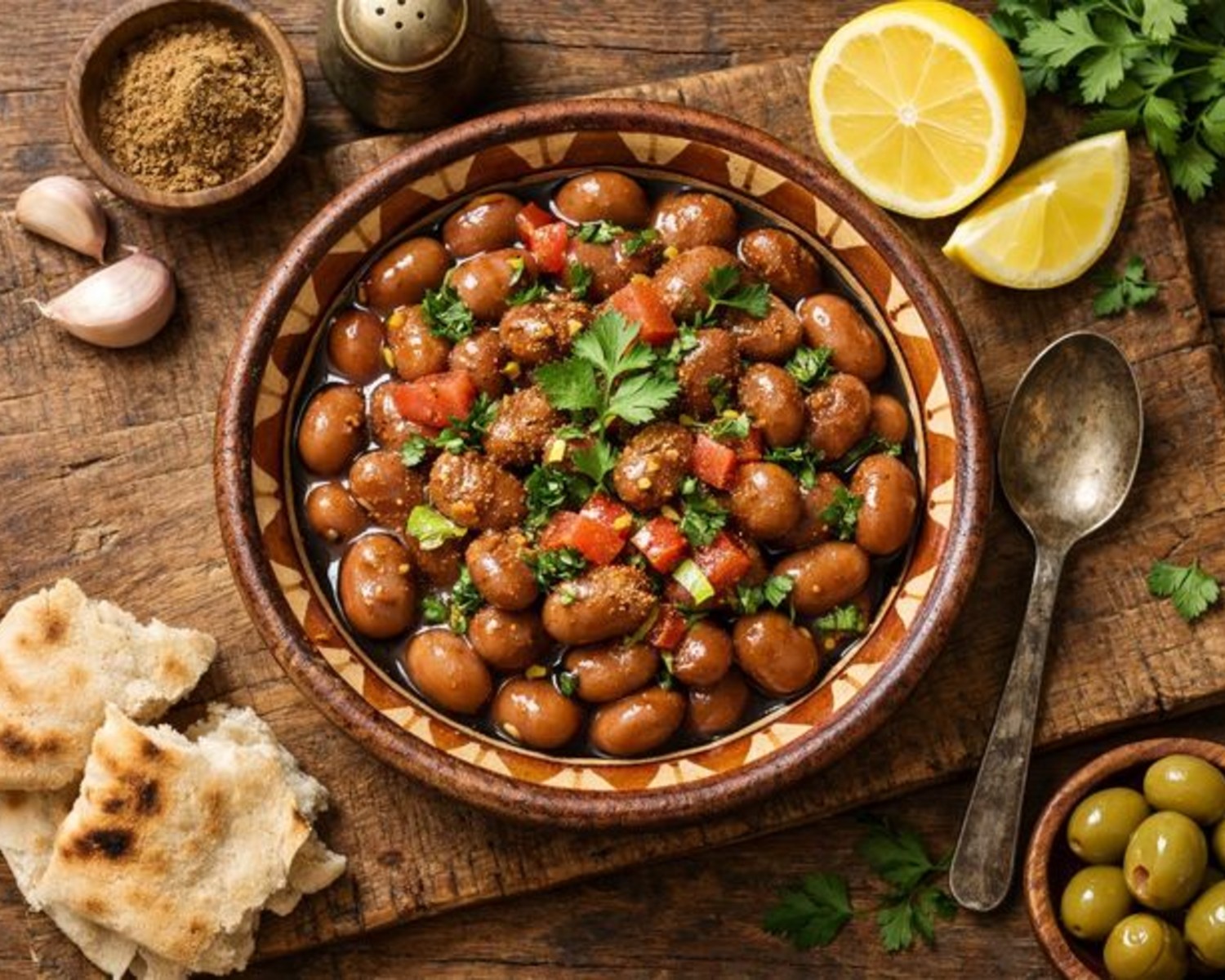
Hangi (Earth-Oven Meal)
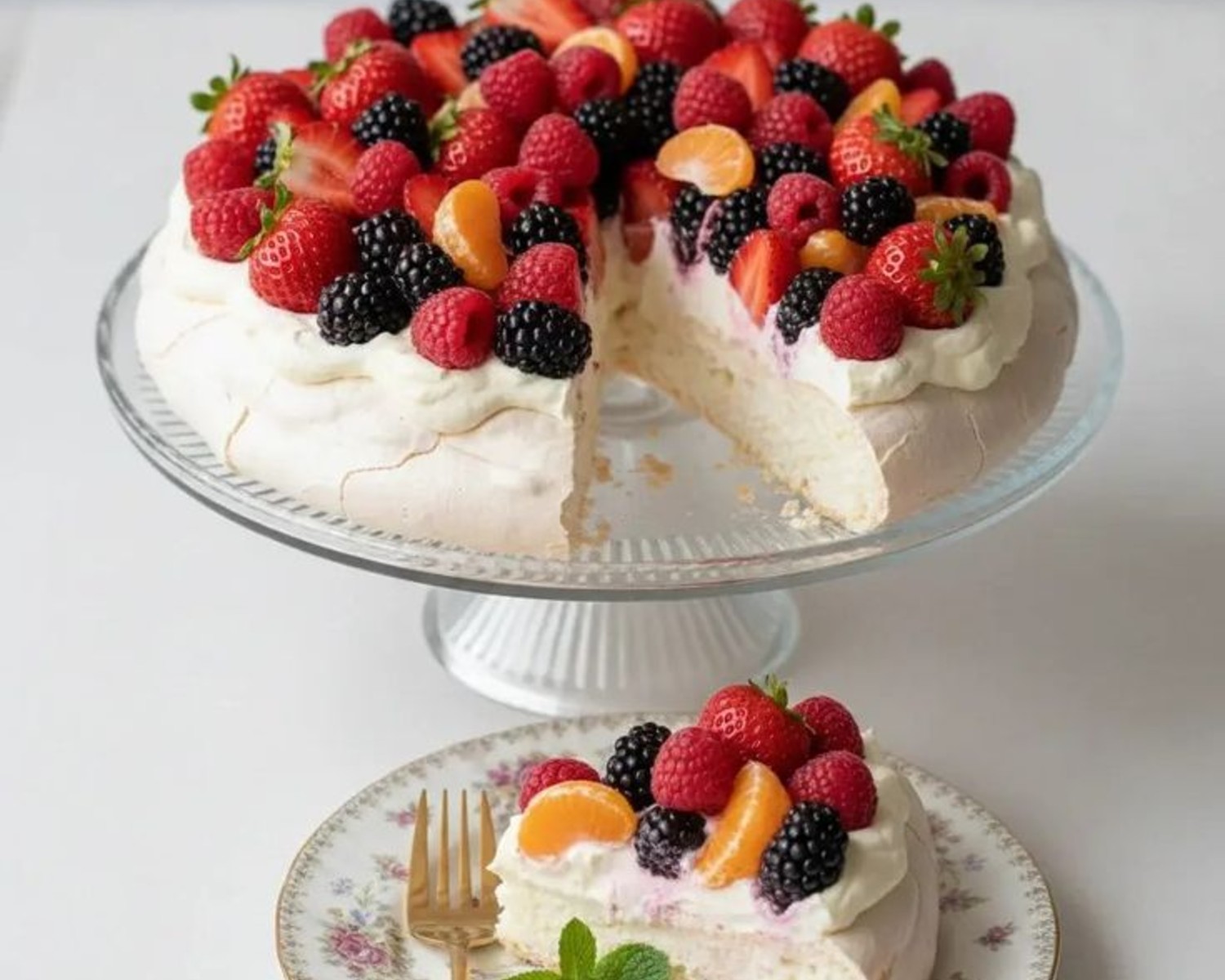
Pavlova
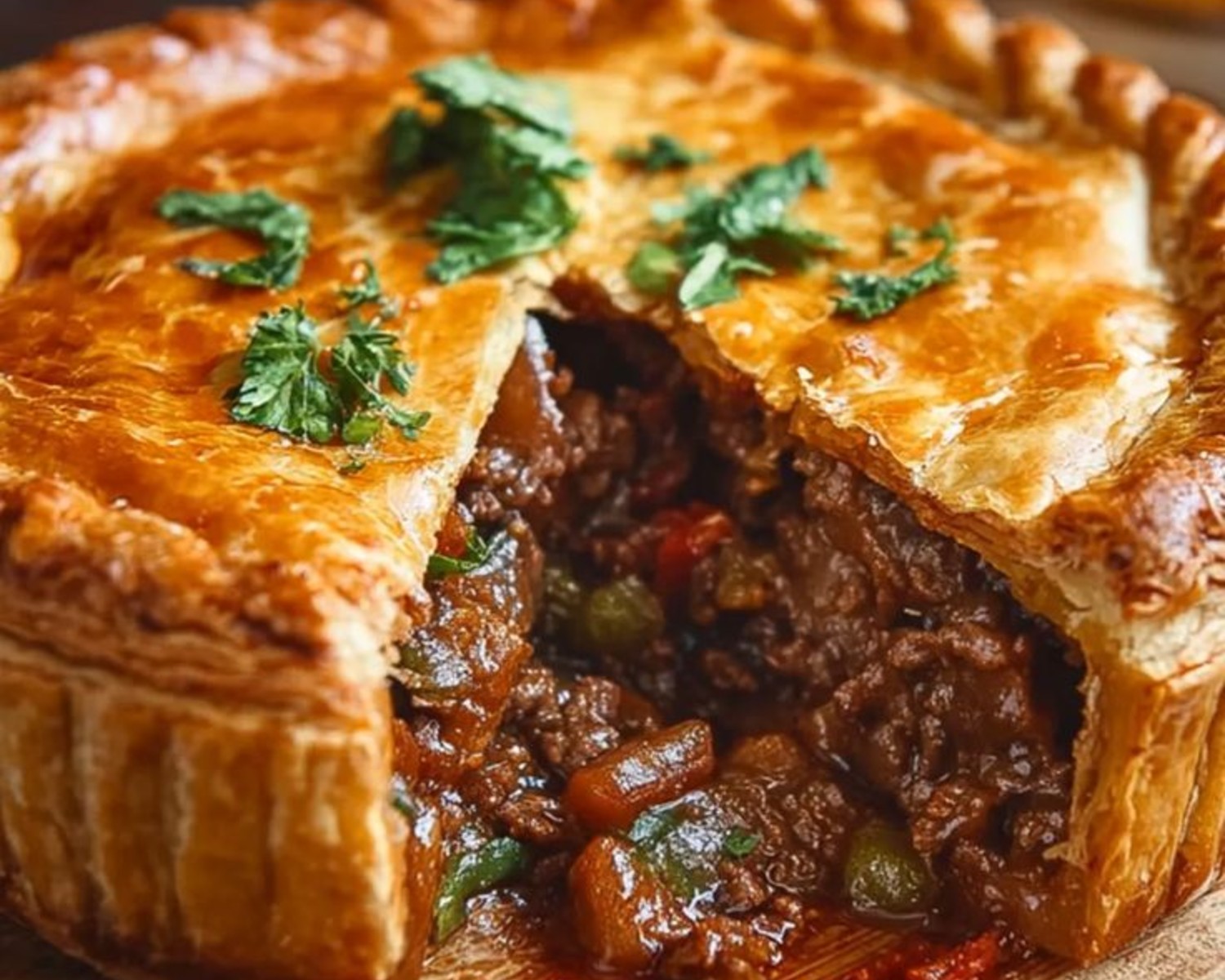
Meat Pie

Bluff Oysters
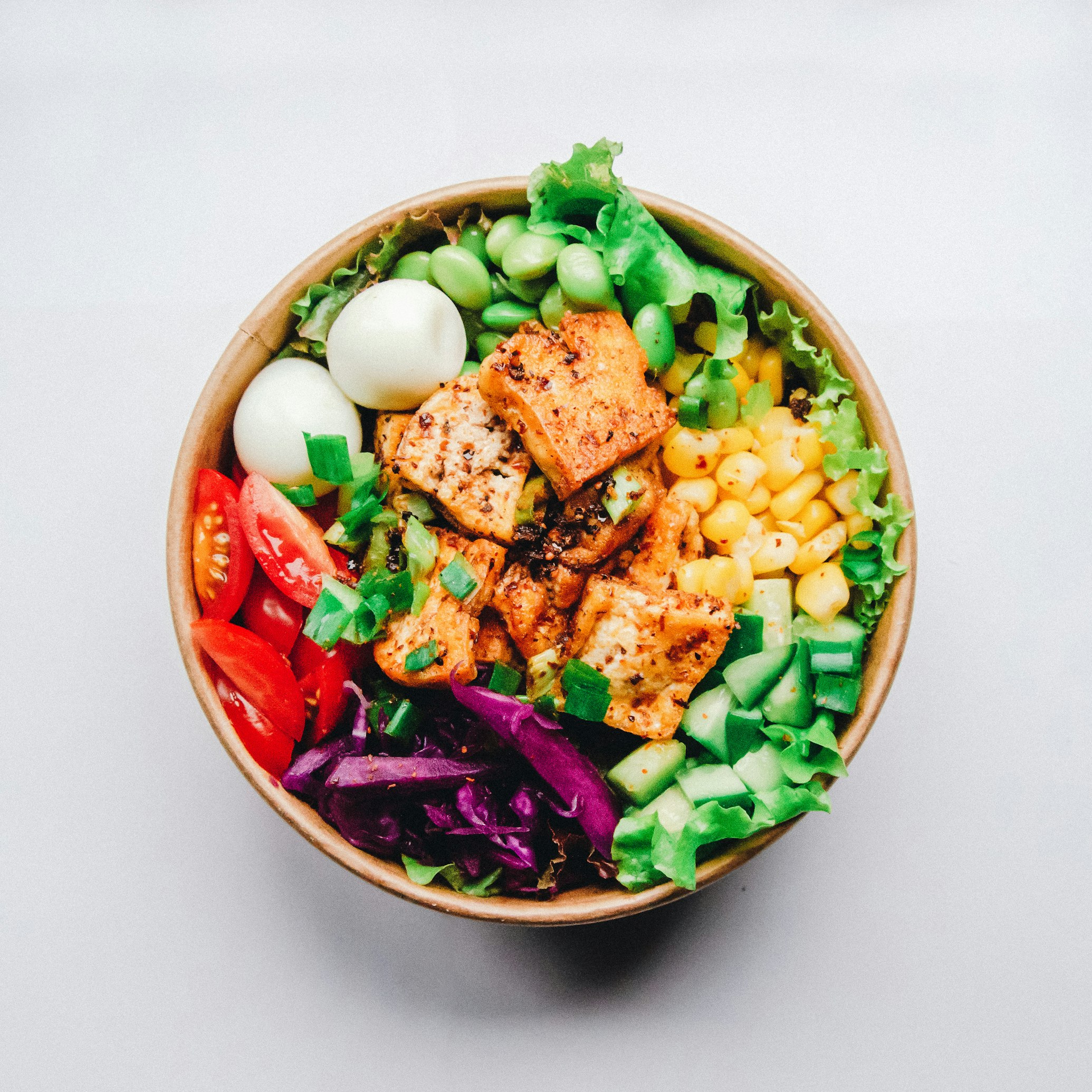
Greenlipped Mussel (Pāua)
Where to Eat
Restaurants
Range from casual bistros (NZD 20-40/person) to fine dining (NZD 80-150+). Quality high nationwide. Farm-to-table movement strong. Booking recommended weekends/peak season.
Cafés
Ubiquitous; excellent coffee standard. Light meals, brunch, desserts. Social hubs. NZD 12-25/meal. Open 7 AM-4 PM typically (limited dinner hours).
Takeaway Shops (Fish & Chips, Meat Pies)
Affordable (NZD 8-15), quick, iconic. Quality variable but generally good. Service stations, local shops. Part of Kiwi experience.
Farmers Markets
Weekend gatherings selling fresh produce, artisan goods, ready-made food. NZD 15-30/meal. Community atmosphere; fresh, local ingredients.
Pubs & Bars
Serving food (burgers, pies, seafood), drinks, socializing. NZD 18-35/meal. Casual atmosphere; popular evening gathering spaces.
Dining Etiquette
- •Meals typically: breakfast 7-9 AM, lunch 12-1 PM, dinner 6-8 PM. Outside these windows, options limited.
- •Casual dress acceptable in most restaurants; smart-casual for fine dining.
- •Tipping optional (~10% for good service); not expected.
- •BYO (Bring Your Own alcohol): Many cafés/restaurants allow customers to bring wine; modest corkage fee (NZD 5-10) charged.
- •Dietary requirements: Vegetarian options widely available; inform restaurant in advance for other restrictions.
- •Compliment food/chef generously; Kiwis take pride in cuisine.
- •Fish & chips eaten by hand while walking acceptable and encouraged.
- •Finishing all food optional; leaving small amount not rude.
- •Alcohol (beer, wine, spirits) available; no pressure to drink.
- •Weekend brunch culture strong; bookings recommended popular cafés.
Signature Drinks
Shop & Bring Home
New Zealand shopping reflects bicultural heritage, artisan craftsmanship, and outdoor lifestyle. Māori-inspired art (carvings, jewelry, weaving), local wines, and contemporary fashion dominate. Major cities (Auckland, Wellington, Christchurch) have modern malls alongside boutique districts. Markets, art galleries, and craft cooperatives throughout the country offer authentic local goods. Quality over quantity philosophy means fewer mass-market stores; craftsmanship valued. Prices higher than Asia due to small population and remote location, but unique items make purchases special.
Māori Art & Crafts
- Greenstone (pounamu) jewelry (pendants, earrings)
- Carved wooden items (whakairo—intricate designs)
- Woven baskets & textiles (flax weaving—kete)
- Ta moko designs (tattoo-inspired art), Bone carvings
Wine & Local Produce
- Marlborough Sauvignon Blanc, Central Otago Pinot Noir
- Manuka Honey (premium: NZD 40-100/jar; medicinal rated 10+)
- Feijoa products (jam, juice, fresh fruit)
- Pavlova/chocolate (local artisan makers), Paua shells
Outdoor & Adventure Gear
- Merino wool clothing (Icebreaker, Smartwool brands originated here)
- Outdoor footwear (quality hiking boots)
- Camping/tramping equipment
- Native fern-design apparel & accessories
Contemporary Fashion & Design
- Local fashion designers (Karen Walker, Lonely Hearts)
- Contemporary art & photography
- Design home goods (ceramics, furniture)
- Vintage clothing & antiques
Where to Shop (Local Hubs)
Queen Street (Auckland)
Urban Shopping District
"Main commercial street. Department stores (Farmers), international brands, boutiques. Busy, touristy. Good for one-stop shopping but less character than boutique areas."
High Street (Auckland)
Designer Boutiques & Fashion
"Pedestrian mall lined with designer boutiques, local fashion brands, cafés. Upscale shopping; high-quality goods. Quieter, more curated than Queen Street. Māori art galleries interspersed."
Cuba Street (Wellington)
Bohemian & Alternative Shopping
"Iconic street with vintage clothing, independent bookstores, art galleries, quirky cafés. Eclectic, creative vibe. Local designers and artisans. Reflects Wellington's creative culture."
Parnell (Auckland)
Art, Design & Crafts
"Charming village-like district. Art galleries, craft shops, designer boutiques. Māori art prominently featured. Cafés and restaurants interspersed. Upscale, sophisticated; less touristy than central areas."
Farmers Markets
Local Produce & Artisan Goods
"Weekend gatherings. Fresh produce, artisan baked goods, honey, preserves, local crafts. Community atmosphere. Authentic, fresh, often cheaper than retail. Available in most towns/cities."
On the Move
Airport
AKL/WLG
23/12 km from city centers; 16-20 min train
Taxi Apps
Uber/Zoomy
Safe, affordable, cashless
Inter-city
Limited Network
Main Auckland-Wellington route; buses more extensive
Airport Arrival
Auckland Airport (AKL) is primary international hub, 23km south of city center. Journey to center: 16 minutes by train (NZD 18), 40 minutes by bus (NZD 8), 45 minutes by taxi/Uber (NZD 50-80).
Travel Tech
Travel Tips
Book InterCity/ferry tickets online in advance for discounts (30-40% savings).
Use Google Maps or AT Journey Planner app for route planning.
Driving in winter (Jun-Aug): chains required in mountains; check conditions beforehand.
Road Rules: Drive left, keep left unless passing, seatbelts mandatory, give way to right at intersections.
Parking in city centers: Increasing fees; use parking apps to find cheap spots.
Petrol (gasoline) widely available; fuel up in main towns before heading to remote areas.
Public transport more expensive than cheap flights for long distances; compare prices.
Campervans popular; rental companies abundant; freedom for exploration.
Intercity Travel
InterCity Buses
National long-distance operator. Auckland-Wellington (~12 hours), Auckland-Rotorua (~4 hours), Queenstown routes. NZD 30-120 depending on distance. Comfortable, onboard amenities. Book advance for discounts.
Scenic Trains
TranzAlpine (Christchurch-Greymouth, 4.5 hours): Alpine scenery. Coastal Pacific (Picton-Christchurch): South Island coast. Northern Explorer (Auckland-Wellington): Countryside. NZD 100-250 depending on class.
Ferry Services
Interislander Ferry (Wellington-Picton, 3.5 hours): Main North-South link. Bluebridge Ferry (alternative). Scenic journey through Marlborough Sounds. NZD 60-150 depending on booking/vehicle.
Rental Car & Self-Drive
International license required. Drive left side of road (difference from India). Roads well-maintained but winding in mountains. Scenic drives (Milford Sound road, Central Otago wine routes) iconic. Petrol: NZD 2.20-2.50/liter. NZD 40-100/day rental.
BakıKart
AT Hop Card (Auckland): Universal transit card for Metro, Buses. Cost: reloadable card, fares from NZD 3-12 depending on distance. Snapper Card (Wellington): Similar system for buses/trains.
Visa Entry
Visitor Visa - Straightforward Entry for Indian Citizens
New Zealand welcomes Indian visitors via a streamlined Visitor Visa process. The visa permits tourism, family visits, and short-term activities (6-9 months maximum stay). Unlike some nations, New Zealand's process is relatively straightforward; applications processed through Immigration New Zealand (INZ) online or via visa centers in India (Delhi, Mumbai, Bangalore).
Visit Immigration New Zealand website (immigration.govt.nz) or use approved visa center.
Complete online Visitor Visa application form (Form INZ 1015).
Gather required documents (listed below).
Pay visa fee online (NZD 190) via credit/debit card.
Submit biometric data (fingerprints, photograph) at visa center if required.
Wait 5-15 business days for processing (most approved within 1 week).
Receive approval/decision via email with visa attached to passport.
Note: Digital visa not accepted; visa label affixed in passport upon arrival.
Registration
Penalty: Overstaying results in fines (NZD 1,000+), deportation, and potential ban from re-entry (5-10 years). INZ tracks entry/exit automatically.
Entry Requirements
- • Valid passport (issued within 10 years, valid minimum 3 months beyond departure date).
- • Completed Visitor Visa application form (INZ 1015).
- • Passport-size color photograph (35mm x 45mm, white background, ICAO standards, taken within last 6 months).
- • Proof of financial capacity (NZD 400-500/week, ~₹22,000-27,000/week, or sponsorship letter from host in NZ with proof of income NZD 3,500+/month).
- • Return ticket (proof of planned departure).
- • Accommodation booking (hotel confirmation or letter from host).
- • Travel itinerary (intended activities, duration, regions to visit).
- • Employment/student documentation (letter from employer/university confirming leave, student ID).
- • Health: Generally not required unless stated. No mandatory vaccinations for Indians.
- • Character: Police clearance certificate if stay exceeds 3 months or if requested (rare).