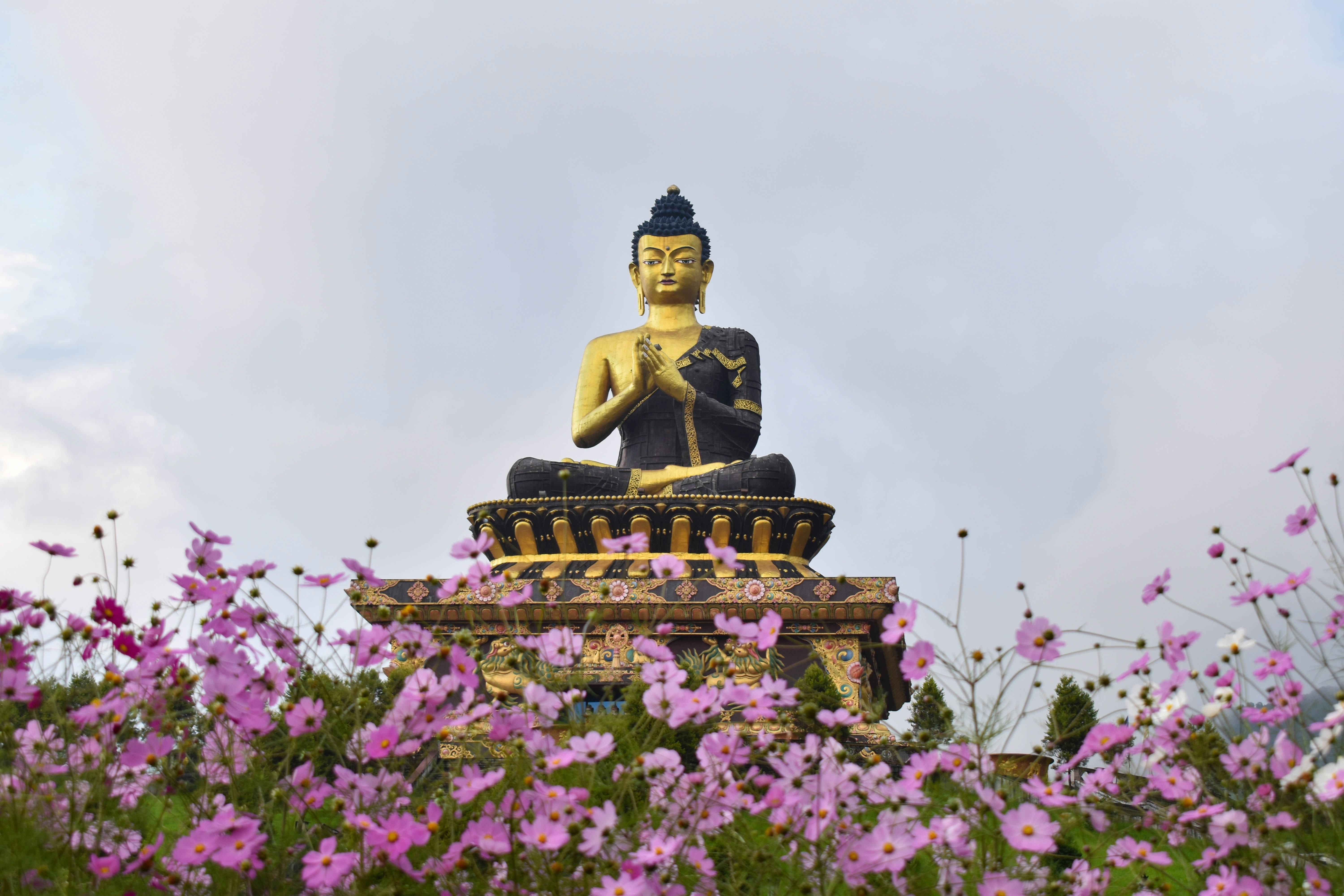
Sikkim
factsheet
Land of the Guardian Mountain: Where Snow-Capped Peaks Embrace Buddhist Serenity, Biodiversity Whispers Ancient Secrets, and Himalayan Magic Awaits.
The Essentials
Best Time
Mar - May, Oct - Dec
Currency
₹ INR
Climate
Alpine to Temperate
Time Zone
IST (UTC+5:30)
Language
Sikkimese/Nepali/English
Entry
Restricted Area Permit
Capital
Gangtok
Population
0.71M
Statehood Date
May 16, 1975
Power Plug
Type D & M (230V)
Tipping
10% appreciated (optional)
Emergency
100/101/102
History & Heritage
From Ancient Kingdom to Sacred Guardian: A Journey Through Himalayan Sovereignty
Sikkim’s history is a remarkable tapestry of Sikkim tourism, spiritual devotion, and political transformation. Today, Gangtok serves as a vibrant capital for those seeking North East India packages, while the state leads in organic farming and conservation. From the ancient Silk Route to the biodiversity of Kanchenjunga National Park, Sikkim continues to attract travelers interested in Buddhist monasteries, Nathu La Pass, and the unique culture of Sikkim.
Ancient & Indigenous Period: The Kirati People (Pre-1641)
Before recorded history, the Kirati people inhabited the Sikkim region, with legendary King Yalambar expanding their kingdom from the Trisuli to Teesta rivers around 1500 BC. The Lepchas, considered indigenous to Sikkim, developed sophisticated agricultural systems, bamboo craftsmanship, and spiritual traditions rooted in nature reverence. Hindu and Buddhist traditions mention Sikkim in sacred texts; Lord Shiva appeared as Kirateshwar (Lord of the Kiratas) to Arjuna. This period established the region's spiritual significance and laid foundations for the multi-ethnic, multi-faith culture that defines modern Sikkim.
The Namgyal Dynasty: Buddhist Kingdom Establishment (1641-1975)
In 1641, the Lepcha people invited Phuntsog Namgyal, a Tibetan Buddhist lama fleeing religious persecution, to establish a kingdom. The coronation ceremony at Yuksom established the Namgyal dynasty and made Sikkim a Buddhist kingdom under the Chogyal (monarch). Successive Chogyals expanded the kingdom's territory and spiritual influence, attracting pilgrims from across Tibet and the Himalayas. Mount Kanchenjunga gained sacred status as the guardian deity. The dynasty ruled for 334 years, establishing monasteries (Rumtek, Pemayangtse, Tashiding), creating administrative systems, and maintaining diplomatic relations with neighboring kingdoms while preserving Buddhist traditions through turbulent regional conflicts.
British Protectorate Era: Strategic Buffering (1861-1947)
Following military conflicts with Nepal and Bhutan, the weakened Sikkim kingdom came under British suzerainty through the Treaty of Tumlong (1861). The British recognized the Chogyal's nominal authority while controlling Sikkim's external relations, defense, and trade. John Claude White's administration brought roads, communication systems, and British governance structures. While the Chogyal retained cultural authority and internal autonomy, British policies altered Sikkim's demographics by encouraging Nepali labor migration. This period paradoxically preserved Sikkim's sovereignty more than direct incorporation while integrating it into the British Indian administrative system.
Indian Protectorate & Constitutional Evolution (1950-1974)
After India's independence (1947), the Indo-Sikkim Treaty of 1950 made Sikkim an Indian protectorate. India assumed responsibility for defense, foreign affairs, and strategic communications while guaranteeing Sikkim 'internal autonomy.' However, the Chogyal's power gradually declined as democratic movements gained strength. The 1973 agitations following discriminatory electoral systems (Bhutia-Lepcha votes counted as six votes each) prompted India to mediate constitutional reforms. The 1974 elections saw the Sikkim National Congress, led by Kazi Lhendup Dorji, win 31/32 seats, restricting the Chogyal to a titular figurehead role. This democratic transformation ended hereditary autocracy.
Democratic Transition: The Historic 1975 Referendum
On April 14, 1975, Sikkimese citizens voted in a historic referendum to abolish the monarchy and join India as a full state. An overwhelming 97.55% voted in favor (59,637 for; 1,496 against) with 63% turnout. This democratic choice—unprecedented for a kingdom—reflected Sikkimese aspirations for development, representation, and integration with India's democratic system. On May 16, 1975, India's Parliament passed the Constitution (Thirty-Sixth Amendment), making Sikkim India's 22nd state. This peaceful transition—unique among Indian states—demonstrated political maturity and collective commitment to democratic governance.
Modern Statehood: Ecological Pioneer & Buddhist Sanctuary (1975-Present)
Since statehood in 1975, Sikkim has emerged as India's most ecologically progressive state. In 2002, it became India's first fully organic state—banning chemical pesticides and synthetic fertilizers. The Kanchenjunga National Park achieved UNESCO World Heritage status (2005). Sikkim's per capita income ranks 3.2 times higher than India's national average, reflecting balanced development. Environmental conservation merged with economic growth through sustainable tourism. The state preserved Buddhist monasteries, tribal cultures (Lepcha, Limbu, Bhutia), and indigenous craftsmanship while modernizing infrastructure. Today, Sikkim represents harmonious development—balancing spiritual heritage, ecological integrity, and contemporary prosperity.
Spotlight: Rumtek Monastery: The Jewel of Tibetan Buddhism
Rumtek Monastery, seated majestically in a valley near Gangtok, represents one of the most important Tibetan Buddhist centers outside Tibet. Built in 1963 by the 16th Karmapa, the monastery houses sacred relics, 1001 miniature golden Buddha statues, rare thangka paintings, and Buddhist manuscripts. The architecture mirrors the original Tsurphu Monastery in Tibet, creating spiritual continuity across borders. The Golden Stupa dominates the central chamber; intricate murals depict Buddhist narratives; prayer flags flutter with mantras. Rumtek Monastery attracts Buddhists from across the Himalayan region and spiritual seekers worldwide, serving as a beacon of Tibetan Buddhist traditions in exile.
Statehood
May 16, 1975
22nd state of India; democratic referendum (97.55% approval)
Namgyal Dynasty
1641-1975
334-year Buddhist kingdom reign
Organic Certification
2002
First fully organic Indian state
UNESCO Heritage
2005
Kanchenjunga National Park World Heritage Site
Climate & Time
Time Zone
Standard
IST (Indian Standard Time) UTC+5:30
Difference
Same as India national time; no offset from IST
🎯 Best Months
March-May (Spring), October-December (Autumn)
Climate
The climate in Sikkim varies significantly by region, offering a diverse range of weather conditions from coastal areas to mountain peaks.
Spring (Basanta)
Mar – May
5–25°C (varies by altitude)
PEAK TOURIST SEASON. Wildflower blooms: rhododendrons, orchids cover mountainsides in stunning colors. Saga Dawa festival (Buddhist celebrations). Clear skies; excellent Kanchenjunga visibility. Comfortable trekking weather; high-altitude lakes accessible. Daytime warm; nights cool. Perfect photography conditions. Hotels often fully booked.
Summer (Grishma)
Jun – Aug
13–30°C (low areas); 4–15°C (high altitude)
MONSOON SEASON. Heavy rainfall; lush green landscapes; waterfalls in full flow. Yumthang Valley vibrant with flowers. Landslides possible; road closures occasional. Budget accommodations cheap. Fewer tourists; serene atmosphere. Muddy trekking trails; lower visibility. Humidity high in lowlands. Adventure enthusiasts enjoy rafting, waterfalls. Risk of altitude-related issues at high elevations.
Autumn (Sharad)
Sep – Oct
10–20°C
SECOND PEAK SEASON. Clear mountain air; stunning Kanchenjunga views. Post-monsoon freshness; lush greenery mixed with autumn colors. Comfortable temperatures; mild evenings. Trekking ideal. Local festivals begin. Weather stable; reliable visibility. Hotels moderately busy. Transition season—warm days, cool nights. Early snow possible at high altitudes (late October). Bird watching excellent.
Winter (Shita)
Nov – Feb
2–10°C (Gangtok); -5–0°C (high altitude)
HARSH HIGH-ALTITUDE CONDITIONS. Heavy snowfall transforms peaks into white wonderland. Nathula Pass, Gurudongmar Lake freeze; alpine beauty peak. Gangtok, lower areas remain pleasant (5-10°C); snow rare. High-altitude trekking dangerous; most passes closed (avalanche risk). Fewer tourists; budget rates. Clear skies frequent; stunning photography. Heating essential; thermal wear mandatory at altitude. Some monasteries inaccessible. Cold wind chill intense.
Seasonal Packing List
Language Guide
Official Language
Sikkimese (co-official); Nepali widely spoken; English in tourism
Sikkim is linguistically diverse reflecting multi-ethnic population. Sikkimese (official language) is a Sino-Tibetan language influenced by Tibetan, Lepcha, Limbu. Nepali (majority language) spoken by 60%+ population due to migration history. English prevalent in tourism, hospitality, education, business. Tibetan spoken in Buddhist communities; traditional in monasteries. Learning basic Nepali/Sikkimese phrases shows cultural respect. English increasingly proficient among youth and tourism workers.
Local Signage
Essential Phrases
Hello (Sikkimese)
Kuzoe / Tashi Delek (Tibetan)
Hello (Nepali)
Namaste
Thank you (Nepali)
Dhanyavaad
Yes / No (Nepali)
Hoo / Hoina
Please (Nepali)
Mehrbani se
Goodbye (Nepali)
Namaste
How much? (Nepali)
Kitna ho?
Where is...? (Nepali)
...kahan chhha?
Currency & Money
Official Currency
Indian Rupee
₹ (INR)
Exchange Rates
Denominations
Banknotes
₹10, ₹20, ₹50, ₹100, ₹200, ₹500, ₹2000
Coins
₹1, ₹2, ₹5, ₹10 (coins rarely used in circulation)
Culture & Vibes
Spiritual Pluralism with Mountain Serenity & Indigenous Authenticity
"Sikkim embodies harmonious coexistence of Buddhism, Hinduism, tribal animism, and indigenous customs. Sacred mountains, monasteries, and spiritual practices permeate daily life. Buddhist philosophy of compassion shapes community values. The state's multi-ethnic character—Lepchas, Limbus, Bhutias, Sikkimese, Nepalese—has created a genuinely plural society where festivals from different traditions are celebrated by all. Guests treated with Buddhist hospitality principle; hosts embody generosity. Contemporary Sikkim balances spiritual traditions with modern infrastructure, environmental conservation with development, ethnic identity with pan-Sikkim nationalism. Despite rapid urbanization, cultural roots remain grounded in mountain spirituality and indigenous wisdom."
Spiritual Respect
Remove shoes when entering monasteries, temples, home shrines. Buddhist practices: circumambulate stupas/monasteries clockwise. Avoid pointing at religious items. Respect prayer flags; never touch/disrespect them. Observe silence near prayer wheels; let them spin clockwise.
Mountain Sacred Sites
Mount Kanchenjunga is sacred; photography from certain angles respectful. Don't point at mountains disrespectfully. Collect garbage; leave no trace. Sacred lakes (Khecheopalri): follow local protocols; no littering. Treat landscapes as living spiritual entities.
Community & Elders
Greet elders first; stand when they enter. Family paramount in culture. Public disrespect toward elders/parents taboo. Offer seats to seniors in public transport. Accept hospitality graciously; refusing insulting.
Photography Etiquette
Ask permission before photographing people, especially monks/devotees. Photography prohibited in certain monastery inner sanctums. Respect privacy at sacred rituals. Avoid photography during prayer times; it's disruptive.
Essential Dos
- • Remove shoes when entering homes, monasteries, temples
- • Accept hospitality (tea, food) graciously; rejecting is insulting
- • Learn basic Nepali/Sikkimese greetings; locals deeply appreciate effort
- • Ask permission before photographing people or sacred sites
- • Respect prayer times; avoid interrupting worship or meditation
- • Compliment Sikkimese hospitality, cuisine, natural beauty, craftsmanship
- • Participate in local festivals (Saga Dawa, Losar) if invited
- • Tip guides/service staff; ₹50-100 appreciated for good service
Essential Don'ts
- • Don't discuss sensitive geopolitical topics (China border, military presence)
- • Don't be loud, rude, or disruptive in public/religious spaces
- • Don't wear revealing clothing outside beaches (especially near temples)
- • Don't photograph sacred items/prayer areas without explicit permission
- • Don't disrespect religious traditions, elders, or community practices
- • Don't litter or damage natural/heritage sites (environmental respect important)
- • Don't speak disrespectfully about Buddhism, Hinduism, or other faiths
- • Don't refuse food/tea offered by locals; hospitality deeply cultural
Specific Etiquette
Dining Etiquette
Accept offered tea/food graciously. Eat with right hand traditionally. Wait for elders to begin; follow their lead. Compliment cook's skills generously. Finishing meals optional; leaving small portions acceptable. Momos eaten with hands in casual settings; respect local practice. Share communal dishes; emphasizes togetherness.
Gifting Etiquette
Avoid knives (cutting friendship), clocks (death association), handkerchiefs (tears). Books, handicrafts, tea from your country appropriate. Wrap gifts beautifully. Odd-numbered items auspicious; even-numbered for funerals. Gifts reflect thoughtfulness over expense.
Business Etiquette
Business meetings begin with tea. Handshakes standard. Patience, relationship-building important. Hierarchy respected in formal settings. Punctuality increasingly valued in modern Gangtok. Long-term relationships valued over quick transactions. Respect local customs; adapt to pace.
Himalayan Fusion: Buddhist Simplicity Meets Culinary Heritage
Sikkimese cuisine represents a harmonious blend of Lepcha, Limbu, Bhutia, and Nepali culinary traditions, influenced by Tibetan Buddhist vegetarian philosophy. Rice is the staple food; fermented foods (gundruk, sinki, kinema) provide digestive benefits in cold climate. Momos (dumplings) define Sikkimese comfort food, with countless regional variations. Thukpa (noodle soup) warms bodies during harsh winters. Fresh herbs, local vegetables, and sustainable farming practices reflect organic state commitment. Preparation is mindful; meals are social events celebrating family unity. Buddhist principles of non-violence influence food choices; vegetarian options abundant.
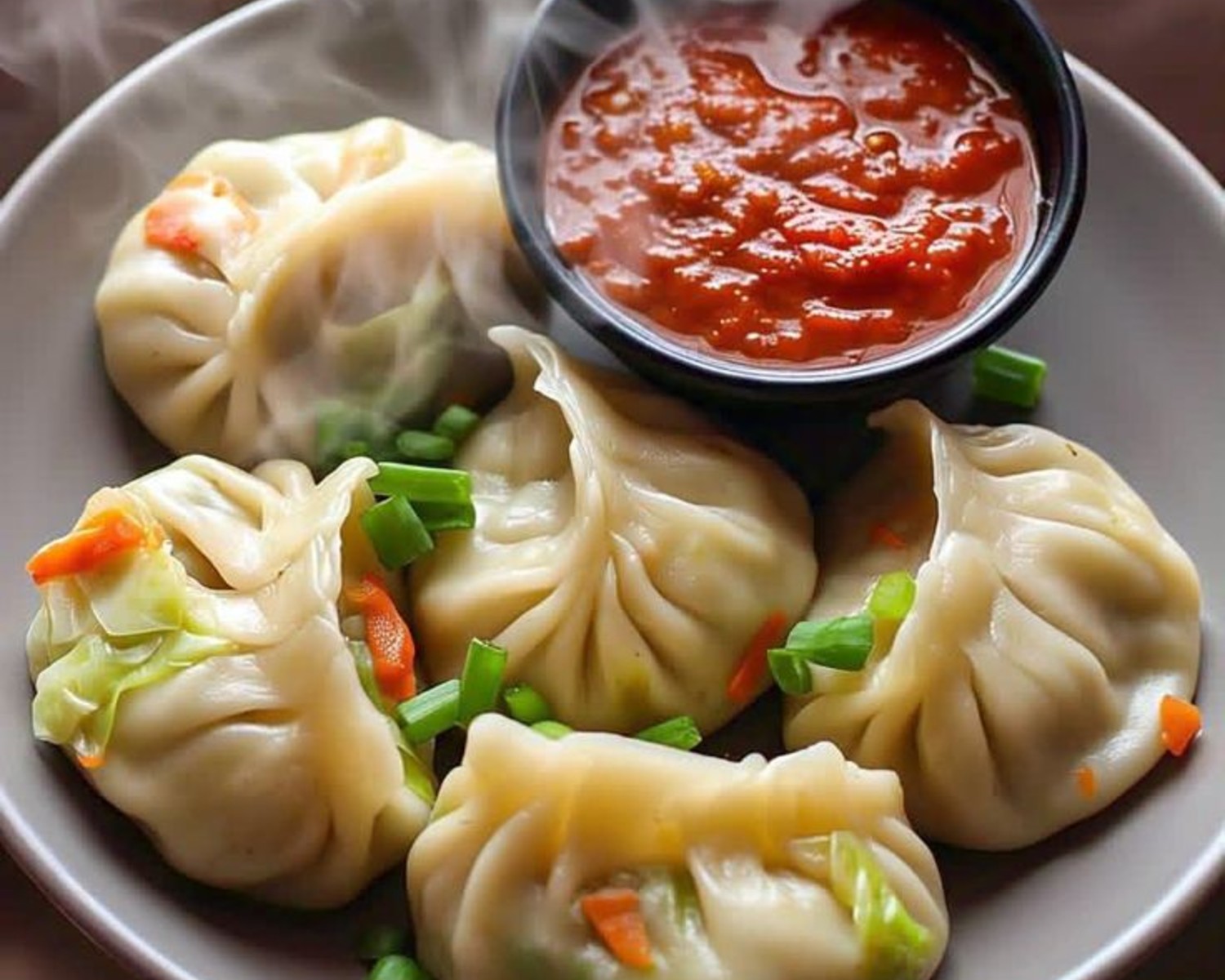
Momos (Dumplings)

Thukpa (Noodle Soup)
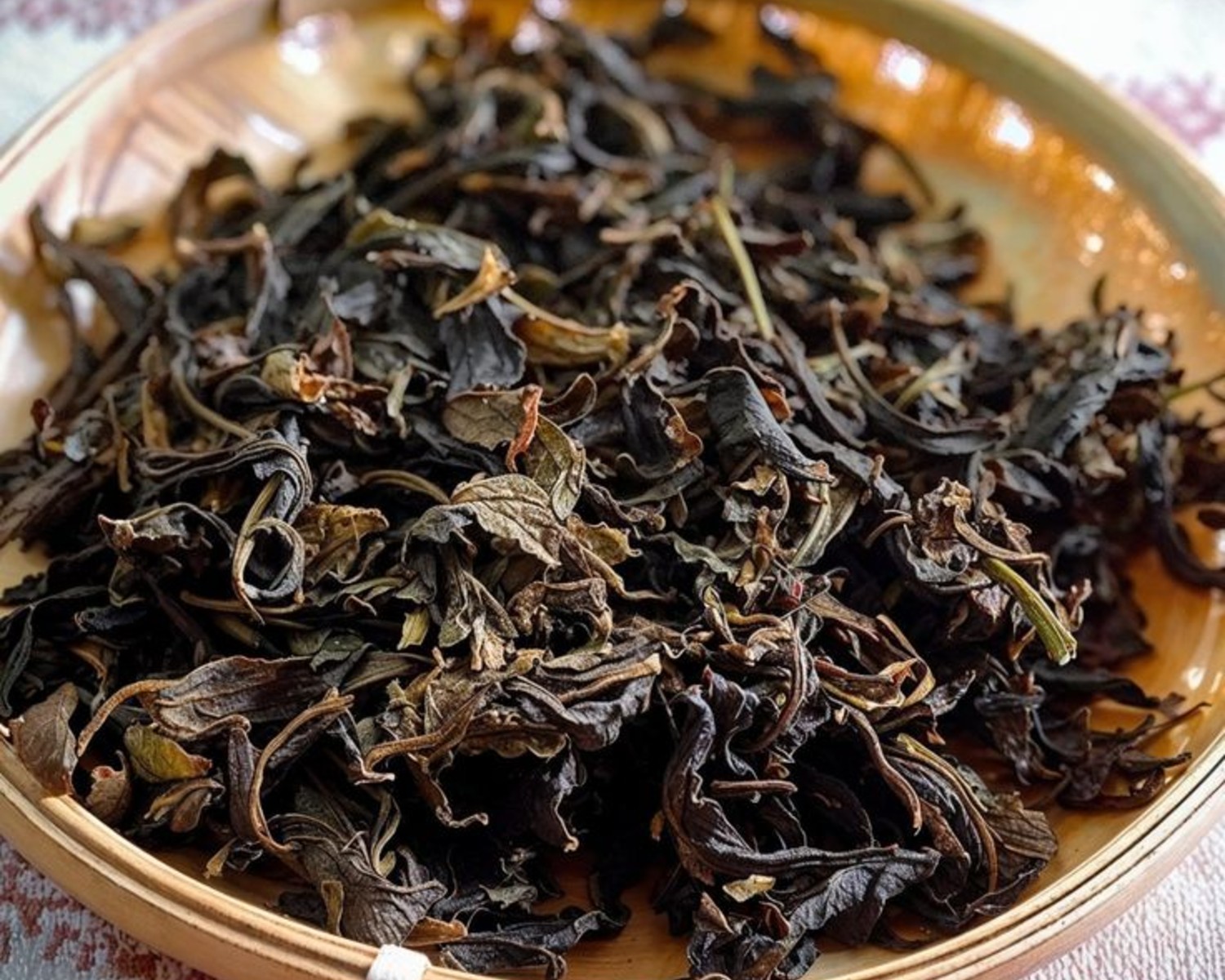
Gundruk (Fermented Greens)

Sha Phaley (Meat Pastry)

Bamboo Shoot Curry
Chura-Momo (Fried Momo)

Sael Roti (Sweet Rice Pancake)
Where to Eat
Traditional Dhabas & Local Cafes
Casual, family-run eateries serving authentic local cuisine. No-frills ambiance. ₹100-300 per meal. Budget-friendly; where locals eat. Authentic flavors. Found throughout Gangtok, towns.
Momo Stalls & Street Vendors
Dedicated momo vendors; various fillings. ₹30-80 per plate. Safe, delicious, authentic. Social gathering spaces. Early morning/evening best times.
Tea Houses & Cafes
Cozy settings for tea, snacks, light meals. Mountain views common. ₹50-200 per person. Authentic Sikkim atmosphere. Perfect for breaks during trekking.
Hotels & Restaurants (3-5 Star)
Modern dining; Indian, Sikkimese, continental cuisines. ₹600-1,500+ per person. Professional service; consistent quality. English-speaking staff. Tourist-friendly.
Dining Etiquette
- •Meals are communal events; take your time, enjoy, engage.
- •Accept offered food/tea graciously; refusing insulting to host.
- •Eat with right hand traditionally; respect local custom.
- •Momos eaten with hands in casual settings; forks at formal dinners.
- •Compliment cook's skills generously; preparation considered spiritual act.
- •Tipping: 10% appreciated at restaurants; not mandatory.
- •Peak dining: lunch 12-2 PM, dinner 6-8 PM.
- •Vegetarian options abundant; inform restaurants of dietary restrictions.
- •Alcohol (beer, local chang) available; Buddhist moderation valued.
- •Street food generally safe; ask locals for recommendations; hygiene varies.
Signature Drinks
Shop & Bring Home
Sikkim's shopping reflects indigenous craftsmanship: Lepcha handwoven textiles (natural dyes, geometric patterns), traditional bamboo baskets, thanka paintings (Tibetan Buddhist art), wooden masks, organic tea (Temi Tea Garden), cardamom, local honey. Markets blend spiritual significance with commerce. Gangtok's MG Marg offers modern shops alongside traditional vendors. Local bazaars provide authentic experiences, direct-from-artisan purchases support livelihoods. Bargaining less intense than Indian plains; quality over quantity valued. Tourist shops exist but local markets offer genuine products.
Handloom Textiles & Apparel
- Lepcha handwoven durry (traditional cotton fabric)
- Thangka paintings (Tibetan Buddhist religious art)
- Traditional shawls with geometric patterns
- Embroidered textiles (natural dyes)
- Sikkimese traditional dress (Bakhu for men, Chuba for women)
Bamboo & Wood Crafts
- Lepcha bamboo baskets (intricate weaving)
- Wooden masks (hand-carved)
- Wood-carved boxes, figurines
- Bamboo furniture (sustainable)
- Traditional hats (Lepcha specialty)
Organic Local Products
- Sikkim organic tea (Temi Tea Garden)
- Green cardamom (authentic organic)
- Local honey (wild-harvested)
- Dried fruits, nuts
- Handicraft spice blends
Spiritual & Religious Items
- Prayer wheels (spinning brass wheels)
- Mala beads (meditation/spiritual)
- Buddhist incense (Himalayan cedar)
- Thangka paintings (authentic Tibetan art)
- Crystal singing bowls
- Prayer flags
Where to Shop (Local Hubs)
MG Marg (Gangtok)
Modern Shopping District
"Lively street with shops, cafes, restaurants. Mix of modern boutiques, traditional craft shops. Tourist-friendly. Fixed prices; less bargaining. Shopping hub; convenient for quick purchases. Vibrant evening atmosphere."
Gangtok Bazaar
Traditional Local Market
"Authentic local market; vegetables, spices, handicrafts. Less touristy than MG Marg. Bargaining expected. Glimpse into daily Sikkimese life. Early morning visits recommended for fresh goods."
Namgyal Institute of Tibetology Gift Shop
Spiritual & Educational Items
"Authentic Buddhist items, books, thangka paintings. Museum-quality merchandise. Supports research/preservation. Spiritual atmosphere; educational purchases."
Temi Tea Garden (Ravangla)
Organic Tea & Agritourism
"Tea estate shop; fresh, organic Sikkim tea. Factory tours available. Tea tasting sessions. Direct from producer; best prices. Beautiful mountain views."
Artisan Cooperatives & Community Shops
Direct-from-Artisan Purchases
"Lepcha women's handicraft cooperatives; bamboo craft centers. 100% support goes to artisans. Meet craftspeople; learn techniques. Authentic items; fair-trade prices."
On the Move
Main Airports
2 options
Pakyong (Sikkim), Bagdogra (West Bengal)
Taxi Apps
Limited availability
Ola/Uber in Gangtok; pre-booking recommended
Altitude Challenge
0-8,586m
Dramatic elevation variations; altitude sickness possible
Airport Arrival
Two main airports serve Sikkim: Pakyong Airport (32 km from Gangtok, Sikkim's own airport) and Bagdogra Airport (126 km away, West Bengal). Bagdogra offers more flight options. Journey to Gangtok: 4-5 hours by taxi, 5-6 hours by bus from Bagdogra. No direct airport-to-Gangtok buses; ground transportation essential.
Travel Tech
Travel Tips
Book taxis at official airport booths or apps; safer than street hails.
Google Maps essential; download offline maps for connectivity issues.
Peak season (Mar-May, Oct-Dec): book transport 2-3 days advance.
Altitude sickness possible (Gangtok at 1,650m); acclimatize gradually.
Mountain roads steep/winding; travel during daylight recommended.
Monsoon (Jul-Sep): landslides possible; check road conditions before travel.
Nathula Pass/high-altitude areas: permits required; arrange through tour operators.
Travel in groups where possible; safer, more enjoyable mountain experience.
Intercity Travel
Flights (Pakyong/Bagdogra)
Air India, IndiGo, SpiceJet operate. Gangtok-Kolkata (90 min); Gangtok-Delhi (3.5 hrs); quick option for long distances. Book 2-3 weeks advance for best prices.
Buses (SNT/Private Operators)
Siliguri/Bagdogra to Gangtok (5-6 hrs, ₹200-860); comfortable coaches. Budget option; scenic mountain routes. Advance booking recommended peak season.
Shared Minibus/Jeep Taxis
Depart when full; less predictable schedules. Budget option (₹100-400 per person). Frequent routes between main towns. Local experience.
Helicopter Service
Bagdogra-Gangtok (20-35 minutes); premium option (₹5,000-8,000). Weather-dependent; booked through STDC. Scenic aerial views.
Visa Entry
Restricted Area Permits & Border Region Entry
Sikkim is a border state requiring special permits for foreign nationals. Indian citizens need valid photo ID for domestic travel; no additional permits required within state. Foreign tourists require Indian Tourist Visa (e-Visa or regular). Additionally, all foreigners must obtain Restricted Area Permit (RAP) for Sikkim entry—issued for 30 days on arrival. Protected Area Permit (PAP) required for high-altitude sensitive areas (Nathula Pass, Gurudongmar Lake). Application processes streamlined; registration at permit offices simple.
Indian Citizens: Present valid government-issued photo ID (Aadhaar, Passport, Voter ID, Driving License) at Gangtok/airport entry.
Foreign Tourists: Visit RAP office in Gangtok (8 AM-8 PM daily) or apply at border entry points.
Documents required: Valid Indian Tourist Visa, passport, 2 passport-size photos, completed application form.
Receive 30-day RAP permit on same day (usually within hours).
For PAP areas (Nathula, high-altitude): Apply through registered tour operators; additional documentation; higher security screening.
Registration
Penalty: Failure to register risks ₹500-2,000 fines; serious violations lead to deportation risk. Registration tracked biometrically.
Entry Requirements
- • For Indian Citizens: Valid government-issued photo ID (Aadhaar most accepted; PAN, Voter ID, Driving License also valid).
- • For Foreign Tourists: Valid passport with 6+ months validity; valid Indian Tourist Visa (e-Visa or regular).
- • Passport-size color photographs (2 copies, white background, taken within 6 months).
- • Completed RAP application form (available at permit offices; simple, straightforward).
- • For PAP areas: Additional requirements, detailed itinerary, registered tour operator sponsorship.
- • Citizens of Pakistan, Afghanistan, China (by birth) require prior Ministry of Home Affairs clearance.
- • Travel insurance recommended (especially for high-altitude trekking/adventure activities).