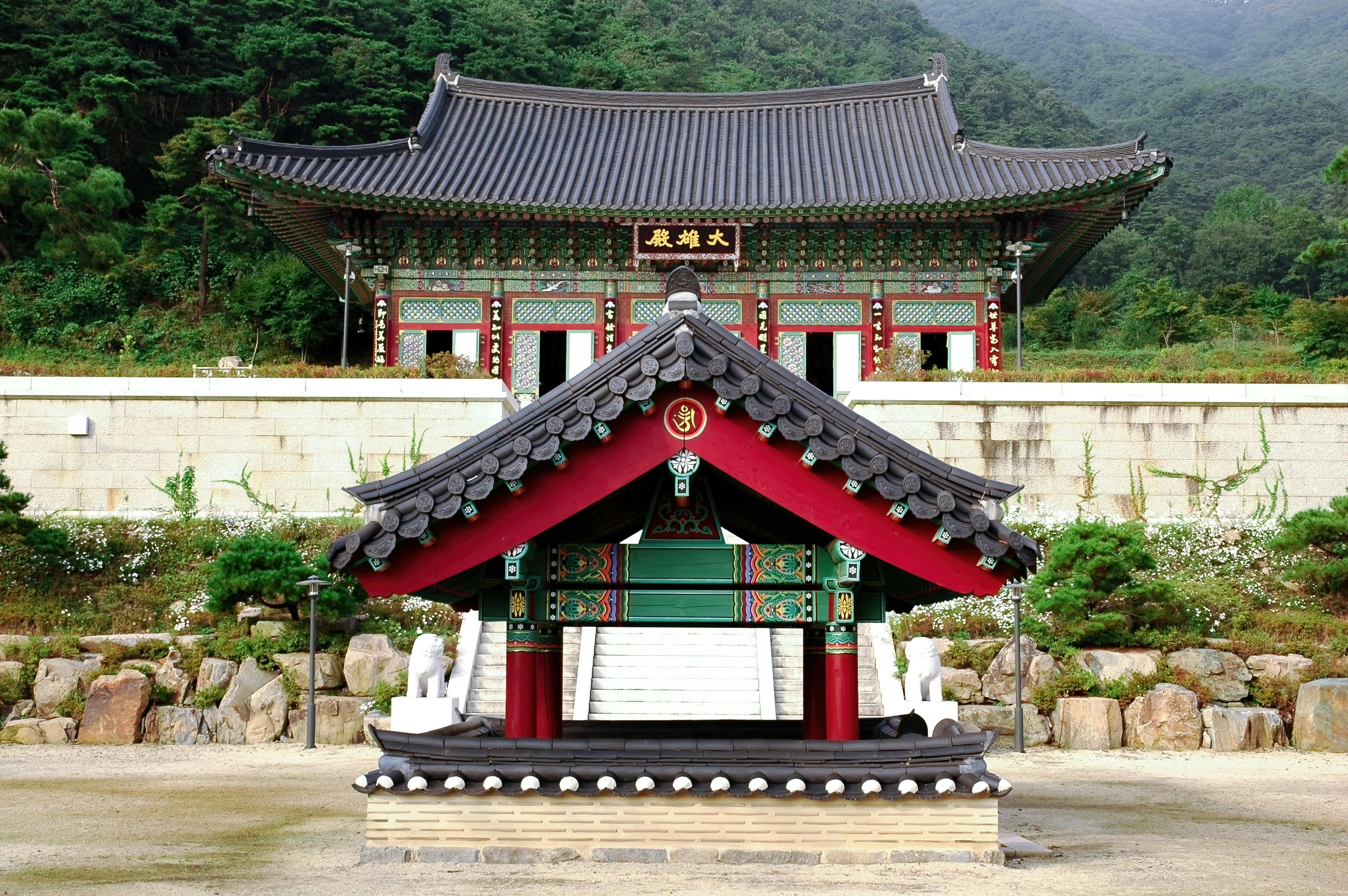
South Korea
factsheet
Ancient temples meet neon-lit cities, K-pop beats blend with traditional arts in Asia's most dynamic nation.
The Essentials
Best Time
Sep - Nov, Mar - May
Currency
KRW (₩)
Climate
4 Seasons, Temperate
Time Zone
UTC+9
Language
Korean
Visa
K-ETA / Visa on Arrival
Capital
Seoul
Population
51.8M
Calling Code
+82
Power Plug
Type C & F (220V)
Tipping
Not customary (service charge included)
Emergency
112 (Police), 119 (Ambulance/Fire)
History & Heritage
From Three Kingdoms to K-Pop Superpower
South Korea’s history spans thousands of years, from ancient kingdoms through periods of foreign influence, including the Japanese occupation of Korea, followed by the devastation of the Korean War and the subsequent division of the peninsula. Despite these challenges, South Korea has transformed into one of the world’s most technologically advanced democracies. Today, it skillfully balances deep reverence for tradition with cutting-edge innovation, making it a compelling destination for those exploring a South Korea history and culture guide.
Ancient Kingdoms (57 BC – 935 AD)
Three major kingdoms—Goguryeo, Baekje, and Silla—dominated the Korean Peninsula, developing distinct cultures, arts, and Buddhist traditions that laid the foundation for Korean civilization.
Goryeo & Joseon Dynasties (935–1910)
Goryeo gave Korea its name; Joseon Dynasty (1392–1910) became one of history's longest-lasting kingdoms. Hangul script was invented in 1443, and Korean culture flourished with ceramics, calligraphy, and philosophy.
Japanese Colonial Period (1910–1945)
Japan occupied Korea, suppressing Korean culture and language. The period left deep scars but also spawned a strong independence movement and national resilience.
Division & Korean War (1945–1953)
After WWII, Korea was divided at the 38th parallel. The Korean War (1950–1953) devastated the peninsula but ended in armistice. The DMZ became one of the world's most fortified borders.
Rapid Industrialization (1962–1997)
Under Park Chung-hee, South Korea transformed from poverty to prosperity through export-led growth, heavy industries, and chaebols (conglomerates). Per capita income skyrocketed from $87 to $10,000.
Democracy & Global Power (1998–Present)
Post-1998 financial crisis reforms strengthened democracy. Today, South Korea leads in semiconductors, automobiles, entertainment (K-pop, K-dramas), and technology—punching far above its weight globally.
Spotlight: Seoul's Transformation
Seoul evolved from a war-torn capital into a megacity of 10 million with cutting-edge skyscrapers, advanced subway systems, and vibrant neighborhoods. It epitomizes South Korea's modernization.
Armistice
1953
Korean War armistice; DMZ established
Industrialization
1962–1997
From poverty to prosperity in 35 years
Democracy Transition
1998
Financial crisis reforms strengthen democracy
Capital
Seoul
World's 5th largest metropolitan area
Climate & Time
Time Zone
Standard
UTC+9 (Korea Standard Time)
Difference
3.5 hours ahead of IST (India Standard Time)
🎯 Best Months
September–November & March–May (Spring & Autumn)
Climate
The climate in South Korea varies significantly by region, offering a diverse range of weather conditions from coastal areas to mountain peaks.
Spring (봄)
Mar – May
5–20°C
Cherry blossoms bloom across the country (late Mar–early Apr); mild, pleasant weather; perfect for hiking and sightseeing.
Summer (여름)
Jun – Aug
20–30°C (humid)
Hot and humid with monsoons (jangma) in June–July; beaches popular; festivals and night markets lively.
Autumn (가을)
Sep – Nov
10–20°C
Golden foliage peaks in October–November; crisp, clear weather; ideal for outdoor exploration and temple visits.
Winter (겨울)
Dec – Feb
-5–5°C
Cold with occasional heavy snow; skiing at resorts; hot springs and warming foods; fewer tourists; budget-friendly.
Seasonal Packing List
Language Guide
Official Language
Korean (한국어)
Korean is spoken by 51+ million people. Hangul, invented in 1443, is one of the world's most logical writing systems. English is taught in schools; younger generations speak English in tourist areas; older generations may speak Japanese or Chinese.
Local Signage
Essential Phrases
Hello
안녕하세요 (Annyeonghaseyo)
Thank you
감사합니다 (Gamsahamnida)
Goodbye
안녕히가세요 (Annyeonghi gaseyo)
Yes / No
네 / 아니요 (Ne / Aniyo)
Please
부탁합니다 (Butakhamnida)
Excuse me
실례합니다 (Sillyehamnida)
How much?
얼마예요? (Eolmayeyo?)
Where is...?
...어디예요? (...Eodiyeyo?)
Currency & Money
Official Currency
South Korean Won
₩ (KRW)
Exchange Rates
Denominations
Banknotes
₩1,000, ₩5,000, ₩10,000, ₩50,000, ₩100,000
Coins
₩10, ₩50, ₩100, ₩500
Culture & Vibes
Modern Yet Traditional, High-Tech Yet Spiritual
"South Korean culture balances Confucian values (respect for elders, education, family) with cutting-edge technology and global trends. K-pop, K-dramas, and Korean cuisine dominate global culture while ancient temples and traditions remain deeply respected."
Respect for Elders
Confucian values dictate deep respect for elders. Bow when greeting or thanking them; use formal language (존댓말 jondaemal); offer seat on public transport.
Temple Etiquette
Remove shoes before entering main halls; be quiet and respectful. Photography may be restricted in some areas. Cover shoulders and knees.
Greetings
Handshakes with slight bow are standard in formal settings. Business cards exchanged with both hands. Bowing also used as greeting, apology, or gratitude.
Public Behavior
Loud behavior discouraged; public transport is quiet zones. Eating on buses/trains frowned upon. Remove hats indoors. Photography of strangers requires permission.
Essential Dos
- • Use both hands when giving/receiving items, especially business cards.
- • Accept business cards with both hands and examine them respectfully.
- • Bow slightly as a sign of greeting, gratitude, or respect.
- • Remove shoes when entering homes and some traditional restaurants.
- • Participate in Korean cultural experiences (temple stays, tea ceremonies, martial arts).
- • Learn basic Korean phrases; Koreans appreciate the effort.
Essential Don'ts
- • Don't touch someone on the head—it's considered disrespectful.
- • Don't refuse food or drink offered; accepting is polite.
- • Don't be loud or boisterous in public spaces, especially restaurants and trains.
- • Don't eat while walking in crowded areas.
- • Don't photograph people without permission.
- • Don't discuss North Korea politics casually.
- • Don't tip—it can be seen as insulting; service charge is included.
Specific Etiquette
Gifting Etiquette
Avoid gifts in sets of four (unlucky number); white flowers (funeral symbol); knives (severing relationships). Gifts presented with both hands. Unwrapped gifts accepted graciously.
Dining Etiquette
Wait for elders to start eating first. Rice placed on right, soup on left. Use spoon for rice/soup, chopsticks for side dishes. Slurping noodles is acceptable. Don't stick chopsticks upright in rice.
Business Etiquette
Punctuality is critical; arrive early. Formal attire expected. Business cards exchanged ceremonially with both hands. Meetings may involve alcohol; declining is acceptable.
From Bibimbap to K-BBQ: A Culinary Journey
Korean cuisine emphasizes bold flavors, fermented foods (kimchi, doenjang), grains, and vegetables. Korean meals are communal, served in multiple small dishes (banchan). Food culture is central to Korean identity and social interaction.
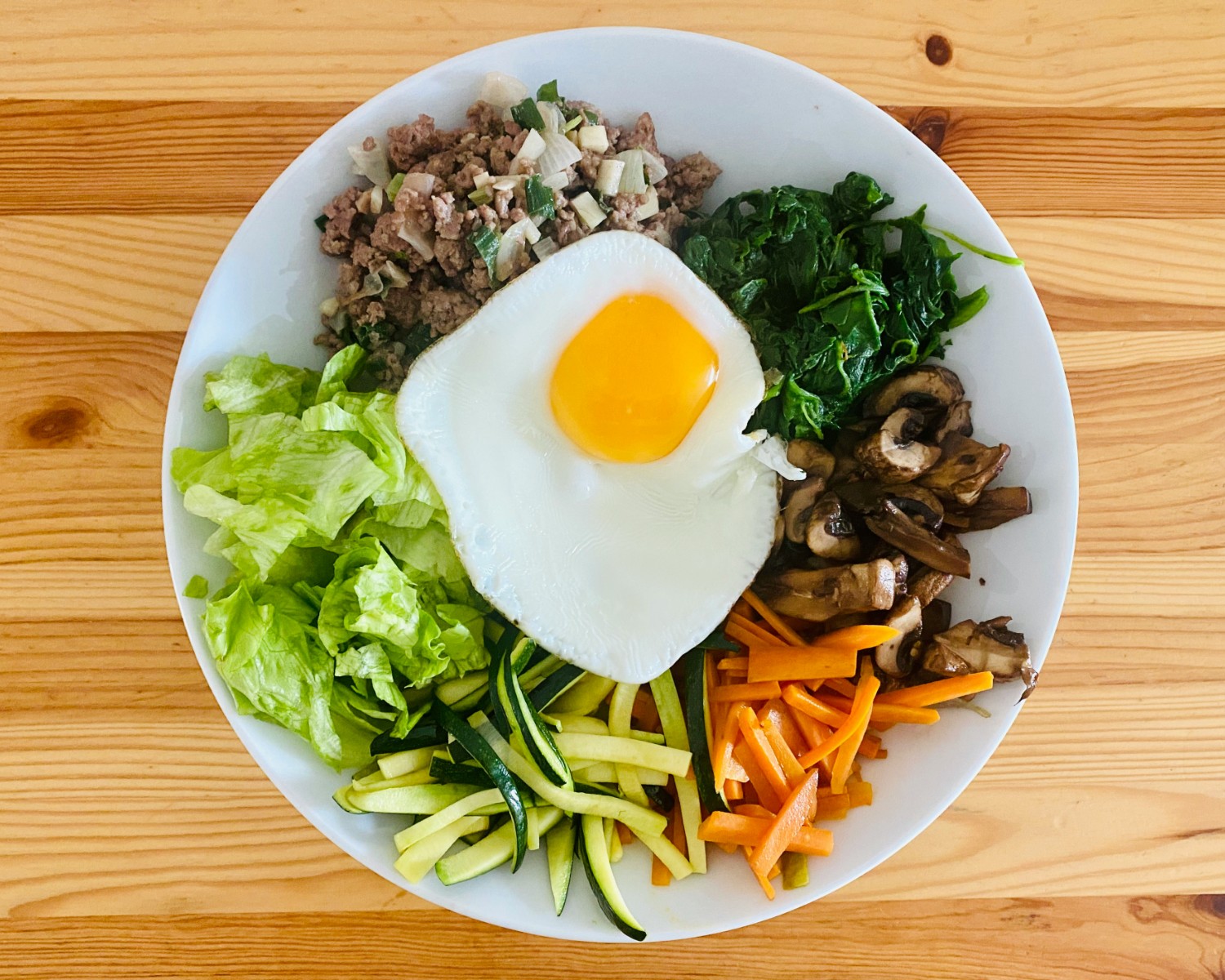
Bibimbap
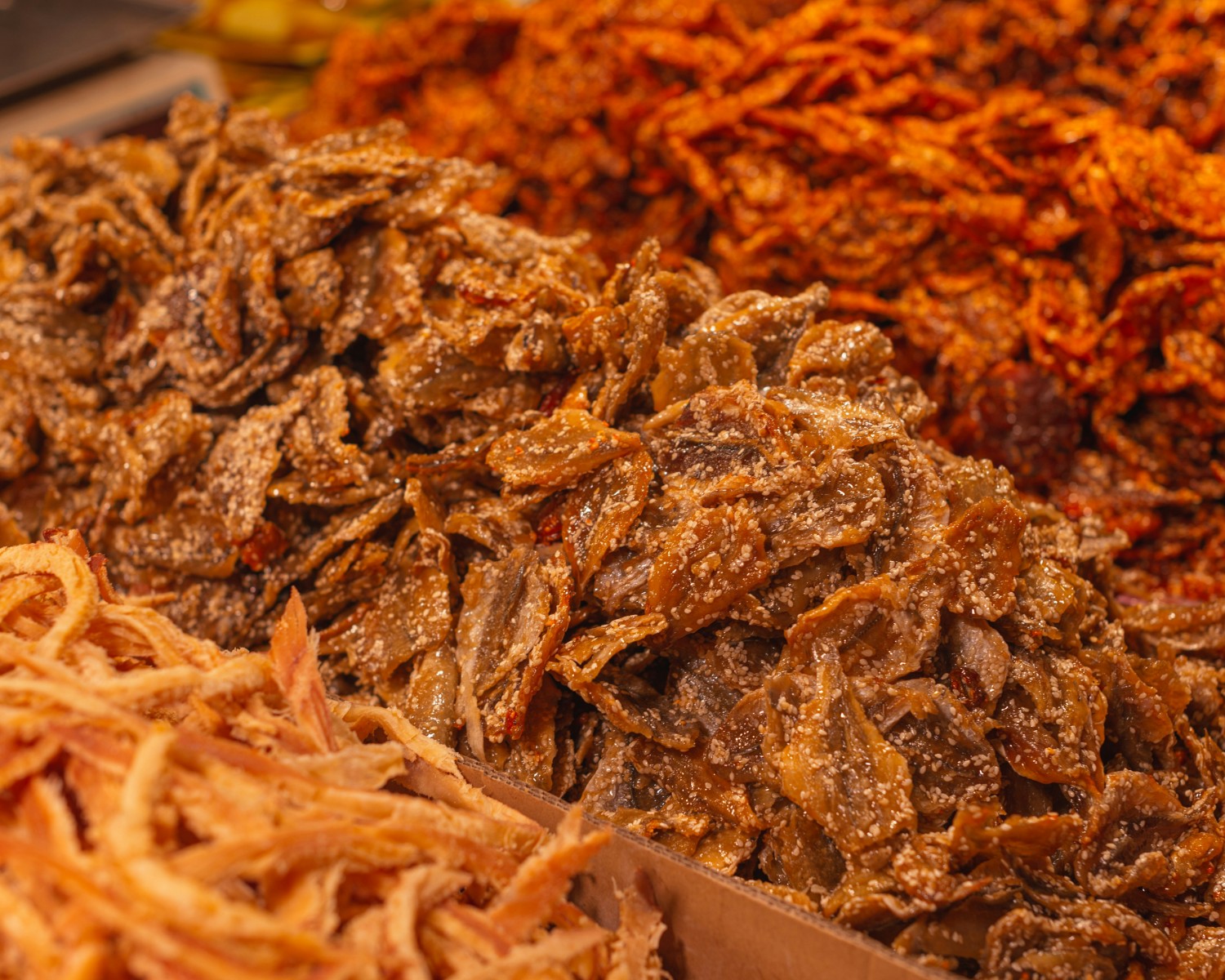
Kimchi
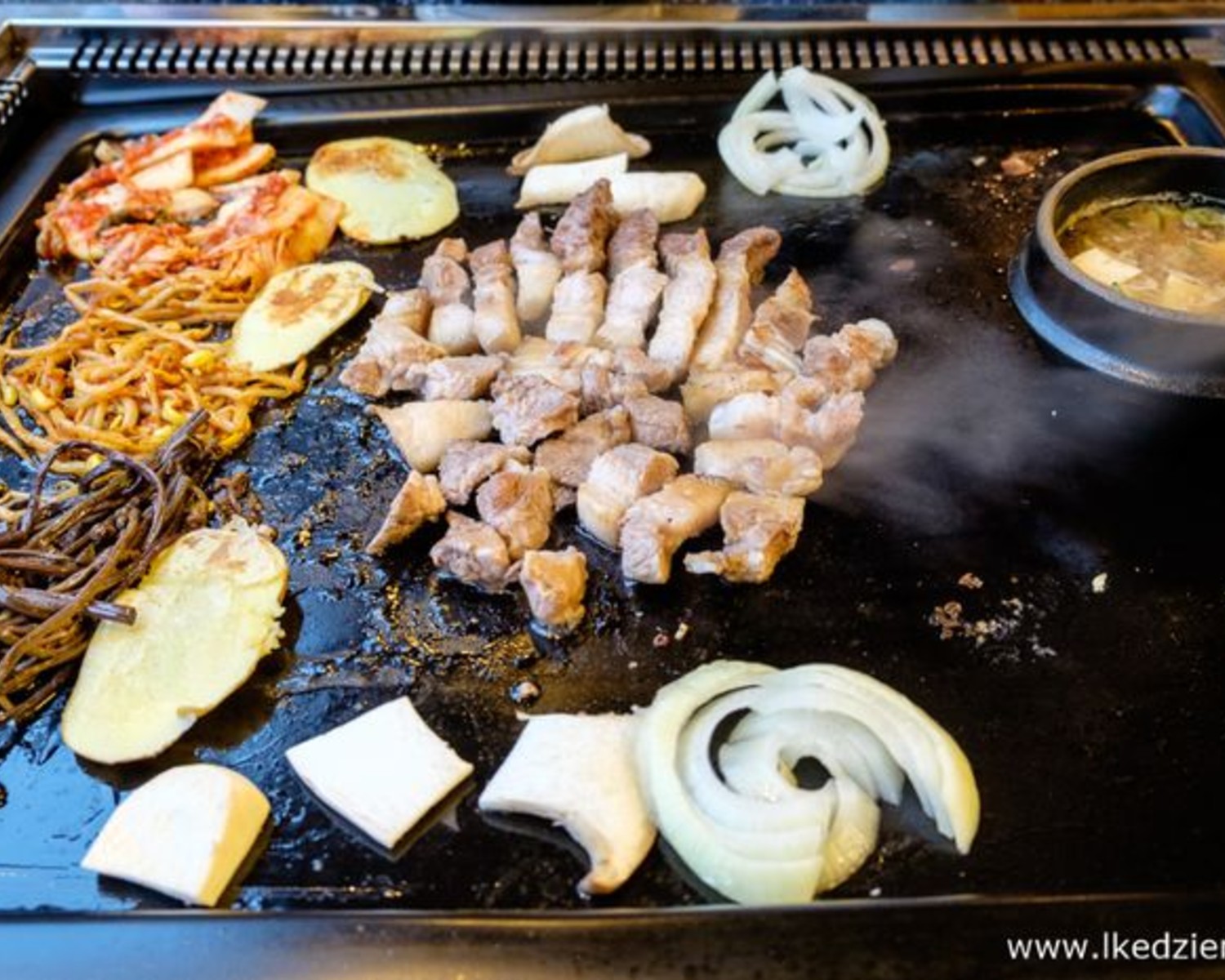
Korean BBQ (Gogigui)
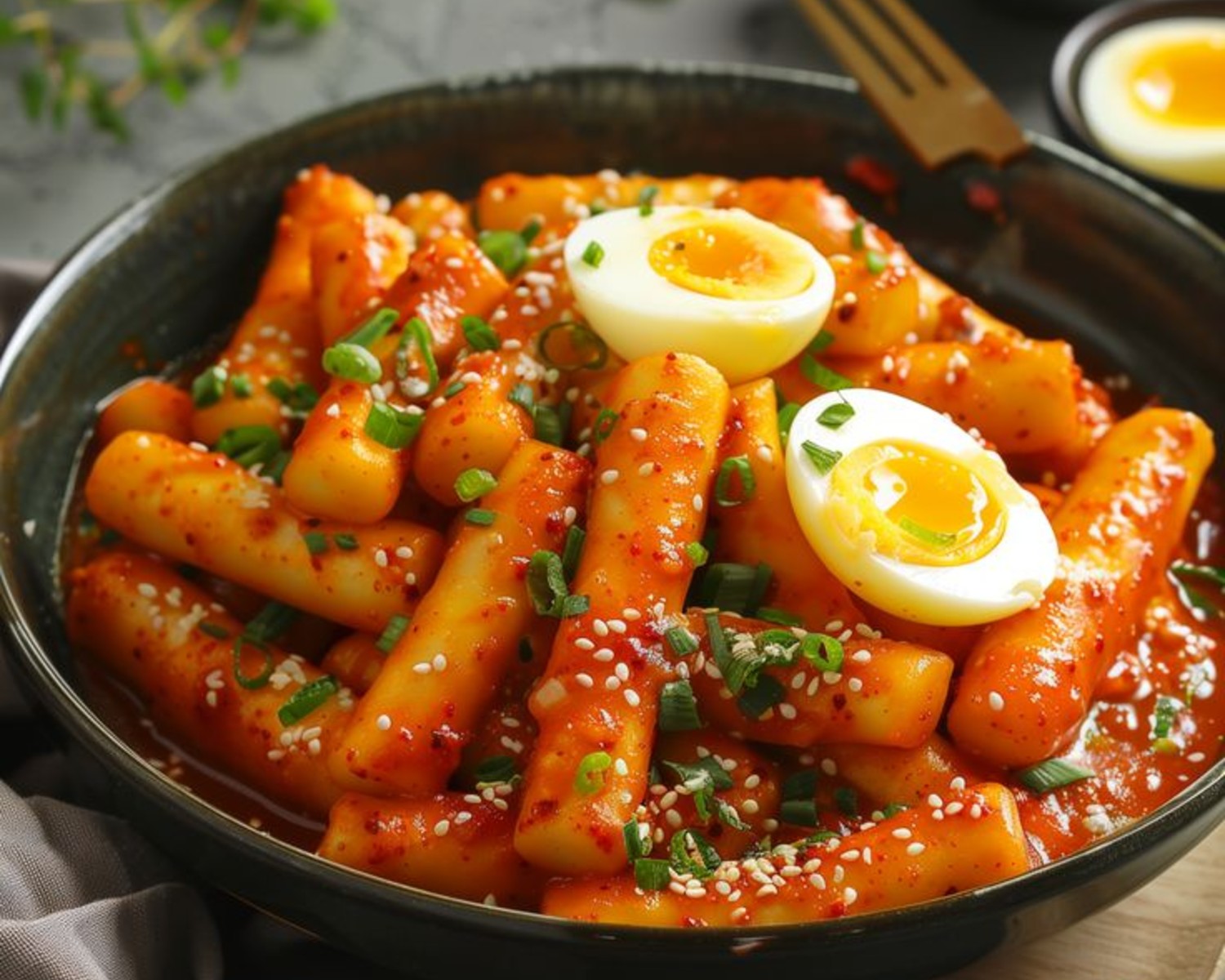
Tteokbokki
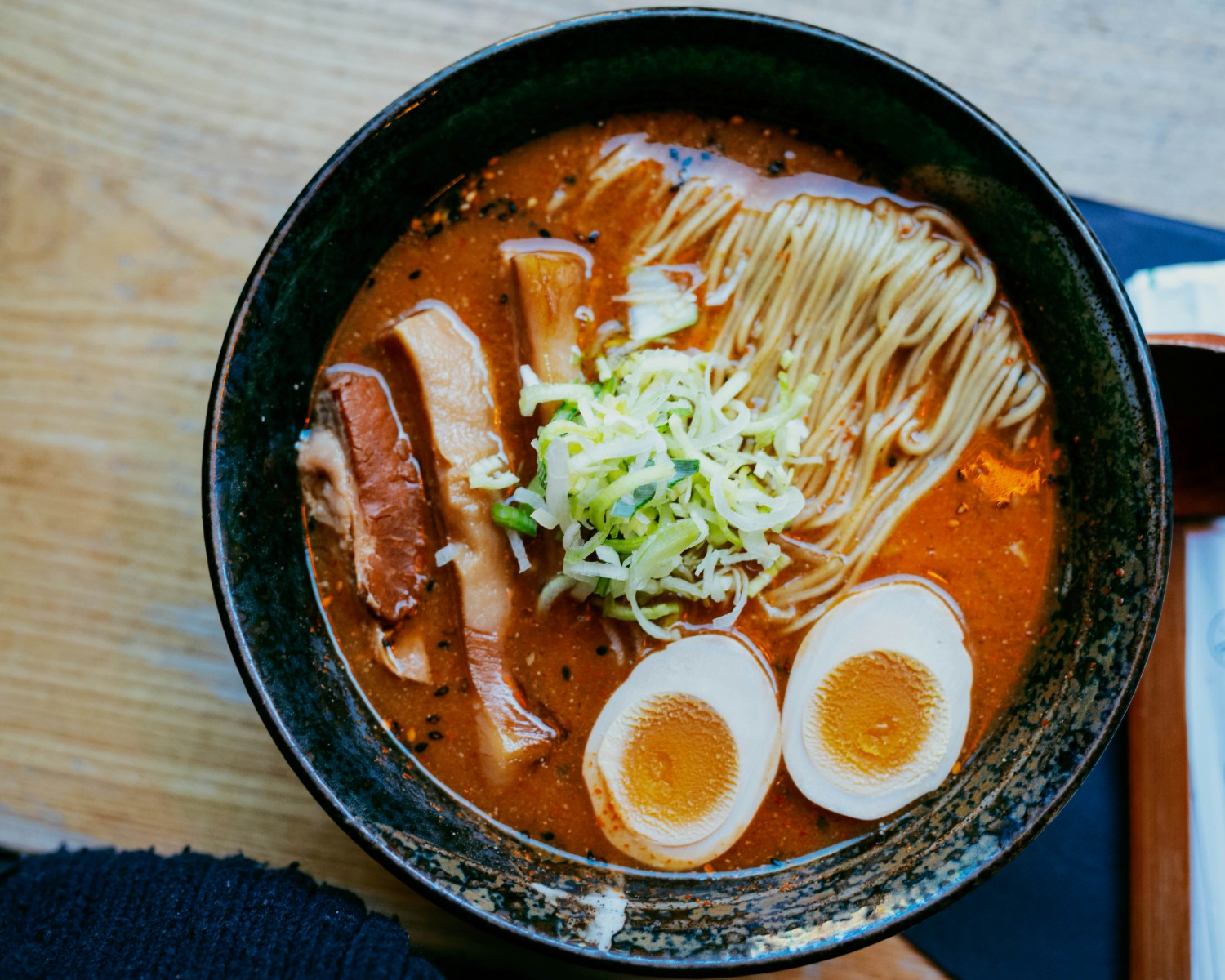
Ramen (Ramyeon)
Where to Eat
Street Food Markets (Pojangmacha)
Vibrant outdoor stalls serving tteokbokki, tempura, hotteok (sweet pastries). ₩3,000–8,000 per item; authentic local experience.
Casual Restaurants (Bunsik)
Simple eateries serving rice bowls, noodles, stews. ₩5,000–12,000 per meal; quick and affordable.
Korean BBQ Houses (Gogigui)
Table-grilling experience; order meat by weight. ₩15,000–40,000 per person; social and fun.
Fine Dining
Michelin-starred restaurants and upscale establishments. ₩50,000–150,000+ per person; contemporary or traditional Korean cuisine.
Dining Etiquette
- •Meals are communal; multiple small dishes (banchan) shared. Try everything.
- •Wait for elders to start eating; respect dining hierarchy.
- •Say 'jitjiksaeyo' (잘 먹겠습니다) before eating and 'jalmeogeosseumnida' (잘 먹었습니다) after.
- •Tipping is not customary; service charge included in upscale restaurants.
- •Restaurants often serve free side dishes (kimchi, pickles); order multiple courses.
- •Alcohol is integral to Korean dining culture; toasts are common.
Signature Drinks
Shop & Bring Home
South Korea is a shopping paradise with world-class malls, vibrant street markets, and K-beauty products. From Myeongdong's cosmetics stalls to Gangnam's luxury boutiques, shopping is a cultural experience.
K-Beauty & Cosmetics
- BB Creams & CC Creams
- Sheet Masks (highly popular)
- Toners & Essences
- Korean Skincare Brands
Fashion & Streetwear
- Korean High Street Fashion
- Designer Brands (Chanel, Dior)
- Vintage & Thrifting Shops
- K-pop Merchandise
Electronics & Tech
- Smartphones
- Laptops
- Gaming Peripherals
- Latest Gadgets
Traditional & Local
- Ginseng Products
- Traditional Tea
- Ceramic Pottery
- Korean Hanbok (Traditional Dress)
Where to Shop (Local Hubs)
Myeongdong
K-Beauty & Youth Fashion
"World's largest cosmetics shopping district; crowded but vibrant; perfect for K-beauty products; street food available."
Gangnam
Luxury Shopping & Fashion
"Upscale malls (Luxury Galaxy, Hyundai Department Store); designer boutiques; high-end dining; affluent atmosphere."
Dongdaemun
Fashion Market & Street Shopping
"Affordable clothing, fabrics, and wholesale shopping; dodong market famous for nighttime shopping; haggling possible."
Insadong
Traditional Crafts & Antiques
"Korean antiques, ceramics, paintings, traditional tea; quaint galleries; cultural museums; less touristy vibes."
Yongsan Electronics Market
Tech & Electronics
"Largest electronics market in Asia; bargaining possible; latest gadgets; can be overwhelming for first-timers."
On the Move
Main Airport
ICN
50 km west; 60 min to Seoul center
Subway Network
27 lines, 800+ stations
World's largest metro system by number of lines
Transit Apps
Naver/Kakao Map
Real-time navigation and payment
Airport Arrival
Incheon International Airport (ICN) is Seoul's main airport, 50 km west of city center. Journey to center: 60 minutes by express train, 90 minutes by bus.
Travel Tech
Travel Tips
Get a T-money card on arrival for seamless transit; saves 5–10% on fares.
Download Naver Map or Kakao Map for flawless navigation; better than Google Maps in Korea.
Subway during rush hours (7–9 AM, 5–7 PM) is crowded; travel off-peak if possible.
Women-only cars available on subways during peak hours.
Buses and taxis accept T-money cards and credit cards; cash increasingly less needed.
Intercity Travel
High-Speed KTX Train
Bullet trains connecting Seoul to Busan (3 hours), Gwangju, and others. Comfortable, scenic, reliable. Book in advance.
Express Buses & Intercity Buses
Cheap alternative; longer journey times but affordable (₩10,000–30,000 depending on distance).
Domestic Flights
Limited domestic routes; generally prefer trains. Airlines include Korean Air, Asiana.
Rental Cars
International driver's license required. Drive on right. Highways well-maintained; traffic heavy around Seoul.
BakıKart
T-money Card: Rechargeable smart card for subway, buses, and taxis. Available at convenience stores (CU, GS25, CU).
Visa Entry
K-ETA or Visa on Arrival for Indians
Indian citizens can apply for an electronic travel authorization (K-ETA) online or obtain a tourist visa. The K-ETA process is faster and cheaper than traditional visas.
Option 1 (K-ETA): Visit official K-ETA portal (www.k-eta.go.kr), fill application, upload documents, pay fee. Approval within 1–3 days via email.
Option 2 (Tourist Visa): Apply at Korean Embassy/Consulate or through visa agents; processing takes 5–10 days.
Present K-ETA approval (printed or digital) or visa at immigration on arrival.
Proceed through immigration clearance.
Registration
Penalty: Overstays incur fines (₩100,000+ per day) and potential deportation.
Entry Requirements
- • Valid Indian passport with at least 6 months validity beyond intended stay.
- • Recent passport-size photograph (digital for K-ETA; physical for visa).
- • Return or onward flight ticket.
- • Proof of accommodation (hotel booking or invitation letter).
- • Proof of sufficient funds (bank statements or credit cards).
- • Valid email address for K-ETA communications.
- • Travel insurance recommended (not mandatory).