Tanzania
factsheet
Where the Serengeti's Great Migration Roars, Kilimanjaro Touches the Clouds, and Swahili Culture Meets Pristine Island Paradise.
The Essentials
Best Time
Jun - Oct (Dry Season)
Currency
TZS (Shilling)
Climate
Tropical & Coastal
Time Zone
UTC+3
Language
Swahili, English
Visa
eVisa Available
Capital
Dodoma
Population
63.6M
Calling Code
+255
Power Plug
Type D & G (230V)
Tipping
10-15% (guides & safari staff)
Emergency
112
History & Heritage
From Ancient Kingdoms to Modern Nation: The Cradle of Humanity
Tanzania is often called the 'Cradle of Humanity' with some of the oldest human fossils discovered at Olduvai Gorge. Its history spans ancient trade routes, powerful Swahili city-states, European colonization, and a peaceful transition to independence. When you choose to book our Tanzania holiday packages with our expert travel planners, you will find it stands as one of Africa's most stable nations, famous for its wildlife conservation, cultural diversity, and unforgettable wildlife safaris.
Early Human Settlement (2 Million+ Years Ago)
Olduvai Gorge in northern Tanzania contains some of the oldest hominid fossils ever discovered, earning Tanzania the title 'Cradle of Humanity.' Early hunter-gatherer societies like the Hadzabe and Sandawe still inhabit parts of the country today.
Bantu Migrations & Iron Age (1000 BC - 1000 AD)
Bantu-speaking peoples migrated into the region, bringing iron-working technology and agricultural practices. These migrations formed the foundation for many of Tanzania's modern ethnic groups and laid the groundwork for settled communities and trade networks.
Swahili Coast & Trade Empires (8th - 16th Century)
The Swahili Coast flourished as a hub of Indian Ocean trade, connecting Africa with Arabia, Persia, India, and China. Powerful city-states like Kilwa Kisiwani grew rich from gold, ivory, and slave trade. Swahili culture and language emerged from this cultural fusion.
European Exploration & Colonization (19th Century)
European explorers like Livingstone and Burton arrived. Germany established German East Africa (1885-1919), building infrastructure but imposing harsh rule. The Maji Maji Rebellion (1905-1907) was a significant anti-colonial uprising that unified diverse ethnic groups against German rule.
British Rule & Tanganyika (1919-1961)
After WWI, Britain took control under a League of Nations mandate. Tanganyika developed economically but independence movements grew. Julius Nyerere's Tanganyika African National Union (TANU) led the peaceful struggle for independence, achieved in 1961.
Independence & Union (1961-1964)
Tanganyika gained independence in 1961 under Prime Minister Julius Nyerere. Zanzibar followed in 1963. In 1964, the two nations united to form the United Republic of Tanzania, creating one of Africa's most successful political unions.
Ujamaa Socialism & Modern Development (1967-Present)
Nyerere implemented Ujamaa (African socialism), focusing on rural development and self-reliance. While economically challenging, it promoted national unity and education. Since the 1980s, Tanzania has transitioned to a market economy while maintaining political stability, becoming a leader in wildlife conservation and African diplomacy.
Spotlight: Kilwa Kisiwani - Island of Kings
Once the most powerful trading city on the Swahili Coast (13th-16th century), Kilwa controlled gold trade from Zimbabwe to the Middle East. Its Great Mosque and Husuni Kubwa palace ruins are UNESCO World Heritage sites, showcasing sophisticated stone architecture and the wealth of medieval African kingdoms.
Independence
1961
Tanganyika independence from Britain
UNESCO Sites
7
Including Serengeti, Kilwa, Ngorongoro
Ethnic Groups
120+
Bantu majority with Nilotic & others
Wildlife Area
30% of land
Protected national parks & reserves
Climate & Time
Time Zone
Standard
UTC+3 (East Africa Time - EAT)
Difference
2 hours and 30 minutes behind IST (India Standard Time)
🎯 Best Months
June, July, August, September, October
Climate
The climate in Tanzania varies significantly by region, offering a diverse range of weather conditions from coastal areas to mountain peaks.
Long Dry Season
Jun – Oct
20–30°C
BEST FOR SAFARI! Animals congregate at waterholes, skies clear, roads passable. Cool nights in highlands. Peak season for Serengeti migration (Jul-Oct). Optimal climbing conditions for Kilimanjaro.
Short Rains
Nov – Dec
25–35°C
Lush landscapes, fewer tourists, lower prices. Rain usually brief afternoon showers. Good for photography with dramatic skies. Some roads may become difficult. Migration in southern Serengeti.
Short Dry Season
Jan – Feb
25–35°C
Hot but pleasant. Calving season in Serengeti - predator action high. Good beach weather in Zanzibar. Wildebeest calving in southern plains. Popular for birdwatching.
Long Rains
Mar – May
25–32°C
Heavy rainfall, many lodges close, roads often impassable. Low season prices. Lush, green landscapes. Few tourists. Not ideal for safari but good for cultural experiences and Zanzibar (less rain on coast).
Seasonal Packing List
Language Guide
Official Language
Swahili (Kiswahili)
Swahili is the national language and lingua franca, spoken by nearly all Tanzanians. English is the official language of government, business, and higher education. In tourist areas, most people speak English well. Learning basic Swahili greetings is greatly appreciated and enhances interactions.
Local Signage
Essential Phrases
Hello
Jambo / Habari
Thank you
Asante
Goodbye
Kwaheri
Yes / No
Ndiyo / Hapana
Please
Tafadhali
Excuse me
Samahani
How much?
Bei gani?
Where is...?
...iko wapi?
Currency & Money
Official Currency
Tanzanian Shilling
TSh (TZS)
Exchange Rates
Denominations
Banknotes
TSh 500, 1,000, 2,000, 5,000, 10,000
Coins
TSh 50, 100, 200
Culture & Vibes
Warm Hospitality Meets Diverse Traditions
"Tanzanian culture is a rich tapestry of over 120 ethnic groups united by Swahili language. Known for 'hakuna matata' (no worries) attitude, warm hospitality, and strong community values. Respect for elders, communal living, and celebration through music and dance are central. Despite modernization, traditional customs remain vibrant alongside Islamic and Christian influences."
Greeting Etiquette
Greetings are important and often lengthy. Shake hands, ask about family and health. Use right hand for giving/receiving. Elders greeted first with respect.
Modest Dress
Conservative dress appreciated, especially outside tourist areas and in Zanzibar. Women should cover shoulders and knees. Beachwear only at beaches/resorts.
Photography Respect
Always ask permission before photographing people. Some ethnic groups (like Maasai) may expect payment. Never photograph government/military buildings.
Respect Traditions
Respect local customs and beliefs. Remove shoes before entering homes/mosques. Use right hand for eating. Public displays of affection frowned upon.
Essential Dos
- • Learn basic Swahili greetings - shows respect and appreciation
- • Dress modestly, especially in Zanzibar and rural areas
- • Use right hand for eating, shaking hands, giving/receiving items
- • Ask permission before taking photos of people
- • Accept hospitality when offered (food, drink)
- • Bargain politely in markets (not in fixed-price shops)
- • Respect wildlife and park rules during safaris
- • Remove shoes when entering homes or mosques
Essential Don'ts
- • Don't use left hand for eating or passing items (considered unclean)
- • Don't point with finger - use whole hand or chin
- • Don't public displays of affection
- • Don't disrespect elders or traditional authority
- • Don't wear beachwear outside beach/resort areas
- • Don't discuss politics or criticize government
- • Don't touch someone's head (considered sacred)
- • Don't waste food or water (precious resources)
Specific Etiquette
Dining Etiquette
Eat with right hand only (no utensils in traditional settings). Wash hands before and after meal. Elders served first. Leave a little food on plate to show you're satisfied. Burping is acceptable compliment.
Gifting Etiquette
Gifts are appreciated but not expected. Present gifts with right hand or both hands. Don't open immediately in front of giver. Useful items from your country make good gifts.
Business Etiquette
Formal but friendly. Punctuality appreciated but flexible ('African time'). Handshakes important. Business cards exchanged. Build relationship before discussing business.
Swahili Flavors: Spiced Coastal Cuisine & Hearty Staples
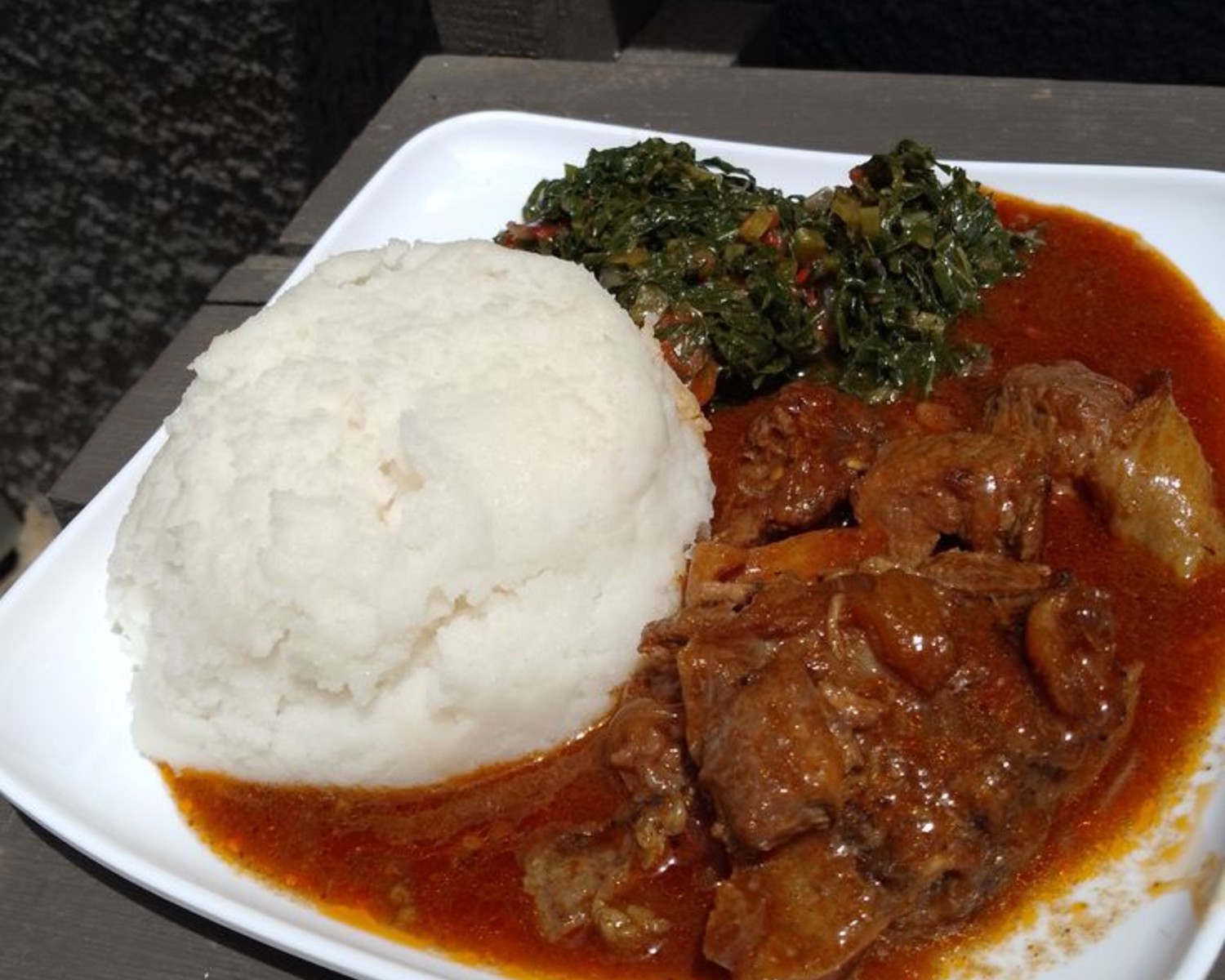
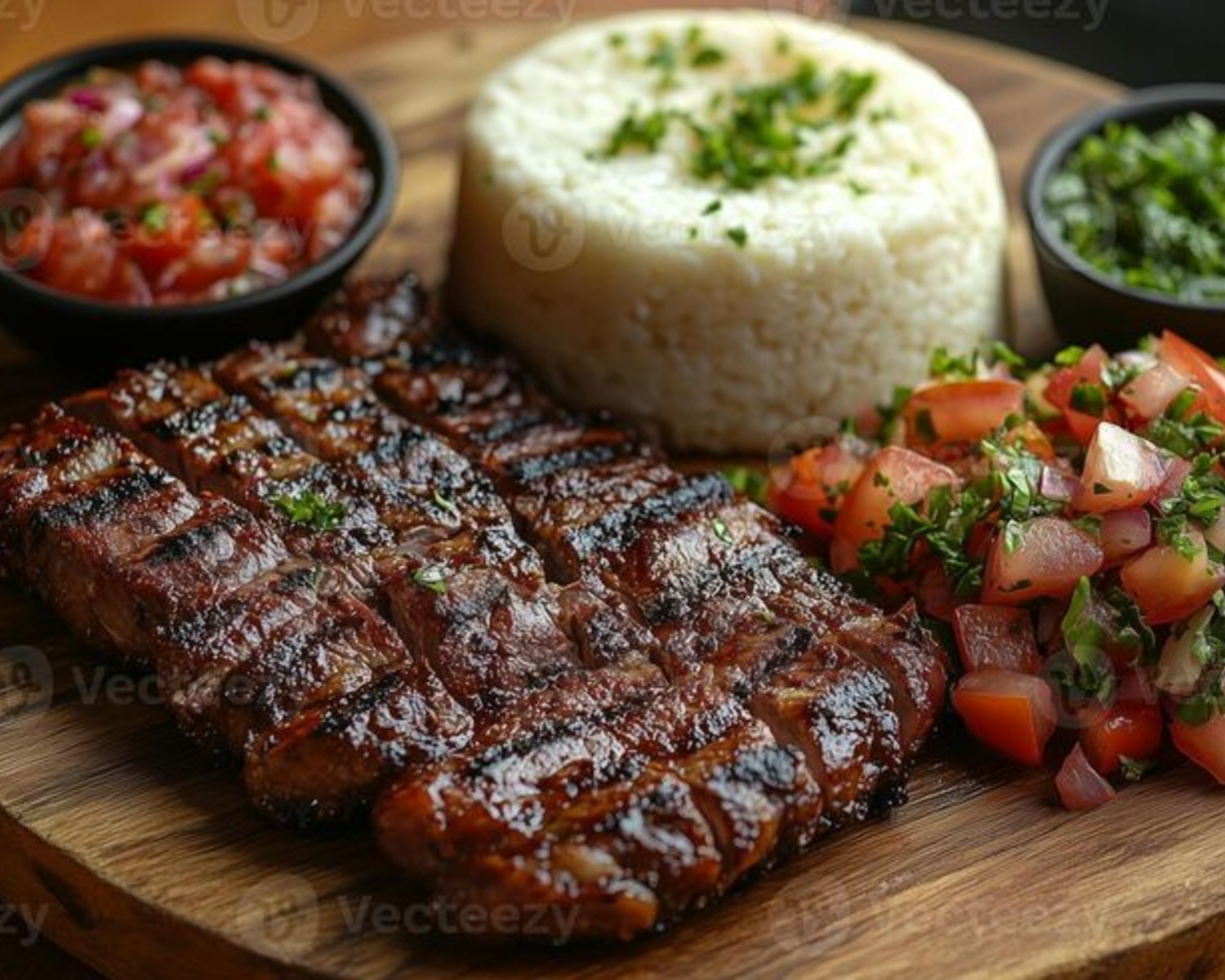
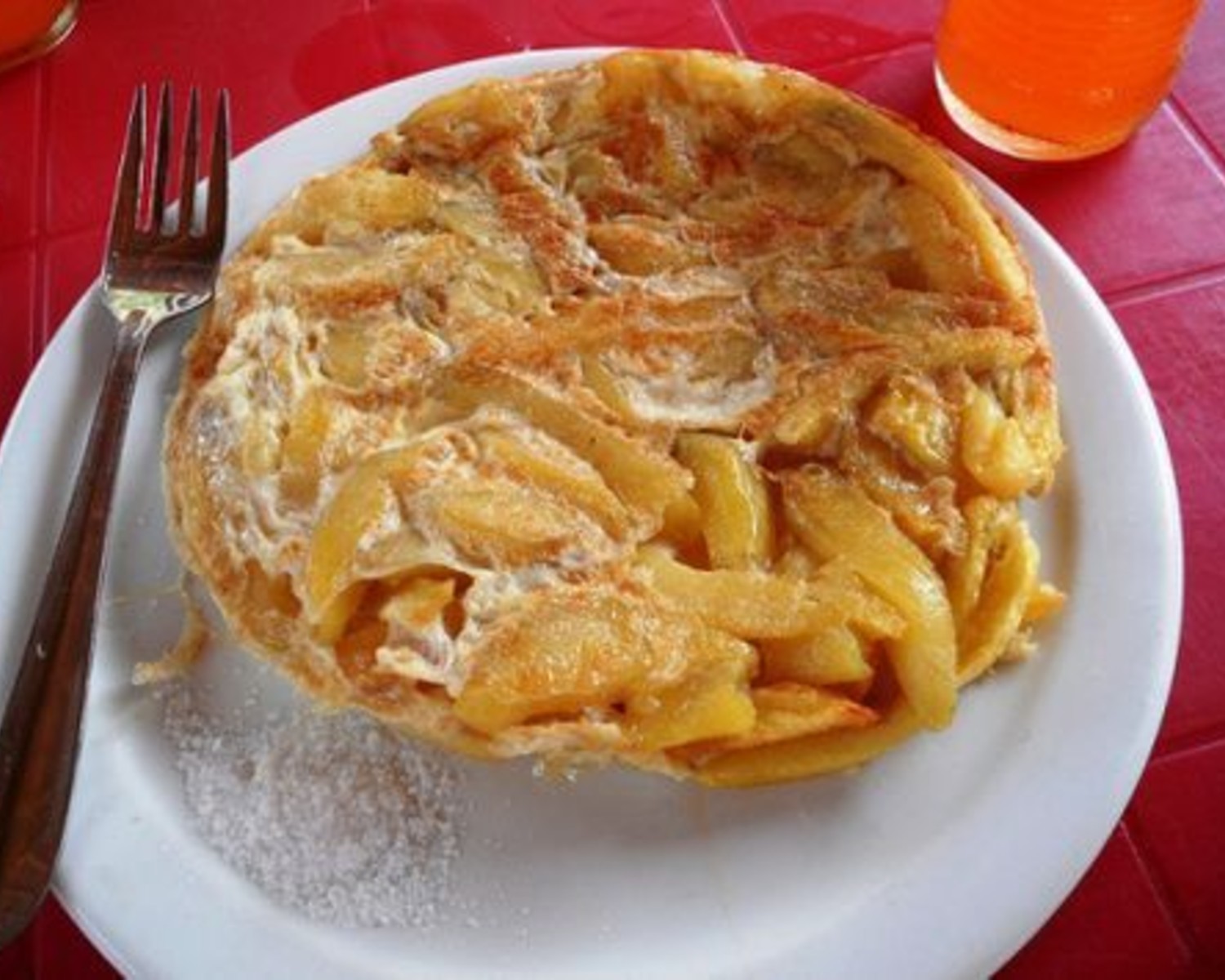
Tanzanian cuisine reflects its diverse influences—Swahili coastal spices, Indian curries, and African staples. Coconut, cassava, plantains, and maize form the foundation, while coastal areas feature rich seafood curries with Arabic and Indian spices. Street food is vibrant and flavorful.
Ugali
Nyama Choma

Pilau
Chipsi Mayai
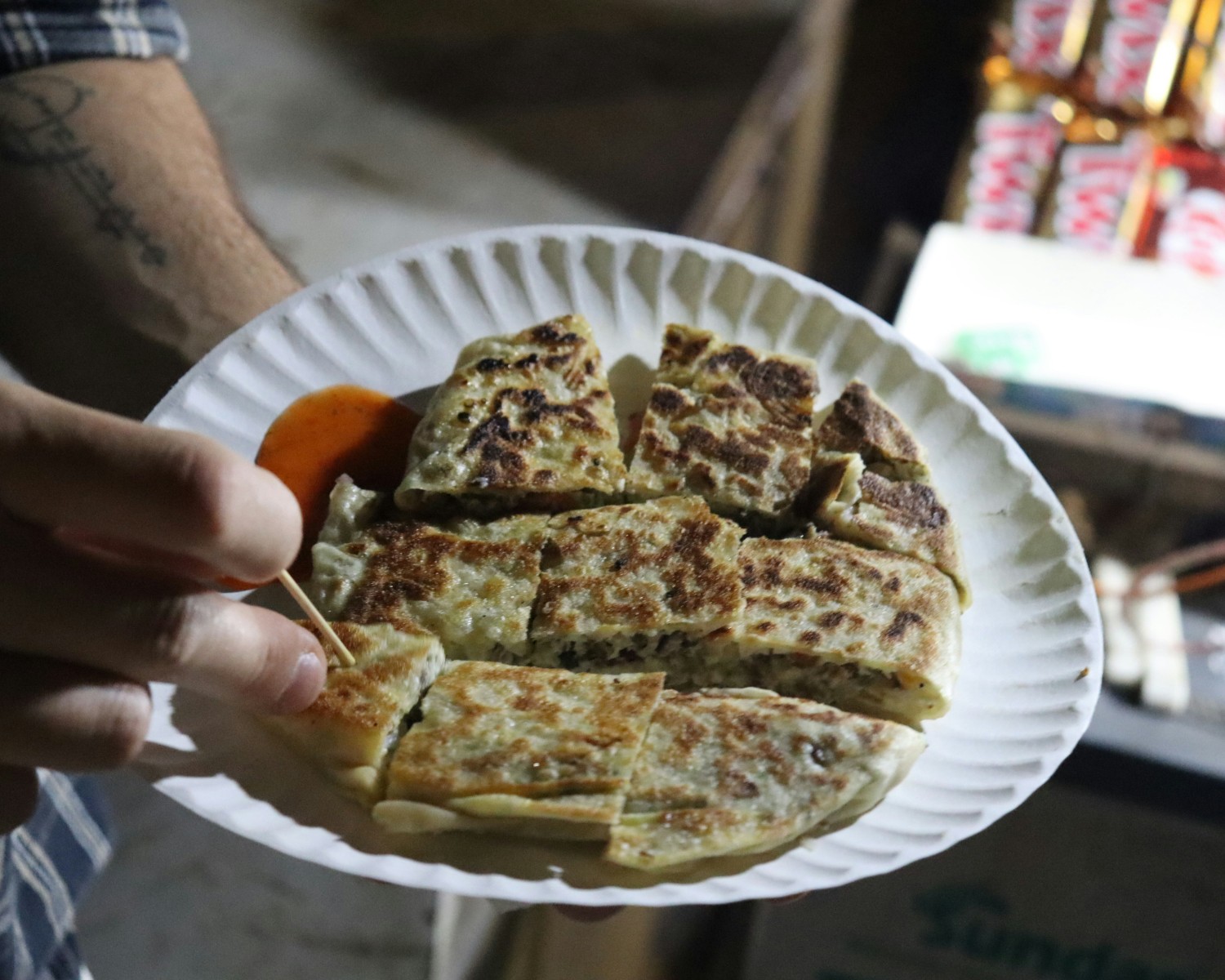
Zanzibar Pizza

Mandazi
Mishkaki
Where to Eat
Mama Lishe (Street Food)
Women-run street food stalls serving affordable local dishes. Best for authentic experience. $1-3 per meal.
Local Restaurants
Simple eateries serving ugali, rice, stews. $3-7 per meal. Basic but authentic.
Lodge/Restaurant Dining
Safari lodges and upscale restaurants. $15-40 per meal. International and local cuisine.
Zanzibar Night Market
Forodhani Gardens night market in Stone Town. Seafood grills, Zanzibar pizza, snacks. $2-10. Lively atmosphere.
Dining Etiquette
- •Eat with right hand only in traditional settings (utensils in restaurants).
- •Wash hands before and after meal (bowl of water often provided).
- •Elders served first as sign of respect.
- •Leave a little food on plate to indicate you're satisfied (clean plate means you want more).
- •Burping after meal is acceptable compliment to cook.
- •Remove shoes before entering some traditional homes.
- •Don't pass food or eat with left hand.
Signature Drinks
Shop & Bring Home
Tanzanian shopping offers authentic African crafts, precious stones, and cultural artifacts. From Maasai beadwork to Tanzanite gemstones, shopping supports local artisans. Markets are vibrant cultural experiences where bargaining is expected.
Traditional Crafts
- Maasai beadwork (jewelry, belts)
- Tinga Tinga paintings
- Wood carvings (Makonde tribe)
- Batik fabrics (kangas, kitenges)
- Baskets & woven goods
Gemstones & Jewelry
- Tanzanite (unique to Tanzania)
- Tsavorite garnet
- Ruby
- Silver jewelry with African designs
- Beaded necklaces
Textiles & Clothing
- Kanga & Kitenge (African fabrics)
- Traditional clothing
- Batik shirts/dresses
- Maasai shukas (blankets)
- Beaded sandals
Coffee & Spices
- Kilimanjaro/Around coffee
- Zanzibar spices (cloves, cinnamon, pepper)
- Vanilla beans
- Coconut products
- Local teas
Where to Shop (Local Hubs)
Mwenge Woodcarvers Market
Crafts & Carvings
"Dar es Salaam's largest craft market. Hundreds of stalls selling wood carvings, paintings, beadwork. Makonde tribe famous for intricate carvings. Bargaining essential."
Zanzibar Stone Town Markets
Spices & Crafts
"Darajani Market for spices, fabrics, food. Memorial Market for souvenirs. Forodhani area for evening shopping. Authentic Zanzibar experience."
Maasai Markets
Beadwork & Crafts
"Near national park entrances (Arusha, Serengeti gate). Authentic Maasai beadwork directly from artisans. Prices higher but quality better."
Tanzanite Experience
Gemstones
"Authorized dealers in Arusha and Dar. Learn about tanzanite mining and certification. Guaranteed genuine stones with paperwork."
Kariakoo Market
Everything Local
"Dar es Salaam's bustling central market. Overwhelming but authentic. Everything from fabrics to electronics. Not for faint-hearted tourists."
On the Move
Main Airport
DAR
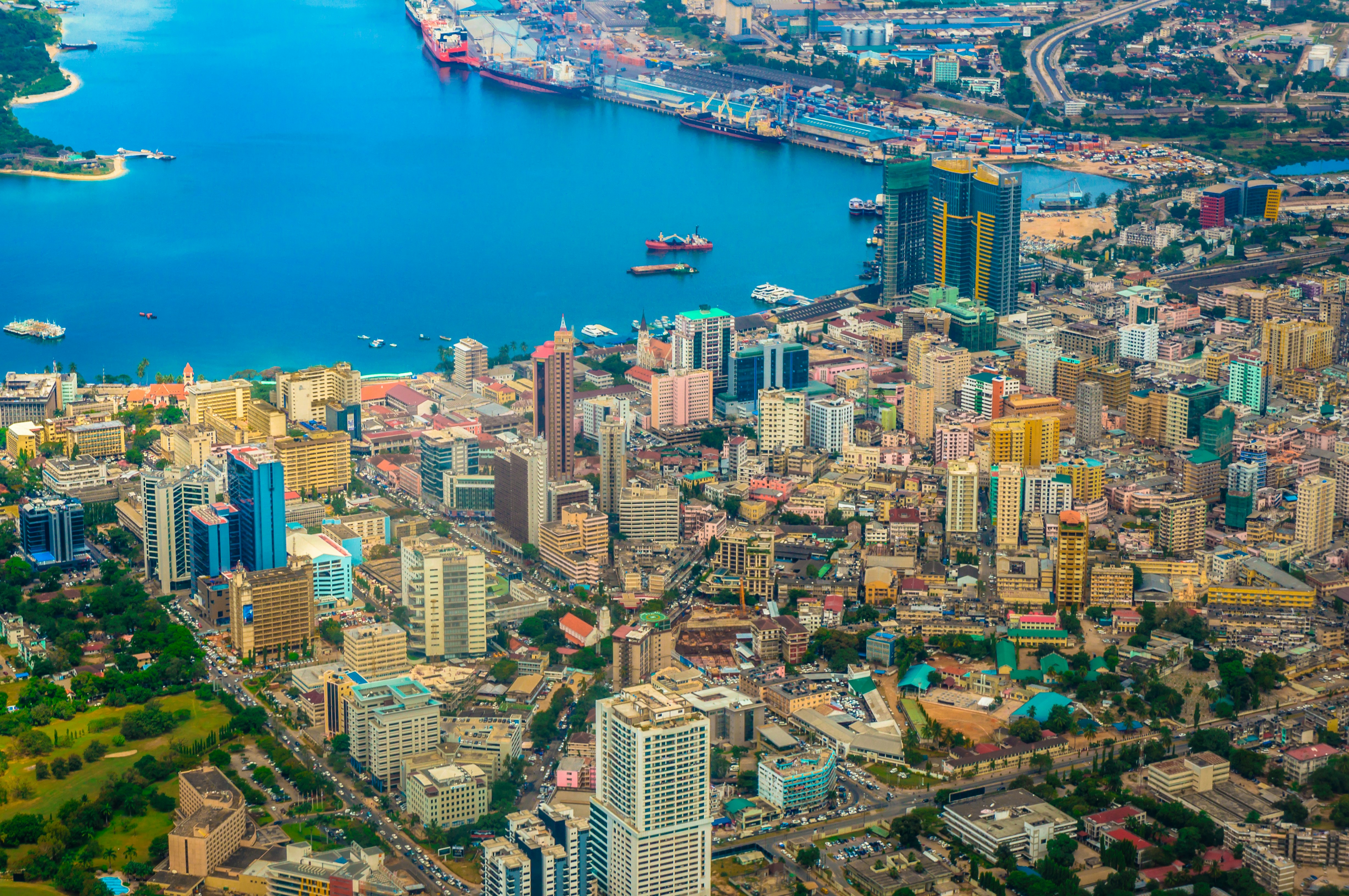
Dar es Salaam, 12km from city
Safari Transport
4x4 Vehicles
Essential for parks and reserves
Zanzibar Ferry
2 hours
Dar to Zanzibar crossing
Airport Arrival
Julius Nyerere International Airport (DAR) in Dar es Salaam is main international gateway. Kilimanjaro International Airport (JRO) serves northern safari circuit. Zanzibar Airport (ZNZ) for island arrivals.
Travel Tech
Travel Tips
Domestic flights save time but are expensive - book in advance.
For safari, book through reputable tour operator including transport.
Ferry to Zanzibar: book fast ferry, take seasickness medication if prone.
Always negotiate taxi/bajaj price before getting in.
Carry small bills for transport payments.
Self-drive safari not recommended - roads difficult, navigation challenging.
Allow extra time for travel - delays common.
Intercity Travel
Domestic Flights
Essential for covering large distances. Several airlines: Coastal Aviation, Auric Air, Precision Air. $100-300 one-way. Connects parks, Zanzibar, major cities.
Buses
Long-distance coaches between major cities. Comfort levels vary. Dar to Arusha: 8-10 hours, $20-40. Book reputable companies.
Train
Limited service. TAZARA railway to Zambia. Not practical for tourists. New standard gauge railway developing.
Ferry to Zanzibar
Fast ferries from Dar es Salaam to Stone Town. 2 hours, $35-60. Book in advance. Ocean conditions can be rough.
Safari Vehicles
4x4 Land Cruisers with pop-up roofs for game viewing. Usually arranged through tour operators. Essential for park access.
BakıKart
No unified transport card. Cash payment for most local transport.
Visa Entry
Tanzania eVisa - Streamlined Online Process
Tanzania offers eVisa for tourists, allowing online application. Indians are eligible. Processing typically takes 2-3 weeks. Visa on arrival also available but pre-approval recommended.
Apply online through Tanzania Immigration eVisa portal.
Create account and fill application form.
Upload required documents (passport scan, photo, itinerary).
Pay visa fee online ($50 by credit card).
Receive application number for tracking.
Processing typically 10-15 working days.
Receive approval notification via email.
Print eVisa approval to present at border.
Registration
Visa Extension
Cost:
Entry Requirements
- • Passport scan (bio page, valid 6+ months)
- • Digital passport photo (recent, white background)
- • Return flight itinerary
- • Hotel bookings or invitation letter
- • Yellow fever vaccination certificate (if applicable)
- • Bank statement (sometimes requested)
- • Application form completed online