Back to Blogs
You Saw the Place. But Did You Feel It?
PublishedApril 4, 2026
CategoryTravel Guide
AuthorChethan Kumar N P

A traveller can collect stamps in a passport without ever really going anywhere.
I've watched thousands of people return from trips over the years. And I've noticed something that nobody in this industry talks about openly enough.
Most of them came back with photos. A few came back changed.
The ones who came back changed didn't necessarily go to more exotic places. They didn't always spend more. What they did differently was simpler and harder to explain: they let the destination actually reach them. They weren't just at a place — they were in it.
That difference — between being at a place and being in it — is what this is really about.
The Checklist Took Over. Quietly. Completely.
Nobody decided one morning that travel should become a performance. It happened gradually, the way most shifts happen — through small, reasonable choices that accumulated into something no one fully intended.
A decade and a half ago, when I started working in travel, people planned trips around a feeling they were chasing. They wanted to see mountains. They wanted to experience a culture. They wanted to sit by an ocean that felt nothing like home. The desire came First. The itinerary was built around it.
Then came the age of the itinerary-as-content. The Instagram grid. The "10 days, 6 countries" reel. The travel checklist that someone posted online and a few thousand people bookmarked and then replicated, city by city, photo spot by photo spot.
By 2025, Indian travellers themselves were pushing back against this. Data from the Thrillophilia Multi-Day Travel Index showed a 21% rise in slower, better-paced itineraries, while over-packed, multi-stop schedules declined 24%. Single-base trips with day excursions grew 36%. These aren't small numbers. This is the industry telling us — in data — that the checklist model Finally hit its limit.
People did the 10-city Europe trip. They came home exhausted, with 1,400 photos they haven't looked at since, and a nagging feeling that they didn't really see anything.
The Famous Destination Problem
Here is something I've observed over many years of sending people to beautiful places and listening to them when they return.
The most famous destinations in the world are also, increasingly, the most difficult places to actually experience. Not because they've lost their beauty — most of them haven't. But because the infrastructure built to receive millions of visitors has created a layer over the place that separates the traveller from the destination itself.
Venice receives over 20 million tourists a year into a city where only around 50,000 people actually live. Santorini, in peak summer, sees visitors outnumber residents several times over, with the narrow streets of Oia so crowded that moving through them feels less like wandering a Greek island and more like queuing at an airport.
Dubrovnik now has 32 tourists for every single resident.
The photos from these places are still stunning. The reality on the ground is something else — something that no travel guide or Instagram reel quite prepares you for.
And the deeper loss is this: when a destination is overwhelmed by footfall, it starts to reshape itself around the tourist rather than around its own identity. The local restaurant that served the
fishermen closes because the rent went up. The quiet lane that used to smell like baking bread now sells refrigerator magnets. The morning market that was a genuine community ritual becomes a scheduled attraction with entry times.
The place is still there. But the soul of it starts to quietly leave.
The Hidden Gem Myth
Everyone in travel has a version of this story.
You heard about a place — a waterfall nobody had heard of, a village in the hills that felt untouched, a stretch of coastline that wasn't on any map worth speaking of. Someone who went Five years ago described it in a way that made you immediately want to go. So you went.
And when you arrived, there were four tour buses in the parking area, three new resorts under construction, a souvenir stall blocking the best viewpoint, and a QR code asking you to leave a Google review.
The "hidden gem" had been discovered, packaged, shared, and — within a season or two — converted into a product.
This is the accelerated life cycle of a destination in the social media era. A beautiful place gets photographed. The photograph goes viral. The viral post draws crowds. The crowds draw commercial development. The commercial development erases the quality that made it photogenic in the First place. And the people who come after, chasing the version in the photograph, Find something quite different.
But here is the subtler point, and it is the one I keep coming back to: the problem was never really the place. It was the approach.
A place doesn't need to be undiscovered to offer a genuine experience. It just needs to be approached with some humility — the willingness to receive it as it actually is, rather than as a backdrop for documentation.
Infrastructure: The Blade That Cuts Both Ways
This is where I want to say something that might sound counterintuitive coming from someone in the travel industry.
More infrastructure does not always mean a better experience. Sometimes it means exactly the opposite.
I've seen this First-hand. A trail that requires some e ort to reach has a quality that a cable-car platform simply cannot replicate — because the e ort is part of the experience. You earned the view. You felt the altitude in your legs before you saw it with your eyes. The difficulty
filtered out the casual visitors and kept the place intimate. The moment you build easy access, you change the equation permanently. You get more visitors, and you get a fundamentally different experience.
This is not romantic nonsense about suffering for beauty. It is a genuine observation about how the character of a destination changes when its infrastructure tips past a certain point.
Tourism development — roads, hotels, resorts, viewpoints, restaurants — brings environmental costs that are well documented. Forests and wetlands are displaced. Local ecosystems are disrupted. The very natural features that drew people in the First place quietly degrade under the weight of the footfall and development they attracted.
The destinations that get this balance right are almost always the ones managed by people who have a genuine relationship with the place — people who would rather keep a little of the magic intact than extract every last rupee from it.
Nature is natural. That is not a throwaway line. It means that when we over-engineer access to it, we damage its most essential quality — the feeling that you are somewhere real, somewhere that wasn't built for you, somewhere that exists on its own terms.
What Are We Actually Looking For?
In 2025, a majority of Indian travellers — 51.55% — said relaxation and escape was their primary reason for travelling. Not landmarks. Not photo opportunities. Not the ability to say they went somewhere interesting.
Relaxation and escape.
And 68% said what actually helped them unwind while travelling was being in nature. Not luxury. Not nightlife. Nature.
Read those numbers again. More than half of Indian travellers are not going to destinations to tick boxes. They are going to feel something different from how they feel at home. They want to breathe differently. Think differently. Be somewhere that reminds them the world is larger and quieter than their daily routine suggests.
And what does the travel industry mostly offer them? A packed schedule of 11 sightseeing points across 3 cities in 6 nights, with a hotel change every other day and a WhatsApp group for updates.
There is a gap between what travellers are actually seeking and what the machine delivers. Closing that gap is, for me, the most interesting problem in travel right now.
The Questions We Ask. And the One We Don't.
When someone starts planning a trip, the sequence is almost always the same. Where should I go? How do I get there? Where do I stay?
What should I see? What do I eat? What should I buy?
Google answers all of these. AI answers all of these. An itinerary builder answers all of these.
But there is a question that sits upstream of all of them, and almost nobody asks it in the planning phase:
What do I want to feel when I'm there?
Not what to see. What to feel. What quality of experience — what kind of morning, what kind of silence, what kind of encounter with a place — am I actually trying to create for myself?
The moment you ask that question honestly, the entire architecture of the trip changes. It changes which neighbourhood you stay in. It changes how full you make each day. It changes whether you book every hour or leave space for the destination to surprise you. It changes whether you come back with photographs of the famous viewpoint or with the memory of a conversation that you didn't plan and still think about six months later.
This is the question I find myself asking on behalf of travellers I work with. Not "which hotel has the best reviews?" but "what does this person actually want to experience?" The answer is almost never on a rating platform. It requires a real conversation, the kind that starts with listening rather than presenting options.
The Two Versions of Every Destination
Every place worth visiting has two versions of itself.
There is the version that exists for visitors: the famous spots, the tourist restaurants, the curated viewpoints, the experiences that have been designed, packaged, and made accessible for people who have a limited time and need the highlights served to them. This version is real. Often beautiful. Occasionally wonderful.
Then there is the version underneath — the one that exists when you arrive a day before the group, or stay a day after everyone leaves, or simply walk twenty minutes in the wrong direction and nd yourself somewhere nobody told you to go. The café that opens at 7 AM and has been serving the same breakfast to the same neighbourhood for thirty years. The evening hour when the light hits a particular building and the tourists are back at the hotel and the street belongs, brie y, to the people who actually live on it.
This second version doesn't advertise itself. It doesn't have a booking page. It reveals itself to the traveller who is looking for it — who
moves a little slower, asks a few more questions, and treats the destination as a place that has a life beyond the hours they are in it.
The job of genuinely good travel planning — not just logistics, but actual travel design — is to build the conditions where both versions are accessible. Where the client arrives prepared for the famous spots but also has enough room in the itinerary, and enough guidance from people who know the place deeply, to nd what isn't in the brochure.
Technology Won't Replace the Experience. But It Can Protect It.
Something I genuinely believe, having spent years at the intersection of travel and technology: the best use of tech in travel is not to make the experience more automated. It is to make it more honest.
Right now, the gap between what travellers imagine a destination will be like and what they actually find there is enormous. Photographs flatten reality. Algorithms surface the most popular, not the most accurate. The result is millions of people arriving somewhere with an expectation that the real place cannot meet — and leaving vaguely disappointed without fully understanding why.
What technology can do — if used with actual care — is close that gap. Not by making destinations look better than they are. By giving travellers a genuinely accurate picture of what they're going to find: how crowded it gets at which hour, what the terrain actually feels like to walk, whether the "hidden waterfall" is genuinely secluded or a twenty-minute wait behind a tour group, what month the local festival falls on and whether it's worth building a trip around.
Honest information, delivered well, helps a traveller arrive with the right expectations — and leaves room for the destination to exceed them rather than fall short.
At Bayard Vacations, this is something we've been working on seriously: using technology to give travellers real clarity in the planning phase, so that when they arrive, they are prepared to actually be present rather than to manage surprises. The AI can handle the information layer — the questions, the comparisons, the
logistics. What it cannot do is read a person and understand what kind of traveller they are, what they will love that they haven't thought to ask for, and what will matter to them three years from now when they look back on the trip.
That still needs a person who genuinely knows travel. Not a call centre. Not a script. Someone who has seen the destination with their own eyes and can tell you — not just the facts, but the feeling.
What Real Tourism Is
After fifteen years of thinking about this, building trip after trip, and listening to travellers talk about what stayed with them and what didn't, I've arrived at a definition I keep coming back to.
Tourism is not the act of visiting a place. It is the act of connecting with one.
The logistics — how you get there, where you sleep, what you see — are the container. They matter, they need to be right, but they are not the thing itself. The thing itself is the moment when a destination shows you something that changes, even slightly, the way you understand the world. A meal that tasted like nothing you'd had before and made you understand why people here live the way they do. A landscape that made the noise in your head go quiet for the first time in months. A version of ordinary life — someone else's ordinary life — that made you see your own from the outside for a moment.
That is what travel is for.
The checklist will always be there. The famous spots will always be there. But the reason we actually leave home — the real reason, underneath all the planning and booking and packing — is because somewhere in us, we know that the world is much larger than our daily routine, and we want to feel that largeness for a while.
Building the conditions where that feeling is possible — that's the work. And it is never finished, because every destination, every traveller, and every trip is different. Which, honestly, is what makes it the best industry in the world to be in.
The best trip you've ever taken probably wasn't your most expensive one. It was the one where something real happened — something you carried home in you, not in your luggage.
Bayard Vacations focuses on designing travel experiences that go beyond standard itineraries, helping travellers truly connect with the places they visit. Instead of rushed sightseeing schedules, their approach combines thoughtful planning, local insight, and technology to create slower, more meaningful journeys. Their travel experts work closely with clients to understand what they want to feel from a destination, not just what they want to see. If you’re planning your next trip, talking to a Bayard Vacations travel expert can help turn a simple holiday into an experience that stays with you long after you return.
Tags:
KarnatakaBayard VacationsNatureTrekkingBayard International ToursBayard Domestic Tours.
Start Your Adventure
Our travel experts are ready to plan your next dream vacation.
No spam, only pure inspiration.
Related Articles
Continue your discovery with more travel insights
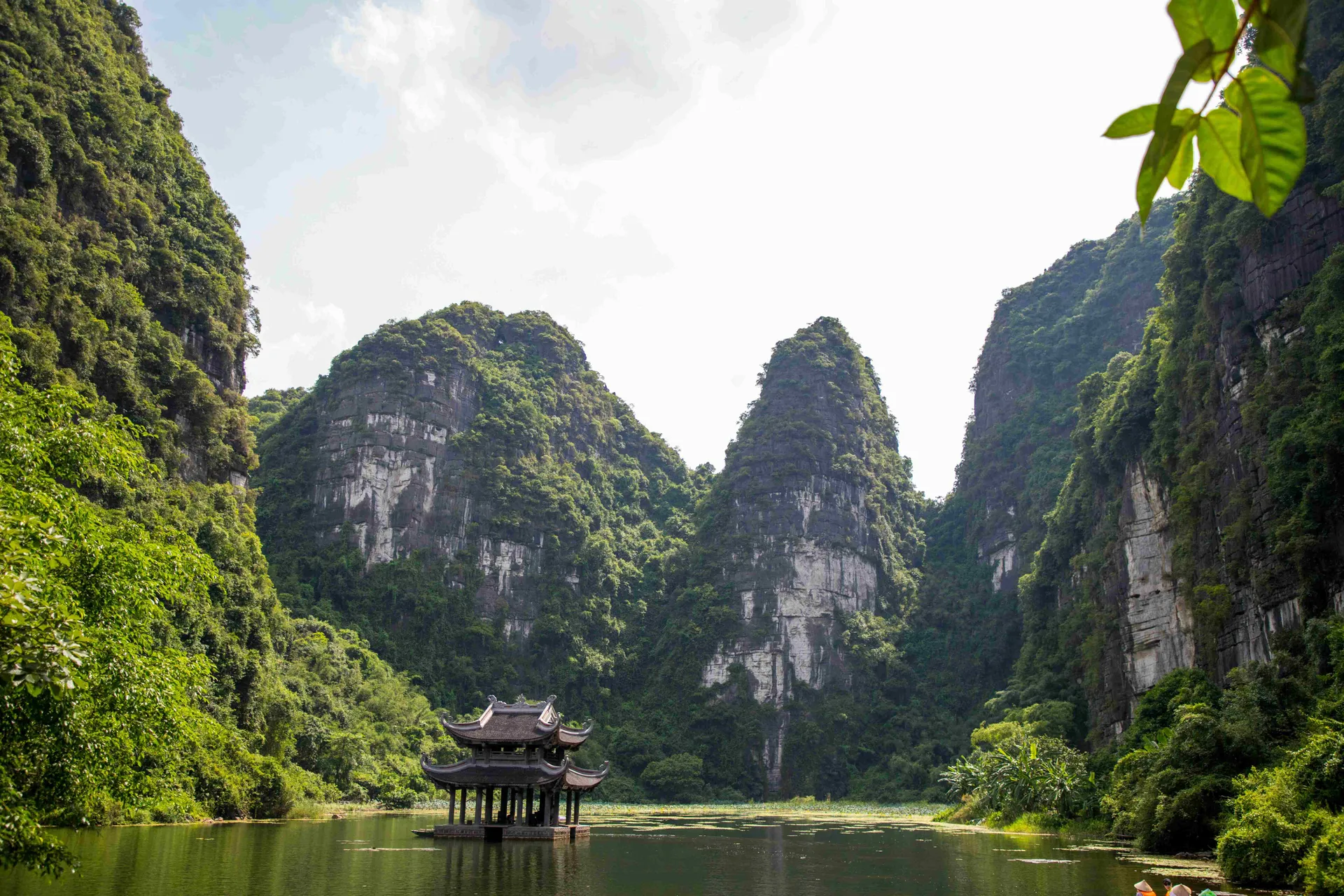
July 6, 2026by Bayard Team
Hidden Gems in Vietnam That Tourists Still Haven't Discovered
Read Article
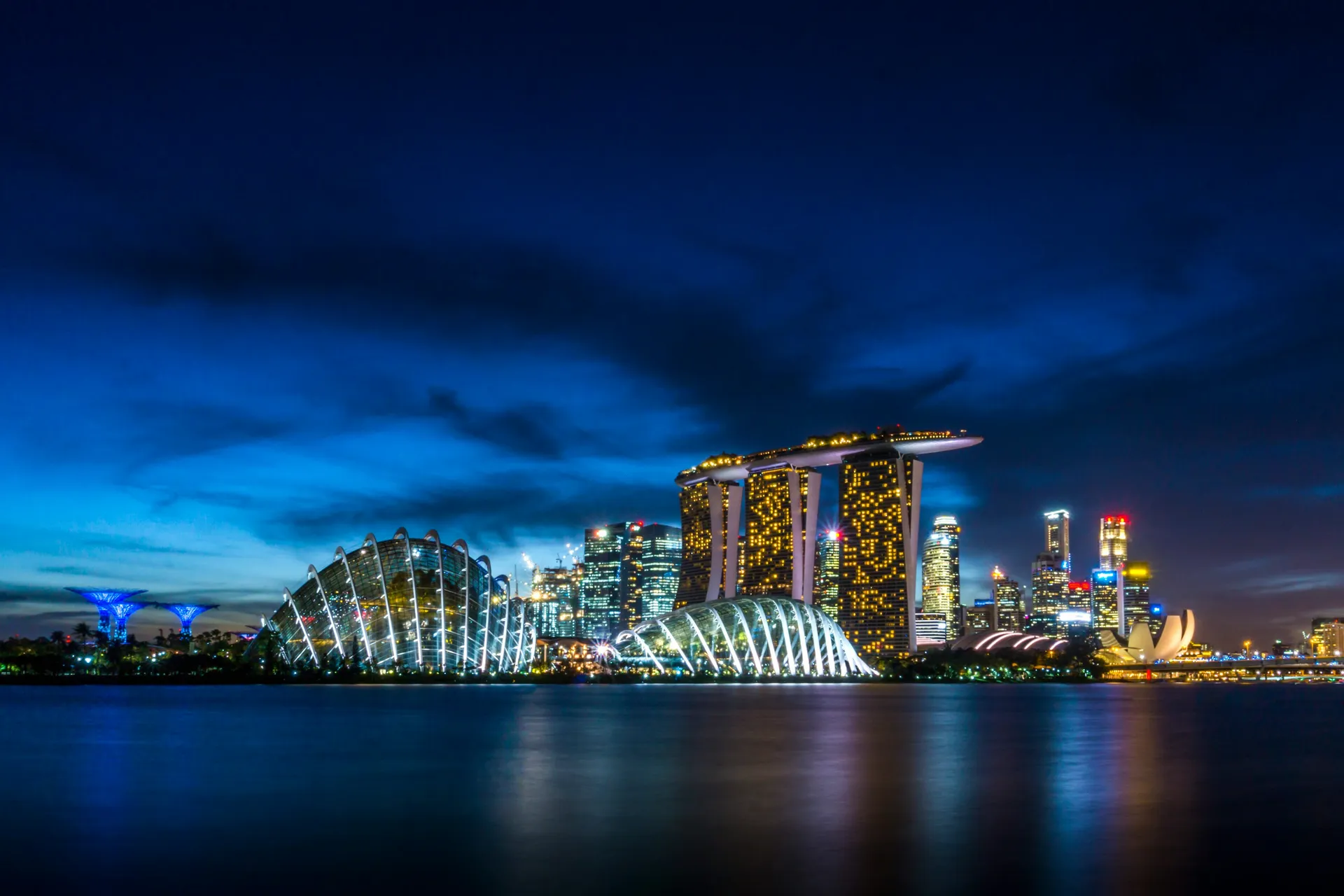
July 3, 2026by Bayard Team
Why Singapore Is Becoming a Favourite Destination for Indian Travelers
Read Article
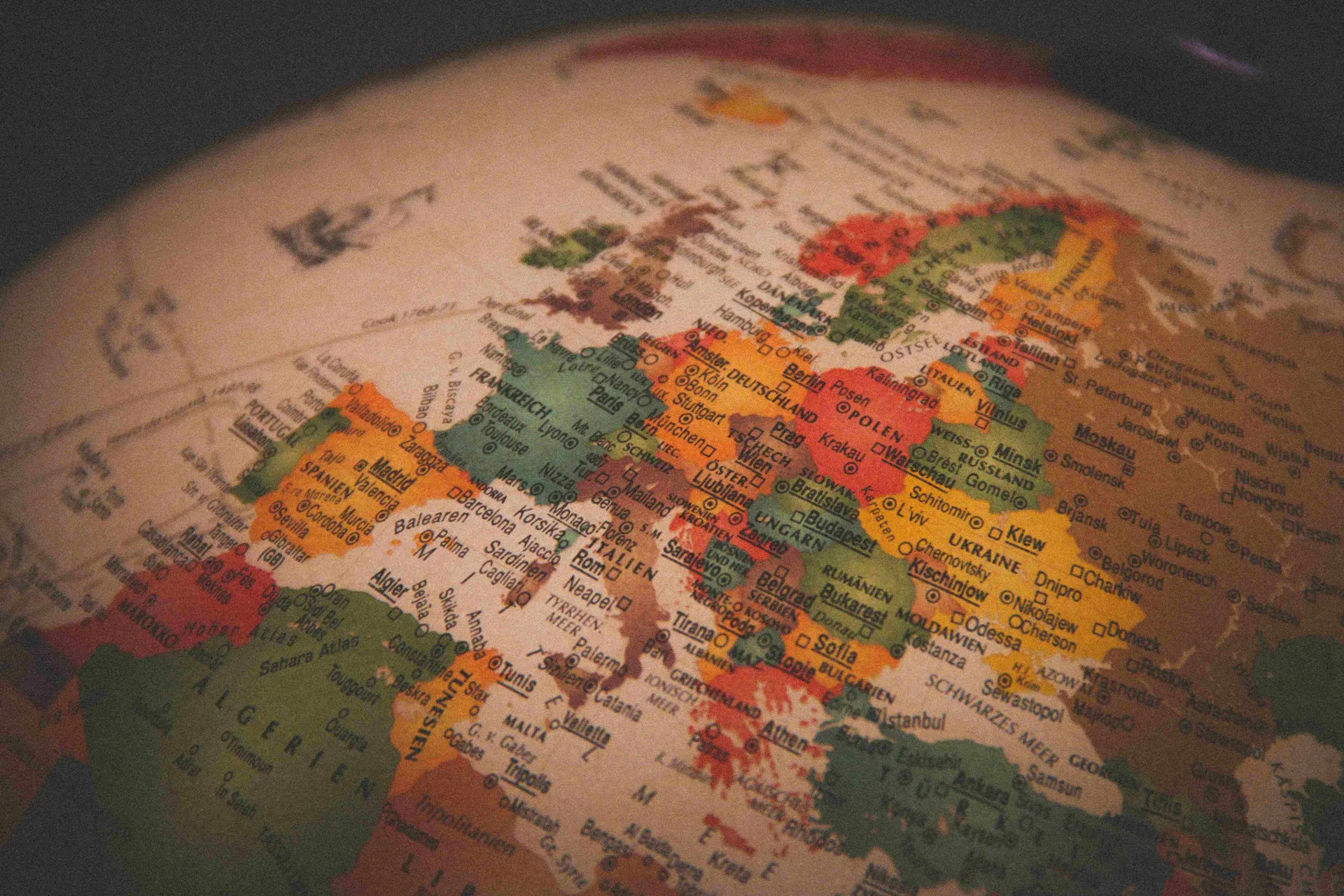
July 1, 2026by Chethan Kumar N P
Europe Through Indian Eyes: Why the Next Chapter of Travel Is Being Written Differently
Read Article