
switzerland
Switzerland
Switzerland is a mountainous Central European nation famed for its Alpine scenery, luxury Swiss watches, and world-class ski resorts.
9+
packages
20k
Travelers
4.9
Rating
30+
Activities
Explore
Destination Overview
About Switzerland
A Land of Alpine Splendor: Where Precision Engineering, Timeless Beauty, and Multilingual Sophistication Define European Excellence.
Switzerland is a unique story of the Swiss Alps tradition, mountaineering culture, and national sovereignty, thus being one of the main attractions in Switzerland tourism and European history. In addition, Switzerland became renowned for its high-level banking sector, finance, and precision engineering industry, which includes Swiss watches and luxury products. Combining ancient monuments, picturesque alpine scenery, and innovative technologies, Switzerland is a perfect combination of tradition, democracy, and economic prosperity, thus being one of the best destination for luxury tourism and winter tourism in Europe.
Best TimeMay - Oct
CurrencyCHF (₣)
ClimateTemperate Alpine
Time ZoneUTC+1/+2
LanguageGerman/French/Italian
VisaSchengen Visa
CapitalBern
Population9.1M
Best Time
May - Oct
Currency
CHF (₣)
Climate
Temperate Alpine
Time Zone
UTC+1/+2
Language
German/French/Italian
Visa
Schengen Visa
Capital
Bern
Population
9.1M
Why Choose switzerland?
Democratic Federalism & Cantons
Switzerland's genius lies in its federal structure: 26 semi-autonomous cantons retain vast powers over taxation, education, and local governance while united on foreign policy and defense. Direct democracy thrives—citizens decide major issues via referendum. This decentralized model respects Alpine isolation and cultural diversity (German, French, Italian, Romansh speakers coexist peacefully). Consensus-building and accommodation define Swiss politics, making Switzerland a laboratory for pluralistic governance.
Perpetual Neutrality & Diplomacy
Since 1815, Switzerland committed to neutrality—refusing military alliances while remaining diplomatically engaged. This stance earned trust worldwide; Switzerland hosts UN offices, international tribunals, and peace negotiations. The International Committee of the Red Cross (ICRC) originated here. Neutrality isn't isolationism but strategic positioning: Switzerland profits from global finance, tourism, and trade while avoiding geopolitical entanglements. This balancing act has defined Swiss foreign policy for two centuries.
Precision Manufacturing & Alpine Innovation
Mountains forced early Swiss ingenuity. Lack of natural resources sparked specialization: watchmaking (precise mechanisms), pharmaceuticals (chemistry expertise), banking (trust in neutral entity), textiles (Alpine wool tradition). The Swiss reputation for meticulous craftsmanship—zero-defect mentality, continuous improvement, quality over quantity—became a competitive advantage. Today, Swiss-made (SMH) signifies excellence: Rolex watches command premiums; Nestlé dominates global chocolate; ABB leads industrial robotics. Innovation born from constraint.
Alpine Culture & Mountain Mastery
Mountains define Swiss identity. Yodeling, alphorn music, cowbells, traditional Edelweiss shirts, Alpine cheese-making, and summer pasture traditions reflect mountain heritage. The Jungfrau Railway (highest in Europe), Matterhorn conquest, and ski culture emerged from necessity—inhabiting extreme terrain demanded adaptation. Today, Alps are tourist attraction and spiritual centerpiece. Alpine culture permeates Swiss society: precision of mountain shepherding parallels industrial manufacturing; resilience of Alpine farmers mirrors civic determination.
Must-Experience Attractions
Matterhorn & Zermatt (Icon of Alpine Majesty)
Jungfraujoch - Top of Europe (3,454m)
Lucerne & Alpine Lakes (Medieval Charm)
Swiss Watch & Chocolate Museums
Old Town Bern & Medieval Cities (UNESCO)
Interlaken & Adventure Activities
Switzerland Tour Packages from India
Switzerland is the European trip most Indian travellers picture first the lakes, the peaks, the trains that arrive to the minute, and a country small enough to see properly in a week. SWISS flies nonstop from Delhi to Zurich in about ten hours, and the train from the airport into the mountains starts under the terminal.
Two things we will be straight about. Switzerland is expensive genuinely, noticeably more than France, Germany or Austria and the mountain excursions are the biggest part of that. Jungfraujoch alone is around CHF 200 per person return. Below, we set out what everything actually costs and whether the Swiss Travel Pass is worth it for your itinerary, because that decision is worth real money.
Get a Switzerland quote →
Switzerland trip at a glance
Field | Detail |
Ideal duration | 6–7 nights for Switzerland alone; 9–12 if you are adding France, Germany, Austria or Italy |
Cost from India | ₹1,69,999–₹2,00,000 per person on our priced Switzerland trips. Mountain excursions are a separate and substantial line — see the cost section |
Best season | June to September for hiking, lakes and cable cars. December to March for skiing and snow. Both are hero seasons; they are different trips |
Entry for Indians | Schengen visa (Type C) required — €90 for adults, €45 for children 6–12. Switzerland is not in the EU but is fully in Schengen. Last verified 2 September 2026 |
At the border | The EU Entry/Exit System replaced passport stamping across Schengen in April 2026 — expect a photo and fingerprints on your first entry |
Flights from India | Nonstop Delhi–Zurich on SWISS, about 10 hours. One stop from Mumbai, Bengaluru, Hyderabad, Chennai and Kochi via a European or Gulf hub |
Biggest cost surprise | Mountain excursions. Jungfraujoch is around CHF 200 return per person at standard fares. Plan the pass decision before you book anything |
What Switzerland actually costs and the pass decision
This is the section most Switzerland pages skip, and it is the one that matters. Switzerland is one of the most expensive countries in the world, and the mountain excursions everybody comes for are priced accordingly.
The mountain excursions
Excursion | Standard return fare | With a pass |
Jungfraujoch from Interlaken | Around CHF 201 per person | About CHF 177 with a Swiss Travel Pass in summer, about CHF 149 in winter; about CHF 131 with a Half Fare Card |
Mount Titlis from Lucerne | Confirm current fare before publishing | 50% off with a Swiss Travel Pass |
Seat reservation, Jungfraujoch final leg | CHF 10 per person, required 1 May to 31 August | Not covered by any pass |
For a family of four, Jungfraujoch alone is a four-figure franc line before anything else. It is worth doing — it is genuinely extraordinary — but it should be a decision you make with the number in front of you, not a surprise at the ticket window.
Swiss Travel Pass or Half Fare Card?
This is the real question, and the answer depends on your itinerary rather than on which sounds better.
• The Swiss Travel Pass gives unlimited travel on trains, buses and boats, free entry to many museums, and up to 50% off most mountain excursions. It suits itineraries with a lot of city-to-city movement and several mountain days.
• The Half Fare Card gives 50% off almost everything, paid as you go. It suits itineraries with fewer travel days, or where Jungfraujoch is the main excursion.
• The catch nobody mentions: the Swiss Travel Pass gives only 25% off Jungfraujoch, not the 50% it gives elsewhere. For a trip built around Jungfraujoch, the Half Fare Card often works out cheaper.
• We run the numbers for your specific itinerary and tell you which wins. On a week in Switzerland the difference is frequently several thousand rupees per person.
Everything else
Meals are where the daily cost adds up — a sit-down lunch runs well above what you would expect. Practical answers that genuinely work: buy lunch from Coop or Migros, which every Swiss person does; drink the tap water, which is excellent and free everywhere including from public fountains; and consider half-board hotels, which in Switzerland often work out cheaper than eating out twice a day. We build these into the plan rather than leaving you to discover them.
Our Switzerland packages
Package | Duration | Covering | Price (per person) |
Perfect Switzerland Tour | 7D / 6N | Zurich, Lucerne, Interlaken | ₹1,69,999 |
Classic Zurich to Bern Tour | 7D / 6N | Zurich, Lucerne, Interlaken, Bern | ₹1,74,999 |
Swiss Elegance Retreat | 7D / 6N | Zurich, Lucerne, Interlaken | ₹2,00,000 |
Swiss Vacation | 7D / 6N | Zurich, Interlaken, Lucerne | [Insert price — currently On Request] |
Swiss Alpine Escape | 7D / 6N | Lucerne, Zurich, Interlaken | [Insert price — currently On Request] |
Wonders of Switzerland | 7D / 6N | Zurich, Interlaken, Lucerne | [Insert price — currently On Request] |
Switzerland with Liechtenstein | 9D / 8N | Switzerland and Liechtenstein | [Insert price — currently On Request] |
Scenic Switzerland Getaway | 10D / 9N | Lucerne, Zurich, Interlaken | [Insert price — currently On Request] |
Five of the eight need prices before this page goes live — the largest single blocker here, and particularly awkward given the site-wide banner promoting Switzerland "at Best Prices". Six of the eight also currently share the same two Zurich highlights, so each row needs a line saying what distinguishes it. See Defects 1 and 2 in Step 1.
Get a fixed quote for your dates →
How many days do you need?
Six or seven nights covers Switzerland properly, and the trains make that genuinely comfortable — Zurich to Lucerne, Lucerne to Interlaken, all one to two hours, with departures every fifteen to thirty minutes and no need to pre-book.
• Two nights Zurich or Lucerne — the lakeside old towns, the Chapel Bridge, the Lion Monument, and a lake cruise.
• Three nights Interlaken or Grindelwald — the Bernese Oberland base, with Jungfraujoch as a full day and Lauterbrunnen or Grindelwald as another.
• One or two more — Mount Titlis from Lucerne, Bern’s arcaded old town, or a day on Lake Geneva.
• Add two nights if you want Zermatt and the Matterhorn. It is three to four hours from Zurich and a car-free village at the end of a valley — worth it, but not as a day trip.
• One major mountain day at a time. Jungfraujoch and Titlis on consecutive days is a lot of altitude, a lot of cable cars and a lot of money in forty-eight hours.
Choose your trip
Classic Switzerland - 7 Days / 6 Nights
Best for a first Swiss trip and for families
• Day 1: Arrive Zurich, transfer, evening on Bahnhofstrasse or the lake promenade.
• Day 2: Train to Interlaken on the scenic route, then Harder Kulm for the view over both lakes.
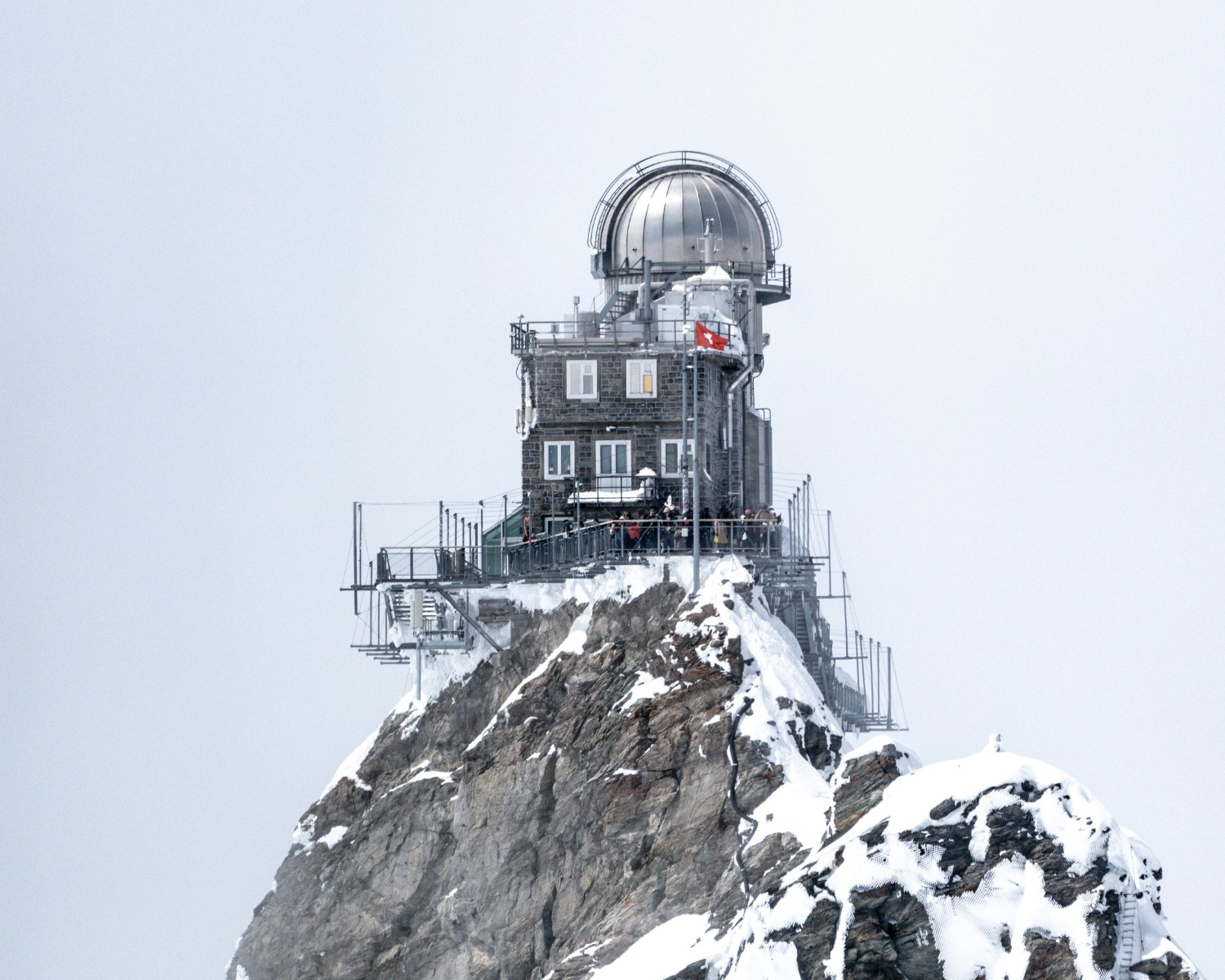
• Day 3: Jungfraujoch — the Top of Europe at 3,454m, the Ice Palace and the Sphinx observatory. A full day, and the big one.
• Day 4: Train to Lucerne — the Chapel Bridge, the Lion Monument, the old town and a lake cruise.
• Day 5: Mount Titlis — the rotating cable car, the glacier cave and the snow park at 3,020m.
• Day 6: Bern’s arcaded old town, or back to Zurich for shopping.
• Day 7: Departure.
Customise this itinerary →
Switzerland with Liechtenstein - 9 Days / 8 Nights
Best for travellers who want something a little different
The classic circuit with two nights in Liechtenstein one of the smallest countries in the world, tucked between Switzerland and Austria, with a castle above the capital and almost no visitors. A genuine novelty and an easy addition, and a passport stamp very few people you know will have.
Zermatt & the Matterhorn we can build this
Best for the mountain everybody pictures
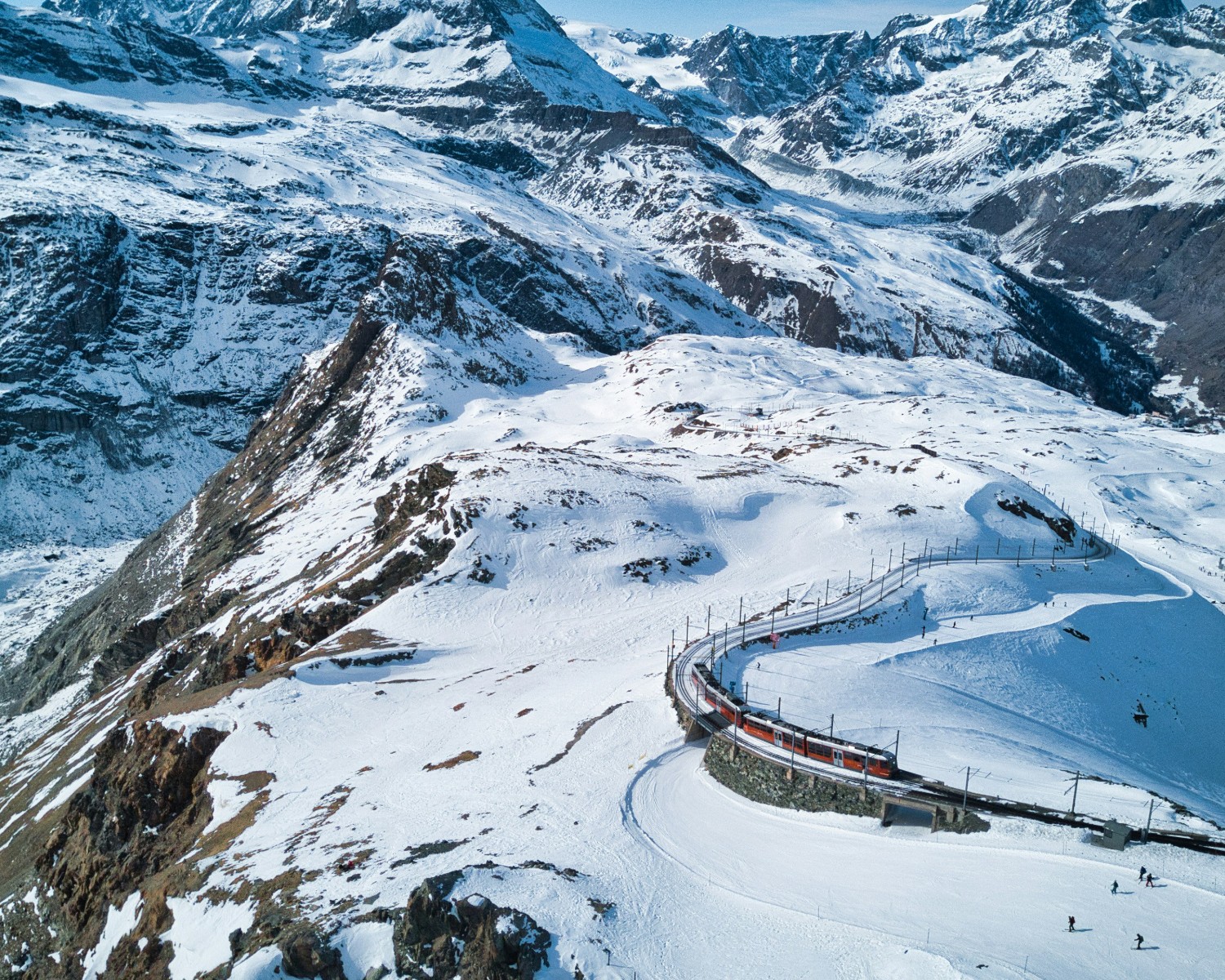
The Matterhorn is three to four hours from Zurich, and Zermatt is car-free — you arrive by train, which is part of the appeal. Two nights minimum, with the Gornergrat railway for the classic view and the Matterhorn Glacier Paradise for the highest cable car station in Europe. Best reached on a Geneva routing rather than Zurich.
This is not currently a fixed package. Tell us it is what you want and we will cost it for your dates.
Do not publish as bookable until a Zermatt product exists and is priced — written as an enquiry prompt because all eight current products cover Zurich, Lucerne and Interlaken. See Defect 3 in Step 1.
Ask us to build a Zermatt trip →
Switzerland & France 8 to 10 Days
Best for a first European trip that wants two countries
Zurich, Interlaken and Lucerne, then the TGV to Paris. Note the visa point: on this itinerary your main destination depends on the night split, and it is often France rather than Switzerland. We work out which consulate to apply to before you do.
When to go
Switzerland has two hero seasons and they are entirely different holidays.
Months | What it’s like | Verdict |
June–September | Warm valleys, long days, every cable car and mountain railway running, lakes swimmable, hiking at its best | The main season for a first trip and for families. Busiest and priciest in July and August |
December–March | Snow, skiing in Zermatt, St Moritz and the Oberland, Christmas markets in December. Some high routes closed | The ski season, and a completely different trip. Peak prices at Christmas and New Year |
May and October | Shoulder months — quieter, cheaper, still beautiful. Some high-altitude routes and mountain restaurants may not be open | Very good value if you check what is running for your dates |
April and November | Between seasons. Snow melting or not yet arrived, and the most closures of the year | The cheapest months, and the ones we would steer most travellers away from |
One practical note that matters more here than most places: at altitude, weather decides everything. Jungfraujoch and Titlis in cloud are expensive disappointments. We build flexibility into mountain days where the itinerary allows, so the excursion can move by a day if the forecast is poor.
Interlaken and the Bernese Oberland
Between Lake Thun and Lake Brienz, and the base for Jungfraujoch, Grindelwald and the Lauterbrunnen valley a glacial valley with seventy-two waterfalls, and the most spectacular thing in the country for many visitors. Harder Kulm gives the view over both lakes for a fraction of the cost of the big excursions.
Lucerne and Mount Titlis
The Chapel Bridge, the Lion Monument and a medieval old town on a lake ringed by mountains. Titlis is the excursion — a rotating cable car to 3,020m, a glacier cave and snow at the top whatever the season.
Zurich
The arrival point for most trips, and better than its banking reputation suggests — a walkable old town, the Grossmünster, the lake promenade and Bahnhofstrasse for watches and chocolate. One night at each end works well.
Zermatt and the Matterhorn
Car-free, at the end of a valley, and under the most photographed mountain on earth. The Gornergrat railway gives the classic view. Needs two nights and is better on a Geneva routing.
Bern and Geneva
Bern is the capital and a UNESCO old town of arcaded streets six kilometres of covered shopping, which is genuinely useful in Swiss weather. Geneva sits on Lake Léman with the Jet d’Eau and the UN’s European headquarters, and is the better arrival airport for the west and for Zermatt.
The scenic trains
The Glacier Express from Zermatt to St Moritz, the Bernina Express over the Alps into Italy, and the GoldenPass line through the Oberland. These are experiences rather than transfers, they need reserving, and they are among the best things in Switzerland. Ask us and we will build one in.
Practical notes for Indian travellers
Trains
The best rail network in the world, and the reason a Swiss itinerary works. Departures every fifteen to thirty minutes on the main routes, one to two hours between the major towns, no advance booking needed for ordinary journeys, and punctuality that is not a stereotype. The scenic trains and the final Jungfraujoch leg are the exceptions and do need reserving.
Money
Swiss francs (CHF), not euros — Switzerland is in Schengen but not in the EU or the eurozone. Euros are accepted in some tourist places at poor rates; use francs. Cards work everywhere.
Language
German in Zurich, Lucerne and the Oberland; French in Geneva and the west; Italian in Ticino. English is spoken everywhere a visitor goes, and this is not something to plan around.
Food
Good for vegetarians in the cities, more limited in mountain restaurants where the menu is cheese and meat. Zurich and Geneva both have Indian restaurants. Tell us about Jain or strict vegetarian requirements at booking so we can plan around mountain days, which is where options thin out.
Common mistakes to avoid
• Budgeting the package price and not the mountain excursions. Jungfraujoch is around CHF 200 per person.
• Buying a Swiss Travel Pass without checking whether the Half Fare Card is better for your itinerary — for a Jungfraujoch-led trip it often is.
• Forgetting the CHF 10 seat reservation on the final Jungfraujoch leg between May and August.
• Doing Jungfraujoch and Titlis on consecutive days. Space them out.
• Booking a fixed mountain day in poor weather with no flexibility.
• Budgeting €80 for the Schengen visa. It has been €90 since June 2024.
• Assuming Switzerland uses euros, or that a Swiss visa is separate from Schengen. Neither is true.
• Eating every lunch in a restaurant. Coop and Migros are what the Swiss do.
What’s included in a Bayard Switzerland package
Included | Not included |
3, 4 or 5-star hotels in Zurich, Lucerne, Interlaken or the Oberland as your itinerary requires | International flights from India, unless bundled |
Daily breakfast, with half-board where it suits the plan | The Schengen visa fee and VFS service charges — though we prepare your documentation |
Airport transfers and rail arrangements between cities | Travel insurance, which we strongly recommend given the mountain activities |
Mountain excursions as specified — confirm which are included, as these are the largest cost | Excursions not listed, and seat reservations where separately charged |
Swiss Travel Pass or Half Fare Card where included in your plan | Lunches, dinners and optional activities not listed |
On-trip coordination and support | Shopping, tips and personal expenses |
The mountain excursion row must be answered definitively included or not before this table is published. It is the single largest variable on the page.
Why book Switzerland with Bayard Vacations
• We run the pass maths for your itinerary. Swiss Travel Pass or Half Fare Card is a real calculation worth several thousand rupees a head, and the answer is not the same for every trip.
• We tell you what the mountain excursions cost before you book, as separate lines rather than folded into a total.
• Flexible mountain days where the itinerary allows, so an expensive excursion is not wasted in cloud.
• Direct routing from Delhi on the SWISS nonstop, and honest total journey times from the southern cities.
• Current Schengen guidance — the right fee, the right consulate, and what the new biometric border means.
• Practical cost advice that actually reduces the bill, rather than a page that pretends Switzerland is cheap.
Talk to a Switzerland specialist →
Switzerland package FAQs
How much does Jungfraujoch cost?
A standard return from Interlaken is around CHF 201 per person — roughly ₹19,000 to ₹21,000. With a Swiss Travel Pass it is about CHF 177 in summer and CHF 149 in winter; with a Half Fare Card about CHF 131. A seat reservation of CHF 10 per person is also required on the final leg between 1 May and 31 August. Confirm current fares when you book.
Is the Swiss Travel Pass worth it?
It depends on your itinerary. The pass gives unlimited trains, buses and boats, free entry to many museums and up to 50% off most mountain excursions — but only 25% off Jungfraujoch. If Jungfraujoch is your main excursion and you are not moving cities much, the Half Fare Card is often cheaper. We run the numbers for your specific trip.
Swiss Travel Pass or Half Fare Card?
The pass suits itineraries with lots of city-to-city travel and several mountain days. The Half Fare Card suits fewer travel days, or trips built around Jungfraujoch specifically. On a typical week the difference between choosing right and wrong is several thousand rupees per person.
Do Indians need a visa for Switzerland?
Yes. Switzerland is not in the EU but it is fully inside the Schengen Area, so Indian passport holders need a short-stay Schengen visa (Type C). It allows up to 90 days in any rolling 180-day period across all 29 Schengen countries.
How much is the Schengen visa?
€90 for adults and €45 for children aged 6–12, free for under-6s, plus VFS service charges. The fee rose from €80 in June 2024, so a lot of published guidance still quotes the old figure. Processing is typically 15 to 30 calendar days — apply four to six weeks ahead.
Are there direct flights from India to Switzerland?
Yes, from Delhi. SWISS operates a nonstop Delhi–Zurich service at around ten hours. From Mumbai, Bengaluru, Hyderabad, Chennai and Kochi the routing is one stop via a European or Gulf hub, typically 13 to 16 hours in total.
Should I fly into Zurich or Geneva?
Zurich for the Bernese Oberland, Interlaken, Jungfraujoch, Lucerne and Grindelwald. Geneva for Zermatt, Montreux, Lausanne and the French-speaking west. It genuinely changes how much time you spend in transit, and we route accordingly.
How many days do I need in Switzerland?
Six or seven nights covers Zurich or Lucerne, the Bernese Oberland and two mountain days comfortably. Add two more if you want Zermatt. Nine to twelve if you are combining with France, Germany or Italy.
Is Switzerland expensive?
Yes — genuinely more than France, Germany or Austria, and the mountain excursions are the largest part of it. There are real ways to manage it: supermarket lunches from Coop or Migros, free tap water everywhere including public fountains, half-board hotels, and getting the pass decision right. We build all of that into the plan.
What is the best time to visit?
June to September for hiking, lakes and cable cars, with July and August the busiest. December to March for skiing and snow. May and October are good value shoulder months, though some high-altitude routes may not be running. April and November have the most closures.
Can I see the Matterhorn on a standard package?
Not on our current fixed itineraries, which cover Zurich, Lucerne and Interlaken. Zermatt is three to four hours from Zurich and needs two nights to be worth it. Tell us you want it and we will build a Zermatt trip for your dates.
What about the Glacier Express and Bernina Express?
Both are exceptional and both are experiences rather than transfers — they need advance reservation and they take most of a day. They are not in our standard packages but we can build one into your itinerary. Ask us early, because seats go.
What is the Liechtenstein package?
Nine days across Switzerland with time in Liechtenstein, one of the smallest countries in the world, sitting between Switzerland and Austria with a castle above the capital and very few visitors. A genuine novelty and an easy addition to a Swiss circuit.
Is Switzerland good for vegetarians?
Good in the cities, more limited in mountain restaurants where the menu tends to be cheese and meat. Zurich and Geneva both have Indian restaurants. Tell us at booking, particularly for Jain requirements, and we will plan mountain days around it.
What is included in a Bayard Switzerland package?
Hotels, daily breakfast, airport transfers, rail arrangements between cities, and specified mountain excursions and passes. International flights, the Schengen visa fee, insurance, excursions not listed and personal expenses are separate. Always ask us which mountain excursions are included — it is the biggest variable in any Swiss quote.
Planning a Switzerland trip?
Tell us your city, your dates and which mountains matter most. We’ll send back a costed itinerary with the excursions priced separately, and tell you whether the Swiss Travel Pass or the Half Fare Card saves you more.
Enquire now · WhatsApp · Call
switzerland Packages


Signature Collections
Handpicked signatures and top-rated escapes in switzerland

We Are Bayard Vacations
Not just another travel company. We're dreamweavers, adventure architects, and memory makers.
Explore
Now Featuring
Thailand

Highlight
Meet Bayard Buddy – Advanced AI Chatbot for Everyday Help
Experience 01
Gornergrat Railway with Gorner Glacier and surrounding Alpine peaks in panorama
Explore HighlightExplore
Experience 02
Sphinx observation terrace at Jungfraujoch with panoramic glacial views
Explore HighlightExplore
Experience 03
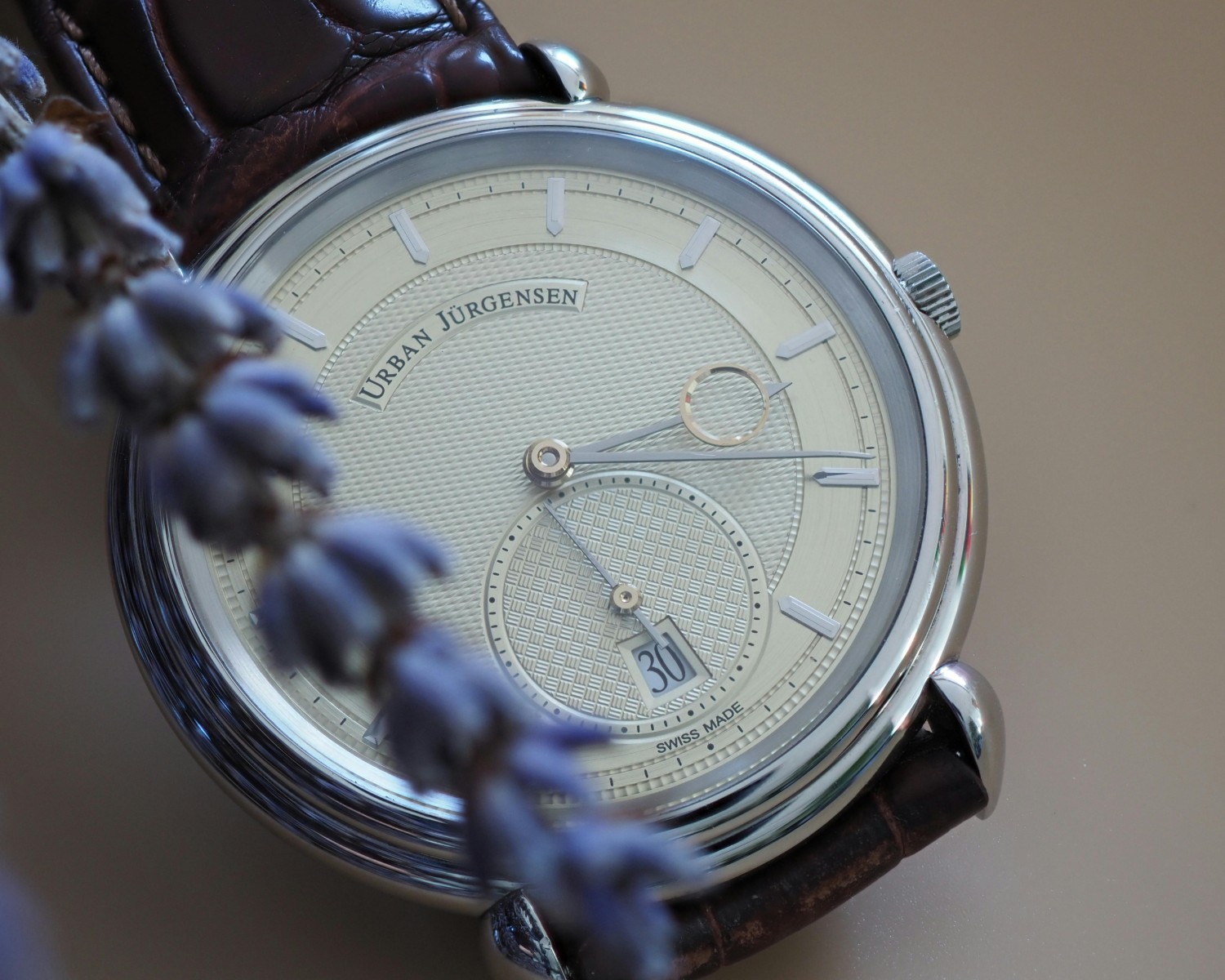
Luxury Swiss watches from Rolex, Patek Philippe, Omega showcasing precision artistry
Explore HighlightExplore
Experience 04
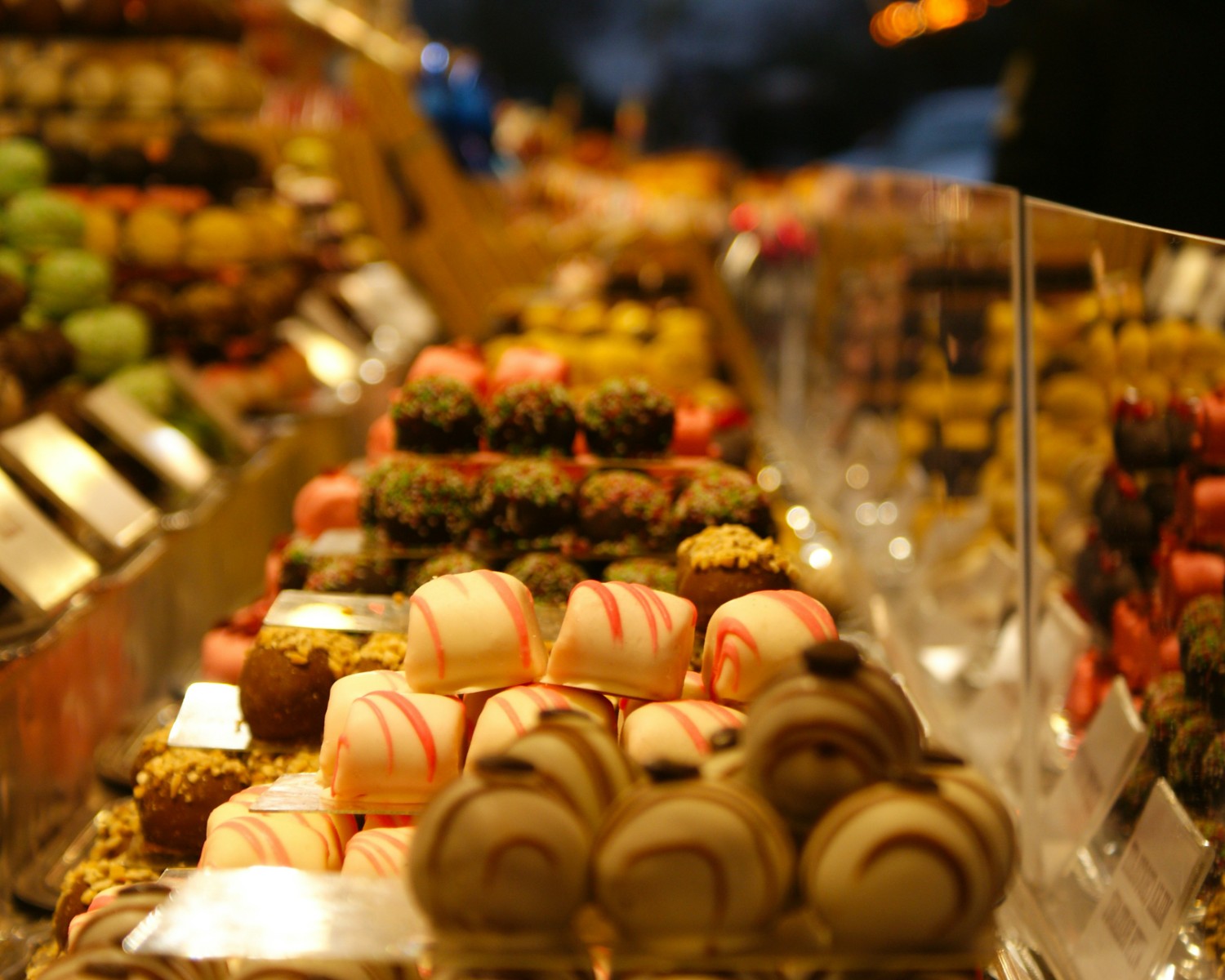
Swiss chocolate varieties from premium brands showcasing pralines, truffles, ganaches
Explore HighlightExplore
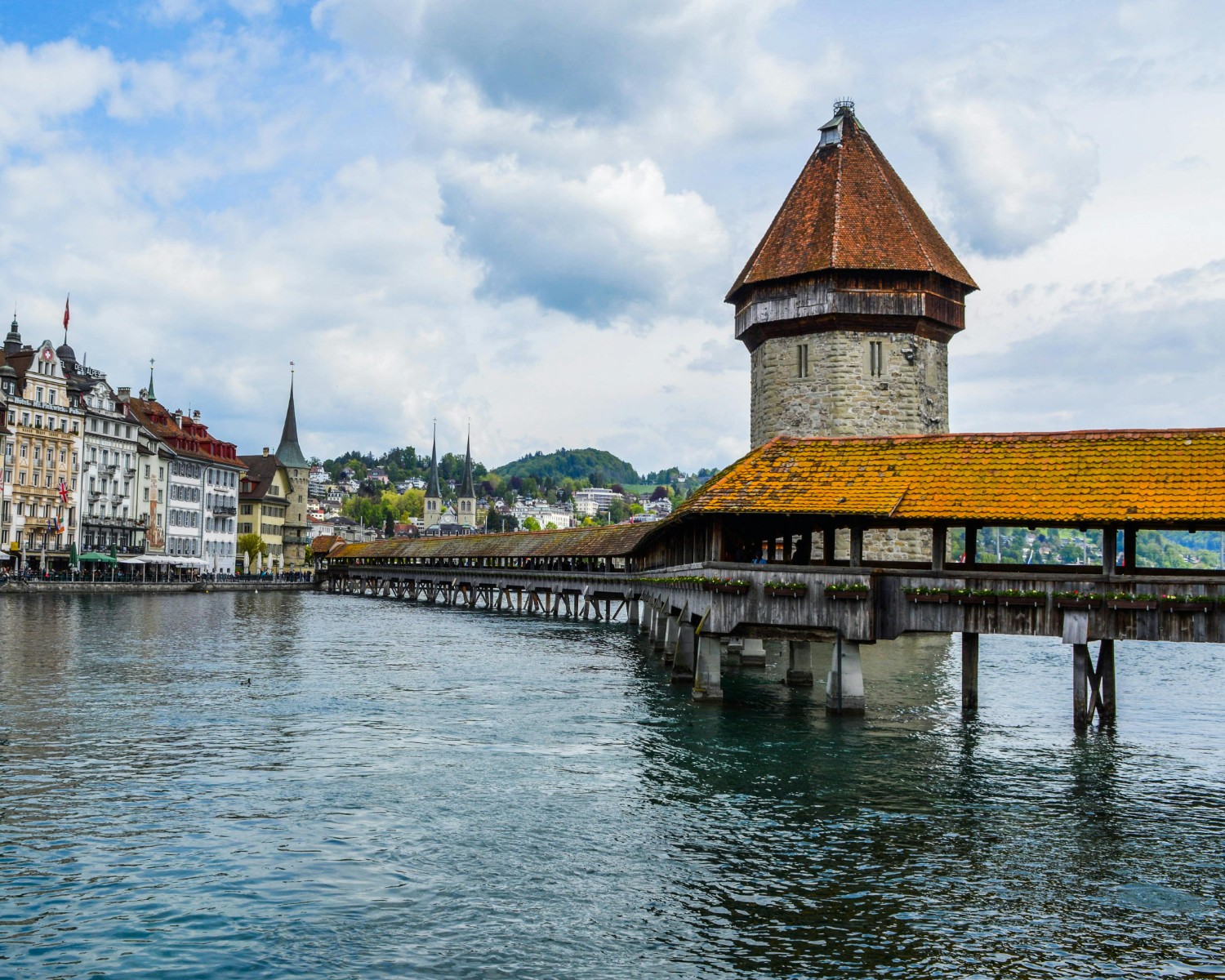
Experience 05
Chapel Bridge in Lucerne with Mount Pilatus rising majestically across serene lake
Explore HighlightExplore
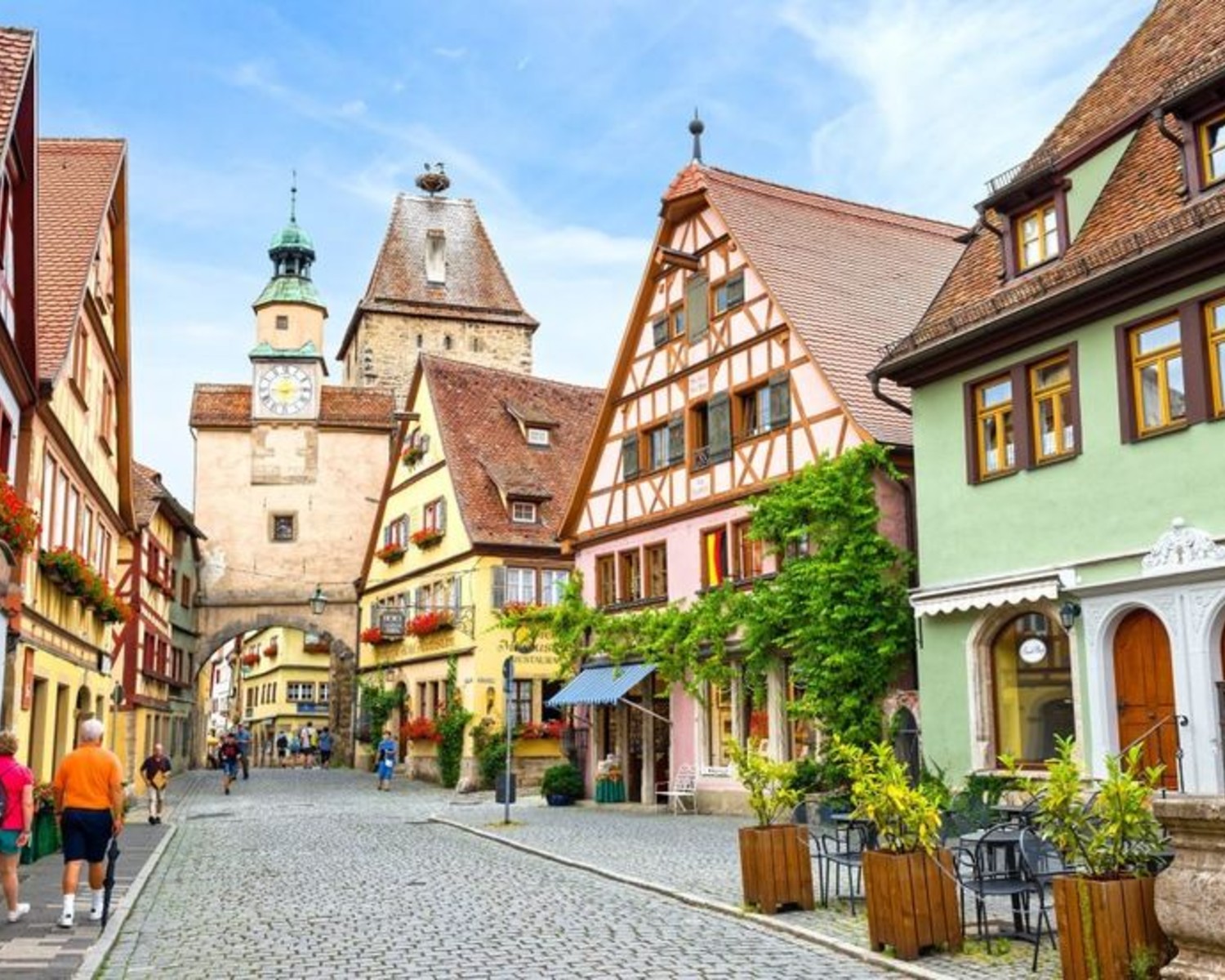
Experience 06
Bern's arcaded streets (Lauben) with colorful medieval facades and continuous shelter
Explore HighlightExplore
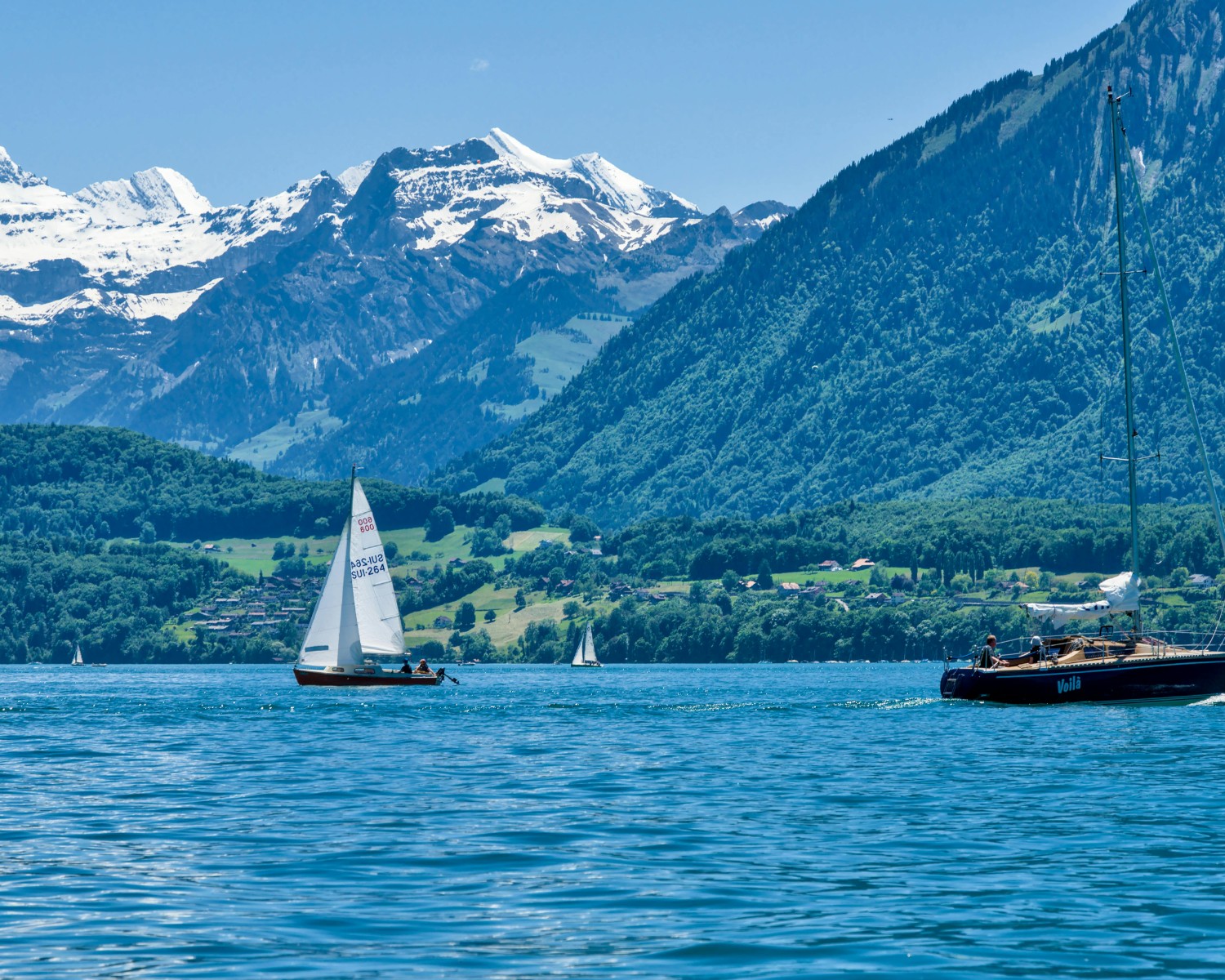
Experience 07
Twin lakes (Thun and Brienz) from elevated Interlaken viewpoint with glacial Alps
Explore HighlightExplore
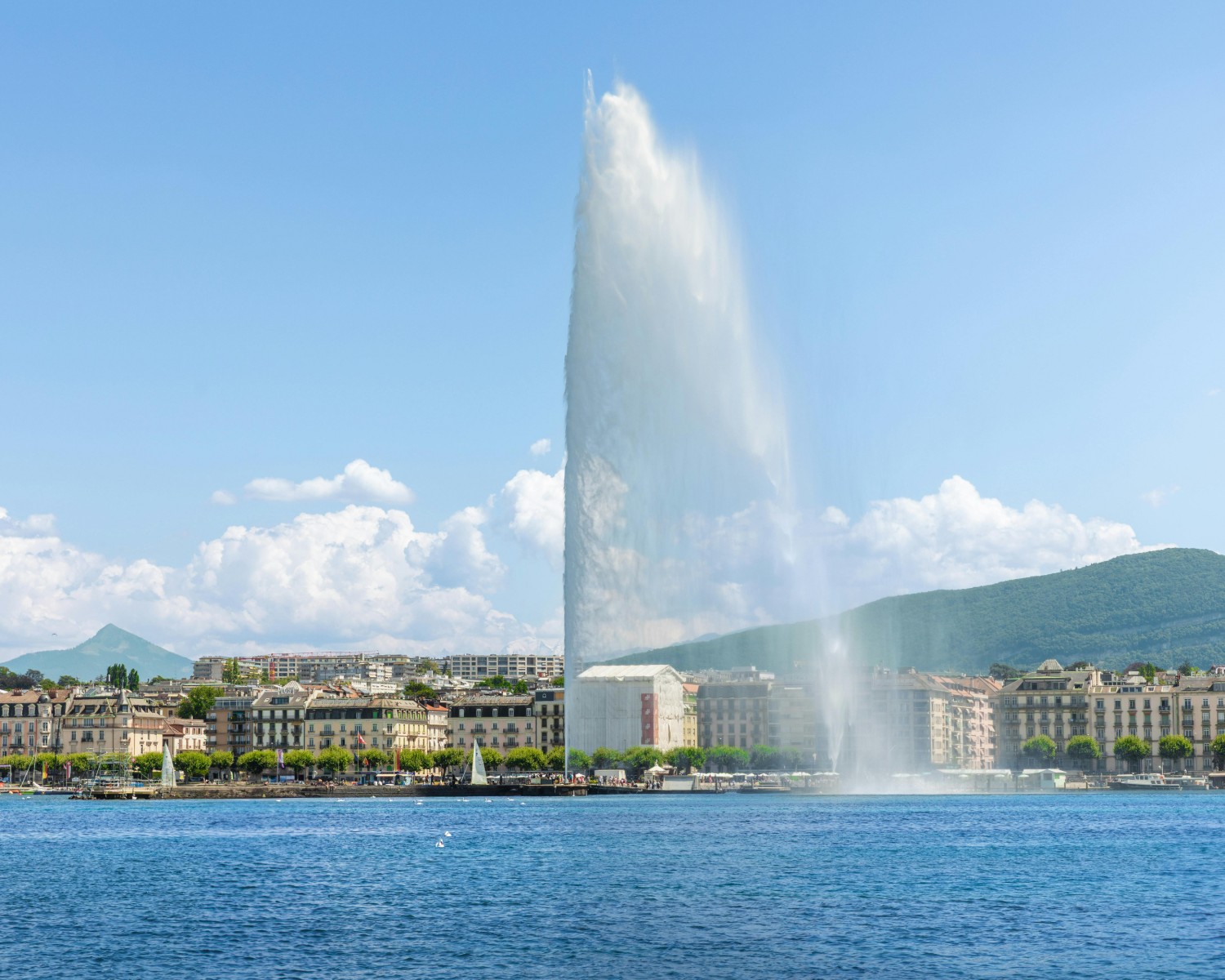
Experience 08
Geneva's Lake Geneva (Lac Léman) with iconic Jet d'Eau fountain and Alps beyond
Explore HighlightExplore
KNOWLEDGE HUB
Things to Know in Tips for switzerland
Switzerland is a unique story of the Swiss Alps tradition, mountaineering culture, and national sovereignty, thus being one of the main attractions in Switzerland tourism and European history. In addition, Switzerland became renowned for its high-level banking sector, finance, and precision engineering industry, which includes Swiss watches and luxury products. Combining ancient monuments, picturesque alpine scenery, and innovative technologies, Switzerland is a perfect combination of tradition, democracy, and economic prosperity, thus being one of the best destination for luxury tourism and winter tourism in Europe.
Centuries of Independence and Precision
Switzerland is a unique story of the Swiss Alps tradition, mountaineering culture, and national sovereignty, thus being one of the main attractions in Switzerland tourism and European history. In addition, Switzerland became renowned for its high-level banking sector, finance, and precision engineering industry, which includes Swiss watches and luxury products. Combining ancient monuments, picturesque alpine scenery, and innovative technologies, Switzerland is a perfect combination of tradition, democracy, and economic prosperity, thus being one of the best destination for luxury tourism and winter tourism in Europe.
| Ancient Helvetii (500 BC - 58 BC)
Celtic tribes known as the Helvetii inhabited present-day Switzerland. When they attempted to migrate westward in 58 BC, Julius Caesar's Roman legions defeated them at Bibracte, leading to Roman occupation that would last 500 years. Roman roads, settlements, and Latin language left indelible marks on Swiss culture.
| Roman & Early Medieval Era (15 BC - 1000 AD)
Emperor Augustus completed Roman conquest of Alpine territories in 15 BC. Roman legacies—Lugdunum (Lausanne), Aventicius (Avenches), Augusta Raurica (Basel)—became foundation cities. After Rome's collapse, Germanic tribes migrated, establishing kingdoms. The region fragmented into feudal territories under competing powers: Holy Roman Empire, kingdoms of Burgundy and Lorraine. By the 11th century, territorial fracturation defined the landscape.
| The Founding Oath - 1291 (Rütli Oath)
On August 1, 1291, representatives from three mountain cantons—Uri, Schwyz, and Unterwalden (Nidwalden)—swore a perpetual alliance to defend their freedoms and autonomy against foreign powers, particularly the Habsburg dynasty. This Federal Charter (Bundesbrief) is considered Switzerland's founding document and remains the source of Swiss National Day. What began as mutual defense evolved into a confederation that would redefine governance.
| Expansion & Renaissance (1300-1515)
Through military victories and strategic alliances, the Swiss Confederation expanded from 3 to 13 cantons by 1513, absorbing territories from Swiss Romand, Ticino, and Germanic regions. The decisive Battle of Marignano (1515) against French-Venetian forces marked the end of Swiss territorial expansion and the beginning of the doctrine of armed neutrality—no longer would Switzerland export conquest, only independence.
| Reformation & Religious Turmoil (1523-1648)
Huldrych Zwingli initiated Reformation in Zurich (1523); John Calvin revolutionized Geneva (1536) with stern Protestantism. Religious wars fractured Catholic and Protestant cantons. The Thirty Years' War (1618-1648) devastated neighboring territories, but Switzerland's diplomatic neutrality preserved it from direct involvement. The Peace of Westphalia (1648) formally recognized Swiss independence—a watershed moment.
| Enlightenment & Napoleonic Upheaval (1648-1815)
Switzerland evolved into a federation of semi-independent cantons, each pursuing distinct policies. The French Revolution's ideals clashed with conservative rural traditions. Napoleon forcibly united Switzerland into the Helvetic Republic (1798-1803), imposing centralization. After Napoleon's defeat, the Congress of Vienna (1815) restored cantonal independence while guaranteeing Switzerland's 'perpetual neutrality'—a status that would define foreign policy for centuries.
| Modern Federal State & Global Influence (1847-Present)
The Sonderbund War (1847), Switzerland's last domestic military conflict, resulted in a new Federal Constitution (1848) establishing a centralized federal state with strong cantonal autonomy. Switzerland industrialized rapidly, leveraging Alpine hydropower, precision engineering, banking, and chocolate production. Today, despite not joining the EU or UN, Switzerland remains a global financial hub, watches leader, and host to international organizations. Its dual identity—fiercely independent yet globally engaged—remains unshaken.
Founding Oath
August 1, 1291
Swiss Confederation birth; annual National Day
Federal Charter
Bundesbrief Preserved
Oldest written democratic alliance
Independence
Recognized 1648
Peace of Westphalia formal recognition
Cantons
26
Semi-autonomous regions with direct democracy
Travel Stories & Tips
Get inspired for your next adventure to switzerland


Guest Stories
H
Hemanth R
4 months agoExceptional Service and Stunning Views! I just returned from a trip to Kerala curated by Bayard Vacations, and I'm still thinking about the views. Unlike generic packages, Dhanushree from Bayard took the time to tailor the itinerary to my preferences. Every hotel and houseboat was chosen for its...
P
Prajwal Raikar
5 months agoWe went to Dubai, and Bayard Vacations made our entire trip truly joyful and memorable. Adarsh from Bayard Vacations was extremely helpful in arranging the yacht and managing a few issues promptly, which made our vacation smooth and stress-free.
M
Muthahir
5 months agoWe had a wonderful vacation in Dubai, all thanks to Bayard Vacations. From planning to execution, everything was smooth and well-organized. The itinerary was perfectly balanced, the accommodations were comfortable, and all arrangements were completely hassle-free. A special thanks to Mr. Adarsh for...
S
Spoorthy Venkatesh
5 months agoWe had an amazing time in Dubai with Bayard Vacation. Adarsh, our destination specialist, explained everything super smoothly and stayed in touch with us the whole time, which made the trip feel really easy and well organized. The team was great with the transport arrangements too. The drivers were...
B
Bakasura Brahmana
5 months agoBest iternary prepared by them. The best travel agency I suggest
H
Harsha Vardhan Attuluri
5 months agoWe recently went on a trip to Coorg and Wayanad with Bayard Vacations, and the experience was seamless. We opted for a private package, and all the arrangements were excellent. The communication was clear throughout the process. A special thanks to our agents, Rahul and Sowmya, who handled the plann...
A
Abhishek Satapathy
5 months agoWe had a wonderful vacation in Thailand thanks to the...
S
Shilpa Wartak
5 months agoWe booked our Hampi and Badami tour with Bayard Vacation and had an absolutely amazing experience! Everything was perfectly planned and very smooth from start to finish. The hotel location was excellent and close to all major places, and the drive was super comfortable. The whole trip was completely...
A
Abhilash Cr
5 months agoWe recently completed a 4-5 day Andaman trip with Bayard Vacation, and overall it was a very pleasant and well-organized experience. From the planning stage to the end of the journey, the team especially team of Rahul, Dhanushree, was supportive and responsive, making the trip smooth and stress-free.

Medha Devatraj
a month agoLoved our trip to Kerala(Munnar, Thekkady, Alleppey, Varkala and Kovalam) with Bayard Vacations. They've tailored our package and made adjustments according to our itinerary. Agents Sooraj and Dhanushree were the ones who planned and executed our trip so well🙌🙌. They were very polite and friendly. The vehicle arranged was a comfortable and spacious one for our family of 9. We were apprehensive about the tour but returned with beautiful and lifelong memories🫶🫶. A trip with Bayard Vacations is value for money ♥️♥️.

Sriram appalla
a month agoI recently took a 5N/6D trip to Kerala with Bayyard Vacation, and it turned out to be a lovely experience. Even before the trip began, the Bayyard team, especially Sooraj, helped me with every little detail and was super quick with his responses. Our assigned driver, Jbin Alex, was incredibly humble, kind, and supportive throughout the journey. I’d strongly recommend him if you’re planning a Kerala trip, and I’d definitely suggest choosing Bayyard Vacation for your travels. There was a small miss where one of the complimentary items mentioned in the itinerary couldn’t be fulfilled, but aside from that, everything went smoothly. Overall, I’d rate Bayyard Vacation a solid 4.5/5.

jothees waran
2 weeks agoManasa, sincere thanks for curating such an elegant and seamless Thailand experience. Every aspect of the journey was impeccably planned—from punctual transfers and smooth pickups to a perfectly balanced itinerary. The attention to detail, premium coordination, and effortless execution truly elevated the trip. Everything flowed with precision, allowing us to relax and enjoy each moment without a single concern. Your professionalism and commitment to excellence were evident throughout. Bayard Vacations delivers not just a trip, but a truly luxurious and memorable travel experience. Highly recommended.

Kaustubh Rastogi
3 weeks agoWe recently traveled to Malaysia and had a fantastic experience with Bayard Vacations. Their quick responses and excellent service made the entire planning process smooth and stress-free. Balaji’s recommendations were absolutely on point and perfectly matched our preferences. His attention to detail and prompt support truly made a difference. Highly satisfied with the overall experience and would definitely choose Bayard Vacations again for future trips. Highly recommended! ⭐⭐⭐⭐⭐

Manu Manu
in the last weekThe trip was very beautiful. We have experienced many places and we got chance to have the package. They guided us very safely and assured as everything that you need and food was also good and was in care of everything was fantastic trip. We went to Thailand and Bangkok, and we did alKaiser show Quarter Island and we explored a lot in the Water, also like paragliding Jaki riding And there was a dinner cruise in Bangkok. Also was very nice. Totally we really appreciate for the trip and we will like to do more.
Authentic Experiences
Read All Reviews Join 25,000+ happy travelers who explored switzerland with us.
You Might Also Like
Discover more incredible destinations and experiences tailored for you


Why Choose Bayard Vacations?
100%
Secure Booking
8+
Years Experience
25K+
Happy Travelers
24/7
Support Available
Best Price
Guaranteed
Personalized
Customized Trips
Expert
Local Guides
100+
Destinations Covered