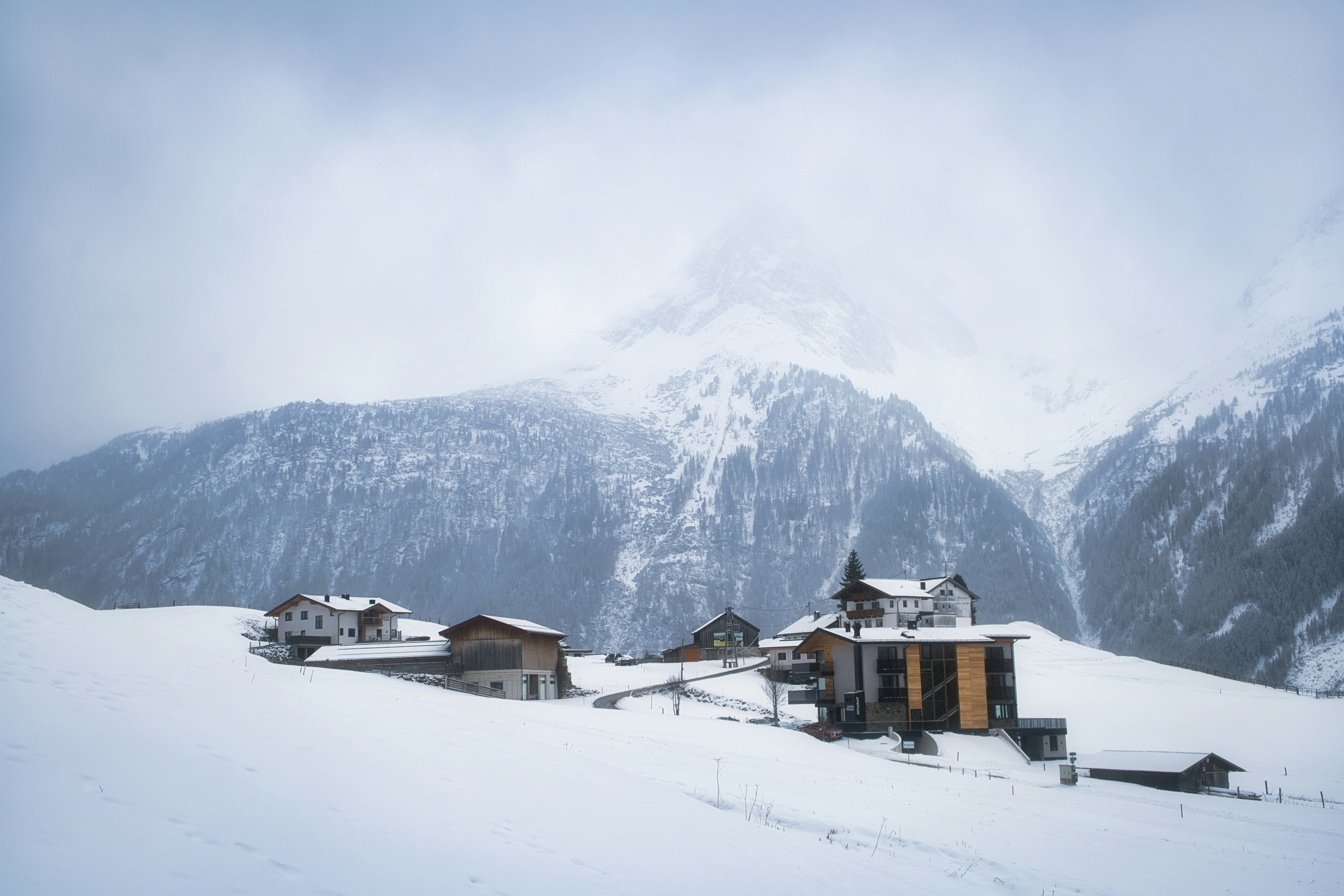
Austria
factsheet
Where Alpine peaks meet imperial grandeur, classical music echoes through ancient halls, and Central European charm flows like Danube waters.
The Essentials
Best Time
May - Jun, Sep - Oct
Currency
EUR (€)
Climate
Alpine & Temperate
Time Zone
UTC+1 (CET)
Language
German (Deutsch)
Visa
Schengen Visa
Capital
Vienna
Population
9.4M
Calling Code
+43
Power Plug
Type C & F (230V)
Tipping
10% standard (round up appreciated)
Emergency
112
History & Heritage
From Holy Roman Empire to Modern Republic
For centuries, Austria has been one of the most influential countries in Europe, growing from a medieval superpower to become one of the most popular tourist destinations in the world. From the imperial glory of Schönbrunn Palace to its emergence from the ashes of World War II as a democracy, Austria is renowned for its classical music, arts, and alpine beauty. Situated amidst the breathtaking Austrian Alps and known for luxury tourism, Austria retains its elegance and sophistication to this day.
Medieval Kingdom (996–1278 AD)
Austria (Ostarrichi) established as margraviate (996 AD). Babenberg dynasty ruled 976–1278 years. Founded Vienna (1137). Medieval trading post grew into major city. Transition to Habsburg rule (1278) began 600-year dynasty.
Habsburg Golden Age (1273–1918)
Habsburg dynasty ruled 645 years—longest-reigning European dynasty. Peak: Charles V (Holy Roman Emperor, 1500s). Maria Theresa (18th c.) reformed empire. Vienna became cultural center: Mozart, Beethoven, Strauss, Klimt flourished. Empire spanned Europe, Americas, Asia.
Congress of Vienna & 19th Century (1815–1848)
Congress of Vienna (1815) reshaped Europe after Napoleon. Metternich orchestrated balance of power. Golden Age of Vienna culture (1820s–1900s): waltz, opera, art, literature. Industrial revolution transformed society. Tensions between nationalism and imperialism grew.
Late Empire & WWI Collapse (1900–1918)
Belle Époque peak (1900–1914): Secession movement (Art Nouveau), Sigmund Freud, Gustav Klimt revolutionized culture. Assassination of Archduke Franz Ferdinand (June 1914) triggered WWI. Austro-Hungarian Empire defeated (1918). 600-year Habsburg dynasty ended.
First Republic & Nazi Era (1918–1945)
Austrian Republic established (1918); economic struggles, political instability. Nazi Anschluss (1938) annexed Austria to Germany. WWII horrors: Holocaust, war devastation. Soviet, American, British, French occupation zones (1945–1955).
Modern Democracy & Neutrality (1955–Present)
Austrian State Treaty (1955) restored independence and neutrality. Joined EU (1995), Eurozone (1999). Prospered as neutral bridge between East and West. Vienna remains cultural heartland—classical music, imperial palaces, intellectual legacy.
Spotlight: Schönbrunn Palace—Austria's Versailles
1,441 rooms, 500+ acres. Summer residence of Habsburg emperors (1696–1918). Baroque masterpiece rivaling Versailles. Gardens, fountains, hidden grottoes. Maria Theresa's playground. Young Mozart performed here (1762). UNESCO World Heritage Site. Symbol of Austrian imperial grandeur.
Independence
May 15, 1955
Austrian State Treaty; neutrality established
Habsburg Rule
645 years (1273–1918)
Longest-reigning European dynasty
Mozart Born
January 27, 1756
Salzburg; revolutionized classical music
Capital
Vienna
Imperial city on Danube
Climate & Time
Time Zone
Standard
UTC+1 (Central European Time - CET); UTC+2 (Summer Time CEST, Mar–Oct)
Difference
4.5 hours behind IST (India Standard Time) in winter; 3.5 hours in summer
🎯 Best Months
May–June (Spring), September–October (Autumn)
Climate
The climate in Austria varies significantly by region, offering a diverse range of weather conditions from coastal areas to mountain peaks.
Spring (Frühling)
Mar – May
8–18°C
Easter markets, blooming gardens. Mild weather perfect for hiking, castle tours. Danube valley vineyards budding. Fewer tourists than summer. Occasional rain.
Summer (Sommer)
Jun – Aug
18–26°C
Warm, sunny. Festival season (Salzburg Festival, Vienna Danube Festival). Mountain hiking, lake swimming. Outdoor concerts, street cafés. Peak tourism; crowded attractions. Long daylight (until 9 PM).
Autumn (Herbst)
Sep – Nov
8–16°C
Golden foliage, autumn colors. Wine harvest (Lower Austria). Perfect hiking weather. Fewer crowds. Museums, concert season begins. Cooler evenings; comfortable for city exploration.
Winter (Winter)
Dec – Feb
-2 to 2°C
Christmas markets (Vienna, Salzburg magical). Skiing in Alps (world-class resorts). Snowy palaces picturesque. Cold but festive. Budget-friendly; fewer tourists. New Year's Ball in Vienna iconic.
Seasonal Packing List
Language Guide
Official Language
German (Deutsch)
West Germanic language; 9.4 million speakers in Austria. Austrian German slightly different from German German (accent, vocabulary). English widely spoken in Vienna, tourist areas, among youth. Italian understood in Tyrol (border region). French, Spanish limited.
Local Signage
Essential Phrases
Hello
Guten Tag / Hallo
Thank you
Danke schön
Goodbye
Auf Wiedersehen
Yes / No
Ja / Nein
Please
Bitte
Excuse me
Entschuldigung
How much?
Wie viel kostet das?
Where is...?
Wo ist...?
Currency & Money
Official Currency
Euro
€ (EUR)
Exchange Rates
Denominations
Banknotes
€ 5, 10, 20, 50, 100, 200
Coins
€ 1, 2; 1, 2, 5, 10, 20, 50 cents
Culture & Vibes
Elegant Precision with Imperial Heritage
"Austrian culture values order, precision, and understated elegance. Post-Habsburg society preserves imperial traditions while embracing modernity. Reserved in public but warm once relationships form. Musical heritage central to identity. Austrians proud of cultural contributions; intellectually engaged."
Greetings
Handshake standard; firm but brief. 'Guten Tag' (good day) formal; 'Hallo' informal among friends. Maintain eye contact. Wait to be invited to use first names. Respect personal space—Austrians value privacy.
Churches & Religious Sites
Dress modestly; cover shoulders and knees. Remove hats. Silence required; photography often restricted. Austria 55% Catholic; respect religious sites' sanctity. Many churches operate as museums (Stephansdom, Belvedere).
Music & Culture
Music central to Austrian identity. Opera, concerts, classical music highly respected. Applause at concerts polite; standing ovations genuine expressions. Salzburg Festival world-renowned. Attending performances: dress formally, arrive early.
Public Behavior
Austrians reserved in public. Loud conversations, phone calls frowned upon (especially on public transport). Queue orderly. Offer seats to elderly. Direct communication valued over small talk. Punctuality critical.
Essential Dos
- • Remove shoes when entering someone's home (hosts provide slippers).
- • Bring flowers when invited to dinner (odd numbers; even for funerals).
- • Validate public transport tickets immediately (inspectors frequent; fines steep).
- • Learn basic German phrases; locals appreciate effort.
- • Respect quiet hours (10 PM–6 AM in residential areas).
- • Wait for pedestrian signals (jaywalking frowned upon).
- • Attend classical concerts, opera—cultural cornerstone of Austrian life.
Essential Don'ts
- • Don't discuss Nazi era insensitively; Austria's WWII role sensitive.
- • Don't confuse Austria with Germany (distinct identities, different histories).
- • Don't be loud or boisterous in public spaces.
- • Don't assume Austrians speak English (they do, but German preferred).
- • Don't photograph people without permission.
- • Don't expect effusive friendliness; Austrians reserved until trust built.
- • Don't leave tips on credit card; always cash.
- • Don't criticize Austrian culture or way of life.
Specific Etiquette
Dining Etiquette
Wait for host to say 'Guten Appetit' before eating. Hands visible on table (not in lap). Finish everything on plate (shows appreciation). Bread held, not placed on table. Bill split individually; group bills rare.
Business Etiquette
Punctuality critical (5 minutes early expected). Handshakes firm. Business cards exchanged formally. Direct communication valued; Austrians appreciate honesty over politeness. Meetings formal; humor limited.
Gifting Etiquette
Flowers (odd numbers, unwrap at door), wine, chocolates appropriate. Avoid knives (symbolize cutting friendship). Open gifts immediately; express gratitude. Red roses symbolize romantic love.
Hearty Alpine Flavors—Imperial Cuisine & Coffee Culture
Austrian cuisine is comfort food with imperial refinement: schnitzel, strudel, sachertorte, and coffee. Central European tradition influenced by Hungarian, Italian, Czech cuisines. Modern Austria celebrates local produce, game, dairy. Cafés and heuriger (wine taverns) central to dining culture.
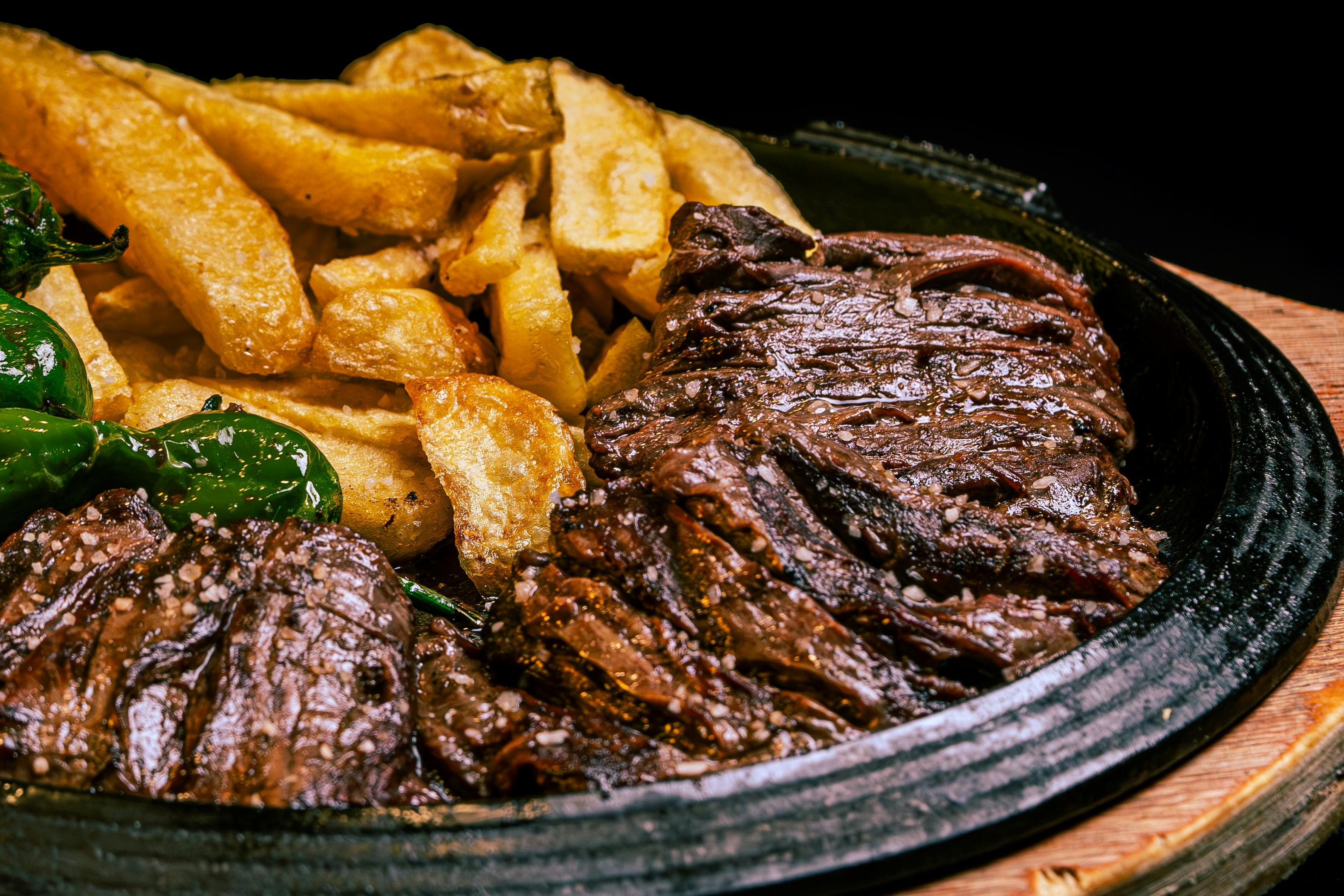
Wiener Schnitzel (Veal Cutlet)
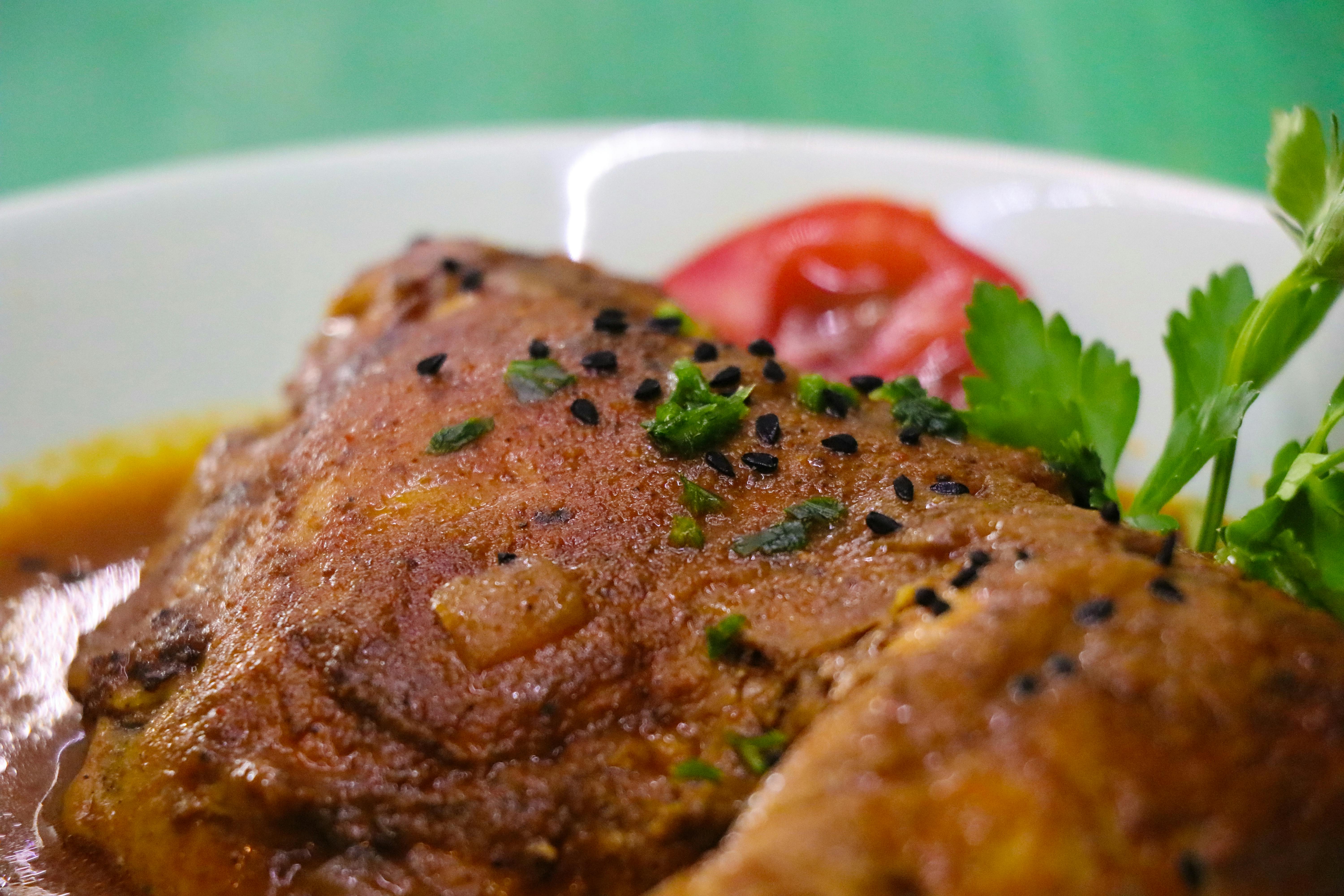
Tafelspitz (Boiled Beef)
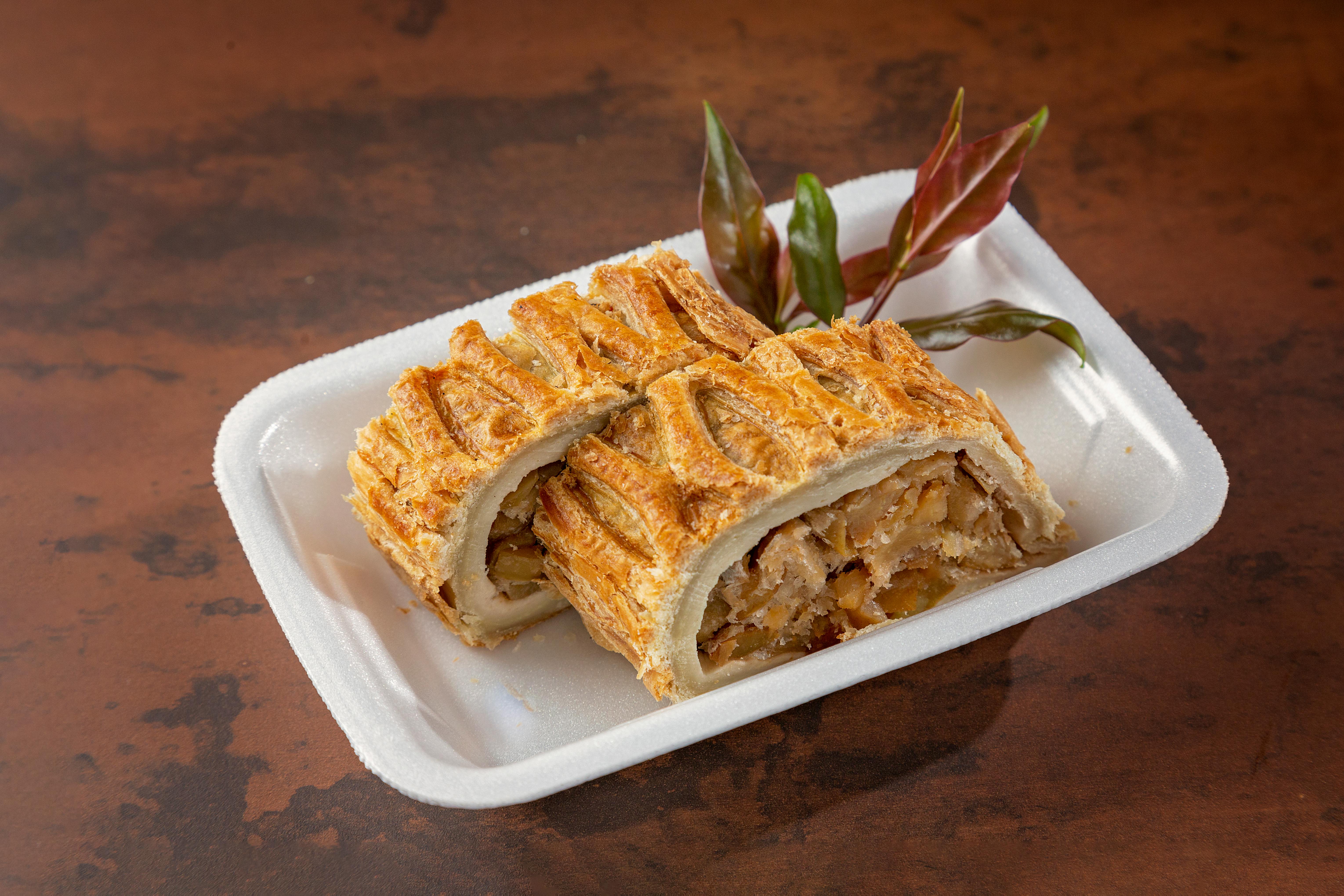
Apple Strudel (Apfelstrudel)
Sachertorte
Kaiserschmarrn (Emperor's Mess)
Kasnocken (Cheese Dumplings)
Goulash (Gulasch)
Where to Eat
Restaurants (Gasthaus)
Range from traditional to fine dining. Vienna has Michelin-starred restaurants. Casual to formal. € 15–100+ per meal.
Coffee Houses (Kaffeehouse)
UNESCO Intangible Cultural Heritage. Coffee, pastries, newspapers. Café Prater Garten, Café Hawelka (Vienna). € 3–8 per coffee + pastry.
Heuriger (Wine Taverns)
Traditional wine bars serving local wines, snacks (sausages, cheeses, breads). Vienna suburbs, wine regions. € 3–8 per glass.
Street Food & Markets
Würstel (sausages), Langos (fried bread). Naschmarkt (Vienna's famous market). € 3–8. Quick, affordable, authentic.
Dining Etiquette
- •Say 'Guten Appetit' (bon appétit) before eating; others reply similarly.
- •Wait for everyone to be served before starting.
- •Hands on table (not in lap); wrists resting on edge.
- •Finish everything on plate (shows appreciation; portions generous).
- •Bill split individually ('getrennt bitte'); group bills uncommon.
- •Tipping: Round up or add 10% cash (don't include in card payment).
- •Coffee house etiquette: linger for hours; no rush. Waiter brings check only when requested.
- •Heuriger (wine tavern) etiquette: informal, standing room; self-service or waiter service.
Signature Drinks
Shop & Bring Home
Austria offers imperial antiques, traditional crafts, luxury goods, and Alpine products. Shopping spans grand Vienna arcades to Alpine village boutiques. Salzburg and Innsbruck offer ski gear, traditional costumes, local products. UNESCO Hallein Salt Mine sells historic salt.
Imperial Antiques & Art
- Antique Furniture (Habsburg era)
- Paintings & Prints (Vienna Secession)
- Crystal & Porcelain (Augarten)
- Musical Instruments
Alpine Crafts & Clothing
- Dirndl (Traditional Dress)
- Lederhosen (Leather Shorts)
- Tracht (Alpine Costume)
- Wooden Carvings
- Loden (Wool Cloth)
Local Products & Food
- Sachertorte (Chocolate Cake)
- Mozartkugel (Candy)
- Austrian Coffee
- Tyrolean Cheese
- Apfelstrudel
Sports & Outdoor Gear
- Ski Equipment
- Hiking Gear
- Alpine Outdoor Clothing
- Mountain Bikes
Where to Shop (Local Hubs)
Kärtner Straße (Vienna)
Main Shopping Street
"Vienna's premier shopping boulevard. International brands, local boutiques. 1.5 km pedestrian street. Historic arcades, cafés."
Naschmarkt (Vienna)
Historic Market
"Vienna's most vibrant market (since 1775). Fresh produce, spices, international foods. Saturday largest. Local artisan products, cafés."
Dorotheum (Vienna)
Auction House
"Austria's oldest auction house (1707). Imperial furniture, art, antiques. Viewing open to public; auctions regular."
Salzburg Outlet Center
Designer Outlet
"30 km south of Salzburg. International designer brands discounted 30–70%. Alpine location scenic."
Hallstatt Village Shops
Alpine Tourist Hub
"World's most beautiful village. Traditional crafts, local products, souvenirs. Scenic lakeside shopping. Crowded but magical."
On the Move
Airport
VIE (Vienna)
16 km southeast; 25–40 min to center
Taxi Apps
Uber, Bolt, Funi
Safe, transparent pricing
Railways
ÖBB (Austrian Railways)
Efficient, scenic national network
Airport Arrival
Vienna International Airport (VIE) is main gateway, 16 km southeast of city center. Journey to center: 30 minutes by train (CAT), 40 minutes by bus, 25 minutes by taxi.
Travel Tech
Travel Tips
Validate tickets immediately (yellow machines); inspectors frequent, fines € 100+.
Download ÖBB app; comprehensive Austrian train timetables, real-time tracking.
Google Maps works perfectly; real-time Vienna public transport.
Taxis: Use apps only (Uber, Bolt, Funi); avoid street hailing.
Vienna Card (2/3-day pass) includes transport + 60+ attractions. Consider if visiting many sites.
Cobblestones everywhere; wear comfortable walking shoes.
Night trams available; useful for late returns from opera/concerts.
Intercity Travel
Trains (ÖBB)
Extensive network. Vienna–Salzburg (2.5h, € 20–50), Vienna–Innsbruck (5h, € 30–70), Vienna–Prague (4h, € 15–40). Reliable, scenic. Book via oebb.at.
Buses (FlixBus, Eurolines)
Cheaper than trains. Vienna–Prague (4h, € 10–25), Vienna–Budapest (3h, € 10–20). Comfortable, WiFi. Popular for budget travelers.
Car Rental
EU/International driver's license required. Drive on right. Roads excellent. Scenic routes: Salzkammergut (lake region), Ötztal. € 40–80 daily.
Danube River Cruises
Scenic boat trips. Vienna–Budapest multi-day cruises. Day trips to Melk Abbey, wine regions. € 50–200+ depending on route.
BakıKart
Jahreskarte / Weekly Card (Vienna): Public transport card for metro, trams, buses. Passes available (24h, 72h, weekly). Valid for all modes.
Visa Entry
Schengen Visa Required for Indians
Austria is Schengen Area member. Indian citizens require Schengen visa before travel. Apply at Austrian Embassy/Consulates or VFS Global centers in India (Delhi, Mumbai, Bangalore, Kolkata, Chennai). Process straightforward but plan 15–30 days advance.
Book appointment online at VFS Global (www.vfsglobal.com/austria/india) or Austrian Embassy.
Fill Schengen visa application form online. Print and sign.
Gather required documents (see requirements below).
Attend appointment at VFS/Embassy; submit documents, biometrics (fingerprints, photo).
Pay visa fee (EUR €80) + VFS service fee (₹2,500). Keep receipt.
Track application via VFS website. Decision within 15–30 days.
Collect passport (visa stamped) from VFS or via courier.
Registration
Penalty: Overstays incur fines, Schengen ban, deportation.
Entry Requirements
- • Valid passport (6+ months validity beyond intended stay; 2 blank pages minimum).
- • Recent passport-size photos (Schengen specifications: 35x45mm, light background, frontal).
- • Completed Schengen visa application form (signed).
- • Travel insurance (EUR €30,000+ coverage; medical, repatriation). Mandatory.
- • Flight itinerary (confirmed round-trip booking; not necessary to pay fully until visa approved).
- • Hotel bookings/accommodation proof (entire stay; Booking.com confirmable free cancellation).
- • Bank statements (last 3–6 months; showing sufficient funds—approx. ₹50,000+ per week).
- • Employment proof (leave approval letter from employer) or student ID/university letter.
- • Cover letter explaining purpose, itinerary, ties to India (job, family, property).
- • Schengen travel history (if any; helps approval).