
austria
Austria
Nestled in the Alps, Austria is landlocked Central European nation famed for its imperial Vienna architecture, classical music heritage, and world-class ski resorts.
5+
packages
20k
Travelers
4.9
Rating
12+
Activities
Explore
Destination Overview
About Austria
Where Alpine peaks meet imperial grandeur, classical music echoes through ancient halls, and Central European charm flows like Danube waters.
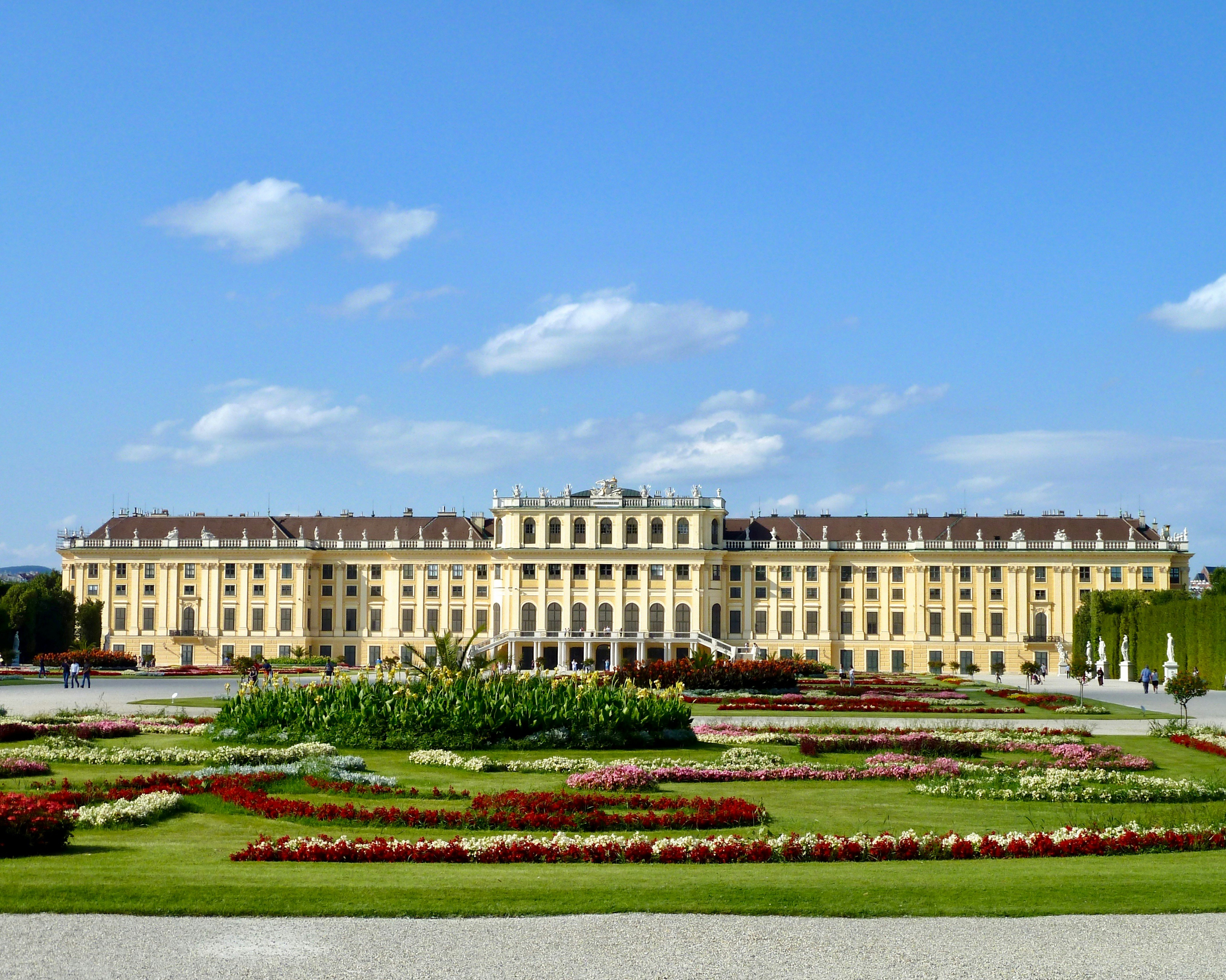
For centuries, Austria has been one of the most influential countries in Europe, growing from a medieval superpower to become one of the most popular tourist destinations in the world. From the imperial glory of Schönbrunn Palace to its emergence from the ashes of World War II as a democracy, Austria is renowned for its classical music, arts, and alpine beauty. Situated amidst the breathtaking Austrian Alps and known for luxury tourism, Austria retains its elegance and sophistication to this day.
Best TimeMay - Jun, Sep - Oct
CurrencyEUR (€)
ClimateAlpine & Temperate
Time ZoneUTC+1 (CET)
LanguageGerman (Deutsch)
VisaSchengen Visa
CapitalVienna
Population9.4M
Best Time
May - Jun, Sep - Oct
Currency
EUR (€)
Climate
Alpine & Temperate
Time Zone
UTC+1 (CET)
Language
German (Deutsch)
Visa
Schengen Visa
Capital
Vienna
Population
9.4M
Why Choose austria?
Habsburg Imperial Legacy
Schönbrunn Palace (1,441 rooms), Hofburg Imperial Palace, St. Stephen's Cathedral—monuments to 600 years of Habsburg rule. Vienna's imperial grandeur shaped European aesthetics. Habsburg patronage funded Mozart, Beethoven, composers who defined classical music. Imperial heritage preserved, celebrated.
Classical Music Mecca
Vienna: birthplace of classical music. Mozart (1756–1791), Beethoven (1770–1827), Brahms, Strauss shaped Western music. Vienna State Opera world's largest opera house. Musikverein concert hall (1870, Brahms and Strauss premiered here). UNESCO concerts, festivals worldwide.
Vienna Secession & Art
Vienna Secession (Art Nouveau, 1897–1910): Gustav Klimt, Egon Schiele, Oskar Kokoschka revolutionized visual art. Vienna Psychoanalysis: Sigmund Freud's clinic. Intellectual ferment: Wittgenstein, Gödel. Vienna 1900–1914 ranked among world's most creative cities.
Alpine Beauty & Sports
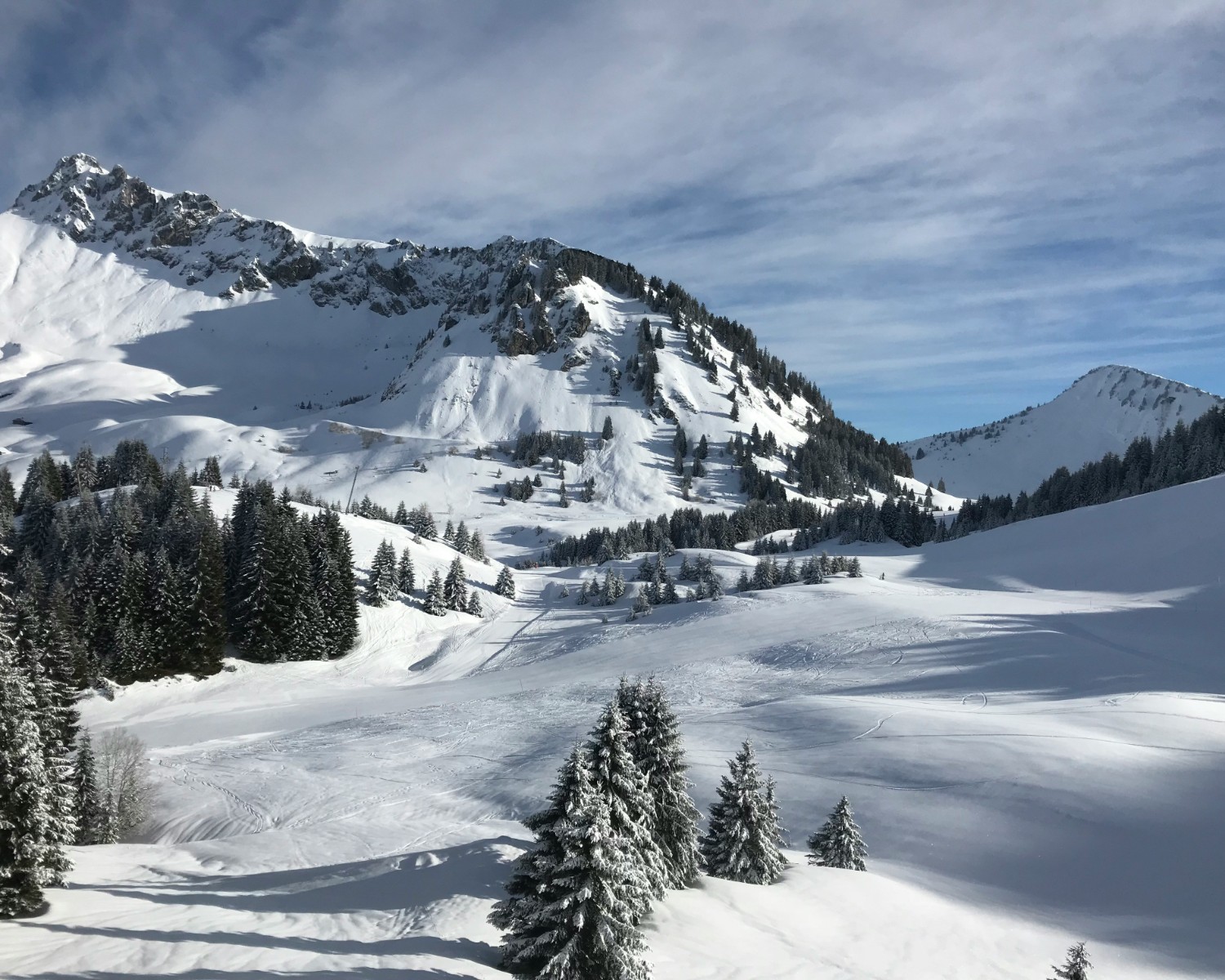
Austria dominates winter sports: skiing, ice hockey, biathlon. Alps cover 62% of country. UNESCO mountain heritage: Hallstatt (world's most beautiful village), Dolomites. Summer hiking, mountain biking paradise. Skiing capital of world; Olympic host (1964, 1976, 2002).
Must-Experience Attractions
Schönbrunn Palace & Gardens
St. Stephen's Cathedral & Vienna Old Town
Alpine Skiing & Mountain Cable Cars
Salzburg Festival & Mozart Birthplace
Hallstatt Village & Alpine Lakes
Vienna Opera House & Classical Concerts
Austria Tour Packages from India
Austria packages with Bayard start at ₹99,000 per person, and it is one of the best first trips to Europe an Indian family can take. Vienna’s imperial palaces and coffee houses, Salzburg and Mozart, Hallstatt on its lake, and the Alps a train ride away all in a country small enough to see properly in a week.
Two things to plan around. You need a Schengen visa, which now costs €90 and takes fifteen to thirty days so this is a trip you start arranging six weeks out, not two. And European borders changed in 2026: biometric registration has replaced passport stamps, which we explain below so nothing at the airport is a surprise.
Below: what the trip really costs, how to pace it so it does not become a coach tour, and whether summer or December is the Austria you actually want.
Get an Austria quote →
Austria trip at a glance
Field | Detail |
Ideal duration | 6–7 nights for Austria on its own; 8–10 nights if you are adding Switzerland, Germany or the Prague–Budapest circuit |
Cost from India | ₹99,000–₹1,39,999 per person with Bayard for Austria-only trips, depending on duration and hotel category. Multi-country combinations run higher |
Best season | May to September for lakes, hiking and long days. December for Christmas markets and snow. Both are hero seasons they are simply different trips |
Entry for Indians | Schengen visa required. €90 for adults, €45 for children 6–12, 15–30 days to process. Apply 4–6 weeks ahead. Last verified 2 September 2026 |
At the border | The EU Entry/Exit System has replaced passport stamping since April 2026 expect a photo and fingerprints on your first entry |
Flights from India | One stop from Delhi, Mumbai, Bengaluru and Hyderabad to Vienna via Frankfurt, Munich, Istanbul, Doha or Dubai. Typically 12–16 hours in total |
Getting around | Trains. Vienna to Salzburg is about 2.5 hours and the network is excellent but book ÖBB fares early, because advance prices are a fraction of walk-up ones |
The Schengen visa: what Indian travellers need in 2026
Austria is in the Schengen Area, so Indian passport holders need a short-stay Schengen visa (Type C) before travelling. It allows up to 90 days in any rolling 180-day period across all 29 Schengen countries.
The essentials
• Fee: €90 for adults, €45 for children aged 6–12, free for under-6s. This rose from €80 in June 2024 a lot of published guidance still quotes the old figure.
• Processing: typically 15 to 30 calendar days. Apply four to six weeks before you travel, and earlier for June to August or December departures when appointment slots get scarce.
• Where to apply: at the consulate of your main destination the country where you will spend the most nights. If nights are equal across countries, apply to your first point of entry. On an Austria-plus-Switzerland trip this decides which embassy you go to, and getting it wrong causes rejections.
• Insurance: travel insurance with a minimum of €30,000 medical cover, valid across all Schengen countries, is mandatory for the application.
What you will need to submit
A passport valid at least six months with two blank pages; the completed application form; photographs to Schengen specification (35×45mm, white background); confirmed return flights; hotel bookings for your whole stay; three to six months of bank statements; an NOC from your employer or school; and a cover letter setting out your itinerary. For minors, a birth certificate and parental consent. We prepare the itinerary, flight and hotel documentation as part of your booking, which is the part most independent applicants get wrong.
What changed at the border in 2026
The EU Entry/Exit System became fully operational across all 29 Schengen countries on 10 April 2026. Passports are no longer stamped. Instead, on your first entry you are enrolled biometrically a facial image and four fingerprints and every entry and exit after that is recorded automatically.
• Practically: allow extra time at your first Schengen border crossing, particularly at a busy hub in peak season. If you have a tight onward connection, tell us and we will build slack into the routing.
• The 90-in-180 calculation is now automatic and enforced, rather than estimated from stamps. If you have travelled in Schengen recently, those days count.
• On subsequent trips within three years you are matched to your existing record, which is faster.
A word about ETIAS
You will see a lot about ETIAS as it launches. It does not apply to you. ETIAS is a pre-travel authorisation for visa-exempt nationalities American, British, Japanese and similar passports at €20. Indian passport holders remain visa-required and still need the full Schengen visa described above. If a website offers to sell you an ETIAS for your Indian passport, it is not helping you.
What an Austria trip costs from India
Bayard’s Austria packages run from ₹99,000 per person for a four-night Vienna-based trip to ₹1,39,999 for a fuller eight-night circuit through Vienna, Salzburg, Hallstatt and Innsbruck. Multi-country routes adding Prague, Budapest, Germany or Switzerland run higher.
What moves the price
• Hotel category, and location within it. A Vienna city-centre hotel and one two U-Bahn stops out are different prices for a very similar experience we will tell you when the premium is worth paying and when it is not.
• Season. June to August and December are peak for both availability and price. Early May and late September are noticeably better value for very similar weather.
• How many countries. Adding Switzerland, Germany or the Prague–Budapest circuit changes the shape and the cost substantially treat it as a different holiday rather than an upgrade.
• Alpine inclusions. Dachstein, the 5 Fingers viewpoint and cable cars are worth doing and are a real line item.
• Whether international flights are bundled.
Beyond the package
Budget for the Schengen visa at €90 per adult plus VFS service charges; travel insurance, which is compulsory for the visa anyway; Vienna’s city accommodation tax, added to hotel bills; and meals outside your plan. One genuine saving: Austrian rail advance fares are a fraction of walk-up prices, so booking trains early rather than at the station is worth real money we book them with your package.
Package | Duration | Covering | Price (per person) |
Imperial Vienna Tour | 5D / 4N | Vienna, Hallstatt, Salzburg | ₹99,000 |
Essence of Austria | 6D / 5N | Vienna, Hallstatt, Salzburg, Innsbruck | ₹1,24,999 |
Amazing Austria | 7D / 6N | Vienna, Salzburg, Hallstatt, Innsbruck | ₹1,39,000 |
Austria Highlight Tour | 8D / 7N | Vienna, Salzburg, Hallstatt, Innsbruck | [Insert price — currently On Request] |
Classic Austria Tour | 9D / 8N | Vienna, Salzburg, Hallstatt, Innsbruck | ₹1,39,999 |
Get a fixed, all-in price for your dates →
Austria alone, or Austria plus?
This is the decision that shapes the trip, and it is worth making deliberately rather than by default.
• Austria on its own, 6–8 nights. Vienna properly the palaces, the coffee houses, an opera evening then Salzburg, Hallstatt and an Alpine day. Short train hops, one or two hotel changes, and time to actually sit down. This is the better trip for families, for first-time Europe travellers and for anyone who would rather see three places well than seven briefly.
• Austria and Switzerland, 9–10 nights. Two Alpine countries, more transit, and a noticeably higher budget. Excellent if the Alps are the point of the holiday.
• Prague, Vienna and Budapest, 8–10 nights. The classic Central European circuit three capitals, short train journeys between them, and more cities than mountains. A different holiday from the Alpine version, and often better value.
• A visa note that matters: on a multi-country trip you apply to the country where you will spend the most nights. Adding Switzerland or Prague can change which embassy you deal with, and therefore your processing time. We work that out before you book.
Choose your Austria itinerary
Imperial Vienna & Salzburg 5 Days / 4 Nights
Best for a first visit and a shorter trip
• Day 1: Arrive Vienna, transfer, evening at Stephansplatz.
• Day 2: Schönbrunn Palace, the Belvedere, St Stephen’s Cathedral and the Hofburg.
• Day 3: Vienna at a slower pace — the Naschmarkt, a coffee house, the Prater wheel, Kärntner Straße.
• Day 4: Train to Salzburg — Mozart’s birthplace, Mirabell Gardens, the Hohensalzburg fortress.
• Day 5: Departure.
Customize this itinerary →
Classic Austria - 7 Days / 6 Nights
Best for families and first-time Europe travellers
Three nights in Vienna, then Salzburg, a full day at Hallstatt on the lake, and an Alpine day at the Dachstein glacier and the 5 Fingers viewpoint. Paced at one or two major sights a day rather than four, which is the difference between a holiday and a route march — particularly with children or older parents.
Grand Austria with Innsbruck - 8 to 9 Days
Best for travellers who want the Alps as well as the cities
Adds Innsbruck and the Nordkette cable car, which takes you from the city centre to 2,000 metres in about twenty minutes, plus more time in the Salzkammergut lakes. The extra nights buy depth rather than more destinations.
Vienna Christmas Markets - 5 to 7 Nights, late November to December
Best for couples and families travelling in winter
A different Austria entirely: the Rathausplatz, Belvedere and Schönbrunn markets in Vienna, Salzburg’s old town under snow, mulled wine and short cold days. December books out early and prices are at their peak this is a trip to plan in August, not November.
Plan a Christmas market trip →
When to go
Austria has two hero seasons rather than one, and they are genuinely different holidays.
Months | What it’s like | Verdict |
May and late September | Mild, green, long enough days, and noticeably fewer people. Spring blooms in May; wine harvest and festivals in the Wachau in September | The best value window, and our usual recommendation for families |
June–August | Warm (roughly 15–30°C), long daylight, lakes swimmable, all Alpine activities open. Also the busiest and most expensive | Peak summer. Best for hiking, lakes and high-altitude excursions |
Late November–December | Christmas markets in Vienna, Salzburg and Innsbruck, snow in the Alps, New Year concerts. Cold and dark early | The second hero season, and a completely different trip. Book months ahead |
January–March | Ski season in the Alps; cities are quiet and cheap but cold | Excellent for skiing, and good value for a city break if you do not mind the weather |
If you are choosing between them: summer is for the lakes, the mountains and long evenings outdoors. December is for the markets, the music and the snow. Both are excellent — just do not book December expecting to hike, or July expecting a market.
Vienna
Schönbrunn and the Belvedere for the Habsburg grandeur, St Stephen’s and the Hofburg for the old city, and the Vienna State Opera for one of the great musical experiences in Europe — standing tickets are inexpensive and worth the queue. Klimt’s The Kiss is at the Belvedere. Give Vienna three nights; two is not enough and people always regret it.
Salzburg
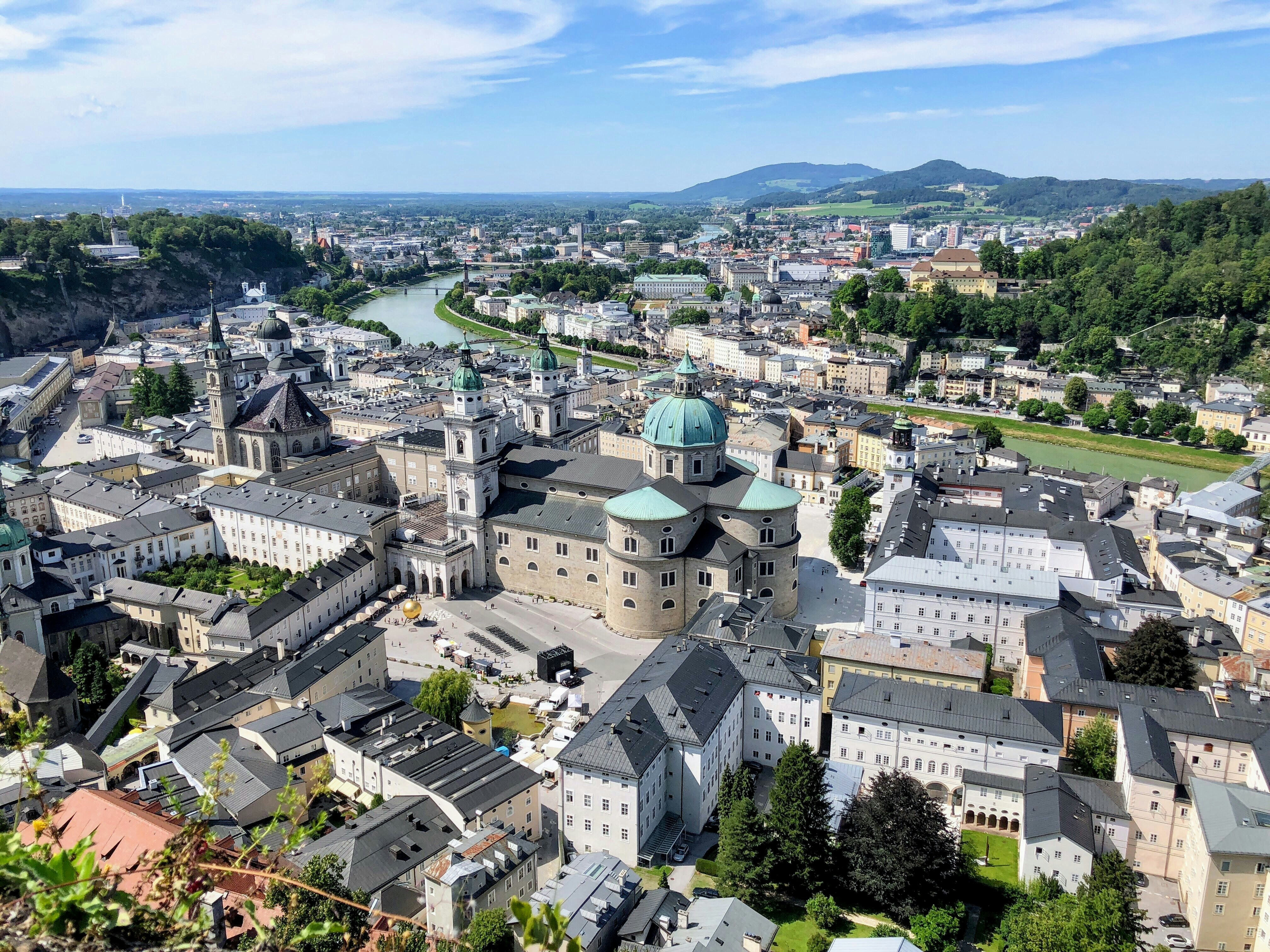
Mozart’s birthplace, a baroque old town that is a UNESCO site, the Hohensalzburg fortress above it, and the Mirabell Gardens that every Sound of Music tour visits. Two and a half hours from Vienna by train, and comfortable as either a base or a long day trip.
Hallstatt
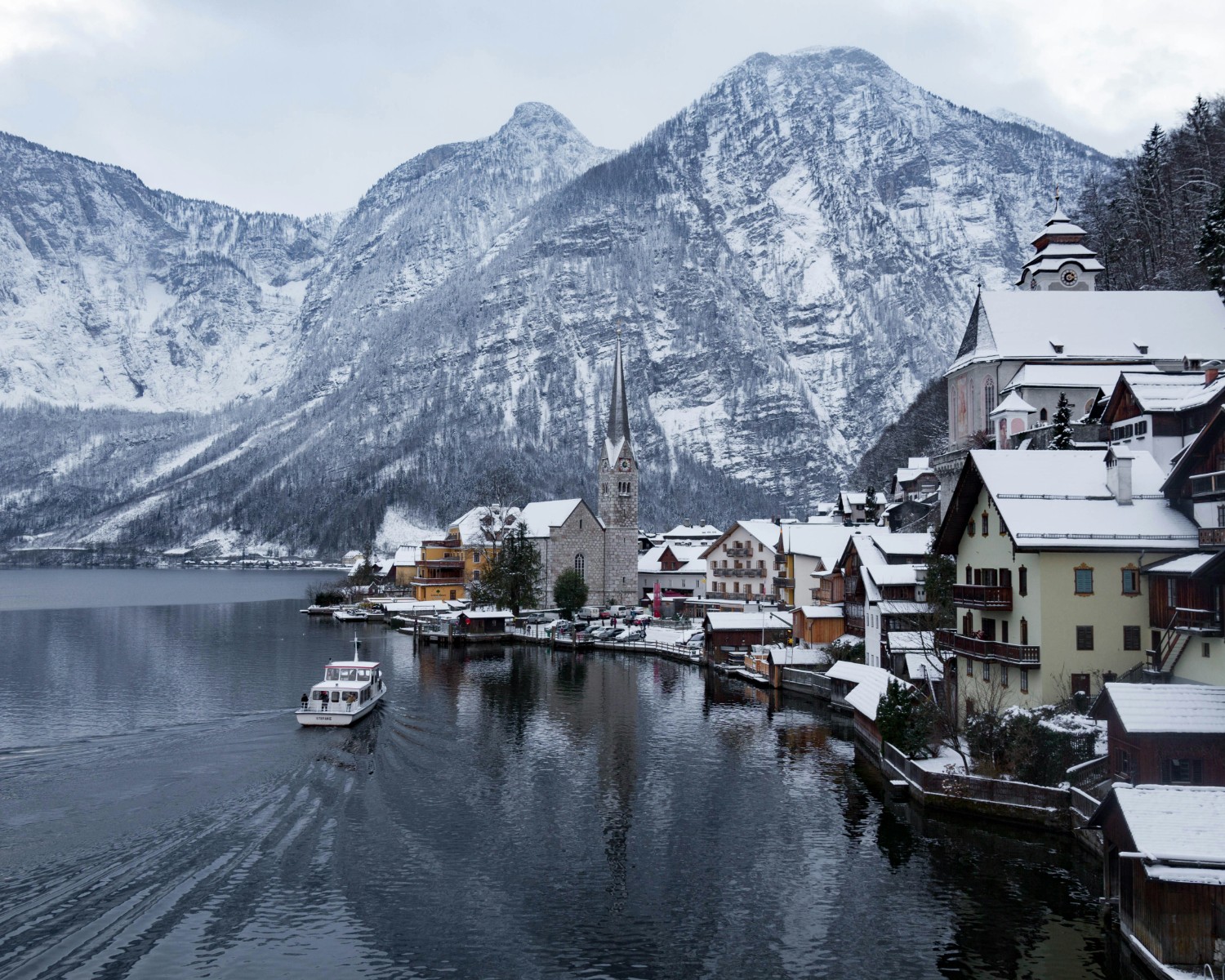
The lakeside village in the photographs, with its salt mine, boat cruises and the classic view across the water. One practical point most pages leave out: it is roughly three and a half hours each way from Vienna, so it is a very long day trip from there. It works much better from Salzburg, or as an overnight which is also when you get it without the day-trip crowds.
The Dachstein and the Salzkammergut
Glacier, ice caves and the 5 Fingers viewing platform hanging over the valley, with the lakes of the Salzkammergut below St Wolfgang, Bad Ischl, Lake Hallstatt. The Alpine day that makes an Austria itinerary feel like more than a city tour.
Innsbruck
The Alpine capital, where the Nordkette cable car takes you from the middle of the city to 2,000 metres in about twenty minutes probably the most efficient mountain access in Europe. Twice a Winter Olympic host, and a good base for the western Alps.
The Wachau Valley
Danube wine country between Vienna and Salzburg, with Melk Abbey above the river and terraced vineyards along it. A gentle half-day or day that suits travellers who want countryside without a mountain.
Practical notes for Indian travellers
Trains
Austria’s rail network is excellent and it is how you should move between cities. The one thing to know: ÖBB advance-purchase fares are dramatically cheaper than tickets bought on the day. Booking early is the difference between Austrian trains being good value and being expensive, and we book them with your package rather than leaving it to the station.
Money and tipping
Euros. Cards are accepted almost everywhere, though some smaller cafés and market stalls still prefer cash carry some. Tipping is modest by Indian standards: rounding up or about 5–10% in restaurants is normal.
Food
Better for vegetarians than its reputation suggests Austrian cooking has strong meat-free staples, and Vienna has excellent Indian restaurants and a good vegetarian scene. Smaller towns are more limited. Tell us about Jain or strict vegetarian requirements at booking so we can brief hotels.
Language and getting around
German is the language, but English is widely spoken in Vienna, Salzburg and anywhere tourists go. Cities are walkable and public transport is straightforward Vienna’s U-Bahn in particular is easy for first-time visitors.
Common mistakes to avoid
• Leaving the Schengen visa too late. Fifteen to thirty days is the processing window, and appointments are scarce before summer and December.
• Budgeting €80 for the visa. It has been €90 since June 2024.
• Paying a third-party site for an ETIAS. It does not apply to Indian passports.
• Applying to the wrong embassy on a multi-country trip. It is the country with the most nights, not the first one you thought of.
• Treating Hallstatt as an easy Vienna day trip. It is 3.5 hours each way.
• Buying train tickets on the day rather than in advance.
• Giving Vienna two nights and then trying to fit Salzburg, Hallstatt and Innsbruck around it.
• Booking December late. The Christmas market weeks sell out months ahead.
What’s included in a Bayard Austria package
Included | Not included |
3, 4 or 5-star hotels in central locations — Vienna city centre, Salzburg old town, Innsbruck or lakeside towns | International flights from India, unless bundled |
Daily breakfast, with half-board options where they suit the itinerary | The Schengen visa fee and VFS service charges — though we prepare your documentation |
Airport transfers, city transfers and train tickets between Vienna, Salzburg and Innsbruck as listed | Travel insurance, which is compulsory for the visa in any case |
Sightseeing and entrance tickets as specified — Schönbrunn, the Belvedere, Hallstatt, the Dachstein cable car, Salzburg fortress | Lunches, dinners and optional tours not listed in your itinerary |
English-speaking guides where applicable, and on-trip coordination | Vienna city accommodation tax, personal expenses, extra cable car rides and shopping |
Why book Austria with Bayard Vacations
• Current Schengen guidance, not last year’s. We will tell you the right fee, the right embassy for your itinerary, and what the new biometric border process means at the airport.
• We prepare the itinerary, flight and hotel documentation your visa application needs — the part independent applicants most often get wrong.
• Pacing built for the people actually travelling. One or two major sights a day, with rest built in, rather than four cities in six days.
• Honest add-on logic. Vienna, Salzburg, Hallstatt, the Dachstein and Switzerland are not interchangeable, and we will tell you which ones your days can carry.
• Trains booked in advance at advance fares, which on Austrian rail is a real saving rather than a convenience.
• Straight advice on summer versus December, which are two different holidays wearing the same name.
Talk to an Austria specialist →
Austria package FAQs
Do Indians need a visa for Austria?
Yes. Austria is in the Schengen Area, so Indian passport holders need a short-stay Schengen visa (Type C) arranged before travel. It allows up to 90 days in any rolling 180-day period across all 29 Schengen countries.
How much does the Schengen visa cost?
€90 for adults and €45 for children aged 6–12, free for under-6s, plus VFS service charges. The fee rose from €80 in June 2024, so a lot of published guidance still quotes the old figure budget for €90.
How long does the Schengen visa take?
Typically 15 to 30 calendar days. Apply four to six weeks before you travel, and earlier for June–August or December departures when appointments get scarce.
Which country should I apply to if I am visiting more than one?
The country where you will spend the most nights. If nights are equal, apply to your first point of entry. On an Austria-and-Switzerland or Prague–Vienna–Budapest trip this decides which embassy handles your application, and getting it wrong is a common cause of rejection. We work it out before you book.
Do I need ETIAS?
No. ETIAS is a pre-travel authorisation for visa-exempt nationalities such as US, UK and Japanese passport holders. Indian passport holders are visa-required and still need the full Schengen visa. Any site offering to sell you an ETIAS for an Indian passport is not helping you.
What is the new biometric border system?
The EU Entry/Exit System replaced passport stamping across all 29 Schengen countries on 10 April 2026. On your first entry you are enrolled with a facial image and fingerprints, and entries and exits are then recorded automatically. Allow extra time at your first border crossing, and note that your 90-in-180 days are now calculated automatically.
How much does an Austria trip cost from India?
Our Austria packages run from ₹99,000 per person for a four-night Vienna-based trip to ₹1,39,999 for a fuller eight-night circuit. Multi-country routes adding Prague, Budapest, Germany or Switzerland cost more. Hotel category, season and how many countries you include are what move the number.
How many days do I need in Austria?
Six or seven nights covers Vienna, Salzburg, Hallstatt and an Alpine day comfortably. Four or five works for Vienna with one or two day trips. Eight or nine if you want Innsbruck and the western Alps as well.
What is the best time to visit Austria?
There are two. May to September for lakes, hiking and long days, with early May and late September the best value. Late November to December for Christmas markets and snow. They are genuinely different holidays pick the one you actually want.
Is Austria good for families?
Very. It is safe, the trains are easy, the distances are short and there is plenty for children Schönbrunn Zoo, the Prater, the Hallstatt salt mine with its miners’ slide, cable cars. The main thing is pacing: one or two major attractions a day rather than four.
Should I add Switzerland or Prague and Budapest?
Depends what you want. Switzerland doubles the Alpine content and the budget. Prague and Budapest give you three capitals with short train hops and often better value. Austria alone gives you the most depth for the fewest travel days. All three are good trips they are just not the same trip.
Can I do Hallstatt as a day trip from Vienna?
You can, but it is about three and a half hours each way, so it is a very long day. It works far better from Salzburg, or as an overnight which also gets you the village early and late, without the day-trip crowds.
How do I get around Austria?
By train, and book ahead. The network is excellent and Vienna to Salzburg is about two and a half hours, but ÖBB advance fares are a fraction of walk-up prices. We book them with your package.
Is Austria good for vegetarians?
Better than expected. Austrian cooking has good meat-free staples, and Vienna has excellent Indian restaurants and a strong vegetarian scene. Smaller towns are more limited. Tell us at booking, especially for Jain requirements, and we will brief the hotels.
What is included in a Bayard Austria package?
Hotels in central locations, daily breakfast, airport and city transfers, train tickets between cities as listed, sightseeing and entrance tickets as specified, and on-trip support. International flights, the Schengen visa fee, travel insurance, Vienna city tax and personal expenses are separate.
Planning an Austria trip?
Tell us your city, your dates and who’s travelling. We’ll send back a costed itinerary paced for your group, tell you which embassy to apply to, and prepare the documentation your Schengen application needs.
Enquire now · WhatsApp · Call
austria Packages


Signature Collections
Handpicked signatures and top-rated escapes in austria

We Are Bayard Vacations
Not just another travel company. We're dreamweavers, adventure architects, and memory makers.
Explore
Now Featuring
Thailand

Highlight
Meet Bayard Buddy – Advanced AI Chatbot for Everyday Help
Experience 01
Vienna's grand architecture and imperial squares
Explore HighlightExplore
Experience 02
Snow-capped Alpine peaks above ski slopes
Explore HighlightExplore
Experience 03
Salzburg's Baroque architecture and fortress
Explore HighlightExplore
Experience 04
Hallstatt village reflected in pristine lake
Explore HighlightExplore
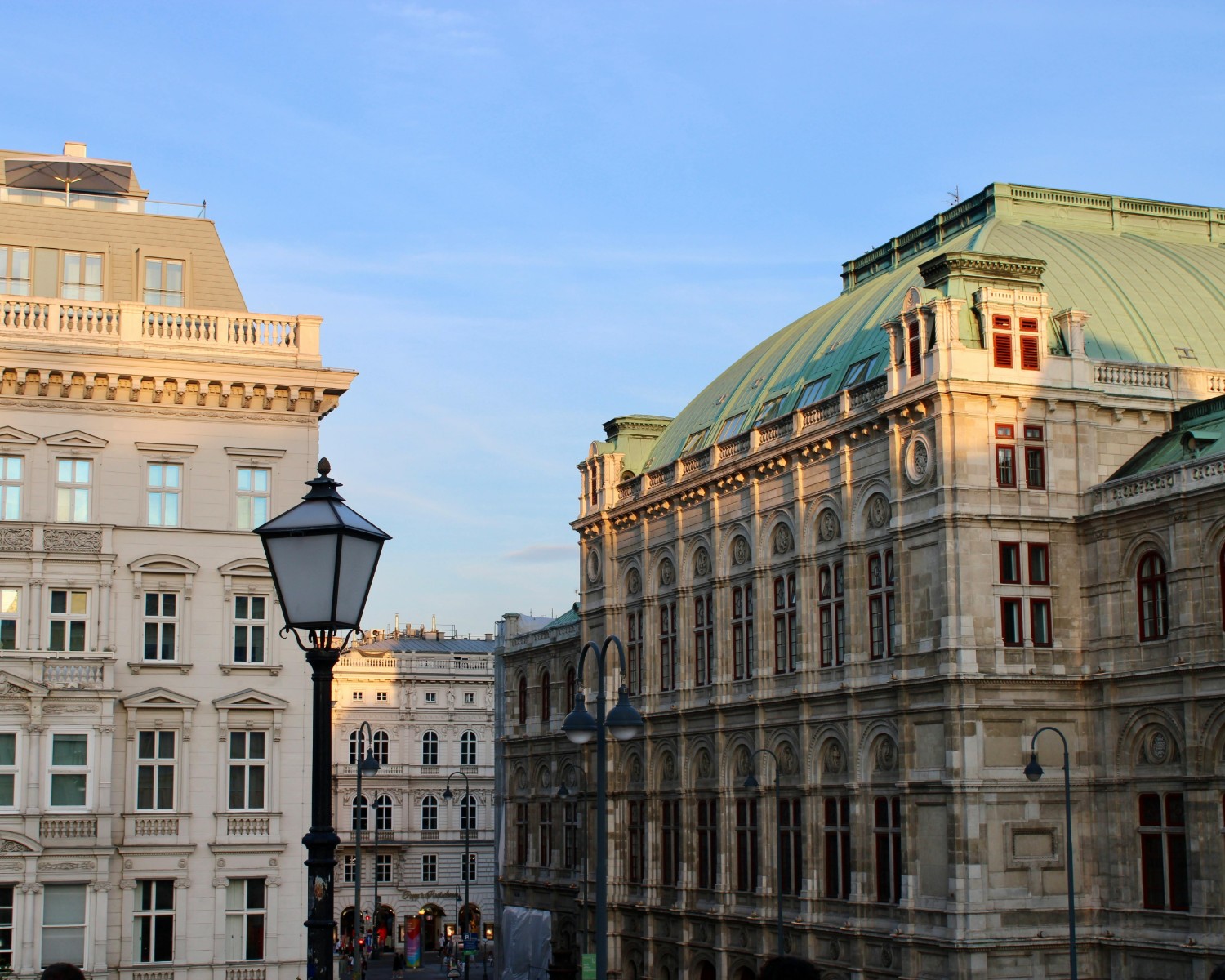
Experience 05
Vienna State Opera House grand facade
Explore HighlightExplore
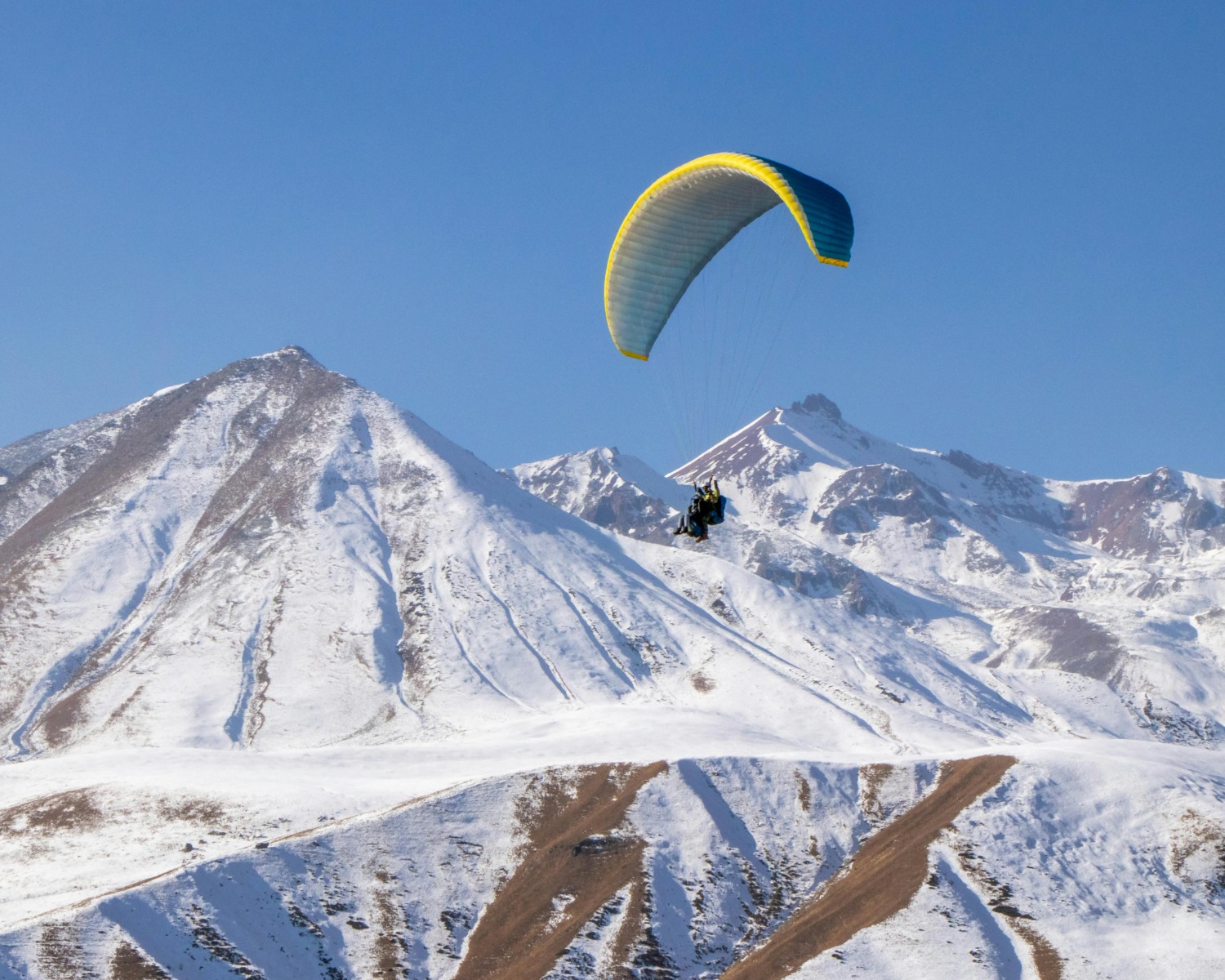
Experience 06
Paraglider soaring above Alpine peaks
Explore HighlightExplore
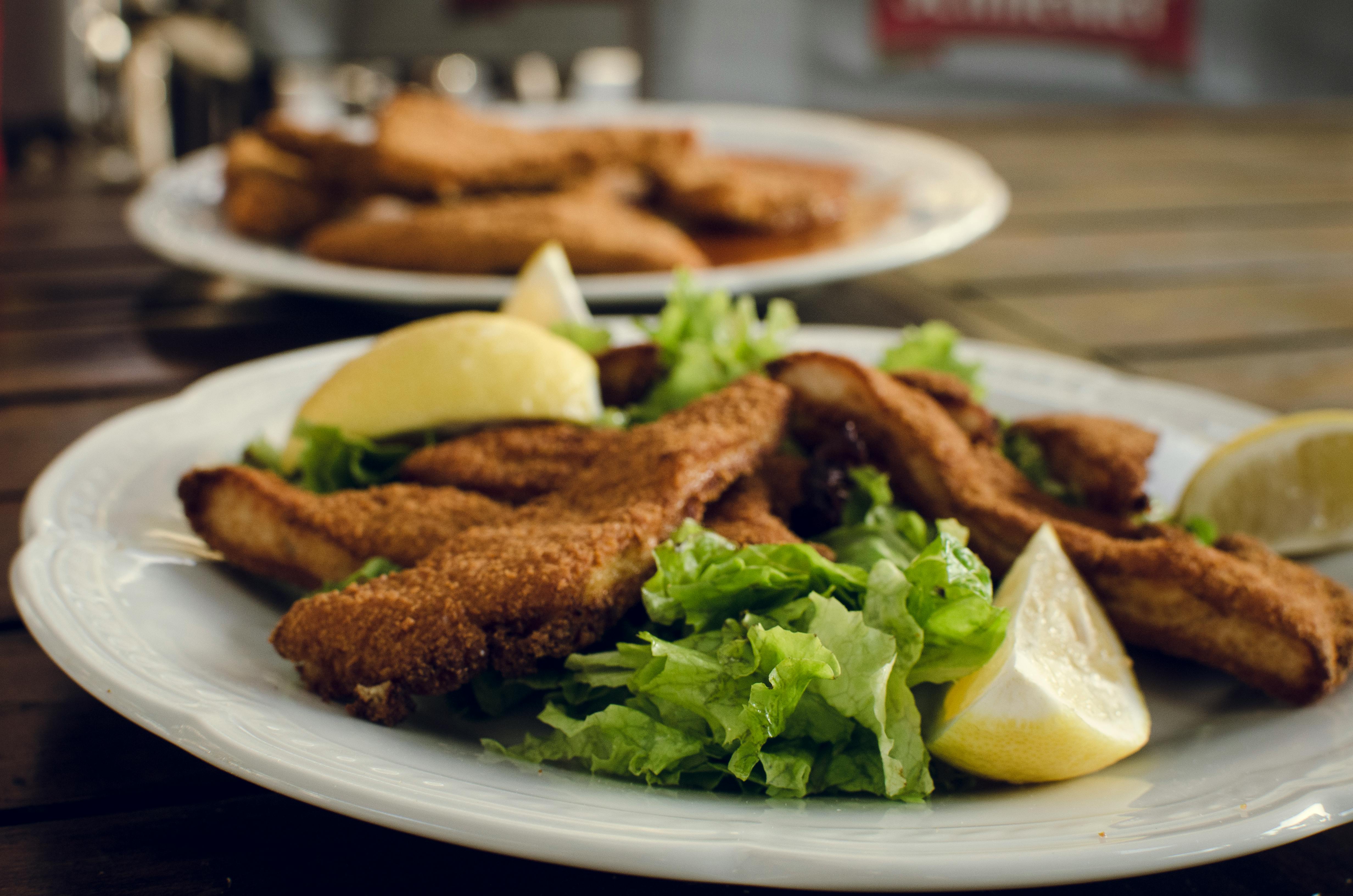
Experience 07
Golden Wiener Schnitzel with lemon
Explore HighlightExplore
KNOWLEDGE HUB
Things to Know in Tips for austria
For centuries, Austria has been one of the most influential countries in Europe, growing from a medieval superpower to become one of the most popular tourist destinations in the world. From the imperial glory of Schönbrunn Palace to its emergence from the ashes of World War II as a democracy, Austria is renowned for its classical music, arts, and alpine beauty. Situated amidst the breathtaking Austrian Alps and known for luxury tourism, Austria retains its elegance and sophistication to this day.
From Holy Roman Empire to Modern Republic
For centuries, Austria has been one of the most influential countries in Europe, growing from a medieval superpower to become one of the most popular tourist destinations in the world. From the imperial glory of Schönbrunn Palace to its emergence from the ashes of World War II as a democracy, Austria is renowned for its classical music, arts, and alpine beauty. Situated amidst the breathtaking Austrian Alps and known for luxury tourism, Austria retains its elegance and sophistication to this day.
| Medieval Kingdom (996–1278 AD)
Austria (Ostarrichi) established as margraviate (996 AD). Babenberg dynasty ruled 976–1278 years. Founded Vienna (1137). Medieval trading post grew into major city. Transition to Habsburg rule (1278) began 600-year dynasty.
| Habsburg Golden Age (1273–1918)
Habsburg dynasty ruled 645 years—longest-reigning European dynasty. Peak: Charles V (Holy Roman Emperor, 1500s). Maria Theresa (18th c.) reformed empire. Vienna became cultural center: Mozart, Beethoven, Strauss, Klimt flourished. Empire spanned Europe, Americas, Asia.
| Congress of Vienna & 19th Century (1815–1848)
Congress of Vienna (1815) reshaped Europe after Napoleon. Metternich orchestrated balance of power. Golden Age of Vienna culture (1820s–1900s): waltz, opera, art, literature. Industrial revolution transformed society. Tensions between nationalism and imperialism grew.
| Late Empire & WWI Collapse (1900–1918)
Belle Époque peak (1900–1914): Secession movement (Art Nouveau), Sigmund Freud, Gustav Klimt revolutionized culture. Assassination of Archduke Franz Ferdinand (June 1914) triggered WWI. Austro-Hungarian Empire defeated (1918). 600-year Habsburg dynasty ended.
| First Republic & Nazi Era (1918–1945)
Austrian Republic established (1918); economic struggles, political instability. Nazi Anschluss (1938) annexed Austria to Germany. WWII horrors: Holocaust, war devastation. Soviet, American, British, French occupation zones (1945–1955).
| Modern Democracy & Neutrality (1955–Present)
Austrian State Treaty (1955) restored independence and neutrality. Joined EU (1995), Eurozone (1999). Prospered as neutral bridge between East and West. Vienna remains cultural heartland—classical music, imperial palaces, intellectual legacy.
Independence
May 15, 1955
Austrian State Treaty; neutrality established
Habsburg Rule
645 years (1273–1918)
Longest-reigning European dynasty
Mozart Born
January 27, 1756
Salzburg; revolutionized classical music
Capital
Vienna
Imperial city on Danube
Guest Stories
H
Hemanth R
4 months agoExceptional Service and Stunning Views! I just returned from a trip to Kerala curated by Bayard Vacations, and I'm still thinking about the views. Unlike generic packages, Dhanushree from Bayard took the time to tailor the itinerary to my preferences. Every hotel and houseboat was chosen for its...
P
Prajwal Raikar
5 months agoWe went to Dubai, and Bayard Vacations made our entire trip truly joyful and memorable. Adarsh from Bayard Vacations was extremely helpful in arranging the yacht and managing a few issues promptly, which made our vacation smooth and stress-free.
M
Muthahir
5 months agoWe had a wonderful vacation in Dubai, all thanks to Bayard Vacations. From planning to execution, everything was smooth and well-organized. The itinerary was perfectly balanced, the accommodations were comfortable, and all arrangements were completely hassle-free. A special thanks to Mr. Adarsh for...
S
Spoorthy Venkatesh
5 months agoWe had an amazing time in Dubai with Bayard Vacation. Adarsh, our destination specialist, explained everything super smoothly and stayed in touch with us the whole time, which made the trip feel really easy and well organized. The team was great with the transport arrangements too. The drivers were...
B
Bakasura Brahmana
5 months agoBest iternary prepared by them. The best travel agency I suggest
H
Harsha Vardhan Attuluri
5 months agoWe recently went on a trip to Coorg and Wayanad with Bayard Vacations, and the experience was seamless. We opted for a private package, and all the arrangements were excellent. The communication was clear throughout the process. A special thanks to our agents, Rahul and Sowmya, who handled the plann...
A
Abhishek Satapathy
5 months agoWe had a wonderful vacation in Thailand thanks to the...
S
Shilpa Wartak
5 months agoWe booked our Hampi and Badami tour with Bayard Vacation and had an absolutely amazing experience! Everything was perfectly planned and very smooth from start to finish. The hotel location was excellent and close to all major places, and the drive was super comfortable. The whole trip was completely...
A
Abhilash Cr
5 months agoWe recently completed a 4-5 day Andaman trip with Bayard Vacation, and overall it was a very pleasant and well-organized experience. From the planning stage to the end of the journey, the team especially team of Rahul, Dhanushree, was supportive and responsive, making the trip smooth and stress-free.

Medha Devatraj
a month agoLoved our trip to Kerala(Munnar, Thekkady, Alleppey, Varkala and Kovalam) with Bayard Vacations. They've tailored our package and made adjustments according to our itinerary. Agents Sooraj and Dhanushree were the ones who planned and executed our trip so well🙌🙌. They were very polite and friendly. The vehicle arranged was a comfortable and spacious one for our family of 9. We were apprehensive about the tour but returned with beautiful and lifelong memories🫶🫶. A trip with Bayard Vacations is value for money ♥️♥️.

Sriram appalla
a month agoI recently took a 5N/6D trip to Kerala with Bayyard Vacation, and it turned out to be a lovely experience. Even before the trip began, the Bayyard team, especially Sooraj, helped me with every little detail and was super quick with his responses. Our assigned driver, Jbin Alex, was incredibly humble, kind, and supportive throughout the journey. I’d strongly recommend him if you’re planning a Kerala trip, and I’d definitely suggest choosing Bayyard Vacation for your travels. There was a small miss where one of the complimentary items mentioned in the itinerary couldn’t be fulfilled, but aside from that, everything went smoothly. Overall, I’d rate Bayyard Vacation a solid 4.5/5.

jothees waran
2 weeks agoManasa, sincere thanks for curating such an elegant and seamless Thailand experience. Every aspect of the journey was impeccably planned—from punctual transfers and smooth pickups to a perfectly balanced itinerary. The attention to detail, premium coordination, and effortless execution truly elevated the trip. Everything flowed with precision, allowing us to relax and enjoy each moment without a single concern. Your professionalism and commitment to excellence were evident throughout. Bayard Vacations delivers not just a trip, but a truly luxurious and memorable travel experience. Highly recommended.

Kaustubh Rastogi
3 weeks agoWe recently traveled to Malaysia and had a fantastic experience with Bayard Vacations. Their quick responses and excellent service made the entire planning process smooth and stress-free. Balaji’s recommendations were absolutely on point and perfectly matched our preferences. His attention to detail and prompt support truly made a difference. Highly satisfied with the overall experience and would definitely choose Bayard Vacations again for future trips. Highly recommended! ⭐⭐⭐⭐⭐

Manu Manu
in the last weekThe trip was very beautiful. We have experienced many places and we got chance to have the package. They guided us very safely and assured as everything that you need and food was also good and was in care of everything was fantastic trip. We went to Thailand and Bangkok, and we did alKaiser show Quarter Island and we explored a lot in the Water, also like paragliding Jaki riding And there was a dinner cruise in Bangkok. Also was very nice. Totally we really appreciate for the trip and we will like to do more.
Authentic Experiences
Read All Reviews Join 25,000+ happy travelers who explored austria with us.
You Might Also Like
Discover more incredible destinations and experiences tailored for you


Why Choose Bayard Vacations?
100%
Secure Booking
8+
Years Experience
25K+
Happy Travelers
24/7
Support Available
Best Price
Guaranteed
Personalized
Customized Trips
Expert
Local Guides
100+
Destinations Covered