Goa
factsheet
Where Portuguese Charm Meets Indian Vibrancy: Sun-Kissed Beaches, Ancient Churches, and the Spirit of Susegad (Contentment).
The Essentials
Best Time
Nov - Feb
Currency
₹ INR
Climate
Tropical Monsoon
Time Zone
IST (UTC+5:30)
Language
Konkani/English
Entry
Domestic Travel
Capital
Panaji
Population
1.6M
Statehood
May 30, 1987
Power Plug
Type D & M (230V)
Tipping
10% appreciated (optional)
Emergency
100/101/102
History & Heritage
From Portuguese Crown Jewel to Indian State
The history of Goa is a distinct combination of 450 years of Portuguese colonialism and local Konkani culture. In 1510, Old Goa was made a colony by Afonso de Albuquerque and became a significant trading center, earning its nickname as the “Rome of the East.” Today, tourists travel to North Goa to see its pristine beaches, while others visit South Goa to enjoy its Latin quarters, which offer a seamless Indo-Portuguese cultural amalgamation not available anywhere else in India.
Ancient Goa (Pre-1510)
Long before Portuguese arrival, Goa was home to Hindu kingdoms (Bahmani Sultanate, Adil Shahi dynasty) and thriving trade networks. Hindu temples and forts dotted the landscape. The Kadamba Dynasty ruled the region, leaving architectural legacies. Buddhist and Jain communities also flourished. Ancient Sanskrit texts reference Goa (Gomant) as a prosperous coastal territory. This pre-colonial era laid the cultural foundation that would blend with Portuguese influences.
Portuguese Conquest & Establishment (1510-1600s)
On November 25, 1510, Portuguese explorer Afonso de Albuquerque seized Goa from the Bijapur Sultanate, establishing it as the capital of Portuguese India. The Portuguese constructed the Basilica of Bom Jesus (1594-1605) and began converting locals to Christianity. Goa became a crucial military and trading port, enriching the Portuguese Empire. The Portuguese introduced new crops (potatoes, tomatoes, pineapples), bread-making, and the feni distillery tradition. Catholic missionaries arrived, and the Inquisition enforced religious conformity, suppressing Hindu practices temporarily.
Golden Age of Portuguese Goa (1600s-1800s)
Goa flourished as a cosmopolitan hub connecting Europe, Africa, Asia, and the Americas. The Sé Cathedral (1561) and numerous churches were built in Baroque and Manueline styles. Portuguese culture, language, and Catholic faith deeply embedded themselves in Goan society. Hindu communities gradually revived their traditions, creating unique syncretic practices. By the 1800s, Goa remained a prosperous enclave with a distinct Portuguese-Indian identity, though isolated from British-ruled India. Intermarriage between Portuguese and Indian communities created a unique Goan-Portuguese ethnic group.
Colonial Stagnation & Indian Independence (1800s-1947)
As British India industrialized, Portuguese Goa stagnated economically and politically. Portugal clung to authoritarian rule while India moved toward independence. The 1947 partition saw India gain freedom from British rule, but Portugal—under dictator António de Oliveira Salazar—refused to negotiate Goa's independence. Portugal viewed Goa as an integral overseas province, not a colony to be relinquished. Economic sanctions and diplomatic isolation followed, yet Portugal remained defiant. This 14-year standoff created frustration in Goa and India alike.
Goa Revolution Day & Freedom Movement (June 18, 1946)
Dr. Ram Manohar Lohia, a socialist leader, joined Goan freedom fighters in launching an organized independence movement. June 18, 1946, is commemorated as Goa Revolution Day, marking the turning point in the struggle for Goa's liberation. Despite Portuguese suppression and arrests, the movement grew. Martyrs like Peter Alvares and local activists inspired Goans toward freedom. By the 1950s, the movement had gained momentum internationally, with the United Nations and global community supporting Goa's right to self-determination. Portugal remained unmoved, intensifying repression.
Liberation & Annexation (December 17-19, 1961)
Frustrated by 14 years of failed diplomacy, Indian Prime Minister Jawaharlal Nehru authorized Operation Vijay—a military invasion of Goa. On December 17, 1961, Indian troops attacked across multiple fronts. Brigadier Sagat Singh led the 50th Para Brigade from the north; other units attacked from the east and south. Despite Portugal's military efforts, the poorly equipped Portuguese forces were overwhelmed. After 48 hours of fighting, Portuguese Governor-General Manuel António Vassalo e Silva surrendered. Seven Portuguese soldiers and zero Indian soldiers died. 403 Portuguese became prisoners of war. On December 19, 1961, Goa was liberated, celebrating 450 years of Portuguese rule's end. This annexation remains controversial internationally but is celebrated in India as a triumph of self-determination.
Union Territory & Statehood (1961-1987)
From 1961-1987, Goa remained a Union Territory administered by Delhi. During this period, Goa integrated into the Indian Union administratively while preserving its unique culture. The Portuguese language gradually declined, replaced by Konkani, English, and Hindi. Catholic institutions remained influential. In 1987, Goa's population voted to become India's 25th state, and on May 30, 1987, statehood was formally granted, making Goa fully sovereign within the Indian union. Panaji was established as the capital, replacing the historical Old Goa.
Modern Goa: Richest State (1987-Present)
Post-1987 Goa emerged as India's wealthiest state by per capita income (3.1x the national average) and fastest-growing economy. Tourism boomed as international and domestic travelers discovered Goa's beaches, Portuguese heritage, and unique culture. Goa became the gateway to India for many, attracting hippies, luxury tourists, and budget backpackers. The state balances development with cultural preservation, maintaining its Portuguese churches, Konkani language, and susegad (relaxed) lifestyle. Today, Goa stands as a symbol of successful integration of diverse cultural heritages within the Indian framework, while remaining distinctly itself.
Spotlight: Basilica of Bom Jesus
Built between 1594-1605, the Basilica of Bom Jesus in Old Goa is one of India's most iconic religious structures and a UNESCO World Heritage Site. This stunning Baroque church houses the mortal remains of St. Francis Xavier, venerated Catholic saint who brought Christianity to India. The church's distinctive red brick exterior, intricate marble inlays, and ornate gilt interior carvings showcase Portuguese architectural grandeur. St. Francis Xavier's body, preserved in a silver casket, is exhibited every ten years (next in 2034). The Basilica remains a major pilgrimage destination for Catholics and a primary tourist attraction symbolizing Goa's spiritual and cultural heritage.
Portuguese Rule
1510-1961
450+ years of colonial governance
Liberation Date
December 19, 1961
Operation Vijay military annexation
Statehood
May 30, 1987
Goa becomes India's 25th state
Per Capita Income
₹527,146
3.1x India's national average (richest state)
Climate & Time
Time Zone
Standard
IST (Indian Standard Time) UTC+5:30
Difference
Same as India national time; no offset from IST
🎯 Best Months
November, December, January, February
Climate
The climate in Goa varies significantly by region, offering a diverse range of weather conditions from coastal areas to mountain peaks.
Winter (Peak Season)
Nov – Feb
20–32°C
Perfect tourist season: clear skies, moderate temperatures, ideal for beaches, heritage sites, water sports. Hotel prices peak; advance bookings essential. Festival season includes Christmas, New Year, Carnival (Feb). Dry conditions, minimal rain.
Pre-Monsoon (Shoulder)
Mar – May
25–35°C
Hot and humid; avoid unless seeking budget deals (30% hotel discounts). Beaches crowded with locals seeking coolness. Mango and pineapple harvest season. High heat index makes outdoor exploration uncomfortable. Heat-related illnesses possible.
Monsoon (Green Season)
Jun – Sep
24–30°C
Lush green landscapes, waterfalls flowing, cool sea breeze, fewer tourists, lowest hotel prices (50% discounts possible). Heavy rain mid-day; mornings/evenings often clear. Perfect for budget travelers and those seeking serenity. Some beach shacks close; water sports limited. Not ideal for beach-focused trips.
Post-Monsoon (Transition)
Oct
23–31°C
Weather clearing, fewer tourists than peak season, reasonable hotel rates. Ideal shoulder month for experiencing Goa without peak crowds. Clear skies become more frequent. Fairs and local temple festivals (zatras) begin. Excellent for exploring heritage sites and beaches with moderate crowds.
Seasonal Packing List
Language Guide
Official Language
Konkani (official language since 1992), also Marathi, English
Konkani, a Dravidian language with 2+ million native speakers, is Goa's official language, infused with Portuguese vocabulary from 450 years of colonial influence. English is widely understood in tourism, hospitality, and business sectors. Many older Goans speak Portuguese, though it has declined sharply since 1961. Hindi and Marathi are widely understood due to migration. Goan communities abroad maintain Konkani language programs. Tourist areas have multilingual signage. Learning basic Konkani or Marathi phrases is appreciated and enhances cultural connection.
Local Signage
Essential Phrases
Hello (Konkani)
Namaskar / Hari
Thank you (Konkani)
Dhanyavaad
Thank you (Portuguese legacy)
Obrigado
Goodbye (Konkani)
Devachi Kripa
Yes / No (Konkani)
Ho / Na
Please
Kripaia / Upkaar korun
Excuse me
Kshama karun
How much?
Kitti ki mulya hai?
Currency & Money
Official Currency
Indian Rupee
₹ (INR)
Exchange Rates
Denominations
Banknotes
₹10, ₹20, ₹50, ₹100, ₹200, ₹500, ₹2000
Coins
₹1, ₹2, ₹5, ₹10 (coins rarely used; mostly notes)
Culture & Vibes
Laid-Back Cosmopolitanism with Colonial Charm
"Goa's culture is a harmonious blend of Portuguese, Hindu, Christian, and contemporary influences. The Goan ethos—embodied in 'susegad' (contentment, relaxation)—prioritizes life's simple pleasures over material accumulation. This former Portuguese colony uniquely celebrates both Catholic and Hindu traditions, creating interfaith harmony rare in India. Goans are famously warm, tolerant, and open-minded. Modern Goa balances heritage preservation with tourism and development, attracting backpackers, luxury tourists, spiritual seekers, and families. The beaches, heritage sites, and vibrant nightlife coexist with genuine community values and cultural pride."
Greetings & Friendliness
Handshakes common; warm and informal. Goans generally very friendly with tourists. Respect elders by offering seats. First names used quickly. Avoid pointing fingers; use open hand gesture. Loud behavior/disrespect considered rude.
Religious Sites
Dress modestly: cover shoulders, knees, chest. Women should cover hair when entering churches/temples. Remove shoes at temples. No photography in prayer areas without permission. Women may have restricted access to certain temple areas. Be respectful of worshippers.
Alcohol & Nightlife
Goa has vibrant bar/nightlife scene (unlike many Indian states). Alcohol openly served. Catholic heritage means drinking more accepted. However, intoxication in public, disrespect to locals considered very rude. Respectful behavior essential in clubs/bars.
Family & Community
Family deeply important in Goan culture. Locals take pride in community ties. Respect for elders paramount. Beaches are family gathering spaces; maintain decorum. Participate in local festivals if invited—great cultural experience.
Essential Dos
- • Learn basic Konkani or Portuguese phrases; locals deeply appreciate effort
- • Respect religious traditions during festivals (Christmas, Diwali, Carnival)
- • Dress modestly when visiting churches, temples, and heritage sites
- • Interact with locals at beach shacks; Goans enjoy sharing stories
- • Attend local festivals (Shigmo, Sao Joao, Carnival) for authentic cultural immersion
- • Try local cuisine enthusiastically; Goans take pride in food
- • Compliment architecture, churches, and heritage preservation efforts
- • Take 'susegad' seriously: slow down, enjoy moments, relax genuinely
Essential Don'ts
- • Don't disrespect religious symbols or practices in churches/temples
- • Don't wear swimwear outside beaches; inappropriate in towns
- • Don't photograph people without permission, especially women/children
- • Don't litter; respect beaches and natural areas
- • Don't bring illegal drugs (severe penalties; Goa has strict enforcement)
- • Don't be loud/disruptive in residential areas or religious spaces
- • Don't refuse hospitality/food offered by locals; deeply insulting
- • Don't discuss sensitive regional politics (Goan identity, land disputes)
Specific Etiquette
Dining Etiquette
Casual dining culture; beach shacks very informal. Respect local customs: don't place feet on tables, remove shoes when sitting on mats. Compliment food generously. Finishing meals optional. Alcohol openly served; social drinking normal. Tipping 10% appreciated but not mandatory. Beach shack staff often eat with customers (casual, welcoming atmosphere).
Business Etiquette
Goan business culture more relaxed than North India. Handshakes firm but not aggressive. Business cards exchanged less formally than other regions. Meetings often begin with tea/coffee. Punctuality increasingly valued in urban centers but more flexible in local contexts. Dress smart-casual; formal wear less common except executive meetings.
Gifting Etiquette
Small gifts appreciated: chocolates, handicrafts, spices, or items from your country. Avoid knives (bad luck). Wrap gifts nicely if formal contexts. For local hosts: fruits, sweets, or quality tea/coffee appropriate. Money/cash gifts inappropriate (except envelopes during festivals). Refuse-accept cycle not common; accept gifts graciously.
The Soul of Goan Cuisine: Seafood, Spice & Coconut
Goan cuisine is a centuries-old fusion of Indian spices, Portuguese cooking techniques, and abundant seafood. The foundation lies in coconut, tamarind, and kokum (fruit used for sourness). Seafood dominates: fish, prawns, crabs, mussels. The famous Goan Fish Curry represents the state's culinary soul. Pork and chicken dishes reflect Catholic heritage. Feni (distilled cashew apple spirit) and sol kadi (tangy coconut-kokum drink) are beverage staples. Breakfast features pão (Portuguese bread) with tea. The state's thriving agriculture (rice, spices, coconuts) ensures fresh ingredients. Beach shacks serve casual seafood; heritage restaurants offer refined preparations.
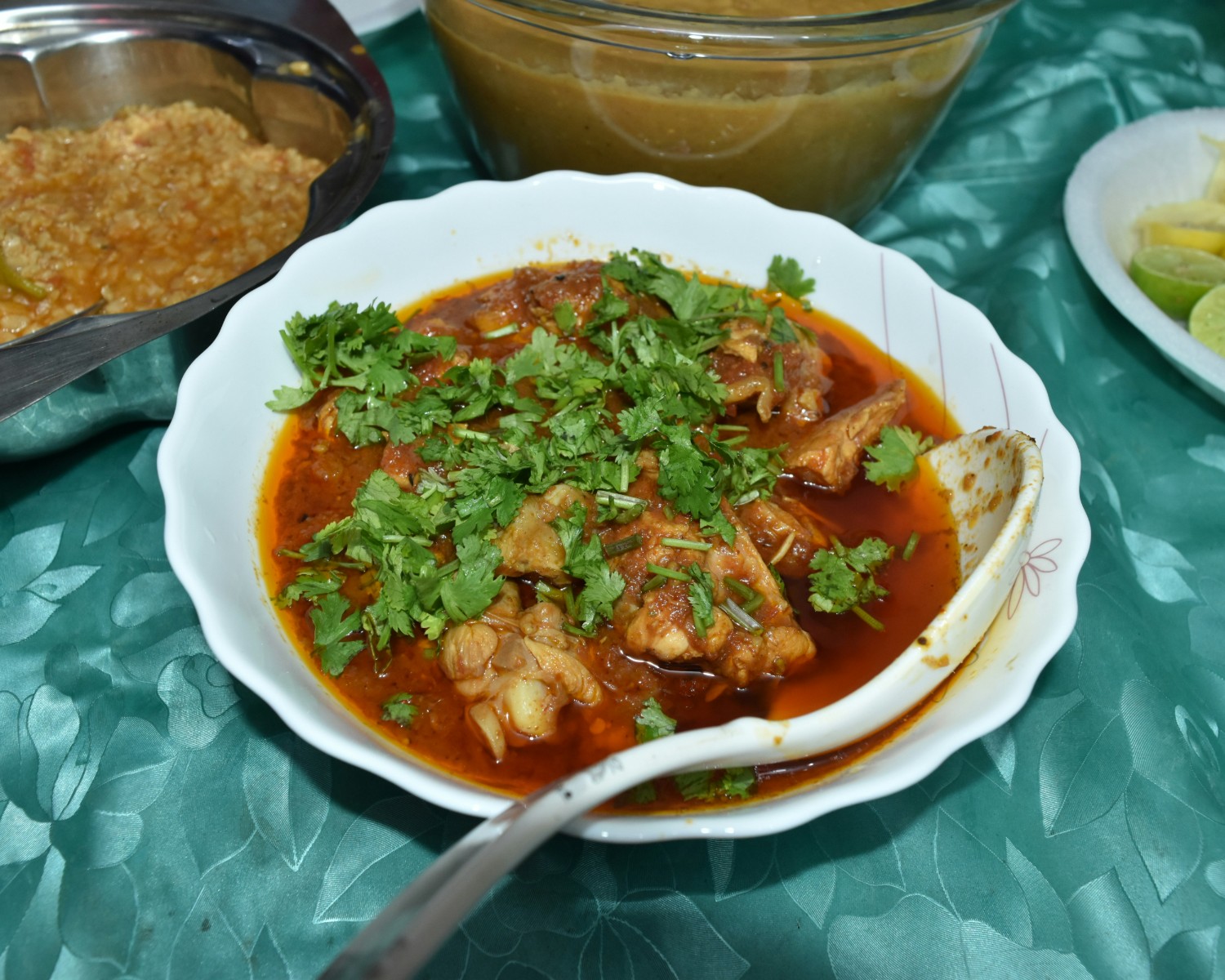
Goan Fish Curry
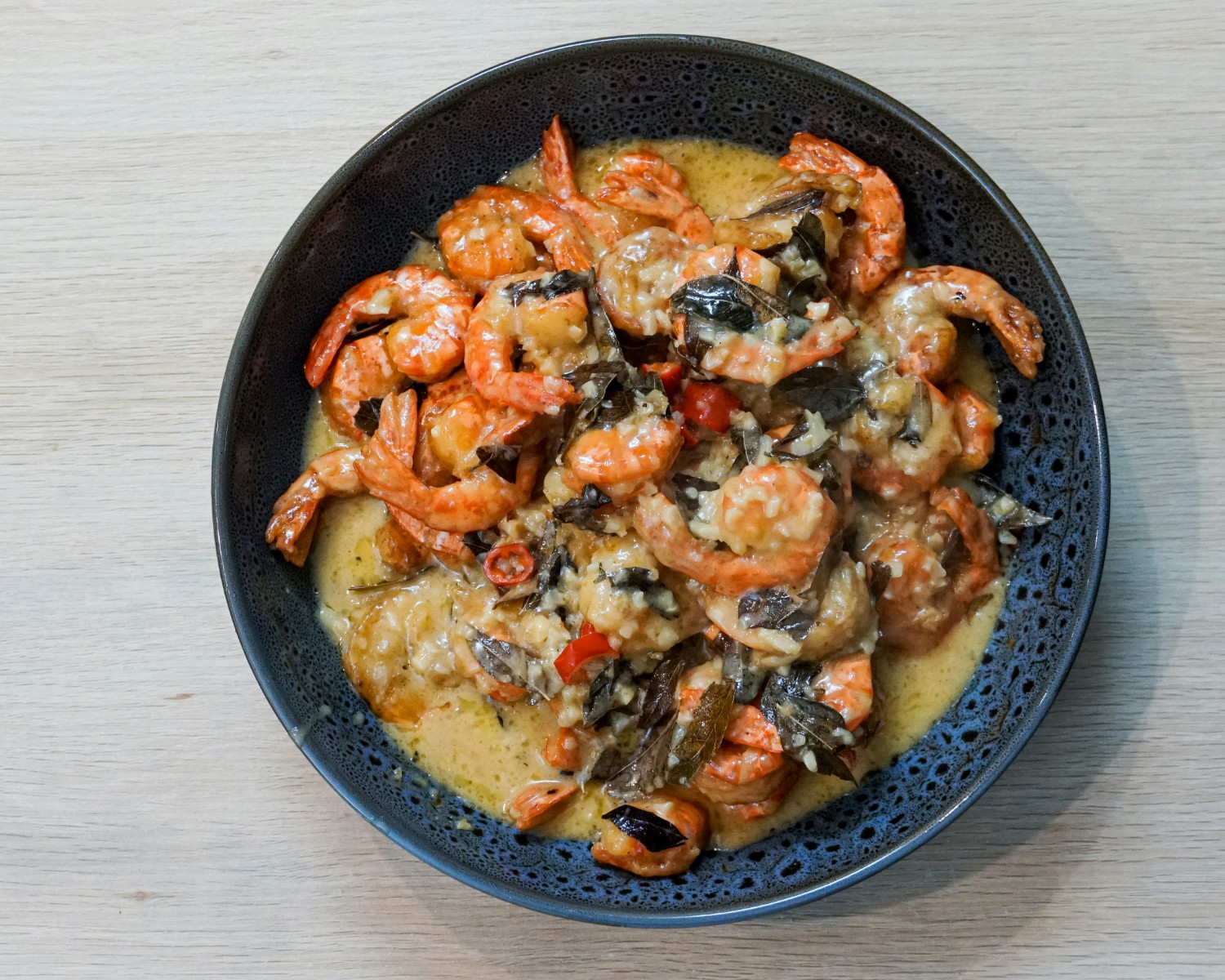
Prawn Curry
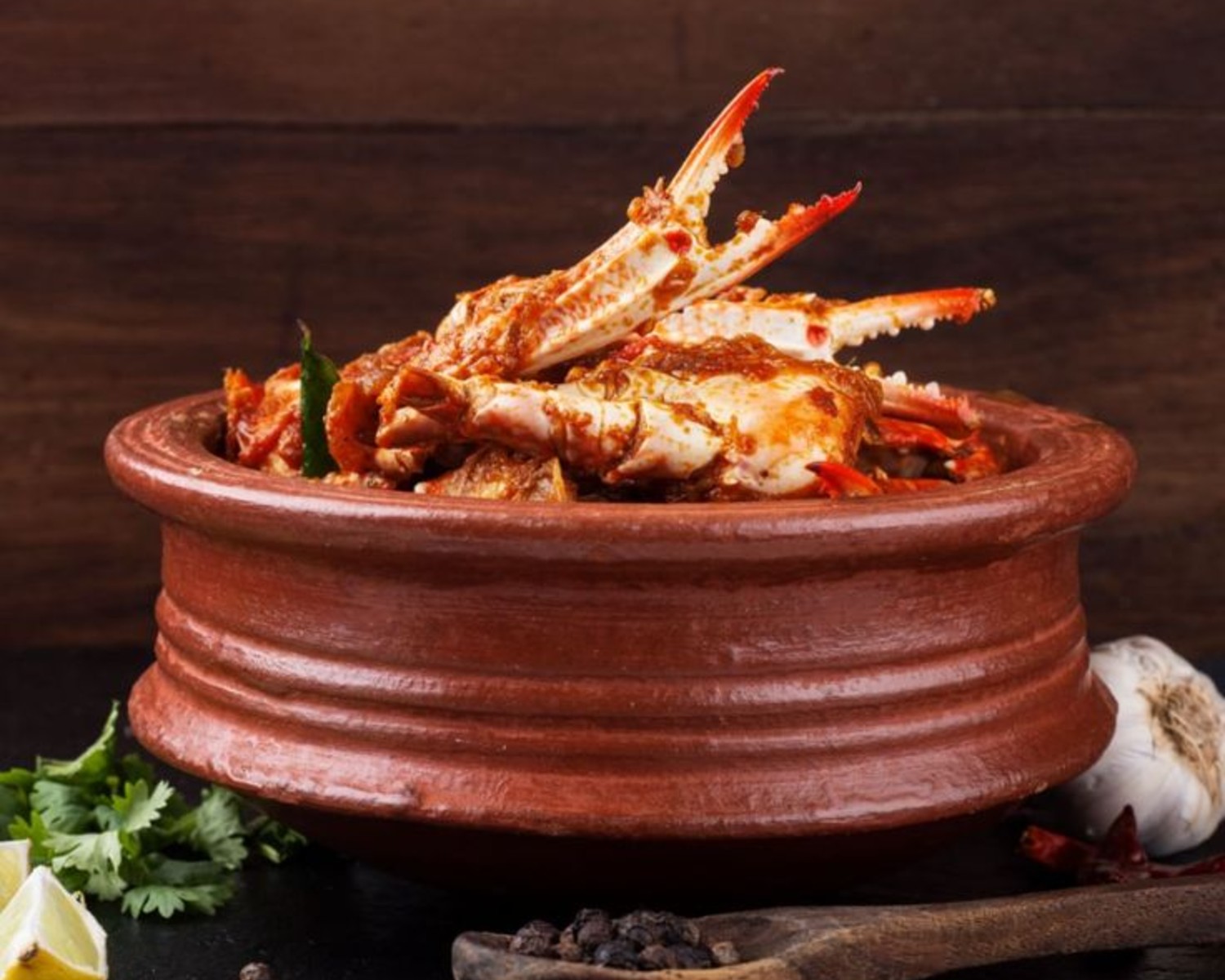
Crab Xacuti

Pork Vindaloo
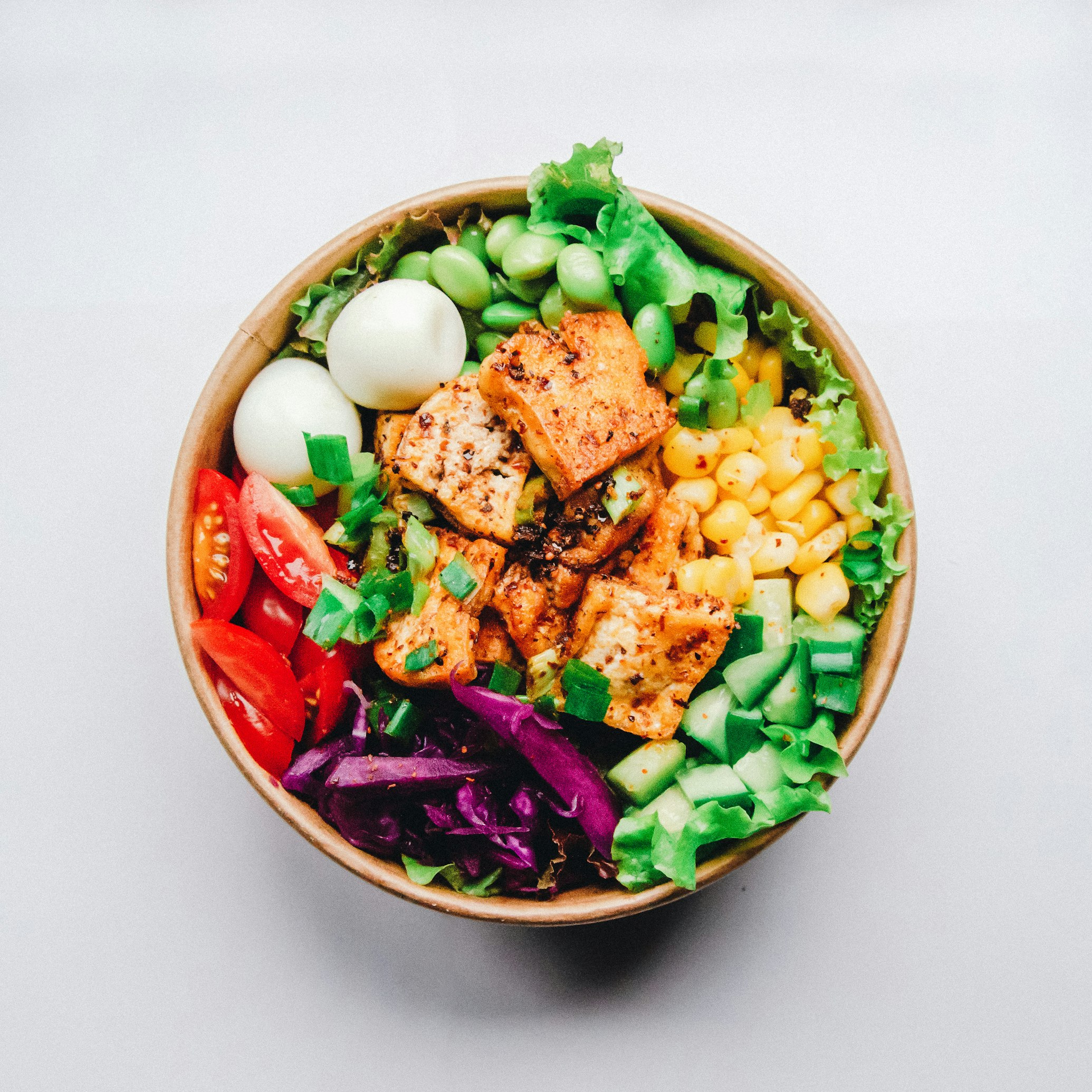
Fish Thali

Bebinca

Pão (Goan Bread)
Where to Eat
Beach Shacks
Iconic Goan experience: casual seaside restaurants, hammocks, laidback vibes. Specializing in fresh seafood, feni, coconut beverages. Meal cost ₹200-500. Sangria & beer common. Perfect for sunset/leisure dining. Especially abundant in Baga, Calangute, Arambol (North Goa), Palolem (South Goa).
Heritage Restaurants
Fine dining in converted Portuguese mansions, old forts, convents. Refined Goan cuisine, historical ambiance, expert service. ₹500-1,500/person. Reservations recommended. Examples: Martin's Corner, Fisherman's Wharf, Pousada by the Beach.
Local Cafes & Eateries
Small neighborhood restaurants, family-run, authentic. Budget-friendly (₹100-300/meal). Basic but delicious. Popular with locals. Found in Panaji, Margao, smaller towns. No frills; genuine culinary experience.
Street Food Stalls
Vada pav, naan, kebabs, fresh fruit, sugarcane juice. Hygienic standards variable. Budget: ₹20-100/item. Located near markets, bus stations, beaches. Authentic, cheap, tasty. Exercise basic precautions (watch food preparation).
Dining Etiquette
- •Beach shack dining very casual; eat with hands if preferred (local style). Respectful behavior appreciated. Lingering hours expected/welcomed.
- •Restaurant dining more formal; use cutlery or hands based on dish. Compliment chef's cooking generously—Goans proud of cuisine.
- •Finish meals optional; leaving small amounts acceptable. No social pressure to finish plates.
- •Tipping: 10% for good service at restaurants; not mandatory but appreciated.
- •Alcohol openly served/consumed; social drinking normal in restaurants/bars.
- •Dietary restrictions: vegetarian options available but meat-dominant menu. Inform restaurants in advance for special diets.
- •Breakfast: pão + tea/coffee typical. Lunch heavier (curry + rice). Dinner lighter or social (drinks at shack).
- •Peak dining: noon-1 PM, 8-9 PM. Off-hours may have limited service.
- •Credit cards widely accepted; cash useful for small vendors.
- •Eating with left hand considered disrespectful in traditional settings (though more relaxed in tourist areas).
Signature Drinks
Shop & Bring Home
Goa's shopping reflects its unique cultural blend: Portuguese-influenced azulejos tiles, traditional Goan handicrafts, fresh spices, spiritual artifacts, and contemporary souvenirs. Markets range from bustling bazaars (Panaji, Margao) to upscale boutiques (North Goa beaches) to night markets and flea markets. Bargaining is expected in bazaars but rare in fixed-price shops/malls. Quality craftsmanship, authentic items, and reasonable prices make Goan shopping rewarding. The influence of Portuguese heritage, Goan artistry, and Indian traditions creates unique, one-of-a-kind items unavailable elsewhere.
Traditional Handicrafts
- Azulejos Tiles (Portuguese-style blue tiles)
- Terracotta pottery & brassware
- Hand-painted ceramics
- Wooden sculptures & carvings
Flavors & Spices
- Feni (cashew spirit)
- Cashew nuts (raw/roasted)
- Dried chilies & spice blends
- Goan jams & preserves (mango, pineapple)
- Coconut products
Clothing & Textiles
- Goan cotton dresses & kaftans
- Portuguese-inspired shawls
- Beach cover-ups & sarongs
- Hand-woven fabrics
Art & Souvenirs
- Goan art prints & paintings
- Heritage postcards & books
- Religious icons & statues
- Fado music CDs
- Beach-themed trinkets
Where to Shop (Local Hubs)
Anjuna Flea Market
Weekend Bazaar & Crafts
"Weekly market (Wednesday) and famed weekend flea market (Saturday). Eclectic mix: antiques, handicrafts, clothing, jewelry, souvenirs, art. Hippie heritage; boho atmosphere. Bargaining expected. Cash essential. Must-visit for authentic Goan shopping experience."
Panaji Central Market (Mercado)
Traditional Bazaar
"Historic covered market in Panaji. Fresh produce, spices, fish, flowers, traditional goods. Locals shop here. Authentic, chaotic, colorful. Bargaining culture. Less touristy than Anjuna. Great for immersion in daily Goan life."
Margao Municipal Market
South Goa Bazaar
"South Goa equivalent of Central Market. Fresh goods, spices, local products. Regional specialties from South Goa. Smaller than Panaji market but authentic. Less touristy; prices reasonable."
North Goa Beach Shack Shops
Tourist Shopping
"Beach-side boutiques and shack shops in Baga, Calangute, Anjuna, Arambol. Clothing, handicrafts, souvenirs, beach wear, art. Higher prices; less bargaining. Convenient for beach tourists; quality variable."
Mapusa Friday Market
Traditional Weekly Market
"Friday tradition: locals gather for fresh produce, spices, textiles, household goods. Authentic, lively, cultural experience. Less touristic than Anjuna. Good bargaining opportunities. Fascinating cultural immersion."
On the Move
Airport
GOI (Dabolim)
30 km south of Panaji
Ride Apps
Uber/Ola
Available in North Goa, emerging South
Railways
Konkan Railway
Limited network; scenic coastal route
Airport Arrival
Dabolim International Airport (GOI) located ~30 km south of Panaji (North Goa) and ~40 km from Margao (South Goa). Journey to Panaji: 45-60 minutes by taxi/auto. To South Goa beaches: 60-90 minutes.
Travel Tech
Travel Tips
Book taxis via apps (Uber/Ola) when available for transparent pricing and safety.
Motorcycle pilots cheapest but assess comfort/safety before boarding.
KTC buses cheapest for traveling between towns; useful for budget travelers.
Goan roads: left-hand driving, can be chaotic, narrow in some areas. Drive defensively.
Petrol/gas stations abundant; auto-rickshaws rarely use meters (negotiate prices).
Carry small change; many drivers don't have change for large notes.
Peak season (Nov-Feb) expect traffic congestion; book transport early.
Monsoon months (Jun-Sep): roads waterlogged; use reliable transport services.
Intercity Travel
KTC Buses
Long-distance buses connect Goa to Bangalore, Pune, Mumbai, Karnataka. Comfortable, affordable, overnight options available. ₹200-1,000 depending on route/class. Book at bus stands or online.
Konkan Railway
Scenic coastal train route: Goa-Bangalore, Goa-Mumbai, Goa-Mangalore. Breathtaking views, more comfortable than buses. ₹300-1,500 depending on class. Limited frequency; book in advance. Luxury options available.
Private Taxis/Cabs
Available for inter-city travel. Hotels/travel agents arrange. ₹2,000-5,000 for full-day hire. Flexible, convenient for groups or remote destinations.
Shared Cabs
Group sharing from city centers (Panaji, Margao). Cheaper than private; depart when full. ₹300-800 per person depending on route.
BakıKart
No unified transit card system exists. Use cash or card for individual journeys.
Visa Entry
Domestic Travel Within India
Goa is an Indian state; for Indian citizens and those with valid Indian visas/permits, no additional documentation required beyond standard domestic travel. Foreign tourists wishing to visit Goa must obtain an Indian visa (Tourist or e-Tourist Visa) before arrival. Indian visitors can travel within Goa using valid government-issued ID. Goa's Dabolim Airport receives international flights, making it a common entry point for foreign visitors; however, visa must be obtained prior to travel or through e-Visa scheme.
Indian Citizens: Present valid ID (Aadhar, Passport, Voter ID, Driver's License, PAN Card) at airport/train/bus terminal.
Foreign Tourists via e-Visa: Visit indianvisaonline.gov.in; complete online form; upload documents; pay fee; receive email approval within 96 hours.
Foreign Tourists via Regular Visa: Visit Indian Visa Application Center in your country; submit documents; attend interview (if required); collect visa within 4-5 working days.
Documents for Foreign Tourists: Valid international passport (6+ months validity), recent color photograph (4cm x 4cm), completed visa form, return ticket, hotel booking confirmation, proof of funds.
Registration
Penalty: Overstaying visa has severe consequences: fines (₹500-2,000), deportation, 5-year ban from India. INZ tracks all arrivals/departures via biometric data.
Entry Requirements
- • Valid ID proof (Indian citizens): Aadhar, Passport, Voter ID, Driver's License, Student ID (government-recognized), or other government-issued photo ID.
- • For foreign tourists: Valid passport (issued within 10 years, valid for 6+ months from travel date).
- • Passport-size color photograph (for foreign tourists; 4cm x 4cm, white background, taken within 6 months).
- • Completed visa application form (indianvisaonline.gov.in for e-Visa; in-person for Regular Visa).
- • Return flight ticket (proof of onward travel).
- • Hotel booking confirmation or accommodation proof.
- • Proof of sufficient funds (bank statements 3-6 months, travelers checks, credit cards).
- • Travel insurance (recommended, especially during monsoon).