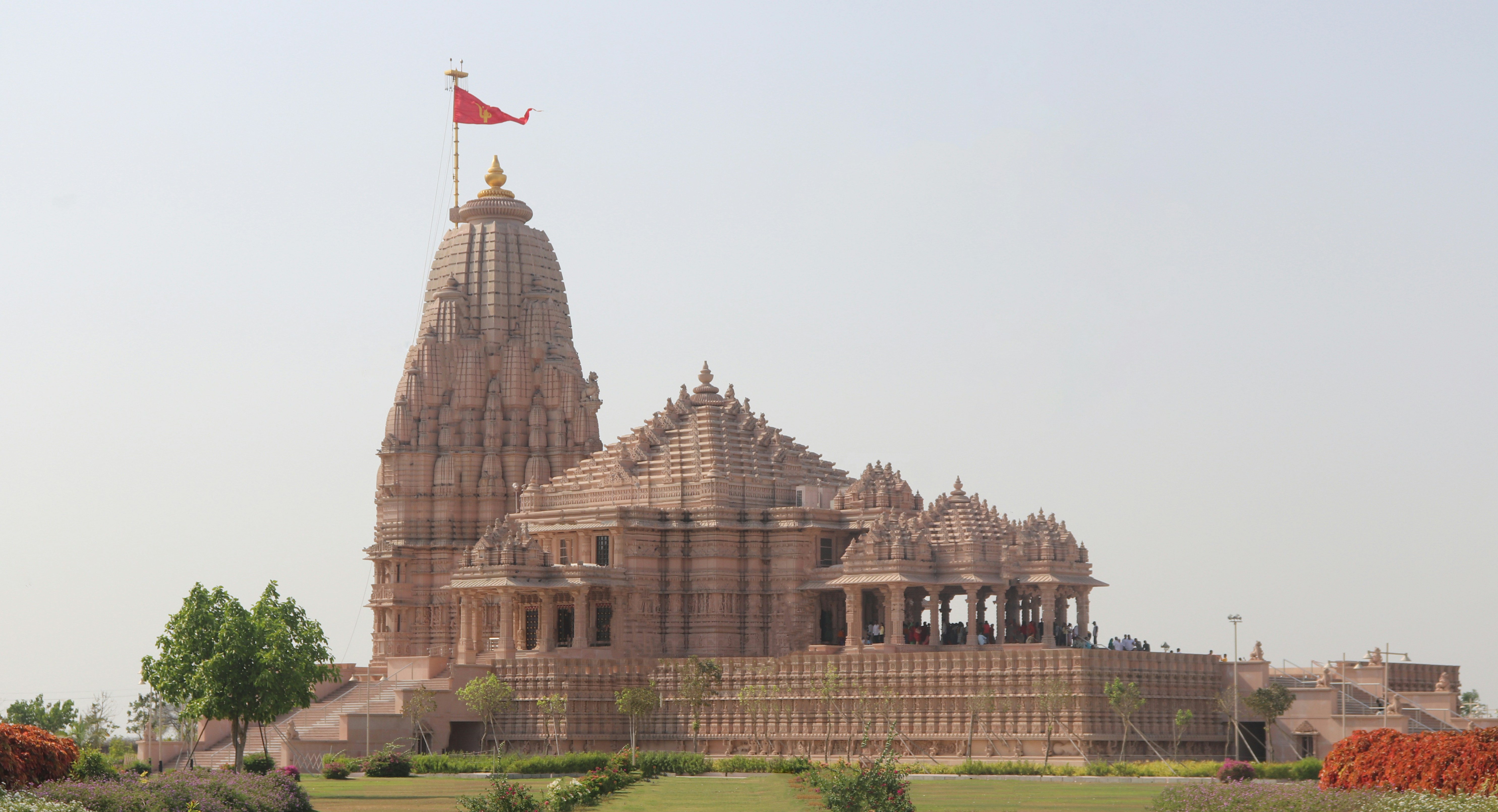
Gujarat
factsheet
Where ancient wisdom meets entrepreneurial spirit, textile heritage breathes through vibrant bazaars, and spiritual sanctuaries echo with timeless devotion.
The Essentials
Best Time
Oct - Mar
Currency
INR (₹)
Climate
Semi-Arid to Coastal
Time Zone
IST (UTC+5:30)
Language
Gujarati, Hindi, English
Visa
No Visa (Indian Citizens)
Capital
Gandhinagar
Population
6.0M
Calling Code
+91
Power Plug
Type A, B, C (230V)
Tipping
Optional (₹20-50 appreciated)
Emergency
100 (Police), 101 (Fire), 102 (Ambulance)
History & Heritage
A Journey Through Time
Gujarat, which is the most western part of India, is an excellent place for tourism and is one of the earliest centers of civilization, business, and spirituality. Gujarat continues to be the world center for diamonds, textiles, and pharmaceuticals, where past traditions meet contemporary development.
Indus Valley Civilization (2500-1500 BC)
Gujarat was home to the world's earliest planned cities—Harappa and Mohenjo-daro. Archaeological evidence reveals advanced drainage systems, standardized weights, and seals depicting unknown scripts. This civilization preceded the Vedas, proving Gujarat's role in humanity's earliest urban development.
Mauryan & Ashokan Era (322-185 BC)
Emperor Ashoka's reign brought Buddhism and prosperity. Rock edicts carved on boulders spread his message of dharma across Gujarat. The Edicts of Ashoka represent humanity's earliest state-sponsored moral messages, making Gujarat a philosophical epicenter.
Jain Golden Age (500 BC - 1300 AD)
Gujarat became Jainism's cradle. Mount Girnar and Mount Palitana host thousands of Jain temples carved over centuries. Jain merchants became the wealthiest traders, establishing the mercantile traditions that define Gujarat today. Non-violence (ahimsa) shaped Gujarati ethics permanently.
Sultanate & Mughal Rule (1300-1600)
The Gujarat Sultanate controlled crucial Silk Road trade routes. Ahmedabad emerged as a commercial powerhouse. Mosques, step-wells (baolis), and markets blended Islamic and Hindu architecture. The period saw rise of merchant communities that dominate Gujarat's economy.
Colonial Era & British Rule (1600-1947)
The British East India Company established dominance. Textile industries flourished—Ahmedabad became the 'Manchester of the East.' The colonial period witnessed emergence of industrial entrepreneurs and freedom fighters. Gandhi's Dandi March (1930) began from Gujarat, igniting India's independence.
Modern Independent Gujarat (1947-Present)
Post-independence, Gujarat embraced capitalism and industrialization. From textiles to diamonds (cutting 90% of world's diamonds), from pharmaceuticals to IT, Gujarat became India's economic engine. Today, it leads in entrepreneurship, textile exports, and social enterprises—Narendra Modi's model of 'Gujarat growth' inspired national policies.
Spotlight: Sabarmati Ashram - The Birthplace of Satyagraha
Sabarmati Ashram in Ahmedabad is where Mahatma Gandhi established his headquarters and developed the philosophy of Satyagraha (non-violent resistance). Built in 1915, the ashram became the launchpad for India's freedom struggle. The Salt March (1930) began from this sacred ground. Today, the ashram stands as a living museum, preserving Gandhi's simple lifestyle, spinning wheel (charkha), and the manuscripts that changed history. Thousands visit annually to reconnect with values of simplicity, truth, and non-violence.
Indus Valley Cities
2500-1500 BC
Harappa & Mohenjo-daro—earliest planned urban centers
Jain Temples
1,500+
Palitana's sacred mountain—world's largest Jain pilgrimage site
Diamond Cutting
90%
Gujarat cuts 90% of world's diamonds; Surat the 'Diamond City'
Salt March
March 12, 1930
Gandhi's defiance began from Gujarat, sparking independence
Climate & Time
Time Zone
Standard
IST (UTC+5:30) - Indian Standard Time
Difference
Same as all India (synchronized across entire nation)
🎯 Best Months
October, November, December, January, February, March
Climate
The climate in Gujarat varies significantly by region, offering a diverse range of weather conditions from coastal areas to mountain peaks.
Winter (Sheetkal)
Oct – Mar
10–25°C
Best season. Perfect weather 15-25°C. Clear skies ideal for sightseeing. Rann of Kutch Festival (Nov-Feb) celebrates white salt desert with cultural events. Minimal rainfall, comfortable touring.
Spring (Basant)
Feb – May
20–35°C
Vasant Panchami festival (yellow flowers). Warm but bearable. Textile fairs in full swing. Temperatures rising. Some rainfall.
Summer (Garam)
May – Jun
30–45°C
Extremely hot and dry. Not recommended for outdoor exploration. Most attractions less crowded. High humidity in coastal areas. Air-conditioned shopping indoors.
Monsoon (Varsat)
Jul – Sep
25–32°C
Heavy rainfall, especially coastal regions. Lush green landscapes. Indoor attractions (museums, textile mills). Rivers swell. Adventure activities in Kutch region. Budget-friendly travel. Humidity high.
Seasonal Packing List
Language Guide
Official Language
Gujarati (Gujarati Script)
Gujarati is primary language spoken by 5.5+ million Gujarati natives. Hindi and English widely understood throughout the state. English proficiency high among younger generations and in business centers (Ahmedabad, Surat). Gujarati carries unique identity rooted in merchant traditions and entrepreneurial spirit.
Local Signage
Essential Phrases
Hello
Namaste
Thank you
Shukriya / Dhanyavaad
Goodbye
Alvida
Yes / No
Haan / Na
Please
Meherbani se
Excuse me
Kshama karo
How much?
Kitne ka hai?
Where is...?
...kahan hai?
Currency & Money
Official Currency
Indian Rupee
₹ (INR)
Exchange Rates
Denominations
Banknotes
₹10, ₹20, ₹50, ₹100, ₹200, ₹500, ₹2,000
Coins
₹1, ₹2, ₹5, ₹10
Culture & Vibes
Entrepreneurial Energy with Spiritual Depth
"Gujarat's culture is a unique synthesis—business acumen blended with spiritual devotion, textile artistry, and Jain ethics of non-violence. Gujaratis are India's merchants, innovators, and philanthropists. The state celebrates entrepreneurship while maintaining ancient traditions. From bustling textile bazaars to serene temples, from Rann of Kutch's salt marshes to urban entrepreneurship hubs, Gujarat pulsates with creative energy and spiritual consciousness."
Greetings
Namaste with hands pressed together is standard. Gujarati merchants often greet with warm handshakes. Elders receive respectful bows. Women may opt for hand-over-heart greeting.
Religious Sites
Remove shoes before entering temples and mosques. Cover shoulders, knees, and (for women) hair. Photography often prohibited in inner sanctums. Respect prayer times and rituals. Cleanliness required.
Business Etiquette
Gujarati business culture emphasizes honesty and fair dealing. Tea/chai offered at meetings is accepted hospitality ritual. Contracts and verbal agreements equally valued. Handshakes seal business relationships.
Family & Community
Family businesses are cultural norm. Joint families common. Elders' blessings sought for major decisions. Community reputation paramount. Collective success celebrated over individual achievement.
Essential Dos
- • Remove shoes when entering homes and religious sites
- • Greet elders respectfully with slight bow or 'pranaam' gesture
- • Ask permission before photographing people, especially in bazaars
- • Accept tea or snacks offered—rejection insulting to hosts
- • Appreciate Gujarati hospitality and entrepreneurial achievements
- • Learn basic Gujarati greetings; locals deeply appreciate effort
- • Negotiate prices in bazaars—expected and enjoyable cultural practice
- • Respect textile artisans and their craft heritage
Essential Don'ts
- • Don't point feet at religious idols or elders while sitting
- • Don't touch anyone's head or eat from others' plates
- • Don't discard food carelessly—agriculture sacred here
- • Don't criticize regional entrepreneurship or business practices publicly
- • Don't be loud in temples or sacred spaces—meditation culture
- • Don't refuse offered hospitality—deeply insulting
- • Don't photograph inside temples without explicit permission
- • Don't discuss caste or social hierarchies insensitively
Specific Etiquette
Business Etiquette
Business cards exchanged formally. Initial meetings establish personal relationships before transactions. Verbal commitments as binding as written contracts. Entrepreneurship deeply respected—asking about business ventures shows genuine interest.
Gifting Etiquette
Avoid knives, clocks, or sharp objects (symbolize broken relationships/death). Wrap gifts beautifully. Odd numbers (1, 3, 5) auspicious. Accept gifts with right hand. Sweets and handicrafts safe choices.
Dining Etiquette
Remove shoes before sitting on floor (traditional style). Right hand used for eating. Finishing all food shows appreciation. Burping not considered rude—indicates satisfaction. Generous hospitality: hosts provide abundant portions.
The Flavors of Gujarat - Spices, Sweets & Saffron
Gujarati cuisine is vegetarian-dominant, emphasizing regional variations from coastal seafood to desert spices. The food culture blends Jain (purely vegetarian), Hindu, and Islamic influences. Sweet, sour, salty, and spicy elements harmonize in every dish. Millet-based preparations, groundnut curries, and elaborate sweet preparations define the culinary landscape. Every meal celebrates agricultural abundance and community sharing.
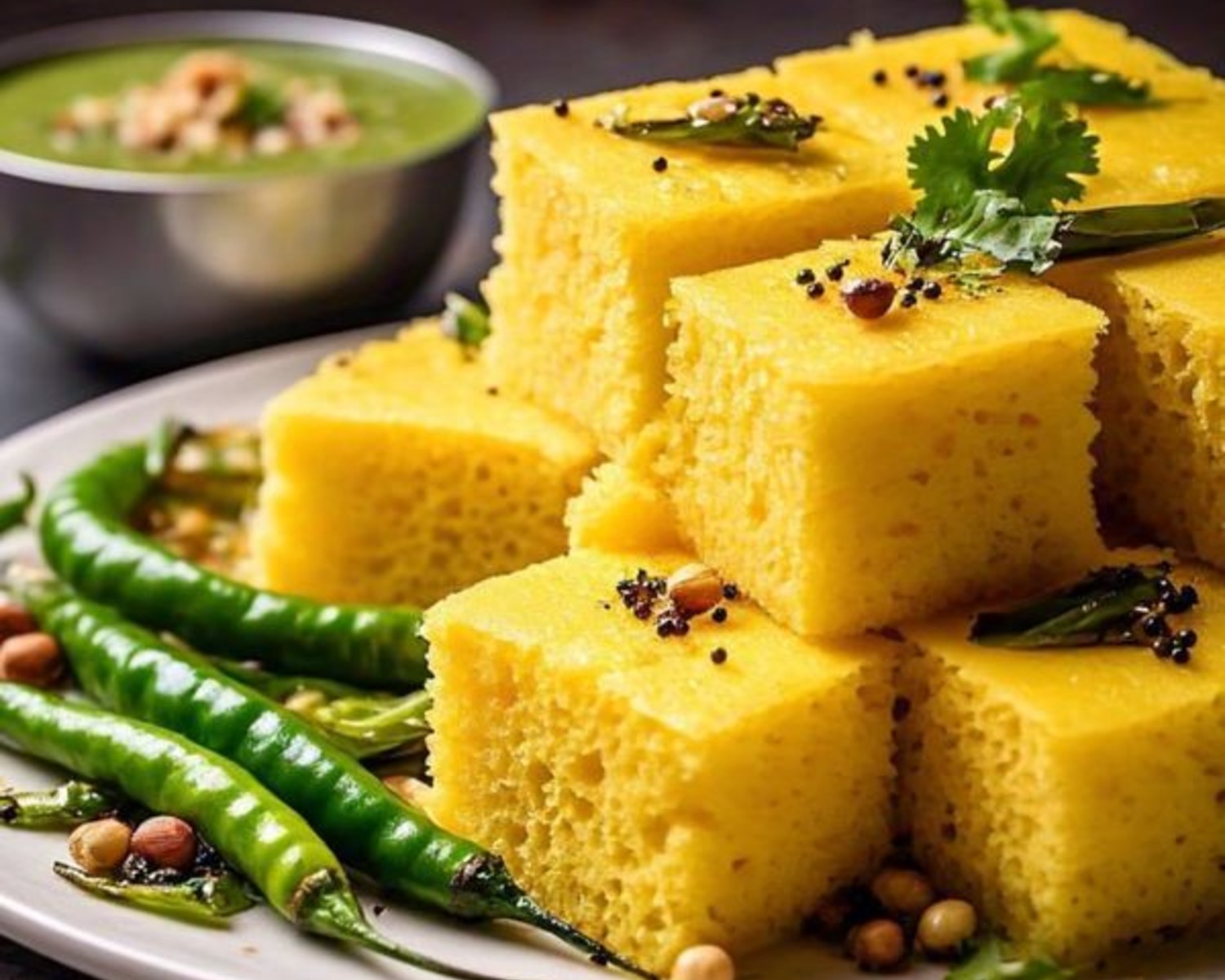
Dhokla
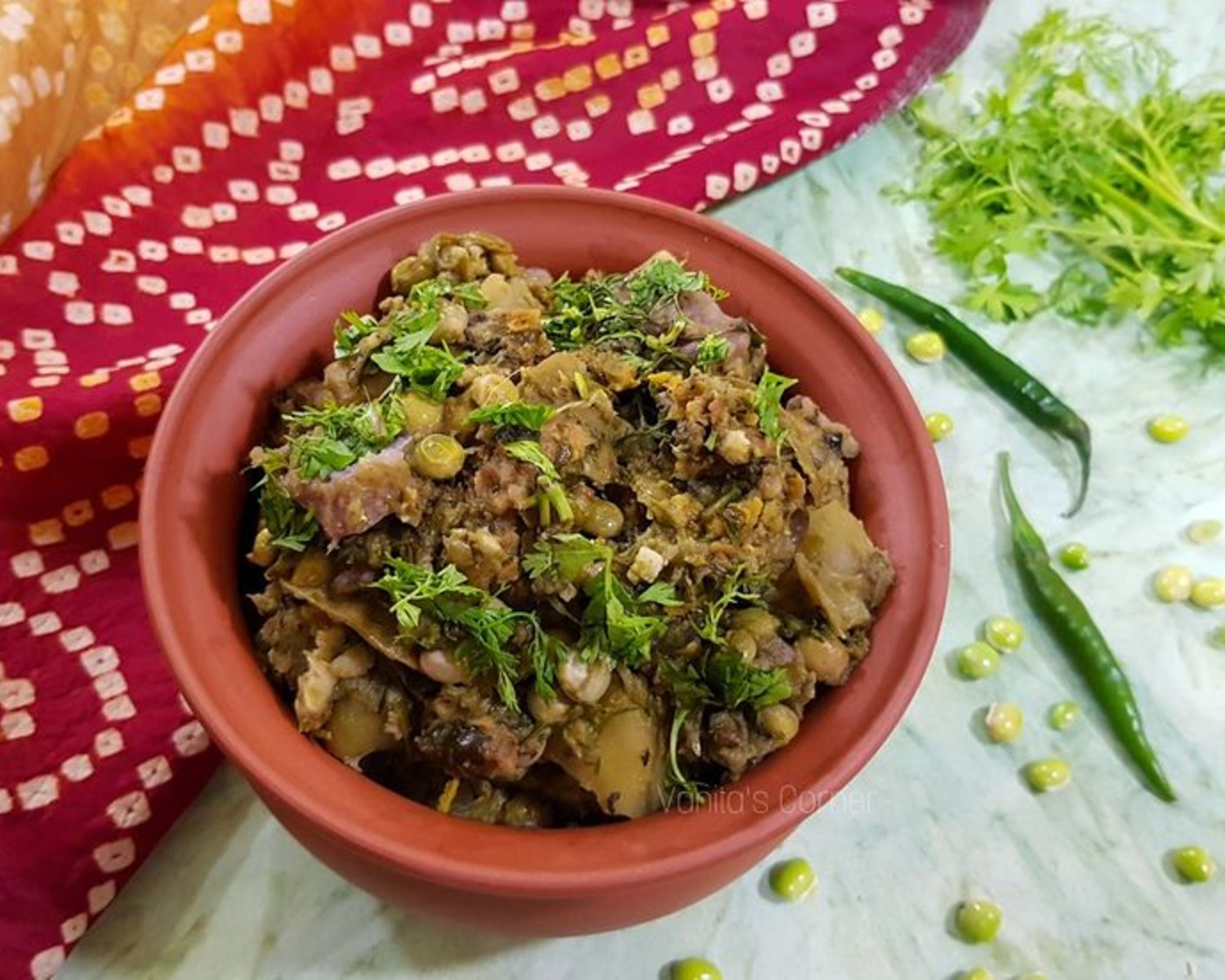
Undhiyu
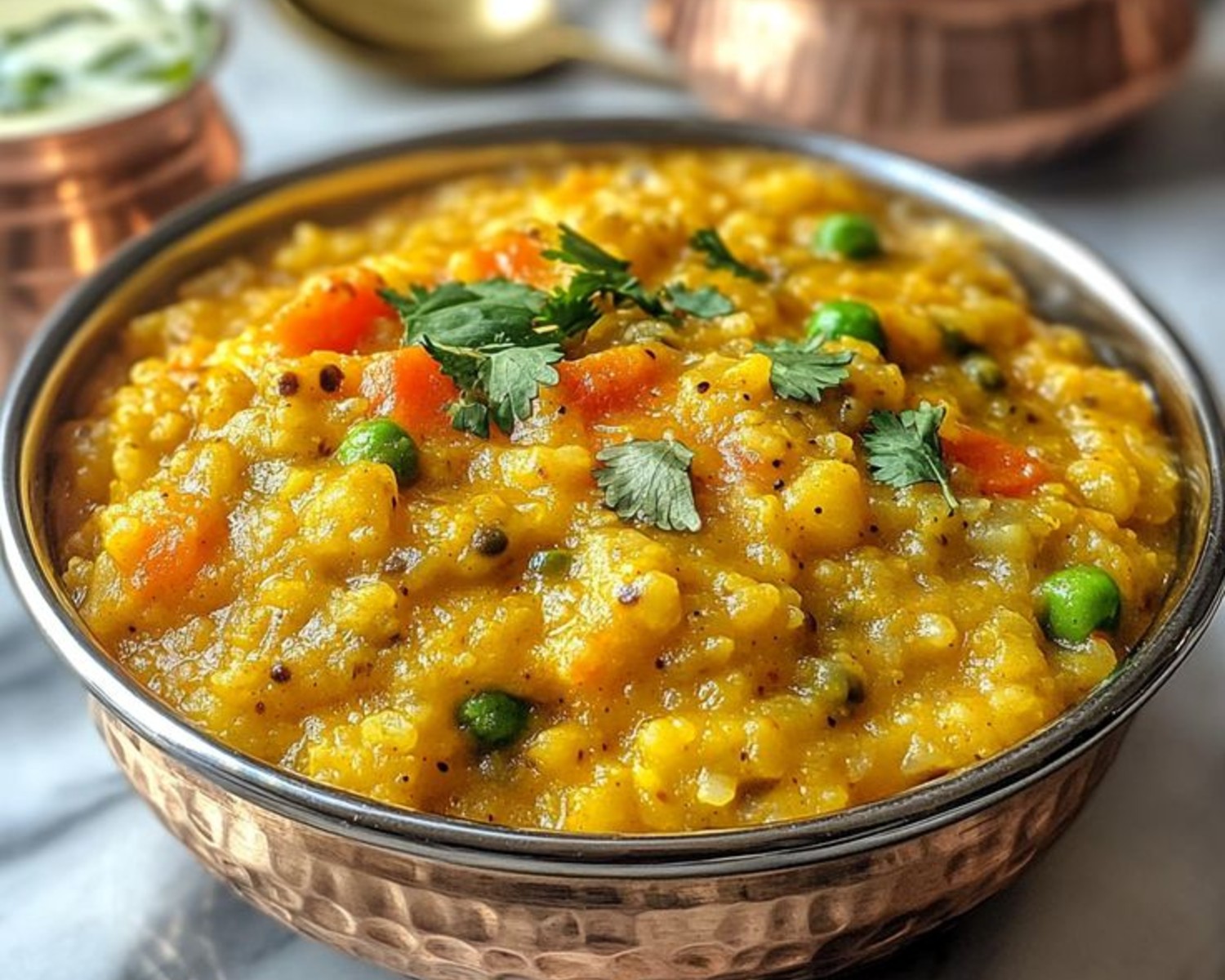
Khichdi
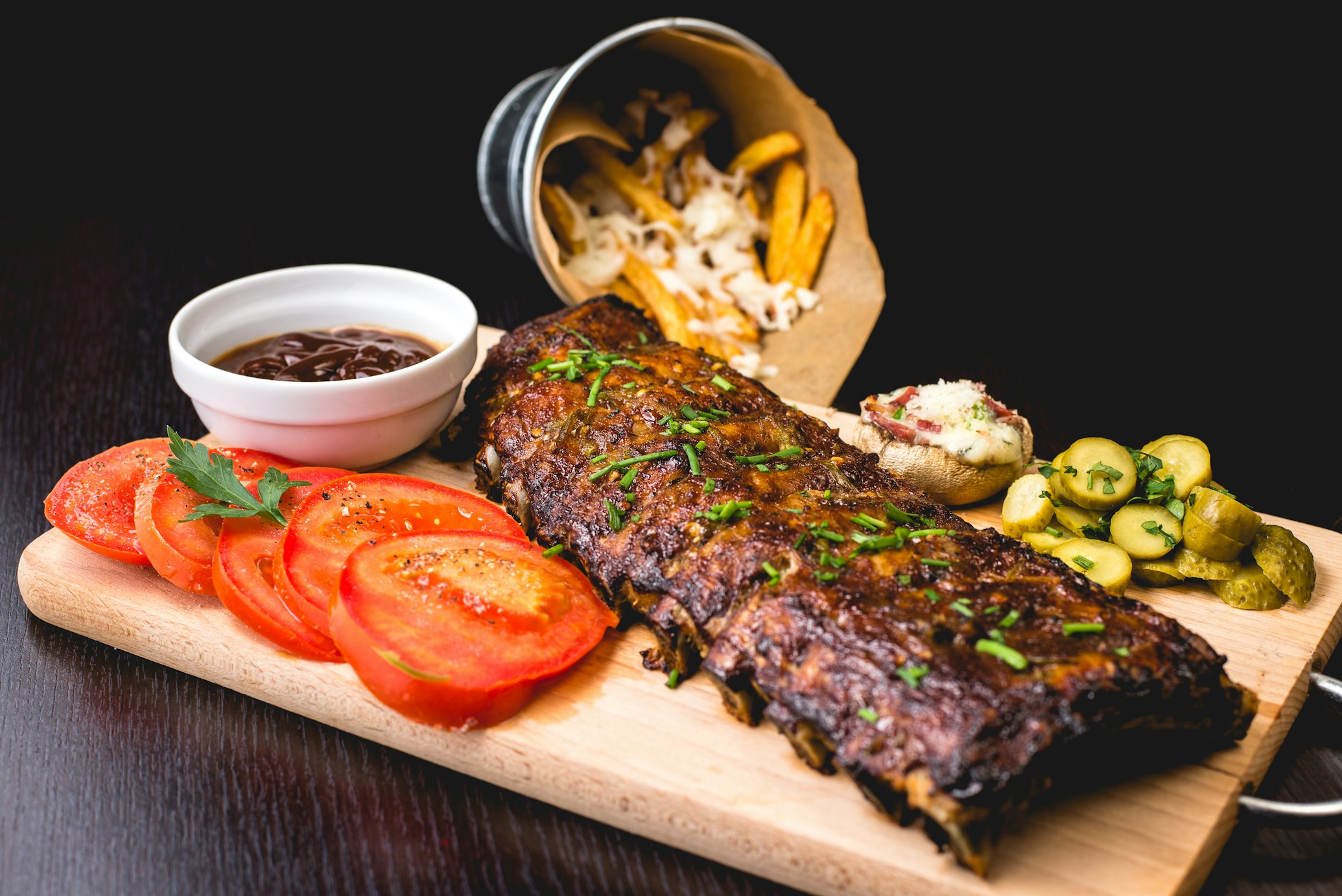
Fafda-Jalebi

Thepla

Handvo

Ghari
Where to Eat
Street Food Stalls (Chokha)
Dhokla, fafda-jalebi, thepla, handvo. ₹50-₹150 per item. Safe, authentic, budget-friendly. Everywhere in bazaars.
Local Restaurants (Khana-Ghor)
Family-run establishments serving traditional Gujarati cuisine. ₹400-₹800 per person. Thalis (complete meals) popular. Found in all towns.
Textile City Cafes
Casual eating in bazaar areas near textile shops. ₹300-₹600 per person. Authentic local atmosphere. Surat and Ahmedabad iconic.
Sweet Shops (Halwai)
Specialized sweet vendors. Ghari, fafri, jalebi, kheer. ₹100-₹400 per item. Essential for festival purchases.
Dining Etiquette
- •Meals are community and family occasions—no rushing through food.
- •Rice/bread base with vegetables, dal, and pickles. Meat dishes less common due to Jain influence.
- •Right hand used for eating (if tradition observed). Many urban Gujaratis use utensils.
- •Tipping not mandatory but appreciated (₹20-50 for good service in restaurants).
- •Most eateries open 7 AM-10 PM; street food available throughout day.
- •Vegetarian options abundant—meat restaurants exist but less dominant.
- •Sharing meals from common serving bowl indicates family unity.
- •Sweets integral to meals—meals incomplete without sweet finish.
Signature Drinks
Shop & Bring Home
Gujarat's shopping is legendary—world-class textiles, diamonds, jewelry, and handicrafts. From hand-block printed fabrics to intricate embroidery, from brilliant diamond cutting to traditional bandhani tie-dye, every purchase supports centuries-old artisanal traditions. Shopping blends bustling wholesale bazaars with specialized artisan communities—a living marketplace of heritage.
Textiles & Fabrics
- Hand-Block Printed Cotton
- Bandhani (Tie-Dye) Silk
- Patola Silk Sarees
- Aahir Embroidered Fabrics
- Jamdani Weaves
Diamonds & Jewelry
- Surat Diamond Cuts
- Kundan Jewelry
- Polki Ornaments
- Gold & Silver Pieces
- Temple Jewelry
Handicrafts & Artisan Goods
- Terracotta Pottery
- Brass & Copper Ware
- Mirror Work Embroidery
- Mud Toys (Ghumra)
- Traditional Metalwork
Spices & Food Products
- Groundnut Oil (Cold-Pressed)
- Sesame Oil
- Spice Mixes (Gujarati Masala)
- Jaggery & Gur
- Dried Fruits & Nuts
Where to Shop (Local Hubs)
Textile Bazaars (Ahmedabad)
Wholesale Textile Hub
"Bhadra Fort area, Dhal Bazaar, Jhala Bazaar. World's largest textile trading center. Hand-block printing, dyeing, weaving. Hundreds of shops. Bargaining expected. Wholesale prices, bulk discounts."
Surat Diamond Market
Diamond Cutting Center
"Mahidharpura and Grand Bazaar. 90% of world's diamonds cut here. Authorized dealers with certification. Competitive prices. Government-certified authenticity."
Old City Bazaars (Ahmedabad)
Traditional & Artisan Goods
"Bhadra Fort surroundings. Handicrafts, embroidery, bandhani fabrics. Authentic local experience. Bargaining culture strong. Crowded but vibrant."
Rajkot Bandhani & Embroidery Hub
Tie-Dye & Embroidery Specialists
"Entire city specialized in bandhani production. Colorful, intricate tie-dye fabrics. Factory visits possible. Best prices in India."
Modern Malls (Ahmedabad/Surat)
Contemporary Shopping
"Ahmedabad Central, Surat Aditi Mall. International brands, Indian designers, restaurants. Fixed prices, modern convenience."
On the Move
Main Airport
AMD (Ahmedabad)
15 km from center; multiple daily flights
Taxi Apps
Ola/Uber
Safe, affordable, professional drivers
Inter-city
Indian Railways
Rajkot, Surat, Vadodara connections
Airport Arrival
Sardar Vallabhbhai Patel International Airport (AMD) in Ahmedabad is main gateway, located 15km from city center. Journey: 20-30 minutes by taxi, 45-60 minutes by bus. Surat and Vadodara also have airports.
Travel Tech
Travel Tips
Ahmedabad auto-rickshaws adventurous and colorful—embrace the ride.
Download Ola app for safety and transparent pricing.
Rann of Kutch is 6-7 hours from Ahmedabad—overnight stay recommended.
Train journeys offer authentic Gujarat experience—meet locals.
Roads excellent—safer for self-driving than many Indian states.
Private drivers essential for Mount Girnar/Palitana trekking access.
Intercity Travel
Indian Railways
Trains to Surat (2.5h), Vadodara (2h), Rajkot (4h). Comfortable, affordable. Book in advance. ₹500-₹2,000 depending on class.
Shared Minibuses (Sumos)
Affordable inter-city travel. Depart when full. Less predictable schedules. Budget option. ₹400-₹1,000 per route.
Private Drivers
Best for customized tours (Rann of Kutch, Palitana, Girnar). Hotels arrange. ₹2,000-₹3,500/day depending on destination.
Car Rental
International license recognized. Drive on left. Roads improving. ₹2,000-₹4,000 daily depending on vehicle.
BakıKart
No universal card system. Pay per journey in rupees or digital payment in cities.
Visa Entry
No Visa Required for Indian Citizens
Gujarat is part of India—no visa needed for Indian citizens. Domestic travel within India requires valid ID (Aadhaar, PAN, or Passport). For foreign nationals, standard Indian visa applies (same for entire country).
For Indian Citizens: Book flights and accommodation directly. No visa processing needed.
For Foreigners: Apply for Indian visa through official portal or embassy.
Standard Indian e-Visa valid for 30/1 year multiple entry.
Passport valid for 6+ months beyond intended stay required.
No special permits needed for temples, bazaars, or textile mills—open to all registered visitors.
Extended stays (>2 months): Register with Foreigners Regional Registration Office (FRRO) in Ahmedabad.
Registration
Penalty: Minimal—casual enforcement for short-term tourists. Long-term stays require registration.
Entry Requirements
- • Valid identity proof (Aadhaar, PAN, Passport, Driving License) for Indian citizens
- • Passport (for foreigners) with 6+ months validity
- • Proof of accommodation (hotel booking or guesthouse address)
- • Contact details of accommodation provider
- • No visa fee for Indian citizens within India