
gujarat
Gujarat
Discover the vibrant state of Gujarat, a major tourism hub in Western India famous for the Statue of Unity and Rann of Kutch.
14+
packages
20k
Travelers
4.9
Rating
10+
Activities
Explore
Destination Overview
About Gujarat
Where ancient wisdom meets entrepreneurial spirit, textile heritage breathes through vibrant bazaars, and spiritual sanctuaries echo with timeless devotion.
Gujarat, which is the most western part of India, is an excellent place for tourism and is one of the earliest centers of civilization, business, and spirituality. Gujarat continues to be the world center for diamonds, textiles, and pharmaceuticals, where past traditions meet contemporary development.
Best TimeOct - Mar
CurrencyINR (₹)
ClimateSemi-Arid to Coastal
Time ZoneIST (UTC+5:30)
LanguageGujarati, Hindi, English
VisaNo Visa (Indian Citizens)
CapitalGandhinagar
Population6.0M
Best Time
Oct - Mar
Currency
INR (₹)
Climate
Semi-Arid to Coastal
Time Zone
IST (UTC+5:30)
Language
Gujarati, Hindi, English
Visa
No Visa (Indian Citizens)
Capital
Gandhinagar
Population
6.0M
Why Choose gujarat?
Indus Valley Cradle
Harappa and Mohenjo-daro revolutionized urban civilization 4,500 years ago. Excavations reveal drainage systems, standardized weights, and sophisticated architecture—proof that Gujarat birthed advanced human settlements. The Harappan Seals remain undeciphered mysteries, inviting endless scholarly fascination. This civilization preceded the Vedas, challenging our understanding of history.
Jainism's Sacred Heights
Mount Girnar and Mount Palitana host thousands of exquisitely carved Jain temples—spiritual peaks where non-violence (ahimsa) philosophy took root. Palitana's 1,500+ temples climbing the mountainside represent one of humanity's greatest architectural achievements. Jain merchants' prosperity shaped Gujarat's business ethics: honesty, integrity, and fair dealing.
Textile & Diamond Capital
Ahmedabad transformed from sultanate capital to Britain's 'Manchester of the East'—textile mills defining 19th-century industrialization. Today, Gujarat cuts 90% of the world's diamonds, dyes 50% of Indian textiles, and manufactures 40% of India's pharmaceuticals. Economic diversification created India's wealthiest entrepreneurial class.
Gandhi's Legacy
Mohandas Karamchand Gandhi, born in Porbandar, led India's independence struggle from Gujarat. The Salt March (Dandi March, 1930) began here, defying British monopoly. Sabarmati Ashram in Ahmedabad remains his living legacy—where non-violence (satyagraha) philosophy was perfected. Gujarat's entrepreneurial spirit traces to Gandhi's ethics of sustainability and social responsibility.
Must-Experience Attractions
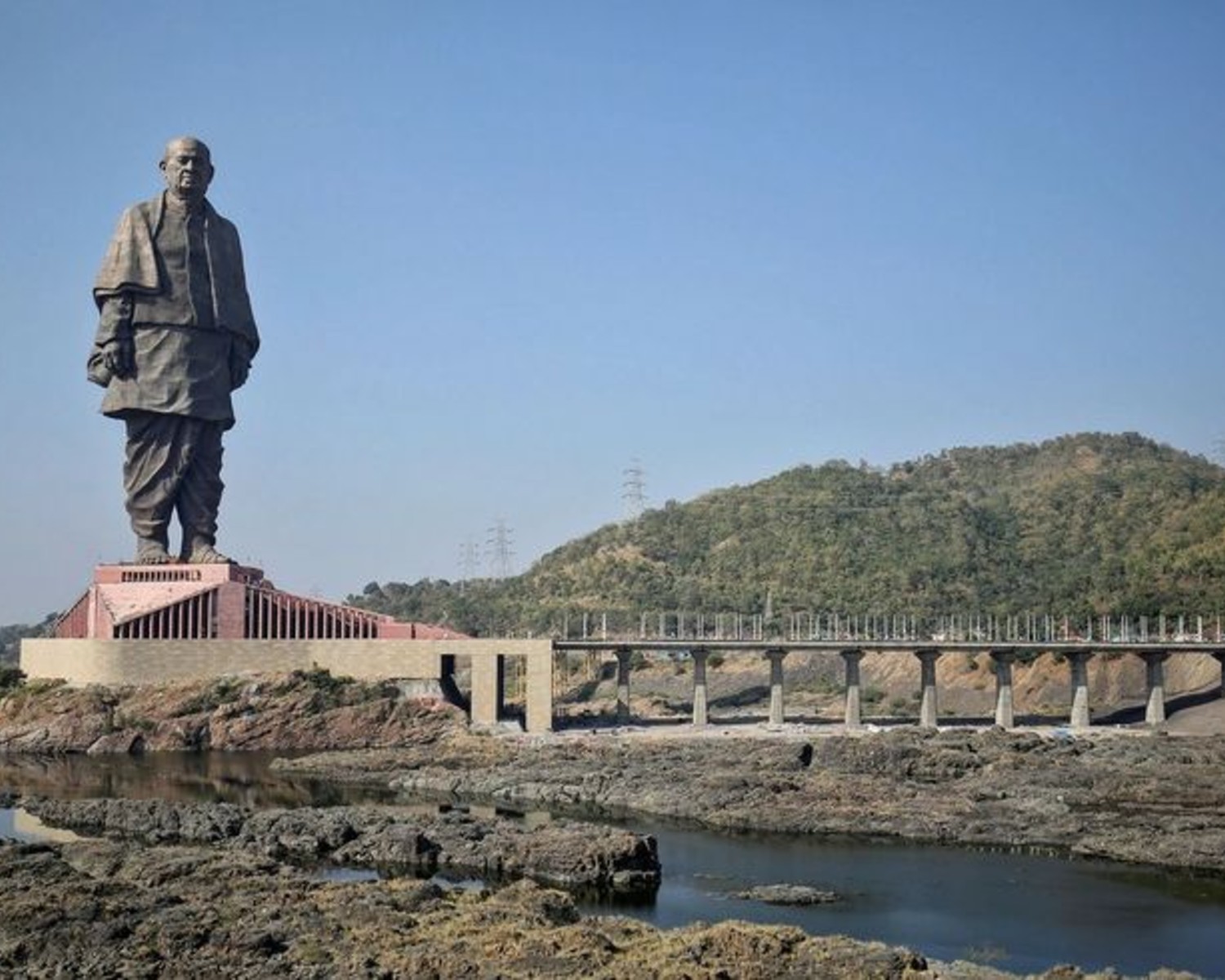
Statue of Unity (World's Tallest)
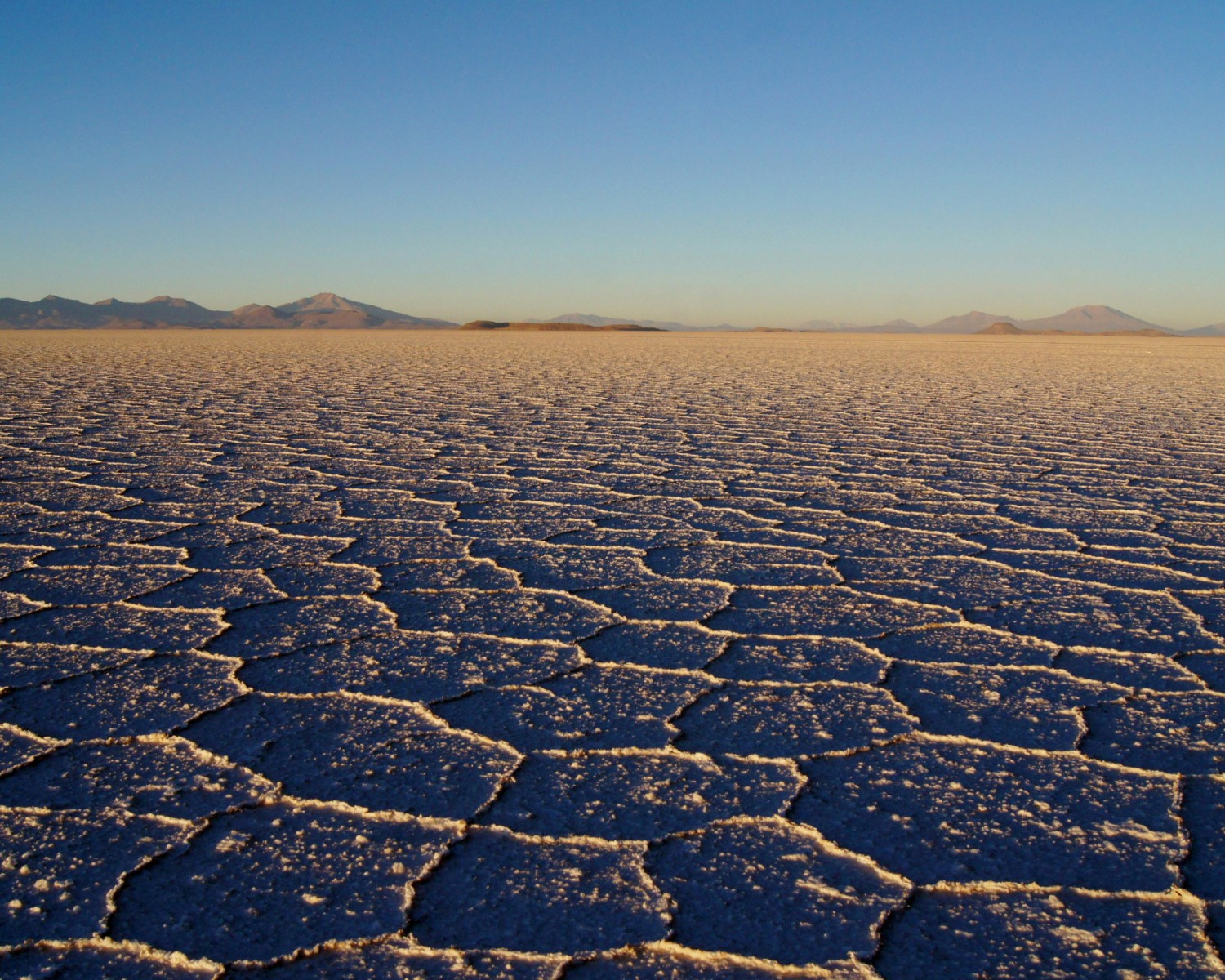
Rann of Kutch White Desert
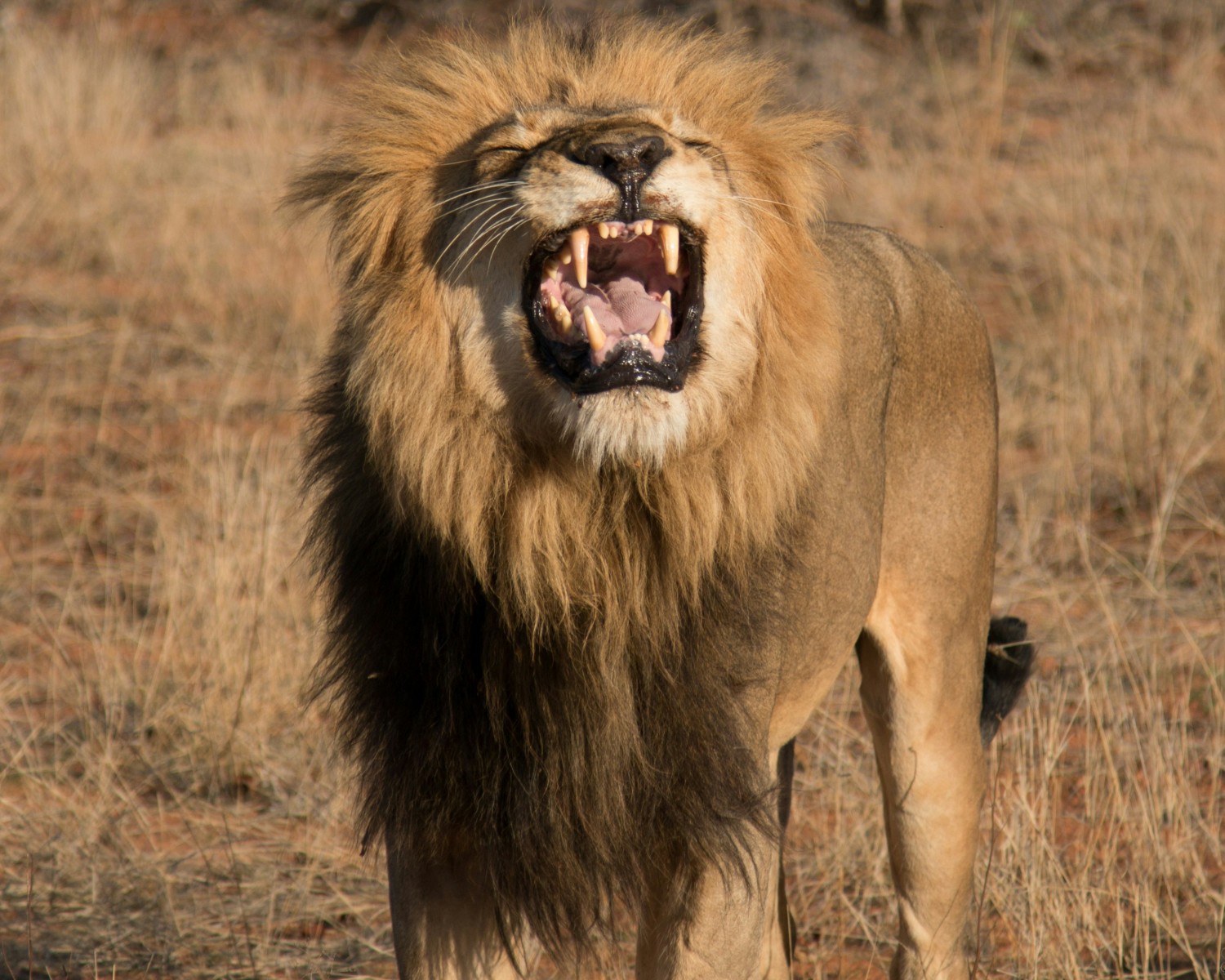
Gir National Park (Asiatic Lions)
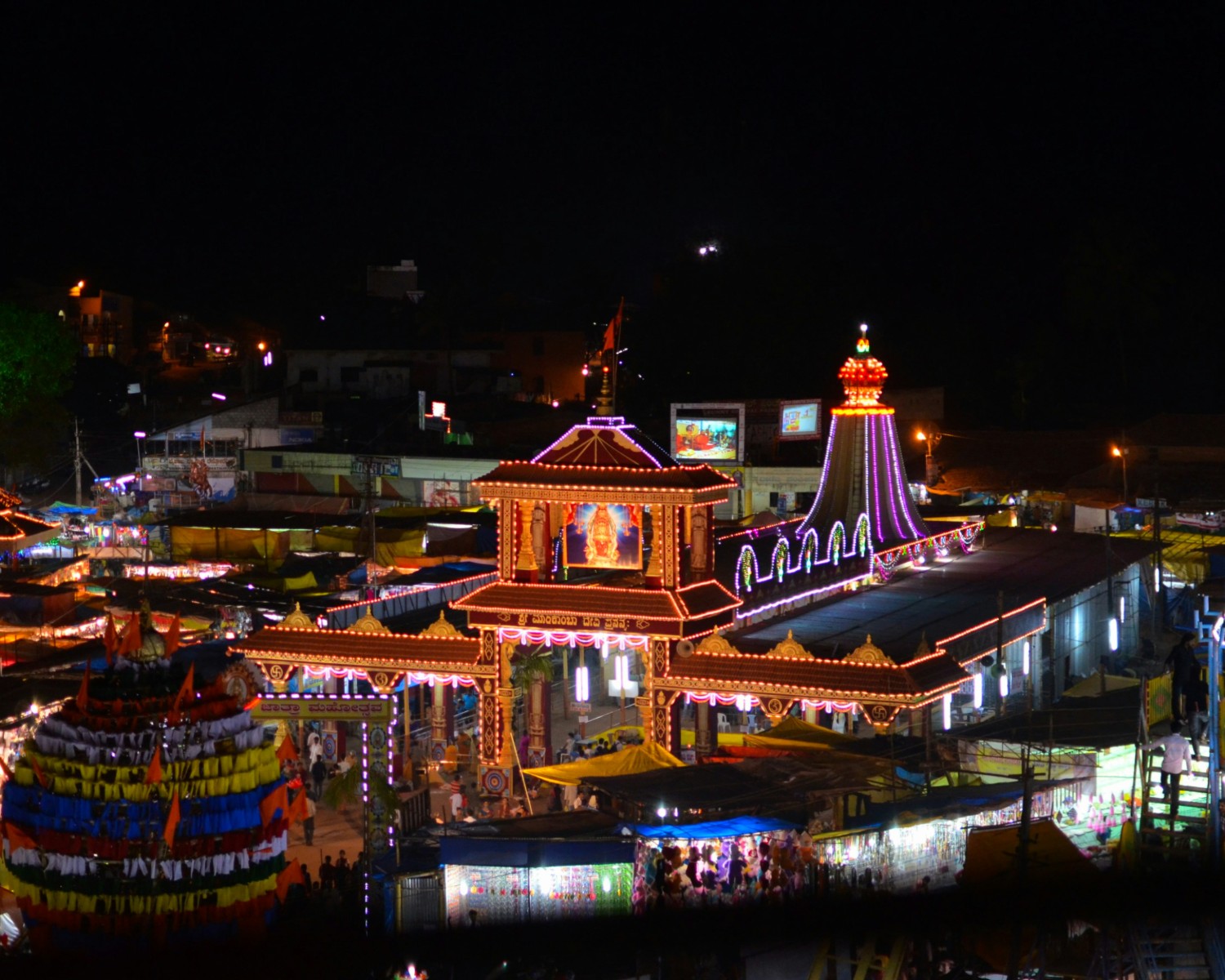
Dwarkadhish & Somnath Temples
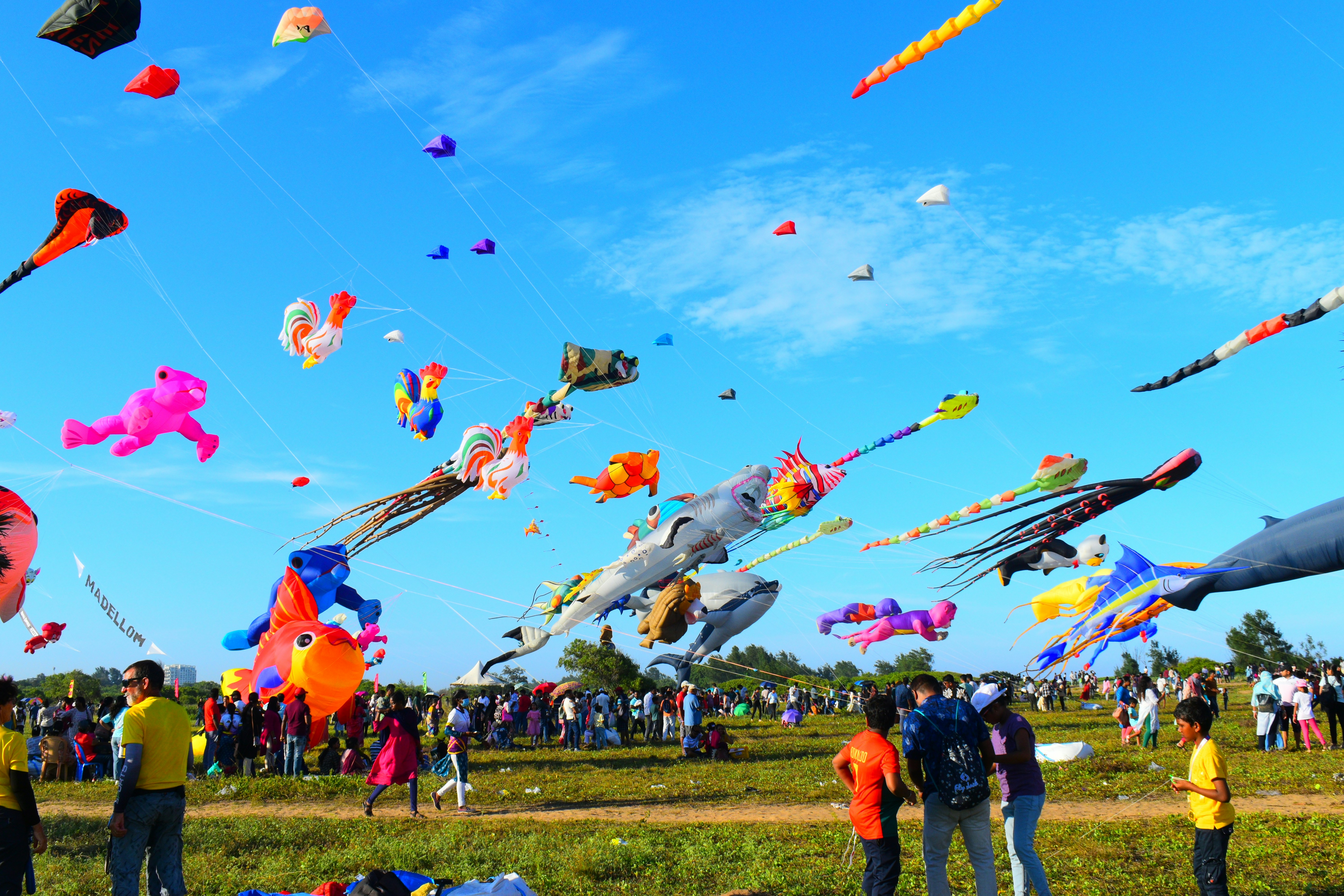
Uttarayan Kite Festival (January)
Sabarmati Ashram & Old City Ahmedabad
Gujarat Tour Packages
Gujarat packages with Bayard start at ₹20,000 per person and run to ₹37,000 for a nine-day circuit. Dwarka and Somnath for the pilgrimage, Gir for the only wild Asiatic lions on earth, the white salt desert of Kutch, and an old city in Ahmedabad that UNESCO made India’s first World Heritage City.
One thing to plan around before anything else. Gir National Park closes completely from 16 June to 15 October every year every zone, no exceptions, and the booking system closes with it. If lions are part of your trip, that decides your dates.
Below: which circuit suits your group, how the Gir permits actually work, what to know about travelling in a dry state, and when to go.
Get a Gujarat quote →
Gujarat trip at a glance
Field | Detail |
Ideal duration | 3–4 days for Dwarka and Somnath; 5–6 days to add Gir; 7–9 days for Kutch, the Statue of Unity or a full heritage circuit |
Cost | ₹20,000–₹37,000 per person on our packages, land only |
Best season | November to March. Gir is closed 16 June to 15 October. The White Rann needs winter — it is under water in the monsoon |
Entry | Domestic. A valid government photo ID is required, and for Gir the name must match your safari permit exactly |
Gir permits | Online only, through the Gujarat Forest Department. Limited slots, generally booked around a month ahead. We handle this |
Getting there | Direct flights to Ahmedabad from Bengaluru, Hyderabad, Chennai and the metros, around 2–2.5 hours. Excellent rail links |
Worth knowing | Gujarat is a dry state. Visitors can obtain a tourist liquor permit — see the practical notes below |
Gir: when it is open, and how the permits work
Gir National Park is closed from 16 June to 15 October every year. That covers the Gir Jungle Trail, Devalia Safari Park and the Kankai route every zone. The online booking system closes for the same period. The closure exists because monsoon tracks are unsafe and because it is the lions’ breeding season.
There is no way around this and no operator can arrange one. If seeing lions matters, your trip has to fall between 16 October and 15 June.
How the permits work
• Booking is online only, through the Gujarat Forest Department. There is no gate sale and no same-day option.
• Slots are limited and go quickly, particularly between December and March. We book around a month ahead as standard.
• A government photo ID is mandatory and the name on it must match the permit exactly. This catches families out more than anything else — if your booking says "R. Sharma" and the Aadhaar says "Ramesh Kumar Sharma", that is a problem at the gate.
• Safaris run early morning and late afternoon and take around three hours. Jeep routes are allocated at the gate, so no two safaris are the same.
• If core-zone permits are gone, Devalia Safari Park is the fallback — a shorter, fenced circuit where sightings are far more likely but more managed.
Best months for sightings are December to March, when the weather is comfortable and the animals concentrate near water. April and May are hot but very good for photography and sightings.
Which circuit suits you?
Gujarat is a large state and the itineraries fall into four fairly distinct shapes. Choosing between them is the main decision.
• The pilgrimage circuit - Dwarka and Somnath, three to four days. One of the Char Dham and one of the twelve Jyotirlingas, both on the coast, with the temples as the point of the trip. Best for pilgrims and multi-generational families who want a focused spiritual journey.
• Pilgrimage plus lions - Dwarka, Somnath and Gir, five to six days. The same temple circuit with two nights at Sasan Gir and a jeep safari. Best for families who want the temples and something for the children and grandchildren too. Only possible between mid-October and mid-June.
• The desert circuit - Bhuj, Kutch and the White Rann, six to seven days, usually with Dwarka and Somnath attached. Best in winter, when the salt flats are dry, white and walkable. Best for photographers and travellers who want the landscape rather than the temples.
• The heritage circuit - Ahmedabad, Vadodara, Patan and Kevadia. UNESCO-listed Ahmedabad old city, the Rani-ki-Vav step-well, the Sun Temple at Modhera and the Statue of Unity. Best for culture-led travellers and repeat visitors who have already done the temples.
Our Gujarat packages
Package | Duration | Circuit | Price (per person) |
Sacred Gujarat Trail (Dwarka, Somnath, Sasan Gir) | 5D / 4N | Pilgrimage + lions | ₹20,000 |
Ahmedabad, Statue of Unity & Bhuj | 5D / 4N | Heritage + desert | ₹21,000 |
West India Wonders (Dwarka, Somnath, Gir, Diu) | 6D / 5N | Pilgrimage + lions + coast | ₹24,000 |
Divine Dwarka | 3D / 2N | Pilgrimage | ₹26,000 — see note |
Gujarat Grand Spiritual & Heritage Tour | 6D / 5N | Pilgrimage + heritage | ₹27,999 |
Eternal Faiths of Gujarat (incl. Palitana) | 6D / 5N | Pilgrimage + Jain heritage | ₹27,999 |
Statue of Unity with Divine Gujarat | 4D / 3N | Heritage + pilgrimage | ₹27,999 — see note |
Timeless Gujarat: Desert to Divine | 7D / 6N | Desert + pilgrimage | ₹28,500 |
Mystic Gujarat (Ahmedabad to Sasan Gir) | 7D / 6N | Heritage + lions | ₹28,500 |
Sacred Gujarat Heritage Tour | 7D / 6N | Heritage + pilgrimage | ₹29,999 |
Dwarka & Somnath: A Sacred Escape | 4D / 3N | Pilgrimage | ₹33,000 — see note |
Ultimate Gujarat Tour | 9D / 8N | Full circuit | ₹37,000 |
What moves the price
• Hotel category, which varies widely between the temple towns and the city stops.
• Whether Gir is included, and whether safari permits are bundled.
• How many regions. Saurashtra, Kutch and central Gujarat are far apart and each addition means real driving.
• Season. November to March is peak; Rann Utsav and Uttarayan are peaks within the peak.
• Whether airfare to Ahmedabad is bundled.
Get a fixed quote for your dates →
When to go
Months | What it’s like | Verdict |
November–March | Mild, dry and clear. Gir open, the White Rann dry and walkable, temples comfortable, Rann Utsav running | The season, for every circuit |
April–May | Hot, often above 40°C in the interior. Gir still open until 15 June and very good for sightings near water | For wildlife and photography, if you can take the heat. Not for temple-heavy circuits |
16 June–15 October | Monsoon. Gir closed entirely, the White Rann under water, and heavy rain across Saurashtra and Kutch | Not the window for lions or the desert. Temples and Ahmedabad remain accessible |
Mid-October | Gir reopens on 16 October and the season begins | Good value before the December rush |
The dates that book out
Uttarayan, the kite festival, falls on 14 January and is one of the largest participatory festivals in India rooftops across Ahmedabad full from dawn, the sky solid with kites, and every hotel in the city booked long in advance. It is extraordinary and it is not something to plan in December.
Rann Utsav runs through the winter months in Kutch and creates the same pressure on Bhuj and the tent city. Ask us for the confirmed dates for your year — they shift, and the White Rann is only white outside the monsoon.
Where to go
Dwarka
One of the four Char Dham and, by tradition, Krishna’s kingdom. The Dwarkadhish Temple with its five-storey spire and flag changed several times a day; Bet Dwarka reached by boat; the Nageshwar Jyotirlinga a short drive away; and the Rukmini Devi temple. The evening aarti is the moment to be there for.
Somnath
The first of the twelve Jyotirlingas, on the Arabian Sea, rebuilt many times across its history and most recently in 1951. The evening aarti and the sound-and-light show with the sea behind it are the reason people stay the night rather than passing through.
Sasan Gir
The only place on earth with wild Asiatic lions — around 1,400 square kilometres of teak forest and grassland, with leopards, chital, sambar, nilgai and exceptional birdlife alongside. Jeep safaris run early morning and late afternoon. Open 16 October to 15 June only.
Kutch and the White Rann
A salt desert the size of a small country, dry and blinding white in winter and under water in the monsoon. Kala Dungar for the view across it, the handicraft villages around Bhuj for embroidery and Rogan art, and the tent city during Rann Utsav. Full moon nights over the salt flats are the thing people remember.
Ahmedabad
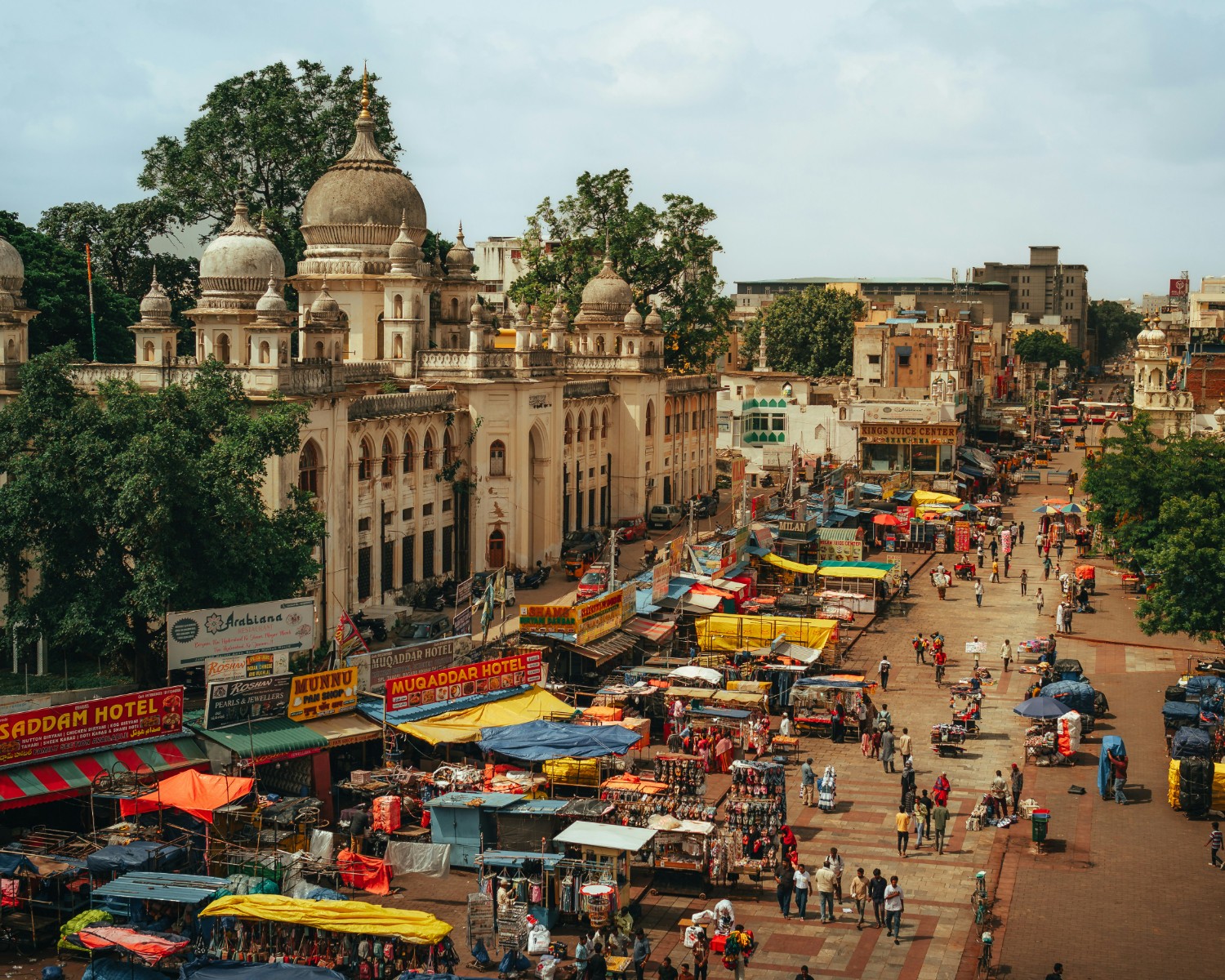
India’s first UNESCO World Heritage City, inscribed in 2017 — the walled old city with its pols, carved wooden havelis, Jama Masjid and the Sidi Saiyyed jaali. Sabarmati Ashram, where Gandhi lived for thirteen years and from which the Salt March began, is on the riverfront. The heritage walk through the old city at dawn is genuinely one of the best things to do in urban India.
Statue of Unity, Kevadia
The tallest statue in the world at 182 metres, about 200km from Ahmedabad on the Narmada. Entry and the viewing gallery are timed-ticket and sell out — we book them with your package. The valley, the dam and the surrounding attractions make it a full day rather than a stop.
Palitana and Girnar
Shatrunjaya hill at Palitana carries around nine hundred Jain temples and is one of the most sacred sites in Jainism — around 3,800 steps to the top, which is worth knowing before you plan it into a trip with elderly travellers. Girnar near Junagadh is the other great Jain hill.
Practical notes
Gujarat is a dry state
Prohibition has been in force since 1960 and alcohol is not sold openly anywhere in Gujarat. Visitors from outside the state can obtain a tourist liquor permit, usually arranged through the licensed outlet at larger hotels on production of ID and travel documents. If it matters to your trip, tell us at booking and we will point you to the right properties. For most of our Gujarat travellers this is a non-issue or a positive.
Travelling with elderly parents
A lot of Gujarat travel is multi-generational, and the temple circuits involve more walking and standing than people expect queues at Dwarka and Somnath can be long, Palitana is 3,800 steps, and the distances between Saurashtra towns mean real time in a vehicle. Tell us the ages and mobility in your group and we will pace it properly, arrange assistance where it exists, and be honest about what to skip.
Food
Gujarat is one of the best vegetarian destinations in India, and the Gujarati thali is a genuine experience rather than a fallback sweet, savoury, endlessly refilled. Jain food is widely available and properly understood here, which is not true everywhere. Tell us your requirements and they will simply be met.
Distances
Gujarat is large and the circuits cover real ground — Ahmedabad to Dwarka is around 440km, Dwarka to Somnath about 230km, and Kutch is a long way from Saurashtra. Rail is good between the main towns and road is how most circuits actually run. We build the sequence so you are not doubling back.
Common mistakes to avoid
• Planning a Gir safari between 16 June and 15 October. The park is closed and no operator can change that.
• Leaving Gir permits late. Online only, limited slots, roughly a month ahead in season.
• Booking a permit in a shortened name that does not match the photo ID.
• Expecting the White Rann in the monsoon. It is under water.
• Planning Uttarayan travel in December. Ahmedabad is booked out well before then.
• Assuming alcohol is available. Gujarat is a dry state.
• Putting Palitana in an itinerary with elderly travellers without discussing the 3,800 steps first.
• Underestimating the driving between Saurashtra, Kutch and central Gujarat.
What’s included in a Bayard Gujarat package
Included | Not included |
Hotel stays across the towns in your circuit — Dwarka, Somnath, Sasan Gir, Bhuj, Ahmedabad, Vadodara as applicable | Airfare or rail fare to Gujarat, unless specifically bundled |
Daily breakfast; some packages include all meals | Meals not listed in your itinerary |
Airport and railway station transfers, and all sightseeing transport | Special darshan or VIP queue arrangements unless specified |
Gir jeep safari and permits where the itinerary includes them, booked in advance | Additional safaris beyond those listed, and premium safari slots |
Temple visits, heritage sites and specified entry tickets including the Statue of Unity where applicable | Camera fees, guide tips and personal expenses |
On-trip assistance and a local contact number | Anything not explicitly listed in your confirmed itinerary |
Why book Gujarat with Bayard Vacations
• We handle Gir permits — online-only, limited, booked a month ahead, and with an ID-name requirement that catches families out at the gate.
• We will tell you when not to come. If your dates fall inside the Gir closure or the monsoon Rann, you will hear it from us before you book, not after.
• Pacing built for multi-generational groups — temple queues, walking distances, Palitana’s steps and long driving days planned around who is actually travelling.
• Circuits sequenced properly. Saurashtra, Kutch and central Gujarat are far apart and the order you visit them in decides how much of your holiday you spend in a car.
• Statue of Unity and other timed tickets booked with your package rather than left to the day.
• Thirteen itineraries from ₹20,000, so the circuit fits the trip rather than the other way round.
Talk to us about Gujarat →
Gujarat package FAQs
When is Gir National Park open?
From 16 October to 15 June. Gir closes completely from 16 June to 15 October every year — every zone including Devalia, with the online booking system closed too. The reasons are monsoon track safety and the lion breeding season. No operator can arrange access during the closure.
How do I book a Gir safari?
Online only, through the Gujarat Forest Department. There is no gate sale. Slots are limited and generally need booking around a month ahead, especially December to March. A government photo ID is mandatory and the name must match the permit exactly. We book permits as part of your package.
What if Gir permits are sold out?
Devalia Safari Park is the fallback — a shorter, fenced circuit within the sanctuary where sightings are much more likely but more managed. It is a genuinely good alternative and we will tell you honestly if that is where we have landed.
Is Dwarkadhish a Jyotirlinga?
No. Dwarkadhish is a Krishna temple and one of the four Char Dham. The Jyotirlingas are Shiva shrines — Somnath is the first of the twelve, and Nageshwar, a short drive from Dwarka, is another. Most Dwarka–Somnath circuits include both Nageshwar and Somnath, so you cover two Jyotirlingas and a Char Dham in one trip.
How many days do I need in Gujarat?
Three to four for Dwarka and Somnath. Five or six to add Gir. Seven or more if you want Kutch, the Statue of Unity or a heritage circuit through Ahmedabad, Patan and Vadodara. Gujarat is a large state and the driving is real.
How much does a Gujarat trip cost?
Our packages run from ₹20,000 per person for a five-day Dwarka–Somnath–Gir circuit to ₹37,000 for a nine-day full tour. Hotel category, whether Gir is included and how many regions you cover are what move the number.
Is Gujarat a dry state?
Yes. Prohibition has been in force since 1960 and alcohol is not sold openly. Visitors from outside Gujarat can obtain a tourist liquor permit, usually through the licensed outlet at a larger hotel, on production of ID and travel documents. Tell us at booking if it matters and we will guide you to the right properties.
When is the best time to visit Gujarat?
November to March for every circuit — mild, dry, Gir open and the White Rann walkable. April and May are very hot but good for wildlife. Mid-June to mid-October is monsoon: Gir is closed and the Rann is under water, though the temples and Ahmedabad remain accessible.
Can I see the White Rann in the monsoon?
No. The Rann of Kutch is a salt flat that floods in the monsoon. It is white, dry and walkable in the winter months, which is also when Rann Utsav runs. Ask us for the confirmed dates for your year.
What is Uttarayan and when is it?
The kite festival, on 14 January — one of the largest participatory festivals in India, with rooftops across Ahmedabad full from dawn and the sky solid with kites. It is extraordinary, and every hotel in the city is booked long in advance. Plan it months ahead, not in December.
Is Gujarat good for elderly travellers?
Yes, with the right pacing. Most of our Gujarat travellers are multi-generational families. The things to plan around are temple queue times at Dwarka and Somnath, the long drives between Saurashtra towns, and Palitana, which is around 3,800 steps to the top. Tell us the ages and mobility in your group and we will build the trip around them.
Is Gujarat good for vegetarians and Jain travellers?
It is one of the best destinations in India for both. The Gujarati thali is a genuine experience rather than a compromise, and Jain food is widely available and properly understood here in a way it is not everywhere else.
Do I need to book the Statue of Unity in advance?
Yes. Entry and the viewing gallery are timed-ticket and sell out, particularly at weekends and in peak season. It is about 200km from Ahmedabad, so it is a full day rather than a stop. We book it with your package.
Which cities have direct flights to Gujarat?
Ahmedabad has direct flights from Bengaluru, Hyderabad, Chennai, Mumbai, Delhi and other metros, typically around two to two and a half hours. Vadodara, Rajkot and Surat also have connections. Rail links across Gujarat are excellent once you arrive.
What is included in a Bayard Gujarat package?
Hotels across your circuit, daily breakfast with some packages including all meals, airport and station transfers, all sightseeing transport, Gir jeep safari and permits where included, and specified entry tickets. Airfare, meals outside the plan, special darshan arrangements and personal expenses are separate.
Planning a Gujarat trip?
Tell us your dates, your city and who is travelling. We’ll tell you whether Gir is open on your dates, book the permits, and pace the circuit for the people actually going.
Enquire now · WhatsApp · Call
gujarat Packages


Signature Collections
Handpicked signatures and top-rated escapes in gujarat

We Are Bayard Vacations
Not just another travel company. We're dreamweavers, adventure architects, and memory makers.
Explore
Now Featuring
Thailand

Highlight
Meet Bayard Buddy – Advanced AI Chatbot for Everyday Help
Experience 01
Statue of Unity towering over Narmada valley
Explore HighlightExplore
Experience 02
White salt desert stretching endlessly
Explore HighlightExplore
Experience 03
Asiatic lion in natural Gir habitat
Explore HighlightExplore
Experience 04
Dwarkadhish Temple ornate architecture
Explore HighlightExplore
Experience 05
Rooftop gatherings during kite festival
Explore HighlightExplore
Experience 06
Ahmedabad Old City intricate architecture
Explore HighlightExplore
KNOWLEDGE HUB
Things to Know in Tips for gujarat
Gujarat, which is the most western part of India, is an excellent place for tourism and is one of the earliest centers of civilization, business, and spirituality. Gujarat continues to be the world center for diamonds, textiles, and pharmaceuticals, where past traditions meet contemporary development.
A Journey Through Time
Gujarat, which is the most western part of India, is an excellent place for tourism and is one of the earliest centers of civilization, business, and spirituality. Gujarat continues to be the world center for diamonds, textiles, and pharmaceuticals, where past traditions meet contemporary development.
| Indus Valley Civilization (2500-1500 BC)
Gujarat was home to the world's earliest planned cities—Harappa and Mohenjo-daro. Archaeological evidence reveals advanced drainage systems, standardized weights, and seals depicting unknown scripts. This civilization preceded the Vedas, proving Gujarat's role in humanity's earliest urban development.
| Mauryan & Ashokan Era (322-185 BC)
Emperor Ashoka's reign brought Buddhism and prosperity. Rock edicts carved on boulders spread his message of dharma across Gujarat. The Edicts of Ashoka represent humanity's earliest state-sponsored moral messages, making Gujarat a philosophical epicenter.
| Jain Golden Age (500 BC - 1300 AD)
Gujarat became Jainism's cradle. Mount Girnar and Mount Palitana host thousands of Jain temples carved over centuries. Jain merchants became the wealthiest traders, establishing the mercantile traditions that define Gujarat today. Non-violence (ahimsa) shaped Gujarati ethics permanently.
| Sultanate & Mughal Rule (1300-1600)
The Gujarat Sultanate controlled crucial Silk Road trade routes. Ahmedabad emerged as a commercial powerhouse. Mosques, step-wells (baolis), and markets blended Islamic and Hindu architecture. The period saw rise of merchant communities that dominate Gujarat's economy.
| Colonial Era & British Rule (1600-1947)
The British East India Company established dominance. Textile industries flourished—Ahmedabad became the 'Manchester of the East.' The colonial period witnessed emergence of industrial entrepreneurs and freedom fighters. Gandhi's Dandi March (1930) began from Gujarat, igniting India's independence.
| Modern Independent Gujarat (1947-Present)
Post-independence, Gujarat embraced capitalism and industrialization. From textiles to diamonds (cutting 90% of world's diamonds), from pharmaceuticals to IT, Gujarat became India's economic engine. Today, it leads in entrepreneurship, textile exports, and social enterprises—Narendra Modi's model of 'Gujarat growth' inspired national policies.
Indus Valley Cities
2500-1500 BC
Harappa & Mohenjo-daro—earliest planned urban centers
Jain Temples
1,500+
Palitana's sacred mountain—world's largest Jain pilgrimage site
Diamond Cutting
90%
Gujarat cuts 90% of world's diamonds; Surat the 'Diamond City'
Salt March
March 12, 1930
Gandhi's defiance began from Gujarat, sparking independence
Guest Stories
H
Hemanth R
4 months agoExceptional Service and Stunning Views! I just returned from a trip to Kerala curated by Bayard Vacations, and I'm still thinking about the views. Unlike generic packages, Dhanushree from Bayard took the time to tailor the itinerary to my preferences. Every hotel and houseboat was chosen for its...
P
Prajwal Raikar
5 months agoWe went to Dubai, and Bayard Vacations made our entire trip truly joyful and memorable. Adarsh from Bayard Vacations was extremely helpful in arranging the yacht and managing a few issues promptly, which made our vacation smooth and stress-free.
M
Muthahir
5 months agoWe had a wonderful vacation in Dubai, all thanks to Bayard Vacations. From planning to execution, everything was smooth and well-organized. The itinerary was perfectly balanced, the accommodations were comfortable, and all arrangements were completely hassle-free. A special thanks to Mr. Adarsh for...
S
Spoorthy Venkatesh
5 months agoWe had an amazing time in Dubai with Bayard Vacation. Adarsh, our destination specialist, explained everything super smoothly and stayed in touch with us the whole time, which made the trip feel really easy and well organized. The team was great with the transport arrangements too. The drivers were...
B
Bakasura Brahmana
5 months agoBest iternary prepared by them. The best travel agency I suggest
H
Harsha Vardhan Attuluri
5 months agoWe recently went on a trip to Coorg and Wayanad with Bayard Vacations, and the experience was seamless. We opted for a private package, and all the arrangements were excellent. The communication was clear throughout the process. A special thanks to our agents, Rahul and Sowmya, who handled the plann...
A
Abhishek Satapathy
5 months agoWe had a wonderful vacation in Thailand thanks to the...
S
Shilpa Wartak
5 months agoWe booked our Hampi and Badami tour with Bayard Vacation and had an absolutely amazing experience! Everything was perfectly planned and very smooth from start to finish. The hotel location was excellent and close to all major places, and the drive was super comfortable. The whole trip was completely...
A
Abhilash Cr
5 months agoWe recently completed a 4-5 day Andaman trip with Bayard Vacation, and overall it was a very pleasant and well-organized experience. From the planning stage to the end of the journey, the team especially team of Rahul, Dhanushree, was supportive and responsive, making the trip smooth and stress-free.

Medha Devatraj
a month agoLoved our trip to Kerala(Munnar, Thekkady, Alleppey, Varkala and Kovalam) with Bayard Vacations. They've tailored our package and made adjustments according to our itinerary. Agents Sooraj and Dhanushree were the ones who planned and executed our trip so well🙌🙌. They were very polite and friendly. The vehicle arranged was a comfortable and spacious one for our family of 9. We were apprehensive about the tour but returned with beautiful and lifelong memories🫶🫶. A trip with Bayard Vacations is value for money ♥️♥️.

Sriram appalla
a month agoI recently took a 5N/6D trip to Kerala with Bayyard Vacation, and it turned out to be a lovely experience. Even before the trip began, the Bayyard team, especially Sooraj, helped me with every little detail and was super quick with his responses. Our assigned driver, Jbin Alex, was incredibly humble, kind, and supportive throughout the journey. I’d strongly recommend him if you’re planning a Kerala trip, and I’d definitely suggest choosing Bayyard Vacation for your travels. There was a small miss where one of the complimentary items mentioned in the itinerary couldn’t be fulfilled, but aside from that, everything went smoothly. Overall, I’d rate Bayyard Vacation a solid 4.5/5.

jothees waran
2 weeks agoManasa, sincere thanks for curating such an elegant and seamless Thailand experience. Every aspect of the journey was impeccably planned—from punctual transfers and smooth pickups to a perfectly balanced itinerary. The attention to detail, premium coordination, and effortless execution truly elevated the trip. Everything flowed with precision, allowing us to relax and enjoy each moment without a single concern. Your professionalism and commitment to excellence were evident throughout. Bayard Vacations delivers not just a trip, but a truly luxurious and memorable travel experience. Highly recommended.

Kaustubh Rastogi
3 weeks agoWe recently traveled to Malaysia and had a fantastic experience with Bayard Vacations. Their quick responses and excellent service made the entire planning process smooth and stress-free. Balaji’s recommendations were absolutely on point and perfectly matched our preferences. His attention to detail and prompt support truly made a difference. Highly satisfied with the overall experience and would definitely choose Bayard Vacations again for future trips. Highly recommended! ⭐⭐⭐⭐⭐

Manu Manu
in the last weekThe trip was very beautiful. We have experienced many places and we got chance to have the package. They guided us very safely and assured as everything that you need and food was also good and was in care of everything was fantastic trip. We went to Thailand and Bangkok, and we did alKaiser show Quarter Island and we explored a lot in the Water, also like paragliding Jaki riding And there was a dinner cruise in Bangkok. Also was very nice. Totally we really appreciate for the trip and we will like to do more.
Authentic Experiences
Read All Reviews Join 25,000+ happy travelers who explored gujarat with us.
You Might Also Like
Discover more incredible destinations and experiences tailored for you


Why Choose Bayard Vacations?
100%
Secure Booking
8+
Years Experience
25K+
Happy Travelers
24/7
Support Available
Best Price
Guaranteed
Personalized
Customized Trips
Expert
Local Guides
100+
Destinations Covered