Kenya
factsheet
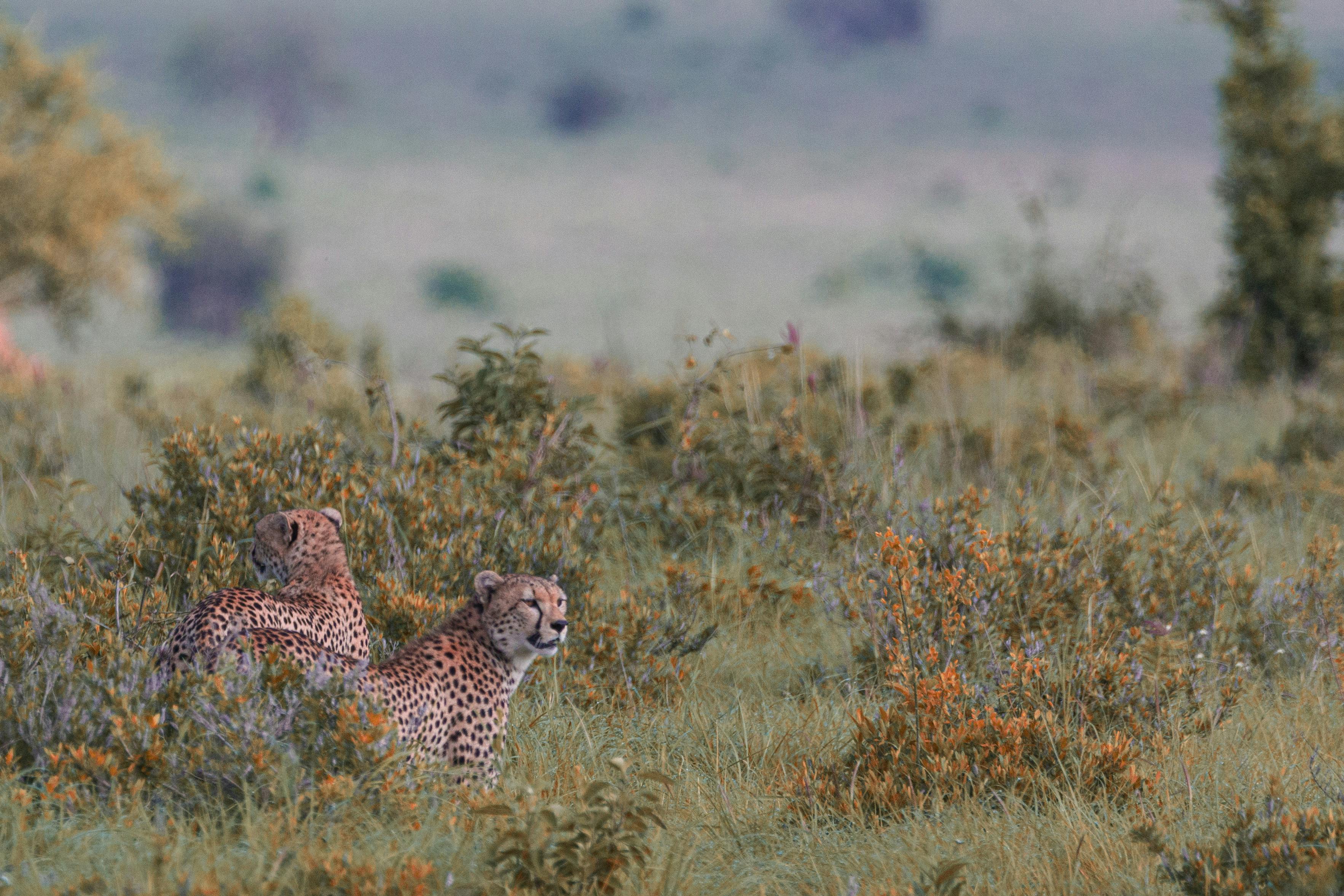
Where wildlife roams freely across golden savannas, ancient cultures thrive, and Africa's heartbeat echoes through world-class safari experiences.
The Essentials
Best Time
Jun - Oct, Jan - Feb
Currency
KES (Ksh)
Climate
Tropical & Savanna
Time Zone
UTC+3 (EAT)
Language
English, Swahili
Visa
e-Visa / Visa on Arrival
Capital
Nairobi
Population
53.7M
Calling Code
+254
Power Plug
Type G & K (220V)
Tipping
10% appreciated (service charge often included)
Emergency
911 (Police), 999 (Ambulance)
History & Heritage
From Ancient Kingdoms to Modern African Icon
Kenya is globally considered to be the Cradle of Mankind, which has been attributed to the discovery of important archaeological remains in the Great Rift Valley, where human beings first walked on Earth. Not only geographically unique, the place is also a safari tour hotspot for anyone interested in discovering more about human evolution.
Early Human History (3–2 Million Years BC)
The Great Rift Valley was home to early hominids (Lucy's relatives). Turkana Boy and other fossils prove human evolution occurred here. Kenya is literally the birthplace of mankind.
Ancient Civilizations (1000 BC – 500 AD)
Bantu peoples migrated southward; Nilotic peoples occupied the north. Cushitic and Semitic peoples traded across the region. The foundations of modern Kenya's diverse ethnic tapestry were laid.
Swahili Coastal Sultanates (8th–15th Centuries)
Arab and Persian traders established Islamic sultanates along the coast (Mombasa, Malindi). Swahili culture flourished as a blend of African, Arab, and Asian influences. Stone towns and trade networks dominated the Indian Ocean.
Portuguese & Omani Control (1500s–1700s)
Portuguese explorers seized coastal cities; later Omani Arabs took control. Slavery and trade in ivory, cloves, and spices dominated the economy. Coastal culture remained Islamic and mercantile.
British Colonial Era (1895–1963)
Britain established the East Africa Protectorate, later Kenya Colony. Railways connected interior to coast. White settlement in highlands displaced indigenous peoples. Colonial rule lasted 68 years, leaving deep imprints on institutions and society.
Independence & Modern Nation (1963–Present)
December 12, 1963: Kenya gained independence under Jomo Kenyatta. Multi-party democracy returned in 1991. Today, Kenya is East Africa's economic powerhouse, home to world-class wildlife, thriving tech sector, and influential media.
Spotlight: Mount Kenya—Africa's Second Highest Peak
At 5,199 meters, Mount Kenya is Africa's second-highest mountain. Sacred to indigenous Kikuyu people, it's a UNESCO World Heritage Site. The snow-capped peak dominates central highlands; trekking to Point Lenana offers breathtaking views.
Independence
December 12, 1963
From British rule to sovereignty
Wildlife Sanctuaries
70+ protected areas
Largest concentration in Africa
Ethnic Groups
40+ communities
Each with distinct culture and language
Capital
Nairobi
East Africa's largest city and economic hub
Climate & Time
Time Zone
Standard
UTC+3 (East Africa Time - EAT)
Difference
2.5 hours behind IST (India Standard Time)
🎯 Best Months
June–October (Dry), January–February (Dry Season)
Climate
The climate in Kenya varies significantly by region, offering a diverse range of weather conditions from coastal areas to mountain peaks.
Long Rains (Wet Season)
Mar – May
20–28°C
Lush green landscapes; birthing season for wildlife (wildebeest calves). Malaria risk higher. Fewer tourists; budget-friendly. Challenging road conditions.
Dry Season (Winter)
Jun – Oct
15–25°C
Best wildlife viewing; animals congregate at water sources. Great Migration (July–Oct). Clear skies; perfect for safari. Peak tourist season; higher prices.
Short Rains (Transitional)
Nov – Dec
18–26°C
Moderate rainfall; green landscapes returning. Wildlife disperses. Fewer crowds than peak season. Good value for safaris.
Dry Season (Summer)
Jan – Feb
20–28°C
Hot, dry, excellent wildlife viewing. Second-best safari season. Calving in Amboseli. Peak prices and crowds after Christmas/New Year holidays.
Seasonal Packing List
Language Guide
Official Language
English & Swahili
English is the primary business, education, and tourism language. Swahili is the national language and lingua franca, spoken across ethnic lines. Over 40 indigenous languages exist. Young Kenyans predominantly speak English; older generations may speak Swahili or tribal languages.
Local Signage
Essential Phrases
Hello
Habari (Swahili) / Hello (English)
Thank you
Asante (Swahili) / Thank you (English)
Goodbye
Kwaheri (Swahili) / Goodbye (English)
Yes / No
Ndiyo / Hapana (Swahili)
Please
Tafadhali (Swahili)
Excuse me
Samahani (Swahili)
How much?
Bei gani? (Swahili)
Where is...?
...iko wapi? (...Swahili)
Currency & Money
Official Currency
Kenyan Shilling
Ksh (KES)
Exchange Rates
Denominations
Banknotes
KES 50, 100, 200, 500, 1,000
Coins
KES 1, 5, 10, 20, 40
Culture & Vibes
Ubuntu Hospitality Meets African Warmth
"Kenya's culture celebrates community, respect for elders, and hospitality rooted in Ubuntu philosophy. Over 40 ethnic groups coexist, each with distinct traditions. Modern Kenyans blend traditional values with contemporary African identity—vibrant, confident, entrepreneurial."
Greetings & Respect
Handshakes standard; place right hand over heart as sign of respect. Greet elders first. 'Jambo' (tourist greeting) vs. 'Habari' (local greeting). Using local language shows respect.
Religious Sites
Dress modestly at mosques and churches. Remove shoes at mosques. Photography may be restricted. Respect prayer times. Many Kenyans are Christian or Muslim; respect both traditions.
Community Values
Ubuntu philosophy ('I am because we are') central to Kenyan life. Community and family paramount. Respect for elders non-negotiable. Public displays of disrespect unacceptable.
Social Hierarchy
Age and status matter; younger people respect elders. Gender roles traditional but evolving. Loud or boisterous behavior frowned upon; dignity and composure valued.
Essential Dos
- • Greet people with 'Habari' or 'How are you?' before business.
- • Ask permission before photographing people, especially Maasai or other ethnic groups.
- • Respect cultural practices at villages and community visits.
- • Tip service workers (10% appreciated).
- • Participate in offered hospitality (tea, food).
- • Learn basic Swahili phrases; locals appreciate effort.
- • Support local artisans and craftspeople by purchasing directly.
Essential Don'ts
- • Don't discuss politics or tribal affiliations casually.
- • Don't photograph sacred sites or ceremonies without permission.
- • Don't be loud or disruptive in public spaces.
- • Don't disrespect elders or authority figures.
- • Don't engage with beggars aggressively; donate to established charities instead.
- • Don't take photos of children without parental consent.
- • Don't display large amounts of cash or expensive jewelry.
Specific Etiquette
Business Etiquette
Handshakes firm; business cards exchanged respectfully. Personal relationships matter before business. Punctuality increasingly valued in urban centers. Conservative dress expected.
Dining Etiquette
Wait for host to begin. Use right hand for eating (left hand considered impolite). Accept offered food graciously. Finishing meals shows appreciation. Tea offered throughout day.
Gifting Etiquette
Small gifts from your home country appreciated. Avoid knives or items symbolizing cutting relationships. Gifts presented with both hands. Local crafts good souvenirs.
Flavors of Africa—From Savanna to Coast
Kenyan cuisine reflects diverse ethnic traditions and geography. Maize, beans, and fresh vegetables dominate inland regions; seafood rules the coast. Meals are communal celebrations; hospitality expressed through generous portions and warmth.
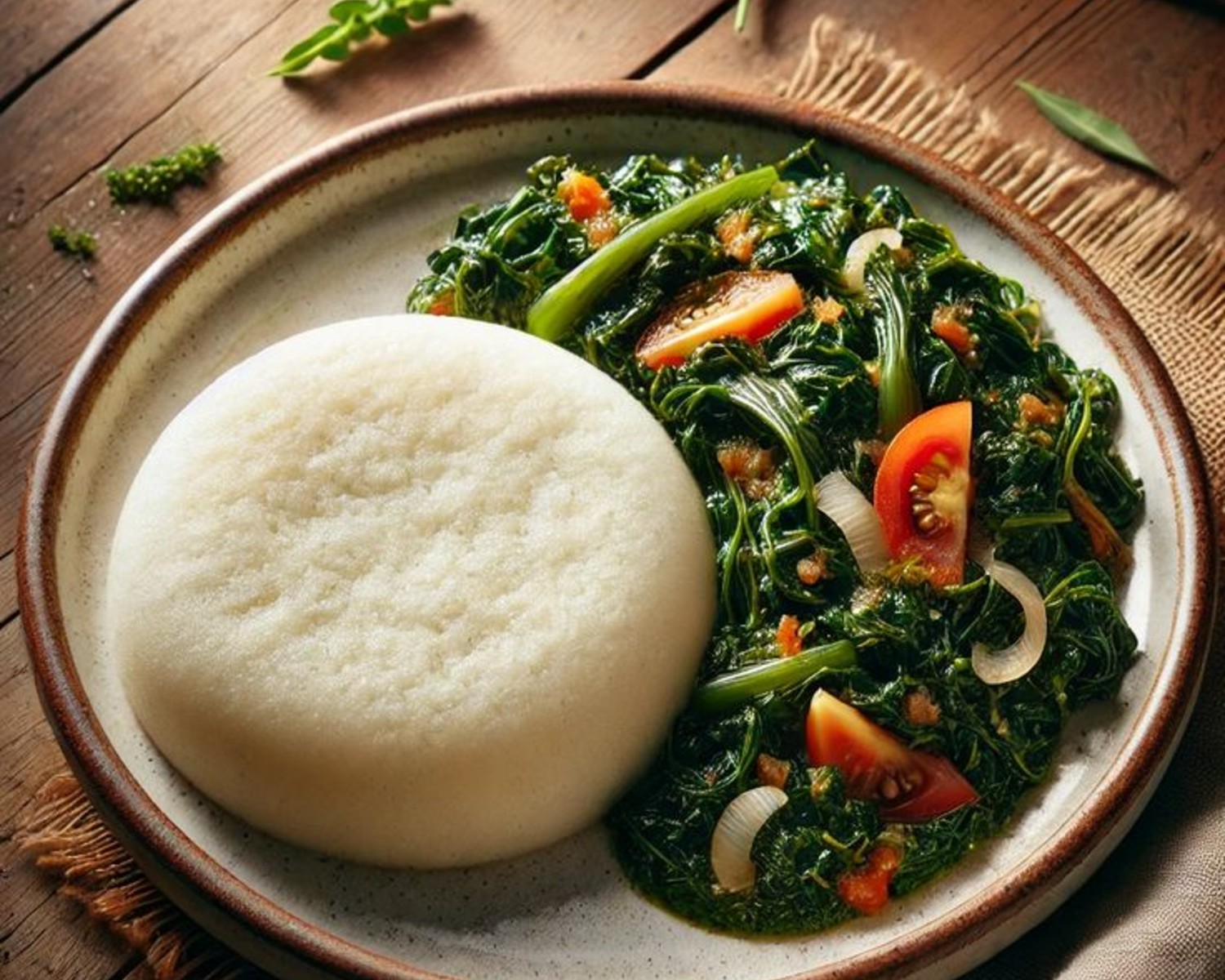
Ugali
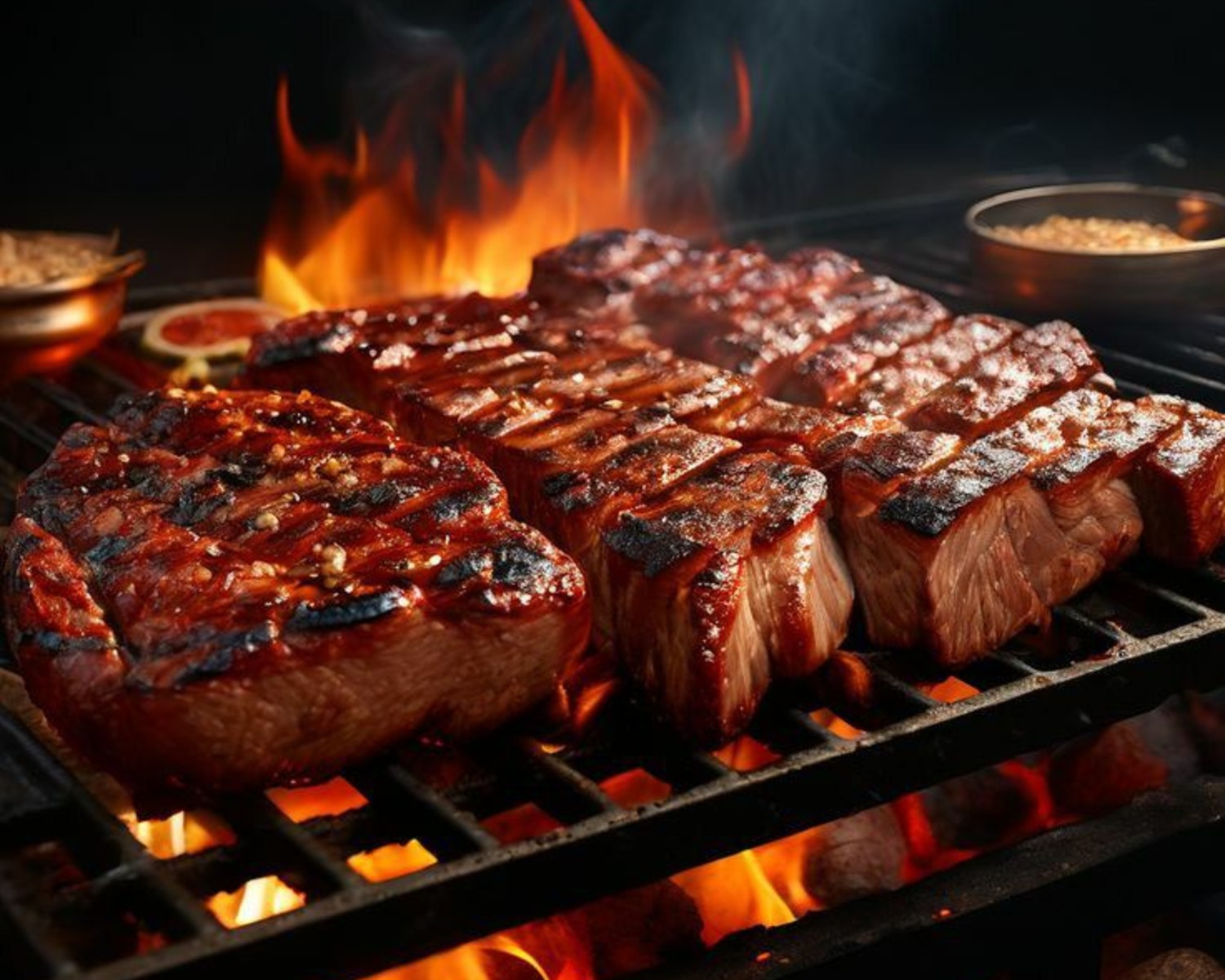
Nyama Choma (Grilled Meat)
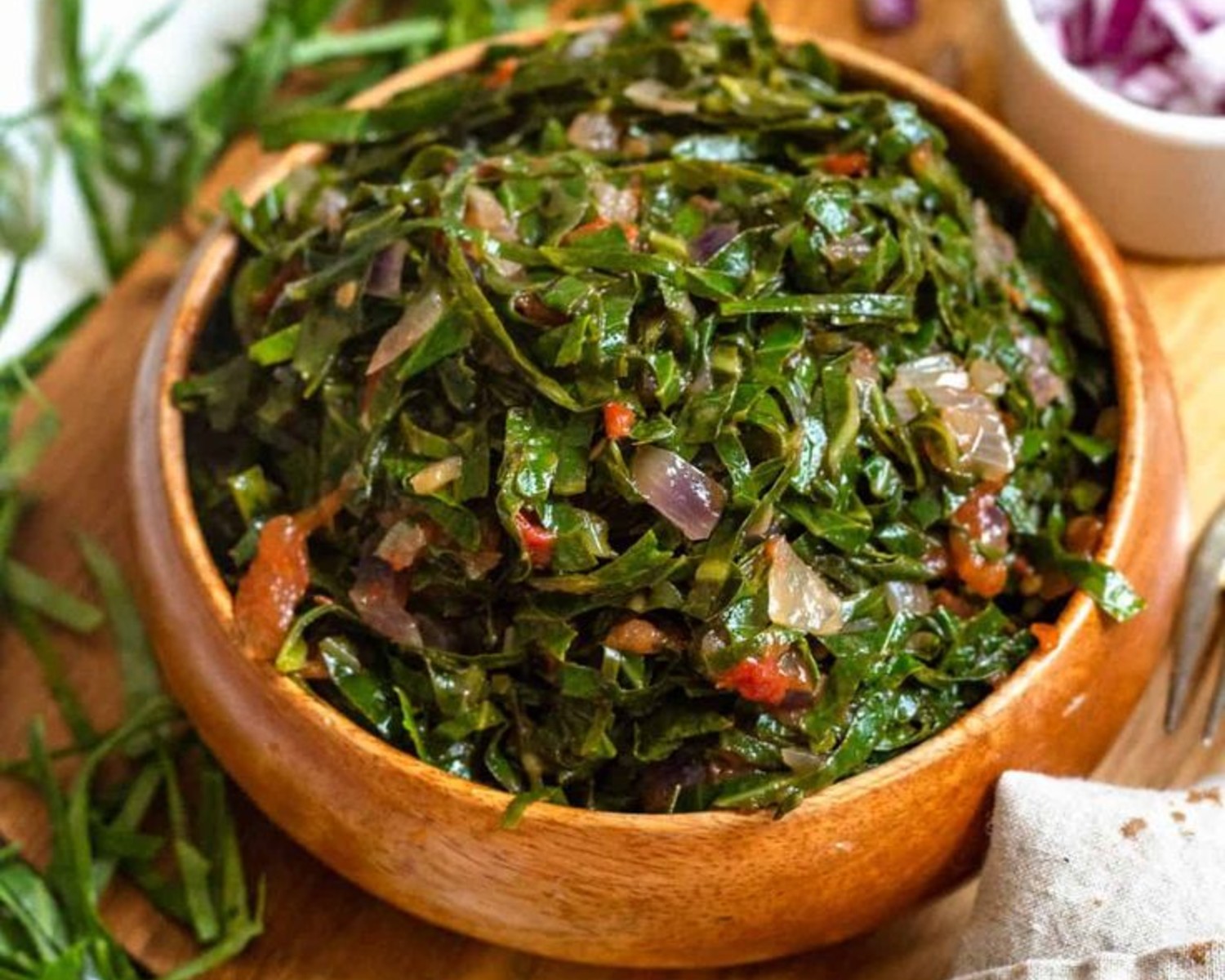
Sukuma Wiki
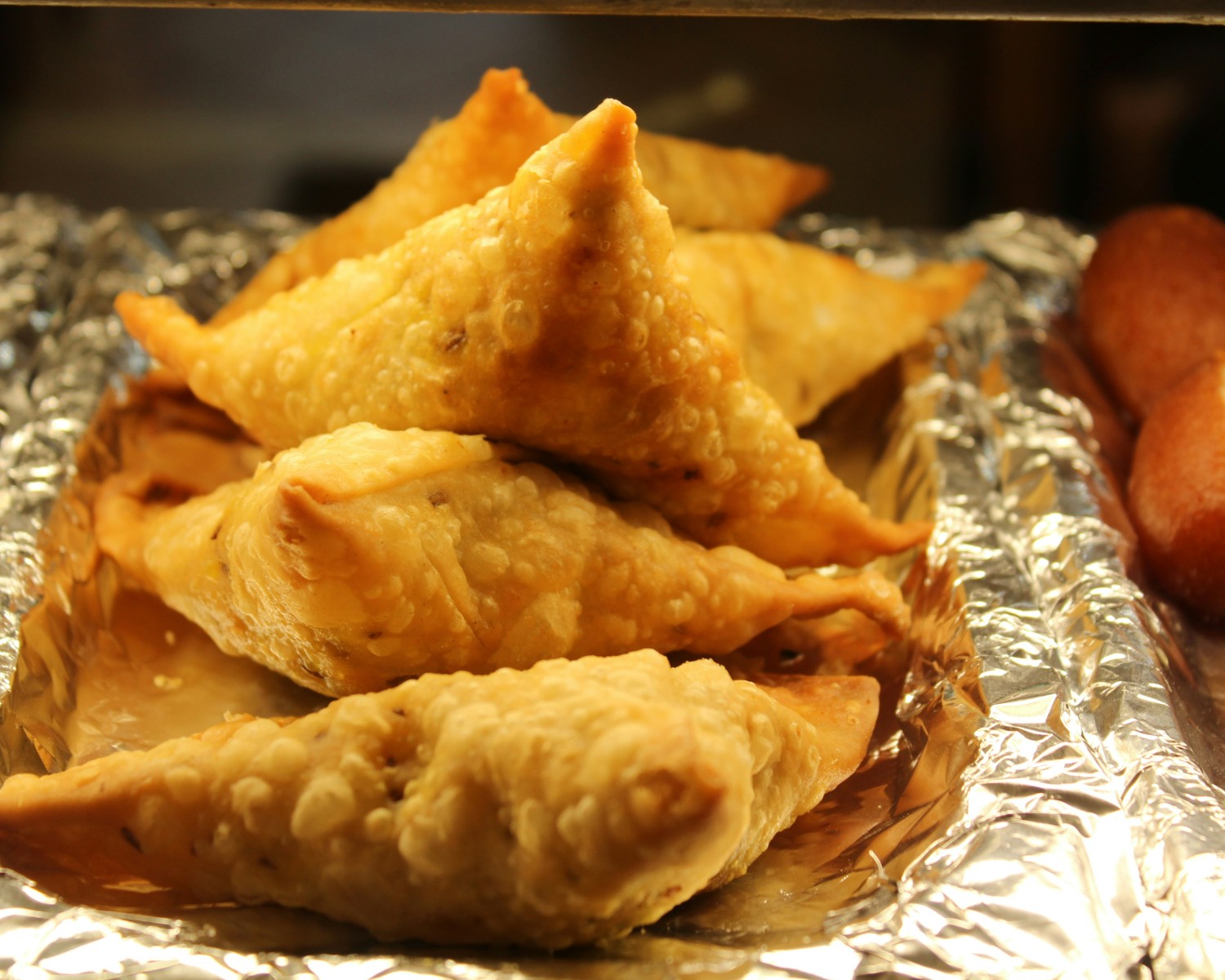
Samosa
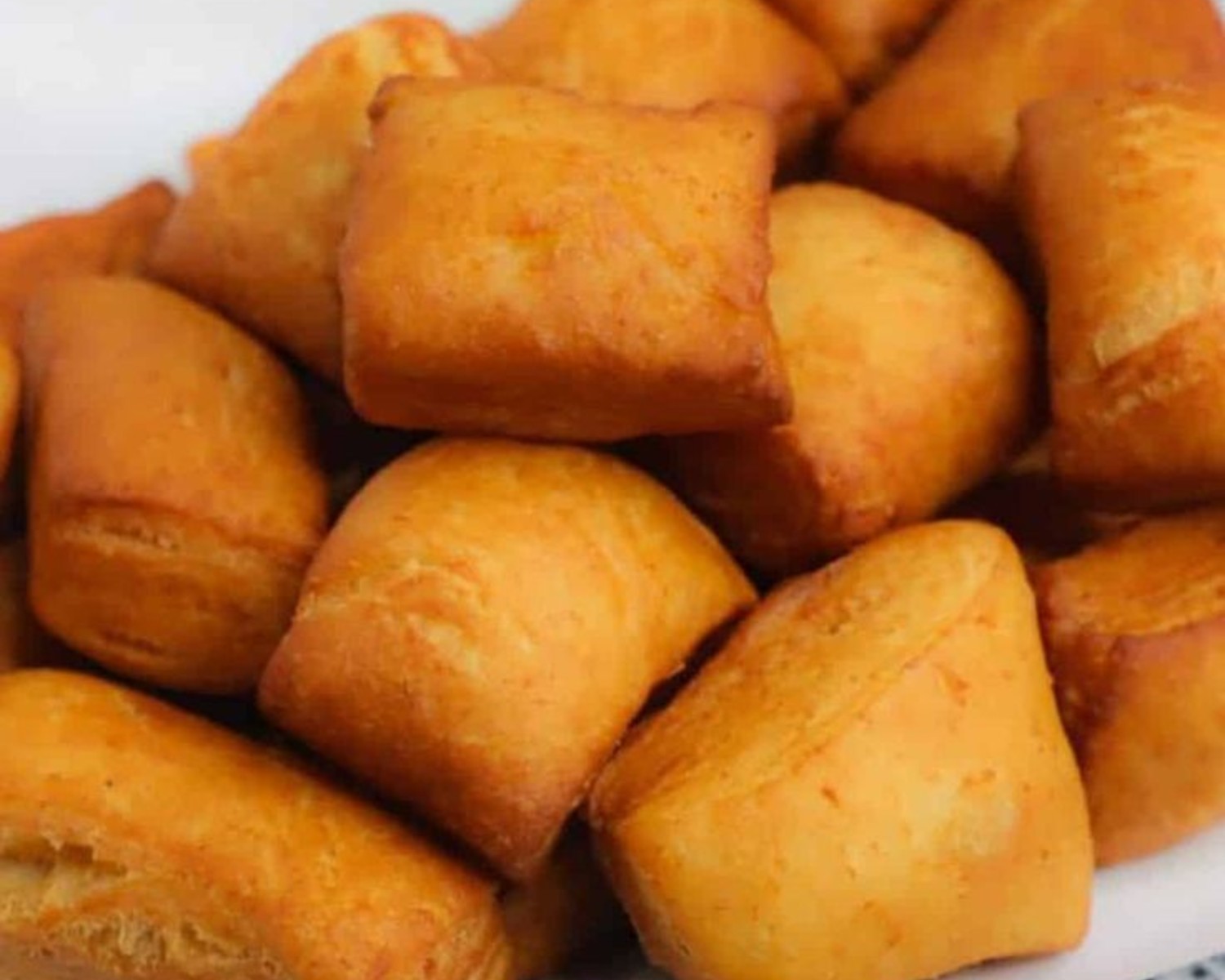
Mandazi
Coastal Seafood (Fish, Prawns)
Where to Eat
Nyama Choma Joints (Meat Grills)
Casual outdoor or semi-outdoor restaurants. Grilled meat with ugali, sukuma wiki. Social, authentic, affordable. KES 300–800 per meal.
Local Restaurants (Watering Holes)
Simple eateries; hearty African food. Beer, soft drinks, tea. Budget-friendly. KES 200–600 per meal.
Street Food & Vendors
Samosa, mandazi, grilled maize. Quick, cheap, tasty. KES 20–100 per item. Popular at markets and bus stations.
Urban Restaurants & Cafés
Modern dining; international and fusion cuisine. Nairobi has world-class restaurants. KES 1,000–5,000+ per meal.
Dining Etiquette
- •Meals communal; sharing is central. Groups eat from central platter.
- •Wait for host/elder to start eating.
- •Use right hand for eating; left hand considered impolite.
- •Accept all food offered; refusing is disrespectful.
- •Finishing meals shows appreciation.
- •Tipping: 10% appreciated in restaurants; not mandatory.
- •Street food: vendors generally clean; popular stalls safest.
Signature Drinks
Shop & Bring Home
Kenya offers authentic African art, crafts, and souvenirs alongside contemporary shopping. From vibrant Maasai beadwork and wood carvings to soapstone and batik, every item carries cultural significance. Markets are colorful, chaotic, and rewarding.
Traditional Crafts & Art
- Maasai Beadwork & Jewelry
- Soapstone Carvings (Kisii)
- Wood Carvings (Animal Figures)
- Batik Textiles
Textiles & Fashion
- Kikoi (Traditional Wraps)
- Kitenge (Printed Fabrics)
- Shuka (Maasai Cloth)
- Local Designer Wear
Coffee & Tea
- Kenyan Coffee Beans
- Black Tea Leaves
- Spices (Cardamom, Cloves)
- Honey
Souvenirs & Curios
- Wildlife Figurines
- Ethnic Masks
- Traditional Drums
- Stone Bookends
Where to Shop (Local Hubs)
Maasai Market (Nairobi)
Traditional Market & Crafts
"Authentic Maasai crafts, beads, wood carvings. Colorful, chaotic, authentic. Haggling essential. Best on weekends."
Kazuri Beads (Nairobi suburb)
Artisan Cooperative
"Fair-trade beadwork cooperative. Women artisans create beautiful jewelry. Shop supports community. Fixed prices; educational tours available."
Kisii Stone Carving Workshops
Regional Artisan Hub
"Soft soapstone carved into sculptures. Direct from workshops at good prices. Workshops visible; watch artisans work."
Nairobi National Museum Shop
Curated Souvenirs
"Authentic, high-quality crafts vetted by experts. Pricier but guaranteed authenticity."
Westgate & Nairobi Malls
Modern Shopping Centers
"Upscale malls with international brands and local designers. Air-conditioned. Fixed prices."
On the Move
Main Airport
NBO (Nairobi)
15 km from city; 30 min to center
Railways
Standard Gauge Railway
Nairobi to Mombasa; luxury overnight option
Taxi Apps
Uber, DiDi
Available in major cities
Airport Arrival
Jomo Kenyatta International Airport (NBO) is Kenya's main airport, 15 km southeast of Nairobi. Journey to city: 30 minutes by taxi, 1 hour by bus.
Travel Tech
Travel Tips
Google Maps works well in Kenya; download offline maps for rural areas.
Uber available in Nairobi and Mombasa; safer than street hailing.
Matatus fun and authentic but keep valuables secure.
Book SGR train in advance; popular and comfortable.
Driving standards can be chaotic; use registered taxis or apps.
Safari lodges usually arrange pickups from Nairobi; use their transport.
Intercity Travel
Standard Gauge Railway (SGR)
Modern, comfortable train Nairobi to Mombasa (4.5 hours). Air-conditioned, meals included, scenic. Book in advance. KES 5,000–15,000.
Long-Distance Buses
Various operators; comfortable, affordable. Nairobi to Mombasa (8–10 hours), Nairobi to Kisumu, etc. KES 1,500–4,000.
Domestic Flights
Kenya Airways, Precisionair, others connect major cities. Nairobi to Mombasa (1 hour), Nairobi to Safari destinations. KES 5,000–20,000.
Safari Tours (4x4 Vehicles)
Best for Masai Mara, Amboseli, Tsavo. Arranged through hotels/tour operators. Group safaris affordable; private safaris premium.
BakıKart
MKATE Card (Nairobi): Rechargeable card for matatus and buses. Available at kiosks.
Visa Entry
e-Visa or Visa on Arrival for Indians
Indian citizens can apply for an e-Visa online or obtain a visa on arrival at the airport. The process is simple and tourist-friendly.
Option 1 (e-Visa): Visit official portal (evisa.go.ke), fill application, upload documents, pay fee via card. Approval within 1–3 days.
Option 2 (Visa on Arrival): Arrive at airport immigration counter. No advance application needed. Pay USD $50 in cash; visa issued immediately (15–30 minutes).
Present e-Visa (printed/digital) or collect visa stamp at immigration.
Proceed through immigration clearance.
Registration
Penalty: Overstays incur fines and potential deportation.
Entry Requirements
- • Valid Indian passport with at least 6 months validity beyond intended stay.
- • Recent passport-size photograph (digital for e-Visa; physical for on-arrival).
- • Return or onward flight ticket.
- • Proof of accommodation (hotel booking or invitation letter).
- • Proof of sufficient funds (bank statements, credit cards).
- • Completed application form (online for e-Visa; provided at airport for on-arrival).
- • Travel insurance recommended (not mandatory).