Kenya tour packages
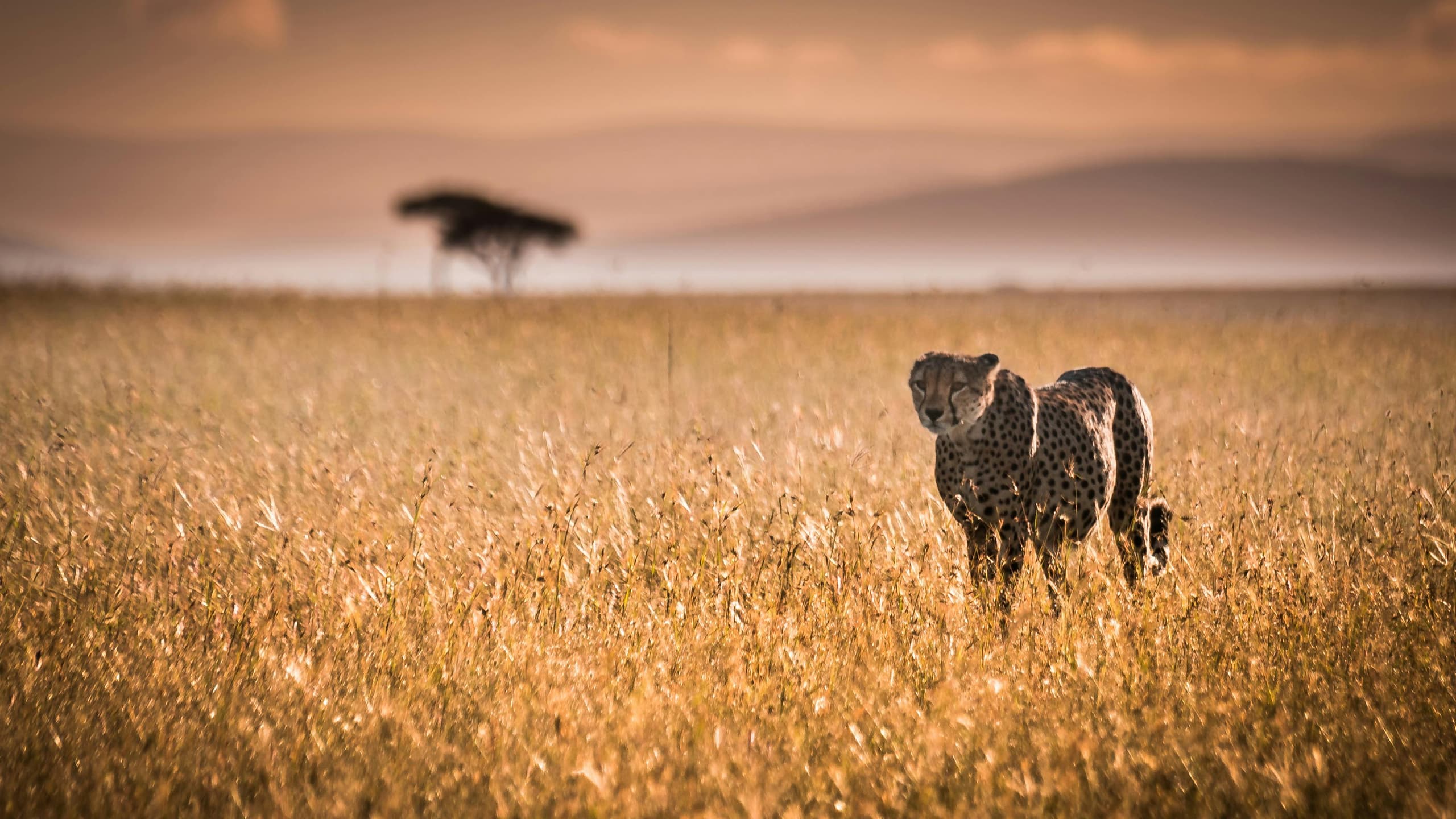
Witness the untamed splendor of African wildlife in Kenya. Explore safari lodges and game drive packages.
From ₹77,000 per person · land package
About Kenya
Where wildlife roams freely across golden savannas, ancient cultures thrive, and Africa's heartbeat echoes through world-class safari experiences.
Kenya is globally considered to be the Cradle of Mankind, which has been attributed to the discovery of important archaeological remains in the Great Rift Valley, where human beings first walked on Earth. Not only geographically unique, the place is also a safari tour hotspot for anyone interested in discovering more about human evolution.
Why Choose Kenya?
Cradle of Humanity
The Great Rift Valley and Turkana Basin are archaeological treasures. Fossils of Lucy, Turkana Boy, and other human ancestors prove Kenya is where human civilization began. Every African—every human—has roots here.
Swahili Heritage & Indian Ocean Trade
Swahili city-states (Mombasa, Malindi, Lamu) were Islamic centers of commerce and culture. Stone architecture, Arabic calligraphy, and Islamic scholarship defined the coast. This legacy persists in Swahili language, cuisine, and architecture.
Wildlife Wealth & Conservation
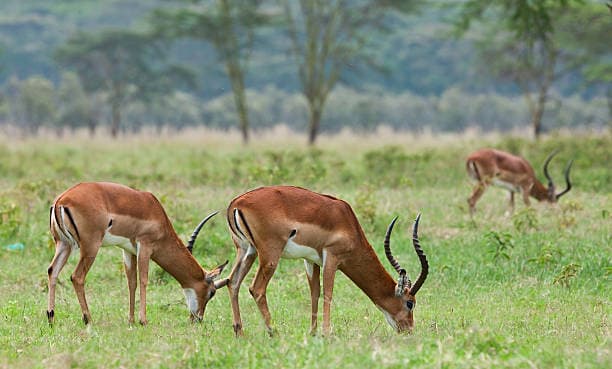
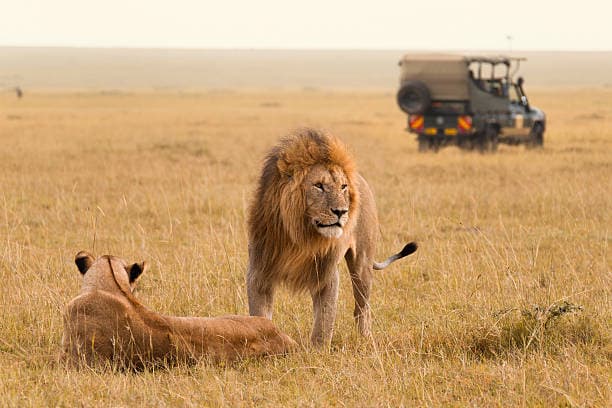
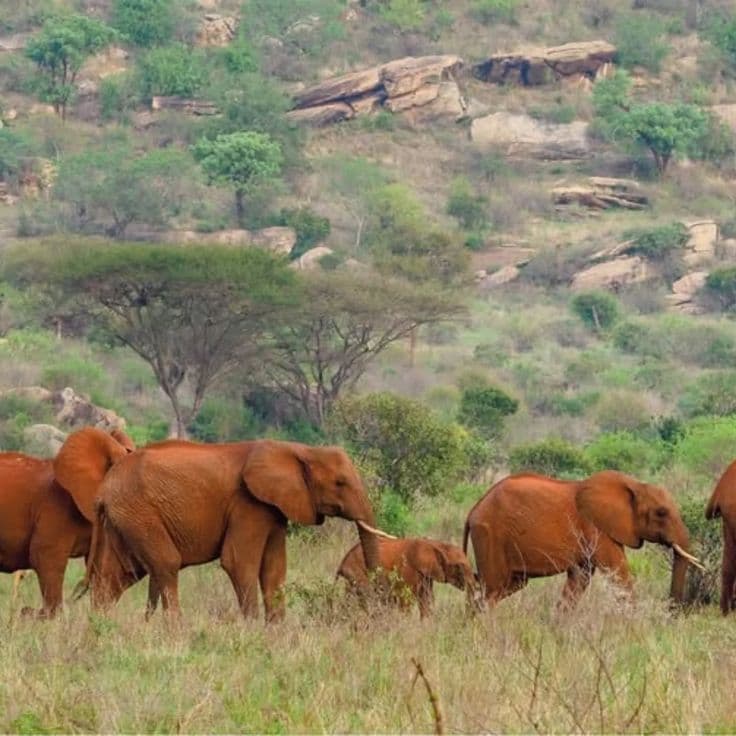
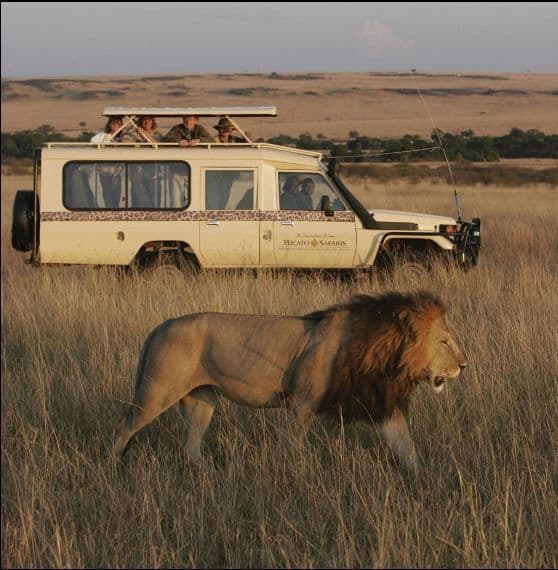
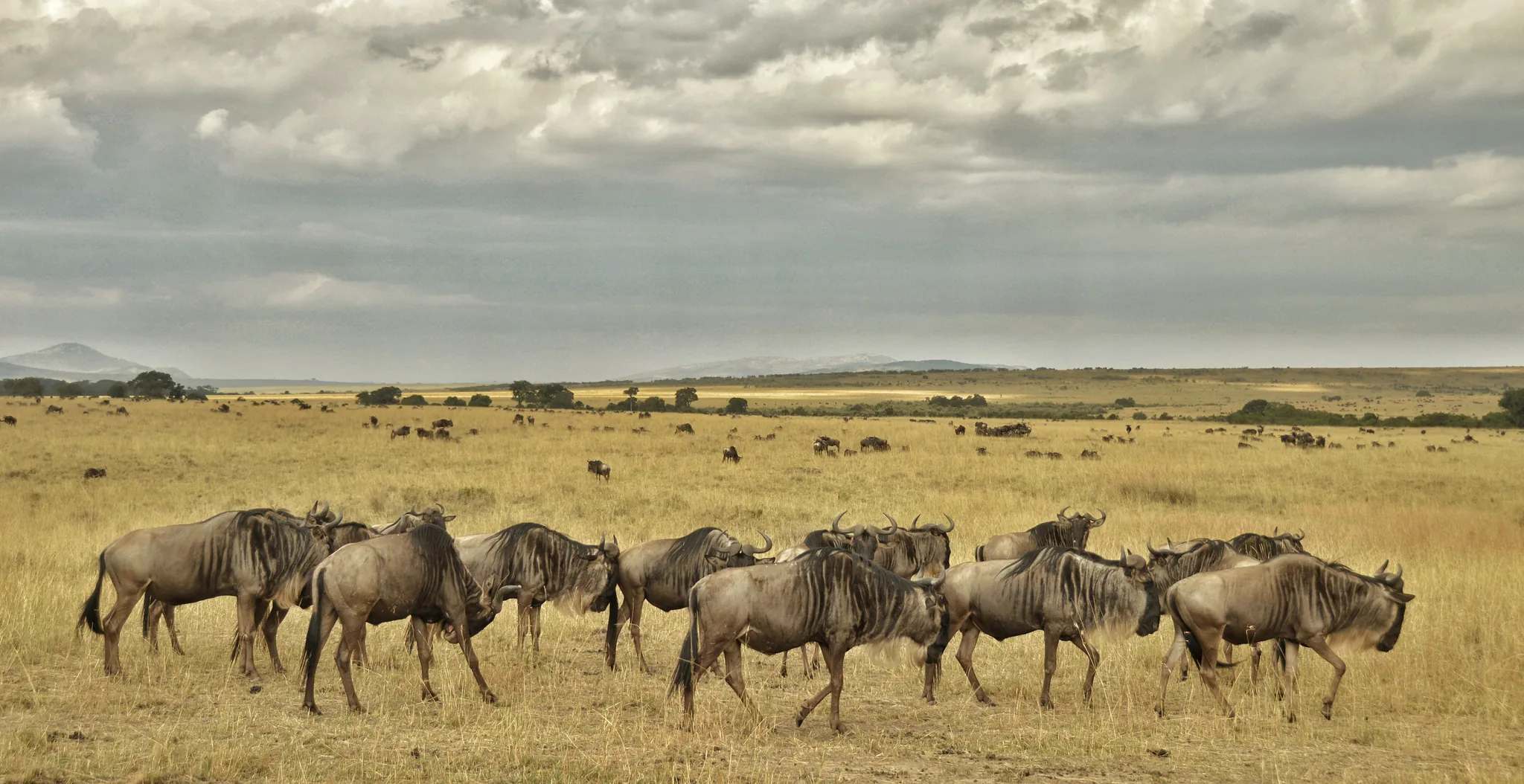
Kenya hosts Africa's greatest wildlife concentrations: The Maasai Mara, Amboseli, Tsavo. The Big Five (lion, leopard, rhino, buffalo, elephant) roam freely. Kenya pioneered modern wildlife conservation in Africa.
Cultural Diversity & Ubuntu
Over 40 ethnic groups coexist—Kikuyu, Maasai, Samburu, Turkana, Luhya, and others. Each has distinct languages, traditions, and heritage. Kenya exemplifies African diversity and the Ubuntu philosophy ('I am because we are').
Must-Experience Attractions
Kenya Safari Packages from India
Lions and elephants on the Mara plains before breakfast, Kilimanjaro rising over Amboseli, flamingos on the Rift Valley lakes, and the Indian Ocean at the end if you want it.
Three things to sort before you go, and we will walk you through all of them: Kenya scrapped visas in 2024 and now uses an online eTA; you need a yellow fever vaccination to get back into India, and it has to be done about two weeks before you fly; and national park entry fees are charged per person per day and are the single biggest cost after your flight. We tell you what they are rather than leaving you to find out at the gate.
Get a Kenya quote →
Kenya trip at a glance
Field | Detail |
Ideal duration | 3 nights for a focused Maasai Mara safari; 4–5 nights to add Amboseli or the Rift Valley lakes; 7–10 nights for a safari-and-beach trip with Diani or Mombasa |
Cost from India | National park fees are a separate and substantial line — see the breakdown below |
Best season | July–October for the Great Migration in the Mara; January–February for dry-season game viewing, fewer crowds and materially lower park fees |
Entry for Indians | Kenya no longer issues visas. No visa on arrival. Last verified 2 September 2026 — full section below |
Health | Yellow fever vaccination needed to re-enter India, valid only 10 days after the injection. Malaria prophylaxis advised for safari areas. Plan roughly two weeks ahead |
Flight from India | Kenya Airways nonstop Mumbai–Nairobi, about 6.5 hours. From Bengaluru, Chennai, Hyderabad and Kochi, one stop via a Gulf hub or a connection through Mumbai |
Entry: Kenya does not issue visas any more
Kenya abolished tourist visas on 5 January 2024. There is no visa on arrival and no eVisa. What you need instead is an Electronic Travel Authorisation — an eTA — arranged online before you travel.
What the eTA involves
Infants and children need their own.
• Submit at least three days before departure — we advise a week. Approval usually arrives by email within 24 to 72 hours.
• It allows a stay of up to 90 days, extendable to 180 within Kenya.
• Your airline will check it before boarding. Without an approved eTA you will not be allowed onto the flight, so this is not something to leave until the airport.
• You will need a passport valid six months beyond arrival with a blank page, a passport photo, and your flight and accommodation details.
Apply only at the official portal, etakenya.go.ke. A number of third-party sites charge a substantial markup for the same application. We send you the itinerary and booking confirmations your application needs.
Combining Kenya with Uganda or Rwanda?
Entry rules changed in 2024 and the fee has been revised since. Confirm current requirements before booking, and see the review cadence in Step 4.
Health: the vaccination you need to get back into India
This is the requirement most often missed, and the one with the worst consequences, because it applies to your return rather than your arrival.
Yellow fever
• Kenya does not require a yellow fever certificate from travellers arriving directly from India, because India is not a yellow fever risk country.
• India does require one from travellers arriving from Kenya, because Kenya is. Without a valid certificate you can be held for quarantine on arrival at an Indian airport.
• The certificate only becomes valid ten days after the injection. Get vaccinated about two weeks before you fly, at an authorised yellow fever vaccination centre.
• Carry the yellow card in your hand baggage on the way home, not in your checked bag.
Malaria
Most of Kenya's safari areas carry malaria risk, and preventive courses typically start before you travel. This is a conversation for your doctor rather than a website we will tell you which areas your itinerary covers so you can have that conversation with the right information.
We flag both of these at the time of booking, with enough lead time to act on them. If your trip is less than two weeks away, tell us the yellow fever timing needs checking before you commit.
What a Kenya safari actually costs
But there is one cost on a Kenyan safari that dwarfs everything except the flight, and most operators do not mention it at all.
National park fees
Kenya charges park entry per person, per day.
Three rules that come with it and that affect how an itinerary should be built:
• Tickets are valid for a 12-hour window, 06:00 to 18:00. Guests leaving by road need to clear the gate by 10:00 or another full day is charged.
• Payment is cashless through the government eCitizen system. No cash is accepted at the gates.
We tell you exactly what your park fees will be for your dates before you book, and whether they sit inside or outside your package price. Nobody should discover this at Sekenani Gate.
What else moves the number
• Season. January to June is half the Mara gate price of July to December. A February safari can cost meaningfully less than a September one for reasons that have nothing to do with the lodge.
• Reserve or conservancy. Conservancies cost more per night but allow off-road driving, night drives and walking safaris that the main reserve does not.
• Lodge category, from tented camps to luxury lodges, and whether you take a single room.
• Road safari or fly-in. Flying saves most of a day each way and costs more.
• Whether you add the coast at the end.
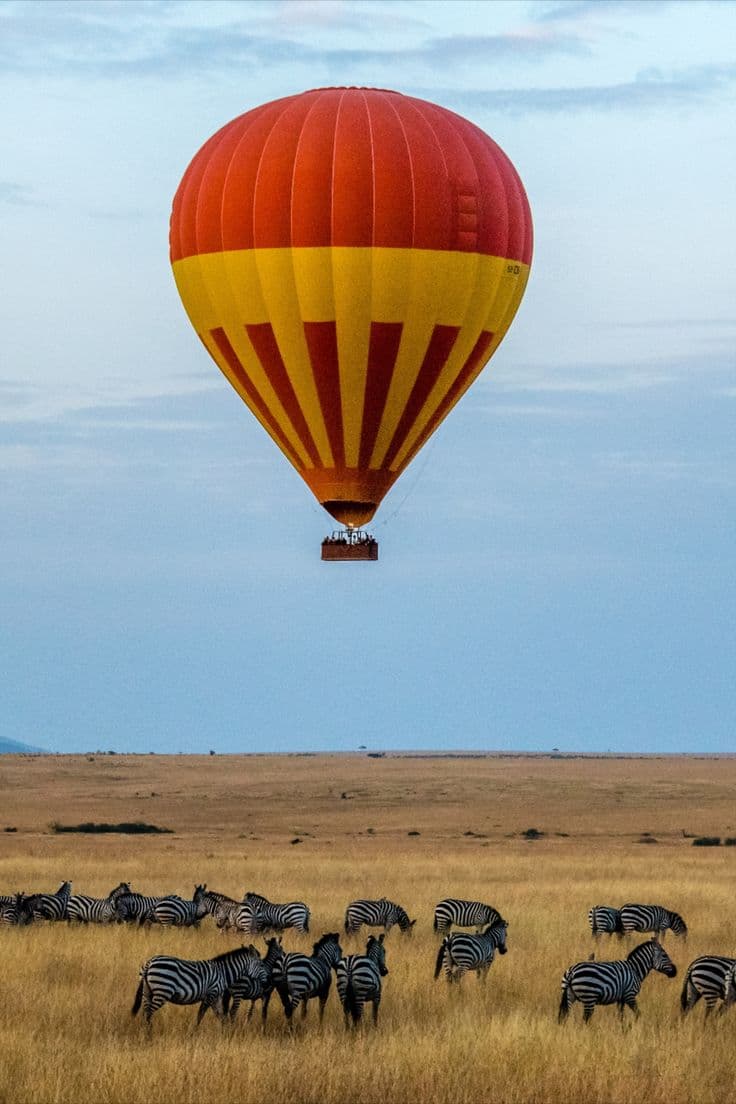
And the extras to budget: the eTA, your yellow fever vaccination, a balloon safari if you want one, and tipping for guides and camp staff, which is expected and which we brief you on.
Travel style | Typical duration | What's included | Approx. price (per person) |
Focused safari | 3 nights | Nairobi plus Maasai Mara, game drives, road transfers, lodge stay | Price on request |
Classic circuit | 4–5 nights | Mara plus Amboseli or the Rift Valley lakes, more game drives | Price on request |
Extended safari | 5–6 nights | Three regions, walking safari, upgraded lodges | Price on request |
Grand loop | 6 nights | Mara, Rift Valley and Amboseli with Kilimanjaro views | Price on request |
Bands drawn from the current live cards. Confirm against Bayard's package sheet, and state clearly on each card whether national park fees are included — see Defect 2 in Step 1.
Get a fixed, all-in price for your dates →
Which park should you choose?
Most first-time visitors assume the answer is the Maasai Mara. Often it is, but not always, and the choice matters more than the lodge.
• Maasai Mara — the famous one, and deservedly. The highest density of big cats in Kenya, open plains that make game viewing easy, and the Great Migration between roughly July and October. It is also the busiest and, from July to December, the most expensive to enter.
• Amboseli — elephants in large family herds, with Kilimanjaro rising across the Tanzanian border behind them. Quieter than the Mara, cheaper to enter, and the single best place in Kenya for photographs. Not a big-cat park.
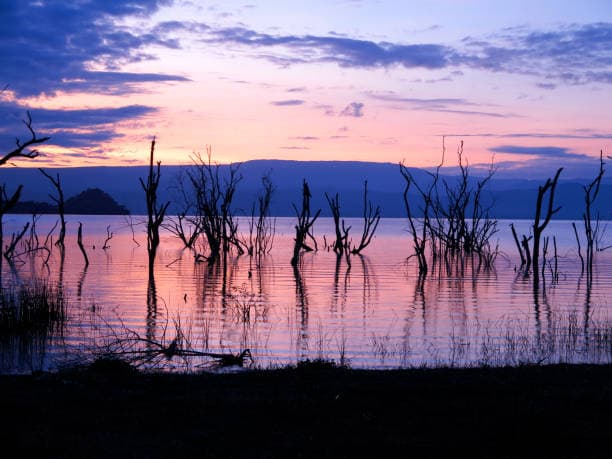
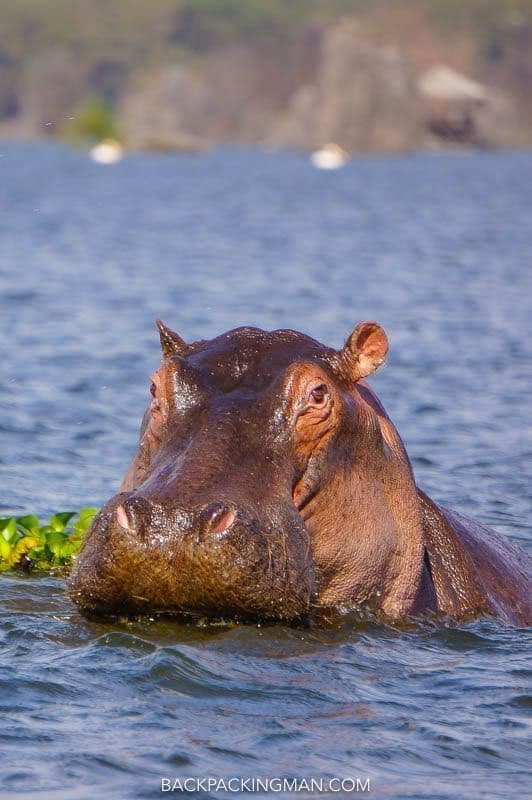
• Lake Nakuru and Lake Naivasha — close to Nairobi, easy to add, and good for rhino, flamingos and boat trips. Crescent Island at Naivasha allows walking safaris, which the big parks do not.
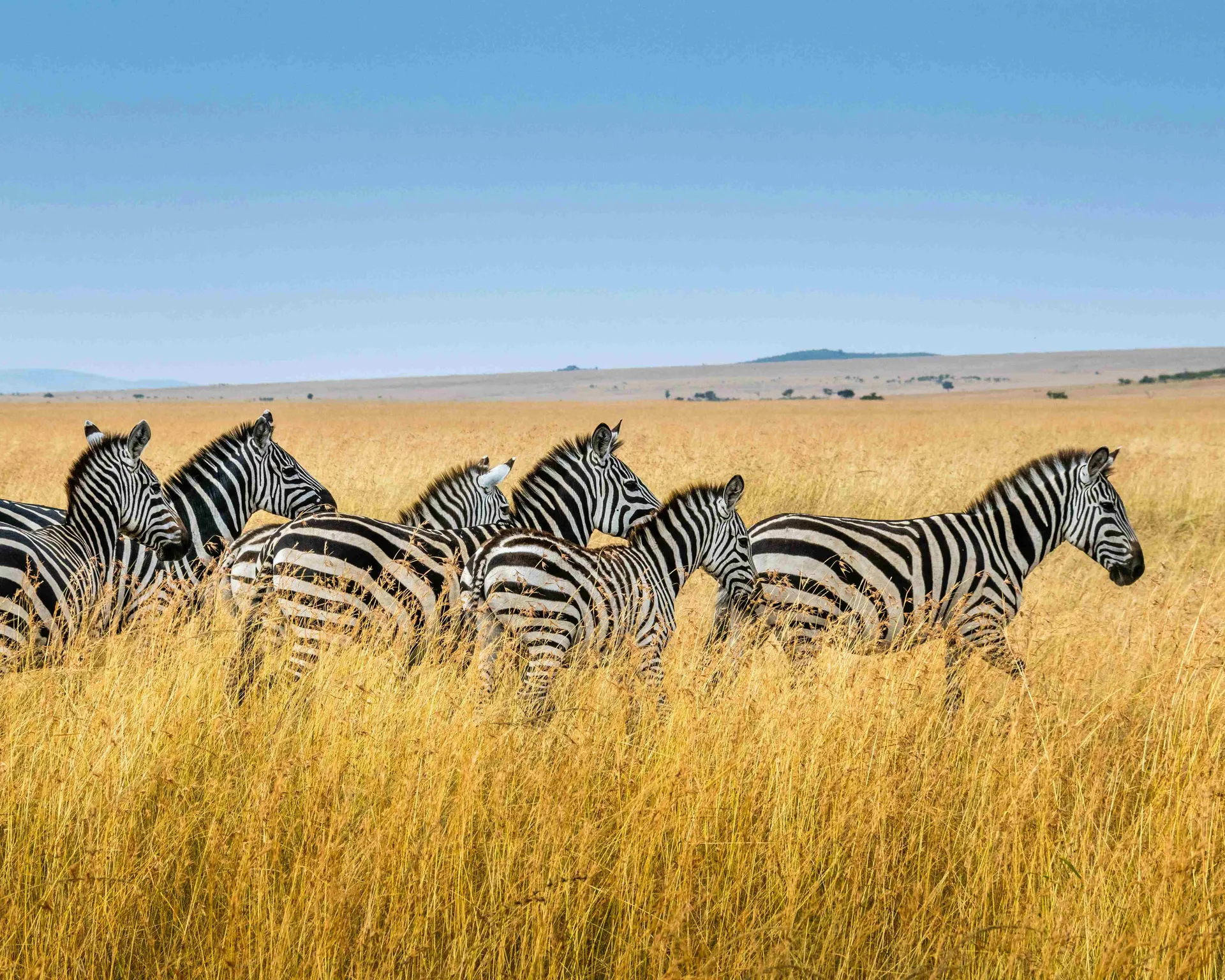
• Samburu — the specialist choice, north of the equator, with species you will not see further south: Grevy's zebra, gerenuk and reticulated giraffe. Worth it on a second trip or a longer first one.
• Reserve or conservancy? The private conservancies bordering the Mara cost more per night but permit off-road driving to reach a sighting, night drives, and walking safaris — none of which the main reserve allows. On July-to-December dates the maths is closer than most people expect. Ask us to compare both for your dates.
Choose your Kenya itinerary
Maasai Mara Focus — 4 Days / 3 Nights
Best for a first safari and for travellers short on days
• Day 1: Arrive Nairobi, transfer, optional Giraffe Centre or the David Sheldrick elephant orphanage — note it opens to visitors for one hour a day and needs booking ahead.
• Day 2: Drive to the Maasai Mara, afternoon game drive.
• Day 3: Full day of game drives, with an optional Maasai village visit.
• Day 4: Early morning drive, then return to Nairobi for departure.
Customise this itinerary →
Mara & Rift Valley — 5 Days / 4 Nights
Best for variety without long driving days
The Mara for big cats and open plains, then Lake Naivasha and Crescent Island for a walking safari and a boat trip — the only part of a Kenya itinerary where you get out of the vehicle. Nakuru's flamingos and rhinos can be added on the way back to Nairobi.
Mara & Amboseli — 6 Days / 5 Nights
Best for photographers and anyone who wants elephants as well as cats
Two contrasting parks: the Mara's grasslands and predators, then Amboseli's swamps, elephant herds and the view of Kilimanjaro. Quieter, cheaper at the gate, and visually the strongest pairing Kenya offers.
Safari & Beach — 8 to 10 Days
Best for honeymooners and families who want to stop moving at the end
Three or four safari nights, then a flight to the coast for Diani or Mombasa — white sand, coral reef and all-inclusive resorts on the Indian Ocean. The best-paced version of a Kenya trip if you have the days, because a safari is more tiring than people expect.
Build a safari-and-beach trip →
Getting to Kenya from your city
There is a nonstop flight. Kenya Airways flies Mumbai to Nairobi direct in around six and a half hours. From elsewhere in India the routing is one stop, most commonly through Dubai, Doha, Abu Dhabi or Addis Ababa, taking eleven to fifteen hours in total.
From (India) | Routing | Approx. journey time |
Mumbai | Kenya Airways nonstop to Nairobi | About 6.5 hours |
Bengaluru | One stop via Dubai, Doha or Addis Ababa, or connect via Mumbai | About 11–15 hours including layover |
Chennai | One stop via a Gulf hub or Addis Ababa, or connect via Mumbai | About 11–15 hours including layover |
Hyderabad | One stop via a Gulf hub, or connect via Mumbai | About 12–16 hours including layover |
Kochi | One stop via a Gulf hub | About 12–16 hours including layover |
Delhi | One stop via a Gulf hub or Addis Ababa | About 11–14 hours including layover |
A routing tip that matters more here than usual
A safari starts early. Game drives leave at dawn, and the first one is often the morning after you land. Arriving off a sixteen-hour journey with two connections is a real cost to the holiday, not just to your comfort. It is usually worth pricing a domestic hop to Mumbai and the nonstop from there against a cheaper Gulf routing — sometimes the difference is smaller than you expect.
Inside Kenya, safaris run by road in 4x4 vehicles, or by light aircraft from Nairobi's Wilson airport. If you fly in, note the strict luggage limit — usually around 15kg in a soft bag, because hard suitcases do not fit the holds.
Get a quote for your city →
Best time to visit Kenya
Kenya is a year-round destination, but what you see and what you pay both change with the month.
Months | What it's like | Verdict |
July–October | Dry season, and the Great Migration herds are in the Mara. Peak game viewing and peak crowds | Price on request |
January–February | Dry, warm and clear, with thinner vegetation making animals easier to spot. Far fewer vehicles | Our value pick. Excellent game viewing at half the Mara gate fee, and the best-kept secret in Kenya planning |
November–December | Short rains — usually brief afternoon showers rather than washouts. Green, lush and quiet | Good value and very photogenic. December holidays are an exception on price |
March–May | Long rains. Some tracks become difficult and a few camps close | Cheapest by far, and fine for flexible travellers, but not the right choice for a once-in-a-lifetime first safari |
An honest note on the Great Migration
The migration is a continuous circuit, not an event with a date. The herds are broadly in the Maasai Mara from around July to October, and that is when to go if seeing them matters. But the river crossings — the images everyone has in mind — happen unpredictably, sometimes days apart, and a three-night trip can miss them entirely. Nobody can guarantee a crossing, and any operator who does is not being straight with you. If it is the reason for your trip, give yourself more nights in the Mara rather than more parks, and we will position you accordingly.
One clarification: January–February is calving season, but that happens in Tanzania's Ndutu plains, not in Kenya. The reason to come to Kenya in January is dry-season game viewing, quiet parks and lower fees — which is a good reason on its own.
An honest note on the Big Five
Lion, elephant and buffalo are close to certain on a well-planned Mara safari. Leopard is likely but not guaranteed. Rhino is the hard one — best odds are at Lake Nakuru or Ol Pejeta rather than the Mara. If completing the Big Five matters to you, say so at the planning stage and we will build the itinerary around it rather than hoping.
Practical notes for Indian travellers
Money
The Kenyan Shilling (KES) is the local currency, and US Dollars are widely accepted for park fees, tips and larger purchases. Cards work in Nairobi and at lodges; carry cash for tips and markets. Kenya runs largely on M-Pesa mobile money, which visitors generally cannot use, so plan for cash and cards.
Tipping
Expected, and a meaningful part of a guide's income. Customary amounts for a driver-guide, camp staff and a spotter are not obvious to a first-time visitor, and getting it wrong in either direction is uncomfortable. We give you a simple briefing with numbers before you travel.
Food and language
English is an official language and universally spoken in tourism, which makes Kenya one of the easier long-haul destinations for Indian travellers. Nairobi has a large, long-established Indian community and excellent Indian food; safari lodges cater well for vegetarians if told in advance. Tell us about Jain or strict vegetarian requirements at booking so lodges can plan.
On safari
Days start before dawn and the best game viewing is early. Bring layers — mornings on the plains are genuinely cold before the sun is up, which surprises people expecting Africa to be hot. Neutral colours, a hat, sunblock and binoculars are worth having. Fly-in safaris limit you to around 15kg in a soft bag.
Common mistakes to avoid
• Assuming you can get a visa on arrival. Kenya abolished visas in 2024 — you need an approved eTA before you board.
• Leaving the yellow fever vaccination too late. It is only valid ten days after the injection, and you need it to re-enter India.
• Budgeting the package price without park fees.
• Booking a July–October trip purely for the migration and giving yourself only two nights in the Mara.
• Treating a river crossing as guaranteed. It is not, at any price.
• Packing a hard suitcase for a fly-in safari.
• Arriving on an overnight double connection and going straight out on a dawn game drive.
• Expecting to climb Kilimanjaro on a Kenya trip. It is in Tanzania — from Kenya you see it, magnificently, from Amboseli.
What's included in a Bayard Kenya package
Included | Not included |
Lodge or tented camp stays in the parks on your itinerary, plus Nairobi hotel nights | International airfare from India, unless bundled |
Full board on safari — breakfast, lunch and dinner at camps and lodges | The Kenya eTA, and your yellow fever vaccination |
Game drives in 4x4 safari vehicles with a professional driver-guide | Balloon safaris, night drives and additional game drives beyond the itinerary |
All road transfers, and internal flights on fly-in itineraries | Tipping for guides and camp staff — we brief you on customary amounts |
National park and reserve entry fees where specified in your itinerary — always confirm, as these are substantial | Travel insurance, which we strongly recommend |
On-trip support and coordination | Personal expenses: drinks, shopping, laundry and curio purchases |
The park fees row must be filled in definitively — included or excluded — before this table is published. It is the single largest variable on the page. See Defect 2 in Step 1.
Why book Kenya with Bayard Vacations
• We tell you what park fees will actually cost for your dates, before you book.
• Correct entry advice: Kenya has not issued visas since 2024, and we make sure your eTA is approved before you fly rather than after you have been refused boarding.
• We flag the yellow fever timing at booking, with the two weeks you need to act on it — the requirement that catches most Indian travellers on the way home.
• Park selection by month, group and interest rather than by fame, including an honest comparison of the reserve against the private conservancies.
• Straight talk on what wildlife you will and will not reliably see, so nobody pays migration prices expecting a guarantee.
• Twelve costed itineraries from three to six nights, so you can compare real options rather than wait for a quote.
Talk to a Kenya specialist →
Kenya package FAQs
Do Indians need a visa for Kenya?
Kenya no longer issues tourist visas — it abolished them on 5 January 2024. There is no visa on arrival and no eVisa. Your airline will check the eTA before boarding.
How far ahead should I apply for the eTA?
At least three days before departure, and we recommend a week. Approval usually comes by email within 24 to 72 hours. Apply only at the official portal, etakenya.go.ke — third-party sites charge a markup for the same thing.
Do I need a yellow fever vaccination for Kenya?
Kenya will not ask you for one if you fly directly from India. But India requires a valid yellow fever certificate from travellers arriving from Kenya, so you need it for the journey home. Without it you can be quarantined on arrival in India.
When do I need to get the yellow fever vaccination?
The certificate is only valid ten days after the injection, so get it about two weeks before you fly, at an authorised vaccination centre. Carry the yellow card in your hand baggage on the way back. If your trip is less than two weeks away, tell us before you book.
What about malaria?
Most Kenyan safari areas carry malaria risk and preventive courses usually start before travel. Speak to your doctor — we will tell you exactly which areas your itinerary covers so you can have that conversation properly.
How much are Maasai Mara park fees?
Tickets are valid 06:00 to 18:00, and if you leave by road you need to be out by 10:00 or another day is charged.
Are park fees included in my package?
Ask us and we will tell you plainly for your itinerary. They are the largest cost on a Kenya safari after your flight, so this is the first thing to confirm with any operator — including us.
How much does a Kenya safari cost from India?
Park fees, lodge category, season and whether you fly or drive between parks are what move the number.
Are there direct flights from India to Kenya?
Yes, from Mumbai. Kenya Airways flies Mumbai to Nairobi nonstop in about six and a half hours. From Bengaluru, Chennai, Hyderabad, Kochi and Delhi the routing is one stop via a Gulf hub or Addis Ababa, taking eleven to fifteen hours.
When is the best time to see the Great Migration?
The herds are broadly in the Maasai Mara from around July to October. Bear in mind that Mara park fees double from 1 July, so this is also the most expensive window. January and February offer excellent game viewing at half the gate fee, with far fewer vehicles.
Will I definitely see a river crossing?
No, and no honest operator will promise one. Crossings happen unpredictably and can be days apart. If it is the reason for your trip, spend more nights in the Mara rather than adding more parks, and we will position you as well as anyone can.
Will I see the Big Five?
Lion, elephant and buffalo are close to certain on a well-planned Mara safari. Leopard is likely. Rhino is the difficult one — your best odds are Lake Nakuru or Ol Pejeta rather than the Mara. Tell us if completing the Big Five matters and we will build the itinerary around it.
Should I choose the Maasai Mara or Amboseli?
The Mara for big cats, open plains and the migration. Amboseli for large elephant herds and Kilimanjaro views, with fewer vehicles and lower entry fees. Many of our travellers do both — they are genuinely different, and the pairing is the strongest Kenya offers.
Can I climb Kilimanjaro on a Kenya trip?
No — Kilimanjaro is in Tanzania. What you get from Kenya is the view, which from Amboseli is one of the great sights in Africa, with elephant herds in the foreground. If you want to climb it, that is a separate Tanzania trip and we can plan it.
What is included in a Bayard Kenya package?
Lodge or tented camp accommodation, full board on safari, game drives in 4x4 vehicles with a professional driver-guide, all transfers, and on-trip support. The eTA, yellow fever vaccination, tipping, insurance and personal expenses are separate. Park fees vary by package — always confirm.
Planning a Kenya safari? Tell us your city, your dates and who's travelling. We'll send back a costed itinerary with the right parks for your month, park fees stated in full, and a clear reminder of the eTA and vaccination timings so nothing is left to the last week.
Enquire now · WhatsApp · Call
Kenya Packages
Kenya packages start from ₹77,000 per person (land package, flights extra) across 13 itineraries from 3 to 6 nights, as of November 2026.
Signature Collections
Handpicked signatures and top-rated escapes in Kenya
Plan your Kenya trip with an expert
Tell us your dates and who is travelling, and a Bayard travel expert builds the itinerary around you and sends you a quote.
Get a quote for Kenya
Frequently Asked Questions
Still have questions?
Our travel experts are ready to help you craft the perfect itinerary. Reach out for personalized recommendations and support.
Travel Stories & Tips
Get inspired for your next adventure to Kenya
You Might Also Like
Discover more incredible destinations and experiences tailored for you