
Maharashtra
factsheet
Where ancient cave temples meet Bollywood dreams, entrepreneurial spirit fuels megacities, and coastal fortresses whisper tales of Maratha glory.
The Essentials
Best Time
Oct - Mar
Currency
INR (₹)
Climate
Tropical to Semi-Arid
Time Zone
IST (UTC+5:30)
Language
Marathi, Hindi, English
Visa
No Visa (Indian Citizens)
Capital
Mumbai
Population
12.5M (Mumbai)
Calling Code
+91
Power Plug
Type A, B, C (230V)
Tipping
Optional (₹20-100 appreciated)
Emergency
100 (Police), 101 (Fire), 102 (Ambulance)
History & Heritage
A Journey Through Time
Maharashtra, India's economic powerhouse and cultural melting pot, stands as a testament to resilience, entrepreneurship, and spiritual devotion. From the 2,000-year-old Buddhist cave temples of Ajanta and Ellora to the valiant Maratha Empire that challenged Mughal dominance, from British colonial trading posts to becoming India's financial capital—Maharashtra has shaped the nation's destiny. Today, Mumbai produces 40% of India's tax revenue, Pune drives IT innovation, and Maharashtra leads India in GDP contribution (15%+). This is the land where dreams are manufactured and fortunes are forged.
Ancient Buddhist Era (200 BC - 650 AD)
Maharashtra housed some of Buddhism's greatest monuments. The Ajanta Caves (200 BC - 650 AD) contain exquisite murals depicting Buddha's life. Ellora Caves (600-1000 AD) feature the Kailasa Temple—carved from a single rock, representing humanity's greatest architectural achievement. These UNESCO sites prove Maharashtra's spiritual and artistic sophistication.
Satavahana & Rashtrakuta Dynasties (230 BC - 973 AD)
The Satavahana Empire (230 BC - 220 AD) controlled Deccan trade routes, connecting Rome with Southeast Asia. The Rashtrakuta dynasty (753-973 AD) commissioned the Kailasa Temple at Ellora—100,000+ tons of rock carved top-down. These dynasties established Maharashtra as India's commercial and cultural crossroads.
Maratha Empire Rise (1674-1818)
Chhatrapati Shivaji Maharaj founded the Maratha Empire (1674), challenging Mughal dominance through guerrilla warfare (ganimi kava). Building 300+ hill forts, Shivaji created a naval force and established swarajya (self-rule). The Marathas expanded across India, ruling 2/3rds of the subcontinent by the 18th century—representing Hindu resistance to foreign domination.
British Colonial Era (1818-1947)
Following the Third Anglo-Maratha War (1817-1818), Maharashtra fell under British control. Bombay (Mumbai) became British India's premier trading port. Cotton mills, railways, and Victorian architecture transformed the region. The independence movement found strong roots here—Lokmanya Tilak declared 'Swaraj is my birthright.'
Post-Independence Growth (1947-1960)
After independence, the Bombay Presidency was reorganized. The Samyukta Maharashtra Movement (United Maharashtra) fought for linguistic statehood. On May 1, 1960, Maharashtra was formed as a Marathi-speaking state with Mumbai as capital. Industrialization accelerated; Mumbai became India's commercial capital.
Modern Maharashtra: Economic Engine (1990-Present)
Post-liberalization (1991), Maharashtra emerged as India's GDP leader (15%+ contribution). Mumbai houses Bollywood, the Bombay Stock Exchange, and corporate headquarters. Pune became the 'Oxford of the East' with IT hubs. Maharashtra leads India in FDI attraction, startups, and manufacturing—the state where India's economic future is written.
Spotlight: Gateway of India - Symbol of Colonial & Modern India
The Gateway of India stands as Mumbai's most iconic monument—built in 1924 to commemorate King George V and Queen Mary's visit to India (1911). Designed in Indo-Saracenic architecture, the 26-meter arch overlooks the Arabian Sea. Ironically, the last British troops departed through this gateway in 1948, symbolizing India's independence. Today, the Gateway represents Mumbai's transformation from colonial trading post to global financial capital. Millions visit annually, witnessing boats departing to Elephanta Caves and soaking in Mumbai's maritime energy.
Ajanta Caves
200 BC - 650 AD
29 Buddhist cave temples; finest ancient Indian art
Maratha Empire
1674-1818
Founded by Shivaji; controlled 2/3rds of India
GDP Contribution
15%+
Highest among all Indian states; ₹31+ lakh crore
Mumbai Tax Revenue
40%
Mumbai alone generates 40% of India's tax revenue
Climate & Time
Time Zone
Standard
IST (UTC+5:30) - Indian Standard Time
Difference
Same as all India (synchronized across entire nation)
🎯 Best Months
October, November, December, January, February, March
Climate
The climate in Maharashtra varies significantly by region, offering a diverse range of weather conditions from coastal areas to mountain peaks.
Monsoon (Varsha)
Jun – Sep
24–30°C
Heavy rainfall transforms landscape emerald green. Western Ghats receive 2000+ mm rainfall. Waterfalls cascade (Dudhsagar, Thoseghar). Mumbai experiences flooding. Lonavala and hill stations lush. Budget-friendly; fewer tourists.
Post-Monsoon (Sharad)
Oct – Nov
22–30°C
Best season begins. Clear skies, lush landscapes. Ganesh Chaturthi aftermath. Diwali celebrations (October/November). Perfect for trekking, fort exploration, coastal drives. Pleasant temperatures.
Winter (Hemanta)
Dec – Feb
12–25°C
Ideal weather. Cool mornings, warm afternoons. Peak tourist season. Mumbai comfortable (20-28°C). Hill stations cold (10-15°C). Beach season. Heritage site exploration perfect. Festivals: Makar Sankranti, Gudi Padwa preparation.
Summer (Grishma)
Mar – May
28–40°C
Hot and humid along coast; extremely hot inland (Vidarbha 40-45°C). Hill stations (Mahabaleshwar, Matheran) offer cooler refuge. Beach activities early morning. Indoor attractions (museums, malls) preferable. Mango season (Alphonso mangoes).
Seasonal Packing List
Language Guide
Official Language
Marathi (Devanagari Script)
Marathi is primary language spoken by 8+ million Maharashtrians. Hindi widely understood due to Bollywood and migration. English extensively spoken in Mumbai, Pune—business language. Marathi carries deep cultural identity rooted in Maratha pride and literary traditions (Sant literature, Bhakti movement poetry).
Local Signage
Essential Phrases
Hello
Namaste / Namaskar
Thank you
Dhanyavad
Goodbye
Alvida / Phir Milenge
Yes / No
Ho / Nahi
Please
Krupaya
Excuse me
Kshama kara
How much?
Kitne ka?
Where is...?
...kuthay ahe?
Currency & Money
Official Currency
Indian Rupee
₹ (INR)
Exchange Rates
Denominations
Banknotes
₹10, ₹20, ₹50, ₹100, ₹200, ₹500, ₹2,000
Coins
₹1, ₹2, ₹5, ₹10
Culture & Vibes
Entrepreneurial Hustle with Maratha Pride
"Maharashtra's culture is a dynamic synthesis—Mumbai's cosmopolitan energy blends with rural Maharashtra's traditional values, Maratha warrior pride coexists with progressive business mindsets, and ancient spiritual practices flourish alongside Bollywood glamour. The state celebrates entrepreneurship, education, and cultural heritage. From Ganesh Chaturthi's massive celebrations to Lavani folk dances, from Varkari pilgrimages to cutting-edge startups—Maharashtra pulses with ambition and tradition."
Greetings
Namaste with hands pressed together standard. Business handshakes common in Mumbai/Pune. Younger people respect elders with slight bows. Formal 'Namaskar' for elders shows respect.
Religious Sites
Remove shoes before entering temples, mosques, churches. Cover shoulders and knees. Women may be asked to cover hair in certain temples. Photography often prohibited in inner sanctums. Respect ongoing prayers.
Chai & Street Food Culture
Tea (chai) and vada pav (Mumbai's street food) are cultural icons. Accepting street food or chai from vendors shows appreciation for local culture. Mumbai's food culture is its soul.
Family & Community
Family highly valued. Joint families common in rural areas; nuclear families in cities. Education and professional achievement celebrated. Business networks (Gujarati, Marwari communities) tightly knit.
Essential Dos
- • Remove shoes when entering homes and temples
- • Greet elders respectfully with 'Namaskar' and slight bow
- • Try Mumbai street food—vada pav, pav bhaji, bhel puri (cultural experience)
- • Ask permission before photographing people, especially in rural areas
- • Appreciate Marathi pride and Shivaji's legacy—central to identity
- • Learn basic Marathi phrases; locals appreciate the effort
- • Experience Ganesh Chaturthi (August-September) if visiting—Maharashtra's biggest festival
- • Bargain at markets—expected and part of shopping culture
Essential Don'ts
- • Don't criticize Chhatrapati Shivaji Maharaj—deeply revered figure
- • Don't point feet at religious idols or elders while sitting
- • Don't be overly loud in temples or sacred spaces
- • Don't refuse offered hospitality (chai, food)—considered rude
- • Don't photograph people without permission, especially women
- • Don't discard food carelessly—respect for agriculture sacred
- • Don't discuss caste insensitively—Maharashtra progressive but sensitivities exist
- • Don't expect Delhi/North Indian culture—Maharashtra has distinct identity
Specific Etiquette
Dining Etiquette
Remove shoes when sitting on floor (traditional style). Right hand for eating. Finishing all food shows appreciation. Thalis (complete meals) popular—rice, chapati, vegetables, dal, curry. Generous hospitality: hosts provide abundant portions.
Gifting Etiquette
Avoid knives, clocks, or sharp objects (symbolize broken relationships). Wrap gifts beautifully. Sweets (Puran Poli, modaks) safe choices. Accept gifts with right hand. Odd numbers auspicious.
Business Etiquette
Business cards exchanged formally. English widely spoken. Punctuality valued in Mumbai/Pune business culture. Building personal relationships precedes transactions. Entrepreneurship deeply respected.
The Flavors of Maharashtra - Spice, Street Food & Coastal Bounty
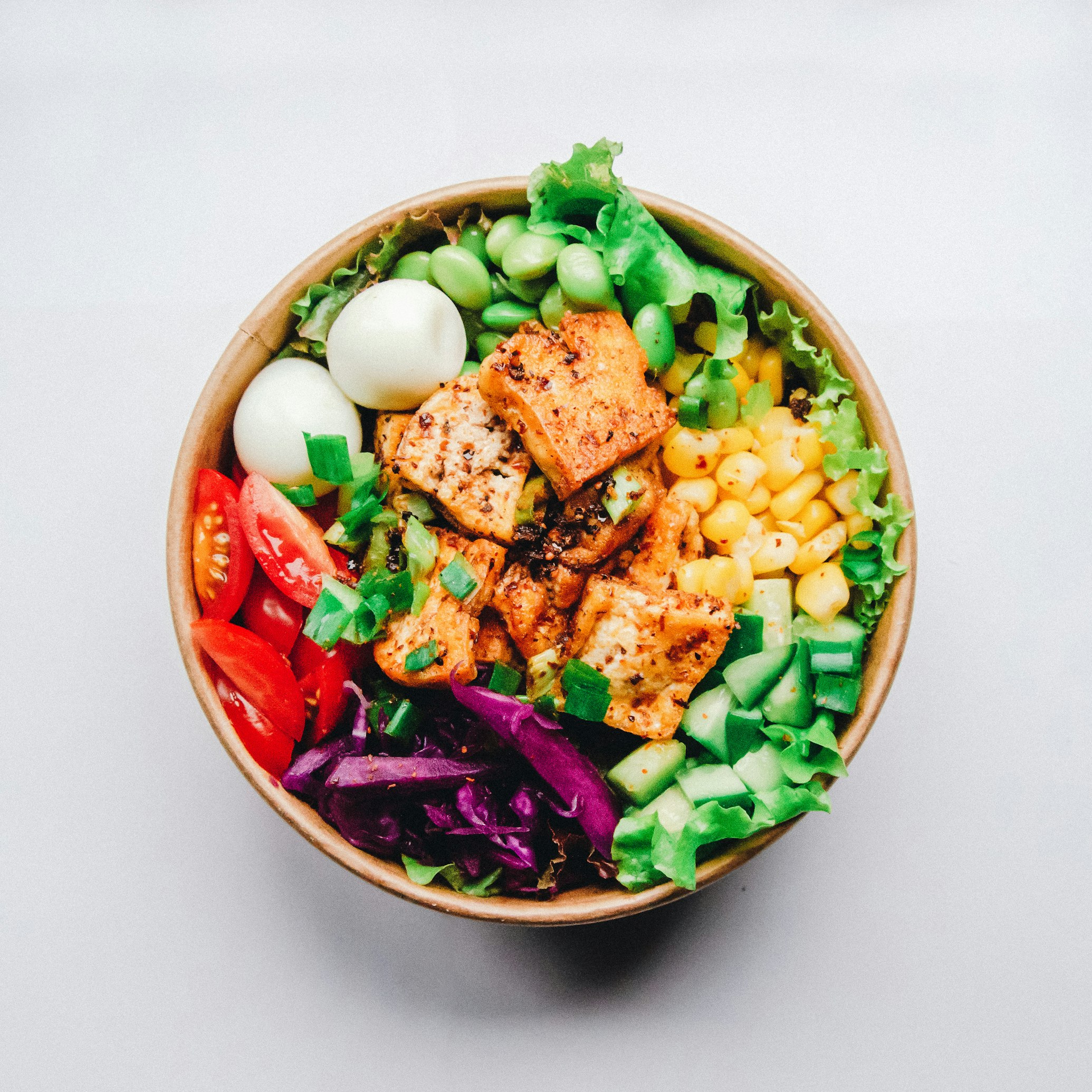
Maharashtra cuisine reflects geographic diversity—Mumbai's street food (vada pav, pav bhaji), Konkan coast's seafood (Malvani cuisine), Vidarbha's spicy curries, and Pune's traditional Maharashtrian thalis. Influenced by Maratha warrior traditions (portable, nutritious food), coastal abundance, and vegetarian Brahmin heritage—Maharashtra's food is bold, flavorful, and satisfying. Every dish tells stories of trade routes, conquests, and community.

Vada Pav

Pav Bhaji
Misal Pav

Puran Poli

Malvani Fish Curry

Bhel Puri

Modak
Where to Eat
Street Food Stalls (Khau Galli)
Vada pav, pav bhaji, bhel puri, sev puri stalls. ₹20-150 per item. Authentic, safe, budget-friendly. Everywhere in Mumbai.
Irani Cafes
Old-world charm cafes serving bun maska, chai, Parsi dishes. ₹100-300 per person. Heritage dining. Mumbai iconic.
Local Restaurants (Upahar Gruha)
Traditional Maharashtrian thalis and regional specialties. ₹300-600 per person. Authentic flavors. Found everywhere.
Coastal Seafood Shacks
Fresh seafood grilled with Malvani spices. ₹500-₹1,200 per person. Konkan coast iconic. Authentic experience.
Dining Etiquette
- •Mumbai street food is safe and essential cultural experience—embrace it.
- •Thali meals: rice/bread base with multiple curries, vegetables, dal, pickle. Right hand for eating.
- •Tipping not mandatory but appreciated (₹50-100 for good service).
- •Street food vendors accept cash only—keep small denominations.
- •Most eateries open 7 AM-11 PM; Mumbai never sleeps—food available 24/7.
- •Vegetarian and non-vegetarian options equally available—Maharashtra diverse.
- •Spice levels adjustable—inform restaurants if you prefer mild.
- •Food is shared; communal eating brings people together.
Signature Drinks
Shop & Bring Home
Maharashtra shopping reflects urban sophistication and traditional artistry—Mumbai's fashion markets (Linking Road, Colaba Causeway), Pune's craft bazaars, Kolhapuri chappals (leather sandals), Paithani silk sarees, Warli tribal art, and Bollywood memorabilia. From luxury malls to vibrant street markets, Maharashtra offers treasures for every traveler. Shopping is cultural immersion—negotiation, crowds, and discoveries.
Textiles & Fashion
- Paithani Silk Sarees (hand-woven)
- Kolhapuri Chappals (leather sandals)
- Bollywood-inspired Fashion
- Cotton Kurtas & Ethnic Wear
- Maharashtrian Navvari Sarees
Art & Handicrafts
- Warli Tribal Art (Paintings)
- Kolhapuri Jewelry (Silver Ornaments)
- Bidriware (Metal Inlay Craft)
- Bamboo Handicrafts
- Terracotta Pottery
Food & Spices
- Alphonso Mangoes (Seasonal: Apr-May)
- Kolhapuri Spice Mixes
- Dry Fruits & Nuts
- Puran Poli Mix (Sweet Preparation)
- Masala Chai Blends
Bollywood Memorabilia
- Bollywood Posters & Artwork
- Film Music CDs & DVDs
- Celebrity Photographs
- Movie Props & Collectibles
Where to Shop (Local Hubs)
Linking Road (Mumbai)
Fashion Street Market
"Mumbai's most famous street market. Fashion, accessories, footwear. Bargaining culture. Trendy clothing at budget prices. Crowded, vibrant."
Colaba Causeway (Mumbai)
Tourist Shopping Hub
"Handicrafts, jewelry, Bollywood memorabilia, antiques. Near Gateway of India. Tourist-oriented. Negotiate firmly (30-50% off)."
Crawford Market (Mumbai)
Heritage Wholesale Market
"Fresh produce, spices, dry fruits, pets. Historic British-era building. Wholesale prices. Authentic Mumbai experience."
Pune's Tulsi Baug
Traditional Craft Market
"Maharashtrian handicrafts, religious items, traditional clothing. Local artisan products. Less touristy than Mumbai."
Modern Malls (Mumbai/Pune)
Contemporary Shopping
"Inorbit, Phoenix, Westend Mall. International brands, Indian designers, cinemas, restaurants. Fixed prices, air-conditioned comfort."
On the Move
Main Airport
BOM (Mumbai)
20 km from center; multiple daily flights globally
Taxi Apps
Ola/Uber
Safe, affordable, widely available
Mumbai Local
Suburban Trains
Lifeline of Mumbai; 7.5M daily passengers
Airport Arrival
Chhatrapati Shivaji Maharaj International Airport (BOM) in Mumbai is main gateway, located 20km from city center. Journey: 30-60 minutes by taxi, 60-90 minutes by train. Pune Airport (PNQ) serves Pune region.
Travel Tech
Travel Tips
Mumbai Local trains are adventure—try during off-peak hours (10 AM-5 PM).
Download Ola/Uber apps for safety and transparent pricing.
Ajanta-Ellora requires overnight stay in Aurangabad—plan accordingly.
Train journeys offer authentic experience—book 1st/2nd AC for comfort.
Roads excellent—Maharashtra Expressway (Mumbai-Pune) world-class.
Auto-rickshaws metered but negotiate for longer distances.
Mumbai traffic intense—plan buffer time during rush hours (8-11 AM, 5-9 PM).
Intercity Travel
Indian Railways
Trains to Pune (3h), Nashik (4h), Aurangabad (6h), Nagpur (12h). Comfortable, affordable. Book in advance. ₹500-₹2,500 depending on class.
State Transport Buses (MSRTC)
Affordable inter-city travel. Luxury sleeper/semi-sleeper buses available. Routes to all Maharashtra cities. ₹300-₹1,200 per route.
Private Drivers
Best for customized tours (Ajanta-Ellora, forts, coastal drives). Hotels arrange. ₹2,500-₹4,000/day depending on destination.
Car Rental
International license recognized. Drive on left. Roads improving. ₹2,500-₹5,000 daily depending on vehicle.
BakıKart
No universal card system. Mumbai Local trains accept prepaid cards. Pay per journey in rupees or digital payment.
Visa Entry
No Visa Required for Indian Citizens
Maharashtra is part of India—no visa needed for Indian citizens. Domestic travel within India requires valid ID (Aadhaar, PAN, or Passport). For foreign nationals, standard Indian visa applies (same for entire country).
For Indian Citizens: Book flights and accommodation directly. No visa processing needed.
For Foreigners: Apply for Indian visa through official portal or embassy.
Standard Indian e-Visa valid for 30/1 year multiple entry.
Passport valid for 6+ months beyond intended stay required.
No special permits needed for temples, forts, beaches—open to all registered visitors.
Extended stays (>2 months): Register with Foreigners Regional Registration Office (FRRO) in Mumbai.
Registration
Penalty: Minimal—casual enforcement for short-term tourists. Long-term stays require registration.
Entry Requirements
- • Valid identity proof (Aadhaar, PAN, Passport, Driving License) for Indian citizens
- • Passport (for foreigners) with 6+ months validity
- • Proof of accommodation (hotel booking or guesthouse address)
- • Contact details of accommodation provider
- • No visa fee for Indian citizens within India