
maharashtra
Maharashtra
Experience Mumbai tourism Bollywood glamour and ancient Ajanta Caves' Buddhist paintings on premier Maharashtra travel cultural tour.
5+
packages
20k
Travelers
4.9
Rating
45+
Activities
Explore
Destination Overview
About Maharashtra
Where ancient cave temples meet Bollywood dreams, entrepreneurial spirit fuels megacities, and coastal fortresses whisper tales of Maratha glory.
Maharashtra, India's economic powerhouse and cultural melting pot, stands as a testament to resilience, entrepreneurship, and spiritual devotion. From the 2,000-year-old Buddhist cave temples of Ajanta and Ellora to the valiant Maratha Empire that challenged Mughal dominance, from British colonial trading posts to becoming India's financial capital—Maharashtra has shaped the nation's destiny. Today, Mumbai produces 40% of India's tax revenue, Pune drives IT innovation, and Maharashtra leads India in GDP contribution (15%+). This is the land where dreams are manufactured and fortunes are forged.
Best TimeOct - Mar
CurrencyINR (₹)
ClimateTropical to Semi-Arid
Time ZoneIST (UTC+5:30)
LanguageMarathi, Hindi, English
VisaNo Visa (Indian Citizens)
CapitalMumbai
Population12.5M (Mumbai)
Best Time
Oct - Mar
Currency
INR (₹)
Climate
Tropical to Semi-Arid
Time Zone
IST (UTC+5:30)
Language
Marathi, Hindi, English
Visa
No Visa (Indian Citizens)
Capital
Mumbai
Population
12.5M (Mumbai)
Why Choose maharashtra?
Ajanta & Ellora: Buddhist Masterpieces
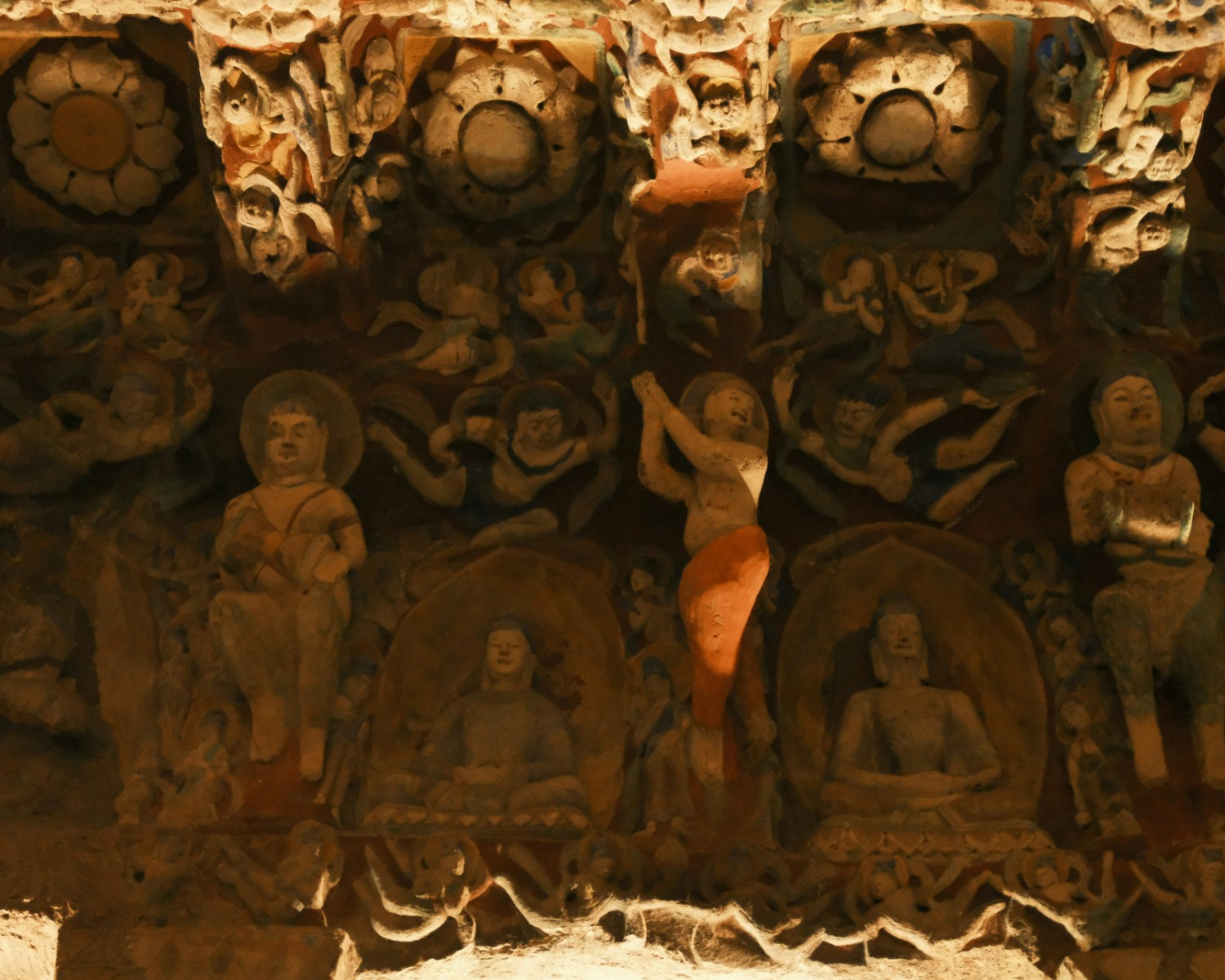
The Ajanta Caves (200 BC - 650 AD) contain 29 Buddhist cave temples with paintings depicting Buddha's life—considered the finest surviving examples of ancient Indian art. Ellora's Kailasa Temple (8th century) is the world's largest monolithic structure carved from a single rock—100,000 tons excavated. UNESCO World Heritage Sites representing humanity's artistic and spiritual zenith.
Maratha Empire & Shivaji's Legacy
Chhatrapati Shivaji Maharaj (1630-1680) founded the Maratha Empire, establishing swarajya (self-rule) and challenging Mughal hegemony. Building 300+ hill forts, creating a powerful navy, and implementing progressive administration—Shivaji remains Maharashtra's greatest hero. The Maratha Empire expanded to control 2/3rds of India by the 18th century, representing indigenous resistance to foreign powers.
Mumbai: India's Financial Capital
Mumbai contributes 6%+ to India's GDP, generates 40% of India's tax revenue, and houses the Bombay Stock Exchange (oldest in Asia, founded 1875). Home to Bollywood (world's largest film industry by output), Fortune 500 headquarters, and India's largest port—Mumbai is where India's economic destiny is decided. The city of dreams where millions arrive seeking fortune.
Maharashtra: 15%+ of India's GDP
Maharashtra leads all Indian states in GDP contribution (₹31+ lakh crore/$420+ billion)—larger than Pakistan's entire economy. The state attracts 30%+ of India's FDI, leads manufacturing (automobiles in Pune, pharmaceuticals in Mumbai), and dominates financial services. Maharashtra is India's economic engine, proving entrepreneurship, infrastructure, and education create prosperity.
Must-Experience Attractions
Gateway of India (Mumbai)
Ajanta Caves (UNESCO, 30 Buddhist temples)
Ellora Caves (34 caves, Kailash Temple)
Shirdi Sai Baba Temple (Pilgrimage)
Lonavala Hill Station (Monsoon green)
Mahabaleshwar (Alpine serenity, strawberries)
Maharashtra Tour Packages
Maharashtra packages with Bayard start at ₹17,000 per person and run to ₹33,999 for a seven-day circuit. Shirdi and five of India’s twelve Jyotirlingas, the rock-cut caves at Ajanta and Ellora, the Maratha forts, and the Ghat hill stations above Mumbai and Pune.
One thing to plan around before you fix your dates. Ajanta is closed every Monday and Ellora every Tuesday. They are a hundred kilometres apart and cannot be done in a day. Get the days wrong and you drive two and a half hours to a locked gate.
Below: the pilgrimage circuits and what they cover, how to sequence the caves, which hill station suits your trip, and what the monsoon is actually good for.
Get a Maharashtra quote →
Maharashtra trip at a glance
Field | Detail |
Ideal duration | 2–3 nights for a Shirdi and Nashik pilgrimage; 4 nights to add Chhatrapati Sambhajinagar and the caves; 4–6 nights for the hill-station circuit |
Cost | ₹17,000–₹33,999 per person on our packages |
Best season | October to March for everything. April to June is very hot inland — over 40°C around the caves. June to September is monsoon, which has its own draws |
Entry | Domestic. A valid government photo ID is all Indian travellers need |
Cave closure days | Ajanta closed Mondays. Ellora closed Tuesdays. Both open Wednesday to Sunday — plan around this first |
Getting there | Direct flights to Mumbai, Pune and Chhatrapati Sambhajinagar (Aurangabad) from Bengaluru, Hyderabad and Chennai, typically 1.5–2 hours |
Pilgrimage note | Shirdi is busiest on Thursdays and during Ram Navami, Guru Purnima and Vijayadashami. We plan around it |
The caves: how to sequence Ajanta and Ellora
This is the part that catches people out, and it is worth getting right before you book anything else.
| Ajanta | Ellora |
Closed | Every Monday | Every Tuesday |
Open | Tuesday to Sunday, roughly 09:00–17:30 | Wednesday to Monday, sunrise to sunset |
Distance from the city | About 100–105km, roughly 2.5 hours each way | About 29km, under an hour |
What it is | 30 Buddhist caves, 2nd century BCE to 6th century CE, famous for the murals | 34 caves — Buddhist, Hindu and Jain — including the Kailasa Temple |
Entry | ₹40 Indian, ₹600 foreign, free under 15, plus a ₹25 shuttle for the final 4km | ₹40 Indian, ₹600 foreign, free under 15 |
Three rules that follow from that
• The only days both sites are open are Wednesday to Sunday. If your trip includes a Monday or a Tuesday, the order matters.
• Do not try to do both in one day. They are a hundred kilometres apart in different directions, and Ajanta alone is a full day with five hours of driving.
• Start early, especially between April and June. The caves sit in an exposed gorge and Marathwada regularly passes 40°C the murals are cool, the walks between them are not. Leaving the city by 6:30 makes the difference.
We build the itinerary around the closure days as a matter of course. It sounds like a small thing and it is the single most common way a Maharashtra heritage trip fails.
Both sites were inscribed by UNESCO in 1983. The base city, Chhatrapati Sambhajinagar still widely called Aurangabad also has Bibi Ka Maqbara, the seventeenth-century mausoleum known as the Taj of the Deccan, Daulatabad Fort, and the Grishneshwar Jyotirlinga a short drive from Ellora.
The pilgrimage circuits
Most of what we sell in Maharashtra is pilgrimage, and the state carries an unusual concentration of it.
The five Jyotirlingas
Maharashtra holds five of the twelve Jyotirlingas more than any other state:
• Trimbakeshwar, near Nashik, at the source of the Godavari. The most visited of the five and included in most of our circuits.
• Grishneshwar, beside Ellora, which makes it a natural pairing with the caves.
• Bhimashankar, in the Sahyadri hills north-west of Pune, in a wildlife sanctuary.
• Vaijnath at Parli, in Beed district.
• Aundha Nagnath, in Hingoli district.
A circuit covering all five takes longer than most people expect because the last two are a long way east. Tell us if completing all five matters and we will build the days for it rather than promising it in four nights.
Shirdi
The Sai Baba temple, and the single biggest pilgrimage draw in the state. Practical points worth knowing: darshan queues vary enormously by day and time, paid and special darshan arrangements exist and are worth using when time is short, and Thursday is Sai Baba’s day, which means the largest crowds of the week. Ram Navami, Guru Purnima and Vijayadashami transform the town entirely — accommodation and darshan both need booking well ahead for those dates. We plan around all of it.
Nashik and the Ashtavinayak
Nashik gives you Trimbakeshwar, the Ram Kund on the Godavari and the Kalaram temple, and it is the base for the Kumbh Mela when the cycle falls there. The Ashtavinayak the eight Ganpati temples around Pune, including Ranjangaon, Ozar and Lenyadri is a distinct circuit in its own right and one we can build separately or fold into a Pune-based trip.
Our Maharashtra packages
Package | Duration | Circuit | Price (per person) |
Sacred Maharashtra Pilgrimage Circuit | 3D / 2N | Nashik, Shirdi, Pune | ₹17,000 |
Maharashtra Spiritual & Heritage Circuit | 5D / 4N | Nashik, Shirdi, Chhatrapati Sambhajinagar | ₹19,999 |
Maharashtra Jyotirlinga & Spiritual Circuit | 5D / 4N | Mumbai, Nashik, Shirdi, Chhatrapati Sambhajinagar | ₹19,999 |
Best of Maharashtra Hill Stations | 5D / 4N | Mumbai, Mahabaleshwar, Lonavala, Pune | ₹22,499 |
Ultimate Maharashtra Hill Stations | 7D / 6N | Mumbai, Lonavala, Mahabaleshwar, Pune | ₹33,999 |
What moves the price
• How many centres. Maharashtra is a large state and each additional base means a real driving day.
• Hotel category, which varies widely between the pilgrimage towns and the hill stations.
• Whether the caves are included, since Ajanta is a full day with a long drive at both ends.
• Season. October to March is peak. The monsoon months are considerably cheaper.
• Whether airfare to Mumbai, Pune or Chhatrapati Sambhajinagar is bundled.
Get a fixed quote for your dates →
The hill stations
The Western Ghats rise directly behind Mumbai and Pune, which is why this state has more hill stations within three hours of a major city than anywhere else in India.
• Mahabaleshwar - the largest and greenest, with Arthur’s Seat, Wilson Point for sunrise, the Panchganga Temple marking the source of five rivers, and strawberry farms in season. About five hours from Mumbai, three and a half from Pune.
• Lonavala and Khandala - the closest to Mumbai and the busiest, with Tiger’s Point, Bhushi Dam, the Karla and Bhaja caves nearby, and the best monsoon greenery in the state. Under two hours from either city.
• Matheran - Asia’s only vehicle-free hill station. No cars are permitted anywhere in the town; you arrive by toy train or walk up from Dasturi, and get around on foot, on horseback or by hand-pulled rickshaw. Quiet in a way the others are not.
• Panchgani - next to Mahabaleshwar, with Table Land and a gentler pace. Often paired with it.
Our steer: Lonavala for a short break from Mumbai, Mahabaleshwar for a proper hill-station stay, Matheran if the absence of traffic is the appeal.
When to go
Months | What it’s like | Verdict |
October–March | Cool and dry. Comfortable for the caves, the forts, the hill stations and the Konkan coast alike | The season, for every circuit. Peak around Diwali and Christmas |
April–June | Hot, and inland genuinely so Marathwada regularly passes 40°C, which makes cave days hard work | Manageable with early starts. Hill stations remain pleasant |
June–September | Monsoon. The Ghats are spectacular, waterfalls run, and the Kaas Plateau flowers in late August and September. Ghat roads can close in heavy spells | A genuinely good and very different trip — see below |
Late September–October | Rain easing, everything green, crowds thin | Underrated, and often the best value of the year |
What the monsoon is actually good for
Maharashtra has the best monsoon tourism in India and almost nobody packages it properly.
• The Kaas Plateau near Satara a UNESCO World Heritage site that flowers into a carpet of wildflowers in late August and September. Daily visitor numbers are capped and entry requires advance online booking, so this is not somewhere you turn up.
• Bhandardara in late May and June, when the fireflies arrive in numbers that are genuinely difficult to describe.
• The Ghat waterfalls Malshej, Bhandardara, and the falls around Lonavala and Khandala, all of which only exist in the rains.
• Fort treks, which are at their most beautiful and most demanding in the monsoon.
The honest caveat: heavy spells close Ghat roads and landslides do happen. If you are travelling in July or August on fixed dates, we build slack in and tell you what the risk actually is rather than selling around it.
Mumbai
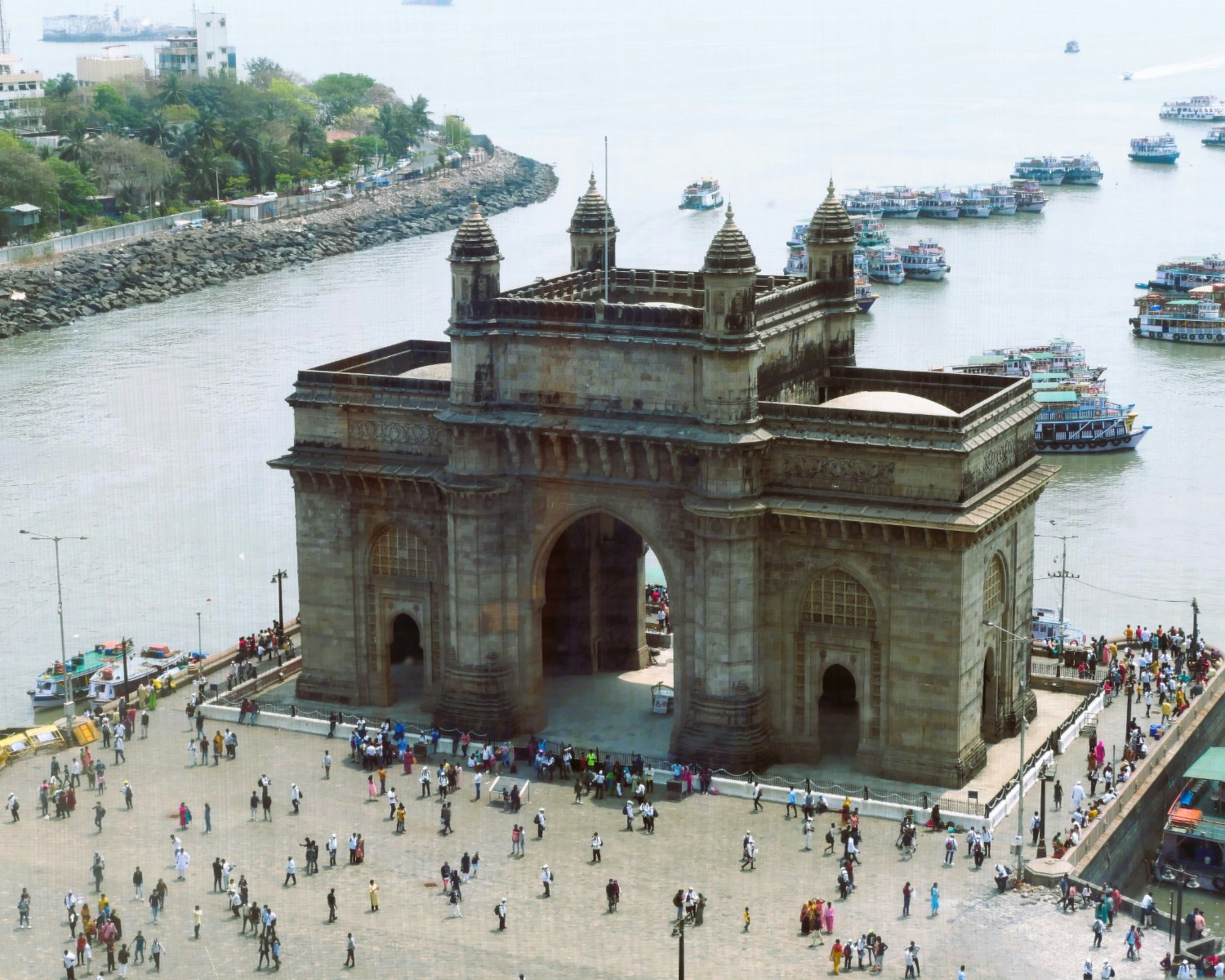
The Gateway of India, Marine Drive at dusk, the Chhatrapati Shivaji Maharaj Vastu Sangrahalaya, Haji Ali, the Elephanta Caves by ferry, and Dharavi or a Bollywood tour if that appeals. Most trips start or end here.
Chhatrapati Sambhajinagar (Aurangabad)
The base for the caves, and worth more than a night in its own right. Bibi Ka Maqbara, the seventeenth-century mausoleum built for Aurangzeb’s wife and known as the Taj of the Deccan; Daulatabad Fort, one of the most formidable hill forts in India; and the Grishneshwar Jyotirlinga beside Ellora.
Pune and the forts
Shivneri, where Shivaji was born, the Aga Khan Palace where Gandhi was interned, Sinhagad and Rajgad within easy reach, and Raigad the Maratha capital further south. Maharashtra has several hundred forts and the Sahyadri range is where most of them are.
The Konkan coast
Alibaug for the closest beaches to Mumbai, Ratnagiri for the Alphonso mangoes and the Thibaw Palace, and Sindhudurg and Tarkarli further south for the clearest water on the west coast. Quieter and less developed than Goa, which is the point.
Practical notes
Distances
Maharashtra is large and the circuits cover real ground. Mumbai to Chhatrapati Sambhajinagar is around 330km, Pune to the same city about 230km, and Mumbai to Mahabaleshwar roughly five hours. The Samruddhi Mahamarg expressway has cut some of these times considerably. We sequence the circuits so you are not doubling back.
Temple etiquette
At Trimbakeshwar and several other Jyotirlingas there are dress requirements and restrictions on what can be carried inside, and at some, rules on who may enter the sanctum. Phones and cameras are restricted at most major temples including Shirdi. We brief you properly before each temple day rather than leaving you to find out at the gate.
Food
Excellent for vegetarians throughout. Maharashtrian food is worth seeking out on its own terms misal pav, puran poli, thalipeeth, and the Kolhapuri and Malvani cooking further south. Mumbai has everything. Tell us about Jain requirements at booking, which are widely and properly understood here.
Common mistakes to avoid
• Planning Ajanta on a Monday or Ellora on a Tuesday.
• Trying to see both cave sites in one day. They are 100km apart in different directions.
• Visiting the caves in the middle of a May afternoon.
• Arriving at Shirdi on a Thursday or a major festival without planning the darshan.
• Expecting to complete all five Jyotirlingas in a short circuit the eastern two are a long way out.
• Turning up at the Kaas Plateau without an advance booking.
• Underestimating the driving between Mumbai, Nashik, Shirdi and Chhatrapati Sambhajinagar.
• Booking Ghat routes on fixed dates in heavy monsoon without a contingency.
What’s included in a Bayard Maharashtra package
Included | Not included |
Hotel stays across the towns in your circuit — Mumbai, Nashik, Shirdi, Chhatrapati Sambhajinagar, Mahabaleshwar, Lonavala or Pune as applicable | Airfare or rail fare to Maharashtra, unless specifically bundled |
Daily breakfast, with some meals included depending on the package | Meals not listed in your itinerary |
Airport and railway station transfers, and all sightseeing transport | Special or paid darshan arrangements unless specified |
Cave and monument entry as specified, with the itinerary sequenced around closure days | Guide fees at the caves unless included, and camera charges where they apply |
Temple visits and pilgrimage sightseeing as listed | Fort trek guides and optional activities |
On-trip assistance and a local contact number | Personal expenses and anything not in your confirmed itinerary |
Why book Maharashtra with Bayard Vacations
• We sequence the caves around the closure days. Ajanta shuts on Mondays and Ellora on Tuesdays, and getting that wrong costs a whole day and a five-hour round trip.
• We plan Shirdi around the darshan, the Thursday crowds and the festival calendar rather than dropping you at the gate.
• We are honest about the Jyotirlinga circuits. Five of the twelve are here and two of them are a long way east we will tell you what fits your days.
• Circuits sequenced around real driving distances, in a state where the sites are genuinely far apart.
• Temple etiquette and restrictions briefed before each visit, not discovered at the entrance.
• Straight monsoon advice, including what is worth travelling for and what the Ghat road risk actually is.
Talk to us about Maharashtra →
Maharashtra package FAQs
Which days are Ajanta and Ellora closed?
Ajanta is closed every Monday. Ellora is closed every Tuesday. The only days both are open are Wednesday to Sunday. They are about 100km apart in different directions, so they need separate days — and if your trip includes a Monday or Tuesday, the order matters. We sequence it for you.
Can I see Ajanta and Ellora in one day?
No, and we would not build it that way. They are roughly 100km apart, Ajanta alone is 100–105km from the city with a 2.5-hour drive each way, and both deserve unhurried time. Two days, with Ellora on the shorter drive and Ajanta on the longer one.
What do the caves cost to enter?
Around ₹40 per person for Indian nationals and ₹600 for foreign visitors, with under-15s free. At Ajanta there is also a mandatory shuttle of about ₹25 covering the final four kilometres from the parking area. Confirm current rates when you book.
How many Jyotirlingas are in Maharashtra?
Five of the twelve Trimbakeshwar near Nashik, Grishneshwar beside Ellora, Bhimashankar in the Sahyadris north-west of Pune, Vaijnath at Parli and Aundha Nagnath in Hingoli. More than any other state. The last two are a long way east, so completing all five takes more days than most circuits allow.
What should I know about Shirdi darshan?
Queues vary enormously by day and time, and paid or special darshan arrangements exist and are worth using if your time is limited. Thursday is Sai Baba’s day and the busiest of the week. Ram Navami, Guru Purnima and Vijayadashami transform the town — book accommodation and darshan well ahead for those. We plan around all of it.
How many days do I need in Maharashtra?
Two or three nights for a Shirdi and Nashik pilgrimage. Four to add Chhatrapati Sambhajinagar and the caves. Four to six for the hill-station circuit. Maharashtra is a large state and each extra centre means a real driving day, so fewer places with more nights is usually the better trip.
How much does a Maharashtra trip cost?
Our packages run from ₹17,000 per person for three days to ₹33,999 for seven. How many centres you cover, hotel category, whether the caves are included and season are what move the number.
When is the best time to visit?
October to March for everything cool, dry and comfortable for caves, forts, hills and coast alike. April to June is hot inland, often above 40°C around the caves, so early starts matter. June to September is monsoon, which is spectacular in the Ghats and has its own draws.
Is the monsoon a good time to visit Maharashtra?
For the right trip, genuinely yes. The Kaas Plateau flowers in late August and September, the Bhandardara fireflies come in late May and June, the Ghat waterfalls only exist in the rains, and fort treks are at their best. The caveat is that heavy spells close Ghat roads, so we build slack into monsoon itineraries.
Do I need to book the Kaas Plateau in advance?
Yes. It is a UNESCO site with a capped daily visitor limit and entry is by advance online booking. It is not somewhere you can turn up, and the flowering window is short. Ask us early if it is on your list.
Is Aurangabad the same as Chhatrapati Sambhajinagar?
Yes. The city was officially renamed Chhatrapati Sambhajinagar in 2023. Both names are still in use — the airport, the caves nearby and a lot of signage still carry the older one so you will see both.
Which hill station should I choose?
Lonavala or Khandala for a short break from Mumbai or Pune, under two hours away. Mahabaleshwar for a proper hill-station stay with viewpoints and strawberry farms. Matheran if you want somewhere with no cars at all it is Asia’s only vehicle-free hill station and you arrive on foot or by toy train.
Is Maharashtra good for family trips?
Very. The distances are manageable by Indian standards, the connectivity is excellent, hotels are plentiful at every level, and the mix of caves, forts, hill stations and beaches gives everyone something. The main planning point is not overloading the itinerary with driving days.
Is Maharashtra good for vegetarians?
Excellent. Maharashtrian food is largely vegetarian-fr
iendly and worth exploring on its own terms misal pav, puran poli, thalipeeth and Jain requirements are widely and properly understood. Mumbai has everything else besides.
What is included in a Bayard Maharashtra package?
Hotels across your circuit, daily breakfast with some meals depending on the package, airport and station transfers, all sightseeing transport, specified cave and monument entries with the itinerary sequenced around closure days, temple visits as listed, and on-trip support. Airfare, special darshan, guide fees and personal expenses are separate.
Planning a Maharashtra trip?
Tell us your dates and whether it is the temples, the caves or the hills you are after. We’ll sequence the closure days, plan the darshan, and tell you honestly how many centres your days can carry.
Enquire now · WhatsApp · Call
maharashtra Packages


Signature Collections
Handpicked signatures and top-rated escapes in maharashtra

We Are Bayard Vacations
Not just another travel company. We're dreamweavers, adventure architects, and memory makers.
Explore
Now Featuring
Thailand

Highlight
Meet Bayard Buddy – Advanced AI Chatbot for Everyday Help
KNOWLEDGE HUB
Things to Know in Tips for maharashtra
Maharashtra, India's economic powerhouse and cultural melting pot, stands as a testament to resilience, entrepreneurship, and spiritual devotion. From the 2,000-year-old Buddhist cave temples of Ajanta and Ellora to the valiant Maratha Empire that challenged Mughal dominance, from British colonial trading posts to becoming India's financial capital—Maharashtra has shaped the nation's destiny. Today, Mumbai produces 40% of India's tax revenue, Pune drives IT innovation, and Maharashtra leads India in GDP contribution (15%+). This is the land where dreams are manufactured and fortunes are forged.
A Journey Through Time
Maharashtra, India's economic powerhouse and cultural melting pot, stands as a testament to resilience, entrepreneurship, and spiritual devotion. From the 2,000-year-old Buddhist cave temples of Ajanta and Ellora to the valiant Maratha Empire that challenged Mughal dominance, from British colonial trading posts to becoming India's financial capital—Maharashtra has shaped the nation's destiny. Today, Mumbai produces 40% of India's tax revenue, Pune drives IT innovation, and Maharashtra leads India in GDP contribution (15%+). This is the land where dreams are manufactured and fortunes are forged.
| Ancient Buddhist Era (200 BC - 650 AD)
Maharashtra housed some of Buddhism's greatest monuments. The Ajanta Caves (200 BC - 650 AD) contain exquisite murals depicting Buddha's life. Ellora Caves (600-1000 AD) feature the Kailasa Temple—carved from a single rock, representing humanity's greatest architectural achievement. These UNESCO sites prove Maharashtra's spiritual and artistic sophistication.
| Satavahana & Rashtrakuta Dynasties (230 BC - 973 AD)
The Satavahana Empire (230 BC - 220 AD) controlled Deccan trade routes, connecting Rome with Southeast Asia. The Rashtrakuta dynasty (753-973 AD) commissioned the Kailasa Temple at Ellora—100,000+ tons of rock carved top-down. These dynasties established Maharashtra as India's commercial and cultural crossroads.
| Maratha Empire Rise (1674-1818)
Chhatrapati Shivaji Maharaj founded the Maratha Empire (1674), challenging Mughal dominance through guerrilla warfare (ganimi kava). Building 300+ hill forts, Shivaji created a naval force and established swarajya (self-rule). The Marathas expanded across India, ruling 2/3rds of the subcontinent by the 18th century—representing Hindu resistance to foreign domination.
| British Colonial Era (1818-1947)
Following the Third Anglo-Maratha War (1817-1818), Maharashtra fell under British control. Bombay (Mumbai) became British India's premier trading port. Cotton mills, railways, and Victorian architecture transformed the region. The independence movement found strong roots here—Lokmanya Tilak declared 'Swaraj is my birthright.'
| Post-Independence Growth (1947-1960)
After independence, the Bombay Presidency was reorganized. The Samyukta Maharashtra Movement (United Maharashtra) fought for linguistic statehood. On May 1, 1960, Maharashtra was formed as a Marathi-speaking state with Mumbai as capital. Industrialization accelerated; Mumbai became India's commercial capital.
| Modern Maharashtra: Economic Engine (1990-Present)
Post-liberalization (1991), Maharashtra emerged as India's GDP leader (15%+ contribution). Mumbai houses Bollywood, the Bombay Stock Exchange, and corporate headquarters. Pune became the 'Oxford of the East' with IT hubs. Maharashtra leads India in FDI attraction, startups, and manufacturing—the state where India's economic future is written.
Ajanta Caves
200 BC - 650 AD
29 Buddhist cave temples; finest ancient Indian art
Maratha Empire
1674-1818
Founded by Shivaji; controlled 2/3rds of India
GDP Contribution
15%+
Highest among all Indian states; ₹31+ lakh crore
Mumbai Tax Revenue
40%
Mumbai alone generates 40% of India's tax revenue
Travel Stories & Tips
Get inspired for your next adventure to maharashtra

Guest Stories
H
Hemanth R
4 months agoExceptional Service and Stunning Views! I just returned from a trip to Kerala curated by Bayard Vacations, and I'm still thinking about the views. Unlike generic packages, Dhanushree from Bayard took the time to tailor the itinerary to my preferences. Every hotel and houseboat was chosen for its...
P
Prajwal Raikar
5 months agoWe went to Dubai, and Bayard Vacations made our entire trip truly joyful and memorable. Adarsh from Bayard Vacations was extremely helpful in arranging the yacht and managing a few issues promptly, which made our vacation smooth and stress-free.
M
Muthahir
5 months agoWe had a wonderful vacation in Dubai, all thanks to Bayard Vacations. From planning to execution, everything was smooth and well-organized. The itinerary was perfectly balanced, the accommodations were comfortable, and all arrangements were completely hassle-free. A special thanks to Mr. Adarsh for...
S
Spoorthy Venkatesh
5 months agoWe had an amazing time in Dubai with Bayard Vacation. Adarsh, our destination specialist, explained everything super smoothly and stayed in touch with us the whole time, which made the trip feel really easy and well organized. The team was great with the transport arrangements too. The drivers were...
B
Bakasura Brahmana
5 months agoBest iternary prepared by them. The best travel agency I suggest
H
Harsha Vardhan Attuluri
5 months agoWe recently went on a trip to Coorg and Wayanad with Bayard Vacations, and the experience was seamless. We opted for a private package, and all the arrangements were excellent. The communication was clear throughout the process. A special thanks to our agents, Rahul and Sowmya, who handled the plann...
A
Abhishek Satapathy
5 months agoWe had a wonderful vacation in Thailand thanks to the...
S
Shilpa Wartak
5 months agoWe booked our Hampi and Badami tour with Bayard Vacation and had an absolutely amazing experience! Everything was perfectly planned and very smooth from start to finish. The hotel location was excellent and close to all major places, and the drive was super comfortable. The whole trip was completely...
A
Abhilash Cr
5 months agoWe recently completed a 4-5 day Andaman trip with Bayard Vacation, and overall it was a very pleasant and well-organized experience. From the planning stage to the end of the journey, the team especially team of Rahul, Dhanushree, was supportive and responsive, making the trip smooth and stress-free.

Medha Devatraj
a month agoLoved our trip to Kerala(Munnar, Thekkady, Alleppey, Varkala and Kovalam) with Bayard Vacations. They've tailored our package and made adjustments according to our itinerary. Agents Sooraj and Dhanushree were the ones who planned and executed our trip so well🙌🙌. They were very polite and friendly. The vehicle arranged was a comfortable and spacious one for our family of 9. We were apprehensive about the tour but returned with beautiful and lifelong memories🫶🫶. A trip with Bayard Vacations is value for money ♥️♥️.

Sriram appalla
a month agoI recently took a 5N/6D trip to Kerala with Bayyard Vacation, and it turned out to be a lovely experience. Even before the trip began, the Bayyard team, especially Sooraj, helped me with every little detail and was super quick with his responses. Our assigned driver, Jbin Alex, was incredibly humble, kind, and supportive throughout the journey. I’d strongly recommend him if you’re planning a Kerala trip, and I’d definitely suggest choosing Bayyard Vacation for your travels. There was a small miss where one of the complimentary items mentioned in the itinerary couldn’t be fulfilled, but aside from that, everything went smoothly. Overall, I’d rate Bayyard Vacation a solid 4.5/5.

jothees waran
2 weeks agoManasa, sincere thanks for curating such an elegant and seamless Thailand experience. Every aspect of the journey was impeccably planned—from punctual transfers and smooth pickups to a perfectly balanced itinerary. The attention to detail, premium coordination, and effortless execution truly elevated the trip. Everything flowed with precision, allowing us to relax and enjoy each moment without a single concern. Your professionalism and commitment to excellence were evident throughout. Bayard Vacations delivers not just a trip, but a truly luxurious and memorable travel experience. Highly recommended.

Kaustubh Rastogi
3 weeks agoWe recently traveled to Malaysia and had a fantastic experience with Bayard Vacations. Their quick responses and excellent service made the entire planning process smooth and stress-free. Balaji’s recommendations were absolutely on point and perfectly matched our preferences. His attention to detail and prompt support truly made a difference. Highly satisfied with the overall experience and would definitely choose Bayard Vacations again for future trips. Highly recommended! ⭐⭐⭐⭐⭐

Manu Manu
in the last weekThe trip was very beautiful. We have experienced many places and we got chance to have the package. They guided us very safely and assured as everything that you need and food was also good and was in care of everything was fantastic trip. We went to Thailand and Bangkok, and we did alKaiser show Quarter Island and we explored a lot in the Water, also like paragliding Jaki riding And there was a dinner cruise in Bangkok. Also was very nice. Totally we really appreciate for the trip and we will like to do more.
Authentic Experiences
Read All Reviews Join 25,000+ happy travelers who explored maharashtra with us.
Got Questions?
Frequently Asked Questions
Still have questions?
Our travel experts are ready to help you craft the perfect itinerary. Reach out for personalized recommendations and support.
You Might Also Like
Discover more incredible destinations and experiences tailored for you
Why Choose Bayard Vacations?
100%
Secure Booking
8+
Years Experience
25K+
Happy Travelers
24/7
Support Available
Best Price
Guaranteed
Personalized
Customized Trips
Expert
Local Guides
100+
Destinations Covered