Tamil Nadu
factsheet
Where ancient Dravidian temples touch the sky, classical arts enchant the soul, and 2,000 years of unbroken civilization whisper timeless wisdom.
The Essentials
Best Time
Oct - Mar
Currency
INR (₹)
Climate
Tropical, Semi-Arid
Time Zone
IST (UTC+5:30)
Language
Tamil, English, Hindi
Visa
No Visa (Indian Citizens)
Capital
Chennai
Population
7.2M (Chennai)
Calling Code
+91
Power Plug
Type A, B, C (230V)
Tipping
Optional (₹20-100 appreciated)
Emergency
100 (Police), 101 (Fire), 102 (Ambulance)
History & Heritage
A Journey Through Time
Tamil Nadu, home of the Dravidian civilization, is home to over 2,000 years of Tamil culture from the era of Sangam to the period when the architecture was perfected by the Choas. It is one of the most popular tourist spots in South India with an industrial sector that manufactures vehicles and clothes. Making up 8% of the country’s gross domestic product, it boasts of modern innovations as well as its rich Tamil culture which happens to be the oldest living language in the world.
Sangam Age (600 BC - 300 AD)
The Golden Age of Tamil literature and civilization. Three Sangam assemblies (poetic academies) produced the Sangam literature—including Tolkappiyam, Silappatikaram, and Manimekalai. These ancient texts prove Tamil's sophistication, social complexity, and literary excellence 2,000+ years ago. Tamil literature predates most world languages in recorded form.
Chola Empire (9th-13th Century AD)
The Chola dynasty created the greatest maritime empire of South Asia. Under Raja Raja I (985-1014), Cholas conquered Southeast Asia, established trade routes to China, and built the Brihadisvara Temple—a UNESCO World Heritage Site representing architectural brilliance. Chola administration, art, and administration influenced Southeast Asian cultures profoundly.
Pandya & Pallava Dynasties (4th-9th Century)
The Pandyas (maritime traders, Madurai) and Pallavas (cultural patrons, Kanchipuram) ruled Tamil Nadu for centuries. Pallava dynasty commissioned magnificent rock-cut temples (Mahabalipuram) and advanced Dravidian architecture. Pandyas ruled maritime trade routes and spread Tamil culture across Indian Ocean.
European Colonial Era (1500s-1947)
Portuguese arrived in Chennai (1522), followed by French and British. British East India Company established Madras (1639), making it India's premier colonial port. British rule lasted 200+ years, introducing railways, ports, and English education. Independence (1947) marked Tamil Nadu's emergence as a modern state with distinct cultural identity.
Modern Tamil Nadu (1956-Present)
After independence, the Dravida Kazhagam movement championed Tamil identity and self-respect. Tamil Nadu became a manufacturing hub—automobiles, textiles, leather, pharmaceuticals, IT. Today, it contributes 8%+ to India's GDP (second only to Maharashtra), leads automotive production, and preserves Dravidian culture with pride.
Cultural Renaissance (20th-21st Century)
Tamil Nadu preserved classical arts (Bharatanatyam dance, classical music), literature, and temple traditions while modernizing. Bharatanatyam, once restricted to temples, became world-renowned classical dance form. Tamil Nadu's film industry (Kollywood) rivals Bollywood. The state balances tradition and progress uniquely.
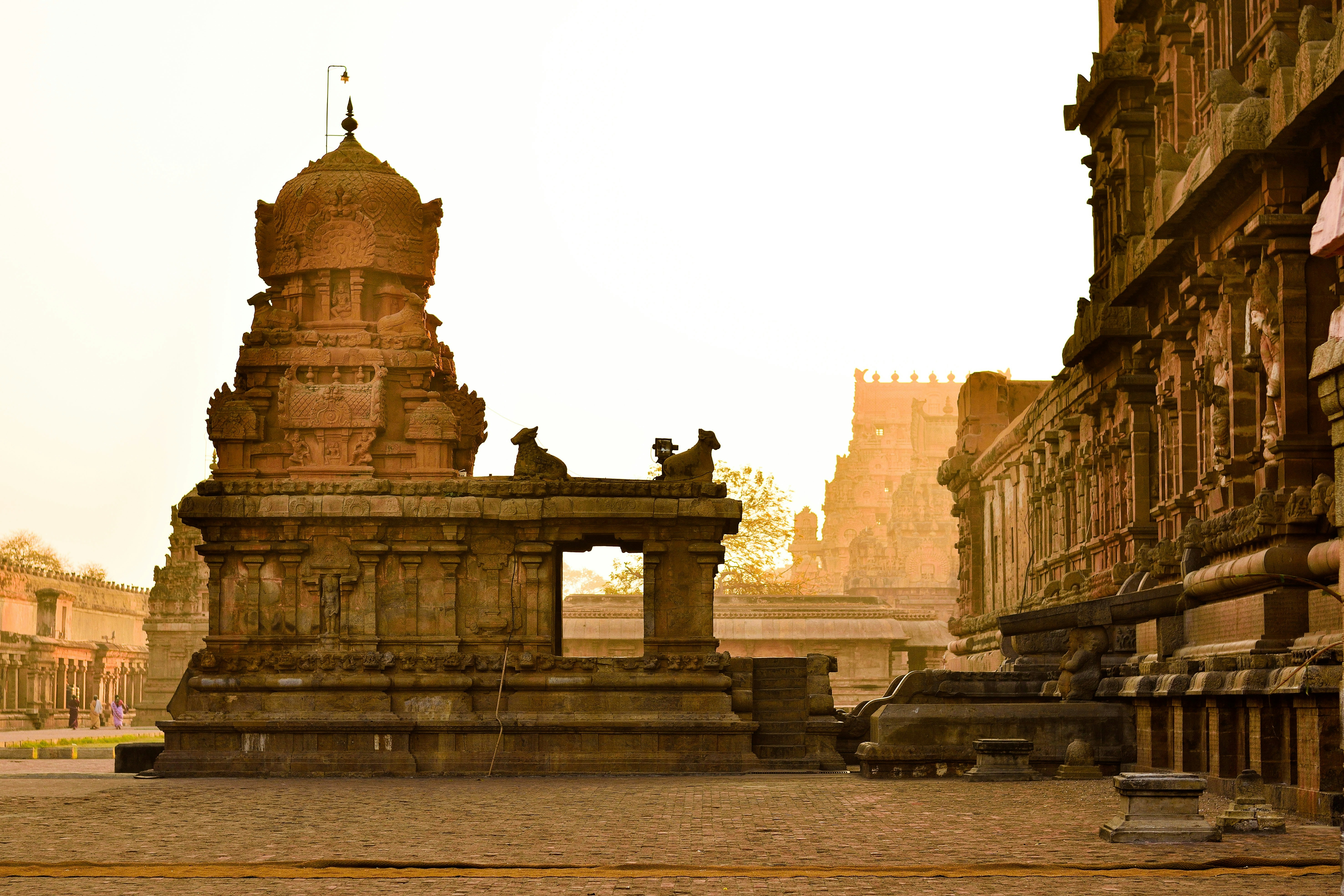
Spotlight: Brihadisvara Temple (Tanjore Big Temple)
Built in 1010 AD by Chola Emperor Raja Raja I, this UNESCO World Heritage Site represents the zenith of Dravidian architecture. The 66-meter granite tower (vimana) was constructed without mortar—using pure engineering precision. The capstone (finial) alone weighs 216 tons and required an ingenious ramp to place. The temple remains a masterpiece—intricate carvings, perfect proportions, astronomical alignments. The main deity (Shiva Lingam) receives prayers uninterrupted for 1,000+ years, representing unbroken spiritual continuity.
Sangam Age
600 BC - 300 AD
Three Sangam assemblies; oldest continuous literary tradition
Chola Empire
9th-13th Century
Maritime superpower; built Brihadisvara Temple (1010 AD)
Tamil Temples
33,000+
More temples than any other Indian state
GDP Contribution
8%+
Second largest contributor after Maharashtra
Climate & Time
Time Zone
Standard
IST (UTC+5:30) - Indian Standard Time
Difference
Same as all India (synchronized across entire nation)
🎯 Best Months
October, November, December, January, February, March
Climate
The climate in Tamil Nadu varies significantly by region, offering a diverse range of weather conditions from coastal areas to mountain peaks.
Monsoon (Kaarkaalam)
Jun – Sep
26–32°C
Southwest monsoon brings heavy rainfall to coastal areas and Western Ghats. Waterfalls cascade (Courtallam, Hogenakkal). Nilgiris lush and green. Rice fields flooded. Budget-friendly; fewer tourists. High humidity in coastal regions.
Post-Monsoon (Mankai)
Oct – Nov
24–32°C
Best season begins. Clear skies, pleasant weather. Northeast monsoon brings rain to coastal Tamil Nadu. Perfect for temple visits, trekking, coastal exploration. Harvest season begins. Festivals (Deepavali) celebrated.
Winter (Munpani)
Dec – Feb
15–28°C
Ideal weather. Cool mornings, warm afternoons. Peak tourist season. Chennai comfortable (20-28°C). Hill stations cool (10-20°C). Perfect for all outdoor activities. Heritage site exploration comfortable. Beach season. Festivals: Pongal, Tamil New Year preparations.
Summer (Ilaveni)
Mar – May
30–42°C
Hot and humid along coast; extremely hot inland (inland plains 40-45°C). Hill stations (Kodaikanal, Nilgiris, Ooty) offer cooler refuge (15-25°C). Beach activities early morning. Indoor attractions (museums, temples) preferable. Mango season (Banganapalli, Alphonso varieties).
Seasonal Packing List
Language Guide
Official Language
Tamil (Tamizhum)
Tamil is spoken by 70+ million people globally. A Dravidian language unrelated to Indo-Aryan languages (Hindi, Sanskrit), Tamil has 2,000-year literary continuity. English widely understood in cities; Hindi understood but less prevalent than North India. Tamil language carries deep cultural identity—resistance to Hindi imposition led to linguistic pride movements.
Local Signage
Essential Phrases
Hello
Vanakkam
Thank you
Nandri
Goodbye
Vanakka
Yes / No
Aam / Illai
Please
Thalaivaey
Excuse me
Mannippugal
How much?
Evlo kilayu?
Where is...?
...engey irukkum?
Currency & Money
Official Currency
Indian Rupee
₹ (INR)
Exchange Rates
Denominations
Banknotes
₹10, ₹20, ₹50, ₹100, ₹200, ₹500, ₹2,000
Coins
₹1, ₹2, ₹5, ₹10
Culture & Vibes
Spiritual Devotion with Classical Refinement
"Tamil Nadu's culture pulses with spiritual devotion, classical artistry, and linguistic pride. Temple traditions remain central to daily life—not historical artifacts but living practices. Bharatanatyam dance, classical music (Carnatic), and Tamil literature represent unbroken artistic traditions spanning millennia. The state celebrates its Dravidian identity distinctly from North India. From elaborately dressed temple festivals to the simplicity of morning prayers, from formal classical performances to street-side flower garland sellers—Tamil Nadu balances tradition with modernity uniquely. Family values, respect for elders, and spiritual practice remain paramount."
Greetings
Namaste with hands pressed together standard. Business handshakes common in cities. Younger people respect elders with slight bows. Formal 'Vanakkam' shows politeness.
Religious Sites
Remove shoes before entering temples. Cover shoulders, chest, and knees. Women should cover hair in inner sanctums. Photography often prohibited in sanctum sanctorum. Respect ongoing prayers and rituals. Walk clockwise (pradakshina) around deities.
Filter Coffee & Temple Culture
South Indian filter coffee and tea are daily rituals. Accepting offered coffee shows respect. Temple visits are spiritual practice—take seriously. Temple donations and rituals vary by deity and day.
Family & Elders
Family unit paramount. Multi-generational households common. Elders receive deep respect—not just politeness but genuine reverence. Touching feet of elders as blessing is customary. Professional ambition balanced with family duty.
Essential Dos
- • Remove shoes and cover your head when entering temples
- • Greet elders respectfully with 'Vanakkam' and slight bow
- • Try South Indian breakfast—idli, dosa, sambar, uttapam (culinary excellence)
- • Visit temples early morning (4-6 AM) for authentic experience and calm atmosphere
- • Appreciate Tamil language and literature—source of state pride
- • Ask permission before photographing people, especially in villages
- • Accept offered filter coffee or water—sign of hospitality
- • Learn about Bharatanatyam dance—world-renowned classical art form
- • Bargain at markets and local shops—expected part of shopping culture
Essential Don'ts
- • Don't step on threshold or temple step with shoes
- • Don't point feet at deities, elders, or people while sitting—disrespectful
- • Don't refuse offered coffee, food, or water—considered insulting
- • Don't discuss North-South India differences negatively—linguistic pride exists
- • Don't touch temple statues or offerings without permission
- • Don't photograph rituals or priests without explicit approval
- • Don't discard flowers, religious items carelessly
- • Don't eat beef in temples or conservative households—taboo
- • Don't be loud or disruptive in temples—sacred spaces
Specific Etiquette
Dining Etiquette
Right hand for eating. Thali meals (complete offerings): rice/bread, curries, vegetables, sambar, rasam, pickles. Vegetarian meals form cultural basis—meat consumption less prevalent. Finishing all food shows appreciation. Southern hospitality: hosts provide abundant portions.
Gifting Etiquette
Avoid knives, clocks, or shoes (symbolize broken relationships). Wrap gifts beautifully. Coconut, flowers, fruits safe choices. Accept gifts with right hand. Odd numbers auspicious (123 rupees, not 100).
Business Etiquette
Business cards exchanged formally. English widely spoken in professional settings. Punctuality increasingly valued in modern Chennai/Coimbatore. Building relationships precedes transactions. Entrepreneurship deeply respected—Tamil Nadu IT, automotive, textile industries globally recognized.
The Flavors of Tamil Nadu - Spice, Rice & Spiritual Simplicity
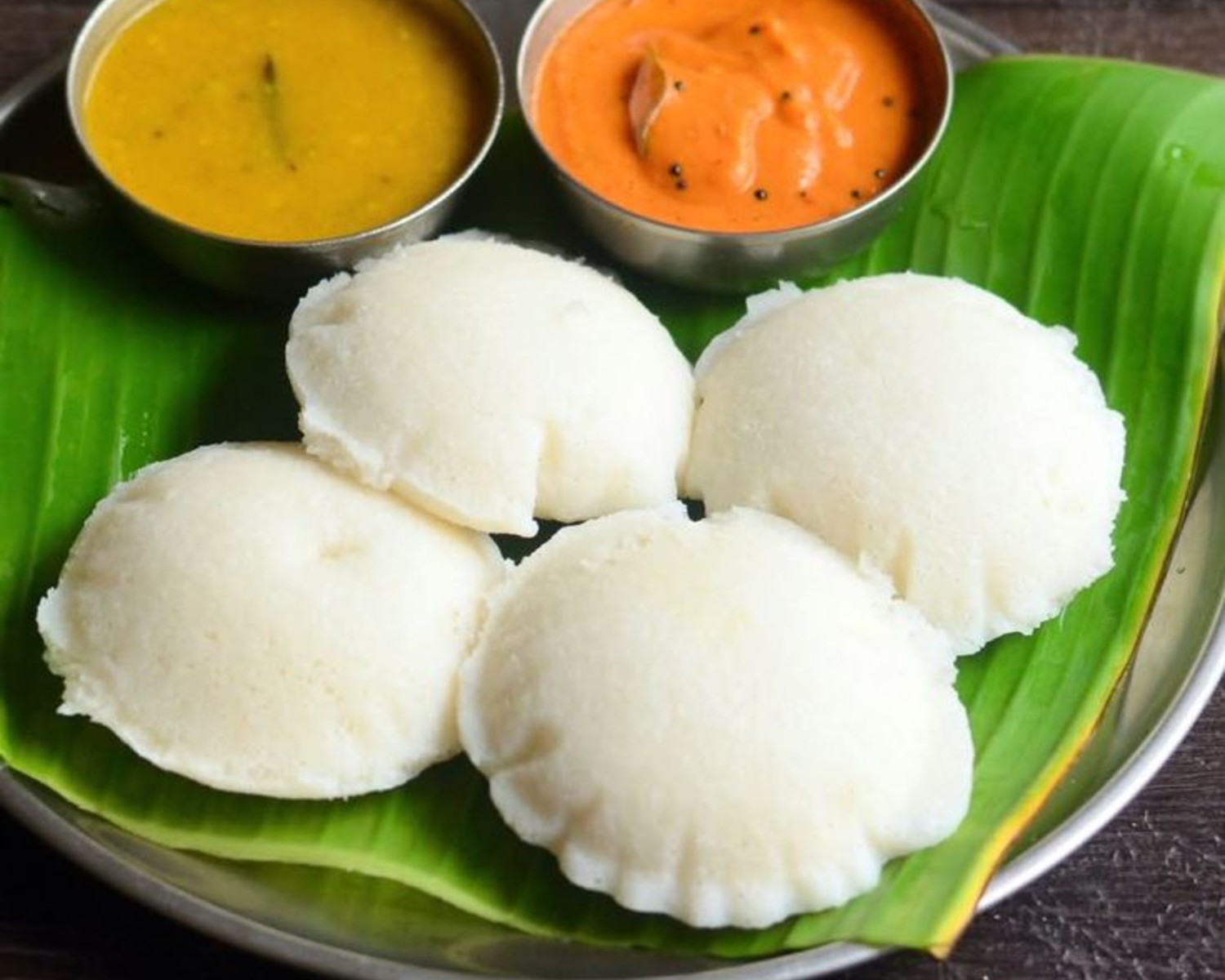
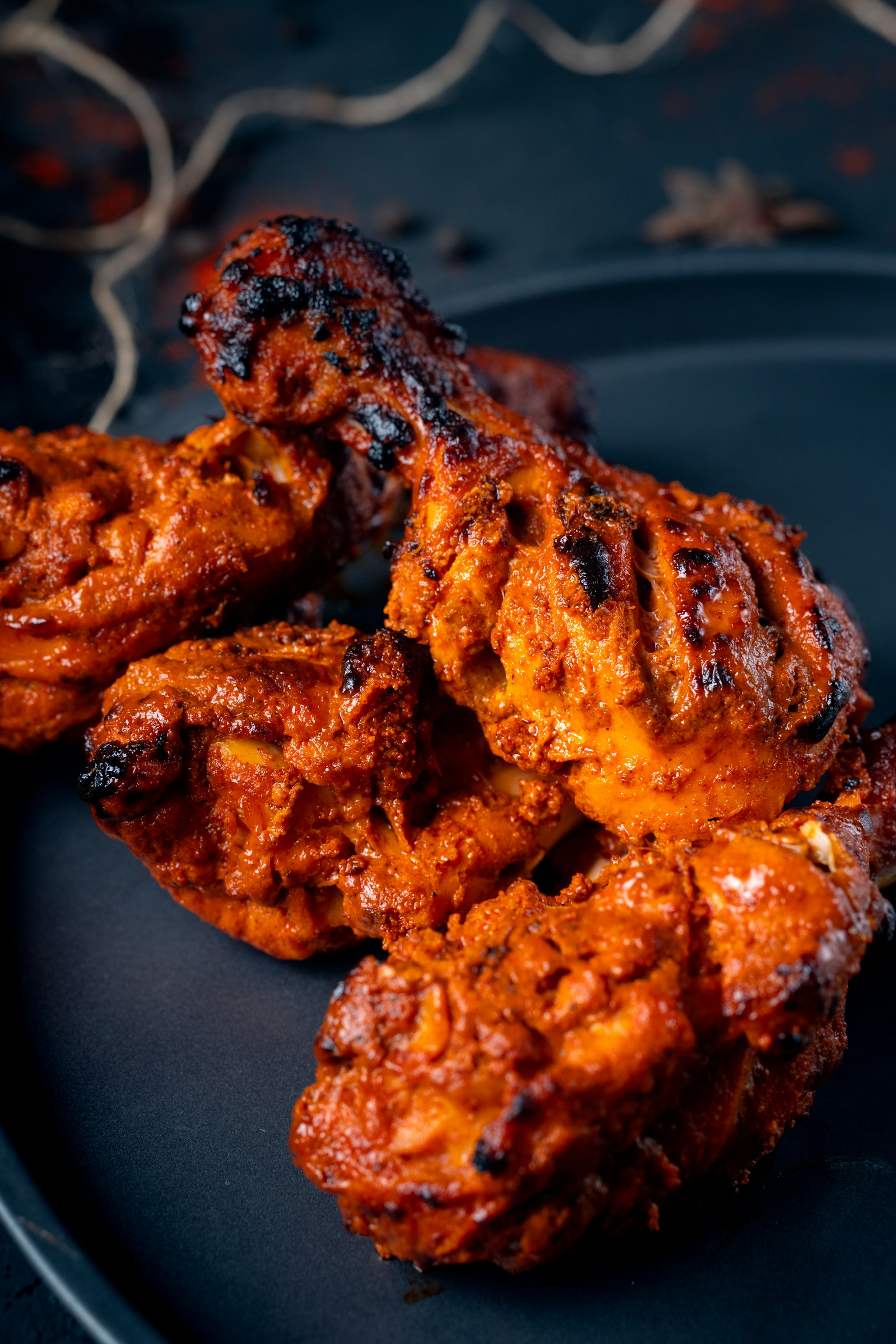
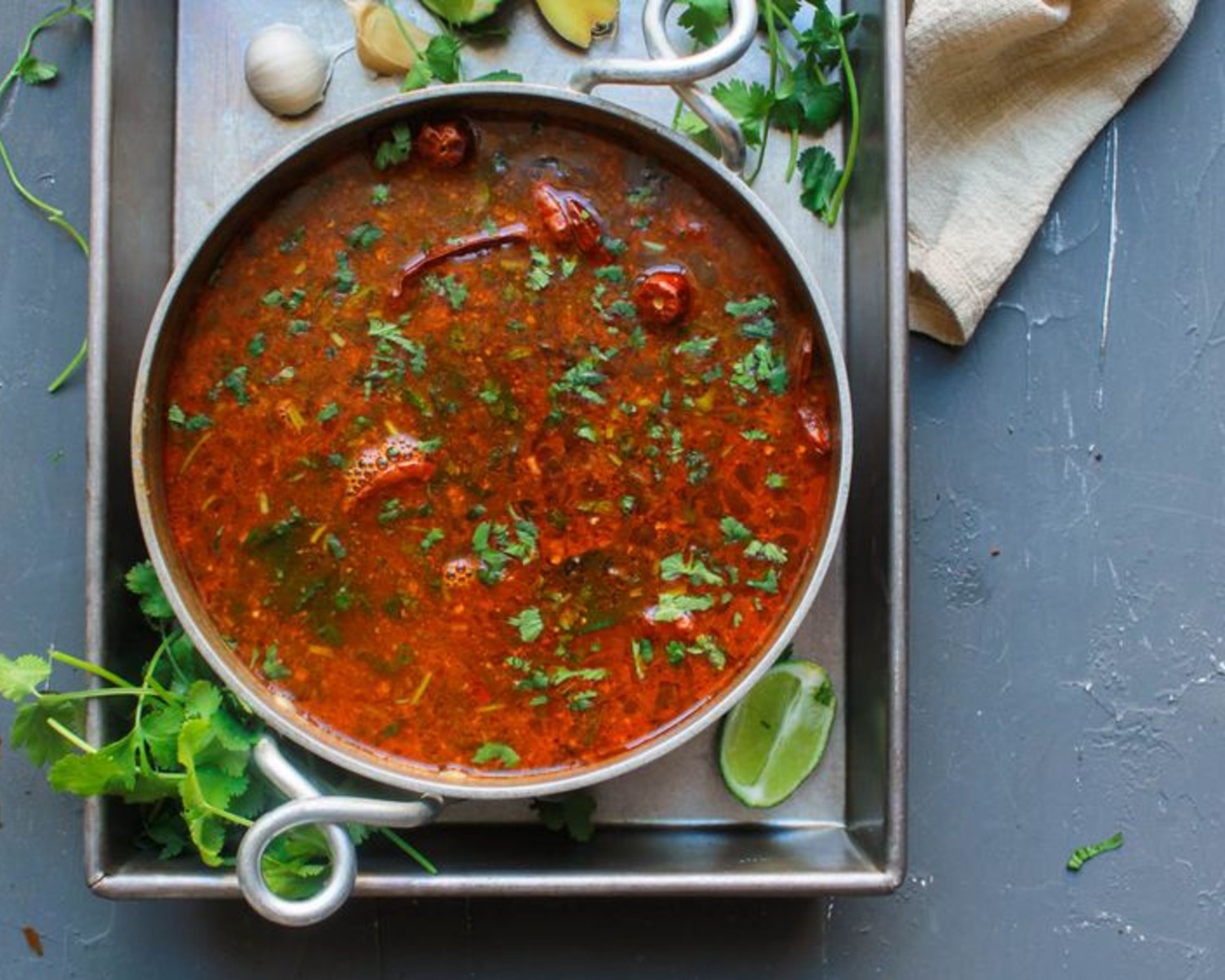
Tamil Nadu cuisine represents South India's culinary excellence—authentic, vegetable-focused, intensely flavored with spices. From the famous idli-dosa breakfast culture to elaborate rice meals (sambhar, rasam, pickle), from coastal seafood curries to temple-offered dishes (prasad)—Tamil cuisine balances simplicity with sophistication. Coconut, tamarind, and spices create flavor profiles distinct from North India. Every meal reflects cultural values: vegetarianism (60%+ vegetarian), community sharing (meals served on banana leaves in temples), and respect for food as sacred offering.
Idli

Dosa
Sambar
Rasam
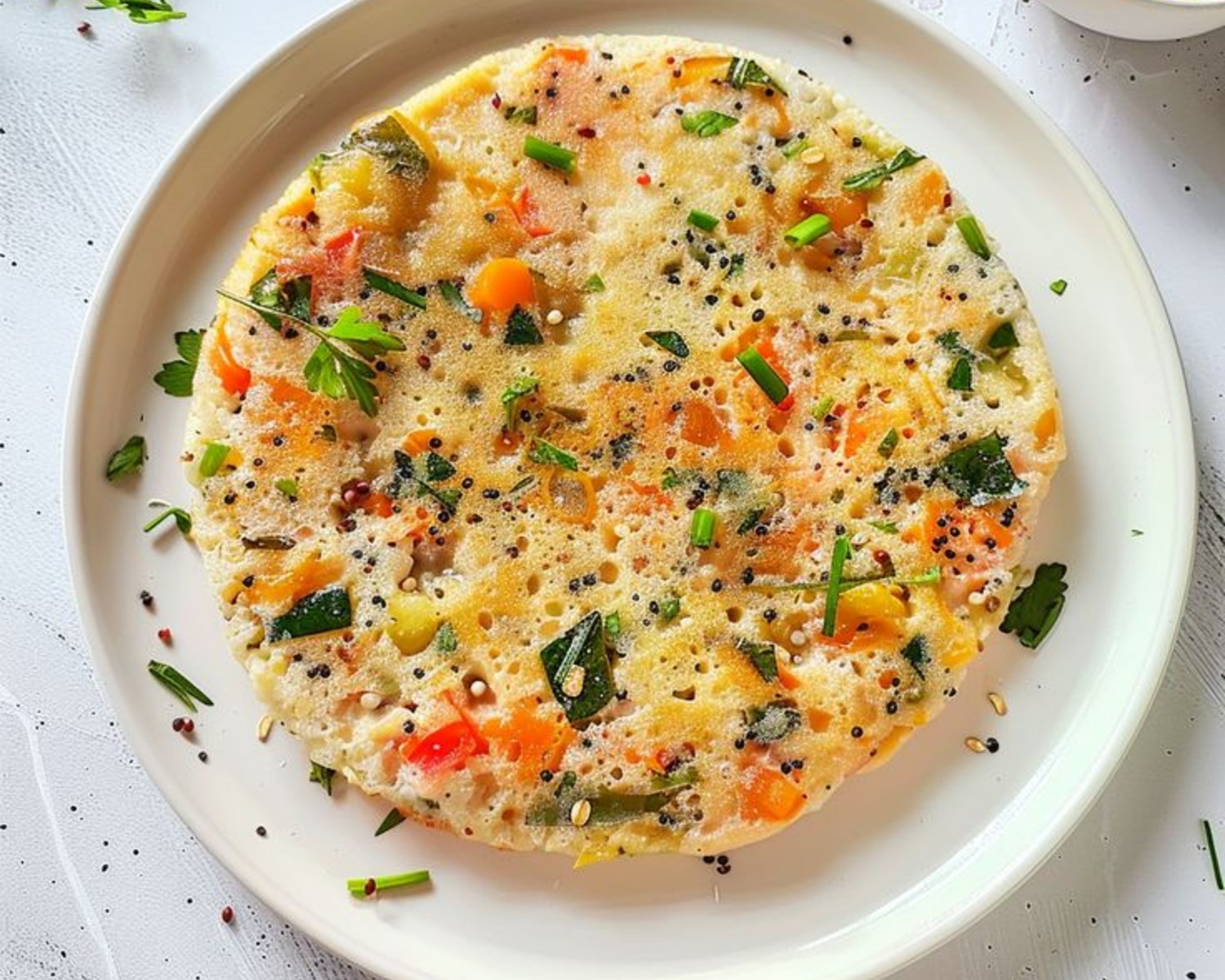
Uttapam

Chettinad Chicken Curry
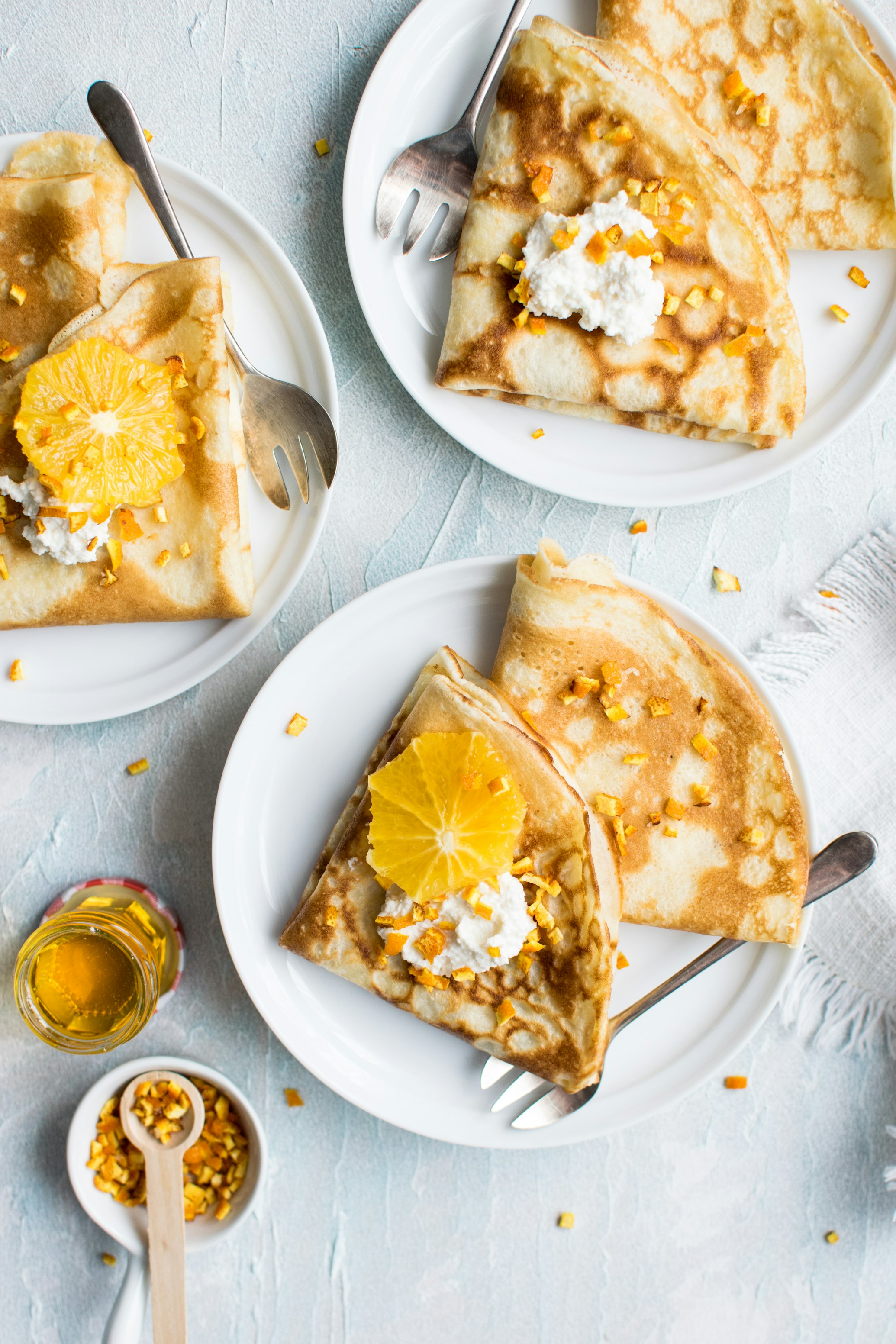
Payasam
Where to Eat
Local Restaurants (Sappadu Kadai)
Family-run eateries serving authentic Tamil cuisine. Thalis, sambar, rasam, idli, dosa. ₹150-400 per person. Authentic, budget-friendly.
Irani Cafes & Tea Shops
Old-world charm cafes serving filter coffee, bun, tea. Heritage dining. ₹80-200. Found especially in Chennai, Madurai.
Street Food Stalls (Kadai)
Idli, dosa, sambar, chutney vendors. ₹20-100 per item. Authentic, safe, budget-friendly. Everywhere in Tamil Nadu.
Temple Lunch (Prasad)
Traditional South Indian lunch after temple visits. Served on banana leaves. Vegetarian, pure, spiritual. ₹50-200. Heritage experience.
Dining Etiquette
- •South Indian meals sacred experience—respect the ritual and flavors.
- •Right hand for eating. Rice mixed with sambar, rasam, pickle forms complete meal.
- •Thali meals: rice/bread base with multiple curries, vegetables, sambar, rasam, pickles. Dessert (payasam) at meal's end.
- •Tipping not mandatory but ₹50-100 appreciated for good service.
- •Vegetarian meals (60%+ of region) form cultural basis—widespread vegetarian restaurants.
- •Temple meals (prasad) offered freely—accept with gratitude. Banana leaf dining traditional.
- •Most eateries open 6 AM-10 PM; breakfast rush 6-10 AM, dinner rush 7-9 PM.
- •Spice levels adjustable—inform restaurants if you prefer mild.
Signature Drinks
Shop & Bring Home
Tamil Nadu shopping reflects ancient craftsmanship, temple art, and modern commerce—handwoven silk sarees (Kanchipuram, Madurai), Chikhalwari embroidery, bronze sculptures, terracotta, leather goods, and spices. From bustling textile markets to quiet temple shops, from air-conditioned malls to open-air bazaars—Tamil Nadu offers treasures for every traveler. Shopping is cultural immersion—negotiation, crowds, colors, and discoveries.
Silk & Textiles
- Kanchipuram Silk Sarees (hand-woven)
- Madurai Silk Sarees
- Cotton Sarees
- Dhoti & Veshti (traditional menswear)
- Ethnic Dress & Fabrics
Art & Handicrafts
- Bronze Sculptures (Chola-style)
- Terracotta Pottery
- Stone Carvings
- Tanjore Paintings (gold foil art)
- Wooden Handicrafts
Spices & Food Products
- Black Pepper (Peppercorn)
- Cloves, Cinnamon, Cardamom
- Jaggery & Palm Sugar
- Tamarind, Coconut
- Traditional Spice Powders (sambar powder, rasam powder)
Jewelry & Accessories
- Temple Jewelry (Navaratna stones)
- Traditional Earrings (Jimikki)
- Bindi & Kumkum
- Bangles (Glass, Lac, Metal)
- Traditional Ornaments
Where to Shop (Local Hubs)
Kanchipuram Silk Market (Kanchipuram)
Handwoven Silk Sarees
"World-famous Kanchipuram silk sarees—hand-woven for generations. Silk weavers work in small units. Visit weaver communities directly for best prices and authenticity. UNESCO-recognized craft."
Madurai Meenakshi Temple Market
Temple Goods & Traditional Items
"Vibrant market surrounding temple. Flowers, garlands, religious items, handicrafts, souvenirs. Traditional Tamil shopping experience. Negotiate fiercely."
Pondy Bazaar (Chennai)
Textiles & Fashion
"Chennai's famous shopping street. Textiles, sarees, fabrics, ethnic wear. Crowded, vibrant, authentic. Bargaining expected."
Tiruppur Textile Market (Tiruppur)
Cotton & Ready-mades
"World's cotton knitwear capital. Textile wholesale market. Budget prices for authentic Indian cotton garments."
Modern Malls (Chennai/Coimbatore)
Contemporary Shopping
"Fomento, Express Avenue (Chennai), Phoenix Market City (Coimbatore). International brands, Indian designers, cinemas, restaurants. Fixed prices, air-conditioned."
On the Move
Main Airport
MAA (Chennai)
15 km from center; international and domestic flights
Taxi Apps
Ola/Uber
Safe, affordable, widely available in cities
Railways
Extensive Network
Chennai Central, Madurai, Trichy major stations
Airport Arrival
Indira Gandhi Domestic Airport (MAA - Chennai) is main gateway, located 15km south of city center. Journey: 30-45 minutes by taxi, 45-60 minutes by metro/bus. Alternative airports: Coimbatore (CJB), Trichy (TRZ) serve regional travel.
Travel Tech
Travel Tips
Chennai Metro among India's best systems—modern, clean, punctual.
Download Ola/Uber apps before arrival for safe, transparent pricing.
Hill station drives beautiful—Nilgiris, Ooty, Kodaikanal scenic routes.
Train journeys offer authentic experience—2-tier AC comfortable for long journeys.
Roads excellent—Tamil Nadu has among best road infrastructure in India.
Auto-rickshaws metered—negotiate fares for longer distances.
Chennai traffic intense during rush hours (8-10 AM, 5-8 PM)—plan buffer time.
Intercity Travel
Indian Railways
Trains to Madurai (6h), Trichy (5h), Coimbatore (7h), Ooty (8h). Comfortable sleeper/AC classes. Book in advance. ₹500-₹2,500 depending on class.
State Transport Buses (SETC)
Affordable inter-city travel. Sleeper buses available. Routes to all Tamil Nadu cities and Kerala/Karnataka. ₹400-₹1,500 per route.
Private Drivers
Best for customized temple tours, hill station visits, Nilgiris exploration. Hotels arrange. ₹2,500-₹4,000/day depending on destination.
Car Rental
International license recognized. Drive on left. Roads excellent (Tamil Nadu among best road infrastructure in India). ₹2,500-₹5,000 daily.
BakıKart
No universal card system in most states. Chennai Metro accepts metro cards. Pay per journey in rupees or digital payment.
Visa Entry
No Visa Required for Indian Citizens
Tamil Nadu is part of India—no visa needed for Indian citizens. Domestic travel within India requires valid ID (Aadhaar, PAN, Passport, or Driving License). For foreign nationals, standard Indian visa applies (same for entire country).
For Indian Citizens: Book flights and accommodation directly. No visa processing needed.
For Foreigners: Apply for Indian visa through official portal or embassy.
Standard Indian e-Visa valid for 30/1 year multiple entry.
Passport valid for 6+ months beyond intended stay required.
No special permits needed for temples, beaches, hills—open to all registered visitors.
Extended stays (>2 months): Register with Foreigners Regional Registration Office (FRRO) in Chennai.
Registration
Penalty: Minimal—casual enforcement for short-term tourists. Long-term stays require registration.
Entry Requirements
- • Valid identity proof (Aadhaar, PAN, Passport, Driving License) for Indian citizens
- • Passport (for foreigners) with 6+ months validity
- • Proof of accommodation (hotel booking or guesthouse address)
- • Contact details of accommodation provider
- • No visa fee for Indian citizens within India