Uttar Pradesh
factsheet
The Heart of India—Where the Taj Mahal echoes eternal love, ancient temples pulse with devotion, and Mughal grandeur meets spiritual awakening in the sacred Ganges.
The Essentials
Best Time
Oct - Feb
Currency
INR (₹)
Climate
Tropical Monsoon
Time Zone
UTC+5:30
Language
Hindi / Urdu
Visa
Free (Indians)
Capital
Lucknow
Population
23.3 Cr
Calling Code
+91
Power Plug
Type C, D, M (230V)
Tipping
₹20-50 appreciated (10% optional)
Emergency
100 (Police) / 101 (Fire) / 102 (Ambulance)
History & Heritage
The Saga of Empires and Eternal Love
Uttar Pradesh, India's heartland, is a living canvas of civilization spanning millennia. From ancient kingdoms to the apex of Mughal splendor, UP has been the epicenter of Indian history, culture, and spirituality. The Taj Mahal stands as the world's greatest monument to love, while Ayodhya rises as the spiritual pillar of Hinduism. Varanasi flows with the sacred Ganges, and Mathura echoes with Krishna's divine leelas. UP is not merely a state—it is the soul of India, where empires rose, hearts were forever immortalized in marble, and every street whispers millennia-old stories.
Ancient Kingdoms (85,000-6000 BC)
Archaeological evidence reveals continuous human habitation dating back 85,000-73,000 years ago. By 6000 BC, the region saw domestication and early settlements along the Ganges plains. These ancient civilizations established agricultural societies that became the foundation of Indian culture and spiritual traditions.
Vedic & Classical Periods (1500 BC - 1000 AD)
Uttar Pradesh was the birthplace of Vedic civilization and Sanskrit literature. The Ganges Valley became the philosophical and spiritual center of Hinduism. Mathura and Agra regions emerged as centers of Buddhist and Hindu learning. The Maurya Empire (322-185 BC) under Ashoka spread Buddhism from here to Asia.
Medieval Period - Sultanates (1000-1526 AD)
Delhi Sultanates ruled northern UP. Sikandar Lodi (1487-1517) established Agra as his capital, constructing the first Agra Fort. The region became a melting pot of Islamic and Hindu cultures, creating unique Indo-Islamic art and architecture traditions. Sufi mysticism flourished, influencing Urdu poetry and Awadhi cuisine.
Mughal Empire Golden Age (1526-1707)
Babur invaded India (1526), establishing the Mughal Empire. Akbar (1556-1605) built Agra Fort (1565-1573) and Fatehpur Sikri (1569), making Agra his capital. Under his rule, UP became a center of art, architecture, and administration. Shah Jahan (1628-1658) immortalized love by building the Taj Mahal (1632-1648) for his beloved wife Mumtaz Mahal—employing 20,000 artisans and costing ₹32 million.
British Colonial Era (1757-1947)
Following the Battle of Plassey, British East India Company gradually gained control. UP became the administrative core of British India. The 1857 Rebellion originated in Meerut and raged across UP. The Indian National Congress was founded in Calcutta but drew massive support from UP's independence movement, with figures like Pandit Jawaharlal Nehru hailing from Allahabad.
Modern Era & Independence (1947-Present)
Uttar Pradesh became India's largest state by population (23.3 crore people). It remains the political and cultural heartland. With the Ram Temple's inauguration in Ayodhya (January 2024), UP has emerged as the epicenter of spiritual tourism, attracting 135.5 million pilgrims in 2024 alone. Today, UP balances 3 UNESCO World Heritage Sites (Taj Mahal, Agra Fort, Fatehpur Sikri) with modern aspirations.
Spotlight: The Taj Mahal - The World's Monument to Love
An ivory-white marble mausoleum on the right bank of the Yamuna River in Agra, commissioned in 1631 by Mughal Emperor Shah Jahan to house the tomb of his beloved wife Mumtaz Mahal. Construction began in 1632 and was completed in 1648, with subsequent work on the mosque and gateway extending to 1653. The complex covers 42 acres and employs sophisticated architectural symmetry with Indo-Islamic design. Marble inlay work features semi-precious stones in intricate floral patterns. The 122-meter dome and four minarets create a harmonious silhouette visible across Agra. Designated UNESCO World Heritage Site in 1983, it has transcended being a monument to become a universal symbol of love, loss, beauty, and the human capacity to create timeless masterpieces that echo across centuries and cultures.
Taj Mahal Built
1632-1648
Shah Jahan's monument to eternal love; 16 years construction
Ayodhya Pilgrims
135.5 Million
2024 visitors after Ram Temple inauguration; #1 destination
Agra Fort Completed
1573 CE
Akbar's red sandstone fortress; 2.5 km walls
UNESCO Sites
3
Taj Mahal, Agra Fort, Fatehpur Sikri
Climate & Time
Time Zone
Standard
UTC+5:30 (IST - Indian Standard Time)
Difference
Same as India Standard Time (IST)
🎯 Best Months
October, November, December, January, February
Climate
The climate in Varanasi varies significantly by region, offering a diverse range of weather conditions from coastal areas to mountain peaks.
Winter (Seeta)
Dec – Feb
7–23°C
Ideal tourism season. Clear skies, pleasant daytime temperatures. Early mornings cold (2-10°C). Fog possible mid-December to late January, causing travel delays. Best for Taj Mahal visits, temple exploration, and outdoor activities.
Spring (Basanta)
Mar – May
15–42°C
March comfortable (20-30°C); April-May scorching heat (36-45°C). Temperatures peak in May. Dust storms common. Holi celebrations (March-April). Pre-monsoon thunderstorms from late March. Tourist season ends; not recommended for peak travel.
Monsoon (Barsha)
Jun – Sep
25–34°C
Heavy rainfall (85% of annual precipitation). July-August most humid. Moderate temperatures but high humidity. Road conditions challenging. Festivals: Krishna Janmashtami (Aug), Ganesha Chaturthi (Sep). Ideal for green landscapes, fewer tourists, budget travel.
Autumn (Sarata)
Sep – Oct
20–32°C
Post-monsoon transition. Clear skies return. Dussehra (Sep-Oct), Durga Puja celebrations. Comfortable temperatures. Green vegetation peaks. Tourist numbers increase. Excellent for sightseeing, heritage walks, and outdoor festivals. Tourism season begins.
Seasonal Packing List
Language Guide
Official Language
Hindi (Khari Boli - standard form)
Hindi is the official language of Uttar Pradesh and is the basis for Modern Standard Hindi used across India. Uttar Pradesh boasts extraordinary linguistic diversity, with Urdu, Awadhi, Bhojpuri, Braj Bhasha, and other regional dialects reflecting the state's multicultural heritage. English is increasingly common in tourism and urban areas. The state's linguistic richness is inseparable from its history of cultural synthesis—Mughal influences blended with Hindi traditions create unique linguistic expressions.
Local Signage
Essential Phrases
Hello
Namaste
Thank you
Dhanyavaad
Goodbye
Phir milenge
Yes / No
Haan / Nahi
Please
Meherbani se
Excuse me
Ksama kijiye
How much?
Kitne ka hai?
Where is...?
...kahan hai?
Currency & Money
Official Currency
Indian Rupee
₹ (INR)
Exchange Rates
Denominations
Banknotes
10, 20, 50, 100, 200, 500, 2000 INR
Coins
1, 2, 5, 10 INR
Culture & Vibes
Spiritual Devotion Meets Mughal Grandeur & Welcoming Warmth
"Uttar Pradesh embodies India's spiritual soul and historical grandeur in equal measure. The state is a spiritual epicenter where Hindu pilgrimage traditions, Islamic Mughal legacy, and Buddhist heritage coexist harmoniously. UP's culture is characterized by profound devotion to deities (especially Rama and Krishna), reverence for the sacred Ganges, and celebration of festivals with communal fervor. The Lucknowi tradition of Tehzeeb (refined culture) emphasizes courteous hospitality, artistic expression, and intellectual discourse. Contemporary UP balances ancient traditions with modern aspirations, where a devout pilgrim in Varanasi coexists with a young entrepreneur in Lucknow's startup ecosystem. The state's warmth and hospitality are legendary—'Atithi Devo Bhava' (the guest is God) is not just a phrase but a lived reality."
Temple Etiquette
Remove shoes before entering temples; footwear placed outside. Women and men may have separate prayer areas. Dress modestly (shoulders, knees, hair covered for women). Photography often prohibited in inner sanctums. Accept prasad (blessed offerings) with right hand. Never turn your back to the deity.
Religious Respect
All faiths are respected. Hindu temples welcome pilgrims of all backgrounds. Mosques prohibit shoes and require modest dress. Buddhist sites (Kushinagar) encourage respectful silence. Christian churches (esp. in Lucknow) welcome visitors. Avoid loud conversations and irreverent behavior near sacred spaces.
Festival Participation
Holi (color festival) and Diwali welcome all participants. Ramadan observances respected. Durga Puja in Cuttack (neighboring state) celebrates communally. If invited to homes during festivals, accept prasad and blessings graciously. Participate if invited; it's cherished social bonding.
Family & Social Hierarchy
Family is paramount. Elders receive utmost respect—stand when greeting them, offer seats. Public displays of affection rare outside urban centers. Arranged marriages still common; respect family bonds. In traditional settings, women cover more conservatively.
Essential Dos
- • Visit temples during dawn or dusk for serene spiritual experiences
- • Participate in Holi (March), Diwali (Oct-Nov), and Eid celebrations; festivals welcome all
- • Learn basic Hindi greetings; locals appreciate the effort and effort
- • Haggle respectfully at bazaars; it's culturally expected and part of commerce
- • Accept prasad (temple offerings) graciously; it's blessed spiritual food
- • Remove shoes when entering homes and temples
- • Compliment Lucknowi hospitality and Awadhi cuisine; locals take pride
- • Explore night markets (Lucknow's Chowk) and street food scenes
- • Support local artisans by purchasing Chikankari sarees, Banarasi silks, and marble crafts
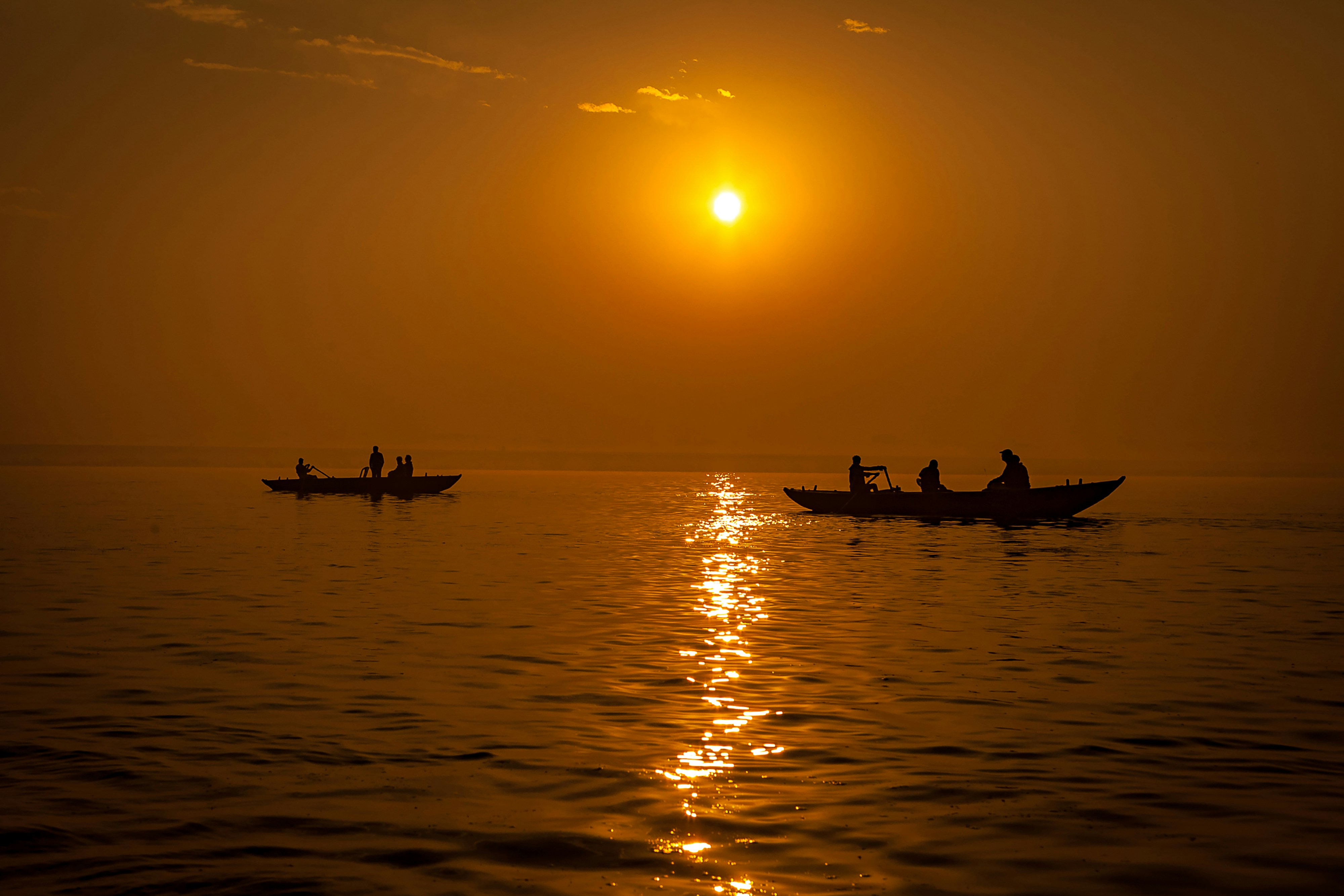
- • Take Ganga Aarti boat rides in Varanasi at sunset; unforgettable spiritual experience
Essential Don'ts
- • Don't wear shoes in temples or homes; it's disrespectful
- • Don't photograph deities or inner sanctums without explicit permission
- • Don't touch sacred objects (altars, ritual items) without consent
- • Don't disrespect Indian leaders, independence fighters, or cultural symbols in public
- • Don't eat beef in Hindu-majority areas; beef is culturally offensive
- • Don't consume pork publicly in Muslim-majority areas (Lucknow's Old City)
- • Don't point feet at people while sitting; deeply disrespectful
- • Don't refuse prasad or offered food; culturally insulting
- • Don't litter in temples or sacred ghats; preservation is everyone's duty
- • Don't discuss sensitive regional politics (Ayodhya-Babri mosque history); tread lightly
Specific Etiquette
Dining Etiquette
Eat with right hand; left hand traditionally unclean. Bread/rice placed on plate or leaf. Sharing meals signifies community. Finishing food on plate shows respect. Accept tea/water offered graciously. In traditional settings, women may eat after men; respect family customs. Compliment cook's skills; food preparation is valued art.
The Royal Flavors of Mughal India
Uttar Pradesh's cuisine is a centuries-old culinary masterpiece reflecting Mughal grandeur, Awadhi royal traditions, and diverse regional influences. The state's food culture spans from the delicate hand-embroidered Lucknowi Biryani (slow-cooked in earthen handi) to the tangy street chaat of Varanasi. UP's cuisine balances vegetarian spirituality (temple offerings) with sophisticated meat delicacies, elaborate spice blends, and the use of premium ingredients like saffron, cardamom, and dried fruits. Every dish tells a story of emperors, saints, merchants, and centuries of culinary evolution.
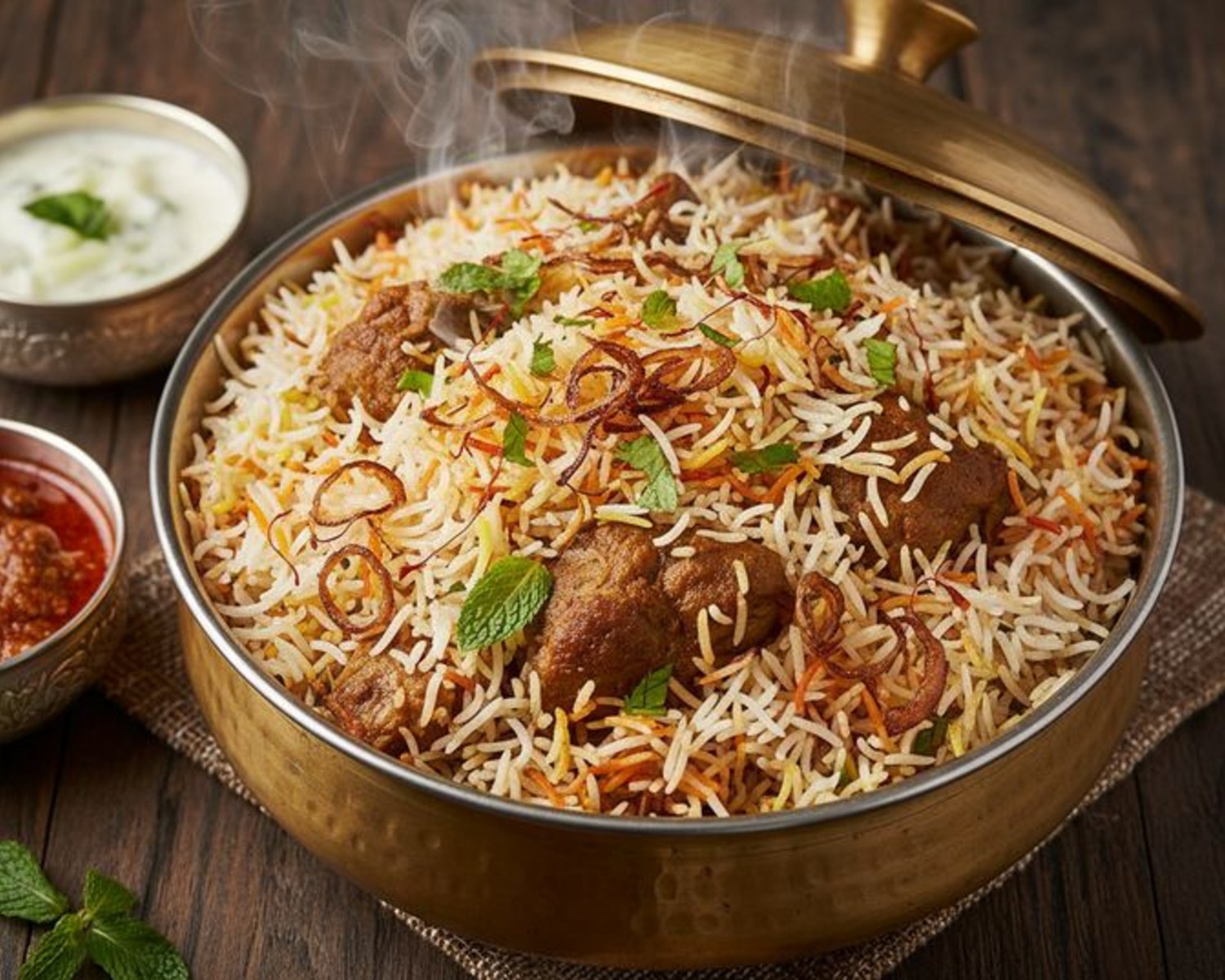
Lucknowi Biryani
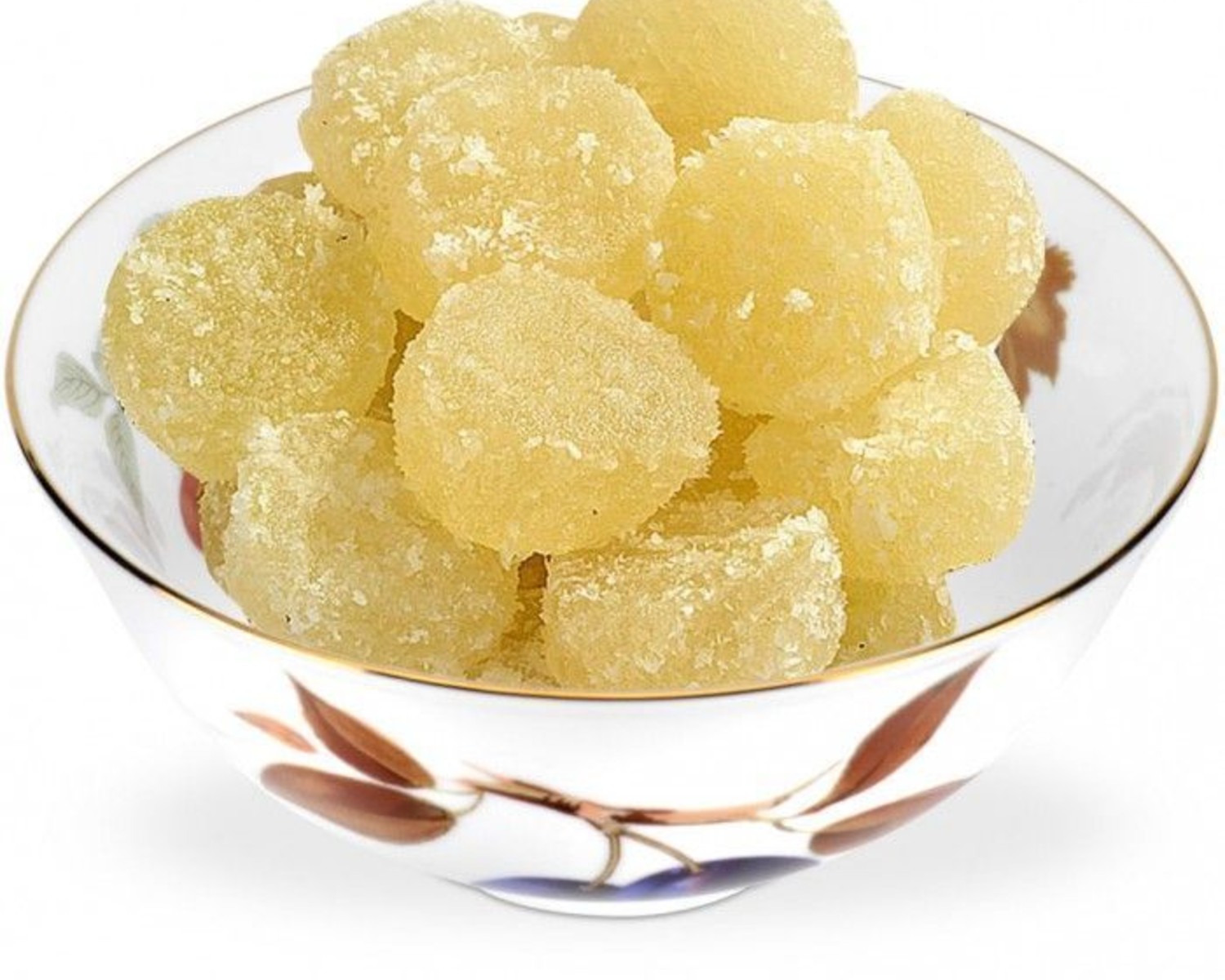
Agra Petha
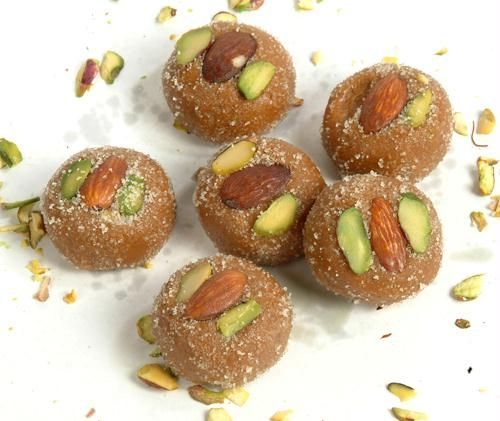
Mathura Peda
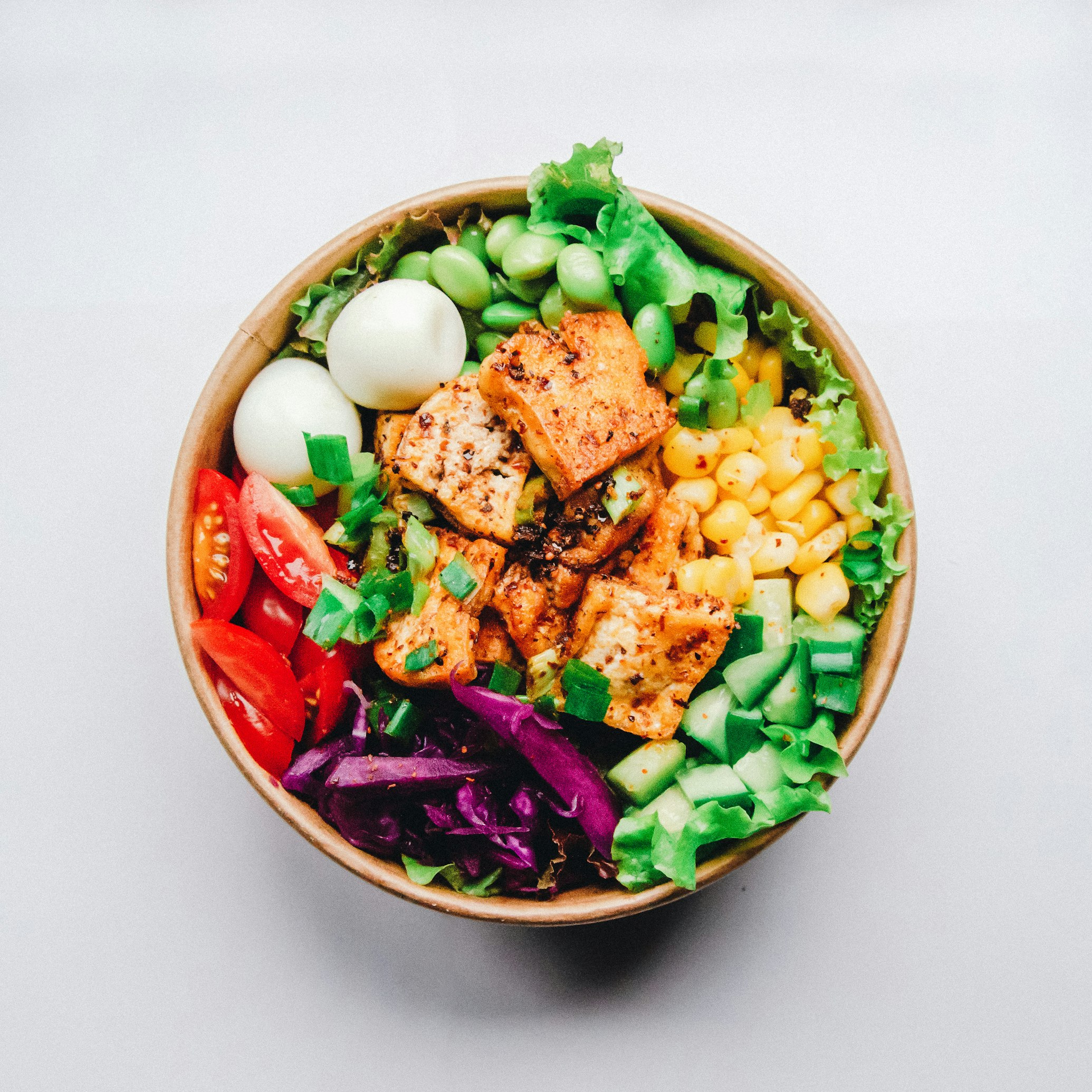
Baati Chokha
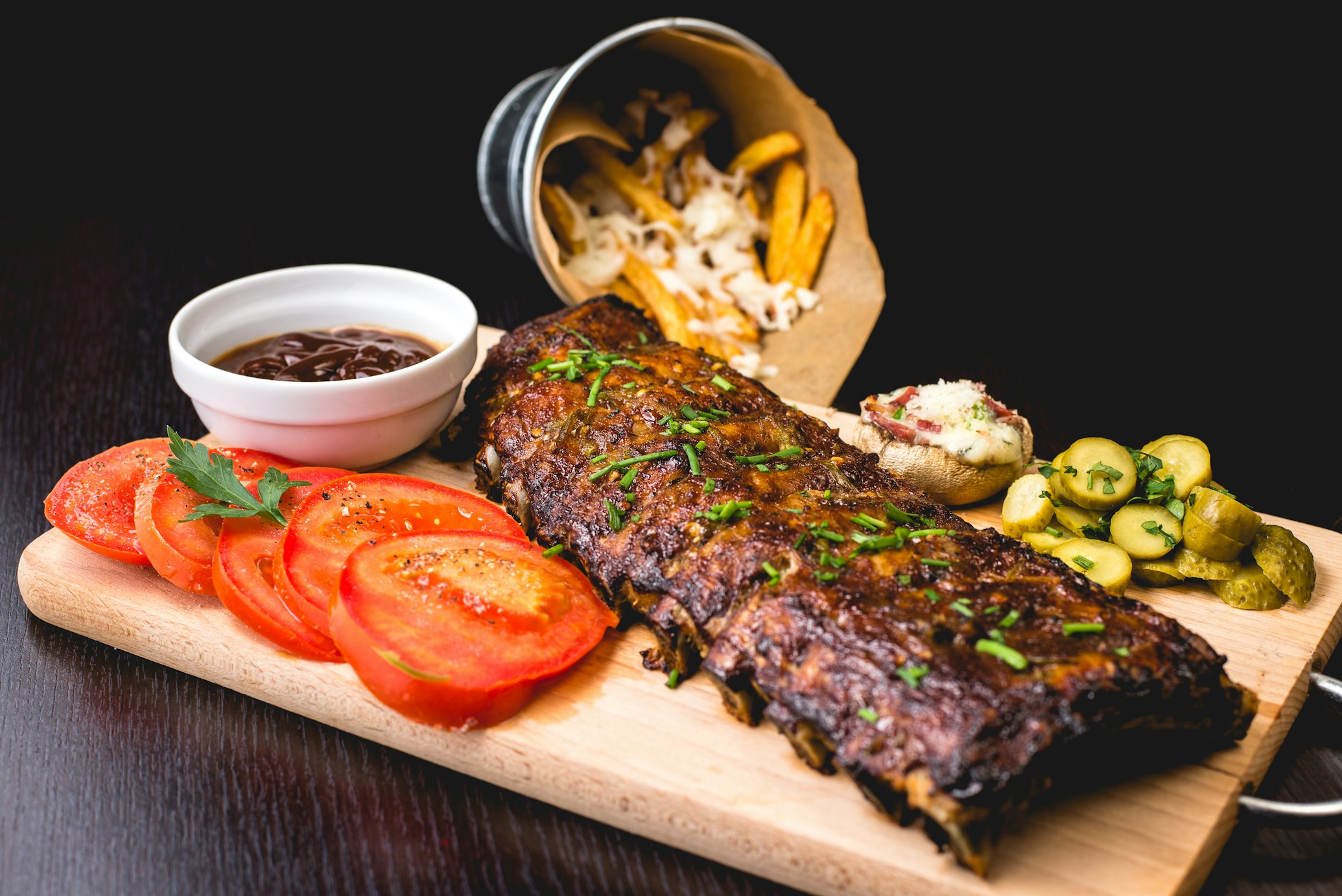
Kebab & Paratha

Kulcha-Nihari

Varanasi Ghugni
Where to Eat
Temple Kitchens & Prasad Counters
Jagannath Temple (Varanasi), Ram Mandir (Ayodhya), Kashi Vishwanath (Varanasi) serve free blessed meals. Authentic, spiritually significant, deeply economical. Best times: noon-2 PM (lunch distribution). No booking; open to all faiths (Free/₹10-50 donation).
Traditional Restaurants (Awadhi Khana)
Family-run eateries serving authentic Lucknowi biryani, kebabs, nihari, kulcha. Casual ambiance, authentic taste. Chowk area (Lucknow) famous (₹150-300 per plate). Established restaurants with multi-generational recipes.
Street Food Stalls & Bazaars
Kebab vendors, chaat stalls, samosa shops, chai kiosks. Lucknow's Chowk, Varanasi's Godaulia Chowk, Agra's Kinari Bazaar. Authentic, fresh, budget-friendly (₹20-100 per item). Experience true street food culture.
Ghats & Riverside Cafes
Varanasi's Ganges ghats with cafes serving chai, snacks, light meals. Spiritual + culinary experience with river views. Casual, atmospheric, budget (₹50-200 per meal).
Modern Hotels & Fine Dining
Lucknow and Agra have upscale restaurants serving Mughlai, North Indian, and international cuisine. Air-conditioned, fixed prices, family-friendly (₹400-1,500+ per plate).
Dhabas (Roadside Restaurants)
Along highways connecting major cities. No-frills, hearty meals (dal, roti, curries, occasional meat). Popular with truck drivers and travelers. Budget (₹80-150 per meal). Authentic, quick service.
Dining Etiquette
- •Meals are social affairs; rushing considered rude. Take time to enjoy, converse, connect.
- •Rice and wheat bread are staple starches; most meals revolve around them with curries/vegetables.
- •Eating with right hand is traditional; left hand considered unclean in older generations.
- •Bread placed on plate or leaf; never waste or place upside down—bread is sacred.
- •Accepting offered food shows respect and friendship; refusing can be insulting in household settings.
- •Temple prasad (blessed offerings) consumed with gratitude and respect.
- •Most traditional restaurants open 11 AM–10 PM; street vendors operate sunrise to late night.
- •Vegetarian options abundant; inform restaurants of dietary restrictions well in advance.
- •Tipping: 10% service charge often included; additional ₹20-50 appreciated for good service.
- •Alcohol (beer, whiskey, wine) available in restaurants; consumption personal choice and contextual.
Signature Drinks
Shop & Bring Home
Uttar Pradesh's shopping reflects centuries of Mughal craftsmanship, royal traditions, and spiritual artistry. From the delicate hand-embroidered Lucknow Chikankari to the opulent Banarasi silk sarees, from intricate marble inlay work inspired by the Taj Mahal to brass handicrafts of Moradabad—every purchase tells a story of generational mastery. Shopping in UP means supporting centuries-old traditions and artisan families who keep these crafts alive. Each bazaar offers a unique experience: bustling with commerce, history, and cultural pride.
Textiles & Embroidery
- Lucknow Chikankari (white embroidery)
- Banarasi Silk Sarees (zari gold/silver work)
- Chanderi Sarees (lightweight cotton)
- Kota Doria Sarees
- Awadhi Turbans
- Embroidered Fabrics
Marble & Stone Carving
- Marble Inlay Work (Taj Mahal motifs)
- Stone Replicas of Taj Mahal
- Marble Tabletops & Decorative Items
- Agra Stone Panels
- Marble Jewelry Boxes
Brass & Metal Crafts
- Moradabad Brass Vases & Bowls
- Engraved Brass Decorative Items
- Copper Kitchenware
- Dhokra Castings (tribal art)
- Decorative Bells & Statues
Sweets & Specialties
- Agra Petha (pumpkin candy)
- Mathura Peda (milk fudge)
- Lucknowi Biryani Spices
- Jaggery & Honey Products
- Dry Fruits & Nuts
Art & Handicrafts
- Miniature Taj Mahal Paintings
- Traditional Pichwai (temple art)
- Wooden Furniture (Saharanpur carving)
- Carpet & Rugs (Mirzapur)
- Pottery & Ceramics
Where to Shop (Local Hubs)
Lucknow Chowk
Heritage Old City & Awadhi Culture Hub
"Chaotic, vibrant, legendary. Narrow lanes lined with jewelry, textiles, spices, kebab vendors, sweets shops. Home of Lucknowi Chikankari emporiums, Urdu bookstores, traditional eateries (Tundey ke Kebab). Pure Lucknow culture experience."
Hazratganj Market (Lucknow)
Modern Shopping & Heritage Blend
"Lucknow's main commercial hub. Mix of boutiques, textile shops, jewelry stores. Chikankari salwar suits, traditional sarees. Restaurants, cafes, government emporiums (Handloom House)."
Agra Sadar Bazaar & Taj Ganj
Taj Mahal Area Shopping
"Post-visit shopping zone. Marble inlay shops, Taj replicas, tourist items. Kinari Bazaar (traditional goods). Shilpgram Crafts Village (curated artisan pieces). Bargain essential; negotiate 20-40%."
Varanasi Bari Bazar
Banarasi Silk Saree Epicenter
"World's largest concentration of Banarasi silk weaving. Zari work (gold/silver), traditional patterns. Meet weavers directly; lower prices than retail shops. Must-visit for silk saree connoisseurs."
Moradabad Peetal Nagri
Brass City Hub
"Brass capital of India. Wholesale and retail shops. Vases, bowls, decorative items. Factory tours available. Excellent prices; visit on weekdays for quieter experience."
Mirzapur Carpet Markets
Hand-Knotted Carpet Weaving Center
"Carpet weaving heritage. Watch artisans craft hand-knotted rugs. Purchase directly from weavers for best prices. Carpets authentic, high quality."
Saharanpur Wood Carving District
Furniture & Inlay Work Specialist
"Renowned for intricate wood carving and inlay work (marble, mother-of-pearl). Factory outlets, showrooms. Furniture embellished with traditional designs. Export quality pieces."
On the Move
Major Airports
LKO, AGR
Lucknow & Agra; flights to Delhi, Mumbai, Bengaluru, etc.
Taxi Apps
Uber/Ola
Reliable, affordable, safe in major cities
Railways
Major Hub
Lucknow Railway Station; trains to Delhi, Kolkata, Mumbai, Chennai
Airport Arrival
Lucknow's Chaudhary Charan Singh International Airport (LKO) is the main gateway for North UP, located 15 km from city center. Agra's Pandit Deen Dayal Upadhyay Airport (AGR) serves Agra and surroundings, 5 km from city. Journey times: 20-30 minutes by taxi from airports to respective city centers.
Travel Tech
Travel Tips
Book trains well in advance, especially during festivals (Diwali, Holi) and peak season (Oct-Mar).
Uber/Ola safer than negotiating with auto-rickshaws, especially for solo travelers and women.
NH2 and NH19 highways well-maintained; consider scenic route from Lucknow to Agra via Kanpur.
Motorcycle rentals available (₹300-500/day) for adventurous travelers; helmets mandatory.
UPSRTC has reservation system; online booking at upsrtc.up.gov.in ensures confirmed seats.
Traffic heavy in Lucknow during peak hours; allow extra time for city navigation.
Overnight trains comfortable for long distances; saves on accommodation.
Prepaid taxi booths at airports guarantee fixed rates without surge pricing.
During monsoons (July-Sep), some roads flood; check condition before traveling.
Intercity Travel
Trains (Indian Railways)
Lucknow Railway Station is East Coast Railway hub. Trains to Delhi (8-12h), Kolkata (16-24h), Mumbai (24-30h), Chennai (36-48h), Varanasi (6-8h), Prayagraj (5-7h). Classes: Sleeper, 3AC, 2AC, 1AC. Book via IRCTC.co.in. Fares: ₹300-3,000+ depending on distance/class.
Lucknow to Agra Route
Distance: 230 km. Train: 5h 14min daily (₹220-1,800). Bus: 6h 51min (₹300-600 Volvo AC). Flights: Via Delhi or direct to Agra (if available). Driving: 3h 47min by car/taxi (₹1,500-2,000).
Buses (UPSRTC & Private)
State-owned UPSRTC connects all districts. Private operators (Shree, Rajdhani) offer comfort buses. Lucknow to Agra (~₹300-600), Lucknow to Varanasi (~₹400-700). Deluxe AC available. Depart when full—less predictable than trains.
Taxis & Car Rentals
Hire through hotels (₹2,000-4,000/day with driver) or car rental agencies (₹1,000-2,000/day self-drive). International driver's license required. Roads well-maintained on major routes; NH2 and NH19 reliable. Petrol stations abundant.
Flights
Lucknow to Delhi: 2h flight (~₹3,000-6,000). Lucknow to Agra: Via Delhi or occasional direct flights. Book via Goibibo, MakeMyTrip, or airline websites. Domestic airlines: IndiGo, Air India, SpiceJet, Vistara.
BakıKart
State Transit Card (Under development): Unified card for buses in Lucknow and inter-city routes. Currently, cash payment on buses. Typical cost: ₹10-50 per ride depending on distance and type.
Visa Entry
Domestic Travel - No Visa Required for Indians
For Indian citizens, travel to Uttar Pradesh is unrestricted domestic tourism. No visas, permits, or registrations required. International visitors need valid Indian visa or eligible for e-Tourist visa. UP's tourism infrastructure welcomes visitors from all nations with appropriate documentation.
For Indians: Simply travel with valid national ID (Aadhaar, Passport, Voter ID, Driving License). No permits required anywhere in UP.
For Foreigners: Obtain Indian visa (Tourist/e-Tourist) before arrival OR apply for e-visa online (up to 60 days).
Upon arrival in UP, check-in with hotel/accommodation. Most hotels handle guest registration automatically.
Respect temple protocols: Dress modestly, remove shoes, follow posted rules. Photography may be restricted in inner sanctums.
Extended stays (60+ days) by foreigners may require registration with Foreigners Regional Registration Office (FRRO); hotels typically coordinate.
Registration
Penalty: Overstaying without proper registration can result in fines (₹500-2,000+) or deportation.
Entry Requirements
- • Valid national ID (Indians): Aadhaar, Passport, Voter ID, Driving License
- • Valid Passport (Foreigners): 6+ months validity beyond intended departure
- • Tourist Visa or e-Visa (Foreigners): Valid for duration of intended stay
- • Hotel confirmation or accommodation proof (for registration if required)
- • Travel insurance (recommended, especially for adventure activities)
- • Return ticket (proof of onward journey)
- • Vaccination records (if required by airline or destination country)