
varanasi
Varanasi
Varanasi tour packages take you to the holy Ganges River, where ancient ghats, evening Ganga Aarti, and deep spiritual vibes make it one of India’s top pilgrimage and travel destinations.
10+
packages
20k
Travelers
4.9
Rating
Many +
Activities
Explore
Destination Overview
About Uttar Pradesh
The Heart of India—Where the Taj Mahal echoes eternal love, ancient temples pulse with devotion, and Mughal grandeur meets spiritual awakening in the sacred Ganges.
Uttar Pradesh, India's heartland, is a living canvas of civilization spanning millennia. From ancient kingdoms to the apex of Mughal splendor, UP has been the epicenter of Indian history, culture, and spirituality. The Taj Mahal stands as the world's greatest monument to love, while Ayodhya rises as the spiritual pillar of Hinduism. Varanasi flows with the sacred Ganges, and Mathura echoes with Krishna's divine leelas. UP is not merely a state—it is the soul of India, where empires rose, hearts were forever immortalized in marble, and every street whispers millennia-old stories.
Best TimeOct - Feb
CurrencyINR (₹)
ClimateTropical Monsoon
Time ZoneUTC+5:30
LanguageHindi / Urdu
VisaFree (Indians)
CapitalLucknow
Population23.3 Cr
Best Time
Oct - Feb
Currency
INR (₹)
Climate
Tropical Monsoon
Time Zone
UTC+5:30
Language
Hindi / Urdu
Visa
Free (Indians)
Capital
Lucknow
Population
23.3 Cr
Why Choose varanasi?
The Taj Mahal - Monument to Eternal Love
Built between 1632-1648 by Mughal Emperor Shah Jahan, the Taj Mahal is the world's greatest architectural ode to love and loss. Constructed to immortalize his wife Mumtaz Mahal, who died in childbirth, this white marble mausoleum stands on the banks of the Yamuna River in Agra. It took 20,000 artisans 16 years to complete. White marble was quarried from Makrana, Rajasthan, and inlaid with semi-precious stones in intricate floral patterns. The 42-acre complex includes a mosque, guest house, and formal gardens reflecting Mughal aesthetics. Designated a UNESCO World Heritage Site in 1983 and named one of the Seven Wonders of the World, the Taj Mahal attracts over 5 million visitors annually.
Akbar's Fatehpur Sikri - The Ghost City
Emperor Akbar founded Fatehpur Sikri (1569) as his capital, blending Hindu and Islamic architectural styles. The city features the magnificent Jama Masjid (1571-72), Buland Darwaza (Gate of Magnificence) built to commemorate the conquest of Gujarat, and the Emperor's Palace complex. Though Akbar abandoned the city within decades due to water scarcity, it remains a stunning example of Mughal urban planning and architectural brilliance. The terracotta buildings, intricate lattice work, and courtyards showcase the height of 16th-century Indo-Islamic design.
Ayodhya's Ram Temple - The Spiritual Revolution
After 500 years of controversy and 35 years of construction, the Ram Temple was inaugurated in January 2024, catapulting Ayodhya to become India's #1 pilgrimage destination. Built where the 12th-century temple stood, the new Ram Mandir is a magnificent marble structure combining ancient architectural traditions with modern engineering. In just 9 months of 2024, Ayodhya attracted 135.5 million visitors—surpassing even the Taj Mahal. The temple embodies Hindu spirituality, national identity, and Indian resilience, making Ayodhya the epicenter of contemporary spiritual tourism.
Varanasi - The Holy City of Eternal Salvation
Varanasi (Banaras), one of the world's oldest inhabited cities (5,000+ years), is Hinduism's holiest pilgrimage site. Perched on the sacred Ganges River, Varanasi is where millions have sought moksha (liberation) for millennia. The ghats (riverbanks) host daily Ganga Aarti rituals, while pilgrims immerse themselves in the holy waters. Varanasi is also legendary for its Banarasi silk sarees with exquisite zari (gold/silver) embroidery—an indispensable part of Indian weddings. Spirituality, commerce, death, rebirth—Varanasi is India's ultimate contradiction and timeless soul.
Must-Experience Attractions
Taj Mahal at Sunrise (Agra)
Ganga Aarti at Dashashwamedh Ghat (Varanasi)
Agra Fort & Fatehpur Sikri
Krishna Temples in Mathura & Vrindavan
Ram Mandir Ayodhya (2024 consecration)
Boat Ride on the Sacred Ganges River
Varanasi Tour Packages
A Varanasi package costs roughly ₹20,000 to ₹42,000 per person, and getting there from South India is easier than most people realise: Bengaluru has around seven nonstop flights a day to Varanasi on three airlines, about two and a half hours, with daily nonstops from Hyderabad, Chennai and Mumbai too.
Varanasi rewards planning more than almost any Indian city, and for one specific reason: the day runs on temple time. The Kashi Vishwanath darshan queue stops completely during each of its five daily aartis. The evening Ganga Aarti at Dashashwamedh starts at a time that shifts through the year and needs a seat or a boat secured before it. Get those two schedules right and two nights is enough. Get them wrong and you spend the trip queuing.
Below: what darshan actually costs and how to book it through the temple’s own portal, real aarti timings, what the river does in monsoon, and Dev Deepawali on 24 November 2026 the one night the ghats are lit end to end.
Get a Varanasi quote →
Varanasi trip at a glance
Ideal duration | 2 nights for Varanasi alone; 3 nights to add Sarnath comfortably; 4–6 nights for the wider Uttar Pradesh spiritual circuit |
Cost from India | ₹20,000–₹42,000 per person depending on nights, hotel location and how many darshan and aarti slots you want booked |
Best season | October to March. October–November carries Ganga Mahotsav and Dev Deepawali; February–March is the calmest good weather |
Entry for Indians | Domestic no visa, no permit, no registration. A government photo ID is all you carry |
What needs booking ahead | Kashi Vishwanath darshan and aarti slots, and boats for any festival evening |
Coming up | Dev Deepawali, 24 November 2026 — lakhs of diyas across all 84 ghats. Rooms and boats book 6–8 weeks out |
Flights from South India | Bengaluru about 2h30m (around seven nonstops daily), Hyderabad about 2h, Chennai about 2h25m, Mumbai about 2h15m |
Main entry points | Lal Bahadur Shastri International Airport (VNS) at Babatpur, about 45–60 minutes from the ghats; Varanasi Junction (BSB) and Banaras (BSBS) by rail |
Do you need a visa or permit for Varanasi?
No. Varanasi is a domestic destination. There is no visa, permit, e-registration or advance step of any kind a valid government photo ID (Aadhaar, voter ID, driving licence or passport) covers travel and hotel check-in, and no permits are needed for Varanasi or Sarnath.
Getting here needs nothing. Getting your days right needs three things, and they’re the whole difference between a good Varanasi trip and a frustrating one:
1. The aarti schedules, which set the shape of every day here.
2. Darshan and aarti passes, booked ahead through the temple’s own portal.
3. The river’s condition, which in monsoon months decides whether boats run at all.
Each is covered below.
Kashi Vishwanath what darshan costs and how to book it
The temple is the reason most people come, and it is the part of the trip where a little preparation saves hours.
General darshan | Free. No booking needed. Queues commonly run one to several hours at peak times |
Sugam Darshan | An official paid fast-track ticket, booked in advance on the temple trust’s own portal. Substantially shorter wait for the same darshan |
Aarti attendance | Separately ticketed per aarti. The pre-dawn Mangala Aarti costs meaningfully more than the others and requires reporting well before the aarti itself for security screening |
Where to book | shrikashivishwanath.org the temple’s own portal, and the only one we use |
The scheduling rule that matters most: the darshan queue pauses completely during each of the five daily aarti windows. If you arrive mid-aarti you wait, whichever ticket you hold. We build every Varanasi itinerary around these windows rather than against them.
What you cannot carry inside: mobile phones, bags, cameras and leather items are prohibited. Cloakrooms exist nearby but add time. Travel light on your darshan morning — it changes how long the whole thing takes.
On the men outside offering “VIP darshan”: the temple’s official fast-track ticket is Sugam Darshan, at a published rate on the portal above. Prices quoted in the lanes outside are routinely several times that, sometimes for access that isn’t sold at all. We book through the temple’s own portal at the published rate and we’ll tell you exactly what it costs when we quote.
Get a quote with darshan passes booked →
The Ganga Aarti where to be, and when
The evening aarti at Dashashwamedh Ghat is the one everyone photographs: seven priests, brass lamps, conch shells, an hour of ritual on the riverfront. It is genuinely worth the crowd.
• The start time shifts with the season earlier through the winter, later in summer. We confirm the exact time for your dates rather than printing a number that’s wrong half the year.
• Arrive early or take a boat. Ghat seating fills well before the aarti begins. A boat on the river gives you the view the photographs are taken from, and is the better option for anyone who’d struggle standing in a crowd.
• Assi Ghat has a morning aarti Subah-e-Banaras that is quieter, gentler and often the one people remember more fondly. If you only have one aarti in you, consider this one.
• On Dev Deepawali the evening aarti is the longest of the year. See below.
Book aarti seating or a boat →
Dev Deepawali 24 November 2026
On Kartik Purnima, lakhs of earthen diyas are lit across all 84 ghats and the riverfront becomes a continuous line of light from Assi to Rajghat. It is the single most spectacular night in Varanasi’s year.
Date | Tuesday, 24 November 2026 (Kartik Purnima) |
What happens | Pre-dawn Kartik Snan at the ghats; diya lighting from around sunset; the longest Ganga Aarti of the year at Dashashwamedh; Deepdan across all 84 ghats |
Best vantage | A pre-booked boat on the river. The ghats themselves are extremely crowded |
Book by | Rooms, trains and boats go 6–8 weeks ahead. This is the constraint that decides whether the trip happens |
Ganga Mahotsav runs in the days immediately before, so arriving two or three days early gives you the festival build-up as well as the night itself.
Ask about Dev Deepawali 2026 →
Varanasi in the monsoon the honest version
Most pages will tell you the monsoon is humid but quieter. Here is what actually happens when the Ganga rises, which it does most years between July and September:
• Boat operations are suspended by the district administration once the river crosses its warning level. Not reduced stopped, with disaster-response teams on the water.
• The Ganga Aarti moves off the ghat, conducted from the rooftops of adjoining buildings when the lower steps at Dashashwamedh are underwater.
• Ghat access is cut off. In high-water years the ghats are submerged and the riverfront walk simply isn’t available.
• Cremations at Manikarnika and Harishchandra shift to raised platforms and rooftops.
The sunrise boat ride and the evening aarti are the two experiences a Varanasi trip is built on, and in a flood period you can lose both. We don’t recommend Varanasi between July and September, and if those are your only dates we’ll say so, build in flexibility, and weight the itinerary towards the temples and Sarnath, which are unaffected.
If you want the city at its best: October to March, and ideally October–November or February–March.
Choose your Varanasi itinerary
Classic Kashi 3 Days / 2 Nights
Best for first-time visitors and short spiritual breaks
• Day 1: Arrive, check in near the ghats, evening Ganga Aarti at Dashashwamedh with pre-booked seating or a boat.
• Day 2: Sunrise boat ride from Assi; Kashi Vishwanath darshan on a pre-booked slot, timed around the aarti windows; Sankat Mochan, Durga Temple and Tulsi Manas in the afternoon.
• Day 3: Morning ghat walk or Subah-e-Banaras at Assi, then departure.
Customise this itinerary →
Kashi & Sarnath 4 Days / 3 Nights
Best for travellers who want both the Hindu and Buddhist heritage
The Classic Kashi itinerary plus a half or full day at Sarnath the Dhamek Stupa, the Ashokan remains, the Mulagandha Kuti Vihar and the archaeological museum. Calmer, greener and a genuine change of pace after the intensity of the old city.
Kashi in Depth 5 Days / 4 Nights
Best for repeat visitors, photographers and slower travellers
Both aartis, more of the temple cluster, Ramnagar Fort across the river, the Banarasi silk weaving quarters, and enough unstructured time to walk the lanes properly.
Dev Deepawali in Kashi 4 Days / 3 Nights
November 2026 only
Arriving before the crowd, Ganga Mahotsav in the build-up, and a pre-booked boat for the 24 November evening.
Going further into Uttar Pradesh
Varanasi combines naturally with Prayagraj (about 120 km) and Ayodhya (about 200 km) on a 5–7 night circuit, and with Gaya and Bodhgaya (about 250 km, in the neighbouring state of Bihar) for a fuller Buddhist route. Those circuits and their itineraries are on our [Uttar Pradesh page].
Build a custom trip →
Varanasi package cost
Bayard’s Varanasi and Varanasi-circuit packages run from ₹20,000 per person for a short Kashi trip to ₹42,000 per person for a seven-day circuit taking in Ayodhya and Lucknow.
Travel style | Typical duration | What’s included | Approx. price (per person) |
Short Kashi break | 3–4 days | Hotel near the ghats, breakfast, transfers, temple visits, evening aarti | ₹20,000–₹24,000 |
Kashi & Ayodhya | 3–5 days | Both cities, inter-city transfer, darshan assistance at each, breakfast | ₹24,000–₹29,000 |
Extended spiritual circuit | 6 days | Varanasi, Sarnath, Prayagraj and Ayodhya, better hotel category, fuller inclusions | ₹29,000–₹35,000 |
Full circuit with Lucknow | 7 days | The above plus Lucknow, group-tour management, most inclusive | ₹35,000–₹42,000 |
What sits outside the package price
• Airfare or rail tickets, unless you ask us to bundle them.
• Paid darshan and aarti slots at Kashi Vishwanath, quoted separately at the temple’s published rate so you can see exactly what you’re paying.
• Boat hire beyond what’s included, and additional aarti evenings.
• Guide fees at Sarnath and Ramnagar, where taken.
• Personal expenses, shopping and tips.
Get a fixed price for your dates →
Getting to Varanasi from your city
Varanasi is one of the best-connected non-metro cities in India from the south. Bengaluru alone has around seven nonstop flights a day on three airlines.
From (India) | Service to Varanasi (VNS) |
Bengaluru | Nonstop daily on IndiGo, Akasa Air and Air India Express — around seven flights a day, about 2h30m |
Hyderabad | Nonstop daily, IndiGo, about 2 hours |
Chennai | Nonstop daily, IndiGo, about 2h25m |
Mumbai | Nonstop daily, multiple carriers, about 2h15m |
Delhi | Nonstop, very frequent, about 1h30m |
Kochi, Coimbatore, Trivandrum, Vizag, Vijayawada | One-stop, usually via Bengaluru, Hyderabad, Chennai or Delhi |
From the airport: Lal Bahadur Shastri International Airport (VNS) is at Babatpur, about 45–60 minutes from the ghat-area hotels, longer in traffic. Worth factoring in if you’re hoping to make the aarti on arrival day.
By train: the two main stations are Varanasi Junction (BSB), the principal terminus, and Banaras (BSBS) the rebuilt station formerly called Manduadih. Some through-services stop at Pandit Deen Dayal Upadhyaya Junction instead, which is around an hour away, so check which station your ticket actually names. A New Delhi–Varanasi Vande Bharat runs six days a week, and there is a direct Agra Cantt–Banaras Vande Bharat covering the width of Uttar Pradesh in about seven hours.
Get a quote for your city →
Getting around Varanasi
The old city cannot be driven. The lanes around the ghats and the Kashi Vishwanath corridor are too narrow for cars, which is exactly why where you stay matters so much. A hotel within walking distance of the ghats turns the trip into a walkable city break; one on the outskirts turns every evening into a traffic problem.
• On foot through the ghat area and the old lanes. Comfortable shoes, and expect to get lost it’s part of it.
• By boat along the riverfront. The ghats run 6–7 km and a boat is often the fastest and always the most pleasant way to cover them.
• By auto or cab for Sarnath (about 10 km), Ramnagar Fort (about 45 minutes across the river) and the airport.
India’s first urban passenger ropeway is under construction between Varanasi Cantt and Godowlia and will cut that journey to around fifteen minutes when it opens. It has missed several announced deadlines, so we won’t build your itinerary around it until it is genuinely running.
Where to go in Varanasi
Dashashwamedh Ghat
The main ghat and the site of the grand evening Ganga Aarti. Busy, loud, and the defining Varanasi experience. Best for everyone; secure seating or a boat in advance.
Assi Ghat
The southern end, quieter, with the morning Subah-e-Banaras aarti, yoga on the steps at sunrise, and the best starting point for a dawn boat ride. Best for early risers, photographers and anyone who found Dashashwamedh overwhelming.
Kashi Vishwanath Temple and the corridor
One of the twelve Jyotirlingas and the spiritual centre of the city. The corridor opened in 2021 and connects the temple directly to the riverfront. Best for pilgrims and devotees — with a pass booked and phones left behind.
The temple cluster
Sankat Mochan Hanuman Temple, the Durga Mandir (widely known as the Monkey Temple), Tulsi Manas Temple and the Bharat Mata Mandir, all within a short drive of each other. Best for a half-day with a driver.
Manikarnika and Harishchandra Ghats
The cremation ghats, where the rituals that make Varanasi what it is have continued without interruption for centuries. Photography is prohibited and enforced. View from a respectful distance or from a boat on the river; decline anyone approaching to offer a “tour” or to solicit a donation for wood. This is a place where families are grieving, and it should be visited as such or not at all.
Sarnath
Where the Buddha gave his first sermon, about 10 km from the ghats. The Dhamek Stupa, the Ashokan pillar remains, the Mulagandha Kuti Vihar and an excellent archaeological museum, in green, quiet grounds. The single best half-day addition to a Varanasi trip and the natural anchor for a wider Buddhist route. Best for history travellers, mature couples and anyone wanting a break from the intensity of the old city.
Ramnagar Fort
Across the river, the eighteenth-century seat of the Maharaja of Banaras, with a distinctly eccentric museum. Best for a slower fourth or fifth day.
The silk quarters
Banarasi silk with gold and silver zari work is a genuine craft tradition rather than a tourist activity, and the weaving neighbourhoods can be visited properly with a guide. Best for anyone shopping for a wedding and worth doing with someone who knows the difference between handloom and powerloom.
Practical notes for travellers
Temple etiquette
Modest dress shoulders and knees covered, for men and women. Shoes come off well before the entrance. Phones, bags, cameras and leather items are barred inside Kashi Vishwanath; plan your darshan morning around that.
Photography
Fine along most of the riverfront. Not at the cremation ghats, where it is prohibited and enforced, and restricted or prohibited inside several temples.
Food and water
Varanasi is exceptional for vegetarian food and has a street-food culture worth engaging with kachori sabzi in the morning, and the city’s famous lassi and paan. Bottled or filtered water, particularly in the old city.
Travelling with elderly parents
Very common here, and very doable with the right planning: a ghat-adjacent hotel to cut the walking, a pre-booked Sugam Darshan slot instead of the general queue, a boat for the aarti rather than standing in the crowd, and mornings scheduled before the heat. Tell us who’s travelling and we’ll build it that way.
December and January fog
Beautiful weather for sightseeing, but dense fog across the Ganga plain regularly delays flights into Varanasi and disrupts trains. Don’t book a tight same-day onward connection in those months.
Common mistakes to avoid
• Arriving at Kashi Vishwanath during an aarti window and losing hours to the queue.
• Carrying a phone or a bag to the temple and spending the darshan slot in the cloakroom line.
• Paying a tout for “VIP darshan” instead of booking Sugam Darshan on the temple’s own portal.
• Turning up at Dashashwamedh at aarti time expecting to find a seat.
• Booking July to September and expecting boats and a ghat-side aarti. Both may be suspended.
• Photographing the cremation ghats.
• Assuming a two-night Varanasi trip has room for Ayodhya or Prayagraj. It doesn’t those are 200 km and 120 km away.
• Staying outside the old city to save money, then spending every evening in traffic.
• Booking Dev Deepawali late. Rooms and boats go six to eight weeks out.
What’s included in a Bayard Varanasi package
Included | Not included |
Hotel near the ghats or in the walkable old-city area, chosen for location rather than just rate | Airfare and rail tickets, unless you ask us to bundle them |
Daily breakfast; further meals as specified | Paid darshan and aarti slots at Kashi Vishwanath, quoted separately at the temple’s published rate |
Airport or station transfers, and all local sightseeing transport | Additional boat hire and extra aarti evenings |
Darshan and aarti slots booked through the temple’s official portal, timed around the aarti windows | Guide fees at Sarnath and Ramnagar where taken |
Ganga Aarti seating or a boat, as specified in your package | Travel insurance |
Sunrise boat ride and Sarnath where included in your itinerary | Personal expenses: shopping, tips and incidentals |
On-trip support and local assistance |
|
Why book Varanasi with Bayard Vacations
• We build the day around the aarti windows, because the darshan queue stops during them and that single fact decides whether two nights is enough.
• We book darshan through the temple’s own portal at the published rate, and we’ll tell you what it costs. No one has to negotiate with anyone in a lane.
• We choose hotels for location. In a city where the old town can’t be driven, a ten-minute walk to the ghats is worth more than a star rating.
• We’re honest about the monsoon. If your dates fall in a period when boats may be suspended and the aarti moved off the ghat, we’d rather say so than sell you the photograph.
• Real flight times and real frequencies — Bengaluru has around seven nonstops a day here, which is better service than most people expect and worth planning around.
Talk to a Varanasi specialist →
Varanasi package FAQs
Do I need a visa or permit for Varanasi?
No. Varanasi is a domestic destination and a valid government photo ID is all you need. No permits are required for Varanasi or Sarnath.
How many days do I need in Varanasi?
Two nights covers the city comfortably one evening aarti, one sunrise boat ride, Kashi Vishwanath and the main temples. Three nights lets you add Sarnath without rushing. Four or five suits repeat visitors, photographers, or anyone who wants unstructured time in the lanes.
What time is the Ganga Aarti at Dashashwamedh Ghat?
It shifts with the season — earlier in winter, later in summer so we confirm the exact time for your dates rather than publishing a figure that’s wrong half the year. Either way, arrive well before it or take a boat, because ghat seating fills early. Assi Ghat also has a quieter morning aarti, Subah-e-Banaras.
How much does Kashi Vishwanath darshan cost?
General darshan is free but the queue can run several hours at peak times. Sugam Darshan is an official paid fast-track ticket booked on the temple trust’s portal, and the aartis are separately ticketed with the pre-dawn Mangala Aarti costing more than the others. Rates are set by the temple and revised periodically, so we confirm the current figure for your dates and book at that published rate.
Is there a VIP darshan at Kashi Vishwanath?
The temple’s official fast-track option is Sugam Darshan, at a published rate on shrikashivishwanath.org. People outside the temple offering “VIP entry” typically quote several times that, sometimes for access that isn’t sold at all. We book through the official portal only.
Can I take my phone into Kashi Vishwanath?
No. Phones, bags, cameras and leather items are prohibited inside. Cloakrooms are available nearby but add time to your visit, so travel light on your darshan morning.
When is the best time to visit Varanasi?
October to March. October and November bring Ganga Mahotsav and Dev Deepawali, which is the city at its most spectacular and its most crowded. February and March give you the same good weather with fewer people. December and January are lovely but bring fog that delays flights and trains.
When is Dev Deepawali 2026?
Tuesday, 24 November 2026, on Kartik Purnima. Lakhs of diyas are lit across all 84 ghats and the Dashashwamedh aarti is the longest of the year. A pre-booked boat is by far the best vantage point. Rooms, trains and boats book six to eight weeks ahead.
Should I visit Varanasi during the monsoon?
We’d advise against July to September. When the Ganga crosses its warning level the administration suspends all boat operations, the Ganga Aarti is moved off the ghat onto the rooftops of adjoining buildings, and ghat access can be cut off entirely. The two things most people come for are the ones most affected.
Are there direct flights from Bangalore to Varanasi?
Yes, around seven nonstop flights a day on three airlines, taking about two and a half hours. Hyderabad, Chennai and Mumbai all have daily nonstops too. Kochi and most other South Indian cities connect via Bengaluru, Hyderabad or Delhi.
Which railway station should I arrive at?
Varanasi Junction (BSB) is the main terminus and Banaras (BSBS) formerly Manduadih is the rebuilt second station. Some through-trains stop at Pandit Deen Dayal Upadhyaya Junction instead, about an hour away, so check which station your ticket actually names before you book a transfer.
Can I visit the cremation ghats?
Yes, and many travellers find it the most affecting part of the trip. Photography is prohibited and enforced. View from a respectful distance or from a boat, and decline anyone approaching to offer a tour or to ask for a donation for wood. These are working cremation grounds where families are grieving.
Is Varanasi suitable for elderly parents?
Very much so, with the right planning a hotel close enough to the ghats to cut the walking, a pre-booked Sugam Darshan slot rather than the general queue, a boat for the aarti instead of standing in the crowd, and sightseeing scheduled for the cooler hours. It’s one of the most common trips we plan.
Can I add Ayodhya or Prayagraj to a Varanasi trip?
Yes, but they need their own nights Prayagraj is about 120 km away and Ayodhya about 200 km. A five to seven night circuit covers Varanasi, Sarnath, Prayagraj and Ayodhya comfortably. Two nights in Varanasi does not stretch to either.
Is Sarnath worth the trip?
Yes, it’s the best half-day in the area. About 10 km from the ghats, it’s where the Buddha gave his first sermon, with the Dhamek Stupa, the Ashokan remains and a very good archaeological museum, in quiet green grounds. It’s also a genuine change of pace after the intensity of the old city.
Planning a Varanasi trip?
Tell us your city, your dates and who’s travelling. We’ll send back a costed itinerary with your darshan and aarti slots already booked through the temple’s own portal, a hotel chosen for how far you’ll have to walk, and honest advice about what your dates will actually allow.
Enquire now · WhatsApp · Call
varanasi Packages


Signature Collections
Handpicked signatures and top-rated escapes in varanasi

We Are Bayard Vacations
Not just another travel company. We're dreamweavers, adventure architects, and memory makers.
Explore
Now Featuring
Thailand

Highlight
Meet Bayard Buddy – Advanced AI Chatbot for Everyday Help
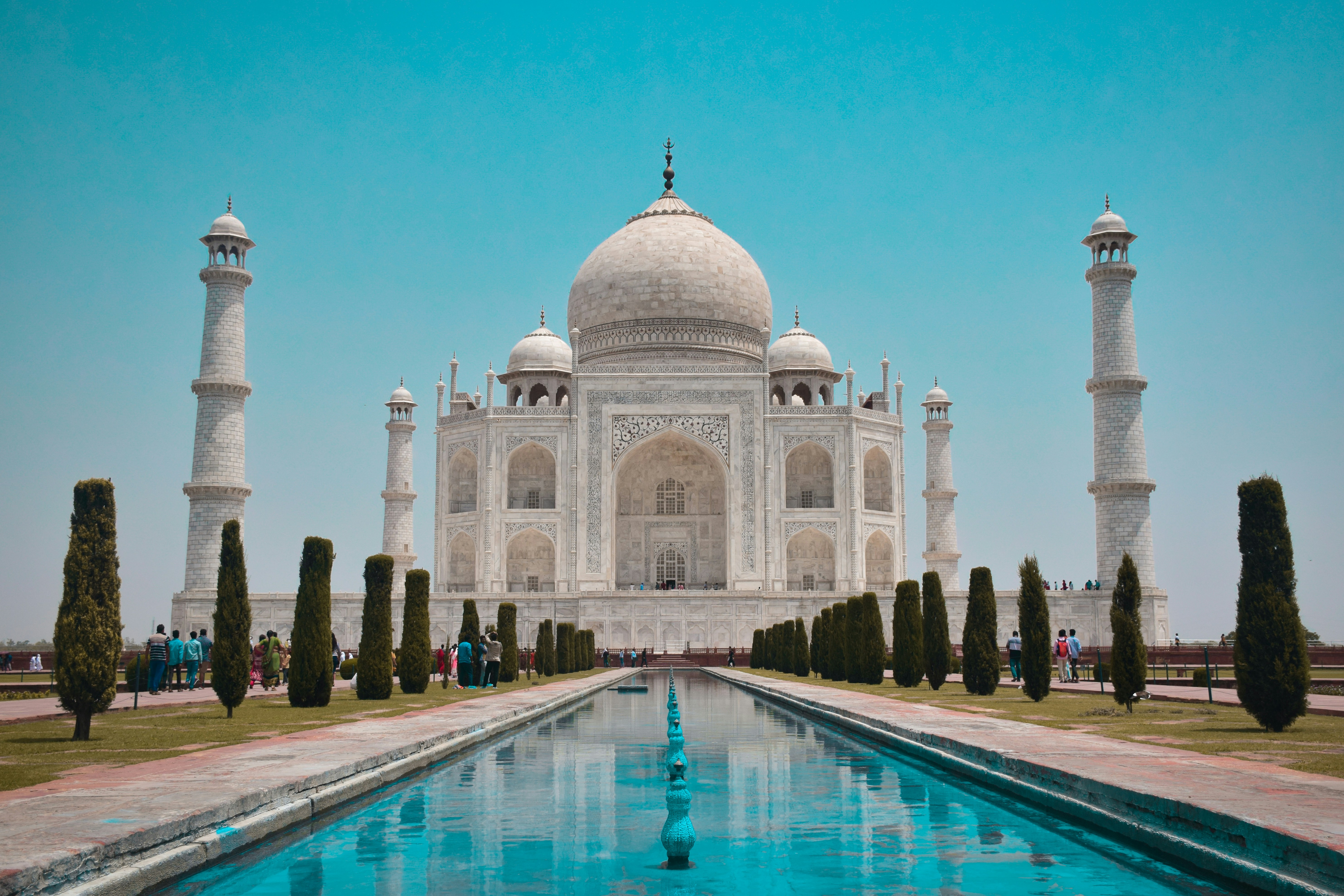
Experience 01
The iconic Taj Mahal at sunrise
Explore HighlightExplore
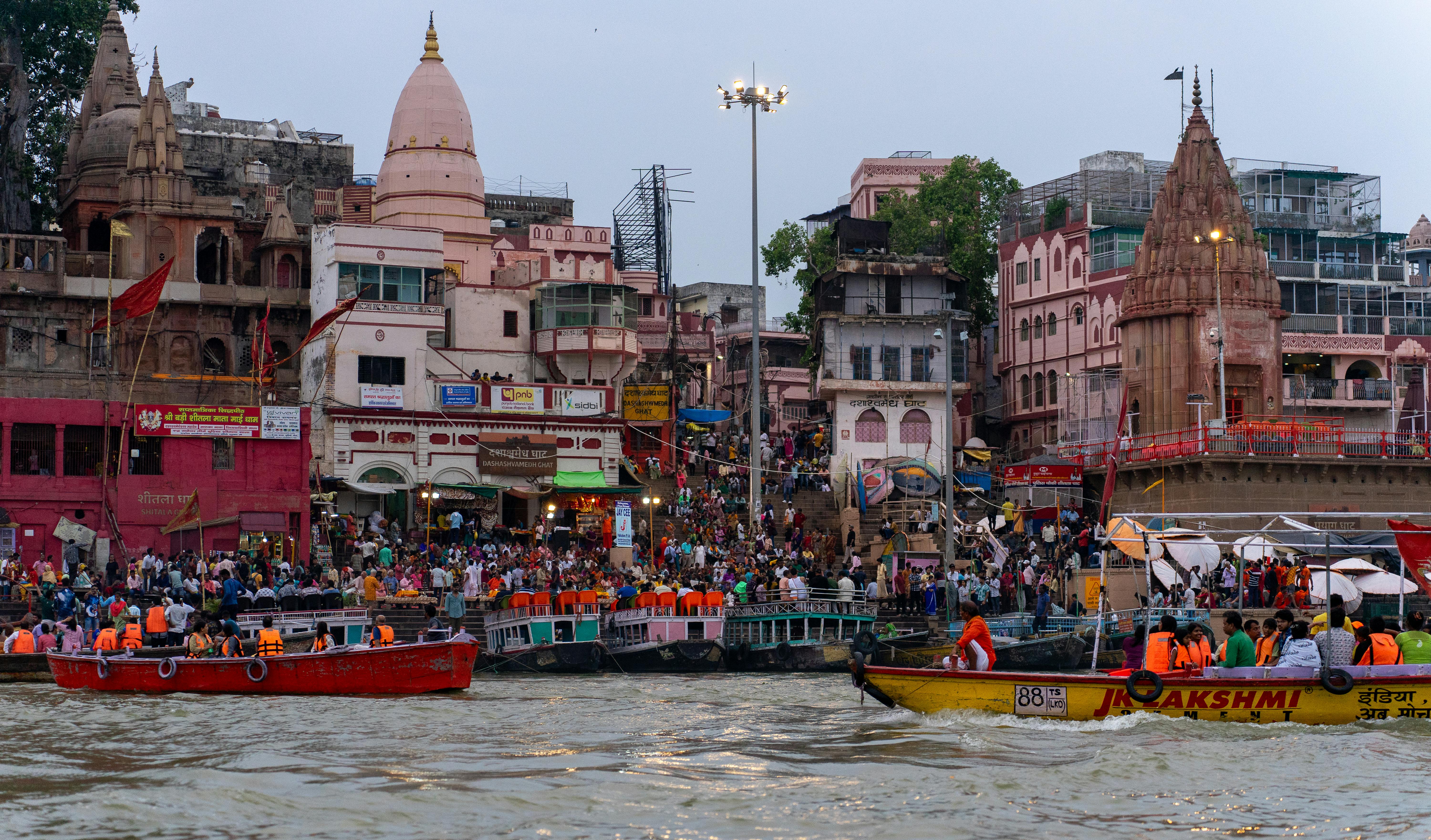
Experience 02
Sunrise boat ride on the sacred Ganges
Explore HighlightExplore
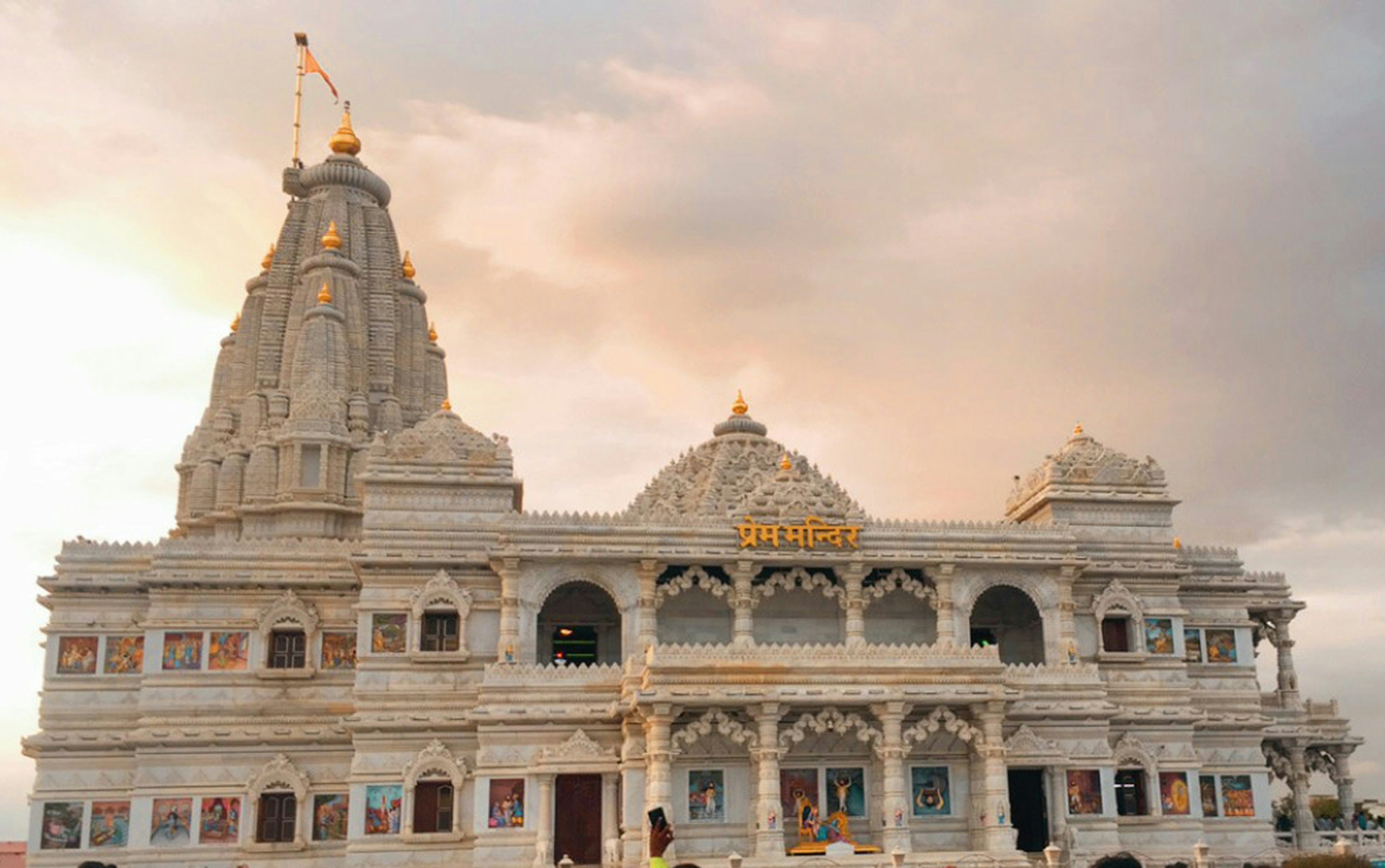
Experience 03
Krishna Janmabhoomi Temple in Mathura
Explore HighlightExplore
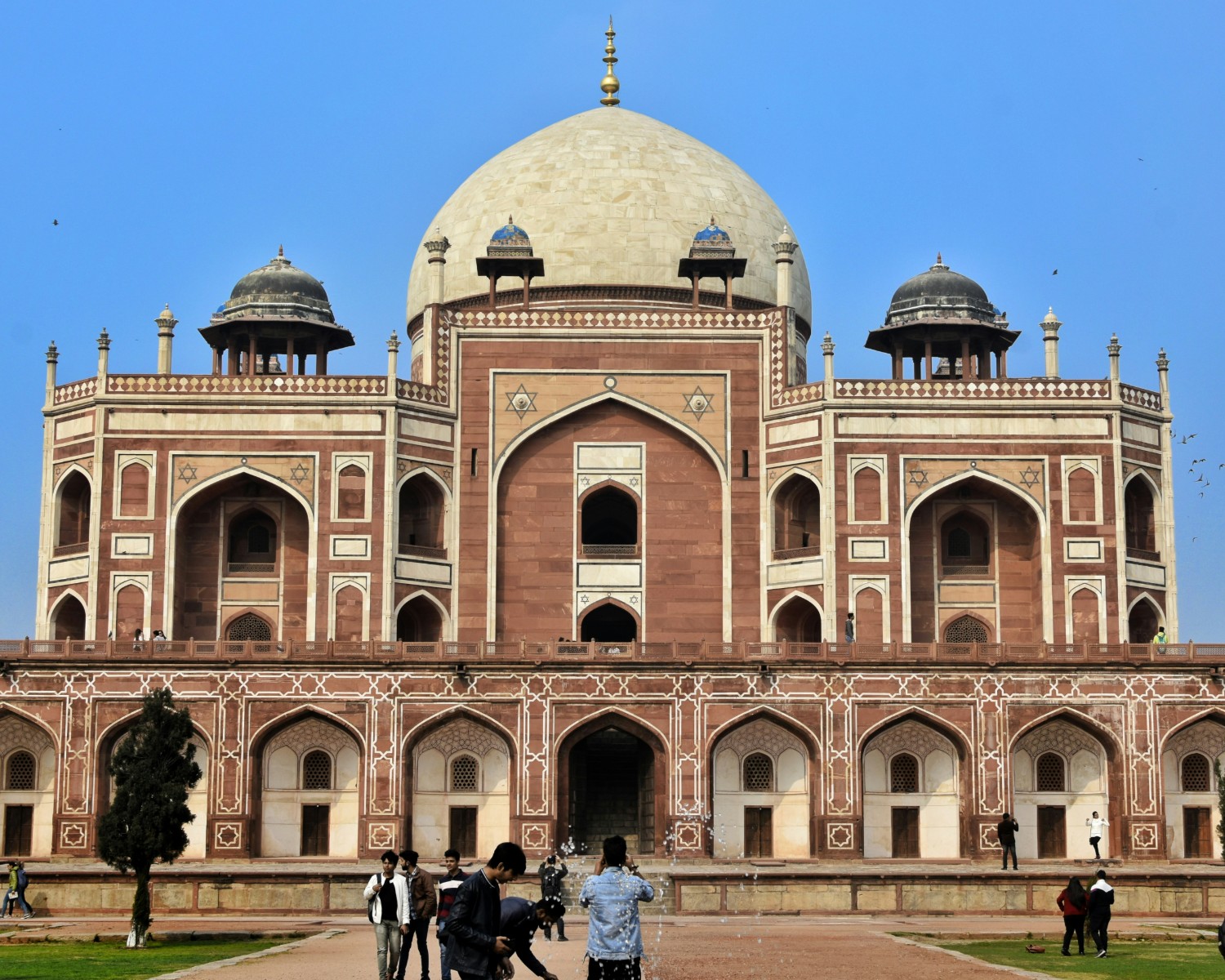
Experience 04
Jama Masjid courtyard at Fatehpur Sikri
Explore HighlightExplore
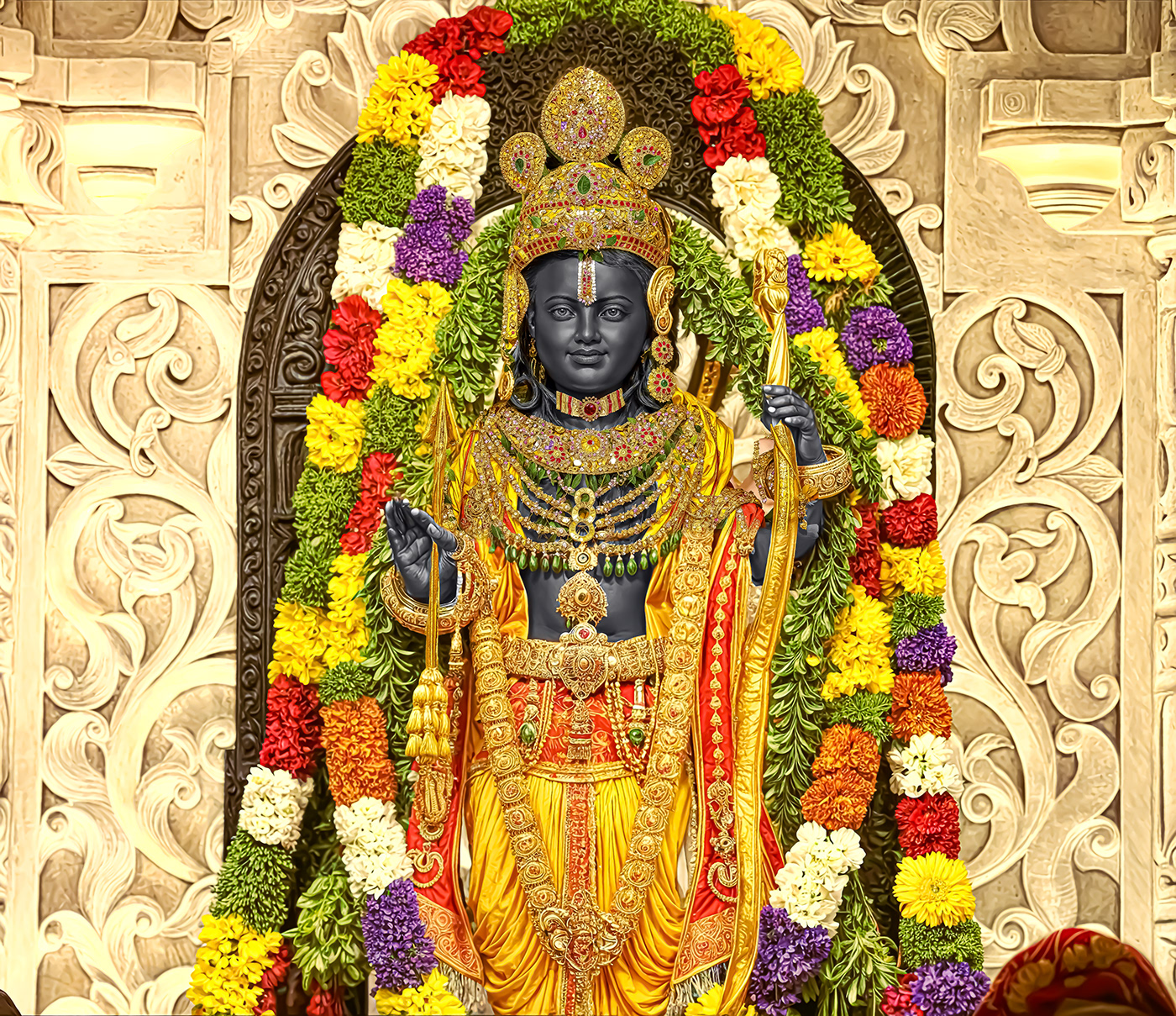
Experience 05
Newly built Ram Mandir architectural splendor
Explore HighlightExplore
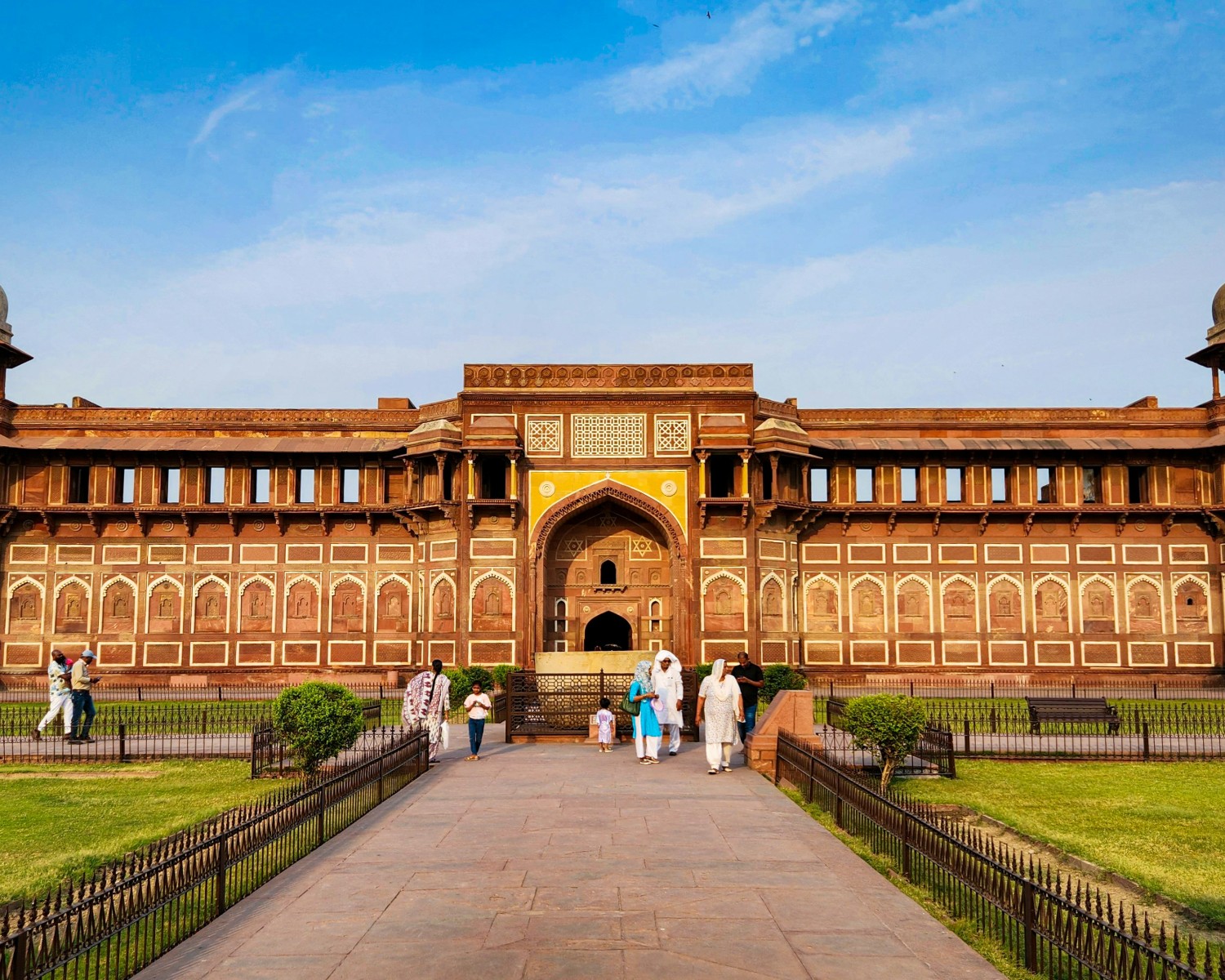
Experience 06
Agra Fort's red sandstone walls and towers
Explore HighlightExplore
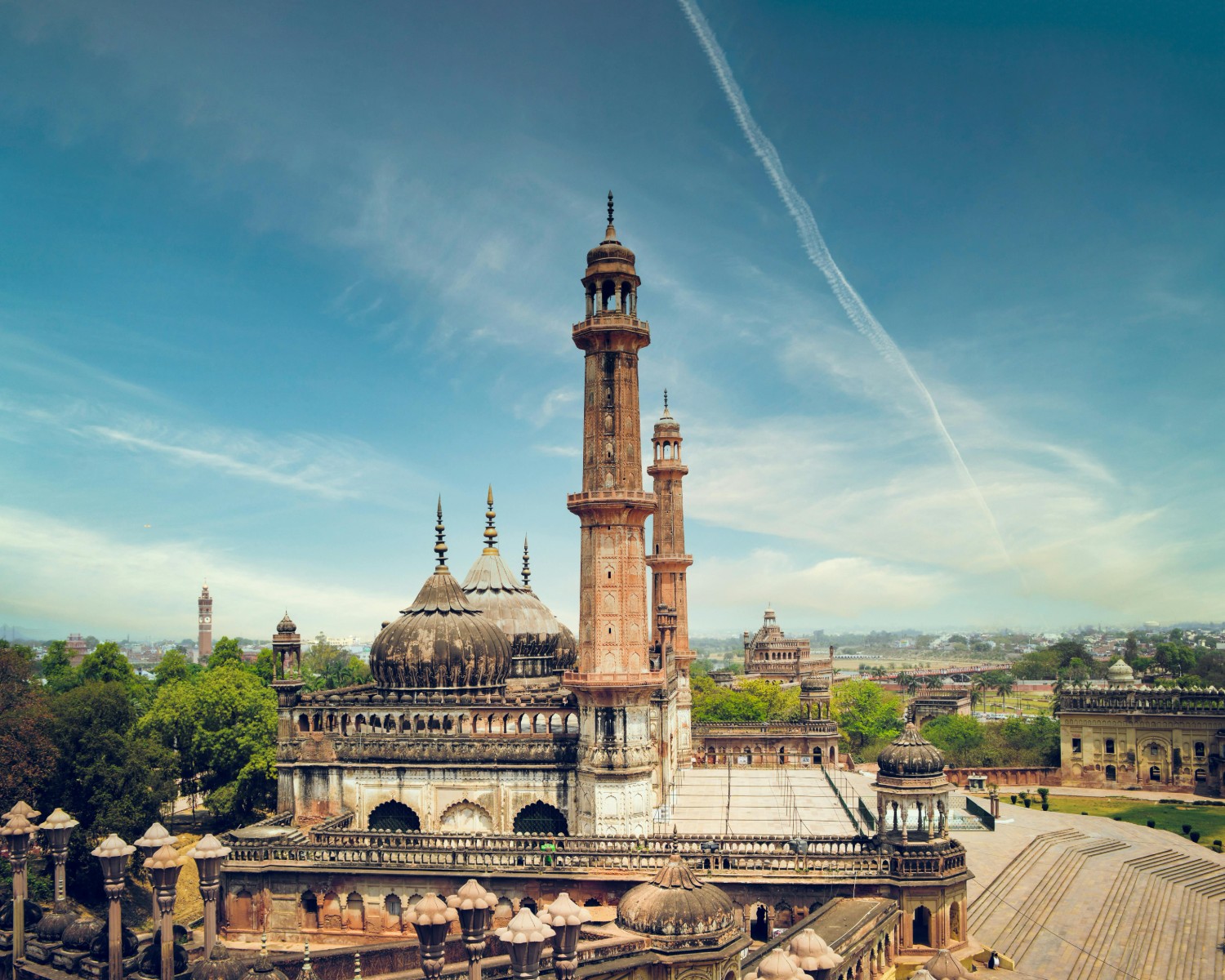
Experience 07
Bara Imambara's magnificent central hall
Explore HighlightExplore
KNOWLEDGE HUB
Things to Know in Tips for varanasi
Uttar Pradesh, India's heartland, is a living canvas of civilization spanning millennia. From ancient kingdoms to the apex of Mughal splendor, UP has been the epicenter of Indian history, culture, and spirituality. The Taj Mahal stands as the world's greatest monument to love, while Ayodhya rises as the spiritual pillar of Hinduism. Varanasi flows with the sacred Ganges, and Mathura echoes with Krishna's divine leelas. UP is not merely a state—it is the soul of India, where empires rose, hearts were forever immortalized in marble, and every street whispers millennia-old stories.
The Saga of Empires and Eternal Love
Uttar Pradesh, India's heartland, is a living canvas of civilization spanning millennia. From ancient kingdoms to the apex of Mughal splendor, UP has been the epicenter of Indian history, culture, and spirituality. The Taj Mahal stands as the world's greatest monument to love, while Ayodhya rises as the spiritual pillar of Hinduism. Varanasi flows with the sacred Ganges, and Mathura echoes with Krishna's divine leelas. UP is not merely a state—it is the soul of India, where empires rose, hearts were forever immortalized in marble, and every street whispers millennia-old stories.
| Ancient Kingdoms (85,000-6000 BC)
Archaeological evidence reveals continuous human habitation dating back 85,000-73,000 years ago. By 6000 BC, the region saw domestication and early settlements along the Ganges plains. These ancient civilizations established agricultural societies that became the foundation of Indian culture and spiritual traditions.
| Vedic & Classical Periods (1500 BC - 1000 AD)
Uttar Pradesh was the birthplace of Vedic civilization and Sanskrit literature. The Ganges Valley became the philosophical and spiritual center of Hinduism. Mathura and Agra regions emerged as centers of Buddhist and Hindu learning. The Maurya Empire (322-185 BC) under Ashoka spread Buddhism from here to Asia.
| Medieval Period - Sultanates (1000-1526 AD)
Delhi Sultanates ruled northern UP. Sikandar Lodi (1487-1517) established Agra as his capital, constructing the first Agra Fort. The region became a melting pot of Islamic and Hindu cultures, creating unique Indo-Islamic art and architecture traditions. Sufi mysticism flourished, influencing Urdu poetry and Awadhi cuisine.
| Mughal Empire Golden Age (1526-1707)
Babur invaded India (1526), establishing the Mughal Empire. Akbar (1556-1605) built Agra Fort (1565-1573) and Fatehpur Sikri (1569), making Agra his capital. Under his rule, UP became a center of art, architecture, and administration. Shah Jahan (1628-1658) immortalized love by building the Taj Mahal (1632-1648) for his beloved wife Mumtaz Mahal—employing 20,000 artisans and costing ₹32 million.
| British Colonial Era (1757-1947)
Following the Battle of Plassey, British East India Company gradually gained control. UP became the administrative core of British India. The 1857 Rebellion originated in Meerut and raged across UP. The Indian National Congress was founded in Calcutta but drew massive support from UP's independence movement, with figures like Pandit Jawaharlal Nehru hailing from Allahabad.
| Modern Era & Independence (1947-Present)
Uttar Pradesh became India's largest state by population (23.3 crore people). It remains the political and cultural heartland. With the Ram Temple's inauguration in Ayodhya (January 2024), UP has emerged as the epicenter of spiritual tourism, attracting 135.5 million pilgrims in 2024 alone. Today, UP balances 3 UNESCO World Heritage Sites (Taj Mahal, Agra Fort, Fatehpur Sikri) with modern aspirations.
Taj Mahal Built
1632-1648
Shah Jahan's monument to eternal love; 16 years construction
Ayodhya Pilgrims
135.5 Million
2024 visitors after Ram Temple inauguration; #1 destination
Agra Fort Completed
1573 CE
Akbar's red sandstone fortress; 2.5 km walls
UNESCO Sites
3
Taj Mahal, Agra Fort, Fatehpur Sikri
Travel Stories & Tips
Get inspired for your next adventure to varanasi

Guest Stories
H
Hemanth R
4 months agoExceptional Service and Stunning Views! I just returned from a trip to Kerala curated by Bayard Vacations, and I'm still thinking about the views. Unlike generic packages, Dhanushree from Bayard took the time to tailor the itinerary to my preferences. Every hotel and houseboat was chosen for its...
P
Prajwal Raikar
5 months agoWe went to Dubai, and Bayard Vacations made our entire trip truly joyful and memorable. Adarsh from Bayard Vacations was extremely helpful in arranging the yacht and managing a few issues promptly, which made our vacation smooth and stress-free.
M
Muthahir
5 months agoWe had a wonderful vacation in Dubai, all thanks to Bayard Vacations. From planning to execution, everything was smooth and well-organized. The itinerary was perfectly balanced, the accommodations were comfortable, and all arrangements were completely hassle-free. A special thanks to Mr. Adarsh for...
S
Spoorthy Venkatesh
5 months agoWe had an amazing time in Dubai with Bayard Vacation. Adarsh, our destination specialist, explained everything super smoothly and stayed in touch with us the whole time, which made the trip feel really easy and well organized. The team was great with the transport arrangements too. The drivers were...
B
Bakasura Brahmana
5 months agoBest iternary prepared by them. The best travel agency I suggest
H
Harsha Vardhan Attuluri
5 months agoWe recently went on a trip to Coorg and Wayanad with Bayard Vacations, and the experience was seamless. We opted for a private package, and all the arrangements were excellent. The communication was clear throughout the process. A special thanks to our agents, Rahul and Sowmya, who handled the plann...
A
Abhishek Satapathy
5 months agoWe had a wonderful vacation in Thailand thanks to the...
S
Shilpa Wartak
5 months agoWe booked our Hampi and Badami tour with Bayard Vacation and had an absolutely amazing experience! Everything was perfectly planned and very smooth from start to finish. The hotel location was excellent and close to all major places, and the drive was super comfortable. The whole trip was completely...
A
Abhilash Cr
5 months agoWe recently completed a 4-5 day Andaman trip with Bayard Vacation, and overall it was a very pleasant and well-organized experience. From the planning stage to the end of the journey, the team especially team of Rahul, Dhanushree, was supportive and responsive, making the trip smooth and stress-free.

Medha Devatraj
a month agoLoved our trip to Kerala(Munnar, Thekkady, Alleppey, Varkala and Kovalam) with Bayard Vacations. They've tailored our package and made adjustments according to our itinerary. Agents Sooraj and Dhanushree were the ones who planned and executed our trip so well🙌🙌. They were very polite and friendly. The vehicle arranged was a comfortable and spacious one for our family of 9. We were apprehensive about the tour but returned with beautiful and lifelong memories🫶🫶. A trip with Bayard Vacations is value for money ♥️♥️.

Sriram appalla
a month agoI recently took a 5N/6D trip to Kerala with Bayyard Vacation, and it turned out to be a lovely experience. Even before the trip began, the Bayyard team, especially Sooraj, helped me with every little detail and was super quick with his responses. Our assigned driver, Jbin Alex, was incredibly humble, kind, and supportive throughout the journey. I’d strongly recommend him if you’re planning a Kerala trip, and I’d definitely suggest choosing Bayyard Vacation for your travels. There was a small miss where one of the complimentary items mentioned in the itinerary couldn’t be fulfilled, but aside from that, everything went smoothly. Overall, I’d rate Bayyard Vacation a solid 4.5/5.

jothees waran
2 weeks agoManasa, sincere thanks for curating such an elegant and seamless Thailand experience. Every aspect of the journey was impeccably planned—from punctual transfers and smooth pickups to a perfectly balanced itinerary. The attention to detail, premium coordination, and effortless execution truly elevated the trip. Everything flowed with precision, allowing us to relax and enjoy each moment without a single concern. Your professionalism and commitment to excellence were evident throughout. Bayard Vacations delivers not just a trip, but a truly luxurious and memorable travel experience. Highly recommended.

Kaustubh Rastogi
3 weeks agoWe recently traveled to Malaysia and had a fantastic experience with Bayard Vacations. Their quick responses and excellent service made the entire planning process smooth and stress-free. Balaji’s recommendations were absolutely on point and perfectly matched our preferences. His attention to detail and prompt support truly made a difference. Highly satisfied with the overall experience and would definitely choose Bayard Vacations again for future trips. Highly recommended! ⭐⭐⭐⭐⭐

Manu Manu
in the last weekThe trip was very beautiful. We have experienced many places and we got chance to have the package. They guided us very safely and assured as everything that you need and food was also good and was in care of everything was fantastic trip. We went to Thailand and Bangkok, and we did alKaiser show Quarter Island and we explored a lot in the Water, also like paragliding Jaki riding And there was a dinner cruise in Bangkok. Also was very nice. Totally we really appreciate for the trip and we will like to do more.
Authentic Experiences
Read All Reviews Join 25,000+ happy travelers who explored varanasi with us.
Got Questions?
Frequently Asked Questions
Still have questions?
Our travel experts are ready to help you craft the perfect itinerary. Reach out for personalized recommendations and support.
You Might Also Like
Discover more incredible destinations and experiences tailored for you
Why Choose Bayard Vacations?
100%
Secure Booking
8+
Years Experience
25K+
Happy Travelers
24/7
Support Available
Best Price
Guaranteed
Personalized
Customized Trips
Expert
Local Guides
100+
Destinations Covered