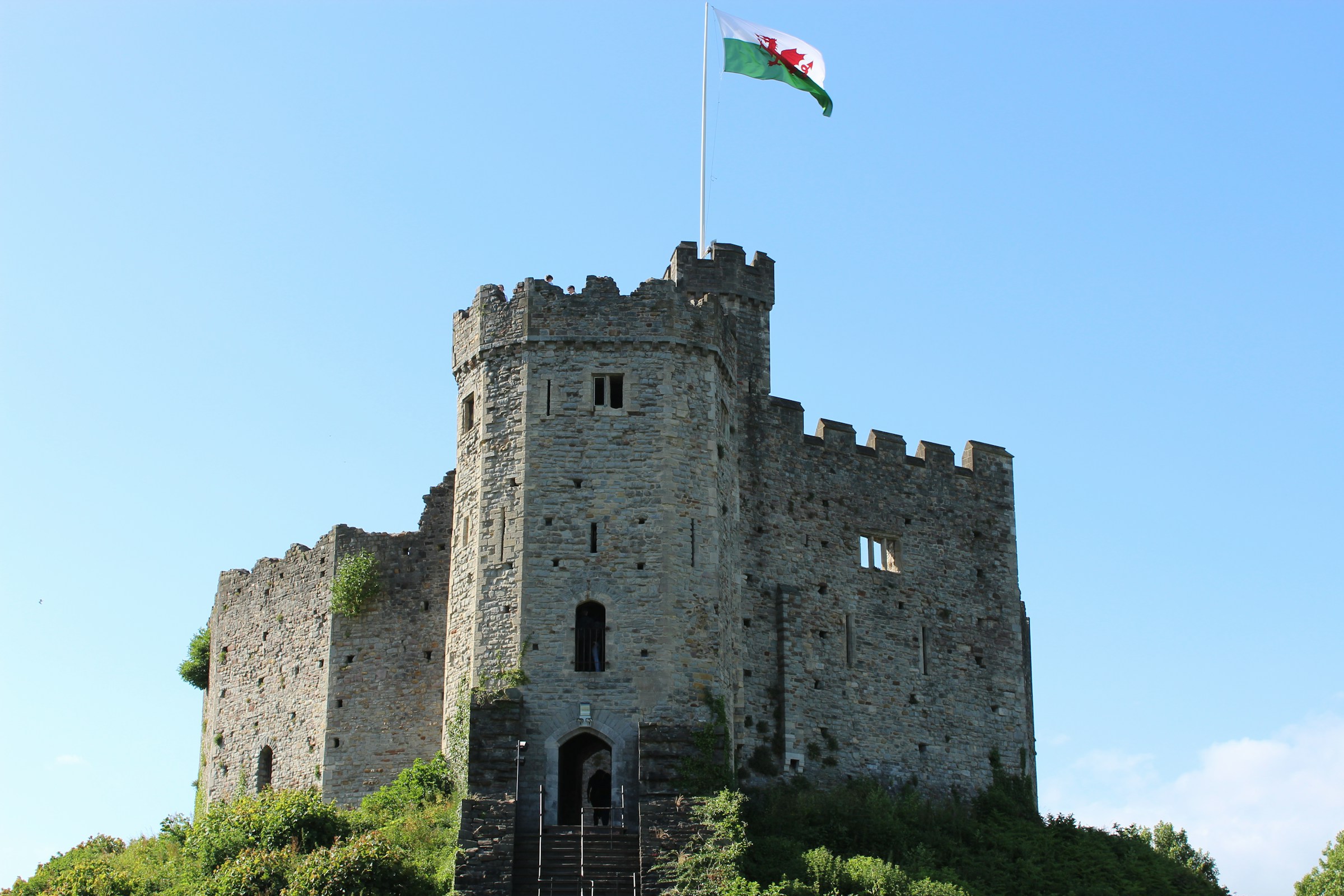
Wales
factsheet
Land of red dragons, ancient castles, dramatic peaks, and a fiercely proud Celtic nation where mountains meet the sea.
The Essentials
Best Time
May - Sep
Currency
GBP (£)
Climate
Maritime Temperate
Time Zone
UTC+0/+1 (GMT/BST)
Language
English, Welsh (Cymraeg)
Visa
UK Standard Visitor
Capital
Cardiff
Population
≈3.1M
Calling Code
+44 (029 Cardiff, 01792 Swansea)
Power Plug
Type G (230V, 50Hz)
Tipping
10% restaurants; 5% taxis (not mandatory)
Emergency
999 (Police, Fire, Ambulance)
History & Heritage
From Ancient Britons to Modern Nation: The Dragon's Journey
Wales, the 'Land of the Red Dragon', carries a history of fierce independence and cultural resilience spanning over 230,000 years of human habitation. From ancient Celtic Britons to medieval kingdoms, from Norman conquest to modern devolution, Wales has fiercely protected its identity—a unique blend of ancient Arthurian legend, martial heritage, and contemporary progressivism. The red dragon (Y Ddraig Goch) has symbolized Welsh power since the 5th century, and today remains the nation's proudest emblem.
Ancient Britons & Celtic Settlement (230,000 BC – 5th Century AD)
Archaeological evidence (Bontnewydd Palaeolithic site) confirms human habitation for 230,000+ years. After Roman withdrawal in 410 AD, Celtic Britons established distinct kingdoms (Gwynedd, Powys, Deheubarth). A unique Welsh culture emerged during this post-Roman era, preserving Celtic traditions and laying foundations for medieval Wales.
Early Medieval Kingdom Formation (5th-10th Century)
Welsh kings adopted the Red Dragon symbol (5th century) to symbolize power and authority. In the 9th century, Rhodri the Great became the first ruler to dominate a large portion of Wales. In the 10th century, Hywel Dda (Hywel the Good) codified Welsh law—a monumental achievement that shaped Welsh legal identity for centuries and remains foundational to Welsh governance.
Unification & Norman Invasion (1055-1093)
In 1055, Gruffydd ap Llywelyn briefly unified Wales but was killed in 1063, just before the Norman invasion of England. By 1070, Normans had invaded Wales; the conquest seemed complete by 1093, though Welsh kingdoms were gradually re-established over following decades.
Llywelyn the Great & Medieval Height (1216-1282)
Llywelyn ab Iorwerth (Llywelyn the Great) forced all Welsh princes to submit to him in 1216, creating a powerful unified Welsh state. He codified Welsh law and established a recognized Welsh kingdom; Wales peaked as an independent medieval power.
Edward I's Conquest & Castles (1283-1400)
English King Edward I launched a systematic military conquest of Wales (1282-1283), building iconic castles at Caernarfon, Conwy, Harlech, and Beaumaris—a UNESCO World Heritage Site. These 'Edwardian Castles' cost approximately £30 million in today's money and represented total English dominance. Yet Welsh spirit remained unbroken; Owain Glyndŵr raised the Red Dragon in armed revolt (1400-1415), briefly re-establishing an independent Welsh state with its own parliament (senedd).
Tudor Dynasty & Union (1485-1707)
Henry VII, a Welsh Tudor, became King of England (1485), bringing Wales into closer alignment with England. The union was formalized through the Laws in Wales Acts (1535-1542), which incorporated Wales into the English administrative system but preserved Welsh legal traditions. Welsh identity persisted despite English-language dominance in governance.
Industrial Revolution & Language Suppression (1750s-1900s)
Wales underwent rapid industrialization; coal mining and steel production made South Wales (especially Cardiff and Swansea) engines of British wealth. However, English was forcibly imposed in schools; Welsh was suppressed as 'inferior.' Welsh-language education was actively discouraged, creating a 'language inferiority complex.' Despite this persecution, ordinary Welsh people defiantly maintained their language, customs, and identity.
Welsh Renaissance & Devolution (1950s-1999)
In the 1950s-1960s, Welsh nationalism resurged. Cardiff was made capital (1955); the Red Dragon was officially recognized as the national flag (1959). The Welsh Language Act (1967) restored legal status to Welsh; later legislation promoted bilingual education and public services. In 1999, the Welsh National Assembly was established, granting Wales significant self-governance and devolution from Westminster.
Modern Wales (1999-Present): 21st Century Pride
Today, Wales is a vibrant, semi-autonomous nation within the UK with its own Parliament (Senedd Cymru), distinct legal system, health service, and education system. Welsh speakers now number over 562,000 (2011 census); 56% speak it daily. Welsh language has been revitalized through bilingual education, media, and cultural pride—a remarkable reversal from suppression. Wales balances ancient Celtic tradition with contemporary progressivism.
Spotlight: Caernarfon Castle: Symbol of Norman Dominance & Welsh Spirit
Built by Edward I (1283-1330), Caernarfon Castle is one of Europe's most impressive medieval fortifications, featuring distinctive polygonal towers and massive stone walls. The castle's design deliberately symbolized English military supremacy; new walled towns were built alongside to secure control. Yet Wales remained defiant; Owain Glyndŵr's revolt began nearby in 1400. Today, Caernarfon Castle attracts visitors worldwide; its stunning polygonal towers and strategic Menai Strait location make it iconic. The castle stands at the intersection of conquest and cultural resilience—a powerful symbol of Wales' complex, contested history.
Medieval Unification
1216
Llywelyn the Great unites Wales
Edwardian Castles
1282-1330
Edward I's conquest; 4 UNESCO sites
Welsh Language Act
1967
Legal status restored to Welsh
Devolution
1999
Welsh National Assembly established
Climate & Time
Time Zone
Standard
UTC+0 (GMT - Greenwich Mean Time); UTC+1 summer (BST - British Summer Time, late March to late October)
Difference
5.5 hours behind IST (India Standard Time)
🎯 Best Months
May–June, September–October (shoulder seasons ideal)
Climate
The climate in Wales varies significantly by region, offering a diverse range of weather conditions from coastal areas to mountain peaks.
Spring (Gwanwyn)
Mar – May
4–13°C
March-April unpredictable (rain, possible snow). May ideal: spring wildflowers bloom, seabirds nest on clifftops, temperatures 10–15°C, fewer crowds begin. Weather warming but remains changeable.
Summer (Haf)
Jun – Aug
15–20°C (peak to 20–22°C)
Peak season (June longest daylight; 18+ hours north). July-August warmest (15–20°C), relatively low rainfall. Outdoor activities peak: hiking Snowdonia, Pembrokeshire Coast beaches, festivals (Eisteddfod, Llandudno), seaside. Very crowded; prices high.
Autumn (Hydref)
Sep – Oct
10–17°C
September glorious: often warm (summer-like), clear skies, golden light, fewer crowds. Seals return to coast (June-October peak). October: vibrant foliage, cooling, increased rain. Autumn wettest season overall. Perfect for hiking & sightseeing with comfort.
Winter (Gaeaf)
Nov – Feb
2–8°C (coldest inland)
Coldest, greyest, wettest season. Snowfall likely in Snowdonia & higher elevations; lowlands rarely see snow. Skiing possible at Snowdonia resort (conditions dependent). Many tourist attractions reduce hours/close. Budget-friendly; atmospheric beauty. Cozy cafés & traditional culture shine. Short daylight hours (sunrise ~8 AM, sunset ~4 PM).
Seasonal Packing List
Language Guide
Official Language
English, Welsh (Cymraeg)
English is universal (spoken by 99%+). Welsh (Cymraeg), a Celtic language with 500,000+ speakers (2011), experienced revival since 1967 Welsh Language Act. Nearly 30% of Wales' population speaks Welsh; in North Wales & West Wales, Welsh dominates daily life. Welsh-medium education (all-Welsh schools) increasingly popular; bilingual signs widespread in towns, villages, and public services. Welsh is a living, vibrant language—not a museum artifact.
Local Signage
Essential Phrases
Hello
Helo / Helô
Thank You
Diolch
Goodbye
Hwyl / Hwyl fawr
Yes / No
Ie / Nac ydw
Please
Os gwelwch yn dda
Excuse Me
Esgusodwch fi
How Much?
Faint yw'r pris?
Where is...?
Ble mae...?
Currency & Money
Official Currency
British Pound Sterling
£ (GBP)
Exchange Rates
Denominations
Banknotes
£5, £10, £20, £50 (UK Treasury); Bank of Scotland notes also circulate (£5, £10, £20, £50, £100)
Coins
1p, 2p, 5p, 10p, 20p, 50p; £1, £2
Culture & Vibes
Proud Independence & Celtic Spirit: Ancient Defiance Meets Modern Progressivism
"Welsh culture pulses with fierce pride in its distinct identity—hard-won through centuries of struggle to preserve language, customs, and independence against dominant English culture. Welshness is not merely a regional identity; it is a profound national consciousness rooted in Celtic heritage, medieval kingdoms, language resistance, and contemporary devolution. Contemporary Wales balances ancient Arthurian legend and martial traditions (castles, the Red Dragon) with progressive values (language revival, devolution, environmental leadership), creating a unique cultural tapestry."
The Red Dragon & National Pride
The Red Dragon (Y Ddraig Goch) symbolizes Wales itself. Welsh identity is fiercely distinct from English. Respect Welsh heritage, history, language, and independence; avoid conflating Wales with England.
Language as Identity
Welsh language is more than communication—it's the heart of national identity. Learning basic Welsh phrases shows profound respect. Bilingual signage throughout Wales reflects language revival; acknowledge this cultural achievement.
History & Resilience
Welsh history is one of resistance against conquest and cultural suppression. Respect this complex heritage. Avoid stereotyping Wales as 'England's backyard'; Wales is an ancient nation with its own parliament (Senedd), legal system, and distinct culture.
Warmth & Down-to-Earth Nature
Welsh people are famously warm, friendly, and welcoming—though fiercely proud of their identity. Humor is sharp, self-deprecating, and integral to social interaction; embrace Welsh wit.
Essential Dos
- • Learn basic Welsh greetings (Helo, Diolch, Hwyl); locals deeply appreciate the effort.
- • Embrace Welsh heritage, castles, mountains, history with genuine respect and enthusiasm.
- • Participate in local traditions: Eisteddfod (cultural festival), ceilidhs, rugby matches.
- • Visit Welsh-language cultural events, museums, heritage sites; show interest in Welsh history.
- • Use Welsh place names correctly; respect linguistic heritage (e.g., 'Eryri' for Snowdonia).
- • Compliment Welsh food culture—cawl, Welsh cakes, local produce.
- • Support Welsh businesses, Welsh-language media, local artisans.
Essential Don'ts
- • Don't confuse Wales with England or call Welsh people 'English'; it's deeply offensive.
- • Don't mock Welsh language, accents, or cultural traditions.
- • Don't dismiss Welsh history or independence struggles.
- • Don't assume Wales is just a region of England; it's a distinct nation with its own parliament.
- • Don't be overly loud or rude; Welsh social interaction values warmth and respect.
- • Don't criticize Welsh rugby or national teams; rugby is sacred in Welsh culture.
- • Don't refuse offered food or tea; Welsh hospitality is generous and meaningful.
Specific Etiquette
Business Etiquette
Friendly, direct communication. Handshake standard. First names used quickly. Casual dress acceptable even formal meetings. Punctuality valued. Welsh humor present; don't misread banter as rudeness. Consensus-building vs. hierarchical.
Dining Etiquette
Meals are social events; linger, enjoy conversation. Welsh hospitality generous; hosts may offer seconds. Cawl (traditional stew) served with bread; eating together is ritual. Compliment cook warmly. Tipping: 10% restaurants if service good (often included). Pubs: order at bar, find own seat; casual, egalitarian.
Gifting Etiquette
Wrap gifts neatly. Welsh food specialties (cakes, tea, local products), books on Welsh culture appreciated. Avoid cheap tartan trinkets. Unwrap in front of giver. Sincere gifts from home country valued.
Hearty Traditions & Warming Comfort: From Cawl to Welsh Cakes
Welsh cuisine emphasizes hearty comfort, fresh local ingredients (lamb, seafood), and warming preparations suited to cool, wet climate. Traditional dishes carry centuries of history; cawl (national dish) dates to 14th century. Modern Welsh cuisine blends tradition with contemporary techniques. Food is social, celebratory, integral to cultural identity—from cawl to Welsh cakes to afternoon tea.
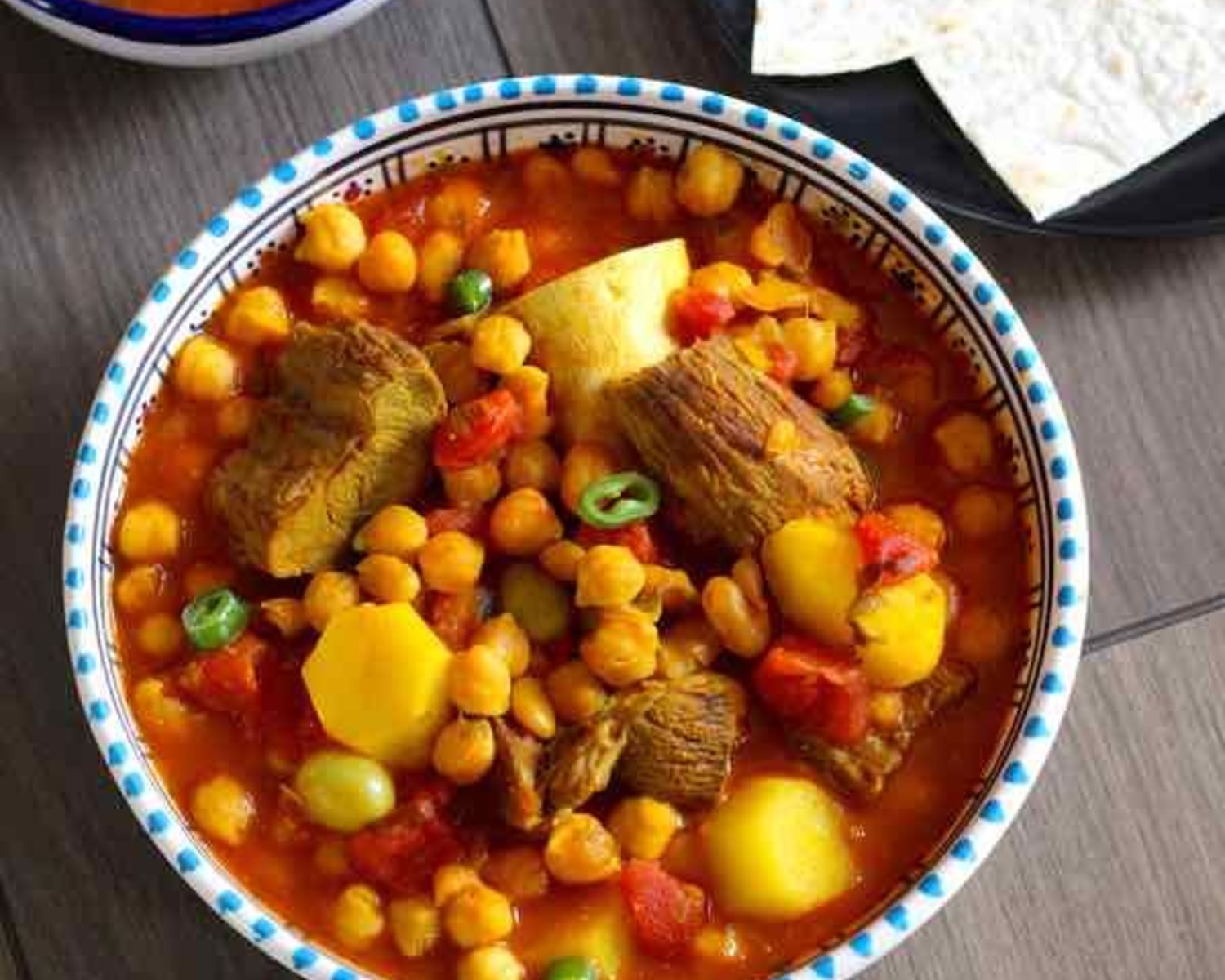
Cawl (National Dish)
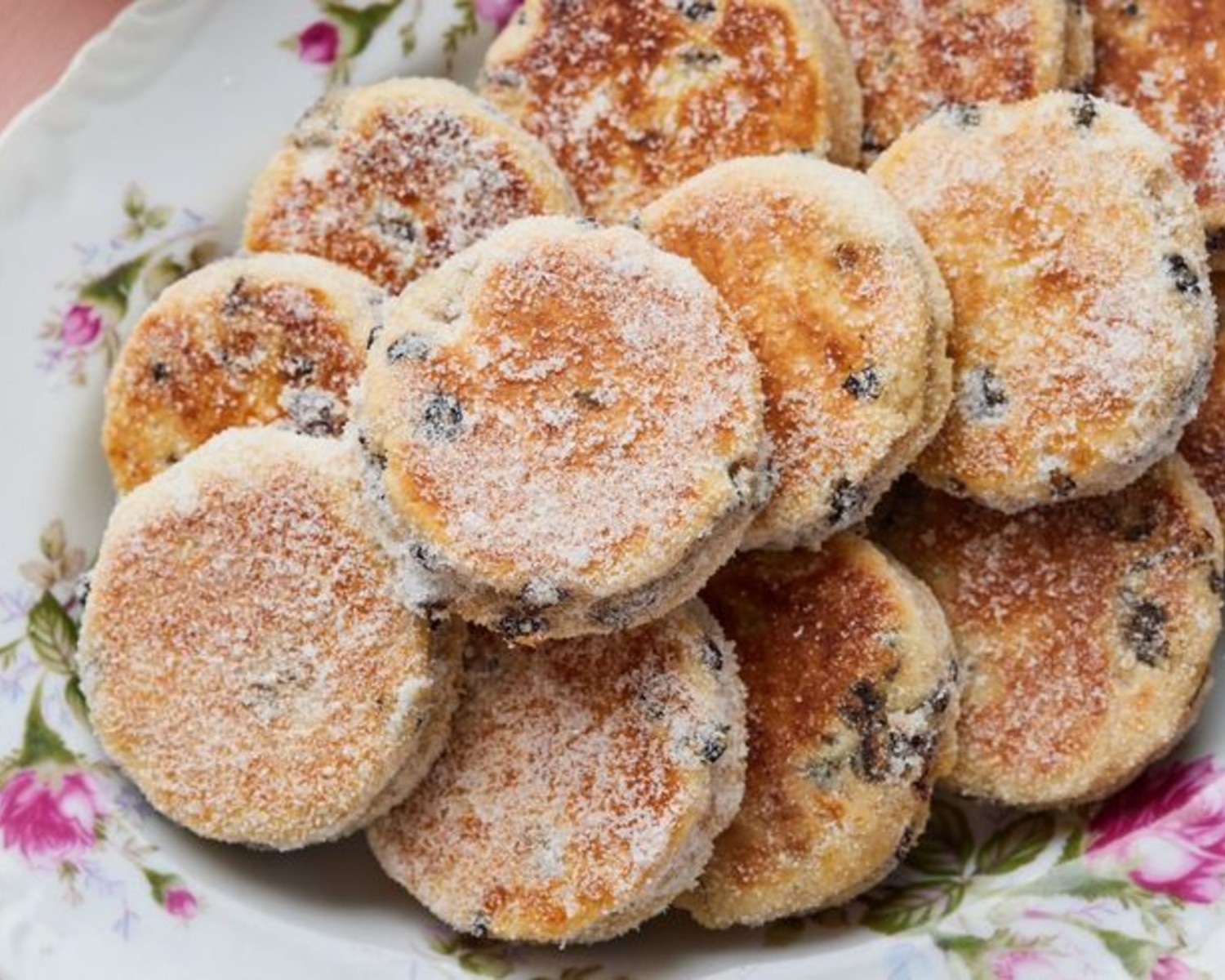
Welsh Cakes (Iconic Sweet)
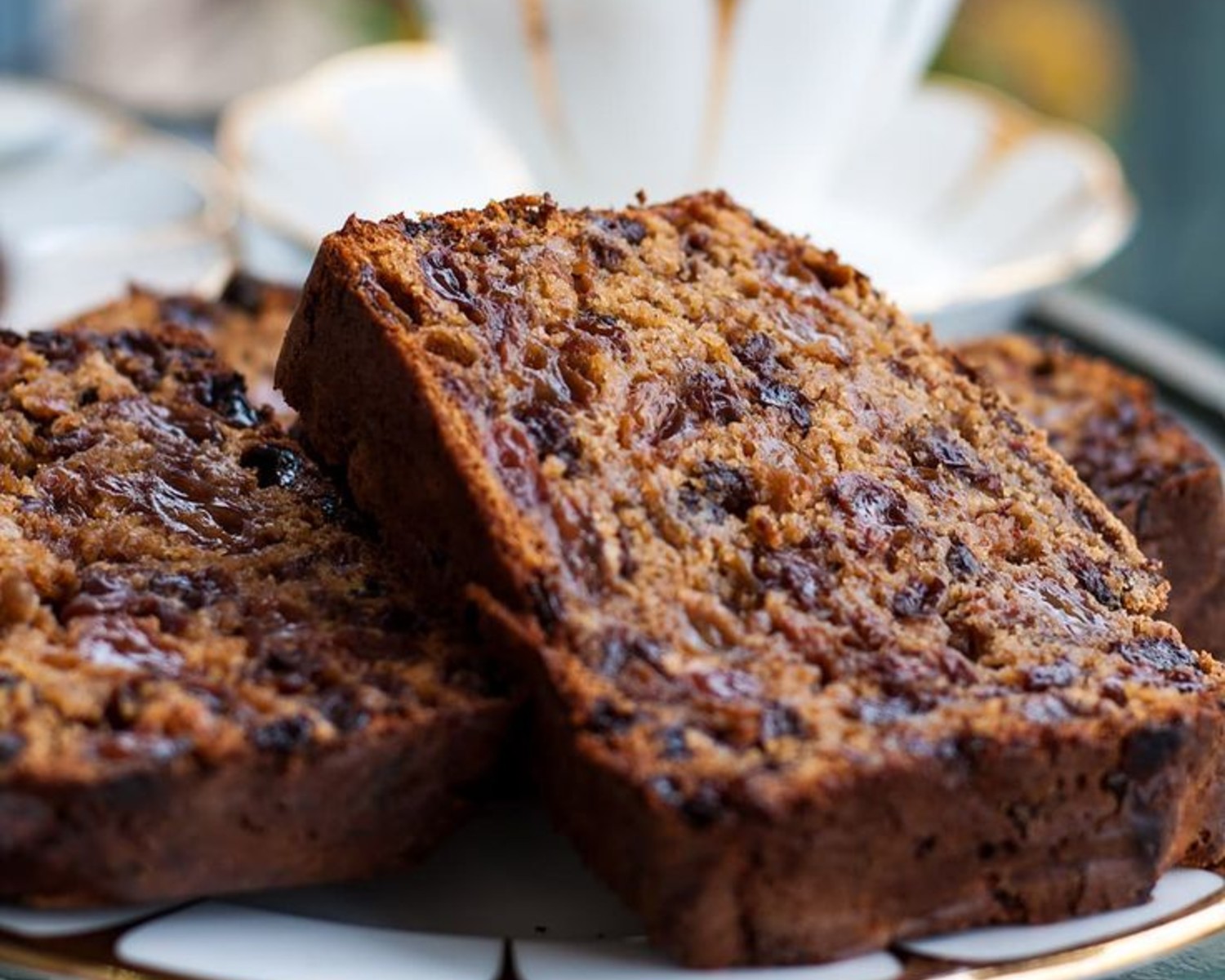
Bara Brith (Speckled Bread)

Laverbread with Cockles
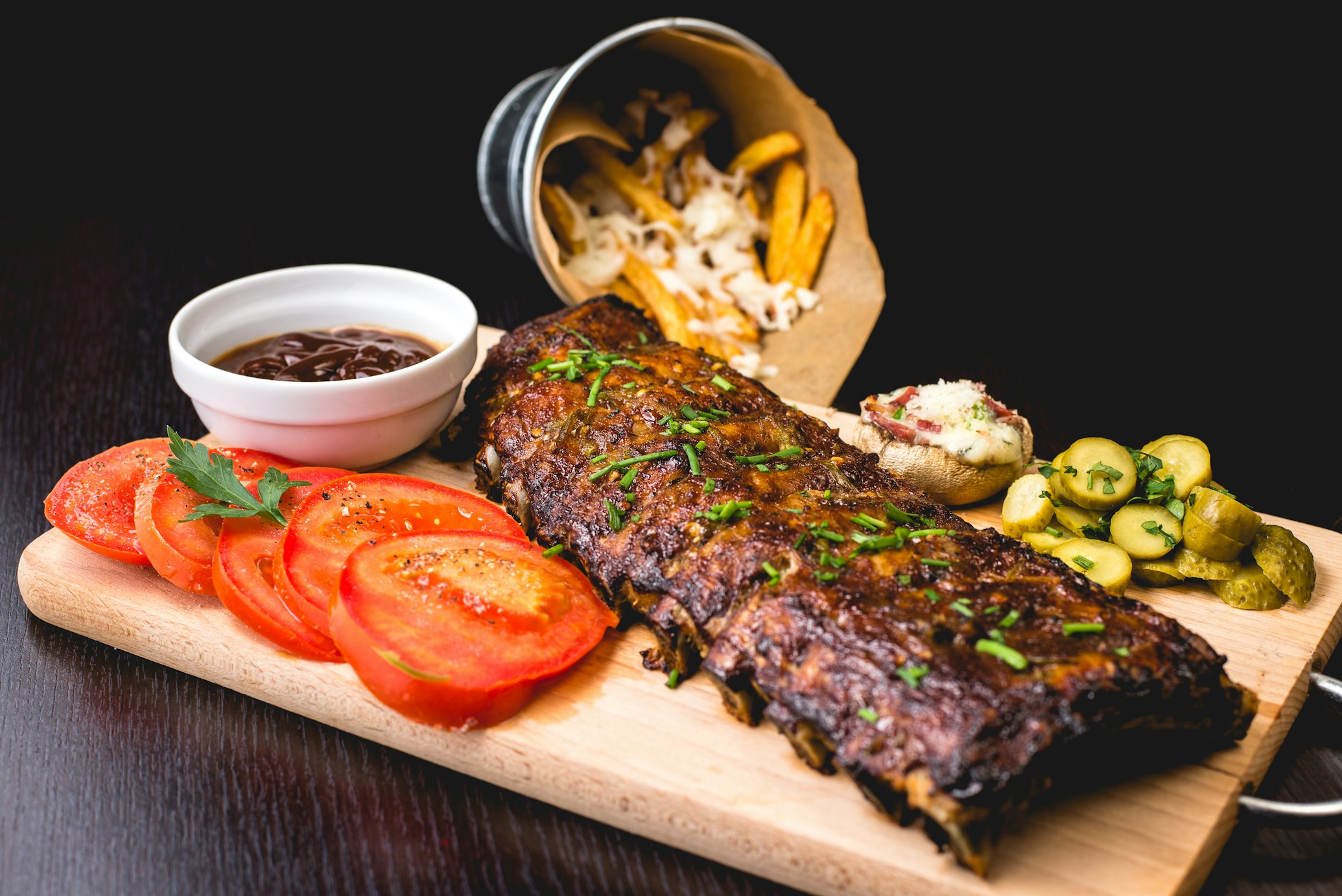
Welsh Lamb

Fresh Seafood (Pembrokeshire Coast)
Teisen Lap (Caraway Seed Cake)
Where to Eat
Traditional Pubs & Gastropubs
Authentic cawl, lamb, seafood; warm, social atmosphere. £8–15 per meal. Found throughout Wales.
Tea Rooms & Cafés
Welsh cakes, bara brith, tea culture; afternoon tea tradition. £5–10. Scattered throughout towns, villages.
Modern Welsh Restaurants
Contemporary takes on traditional dishes; upscale settings. £20–40+. Found in Cardiff, Swansea, coastal towns.
Fish & Chip Shops
Fresh seafood, traditional preparation. £5–8. Cultural staple.
Farmers Markets & Local Produce Shops
Welsh lamb, cheese, bread, local specialties. Cardiff, Swansea, regional markets.
Dining Etiquette
- •Meals social events; linger over food, enjoy conversation.
- •Welsh hospitality generous; hosts may offer seconds multiple times.
- •Cawl & lamb central to Welsh dining identity; trying demonstrates cultural respect.
- •Tipping: 10% restaurants if service good; often included in bill.
- •Pubs: order at bar, find own seat; casual, egalitarian.
- •Tea culture sacred; afternoon tea ritual (3 PM): tea with cakes, biscuits, pastries.
- •Welsh cheese & bread staples; many farmhouse producers creating artisan products.
Signature Drinks
Shop & Bring Home
Welsh shopping showcases Celtic heritage—from wool products (Welsh flannel, quilts) and traditional crafts to contemporary Welsh design, artisan foods, and nostalgic souvenirs. Cardiff's Victorian & Edwardian arcades epitomize shopping culture; coastal towns (Swansea, Llandudno) offer seaside charm; rural villages showcase artisan producers.
Welsh Wool & Textiles
- Welsh Flannel (distinctive striped fabric)
- Welsh Quilts (hand-stitched traditional quilts)
- Wool Sweaters & Cardigans
- Welsh Rugs & Blankets
Traditional Crafts & Gifts
- Red Dragon Souvenir (flags, miniatures, magnets)
- Welsh Slate (carved plaques, art)
- Love Spoons (decorative carved wood)
- Castle Replicas (Caernarfon, Conwy, etc.)
Welsh Food & Specialities
- Welsh Cakes (traditional griddle cakes)
- Bara Brith (fruit cake)
- Welsh Cheese (Caerphilly, Wye Valley)
- Welsh Honey & Preserves
- Laverbread (seaweed specialty)
Contemporary Welsh Design
- Modern Welsh Art & Prints
- Locally Designed Fashion
- Craft Jewelry (silver, Welsh gold)
- Contemporary Home Décor
Where to Shop (Local Hubs)
Cardiff Bay & Millennium Centre
Modern Shopping & Culture
"Contemporary boutiques, galleries, restaurants. The Wales Millennium Centre cultural venue. Modern Welsh shopping experience blended with cultural attractions."
Victorian & Edwardian Arcades (Cardiff City Centre)
Historic Shopping
"Beautiful historic arcades (Royal Arcade, Castle Arcade, High Street Arcade) featuring independent shops, cafés, boutiques. Architectural gems; intimate shopping experience distinct from modern malls."
Cardiff Farmers Market (Saturdays)
Artisan & Local Produce
"Local artisan producers, Welsh cheese, honey, cakes, crafts. Authentic, fair-price, community-focused."
Swansea Shopping District
Urban Retail
"Modern shopping center (Swansea Market historic market) with mix of chains, local boutiques, food vendors."
Llandudno & Coastal Towns
Seaside Shopping & Arcades
"Seaside arcades, souvenir shops, traditional pier experiences. Nostalgic British seaside shopping charm."
Caernarfon & North Wales Towns
Historic & Craft Shops
"Welsh crafts, local artists, castle souvenirs. Charming small-town shopping with castle as backdrop."
On the Move
Main Airport
CWL
12 km southwest; 30 min to center
Scenic Railways
Heritage Lines
Narrow-gauge steam trains (Ffestiniog, Snowdon Mountain Railway)
Regional Buses
TrawsCymru
Long-distance buses through scenic landscapes
Airport Arrival
Cardiff Airport (CWL) main gateway (12 km southwest of city center; 30 min to center). Additional: Swansea Airport (marginal operations). Most visitors arrive via UK airports (London, Birmingham) then train to Wales.
Travel Tech
Travel Tips
Buy Explore Wales Pass if taking 3+ train journeys in 8 days; significant savings.
Heritage railways romantic but crowded summer; book in advance.
Walking best way to explore cities & villages (see architecture, local life).
Coastal Way (180 miles) & Cambrian Way (185 miles) spectacular road trips for car/campervan.
TrawsCymru buses ideal budget transport through national parks (Pembrokeshire, Snowdonia).
Intercity Travel
Trains (Transport for Wales)
Modern trains throughout Wales. South & West: Chepstow–Newport–Cardiff–Swansea–Pembrokeshire. North Coast: Prestatyn–Rhyl–Colwyn Bay–Llandudno–Conwy–Bangor–Holyhead. Scenic Cambrian Line (Aberystwyth–Pwllheli). Book online for discounts; scenic journeys; £15–50 depending on route.
Heritage Railways (Scenic)
Ffestiniog & Welsh Highland Railways (narrow-gauge steam trains, Porthmadog–Caernarfon). Snowdon Mountain Railway (Llanberis to Yr Wyddfa/Snowdon summit). Talyllyn Railway (Tywyn to Nant Gwernol through Snowdonia). Historic experiences; popular; book ahead.
TrawsCymru Buses
Long-distance buses through spectacular landscapes (Pembrokeshire Coast, Brecon Beacons, Snowdonia). Budget option; slower than trains; TrawsCymru Day Ticket available.
Car Rental
International license required; drive on left. Useful for Highlands (Snowdonia), Pembrokeshire, remote villages; parking expensive in cities.
BakıKart
Explore Wales Pass / Ranger / Rover: Unlimited travel on mainline trains & many bus routes; discounted museum/attraction entry (1 or 8 days available).
Visa Entry
UK Standard Visitor Visa: Gateway to Britain & Wales
Wales, part of the United Kingdom, requires most international visitors (including Indians) to obtain a Standard Visitor visa for tourism. Applications submitted online; processing 10–15 days standard, 5 days expedited. Indians eligible; visa covers entire UK (no separate Wales visa needed).
Determine visa category: tourism, business, family visit.
Apply online at UK government visa website (visas-immigration.service.gov.uk).
Fill application form with passport, travel dates, accommodation details.
Pay visa fee (£127) via debit/credit card online.
Book appointment at visa application center (Delhi, Mumbai, Bengaluru, Chennai, Hyderabad, Kolkata, Pune).
Attend appointment: submit documents, provide biometrics (fingerprints, photo).
Receive passport with visa sticker; typically ready in 10–15 working days.
Registration
Penalty: Overstaying visitor visa: £1,000+ fines, UK entry ban, deportation possible.
Entry Requirements
- • Valid Indian passport (whole stay validity; at least one blank page).
- • Completed Standard Visitor visa application form (printed, signed).
- • Passport-style color photos (35×45mm, taken within 6 months).
- • Proof of financial means: £945 minimum (roughly £47/day × 20 days) or employer/sponsor letter.
- • Flight itinerary: round-trip tickets (confirmed or tentative).
- • Accommodation proof: hotel bookings or invitation letter.
- • Employment letter or proof of income (salary slips, tax returns, business registration).
- • Bank statements: 3–6 months showing stable finances.
- • Travel insurance (recommended but not mandatory).
- • Proof of ties to India: property ownership, family documents, employment verification.