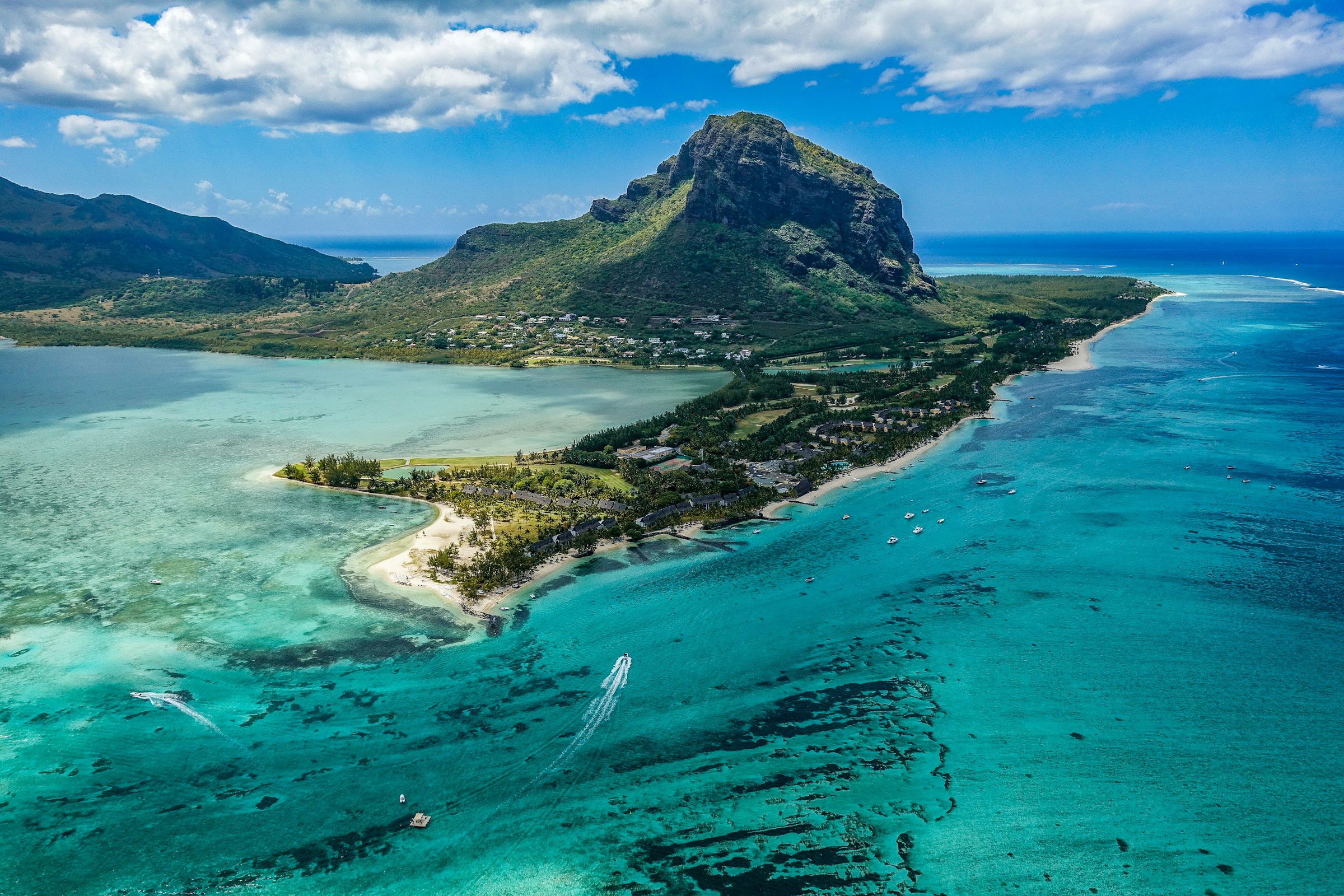
Mauritius
factsheet
A multicultural island paradise where crystalline beaches, vibrant cultures, and natural wonders create unforgettable memories.
The Essentials
Best Time
May - Dec
Currency
MUR (₨)
Climate
Tropical (2 Seasons)
Time Zone
UTC+4
Language
English & French
Visa
Visa on Arrival (Free)
Capital
Port Louis
Population
1.3M
Calling Code
+230
Power Plug
Type G (220V)
Tipping
10% in restaurants (not mandatory)
Emergency
999 or 114
History & Heritage
From Dodo Island to Multicultural Jewel
Mauritius has undergone a massive transformation from being a deserted volcanic island into top-class luxury tourist destination and a highly diverse multi-cultural community where in the existence of Hindu temples, Christian churches, and mosques is harmonious. In today’s world, tourists travel to Mauritius discover some of the best beaches in the world, as well as other Mauritius resorts.
Early Settlement (8th–16th Century)
Arab and Portuguese sailors visited the island, but Mauritius remained largely uninhabited. The famous dodo bird—found nowhere else on Earth—thrived in isolation for millennia.
Dutch Colonization (1598–1710)
The Dutch claimed Mauritius, naming it after Prince Maurice of Nassau. They introduced sugar cane, established settlements, and brought enslaved people from Africa and Madagascar. The dodo was hunted to extinction during this period.
French Colonial Era (1715–1810)
France took control and renamed the island 'Île de France.' Sugar plantations flourished, bringing hundreds of thousands of enslaved people and indentured laborers from India. French culture, language, and architecture deeply influenced the island.
British Rule (1810–1968)
Britain conquered Mauritius in 1810. The British abolished slavery in 1835, replacing it with indentured labor from India, which transformed the demographic landscape. English became increasingly used alongside French.
Independence & Republic (1968–1992)
Mauritius gained independence on March 12, 1968, with Sir Seewoosagur Ramgoolam as Prime Minister. It became a republic in 1992, retaining the Commonwealth connection while establishing its own identity.
Modern Mauritius (1990s–Present)
From a monoculture economy dependent on sugar, Mauritius transformed into a stable, prosperous multi-sector economy with thriving tourism, financial services, and manufacturing. It is now considered Africa's most developed nation.
Spotlight: Black River Gorges National Park
Mauritius's only national park protects pristine forests, endemic species, and breathtaking gorges. Home to the rare Mauritian kestrel and pink pigeon, it represents conservation success in restoring endangered wildlife.
Independence
March 12, 1968
From British rule to sovereign nation
Republic Declaration
1992
Transition from monarchy to republic
Main Population
68% Indian
Largest ethnic group; Hindi second language
Capital
Port Louis
Vibrant colonial port city
Climate & Time
Time Zone
Standard
UTC+4 (Mauritius Standard Time)
Difference
No time difference with IST (India Standard Time)
🎯 Best Months
May–December (Cool & Dry Winter)
Climate
The climate in Mauritius varies significantly by region, offering a diverse range of weather conditions from coastal areas to mountain peaks.
Summer (Austral Summer)
Nov – Apr
25–33°C
Hot and humid with occasional tropical showers. December–March is cyclone season. Best for diving and marine life viewing; higher accommodation rates.
Winter (Austral Winter)
May – Oct
18–24°C
Cool, dry, and sunny—the perfect season. Ideal for beaches, hiking, and outdoor activities. Peak tourist season with higher prices but pleasant weather.
Seasonal Packing List
Language Guide
Official Language
English & French (both official)
English and French are official languages; Mauritian Creole is spoken by locals in daily life and blends French, English, Hindi, Arabic, and African influences. Hindi and Tamil are also widely understood among the Indian population.
Local Signage
Essential Phrases
Hello (French)
Bonjour
Hello (Creole)
Bonzour
Thank you (English)
Thank you
Goodbye (Creole)
Arwa
Yes / No
Yes / No (Eng) or Oui / Non (Fr)
Please
S'il vous plaît
Excuse me
Excusez-moi
How much?
Combien ça coûte?
Currency & Money
Official Currency
Mauritian Rupee
₨ (MUR)
Exchange Rates
Denominations
Banknotes
₨25, ₨50, ₨100, ₨200, ₨500, ₨1,000, ₨2,000
Coins
₨0.25, ₨0.50, ₨1, ₨5, ₨10, ₨20
Culture & Vibes
Multicultural Harmony & Island Warmth
"Mauritius is a melting pot where Hindu, Muslim, Christian, Buddhist, and Jain communities coexist peacefully. Known for its 'Unity in Diversity,' the nation celebrates a vibrant blend of Indian, French, African, and British influences in food, festivals, language, and traditions."
Religious Respect
Mauritius is a multi-faith society. Respect mosques, temples, and churches. Remove shoes before entering religious sites. Dress modestly when visiting.
Greetings
Handshakes are standard in formal settings. Locals are warm and friendly; casual waves or 'Bonjour' suffice for everyday interactions.
Festival Celebrations
Locals celebrate Holi, Eid, Christmas, Deepavali, and Thaipusam together. Joining in celebrations shows respect and is warmly welcomed.
Dining & Socializing
Food is central to Mauritian culture; dining is a social event. Accept food and drinks offered; refusing is considered rude.
Essential Dos
- • Learn basic French or Creole phrases; locals appreciate the effort.
- • Respect local customs and traditions; ask before photographing people or religious sites.
- • Participate in local festivals and celebrations if invited.
- • Support local artisans and businesses; buy from small shops and markets.
- • Be courteous and patient; Mauritian culture values respect and friendliness.
Essential Don'ts
- • Don't disrespect religious practices or sites of any faith.
- • Don't photograph people, especially women and children, without permission.
- • Don't litter; Mauritius takes environmental pride seriously.
- • Don't be overly loud or disruptive in public spaces.
- • Don't refuse food or drink offered out of hospitality.
Specific Etiquette
Dining Etiquette
Use fork and spoon, or eat with your right hand. Compliment the cook. Tipping optional but appreciated. Accepting seconds shows appreciation.
Gifting Etiquette
Small gifts from your home country are appreciated. Avoid white flowers (funeral symbol). Wrap gifts neatly and present with both hands.
Business Etiquette
Punctuality is valued in modern Mauritius. Business meetings often begin with casual conversation over tea or coffee. Formal dress is expected in professional settings.
A Fusion of Island Flavors
Mauritian cuisine blends Indian spices, French techniques, African flavors, and British influences into unique island dishes. Fresh seafood, tropical fruits, and aromatic curries define this multicultural culinary paradise.
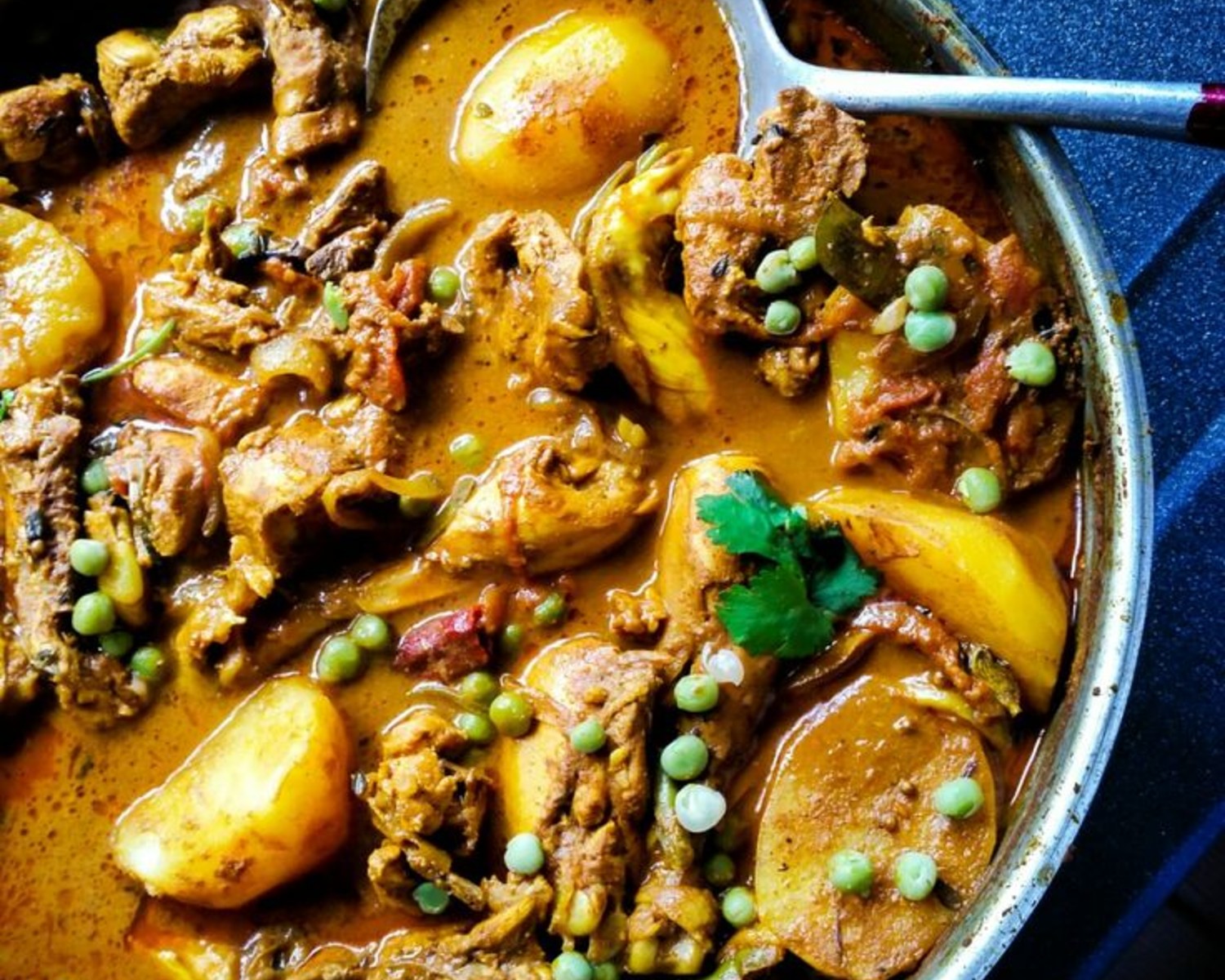
Mauritian Curry
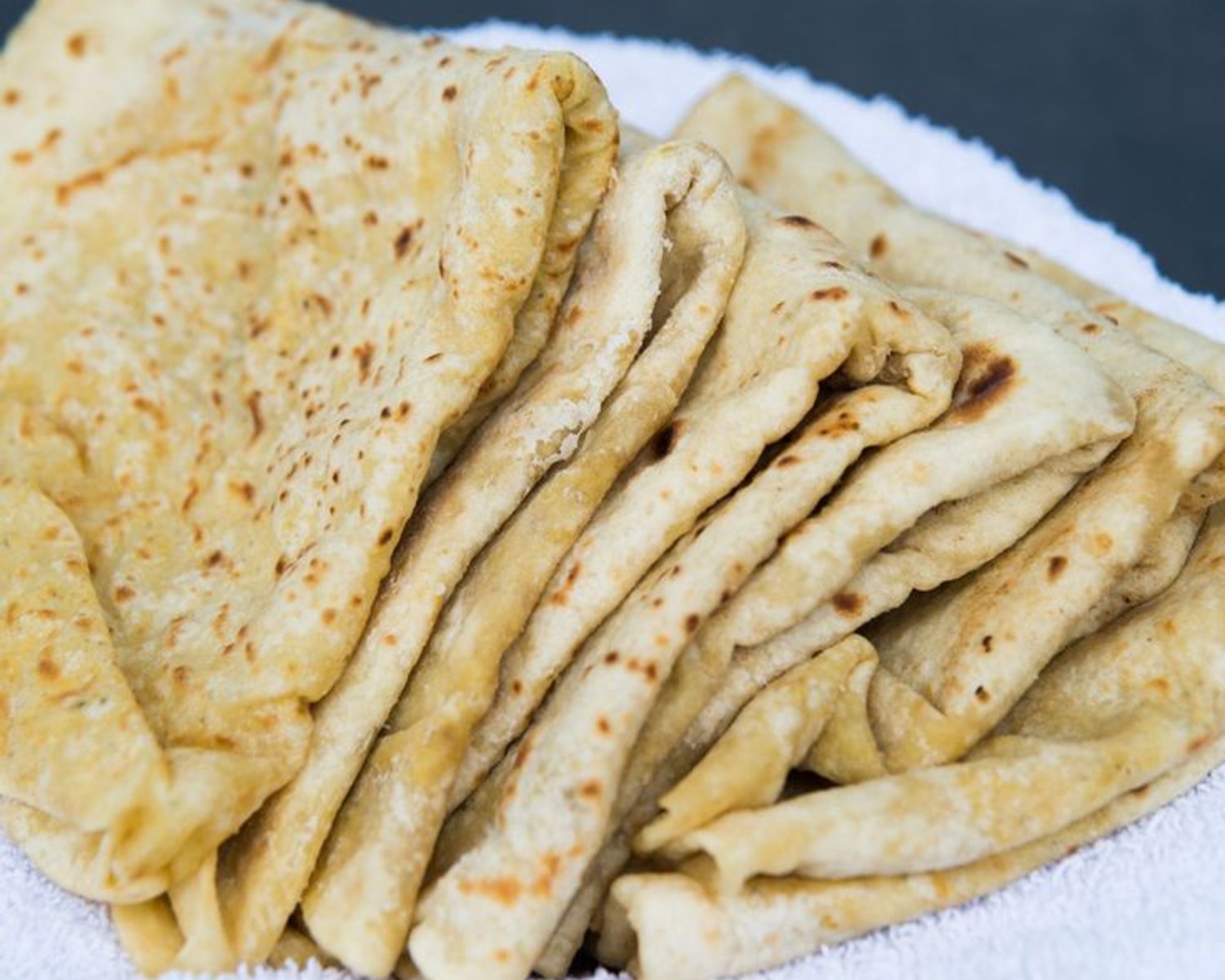
Dhol Puri
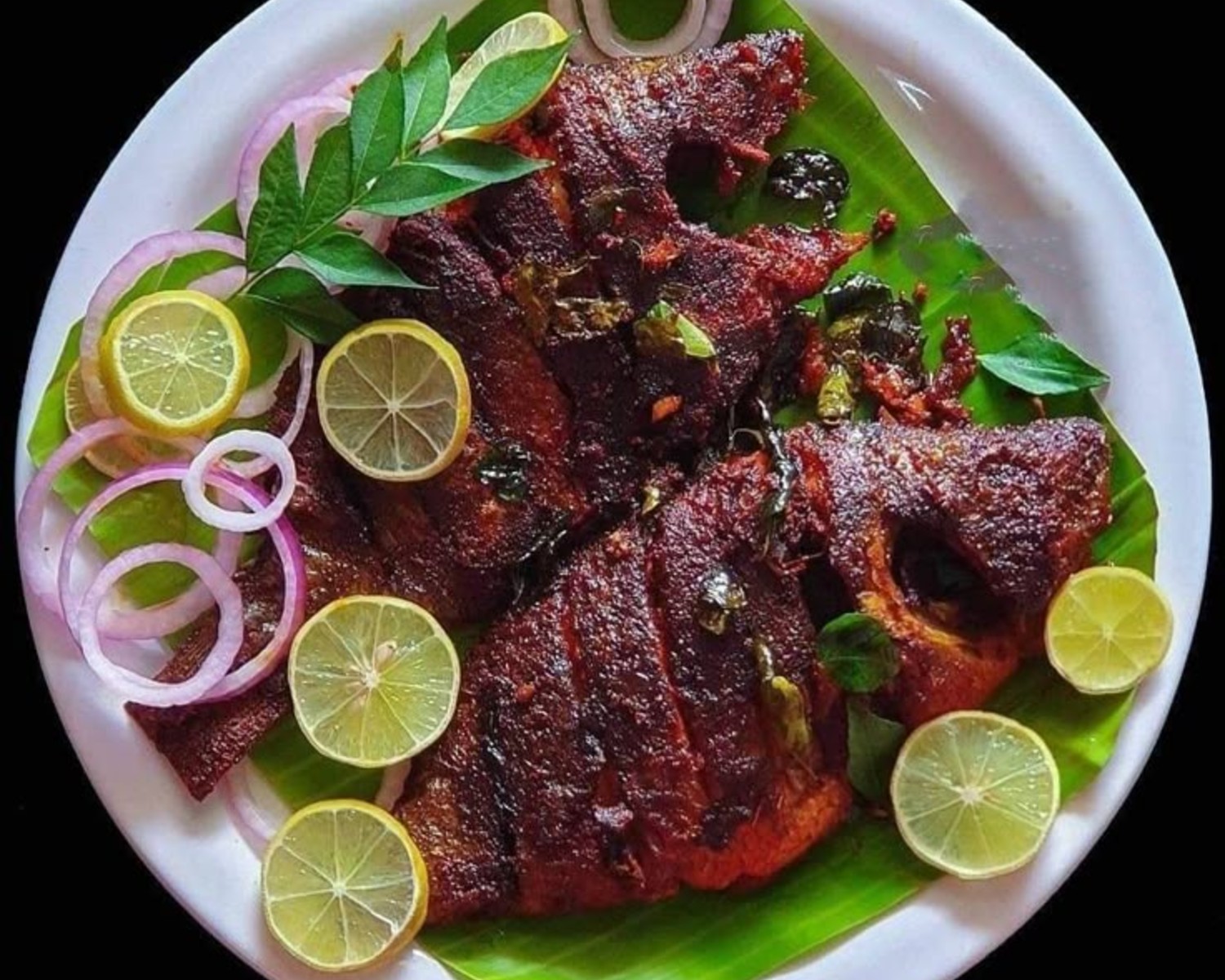
Fried Fish
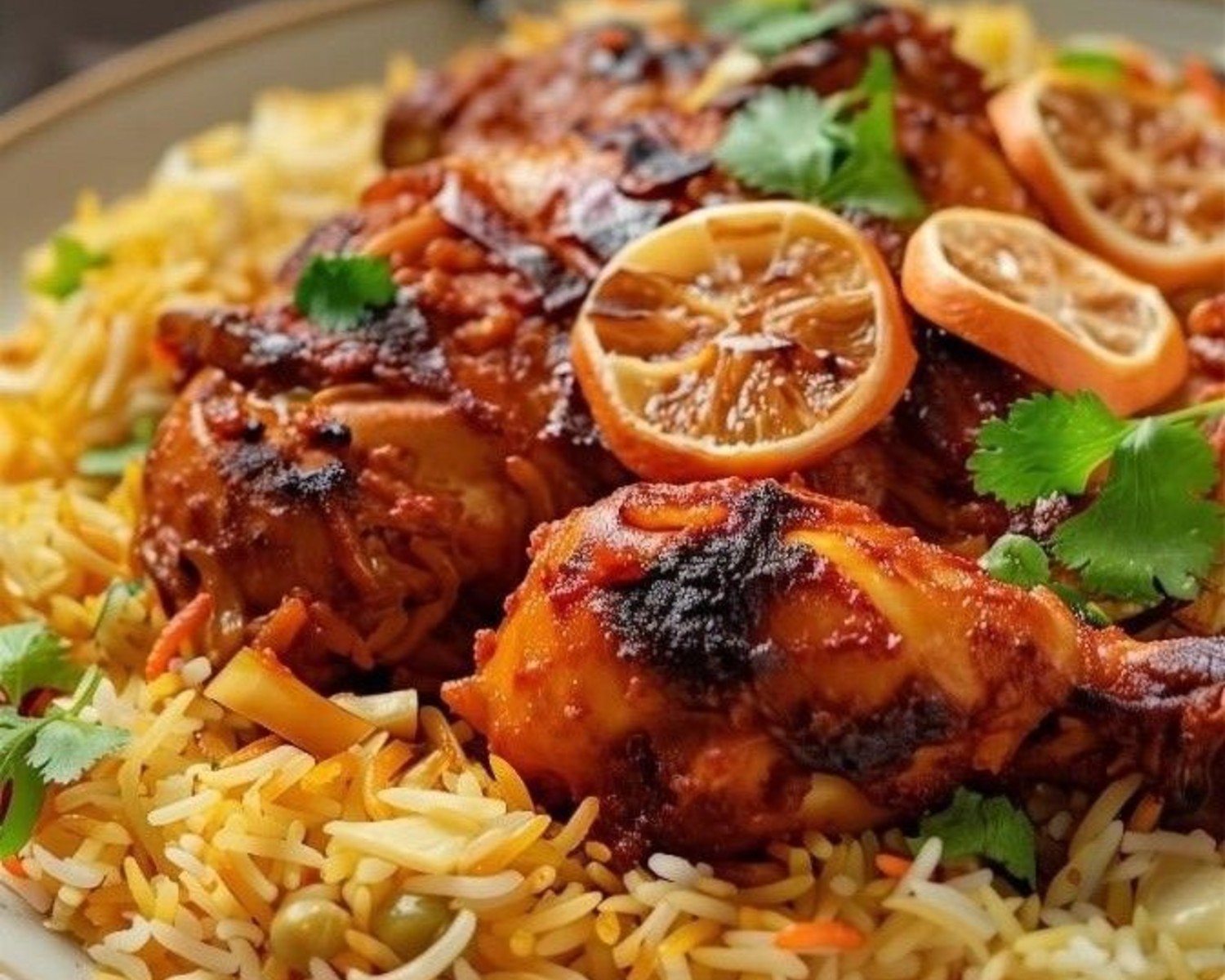
Briani
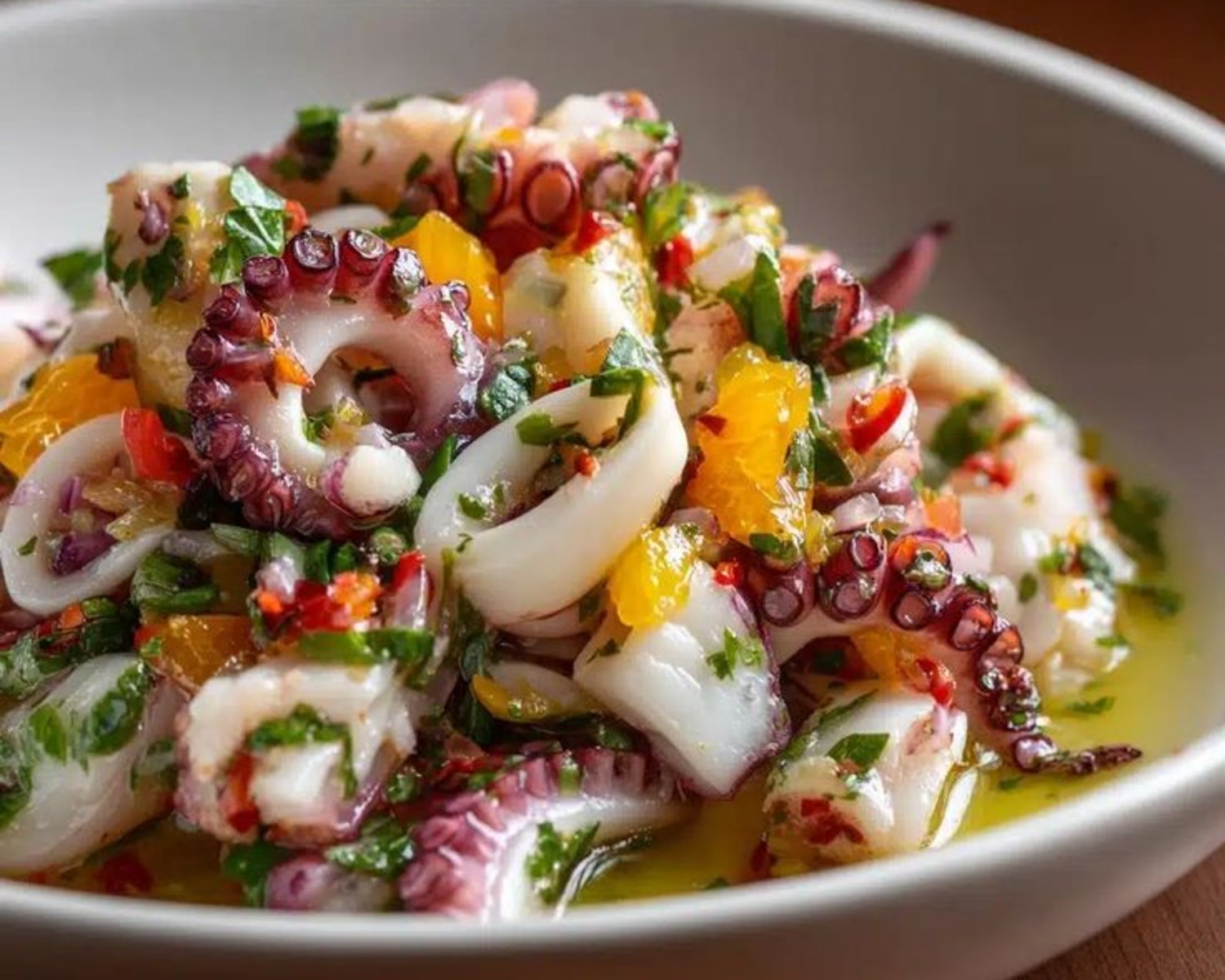
Octopus Salad (Salade Pulpe)
Where to Eat
Local 'Snack' Bars
Simple eateries serving curry, fried fish, dhol puri, and street food for ₨300–600 per meal.
Family Restaurants
Casual dining with Mauritian and Indian cuisine. ₨800–1,500 per person; welcoming and authentic.
Beachside Restaurants
Seafood-focused with ocean views; tourist-oriented. ₨1,500–3,000+ per person.
Port Louis Street Markets
Vibrant bazaars with food stalls offering fresh seafood, samosas, and local dishes for ₨100–300.
Dining Etiquette
- •Meals are social occasions; take your time and enjoy conversations.
- •Accepting seconds or thirds is normal and shows you're enjoying the food.
- •Use right hand for eating if eating with hands.
- •Compliment the cook and the food; Mauritians take pride in their cuisine.
- •Tipping: 10% is standard in restaurants; rounding up for casual eateries is appreciated.
Signature Drinks
Shop & Bring Home
Mauritius offers duty-free shopping, exotic spices, handcrafted souvenirs, and luxury goods. Shopping blends colonial markets with modern malls, offering everything from Indian textiles to designer brands.
Local Crafts & Art
- Dodo Figurines (iconic symbol)
- Handwoven Baskets
- Wood Carvings
- Local Paintings & Artwork
Textiles & Fashion
- Mauritian Cotton Clothing
- Indian Textiles & Saris
- Local Designer Wear
- Beachwear & Casual Apparel
Spices & Foods
- Vanilla, Cumin & Turmeric
- Island Spice Blends
- Mauritian Rum
- Tropical Dried Fruits & Nuts
Duty-Free & Luxury
- Perfumes & Cosmetics
- Designer Brands
- Watches & Jewelry
- Electronics
Where to Shop (Local Hubs)
Port Louis Central Market (Sir Seewoosagur Ramgoolam Bazaar)
Traditional Market
"Vibrant bazaar with spices, textiles, souvenirs, and street food; haggling expected; authentic local experience."
Caudan Waterfront
Shopping Mall & Entertainment
"Upscale mall with international brands, local designers, restaurants, and harbor views; fixed prices."
Happy Valley Racecourse & Shopping Complex
Local Market
"Sunday market with clothes, crafts, and street food; budget-friendly; colorful local atmosphere."
Airport Duty-Free & Shops
Duty-Free & Convenience
"Tax-free shopping on perfumes, cosmetics, alcohol, and electronics; competitive prices."
On the Move
Airport
MRU
40 km south of Port Louis
Local Transport
Buses & Taxis
Island-wide network
Car Rental
Available
Drive on left side (British legacy)
Airport Arrival
Sir Seewoosagur Ramgoolam International Airport (MRU) is the main gateway, located 40 km south of Port Louis. Travel to capital: 45–60 minutes by taxi or bus.
Travel Tech
Travel Tips
Traffic drives on the left (British legacy); roads are well-maintained.
Buses are the cheapest transport but can be unpredictable; allow extra time.
Uber and ride-hailing apps are safer than informal taxis.
Rent a car if you want flexibility to explore remote beaches and nature reserves.
Ferries connect the main island to nearby islands; schedules vary seasonally.
Intercity Travel
Buses
Connect all major towns and villages island-wide. Cheap and frequent but slow; ₨30–150 per journey.
Car Rental
Self-drive option; international driver's license required. Drive on left. ₨1,500–2,500 per day.
Private Car & Driver
Best for flexibility and comfort. Hotels arrange; typically ₨2,000–3,500 per day.
Organized Tours
Resort-arranged excursions to major attractions; includes transportation and guide.
Visa Entry
Visa on Arrival – Hassle-Free Entry
Indian citizens enjoy a simplified entry process to Mauritius with free visa on arrival for up to 90 days, making it one of the most accessible international destinations for Indian travelers.
Arrive at Sir Seewoosagur Ramgoolam International Airport with your passport.
Proceed to immigration counter; no pre-approval needed.
Present your valid passport, return flight ticket, and proof of accommodation.
Fill out the simple Traveller Declaration Form (available at counter).
Immigration officer stamps your passport with visa on arrival (up to 60–90 days).
Collect passport and enter Mauritius.
Registration
Penalty: Overstays incur fines (₨500+ per day) and may result in deportation.
Entry Requirements
- • Valid Indian passport with at least 6 months validity from date of arrival.
- • Return or onward flight ticket.
- • Proof of accommodation (hotel booking, resort confirmation, or invitation letter).
- • Proof of sufficient funds (credit cards, bank statements, or cash).
- • Completed Traveller Declaration Form (provided at airport).
- • Travel insurance recommended (not mandatory but strongly advised).
- • Yellow fever vaccination certificate if arriving from endemic countries.