
Odisha
factsheet
The Temple Land of Golden Spirituality, Ancient Temples, Coastal Charm, and Living Heritage—where Lord Jagannath's eternal chariot rolls every monsoon.
The Essentials
Best Time
Oct - Feb
Currency
INR (₹)
Climate
Tropical Coastal
Time Zone
UTC+5:30
Language
Odia
Visa
Free (Indians)
Capital
Bhubaneswar
Population
4.2 Cr
Calling Code
+91
Power Plug
Type C, D, M (230V)
Tipping
₹20-50 appreciated (10% optional)
Emergency
100 (Police) / 101 (Fire) / 102 (Ambulance)
History & Heritage
The Eternal Land of Lord Jagannath
Odisha, the Temple Land of India, is a premier cultural tourism destination featuring Puri Jagannath Temple and the Konark Sun Temple. Known for Bhubaneswar, the City of Temples, the state offers a mix of spiritual travel, pristine beaches, and ecotourism at Chilika Lake. Travelers visit for the Rath Yatra festival, Odissi classical dance, and handloom sarees, exploring a rich history that spans from the Kalinga War to the ancient Buddhist sites of the Diamond Triangle. With its unique tribal heritage and Odia cuisine, Odisha remains a top Indian heritage destination for global tourists seeking authentic art and craft traditions.
Stone Age (40,000+ BC)
Archaeological evidence reveals continuous human habitation with ancient rock shelters, stone tools, and settlements. The region sustained prehistoric communities for millennia, establishing early trade routes along coastal plains.
Kalinga Kingdom (6th-1st Century BC)
Kalinga emerged as a powerful maritime kingdom, controlling trade routes and establishing ports along the Bay of Bengal. The region became a center of Buddhist learning, attracting monks and scholars from across Asia.
Maurya & Ashoka Era (3rd Century BC)
Emperor Ashoka's famous Kalinga War (260 BC) transformed the emperor and the region. Rock edicts at Dhauli and Jaugada stand as testimonies to Ashoka's remorse and his conversion to Buddhism, profoundly influencing Odisha's spiritual landscape.
Eastern Ganga Dynasty Golden Age (10th-13th Century)
King Anantavarman Chodaganga (r. 1076-1147) founded the Eastern Ganga dynasty and initiated the construction of the magnificent Jagannath Temple in Puri (1135-1150 CE). His successor, Narasingha Deva I (1238-1264), commissioned the iconic Konark Sun Temple (1250 CE). These temples represent the zenith of Kalinga architecture and continue to define Odisha's spiritual identity.
Medieval Period (14th-18th Century)
The Gajapati dynasty ruled Odisha, patronizing arts, literature, and temple rituals. The Rath Yatra festival was institutionalized during this period. Despite periodic invasions (including by Kalapahad in the 16th century), the temples remained resilient symbols of faith.
Colonial & Modern Era (18th Century - Present)
British colonial rule transformed Odisha's economy and society. Post-independence (1947), Odisha became a state in 1950. Today, it balances ancient traditions with modernization, maintaining its status as a spiritual and cultural heartland while embracing development and tourism.
Spotlight: Jagannath Temple: The Lord of the Universe
Constructed between 1135-1150 CE by King Anantavarman Chodaganga, the Jagannath Temple stands as one of the four paramount Hindu pilgrimage destinations (dhams). The temple's 65-meter spire dominates Puri's skyline. The presiding deity, Lord Jagannath, is believed to be a form of Vishnu with unique characteristics—represented with wooden idols that are ritually replaced every 12 years in an elaborate ceremony called Navakalevara. The temple welcomes all visitors irrespective of caste, creed, or religion, embodying universal spirituality.
Oldest Temple
Jagannath Temple
Built 1135-1150 CE, 12th century CE
Sun Temple
Konark
Constructed 1250 CE, UNESCO World Heritage
Rath Yatra Pilgrims
2+ Million
World's largest chariot procession
Sacred Status
Char Dham
One of four paramount Hindu pilgrimage sites
Climate & Time
Time Zone
Standard
UTC+5:30 (IST - Indian Standard Time)
Difference
Same as India Standard Time (IST)
🎯 Best Months
October, November, December, January, February
Climate
The climate in Orissa varies significantly by region, offering a diverse range of weather conditions from coastal areas to mountain peaks.
Winter (Seeta)
Dec – Feb
7–28°C
Ideal sightseeing season. Clear skies, pleasant weather. Pakhala Divas (March 20) welcoming summer. Makar Sankranti (January) with kite flying. Festival season peaks. Tourism surge.
Spring (Basanta)
Mar – May
25–40°C
Pana Sankranti (April 13-14) celebrates Odia New Year. Heat increases. Humidity rises. Fewer tourists. Less crowded temples. Mangoes ripen; local fruits abundant.
Monsoon (Barsha)
Jun – Sep
25–32°C
**Rath Yatra (June-July)** peaks during monsoon onset. Heavy rainfall, green landscapes. Waterfalls in full flow. High humidity. Durga Puja (Sep-Oct). Challenging for outdoor activities but spiritually charged.
Autumn (Sarata)
Sep – Oct
20–32°C
Post-monsoon freshness. Durga Puja festivals (Cuttack famous). Flowers bloom. Clear skies return. Moderate humidity. Perfect for temple visits and outdoor exploration. Tourist season resumes.
Seasonal Packing List
Language Guide
Official Language
Odia (Oriya)
Odia is a Dravidian-influenced Indic language with 30+ million speakers, primarily in Odisha. It's the official language of the state and carries deep cultural significance. Hindi, English, and Bengali are understood in urban areas and tourism hubs. Among India's 22 officially recognized languages, Odia has a rich literary heritage dating back to the 12th century.
Local Signage
Essential Phrases
Hello
Namaskar
Thank you
Dhanyabad
Goodbye
Jao (male) / Jau (female)
Yes / No
Hae / Na
Please
Kahite kahiki
Excuse me
Ksama karu
How much?
Kota Takarahe?
Where is...?
...Kuthe achhe?
Currency & Money
Official Currency
Indian Rupee
₹ (INR)
Exchange Rates
Denominations
Banknotes
10, 20, 50, 100, 200, 500, 2000 INR
Coins
1, 2, 5, 10 INR
Culture & Vibes
Spiritual Devotion Meets Coastal Warmth & Tribal Vibrancy
"Odisha's culture is a unique blend of profound Hindu spirituality (centered on Lord Jagannath), ancient tribal traditions (62+ communities), and coastal maritime heritage. The state reverences its temples, celebrates festivals with fervent devotion, and practices a form of inclusive spirituality where caste barriers dissolve—exemplified by the Rath Yatra where people of all backgrounds pull the sacred chariots together. Contemporary Odisha balances traditional rituals with modern aspirations, preserving ancient crafts while welcoming development."
Temple Etiquette
Remove shoes before entering; footwear is placed outside. Women and men may have separate prayer areas in some temples. Dress modestly (cover shoulders, knees, and hair). Photography often prohibited in inner sanctums. Accept prasad (blessed offerings) with right hand.
Spiritual Respect
Jagannath Temple practices 'Sarva Dharma Sama Bhava' (equal respect for all religions). Visitors of any faith are welcome. However, non-Hindus cannot enter the inner sanctum (Garbha Griha) of some temples. Respect temple timings and rituals; avoid loud conversations.
Festival Participation
Rath Yatra welcomes all. Devotees of any faith can pull the chariots. During Durga Puja, temporary structures (pandals) welcome visitors. Accept prasad and blessings graciously. Participate if invited; it's a cherished social experience.
Food & Hospitality
Guests are treated with utmost respect ('Atithi Devo Bhava'—the guest is God). Accepting offered food/tea is polite; refusing can be seen as rude. Eating with right hand is traditional. In tribal communities, sharing meals signifies friendship.
Essential Dos
- • Visit temples during auspicious hours (dawn/dusk); arrive early to avoid crowds
- • Participate in Rath Yatra if interested; it's open to all faiths and a unique spiritual experience
- • Learn basic Odia greetings; locals appreciate the effort
- • Haggle respectfully at bazaars; it's expected and part of the cultural exchange
- • Accept prasad (temple offerings) with gratitude; it's blessed food
- • Explore tribal villages with respect; ask permission before photographing
- • Support local artisans by purchasing authentic handicrafts directly
- • Attend Durga Puja pandal-hopping in Cuttack (Sept-Oct); festive and welcoming
- • Try Pakhala Bhata during summer (March onward); locals celebrate this seasonal dish
Essential Don'ts
- • Don't wear shoes inside temples; it's disrespectful
- • Don't photograph the main Jagannath idol without permission (photography prohibited in inner sanctums)
- • Don't disrespect deities or make light of spiritual beliefs; Odisha's spirituality runs deep
- • Don't eat beef or pork in public; beef is taboo in Hindu-majority areas, pork in Muslim communities
- • Don't point feet at idols or people while sitting; considered highly disrespectful
- • Don't touch sacred objects (altars, ritual items) without permission
- • Don't discuss sensitive regional politics (Odisha-Andhra Pradesh border disputes); keep it light
- • Don't bargain aggressively; maintain good humor and friendliness
- • Don't refuse prasad or offered food; it's spiritually insulting
- • Don't litter in temples or sacred sites; preservation is everyone's duty
Specific Etiquette
Gifting Etiquette
Gifts should be wrapped nicely. Avoid giving shoes (disrespectful), knives (symbolize cutting relations), or clocks (inauspicious). Odd-numbered flowers (1, 3, 5) are auspicious; even numbers are for funerals. Sweets and handicrafts are appreciated gifts. Refuse gifts modestly first; it's polite tradition before accepting.
Dining Etiquette
Eat with right hand; left hand traditionally considered unclean. Bread/rice is placed on the plate or leaf. Sharing meals with others signifies community and trust. Finishing food on your plate shows respect. Accept tea/water offered in homes graciously. In tribal communities, eating from a shared plate denotes equality and friendship.
Business Etiquette
Business cards exchanged formally with both hands. Meetings often begin with tea. Punctuality is increasingly valued in Bhubaneswar's corporate culture but remain flexible in rural areas. Hierarchical respect is observed; address elders formally. Handshakes are standard; wait for women to extend hand first.
The Rice & River Cuisine of Odisha
Odisha's culinary heritage is ancient, rice-centric, and deeply connected to spirituality, coastal abundance, and tribal traditions. The cuisine celebrates seasonal ingredients, fermented preparations, and temple-blessed offerings. From the iconic fermented rice dish Pakhala to the delicate Rasgulla sweets, Odia food represents centuries of cultural fusion—Hindu temple traditions, maritime trade influences, and tribal wisdom combined.
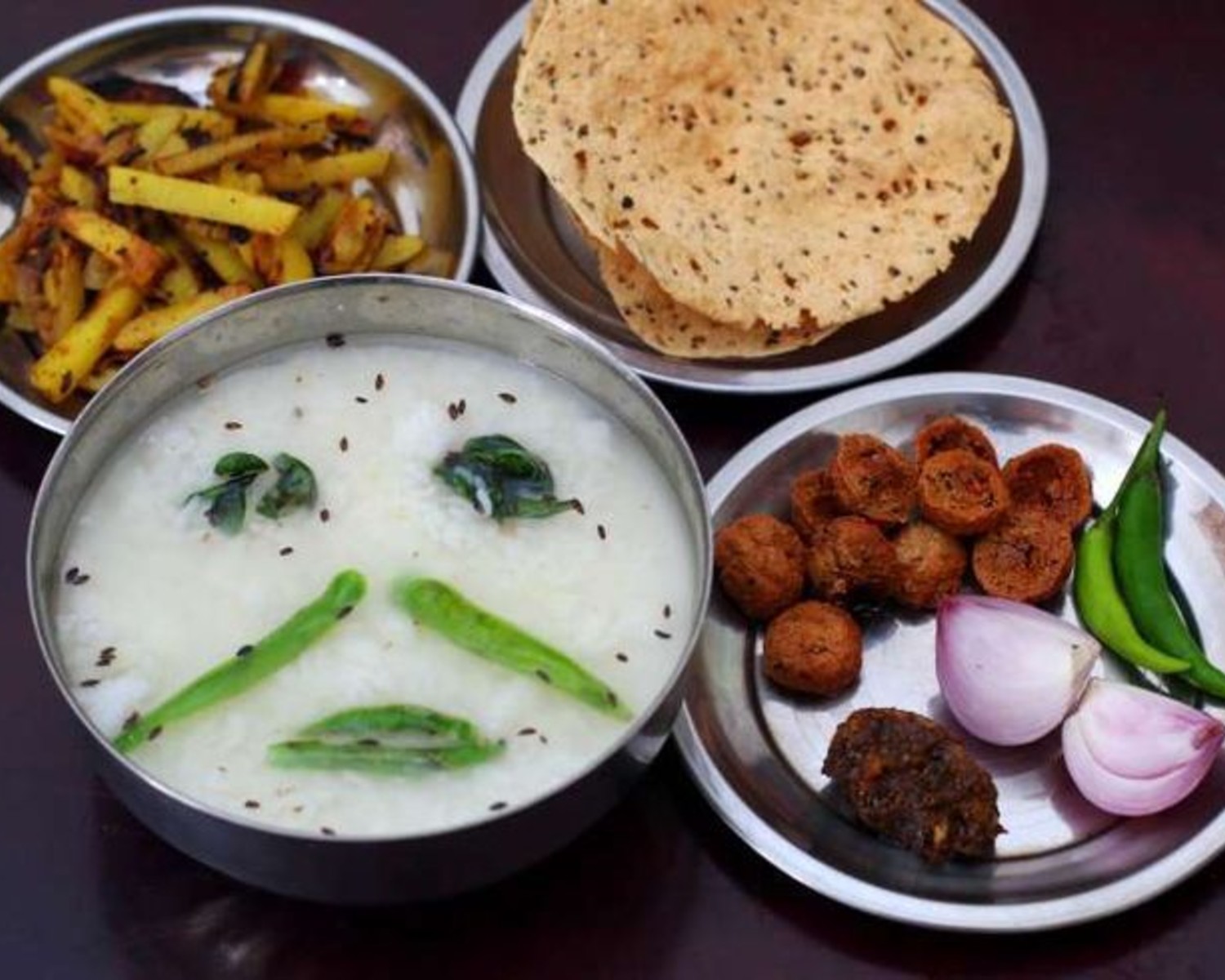
Pakhala Bhata
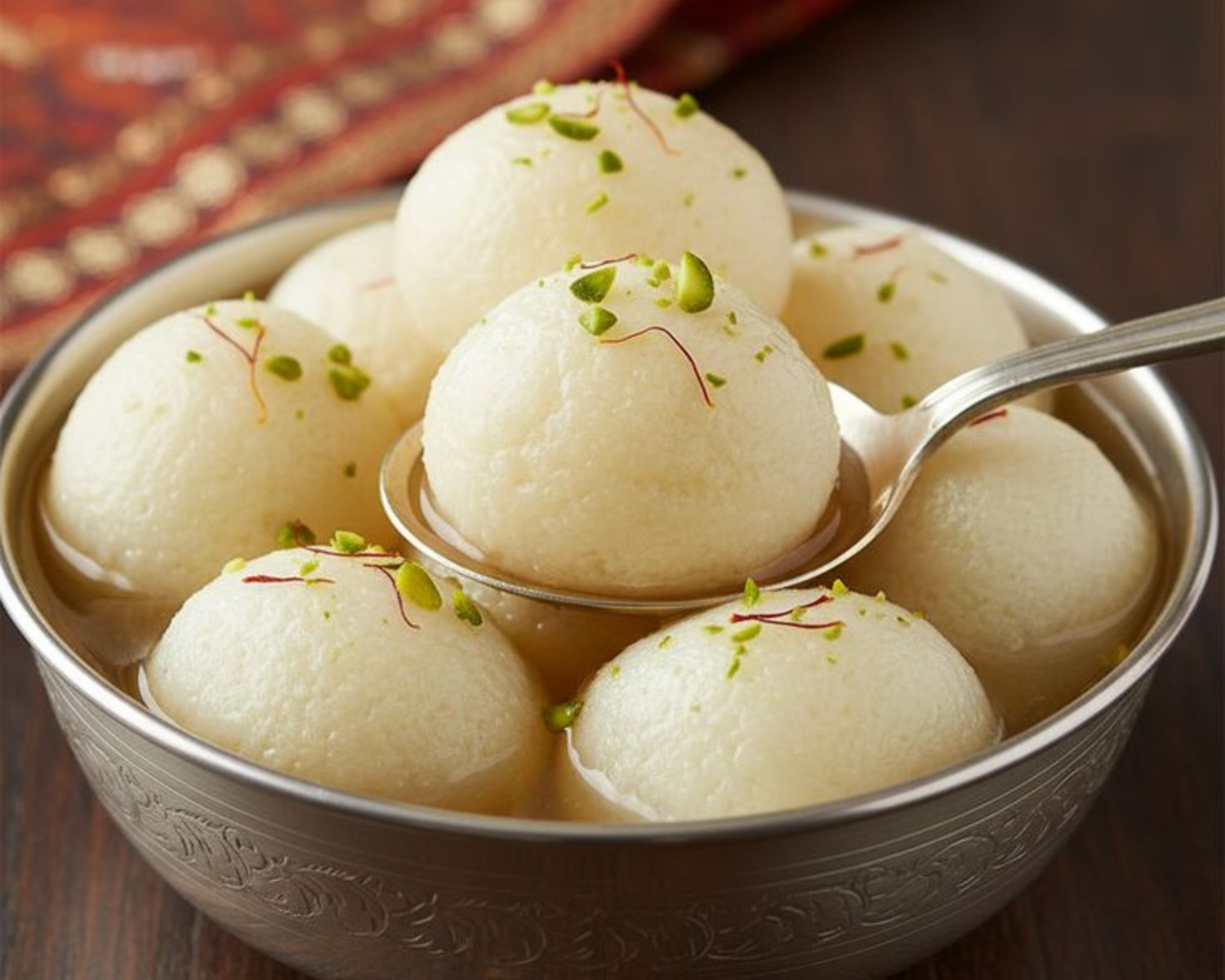
Rasgulla
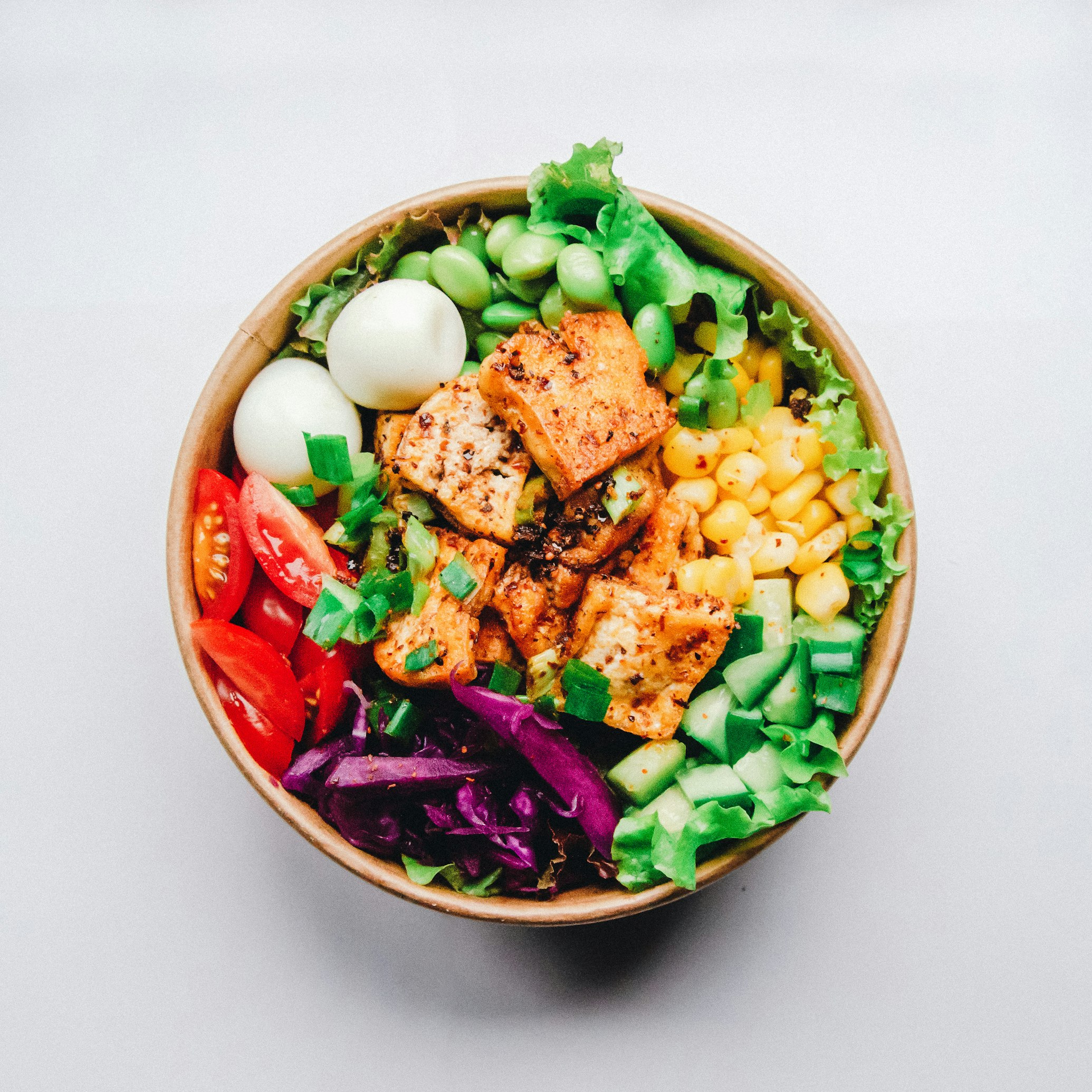
Khichudi
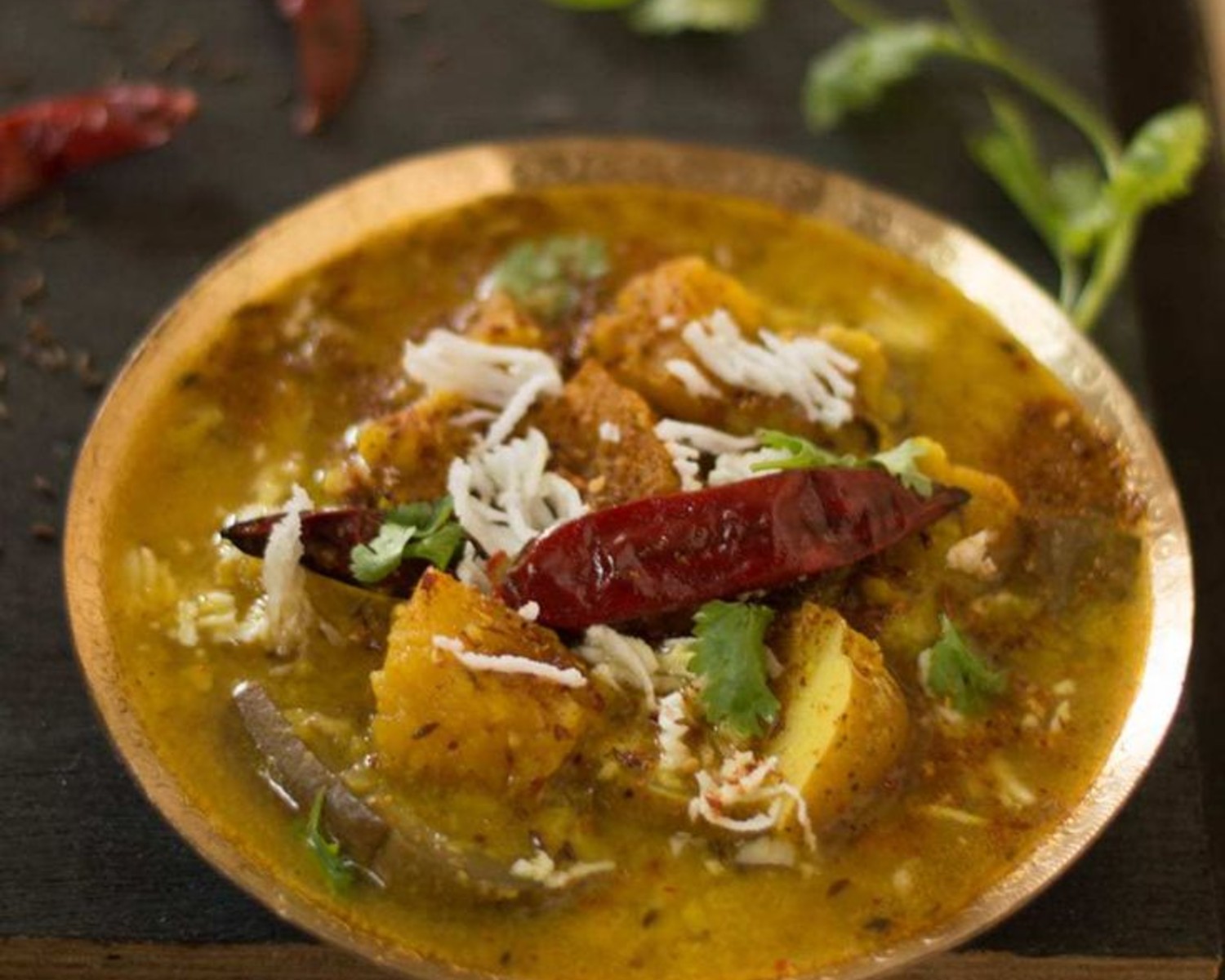
Dalma
Macha Jhol

Chakuli Pitha / Chikula

Poda Pitha
Where to Eat
Temple Kitchens (Rasoi)
Jagannath Temple's Rasoi serves free Mahaprasad daily to thousands. Authentic, blessed, and a spiritual experience. Best time: 12-2 PM (lunch distribution). No booking needed; open to all faiths (Free/₹20-50 donation).
Local Restaurants (Odia Khana)
Family-run eateries serving traditional rice, curries, fish, and vegetables. Casual ambiance, authentic taste, budget-friendly. Found in every town (₹80-200 per plate).
Street Food Stalls & Bazaars
Chakuli pitha, pakhala, dahi bhalle, samosa, rasgulla stalls. Authentic, fresh, and cheap. Yashil Bazar (Bhubaneswar) and Puri bazaars are must-visits (₹10-50 per item).
Beach Shacks (Puri & Gopalpur)
Casual seaside dining with fresh seafood—fish curry, crab, prawns, fish fry. Laid-back atmosphere, sunset views (₹150-400 per plate).
Modern Restaurants & Hotels
Bhubaneswar and Puri have contemporary dining options serving Indian, international, and fusion cuisines. Fixed prices, air-conditioned, family-friendly (₹250-800+ per plate).
Tribal Community Kitchens
In Jeypore (tribal hub), local communities serve tribal cuisine featuring ragi (finger millet), bamboo shoots, wild herbs. Unique, authentic experiences (₹100-200 per meal).
Dining Etiquette
- •Meals are social occasions; rushing through food is considered impolite. Take time to enjoy and converse.
- •Rice is the central staple; most meals revolve around rice preparations paired with curries and vegetables.
- •Bread (whether flatbread or rice) is treated with respect; never waste or place upside down.
- •Eating with right hand is traditional; left hand considered unclean by older generations.
- •Accepting offered food shows respect and friendship; refusing can be insulting in household settings.
- •Temple prasad (Mahaprasad, khichudi) is blessed food; accept with gratitude and consume respectfully.
- •Most traditional restaurants and eateries open 7 AM–9 PM; street food vendors operate throughout the day.
- •Vegetarian options are abundant; inform restaurants of dietary restrictions in advance.
- •Tipping: 10% service charge usually included; additional ₹20-50 appreciated for good service.
- •Alcohol (beer, spirits) available in restaurants; consumption is personal choice and contextual.
Signature Drinks
Shop & Bring Home
Odisha's shopping reflects millennia of craftsmanship—temple-inspired art, tribal wisdom, and coastal trade heritage. From hand-woven Sambalpuri sarees with tie-dye motifs to intricately carved Konark stone replicas, every purchase tells a story of artistic mastery. The state's handicrafts bear Geographical Indication (GI) tags, certifying authenticity and cultural significance. Shopping in Odisha means supporting generations of artisans preserving ancient traditions.
Textiles & Sarees
- Sambalpuri Ikat Sarees (Bandha Kala tie-dye)
- Pattachitra Hand-Painted Sarees
- Bomkai Silk Sarees
- Kotpad Handloom
- Gopalpur Tussar Silk
- Khandua Sarees
Stone Carving & Konark Art
- Konark Stone Replicas (GI-tagged 2008)
- Konark Wheel (Chakra) Miniatures
- Lingaraja Temple Models
- Religious Idols & Sculptures
- Wall Hangings & Panels
Temple Art & Pattachitra
- Hand-Painted Pattachitra (cloth paintings)
- Ganjifa Playing Cards (painted)
- Ritual Masks & Wall Art
- Mythological Narrative Paintings
- Lord Jagannath Representations
Metal Crafts & Filigree
- Silver Filigree (Tarakasi) from Cuttack
- Copperware & Brass Items
- Dhokra (Lost-Wax Casting) Sculptures
- Tribal Metal Jewelry
Food & Spices
- Rasgulla (Sweets)
- Local Honey & Jaggery
- Spices (Turmeric, Cumin)
- Pickles & Chutneys (Mango, Tamarind)
- Dried Fruits & Nuts
- Specialty Tea
Where to Shop (Local Hubs)
Odisha State Handicraft Center (Bhubaneswar)
Official Government Outlet
"Curated authentic pieces directly from artisans. Fixed prices (no bargaining). All items certified. Excellent for souvenirs and gifts. Museum-quality items available."
Yashil Bazar (Bhubaneswar)
Traditional Market & Bazaar
"Chaotic, authentic, vibrant. Vegetables, spices, sweets, handicrafts all mixed. Best for Rasgulla, local snacks, and experiencing everyday Odia life. Haggling expected; bargain hard."
Old Town (Puri)
Heritage Shopping & Temple Souvenirs
"Near Jagannath Temple. Shops selling religious items, temple replicas, sarees, art. Tourist-oriented; prices higher. Quality variable; negotiate firmly. Best for temple-related souvenirs."
Konark Shopping Strip (Konark)
Sun Temple Area & Crafts
"Stone carving shops, miniature Konark temples, art galleries. Direct from artisans working near temple. Excellent for authentic Konark replicas. Shipping available for heavy pieces."
Boyanika (Government Shops - Multiple Locations)
State-Approved Textiles & Crafts
"Official state emporium chain. Sambalpuri sarees, Pattachitra, handicrafts. Fixed prices, quality guaranteed. Air-conditioned, hassle-free shopping. Slightly pricier than bazaars but authentic."
Cuttack Filigree Markets
Silver Filigree Specialists
"Cuttack's Old Town specializes in tarakasi (filigree). Intricate silver jewelry, decorative items. Direct from silversmiths' workshops. Verify silver purity before purchase."
Jeypore Tribal Markets
Tribal Crafts & Authentic Textiles
"Remote market in tribal region of Jeypore (Koraput district). Tribal jewelry, handloom, bamboo crafts, authentic tribal art. Requires day trip from main cities but worth the journey for unique pieces."
On the Move
Airport
BBI
4 km from Bhubaneswar; direct flights to major Indian cities + Dubai, Bangkok
Taxi Apps
Uber/Ola
Reliable, affordable, safe; recommended for tourists
Railways
East Coast Railway
Bhubaneswar hub; trains to Delhi, Kolkata, Chennai, Mumbai
Airport Arrival
Biju Patnaik International Airport (BBI) is the main gateway, located 4 km northeast of Bhubaneswar city center. Journey to center: 15-20 minutes by taxi, 45-60 minutes by public bus.
Travel Tech
Travel Tips
Book trains in advance, especially during Rath Yatra (June-July) when demand surges.
Uber/Ola safer than negotiating with local auto-rickshaws, especially for women travelers.
Highway NH-16 connects Odisha to Kolkata (450 km north) and Hyderabad (700 km south); well-maintained.
Motorcycle rentals available (₹200-400/day) for adventurous travelers; helmets mandatory.
Coastal roads (Puri to Konark) scenic; consider taking scenic route via Highway 5.
OTDC (Odisha Tourism) offers pre-booked car packages with experienced drivers; reliable for temple circuit tours.
Traffic in Bhubaneswar during peak hours; allow extra time for city travel.
Avoid traveling during heavy monsoons (July-August); roads can flood and visibility poor.
Intercity Travel
Trains (Indian Railways)
Bhubaneswar Railway Station is a major hub. Express trains to Delhi (25h), Kolkata (7h), Chennai (15h), Mumbai (24h). Vande Bharat (fast trains) available to Puri (1h 18min). Booking via IRCTC.co.in. Fares: ₹30-1,000+ depending on class.
Bhubaneswar to Puri (62 km)
19+ trains daily (Sleeper: ₹130-160; 3AC: ₹330-420; 2AC: ₹450-500). Vande Bharat fastest (1h 18min). Journey time: 1h 50min to 2h 50min depending on stops.
Buses (OSRTC & Private)
Government (OSRTC) and private bus operators serve all destinations. Bhubaneswar to Puri (~1 hour; ₹50-100); Bhubaneswar to Konark (via Puri; ~2 hours; ₹100-150). Deluxe AC available. Depart when full (less predictable schedule than trains).
Taxis & Car Rentals
Hire taxis through hotels or apps (₹1,500-3,000 per day for car + driver). Car rentals: ₹800-1,500 per day. International driver's license required. Drive on left; roads mostly well-maintained but driving standards vary. Petrol stations abundant.
Flights
Bhubaneswar to Kolkata: 1 hour flight (₹3,500-8,000). Multiple daily flights via IndiGo, Air India, Air India Express. Nearest major airports: Kolkata (450 km), Hyderabad (700 km).
BakıKart
State Transport Card: Unified transit card for buses in Bhubaneswar and Puri (under development). Currently, cash payment on buses;₹5-20 per ride depending on distance.
Visa Entry
Domestic Travel - No Visa Required
For Indian citizens, travel to Odisha is unrestricted domestic tourism. No visas, permits, or registrations required. International visitors need valid Indian visa (or eligible for e-Tourist visa). Tourism infrastructure caters to all visitors.
For Indians: Simply travel with a valid national ID (Aadhaar, Passport, Voter ID). No special permits required.
For Foreigners: Obtain Indian visa (Tourist/e-Tourist visa) before arrival or apply for e-visa online.
Upon arrival in Odisha, check-in with hotel/accommodation. Tourism websites provide detailed information about restricted areas (tribal reserves, protected wildlife zones).
Respect temple protocols: dress modestly, remove shoes, follow posted rules. Photography may be restricted in inner sanctums.
Extended stays (60+ days) by foreigners may require registration with Foreign Registration Office; hotels typically handle this.
Registration
Penalty: Overstaying without registration can result in fines (₹500-1,000+) or deportation.
Entry Requirements
- • Valid national ID (Indians): Aadhaar, Passport, Voter ID, Driving License
- • Valid Passport (Foreigners): 6+ months validity beyond intended stay
- • Tourist Visa or e-Visa (Foreigners): Valid for duration of stay
- • Hotel confirmation or accommodation proof (for registration if required)
- • Travel insurance (recommended, especially for adventure activities like trekking)
- • Return ticket (proof of onward journey)
- • Proof of funds (for extended stays)