
Australia
Explore iconic wonders in Australia. Select tailor made holiday packages for wildlife encounters, and outback adventures.
About Australia
The Land Down Under where ancient Aboriginal cultures, iconic wildlife, stunning beaches, and vast red deserts create unforgettable adventures.
Australia, the world's oldest continuous culture, was inhabited for 65,000+ years by Aboriginal and Torres Strait Islander peoples before European contact (1788). British colonization—first as a penal colony, then settlement—transformed the continent dramatically. Today, Australia ranks as world's #2 developed nation (GDP per capita), attracting 7.7M international visitors annually (YE March 2025). India emerged as #5 source market (443,000+ visitors YE May 2025, +10% growth), with AUD 2.6B spending (AUD 6,200 per capita—highest globally). Direct flights (19 weekly) and streamlined visas drive Indian tourism boom; target demographic: high-yielding travelers aged 24–44 staying 8+ days, exploring beyond Sydney/Melbourne, and researching the best time to visit Australia.
Why Choose Australia?
Aboriginal Dreamtime—65,000+ Years of Continuous Culture
Aboriginal Australians possess world's oldest continuous civilization: 65,000+ years of spiritual, cultural, and practical knowledge. Dreamtime (Dreaming)—sacred time when ancestral spirits created landscape, laws, customs—shapes all aspects of life. Every rock, waterhole, songline encoded with stories; Country (land) sacred, spiritually connected. Contemporary Aboriginal art, music, ceremony perpetuate this ancient tradition. Visitors learning Dreamtime culture from Aboriginal guides experience world's most enduring cultural heritage.[web:1032][web:1035][web:1041]
Indigenous Resilience & Contemporary Identity
Despite colonization's devastation (disease, land theft, cultural suppression, child removal policies—"Stolen Generations"), Aboriginal and Torres Strait Islander peoples maintain vibrant cultures. Boomerangs, didgeridoos, Aboriginal art (dot painting, bark paintings), music (didgeridoo), language revival, and Dreamtime storytelling remain vital. Tourism increasingly emphasizes respectful Indigenous engagement: Aboriginal-guided tours, cultural centers, bush tucker experiences, art galleries. Recognition of Indigenous contribution fundamental to modern Australian identity.
Icons of Discovery—Sydney, Uluru, Great Barrier Reef
Australia's three most iconic destinations: Sydney (Opera House, Harbour Bridge, cosmopolitan city); Uluru (sacred red monolith, heart of Outback, Aboriginal spiritual significance); Great Barrier Reef (world's largest coral system, marine biodiversity marvel). Each represents distinct Australian experience: urban sophistication, ancient wilderness spirituality, natural wonder. For Indian visitors: 29M nights spent YE 2025 (+21%)—visitors extending stays, exploring beyond these three cities into Tasmania, Daintree Rainforest, Kakadu National Park, regional wine regions.[web:1020][web:1046][web:1049][web:1052][web:1055]
Vegemite—Wartime Invention to Cultural Icon
Vegemite (dark brown yeast extract spread)—initially "Parwill"—invented 1923 by Fred Walker's food technician Cyril Callister using Carlton Brewery brewer's yeast. WWII rationing made it iconic: Kraft-Walker bulk-sold to military; civilians told troops demanded it. "Happy Little Vegemites" advertising (1950s) cemented cultural identity. Men At Work's 1981 song "Down Under" lyrics "He just smiled and gave me a Vegemite sandwich" popularized internationally. Today: love-it-or-hate-it symbol of Australian identity; spread on toast with butter, avocado, cheese. 100-year heritage (2023 centenary) confirms cultural status.[web:1030][web:1033][web:1036][web:1039][web:1042]
Must-Experience Attractions
Australia Tour Packages from India
Australia is closer than most Indian travellers assume. Qantas flies nonstop from Bengaluru to Sydney, and Air India flies nonstop from Delhi to both Sydney and Melbourne — around twelve to thirteen and a half hours, no connection. Those are the only three direct routes between the two countries.
Two things to get right before anything else. The visa: Indian passport holders cannot use the Australian ETA or eVisitor, whatever a website may tell you — you need the subclass 600 visitor visa, which takes three to four weeks and needs proper documentation. And the season: if the Great Barrier Reef or Uluru is why you are going, the Australian winter is the right time, not the spring.
Below: what the visa actually involves, when to travel for each part of the country, and how the domestic flights shape your itinerary.
Get an Australia quote →
Australia trip at a glance
Field | Detail |
Ideal duration | 5–6 nights for Sydney and Melbourne; 7–8 nights adding the Gold Coast; 10–14 days for a Sydney–Melbourne–Cairns circuit with or without Uluru |
Cost from India | [Insert from Bayard package sheet.] Domestic flights are a significant separate line on any multi-city itinerary |
Best season | Depends on where you are going. June–September for the Reef and Uluru; September–November and March–May for Sydney and Melbourne. See the seasonal section — this matters more here than most places |
Entry for Indians | Subclass 600 visitor visa. Indians are NOT eligible for the ETA or eVisitor. Applied online via ImmiAccount with biometrics in India. Last verified 2 September 2026 |
Processing | Typically 18–30 days, longer between October and February. Apply six to eight weeks ahead |
Flights from India | Nonstop: Qantas Bengaluru–Sydney, Air India Delhi–Sydney and Delhi–Melbourne. Everything else connects via Singapore, Kuala Lumpur, Bangkok or a Gulf hub |
Getting around | Domestic flights. Sydney–Cairns is about 3 hours, Sydney–Uluru about 3.5, Sydney–Perth about 5. Australia is the size of Europe |
The visa: what Indian travellers actually need
Indian passport holders need a Visitor visa (subclass 600) to travel to Australia. There is no visa on arrival, and no shortcut.
The thing most people get wrong
You will read a great deal about Australia’s ETA and eVisitor — quick, cheap electronic authorisations that can be approved in days. Neither is available to you. The ETA (subclass 601) is limited to a short list of nationalities including the US, Canada, Japan, Singapore and South Korea. The eVisitor (subclass 651) is for European passports. India is on neither list.
This matters practically: if an agent offers to lodge an eVisitor or ETA application on an Indian passport, they cannot deliver it, and any "approval" you are shown is not real. The only route is subclass 600, applied for online through ImmiAccount.
How it works
• Apply online through ImmiAccount. There is no embassy interview in the normal process.
• Biometrics fingerprints and a photograph are required for most first-time Indian applicants, at an Australian visa application centre. Centres operate in Bengaluru, Chennai, Hyderabad, Mumbai, Delhi, Kolkata and several other cities.
• Processing typically runs 18 to 30 days, and can stretch toward 60 in the October-to-February peak. Apply six to eight weeks before travel, and do not book non-refundable flights before the grant.
• You will need a passport valid six months beyond departure, evidence of funds, employment or business proof, a return ticket, accommodation bookings and a credible itinerary.
• The visa fee is set by the Australian government and has been revised recently. Ask us for the current figure when you enquire — we would rather quote it accurately than publish a number that dates.
An honest word on approvals
Australia refuses more Indian visitor applications than most comparable destinations — reported approval rates run around 78 to 85 per cent, against roughly 91 per cent for the UK. Refusals are overwhelmingly about weak evidence of ties to India rather than anything sinister, and they are largely avoidable with a properly assembled file. This is the single clearest reason to have someone prepare the application with you.
Getting there: the three nonstop routes
From | Service | Approx. flight time |
Bengaluru | Qantas, nonstop to Sydney | About 13.5 hours |
Delhi | Air India, nonstop to Sydney and to Melbourne | About 12–12.5 hours |
Mumbai | One stop via Singapore, Kuala Lumpur, Bangkok or a Gulf hub | About 15–18 hours in total |
Chennai, Hyderabad, Kochi | One stop, usually via Singapore or Kuala Lumpur | About 15–20 hours in total |
Kolkata | One stop via Singapore, Bangkok or Kuala Lumpur | About 15–18 hours in total |
A connection is not always the worse option. Singapore and Kuala Lumpur break the journey usefully for families with young children, and connecting fares frequently undercut the nonstops. We price both and let you choose.
Inside Australia
Domestic flights, and you will need several. Australia is roughly the size of Europe — Sydney to Cairns is about three hours in the air, Sydney to Uluru about three and a half, and Sydney to Perth about five, which is longer than Delhi to Singapore. A Sydney–Melbourne–Cairns–Uluru circuit means four or five internal flights, and they are a real and unavoidable cost line rather than a detail. We build the routing so you are not backtracking.
When to go and why it depends where
Australia spans the tropics and the temperate south, so there is no single best month. The most common planning mistake is choosing dates that suit Sydney and then being disappointed by the Reef.
Months | What it’s like | Best for |
June–September (Australian winter) | Dry season in the tropical north — clear water, best reef visibility, no stingers. Comfortable daytime temperatures in the Red Centre. Mild in Sydney and Melbourne, cool in the evenings | The Great Barrier Reef and Uluru. Also aligns with Indian school summer holidays |
September–November (spring) | Mild and pleasant in the south, flowers out, good for the Great Ocean Road and the cities. Stinger season beginning in the north | Sydney, Melbourne and the southern road trips |
December–February (summer) | Hot and busy everywhere, peak prices, school holidays in Australia. Wet season and cyclone risk in the tropical north; stinger season in full effect | Beaches in the south. Not the window for the Reef |
March–May (autumn) | Comfortable in the south and good for the cities. Tail of the wet season and of stinger season in the north | Sydney, Melbourne and the Great Ocean Road |
Stinger season the thing nobody tells you
Box jellyfish and Irukandji are present in tropical north Queensland waters from roughly November to May. During those months, swimming from Cairns-area beaches means wearing a stinger suit, patrolled beaches use netted enclosures, and reef operators supply suits as standard on tours.
It is entirely manageable and it does not stop people snorkelling — but it is a genuine consideration, and it is one reason the June-to-September window is the better answer for a Reef-led trip. We tell you before you fix your dates rather than after.
Our steer: if the Reef or Uluru is the reason for the trip, travel between June and September. If it is a Sydney and Melbourne holiday, spring or autumn is more comfortable. If you want both properly, June to August is the honest compromise — mild in the south, excellent in the north.
Choose your itinerary
Sydney & Melbourne 5 to 6 Nights
Best for a first Australian trip, and the format that makes the airfare worth it on a shorter holiday
• Day 1: Arrive Sydney, transfer, evening at Circular Quay or Darling Harbour with the Opera House lit.
• Day 2: Sydney — Opera House, Harbour Bridge, Bondi and the coastal walk to Coogee.
• Day 3: Blue Mountains day trip — the Three Sisters, Scenic World, eucalyptus valleys.
• Day 4: Fly to Melbourne, evening at Federation Square and the laneways.
• Day 5: Great Ocean Road day trip for the Twelve Apostles, or Phillip Island for the penguin parade.
• Day 6: Melbourne at leisure — the galleries, the coffee, the Queen Victoria Market — then departure.
Quoted on request. Ask us to cost this for your dates →
Sydney, Gold Coast & Melbourne - 7 to 8 Nights
Best for families with children
Adds the Gold Coast — Surfers Paradise, the beaches, and the theme parks at Warner Bros. Movie World, Sea World and Dreamworld. Two or three days there breaks up the city time and is usually the part children talk about afterwards.
Explore the Land of Kangaroo - 13 Days / 12 Nights
Best for a full Australian circuit
Melbourne, Cairns, the Gold Coast, Brisbane and Sydney — the cities, the Great Barrier Reef and the Daintree rainforest, with the Great Ocean Road from Melbourne. Twelve nights is what it takes to do this without living on aeroplanes, and it is the trip for people making the journey once and wanting all of it.
Adding Uluru - 2 to 3 extra nights
Best for travellers who want the Red Centre as well
About three and a half hours by air from Sydney, and a genuinely different Australia — red desert, Kata Tjuta, and sunrise and sunset over the rock. Worth knowing before you plan: climbing Uluru has been prohibited since October 2019 at the request of the Anangu traditional owners, whose sacred site it is. What you do instead is walk the base, join an Aboriginal-guided tour, and watch the light change, which most visitors say is the better experience anyway. The national park charges an entry fee, valid for several days.
Ask us to build a Red Centre extension →
Where to go
Sydney
The Opera House and Harbour Bridge, Bondi and the coastal walk, the ferries across the harbour, and the Blue Mountains an easy day inland. The entry point for most trips and worth three nights.
Melbourne
Laneways, coffee, galleries and sport — a completely different city from Sydney and the one people are usually more surprised by. The base for the Great Ocean Road and the Twelve Apostles, and for Phillip Island’s penguins.
Cairns and the Great Barrier Reef
The gateway to the reef and to the Daintree, the oldest tropical rainforest on earth. Reef day trips run to the outer reef for snorkelling and diving. Travel June to September for the clearest water and outside stinger season. Reef operators levy a small environmental management charge per person per day.
The Gold Coast
Surfers Paradise, long beaches, and the theme parks — Warner Bros. Movie World, Sea World, Dreamworld and Wet’n’Wild. The family stop.
Uluru and the Red Centre
A sandstone monolith in the desert, sacred to the Anangu people, and one of the few places that genuinely lives up to its photographs. Base walks, Kata Tjuta, Aboriginal-guided cultural tours and the light at either end of the day.
Practical notes for Indian travellers
Distances
Take these seriously when planning. Australia is the size of Europe, and the itinerary is shaped by air links rather than roads. Four cities in ten days means four internal flights, and each one costs most of a day once you count airports. Fewer places, more nights is almost always the better trip.
Money and costs
Australian dollars. Card payment is near-universal and cash is rarely needed. Australia is expensive by Indian standards — comparable to Western Europe — and eating out in particular adds up. Tipping is not expected, which is a genuine saving over the US.
Food
Excellent for Indian travellers. Sydney, Melbourne, Brisbane and Perth all have large Indian communities and correspondingly good Indian food, and vegetarian options are standard on almost every menu. Regional and outback areas are more limited, so we plan those days rather than leave them to chance. Tell us about Jain requirements at booking.
Sun and safety
The Australian sun is stronger than most Indian visitors expect and burns quickly, particularly on the reef and in the desert. High-factor sunscreen, a hat and covered shoulders are not optional. Swim between the flags at patrolled beaches — the rips are real — and wear the stinger suit in the north if the season calls for it.
Common mistakes to avoid
• Believing you can use the ETA or eVisitor. Indians cannot. It is subclass 600 or nothing.
• Booking non-refundable flights before the visa is granted.
• Leaving the application to the last month, particularly between October and February.
• Planning a Reef trip in the wet season, or a Uluru trip in the summer heat.
• Not knowing about stinger season before choosing dates.
• Expecting to climb Uluru. It has been prohibited since 2019.
• Expecting a Disney park on the Gold Coast. There isn’t one.
• Underestimating internal flights. Sydney to Perth is longer than Delhi to Singapore.
What’s included in a Bayard Australia package
Included | Not included |
Hotels in Sydney, Melbourne, Gold Coast, Cairns and Uluru as your itinerary requires | International flights from India, unless bundled |
Daily breakfast, with selected meals where specified | The subclass 600 visa fee and application centre charges — though we prepare your documentation |
Airport transfers and city sightseeing transfers | Travel insurance, which we strongly recommend |
Domestic flights between cities where listed in your plan | Optional activities: scuba certification, helicopter and seaplane flights, extra theme park days |
Attraction entries as specified — Blue Mountains, Great Ocean Road, reef cruises, theme parks | Uluru-Kata Tjuta park entry and the reef environmental charge unless specifically included |
English-speaking guides and on-trip support | Meals outside your plan, shopping and personal expenses |
Why book Australia with Bayard Vacations
• We get the visa right, starting with the fact that you cannot use the ETA — and we assemble the file properly, which matters more for Australia than for most destinations.
• Nonstop routing from Bengaluru and Delhi where it suits you, and honest comparison against connecting fares where those are better value.
• Seasonal advice by region rather than by country. The right month for the Reef is not the right month for Sydney, and we plan around what you actually want to see.
• Realistic internal flight planning, so a ten-day trip is not four days of airports.
• Straight information on stinger season, sun, and what the Uluru experience actually is now.
• Aboriginal-guided experiences arranged properly, with operators who work with traditional owners rather than around them.
Talk to an Australia specialist →
Australia package FAQs
Can Indians apply for the Australia ETA?
No. The Electronic Travel Authority (subclass 601) and eVisitor (subclass 651) are both restricted to specific nationalities, and India is on neither list. Indian passport holders must apply for the Visitor visa (subclass 600) online through ImmiAccount. If an agent offers to lodge an ETA or eVisitor application on your Indian passport, they cannot deliver it.
What visa do Indians need for Australia?
The Visitor visa, subclass 600, tourist stream. Applied for online through ImmiAccount, with biometrics at an Australian visa application centre in India. There is no visa on arrival.
How long does the Australian visa take?
Typically 18 to 30 days, and it can stretch toward 60 during the October-to-February peak. Apply six to eight weeks before travel, and do not book non-refundable flights before the grant comes through.
How much does the visa cost?
The fee is set by the Australian government and has been revised recently, so we quote the current figure when you enquire rather than publishing one that dates. Budget for the application centre service charge on top.
Where do I give biometrics?
At an Australian visa application centre. There are centres in Bengaluru, Chennai, Hyderabad, Mumbai, Delhi, Kolkata and several other cities. You will be notified after lodging your application and should book promptly.
Are Australian visas hard to get for Indians?
Harder than the UK, honestly — reported approval rates run around 78 to 85 per cent against roughly 91 per cent for the UK. Refusals are usually about weak evidence of ties to India rather than anything else, and a properly assembled application avoids most of them. This is the part we help with most.
Are there direct flights from India to Australia?
Three. Qantas flies nonstop from Bengaluru to Sydney, and Air India flies nonstop from Delhi to both Sydney and Melbourne. Everything else connects, usually through Singapore, Kuala Lumpur, Bangkok or a Gulf hub. Nonstops run about 12 to 13.5 hours; connections 15 to 20.
When is the best time to visit Australia?
It depends where you are going, and this catches people out. June to September is best for the Great Barrier Reef and Uluru — dry season, clear water, no stingers, comfortable desert temperatures. September to November and March to May suit Sydney, Melbourne and the Great Ocean Road. If the Reef is the reason for your trip, travel in the Australian winter.
What is stinger season?
Box jellyfish and Irukandji are present in tropical north Queensland waters from roughly November to May. Swimming from Cairns-area beaches then means a stinger suit, and patrolled beaches use netted enclosures. Reef operators supply suits. It is manageable, but it is another reason we recommend June to September for a Reef trip.
Can I climb Uluru?
No. Climbing has been prohibited since October 2019, at the request of the Anangu traditional owners for whom it is a sacred site. What you do instead is the base walk, Kata Tjuta, an Aboriginal-guided cultural tour and sunrise or sunset over the rock — which most visitors find is the better experience. The national park charges an entry fee valid for several days.
Is there a Disney park in Australia?
No. The Gold Coast theme parks are Warner Bros. Movie World, Sea World, Dreamworld and Wet’n’Wild. They are excellent and worth two or three days with children, but there is no Disney park anywhere in Australia.
How many days do I need in Australia?
Five or six nights covers Sydney and Melbourne. Seven or eight adds the Gold Coast. Ten to fourteen for a full circuit with Cairns and the Reef, plus two or three more for Uluru. Fewer places with more nights beats a longer list with more flights.
Do I need domestic flights?
Almost certainly. Australia is roughly the size of Europe — Sydney to Cairns is about three hours in the air, Sydney to Uluru three and a half, Sydney to Perth five. Any multi-city itinerary needs several internal flights, and they are a real cost line we show separately.
Is Australia good for vegetarians?
Very. Sydney, Melbourne, Brisbane and Perth all have large Indian communities and excellent Indian food, and vegetarian options are standard almost everywhere. Regional and outback stops are more limited, so we plan those days. Tell us about Jain requirements at booking.
What is included in a Bayard Australia package?
Hotels, daily breakfast, airport and sightseeing transfers, domestic flights where listed, specified attraction entries, English-speaking guides and on-trip support. International flights, the visa fee, insurance, park and reef charges unless specified, and personal expenses are separate.
Planning an Australia trip?
Tell us your city, your dates and whether the Reef, the cities or Uluru matters most. We’ll send back a costed itinerary, tell you the right season for what you want to see, and prepare the visa file properly.
Enquire now · WhatsApp · Call
Australia Packages

Signature Collections
Handpicked signatures and top-rated escapes in Australia

We Are Bayard Vacations
Not just another travel company. We're dreamweavers, adventure architects, and memory makers.
Explore

Meet Bayard Buddy – Advanced AI Chatbot for Everyday Help
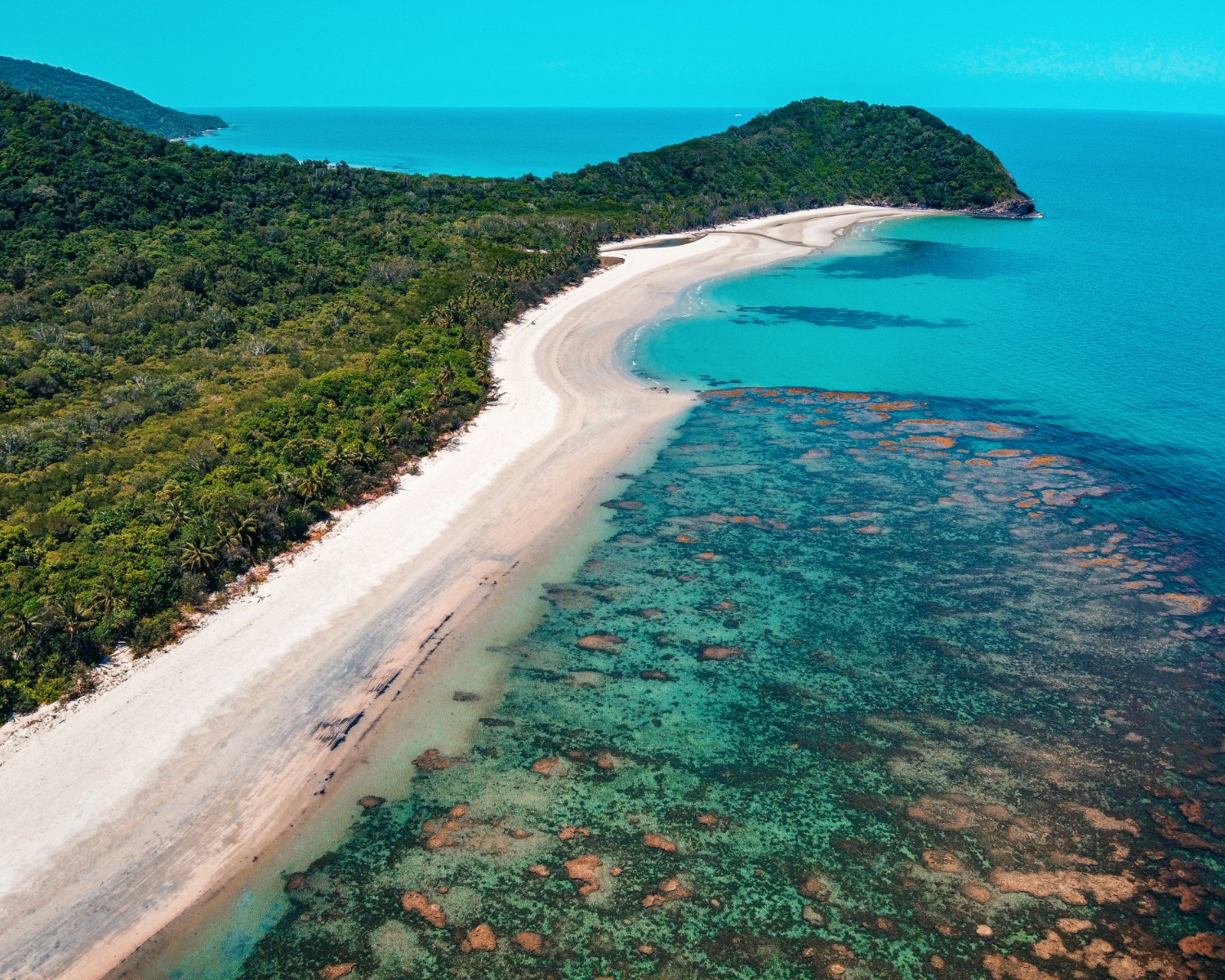
Vibrant coral formations and tropical fish in Great Barrier Reef waters
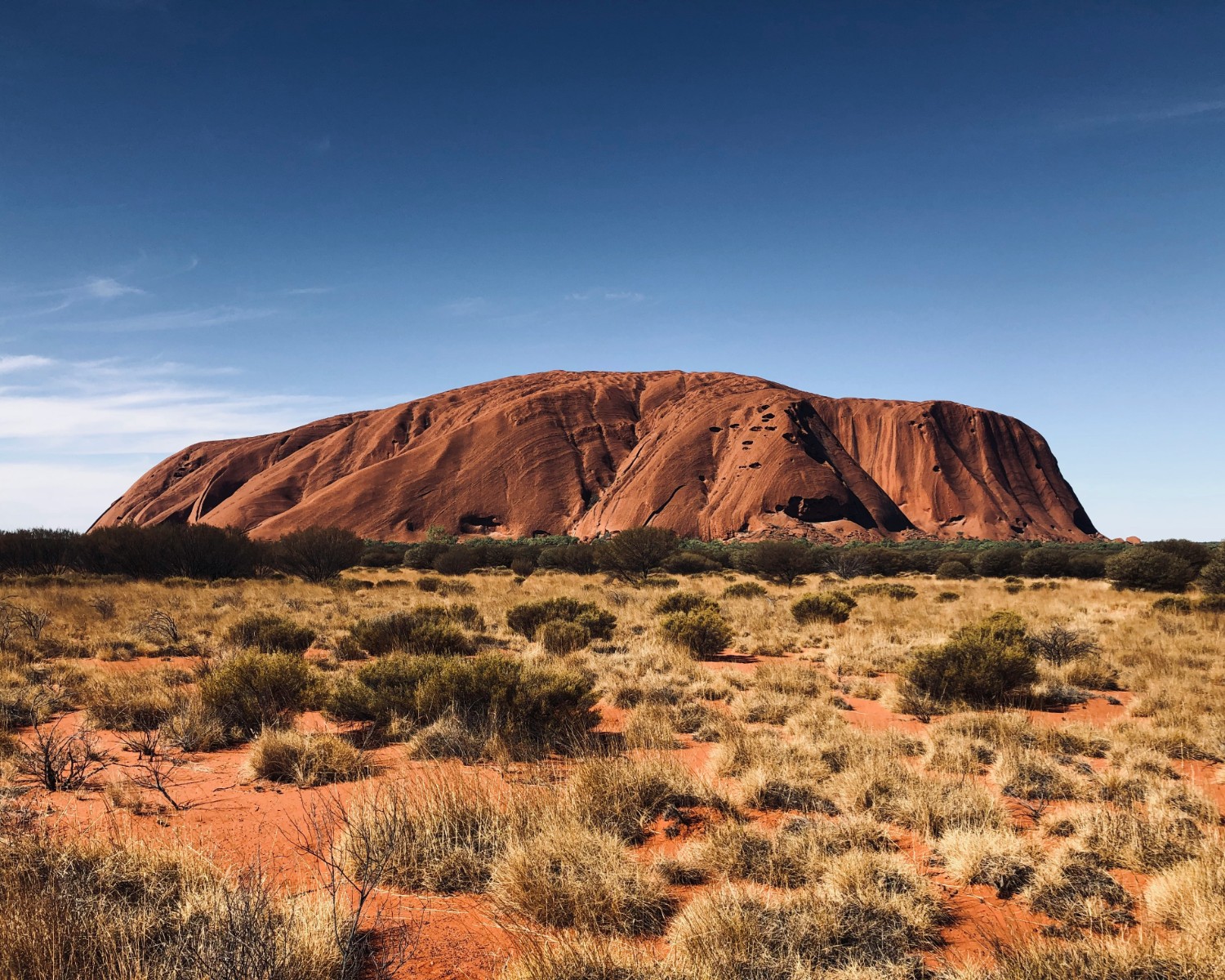
Uluru's iconic orange-red monolith at sunset in the Red Centre
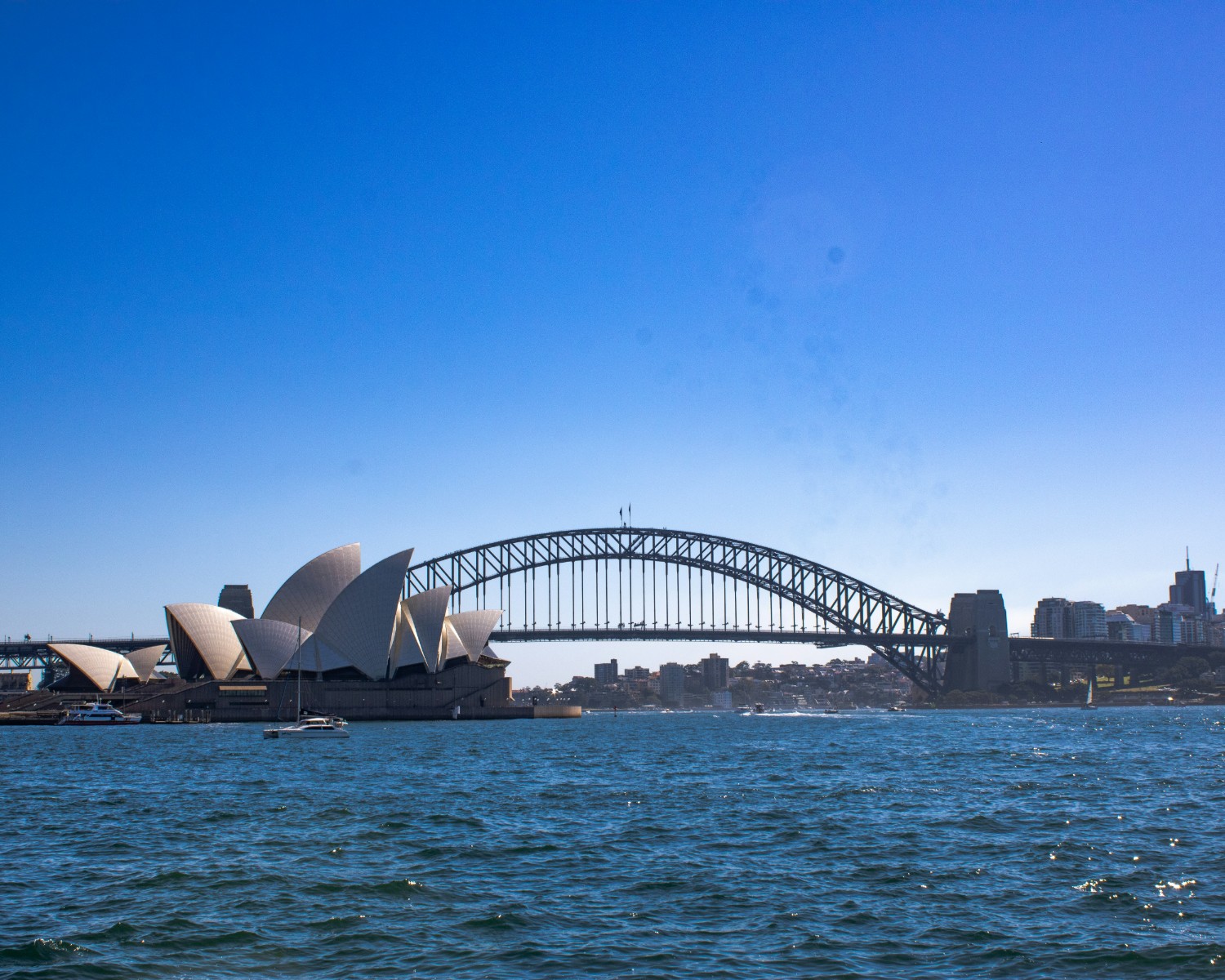
Sydney Opera House and Harbour Bridge iconic architecture

Skydiver descending over Whitsunday Islands with parachute deployed
Travel Stories & Tips
Get inspired for your next adventure to Australia


Guest Stories
Join 25,000+ happy travelers who explored Australia with us.
You Might Also Like
Discover more incredible destinations and experiences tailored for you