
ladakh
Ladakh
Ladakh is a stunning Himalayan destination offering high-altitude Trekking and serene Buddhist monasteries.
6+
packages
20k
Travelers
4.9
Rating
30+
Activities
Explore
Destination Overview
About Ladakh
Land of High Passes: Where Tibetan Buddhism Meets Himalayan Serenity, Frozen Lakes, and 300 Sunny Days.
Find the best Ladakh tour packages to experience this wonderful destination where the high altitude of Pangong Lake, the picturesque valley of Nubra Valley, and the ancient Buddhist Monastery will be the hallmark of your adventurous journey into the Land of High Passes. This unique Himalayan region presents you with some incredible opportunities for mountain trekking and biking.
Best TimeMay - Sep
CurrencyINR (₹)
ClimateHigh-Altitude Cold Desert
Time ZoneUTC+5:30 (IST)
LanguageLadakhi, Tibetan, English
PermitPAP (Foreigners Only)
CapitalLeh
Population~290K
Best Time
May - Sep
Currency
INR (₹)
Climate
High-Altitude Cold Desert
Time Zone
UTC+5:30 (IST)
Language
Ladakhi, Tibetan, English
Permit
PAP (Foreigners Only)
Capital
Leh
Population
~290K
Why Choose ladakh?
Thiksey Monastery: The 'Mini Potala'—Gelugpa Spiritual Epicenter
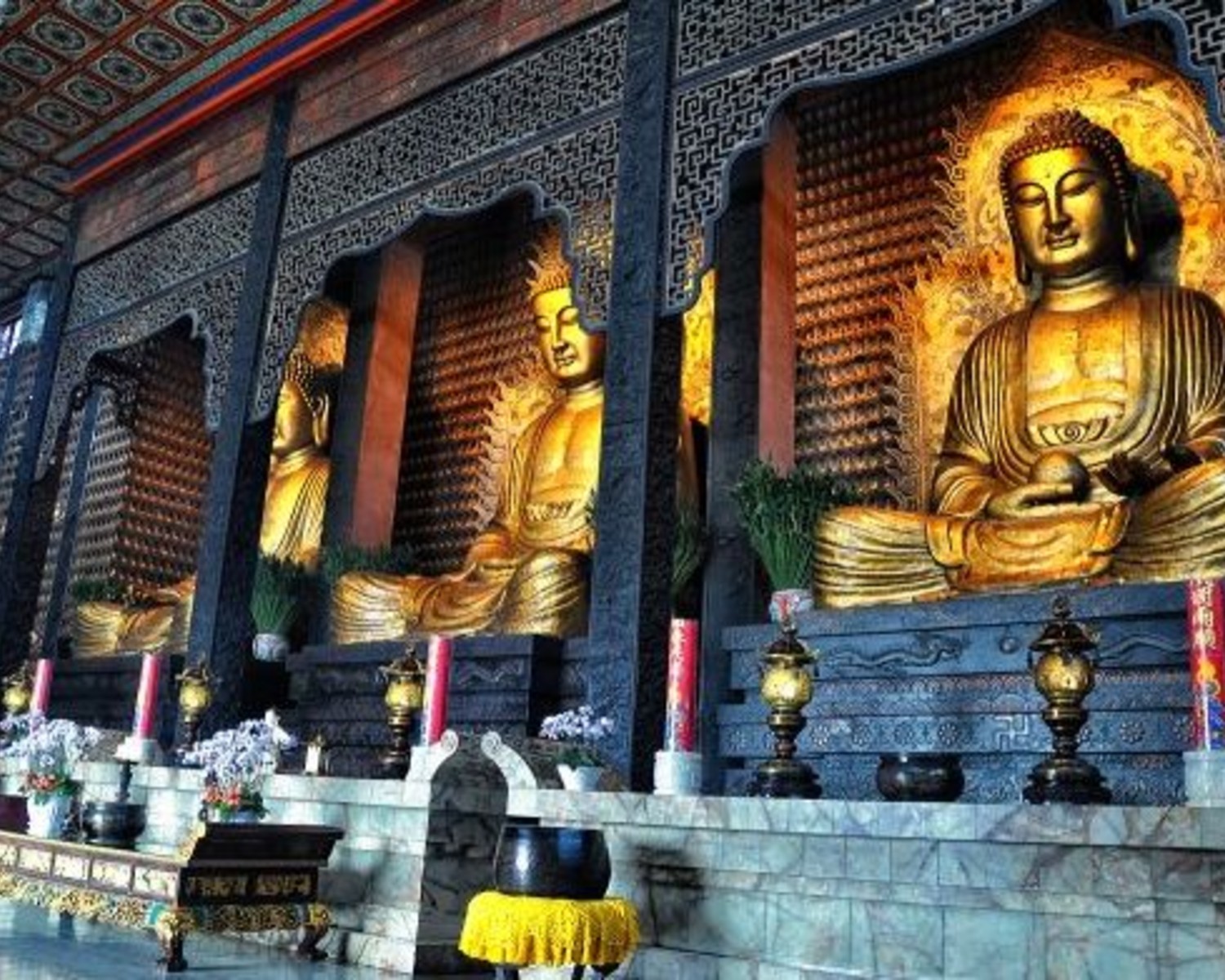
Thiksey Monastery (founded 1430s-1450s, 3,600m elevation, 19km east of Leh) stands as Ladakh's second-largest Buddhist monastery and architectural marvel, resembling Tibet's Potala Palace. The 12-story complex houses the 15-meter-tall Maitreya Buddha statue (installed 1970 after 14th Dalai Lama's visit), intricate thangka paintings, stupas, and rare Buddhist texts. Over 400 years, Thiksey governed 10+ subsidiary monasteries and developed sophisticated monastic scholarship traditions. Today, ~60 monks maintain rigorous meditation/study schedules; visitors witness daily prayers, butter-lamp offerings, and monastic life at 11,500+ feet elevation.
Hemis Festival: Guru Padmasambhava's Triumph Over Evil (Cham Dance)
Hemis Monastery's 2-day annual festival (10th day of Tibetan lunar month, June-July) celebrates Guru Padmasambhava's birth anniversary and symbolizes good's triumph over evil. The festival's centerpiece is the Cham Dance—masked monks perform slow, deliberate movements wearing elaborate costumes depicting Buddhist mythological characters. At festival's climax, a dough sculpture representing evil (dampsi) is ritually destroyed, thrown in four directions to purify souls. Drawing 5,000+ pilgrims and tourists, Hemis Festival represents Buddhism's living spiritual practice: not museum performance but genuine religious observance adapted for contemporary audiences.
Buddhist-Muslim Coexistence: Ladakh's Syncretic Pluralism
Ladakh uniquely balances 80%+ Buddhist population (Leh district) with 40%+ Muslim population (Kargil district), creating India's most harmonious interfaith society in border region. Buddhist monasteries dominate Leh's skyline; Islamic mosques and Sufi shrines dot Kargil valleys. Both communities celebrate shared festivals (Losar, Eid), intermarry moderately, and collaborate on regional governance. This coexistence persists despite 2019 administrative separation and geopolitical tensions with Pakistan/China. Ladakh embodies 'composite culture' rooted in centuries of Silk Road pluralism.
Ladakh's 2,000-Year Monastic Scholarship: Tibetan Buddhism's Eastern Sanctuary
Ladakh hosted one of Tibetan Buddhism's most important monastic universities outside Tibet itself. Monasteries like Thiksey, Hemis, and Diskit preserved Sanskrit texts, Tibetan commentaries, and oral philosophical traditions spanning epistemology, logic, ethics, and metaphysics. Monks spent 15-25 years mastering Buddhist canon; some achieved 'geshe' (doctorate-equivalent) status through rigorous exams. This scholarly continuity—unbroken for 600+ years despite colonialism, wars, modernization—makes Ladakh a living repository of classical Buddhist thought, attracting scholars and contemplatives worldwide.
Must-Experience Attractions
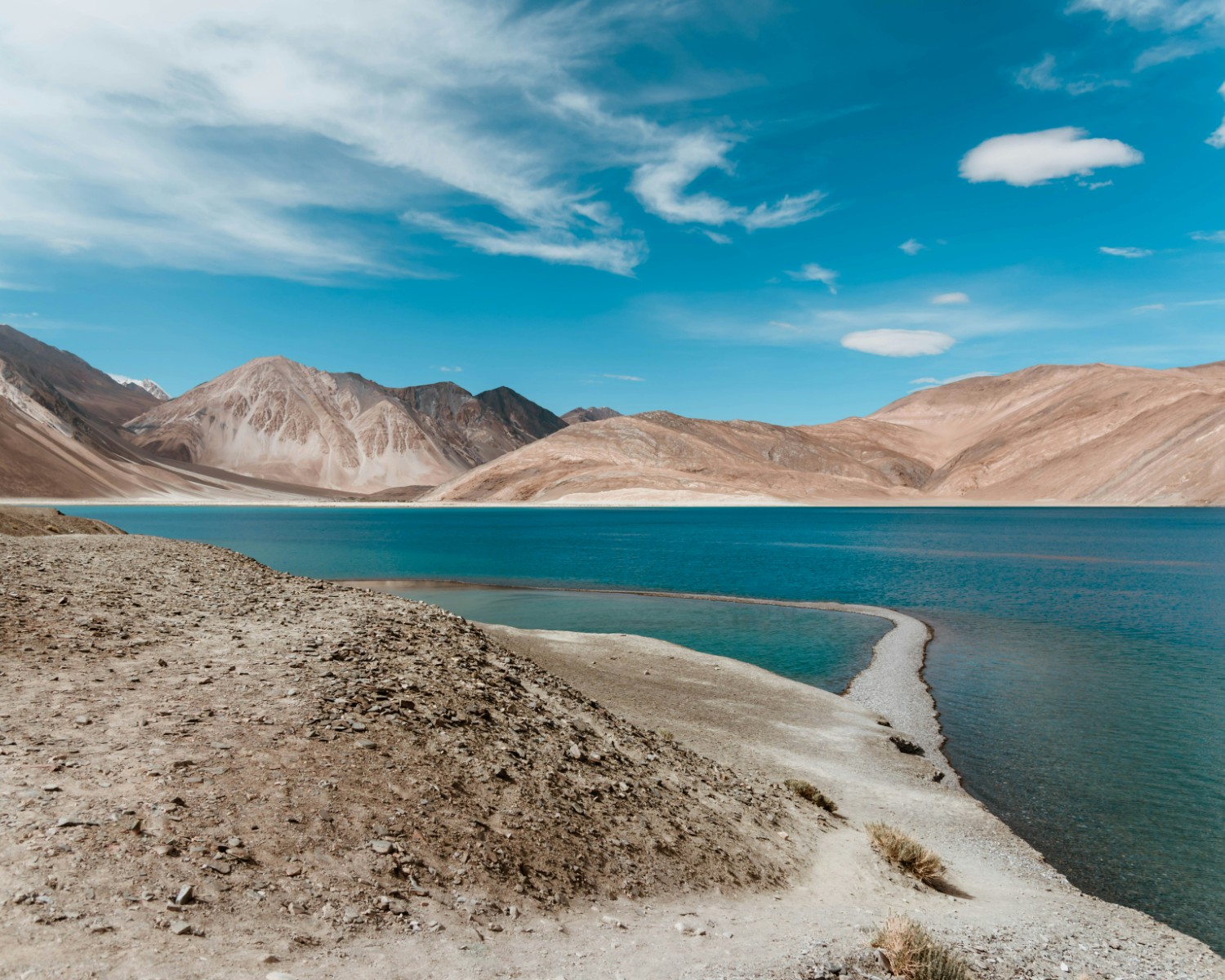
Pangong Tso Lake (4,350m chromatic waters)
Hemis Monastery & Guru Rinpoche Festival
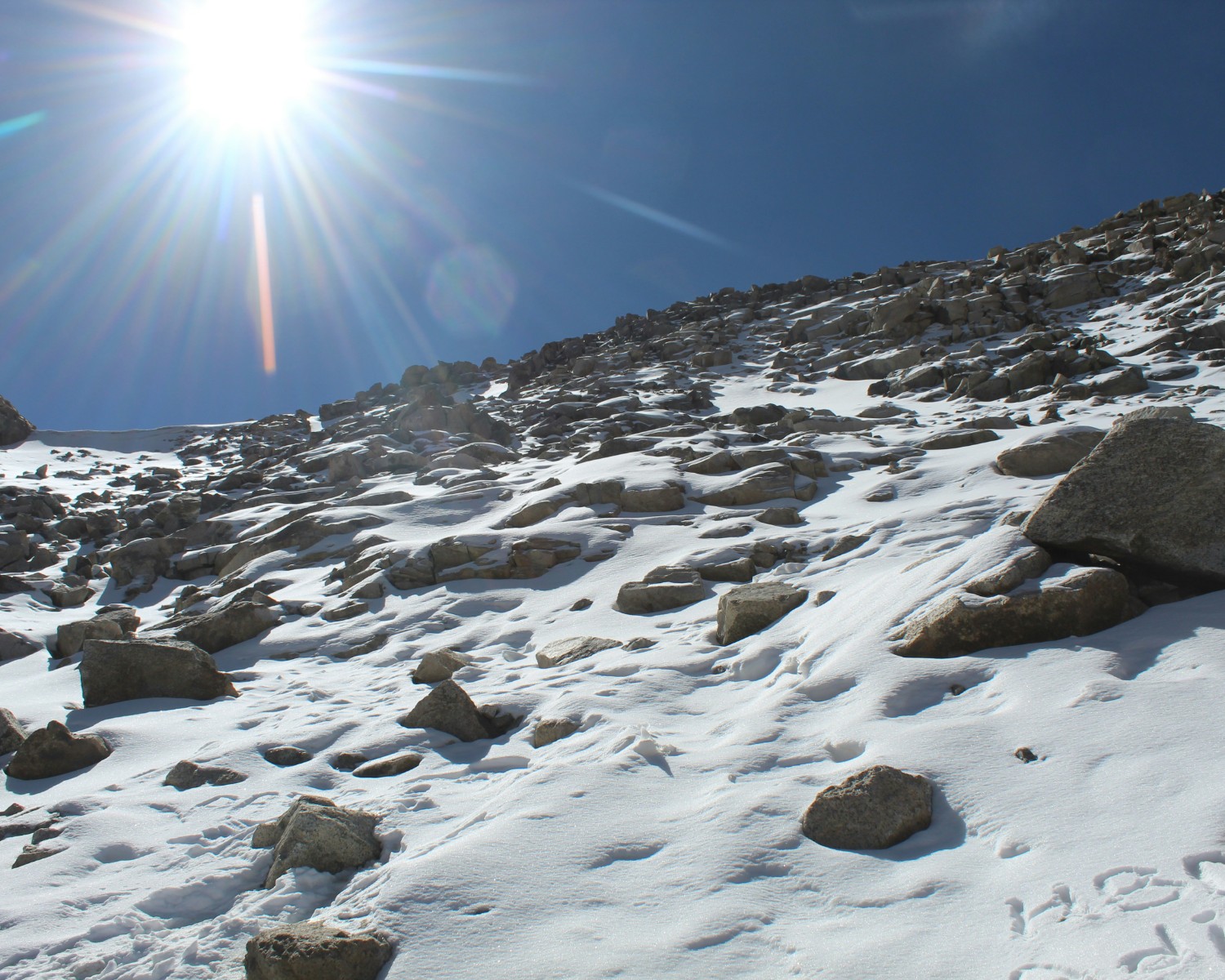
Khardung La Pass (5,359m highest motorable)
Nubra Valley & Bactrian Camel Rides
Tso Moriri Lake (4,595m trans-Himalayan)
Thiksey & Buddhist Monastery Heritage
Ladakh Tour Packages
Ladakh packages with Bayard start at ₹26,000 per person and run to ₹37,999 for a seven-day circuit. Pangong Tso at 4,350 metres, Nubra’s sand dunes and Bactrian camels, Khardung La at 5,359, and monasteries that have been running for six hundred years.
One thing matters more than anything else here, and it is not the itinerary. Leh sits at about 3,500 metres. If you fly in from Bengaluru or Chennai you go from sea level to that height in ninety minutes, and the passes are 1,800 metres higher again. How your trip handles that is the difference between the trip of a lifetime and three days feeling terrible.
Below: how we plan around the altitude, what the permits actually cost and how they work, which of our six itineraries suits your group, and when the roads are open.
Get a Ladakh quote →
Ladakh trip at a glance
Field | Detail |
Ideal duration | 6–7 nights is the comfortable minimum for Leh, Nubra and Pangong with proper acclimatisation. 5 nights is possible but tighter — see the altitude section |
Cost | ₹26,000–₹37,999 per person on our packages, land only |
Best season | May to September for the full circuit and open roads. January to March for snow leopard tracking and frozen Ladakh — a completely different trip |
Altitude | Leh 3,500m; Khardung La 5,359m; Chang La 5,360m; Pangong 4,350m; Tso Moriri 4,595m. This shapes everything |
Permits — Indians | No Inner Line Permit needed. An online Environment Fee applies for Nubra, Pangong, Tso Moriri and other protected areas — roughly ₹550 for a five-day trip. We pay it and print it |
Permits — foreign passports | A Protected Area Permit, arranged through a registered agent, minimum two travellers. Tell us early |
Getting there | Fly to Leh (IXL) via Delhi. Flights operate in the morning only and are weather-sensitive. Roads from Srinagar and Manali are seasonal |
Altitude: read this before you choose an itinerary
This is the section most Ladakh pages skip and it is the one that matters. We would rather you understood it now than found out on day three.
What you are actually doing
Leh is at roughly 3,500 metres. Khardung La, on the way to Nubra, is 5,359. Chang La, on the way to Pangong, is 5,360. Tso Moriri sits at 4,595. If you are flying from Bengaluru, Chennai, Hyderabad or Kochi, you live at or near sea level and you will arrive at 3,500 metres in about ninety minutes with no adjustment at all.
At those heights there is roughly a third less oxygen in each breath than you are used to. Most people feel it — headache, breathlessness on stairs, poor sleep, loss of appetite, mild nausea for the first day or two. That is normal and it passes.
Why the first two days decide the trip
The single most effective thing you can do is give yourself two full days in Leh before going any higher. Not one. Two.
That is why our seven-night itineraries are the ones we recommend most often they build in the rest days rather than treating Day 1 as a formality. The five-night options are genuinely good trips, but they are tighter, and if anyone in your group is over sixty, has any cardiac or respiratory condition, or has never been to altitude before, we will usually suggest the longer version and explain why.
Who should speak to a doctor first
Anyone with a heart or lung condition, uncontrolled high blood pressure, severe asthma, sickle cell disease or a previous bad experience at altitude. Pregnant travellers. Very young children. This is not a warning designed to put you off — most people are completely fine but it is a conversation worth having with your own doctor before you book, and we would rather say so.
How we plan around it
• Two nights in Leh before the high passes, wherever the itinerary allows.
• Nothing strenuous on the first day. No sightseeing schedule on arrival day — that day exists to do nothing.
• Sleeping altitude kept as low as the route permits. You can visit high and sleep lower, and that is better.
• Oxygen carried in the vehicles on the high circuits, and drivers who know the descent routes.
• Hotels in Leh chosen for accessibility rather than views, because stairs at 3,500 metres are not a small thing on day one.
On the trip
Drink far more water than feels necessary. Avoid alcohol for the first forty-eight hours. Eat lightly. Go slowly — everything takes longer here. And tell your guide immediately if a headache is not responding to rest and water, or if anyone becomes confused, unusually breathless at rest, or unsteady on their feet. Descending is the answer and it works; waiting to see is what goes wrong.
Permits: what Indian travellers actually need
If you are an Indian citizen, you do not need an Inner Line Permit for Ladakh. That requirement was removed for domestic tourists in 2021, and a great deal of published guidance — including, until recently, this page is still out of date about it.
What you do need
• A Ladakh Environment Fee, paid online through the LAHDC Leh portal. It is roughly ₹400 as a one-time charge, plus a small daily wildlife protection fee and a Red Cross contribution — about ₹550 for a five-day trip.
• The receipt is issued immediately and is valid for up to three weeks, with unlimited entry and re-entry to the covered areas during that period.
• It covers Nubra Valley and Khardung La, Pangong Tso and Chang La, Tso Moriri and Changthang, Hanle, Umling La, Turtuk, Dah-Hanu and Chushul.
• You do not need it for Leh town, the airport transfer, Shanti Stupa, Leh Palace, Hall of Fame, Thiksey, Hemis, Lamayuru, Kargil, Zanskar, or to travel the Manali–Leh and Srinagar–Leh highways.
• Children under twelve and Ladakh residents are exempt.
The bit that catches people out
Your receipt is checked at army checkpoints — South Pullu and North Pullu on the Khardung La road, Lukung on the way to Pangong, Chumathang towards Tso Moriri — and a copy is usually collected at each one. There is often no mobile signal at these posts and a phone screen is frequently not accepted.
Carry five or six printed photocopies per person. We arrange the fee and hand you the printouts before you leave Leh, which sounds like a trivial service and is the difference between a smooth day and being turned back at 5,000 metres.
Foreign passport holders
If anyone in your group holds a foreign passport, including OCI holders in some circumstances, they need a Protected Area Permit rather than the Environment Fee. It is arranged through a registered agent, generally needs a minimum of two travellers, and is valid seven days per zone. Tell us at the enquiry stage so we can start it early.
Our Ladakh packages
Package | Duration | Covering | Price (per person) |
Leh, Khardung La & Nubra Valley | 5D / 4N | Leh, Khardung La, Nubra | ₹26,000 |
Short Break to Ladakh | 5D / 4N | Leh and surrounds | ₹28,000 |
Leh, Khardung La, Nubra & Pangong | 6D / 5N | Leh, Nubra, Pangong | ₹30,999 |
Best of Ladakh | 6D / 5N | Confirm coverage before publishing | ₹30,999 |
Leh, Khardung La, Nubra Valley & Pangong | 7D / 6N | Leh, Nubra, Pangong | ₹36,000 |
Magnificent Ladakh | 7D / 6N | Leh, Nubra, Pangong and extended | ₹37,999 |
Which one suits you
• Five nights - the shortest workable Ladakh trip. Good if you are young, fit, have been to altitude before and are short on leave. Tighter on acclimatisation than we would ideally like.
• Six nights - Leh, Nubra and Pangong with a little more room. The most common choice.
• Seven nights - what we recommend for most people, and particularly for families, anyone over sixty, and first-timers coming from sea level. The extra night is an acclimatisation night, not a sightseeing one, and it is the best ₹6,000 you will spend on this trip.
What moves the price
• How many nights, and specifically how many acclimatisation nights.
• Hotel and camp category. Accommodation at Pangong and Nubra is basic almost everywhere — the difference between categories is real but the ceiling is lower than you might expect.
• Private vehicle versus shared, which on these roads and distances makes a substantial difference to comfort.
• Whether Tso Moriri, Hanle or Umling La are added, all of which extend the circuit considerably.
• Whether flights to Leh are bundled. They are expensive in season and they book out.
Get a fixed quote for your dates →
When to go
Months | What it’s like | Verdict |
May–June | Passes opening, snow still on the high ground, fewer people than midsummer. Pangong can still be partly frozen early in the window | Excellent, with slightly more weather risk on the roads |
July–August | Warmest, everything open, all circuits running. Also the busiest and priciest, and Leh flights fill | Peak season. Book early, particularly the flights |
September | Clear air, sharp light, thinning crowds and the best photography of the year | Our favourite month, and often the best value of the main season |
October–April | Cold, high passes closed, roads shut. Leh remains reachable by air. A completely different destination | Not the standard circuit — but see below |
Winter Ladakh is a real trip, not a write-off
Most operators dismiss October to April. It is worth knowing what is actually there.
• Snow leopard tracking in Hemis National Park, roughly January to March. Ladakh is one of the very few places on earth where a sighting is realistic, and this is a small-group, expert-guided, patient sort of trip rather than a sightseeing tour. It is not cheap and it is extraordinary.
• The Chadar Trek across the frozen Zanskar river, in January and February. Regulated, requiring medical certification and registration, and a serious undertaking but a genuine one, not a novelty.
• Frozen Pangong and winter Leh, at a fraction of the summer crowds and with a stillness the main season does not have.
Winter Ladakh needs more planning, better clothing and a realistic view of the cold. If it appeals, ask us — these are not fixed packages and we build them individually.
Roads and seasons
The Srinagar–Leh and Manali–Leh highways are both seasonal, both close under snow for a large part of the year, and they do not open and close on the same schedule. If you want the road journey rather than the flight and it is a magnificent journey tell us your dates early and we will confirm what is open.
Leh
Your base and your acclimatisation. Leh Palace above the old town, Shanti Stupa for sunset, the bazaar, and the Hall of Fame. The monasteries of the Indus valley Thiksey, Hemis, Shey, Stok are all within an easy drive and need no permit, which makes them the ideal Day 2 when you are meant to be taking it easy.
Thiksey, in particular, is worth being at for the morning prayers. The fifteen-metre Maitreya Buddha was installed in 1970 to mark the Dalai Lama’s visit, and the twelve-storey complex is why it gets compared to the Potala.
Nubra Valley and Khardung La
Over Khardung La at 5,359 metres and down into a high desert valley with sand dunes, Bactrian camels at Hunder and the Diskit monastery above it. The pass itself is a stop of fifteen minutes, not an afternoon it is very high and there is nothing to gain from lingering.
Pangong Tso
The lake everyone comes for, at 4,350 metres, running from India into Tibet and changing colour through the day from deep blue to turquoise to grey. Reached over Chang La at 5,360 metres. Staying the night is worth it for the light at either end of the day, but the accommodation is basic camps and simple guesthouses and the nights are cold in any month.
Tso Moriri and Changthang
Quieter, wilder and higher at 4,595 metres, out in the Changthang plateau with the Rupshu nomads and rare high-altitude birdlife. A longer drive and fewer people, and a better lake than Pangong in the opinion of most people who have seen both.
Hanle and Umling La
Worth knowing about if you have the days. Hanle was designated India’s first Dark Sky Reserve in 2022 and the night sky there is as good as anywhere on the planet. Umling La, at roughly 5,798 metres, is the world’s highest motorable road a title Khardung La held informally for years and no longer does. Both are covered by the same Environment Fee. Ask us and we will build them in.
Practical notes
Your phone will probably not work
Only postpaid Indian SIM cards function in Ladakh. Prepaid connections issued outside the Jammu and Kashmir and Ladakh circles do not work at all — this surprises almost every first-time visitor. If everyone in your group is on prepaid, plan for it: carry one postpaid connection between you if you can, and expect no signal at all on the Nubra and Pangong circuits regardless.
Flights to Leh
All flights into Leh operate in the morning, because afternoon winds make landing unsafe. They are cancelled for weather more often than most Indian routes, they are expensive in season and they book out. Build a buffer day at the end of your trip if you have onward connections, and do not plan a same-day international connection out of Delhi.
Money and fuel
ATMs and card acceptance are limited outside Leh, and effectively absent on the Nubra and Pangong circuits. Draw cash in Leh. Fuel stations are sparse on the high routes, which matters if you are considering a bike tour or self-drive.
Cold and sun
Even in July, nights at Pangong and Nubra are genuinely cold and you will want a proper jacket, not a sweater. The sun at altitude is severe — sunburn happens fast and in cold weather, so high-factor sunscreen, sunglasses and a hat are not optional.
Food and accommodation
Straightforward for vegetarians, with good Indian and Tibetan food in Leh. Options thin out on the circuits and camps serve set meals. Accommodation at Pangong and Nubra is basic almost everywhere this is part of the destination rather than a compromise, but it is worth knowing before you arrive.
Common mistakes to avoid
• Treating arrival day as a sightseeing day. It is a rest day and it is doing real work.
• Going to Khardung La or Pangong with only one night in Leh behind you.
• Assuming you still need an Inner Line Permit. Indians do not — you need the Environment Fee.
• Carrying the permit only on your phone. Checkpoints collect printed copies and have no signal.
• Arriving with only a prepaid SIM from outside the region.
• Booking a same-day onward connection from Delhi after a Leh flight.
• Drinking alcohol on the first two nights at altitude.
• Pushing on when someone has a headache that will not lift. Tell the guide.
What’s included in a Bayard Ladakh package
Included | Not included |
Hotel stays in Leh and camps or guesthouses at Nubra, Pangong or Tso Moriri as your route requires | Flights to Leh, unless specifically bundled |
Daily breakfast, with meals at the camps where the itinerary includes them | Meals outside your plan and personal expenses |
Airport transfers and all vehicle transport on the circuits, with oxygen carried on the high routes | Optional activities: bike hire, rafting, quad bikes, extended treks |
Environment Fee arranged and printed for every traveller, including checkpoint copies | Protected Area Permits for foreign passport holders, quoted separately |
Acclimatisation nights built into the itinerary as standard | Camera fees at some monasteries |
On-trip assistance and a local contact number | Anything not listed in your confirmed itinerary |
Why book Ladakh with Bayard Vacations
• We plan the itinerary around the altitude rather than around the map two nights in Leh before the passes, and we will tell you when the shorter trip is the wrong one for your group.
• We pay the Environment Fee, print the copies, and know which checkpoint collects which one.
• Oxygen in the vehicles on the high circuits, and drivers who know the descent routes.
• Straight advice on who should talk to a doctor before booking. We would rather have that conversation now than at 5,000 metres.
• Honest guidance on what the camps at Pangong and Nubra are actually like, so nobody arrives expecting a hotel.
• Buffer built around Leh flights, which are morning-only and cancel for weather more than most people expect.
Talk to us about Ladakh →
Ladakh package FAQs
Do Indians need an Inner Line Permit for Ladakh?
No. The Inner Line Permit was removed for domestic tourists in 2021. Indian citizens instead pay a Ladakh Environment Fee online around ₹400 one-time plus a small daily wildlife fee, roughly ₹550 for a five-day trip. A lot of published guidance is still out of date on this.
Where do I need the permit and where don’t I?
You need the fee receipt for Nubra and Khardung La, Pangong and Chang La, Tso Moriri, Hanle, Umling La, Turtuk and Dah-Hanu. You do not need it for Leh town, the airport transfer, Shanti Stupa, Leh Palace, Thiksey, Hemis, Lamayuru, Kargil, Zanskar, or to drive the Manali–Leh and Srinagar–Leh highways.
Can I just show the permit on my phone?
Usually not. Checkpoints at South Pullu, North Pullu, Lukung and Chumathang collect a printed copy at each post and there is often no signal. Carry five or six photocopies per person. We arrange the fee and hand you the printouts before you leave Leh.
How high is Ladakh, and will I feel it?
Leh is about 3,500 metres, Khardung La 5,359, Chang La 5,360, Pangong 4,350 and Tso Moriri 4,595. Most people feel the first day or two — headache, breathlessness on stairs, poor sleep, low appetite. That is normal and it passes. What matters is not going higher until it has.
How many days should I spend acclimatising in Leh?
Two full days before going over the high passes. Not one. That is why our seven-night itineraries are the ones we recommend most often — the extra night is an acclimatisation night, and it is the best money you will spend on the trip.
Is the five-night package safe?
It is a good trip for travellers who are younger, fit, have been to altitude before and are short on leave. It is tighter on acclimatisation than we would ideally choose. If anyone in your group is over sixty, has a heart or lung condition, or has never been to altitude, we will recommend the seven-night version and explain why.
Who should check with a doctor before going?
Anyone with a heart or lung condition, uncontrolled high blood pressure, severe asthma, sickle cell disease or a previous bad experience at altitude, plus pregnant travellers and very young children. Most people are completely fine but this is a conversation worth having with your own doctor before you book.
Is Ladakh suitable for elderly parents?
It can be, with the right itinerary. We would use the seven-night profile, keep sleeping altitude as low as the route allows, choose Leh hotels without stairs, carry oxygen, and be honest about whether Khardung La is worth it for that particular group. Speak to us and to a doctor before booking.
When is the best time to visit Ladakh?
May to September for the full circuit, with September often the best of it clear air, sharp light and thinning crowds. July and August are the busiest and the flights fill. October to April is a different destination entirely.
Is there anything to do in Ladakh in winter?
Yes, and it is underrated. Snow leopard tracking in Hemis National Park runs roughly January to March and Ladakh is one of the few places on earth where a sighting is realistic. The Chadar Trek across the frozen Zanskar runs in January and February. Frozen Pangong and winter Leh are extraordinary and almost empty. These are built individually rather than sold as fixed packages ask us.
How much does a Ladakh trip cost?
Our packages run from ₹26,000 per person for five days to ₹37,999 for seven, land only. Nights, vehicle type, camp category and whether Tso Moriri or Hanle are added are what move the number. Flights to Leh are separate unless bundled and are expensive in season.
Will my phone work in Ladakh?
Only if it is a postpaid Indian connection. Prepaid SIMs issued outside the Jammu and Kashmir and Ladakh circles do not work in Ladakh at all. Even with postpaid, expect no signal on the Nubra and Pangong circuits.
Are flights to Leh reliable?
They are morning-only, because afternoon winds make landing unsafe, and they are cancelled for weather more often than most Indian routes. Build a buffer day at the end of your trip and do not plan a same-day international connection out of Delhi.
Can I visit Umling La and Hanle?
Yes, with the days for it. Umling La at around 5,798 metres is the world’s highest motorable road, and Hanle became India’s first Dark Sky Reserve in 2022 the night sky there is as good as anywhere on earth. Both are covered by the same Environment Fee and both extend the circuit. Tell us and we will build them in.
What is included in a Bayard Ladakh package?
Hotels in Leh and camps or guesthouses on the circuits, daily breakfast with camp meals where included, airport transfers and all vehicle transport with oxygen on the high routes, the Environment Fee arranged and printed, acclimatisation nights built in, and on-trip support. Flights, optional activities, foreign PAPs and personal expenses are separate.
Planning a Ladakh trip?
Tell us your dates, your city and who is travelling including ages and any health conditions. We’ll build the itinerary around the altitude, sort the permits, and tell you honestly if the shorter trip is the wrong one for your group.
Enquire now · WhatsApp · Call
ladakh Packages


Signature Collections
Handpicked signatures and top-rated escapes in ladakh

We Are Bayard Vacations
Not just another travel company. We're dreamweavers, adventure architects, and memory makers.
Explore
Now Featuring
Thailand

Highlight
Meet Bayard Buddy – Advanced AI Chatbot for Everyday Help
KNOWLEDGE HUB
Things to Know in Tips for ladakh
Find the best Ladakh tour packages to experience this wonderful destination where the high altitude of Pangong Lake, the picturesque valley of Nubra Valley, and the ancient Buddhist Monastery will be the hallmark of your adventurous journey into the Land of High Passes. This unique Himalayan region presents you with some incredible opportunities for mountain trekking and biking.
From Ancient Tibetan Trade Routes to Modern India's Last Frontier
Find the best Ladakh tour packages to experience this wonderful destination where the high altitude of Pangong Lake, the picturesque valley of Nubra Valley, and the ancient Buddhist Monastery will be the hallmark of your adventurous journey into the Land of High Passes. This unique Himalayan region presents you with some incredible opportunities for mountain trekking and biking.
| Ancient Tibetan Kingdoms & Trade Routes (8th-12th Century)
Ladakh emerged as a crucial node on the Silk Road connecting Central Asia, Tibet, Kashmir, and India. Early Tibetan kingdoms (notably the Guge Kingdom to the east) controlled trade of spices, silks, and spiritual knowledge. Buddhist monasteries like Thiksey were founded in the 15th century to anchor this spiritual commerce. Monastic networks replaced kingdoms; Gelugpa Buddhism (the 'Yellow Hat' sect) became organizing principle of society.
| Gelugpa Buddhism's Establishment (1433-1600)
In 1433, Jangsem Sherab Zangpo, a disciple of Tsongkhapa (founder of Gelugpa sect), established Ladakh's first Gelugpa monastery at Stakmo after receiving blessings from Ladakh's king. By the 15th-16th centuries, Palden Zangpo relocated and expanded this to Thiksey, creating the iconic 12-story complex resembling Tibet's Potala Palace. Thiksey Monastery became the second-largest after Hemis, governing 10+ subsidiary monasteries and 25 villages, controlling 1,327 acres. This monastic governance transformed Ladakh into a theocratic Buddhist society with profound spiritual coherence.
| Islamic Rule & Mughal Period (1500s-1700s)
Though Ladakh remained predominantly Buddhist, Mughal emperors (16th-18th centuries) asserted nominal sovereignty and extracted tribute. Kargil district (western Ladakh) developed Islamic cultural presence; today ~40% of Kargil is Muslim (Shia). This religious duality—Buddhist east (Leh) versus Muslim west (Kargil)—persists, creating unique syncretic fabric.
| British Colonial Control & Strategic Significance (1846-1947)
The Treaty of Amritsar (1846) transferred Ladakh to British control as part of Kashmir's geopolitical settlement. The British valued Ladakh for its strategic location along the Tibet-China-India frontier. Colonial administrators built roads, telegraph lines, and military outposts; yet British rule remained light-touch, with monasteries continuing autonomous religious governance. Leh emerged as a trading post and administrative center during this period.
| Jammu-Kashmir Integration & Ladakh Autonomous Council (1947-2019)
At Indian independence (1947), Ladakh became part of the new state of Jammu and Kashmir. For 72 years, Ladakh's Buddhist-majority Leh district chafed under administration from Muslim-majority Kashmir valley. To address grievances, the Indian government created the Ladakh Autonomous Hill Development Council (LAHDC) in 1995, granting limited self-governance. This recognized Ladakh's distinct religious, cultural, and political identity vis-à-vis Kashmir.
| Union Territory Status & Modern Ladakh (October 31, 2019-Present)
Following decades of pro-separation agitation, PM Modi's government on August 5, 2019, revoked Jammu-Kashmir's special constitutional status and reorganized the state into two Union Territories: Jammu-Kashmir and Ladakh. Ladakh became a separate Union Territory on October 31, 2019, with Leh as capital. Unlike Jammu-Kashmir (which retained legislative assembly), Ladakh has no assembly—direct central governance. Tourist arrivals surged post-UT status: 525,374 in 2023 (mostly May-Sep peak season). Tourism now accounts for 60%+ of local revenue; monasteries, trekking, and high-altitude lakes drive economy.
Union Territory Status
October 31, 2019
Separated from Jammu-Kashmir state
Thiksey Founded
1433-1450s
Gelugpa monastery; 12 stories; 'Mini Potala'
Annual Sunshine
300+ days
Cold desert plateau; rain shadow effect
Tourism Revenue
60%+ GDP
525,374 visitors (2023); fast-growing sector
Travel Stories & Tips
Get inspired for your next adventure to ladakh

Guest Stories
H
Hemanth R
4 months agoExceptional Service and Stunning Views! I just returned from a trip to Kerala curated by Bayard Vacations, and I'm still thinking about the views. Unlike generic packages, Dhanushree from Bayard took the time to tailor the itinerary to my preferences. Every hotel and houseboat was chosen for its...
P
Prajwal Raikar
5 months agoWe went to Dubai, and Bayard Vacations made our entire trip truly joyful and memorable. Adarsh from Bayard Vacations was extremely helpful in arranging the yacht and managing a few issues promptly, which made our vacation smooth and stress-free.
M
Muthahir
5 months agoWe had a wonderful vacation in Dubai, all thanks to Bayard Vacations. From planning to execution, everything was smooth and well-organized. The itinerary was perfectly balanced, the accommodations were comfortable, and all arrangements were completely hassle-free. A special thanks to Mr. Adarsh for...
S
Spoorthy Venkatesh
5 months agoWe had an amazing time in Dubai with Bayard Vacation. Adarsh, our destination specialist, explained everything super smoothly and stayed in touch with us the whole time, which made the trip feel really easy and well organized. The team was great with the transport arrangements too. The drivers were...
B
Bakasura Brahmana
5 months agoBest iternary prepared by them. The best travel agency I suggest
H
Harsha Vardhan Attuluri
5 months agoWe recently went on a trip to Coorg and Wayanad with Bayard Vacations, and the experience was seamless. We opted for a private package, and all the arrangements were excellent. The communication was clear throughout the process. A special thanks to our agents, Rahul and Sowmya, who handled the plann...
A
Abhishek Satapathy
5 months agoWe had a wonderful vacation in Thailand thanks to the...
S
Shilpa Wartak
5 months agoWe booked our Hampi and Badami tour with Bayard Vacation and had an absolutely amazing experience! Everything was perfectly planned and very smooth from start to finish. The hotel location was excellent and close to all major places, and the drive was super comfortable. The whole trip was completely...
A
Abhilash Cr
5 months agoWe recently completed a 4-5 day Andaman trip with Bayard Vacation, and overall it was a very pleasant and well-organized experience. From the planning stage to the end of the journey, the team especially team of Rahul, Dhanushree, was supportive and responsive, making the trip smooth and stress-free.

Medha Devatraj
a month agoLoved our trip to Kerala(Munnar, Thekkady, Alleppey, Varkala and Kovalam) with Bayard Vacations. They've tailored our package and made adjustments according to our itinerary. Agents Sooraj and Dhanushree were the ones who planned and executed our trip so well🙌🙌. They were very polite and friendly. The vehicle arranged was a comfortable and spacious one for our family of 9. We were apprehensive about the tour but returned with beautiful and lifelong memories🫶🫶. A trip with Bayard Vacations is value for money ♥️♥️.

Sriram appalla
a month agoI recently took a 5N/6D trip to Kerala with Bayyard Vacation, and it turned out to be a lovely experience. Even before the trip began, the Bayyard team, especially Sooraj, helped me with every little detail and was super quick with his responses. Our assigned driver, Jbin Alex, was incredibly humble, kind, and supportive throughout the journey. I’d strongly recommend him if you’re planning a Kerala trip, and I’d definitely suggest choosing Bayyard Vacation for your travels. There was a small miss where one of the complimentary items mentioned in the itinerary couldn’t be fulfilled, but aside from that, everything went smoothly. Overall, I’d rate Bayyard Vacation a solid 4.5/5.

jothees waran
2 weeks agoManasa, sincere thanks for curating such an elegant and seamless Thailand experience. Every aspect of the journey was impeccably planned—from punctual transfers and smooth pickups to a perfectly balanced itinerary. The attention to detail, premium coordination, and effortless execution truly elevated the trip. Everything flowed with precision, allowing us to relax and enjoy each moment without a single concern. Your professionalism and commitment to excellence were evident throughout. Bayard Vacations delivers not just a trip, but a truly luxurious and memorable travel experience. Highly recommended.

Kaustubh Rastogi
3 weeks agoWe recently traveled to Malaysia and had a fantastic experience with Bayard Vacations. Their quick responses and excellent service made the entire planning process smooth and stress-free. Balaji’s recommendations were absolutely on point and perfectly matched our preferences. His attention to detail and prompt support truly made a difference. Highly satisfied with the overall experience and would definitely choose Bayard Vacations again for future trips. Highly recommended! ⭐⭐⭐⭐⭐

Manu Manu
in the last weekThe trip was very beautiful. We have experienced many places and we got chance to have the package. They guided us very safely and assured as everything that you need and food was also good and was in care of everything was fantastic trip. We went to Thailand and Bangkok, and we did alKaiser show Quarter Island and we explored a lot in the Water, also like paragliding Jaki riding And there was a dinner cruise in Bangkok. Also was very nice. Totally we really appreciate for the trip and we will like to do more.
Authentic Experiences
Read All Reviews Join 25,000+ happy travelers who explored ladakh with us.
You Might Also Like
Discover more incredible destinations and experiences tailored for you
Why Choose Bayard Vacations?
100%
Secure Booking
8+
Years Experience
25K+
Happy Travelers
24/7
Support Available
Best Price
Guaranteed
Personalized
Customized Trips
Expert
Local Guides
100+
Destinations Covered