
japan
Japan
Ancient temples and Zen gardens beside neon-lit innovation, which continues to dominate the list of must-see Japan destinations, tradition and modernity seamlessly intertwined.
16+
packages
20k
Travelers
4.9
Rating
45+
Activities
Explore
Destination Overview
About Japan
Where ancient temples, neon cities, and four distinct seasons create a timeless journey.
Japan is an island nation where Shinto shrines and Zen temples coexist with bullet trains and anime culture—perfect for those seeking the best Japan tours. From early Jomon settlements through samurai rule, imperial isolation, rapid modernization, and post‑war rebirth, Japan has become one of the world’s most technologically advanced yet deeply traditional societies.
Best TimeMar–May, Oct–Nov
CurrencyJPY (¥)
Climate4 Seasons, 5+ Zones
Time ZoneUTC+9
LanguageJapanese
VisaSticker Visa (No VOA)
CapitalTokyo
Population125M+
Best Time
Mar–May, Oct–Nov
Currency
JPY (¥)
Climate
4 Seasons, 5+ Zones
Time Zone
UTC+9
Language
Japanese
Visa
Sticker Visa (No VOA)
Capital
Tokyo
Population
125M+
Why Choose japan?
Shinto & Buddhism Together
Most Japanese follow a blend of Shinto (nature and ancestor worship) and Buddhism. It’s common to visit Shinto shrines for life events and Buddhist temples for funerals and memorials.
Samurai & Bushidō
For centuries, samurai warriors shaped Japan’s politics and culture. Their bushidō code emphasized loyalty, self‑discipline, and honor—values still reflected in modern Japanese work ethic.
From Isolation to Innovation
Japan closed itself to most foreign contact from the 1600s to 1850s, preserving unique arts and social systems. Once reopened, it modernized rapidly, blending tradition with world‑leading technology.
UNESCO Heritage & Living Traditions
Japan boasts 25+ UNESCO World Heritage Sites, from Himeji Castle and Hiroshima Peace Memorial to Shirakawa‑go villages and sacred Koyasan, alongside living traditions like kabuki, noh, and tea ceremony.
Must-Experience Attractions
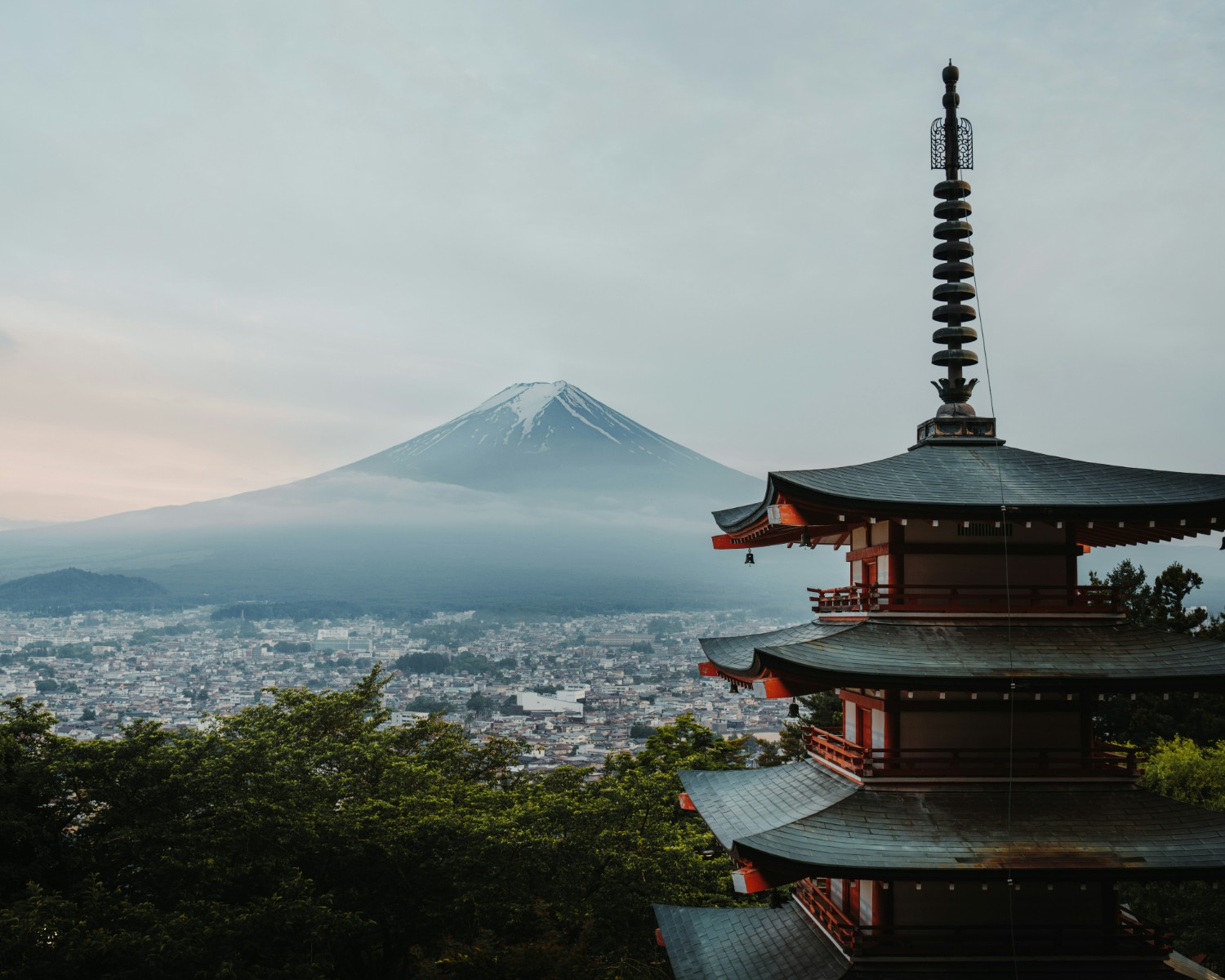
Mount Fuji & Lake Kawaguchiko (Iconic Fuji Views)
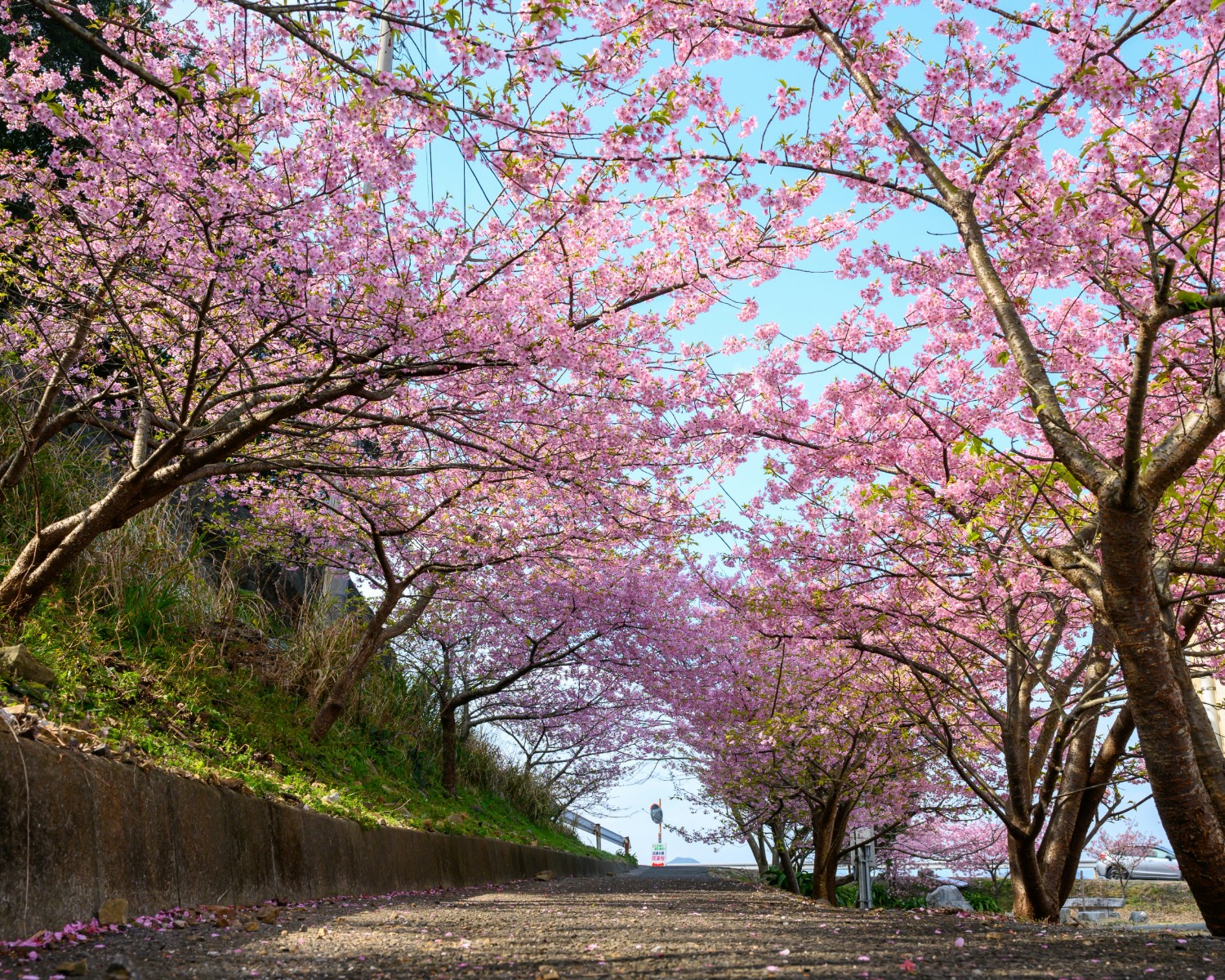
Cherry Blossom Viewing (Hanami) at Ueno Park & Kyoto
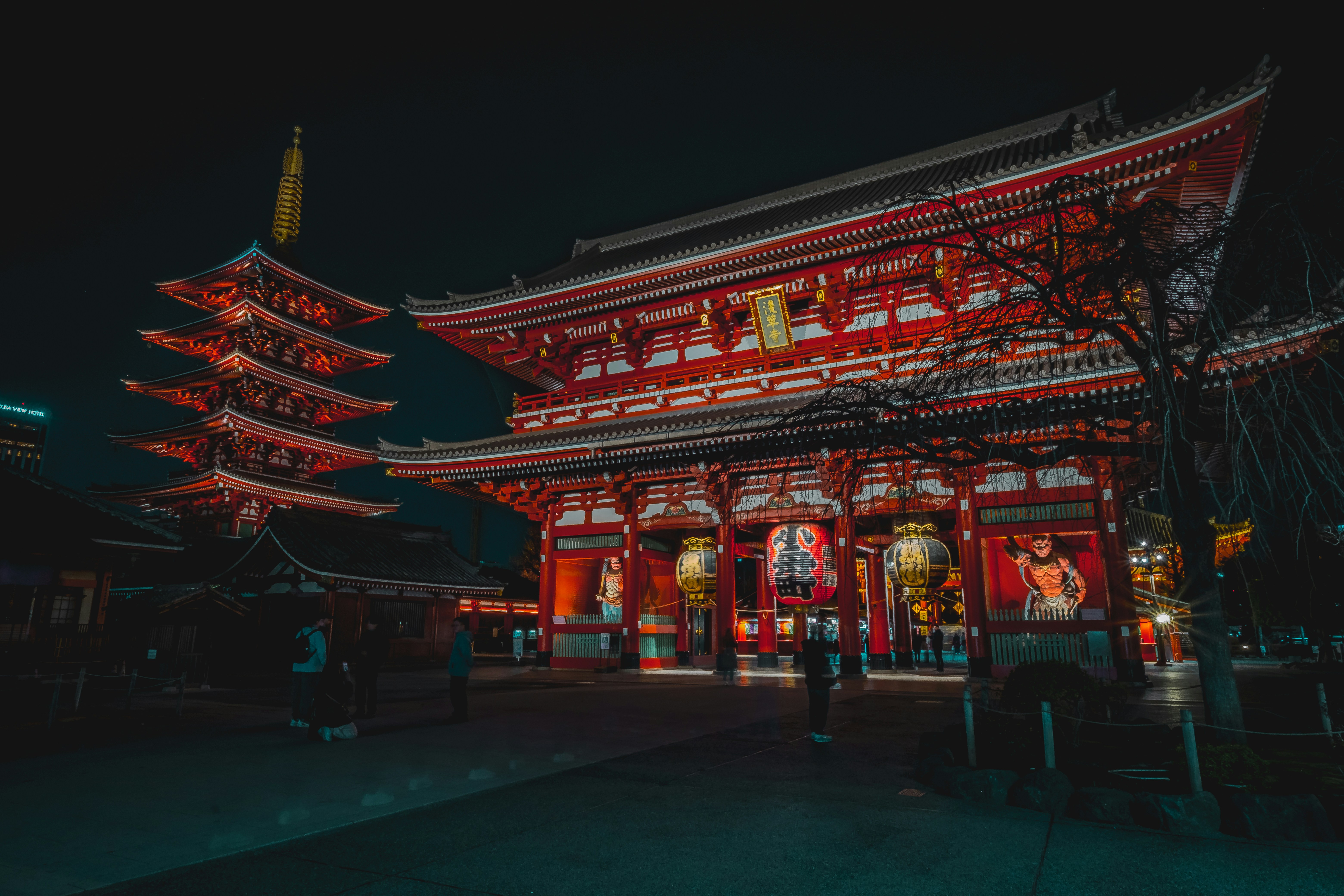
Tokyo (Shibuya Crossing, Senso-ji Temple, Harajuku, Skytree)
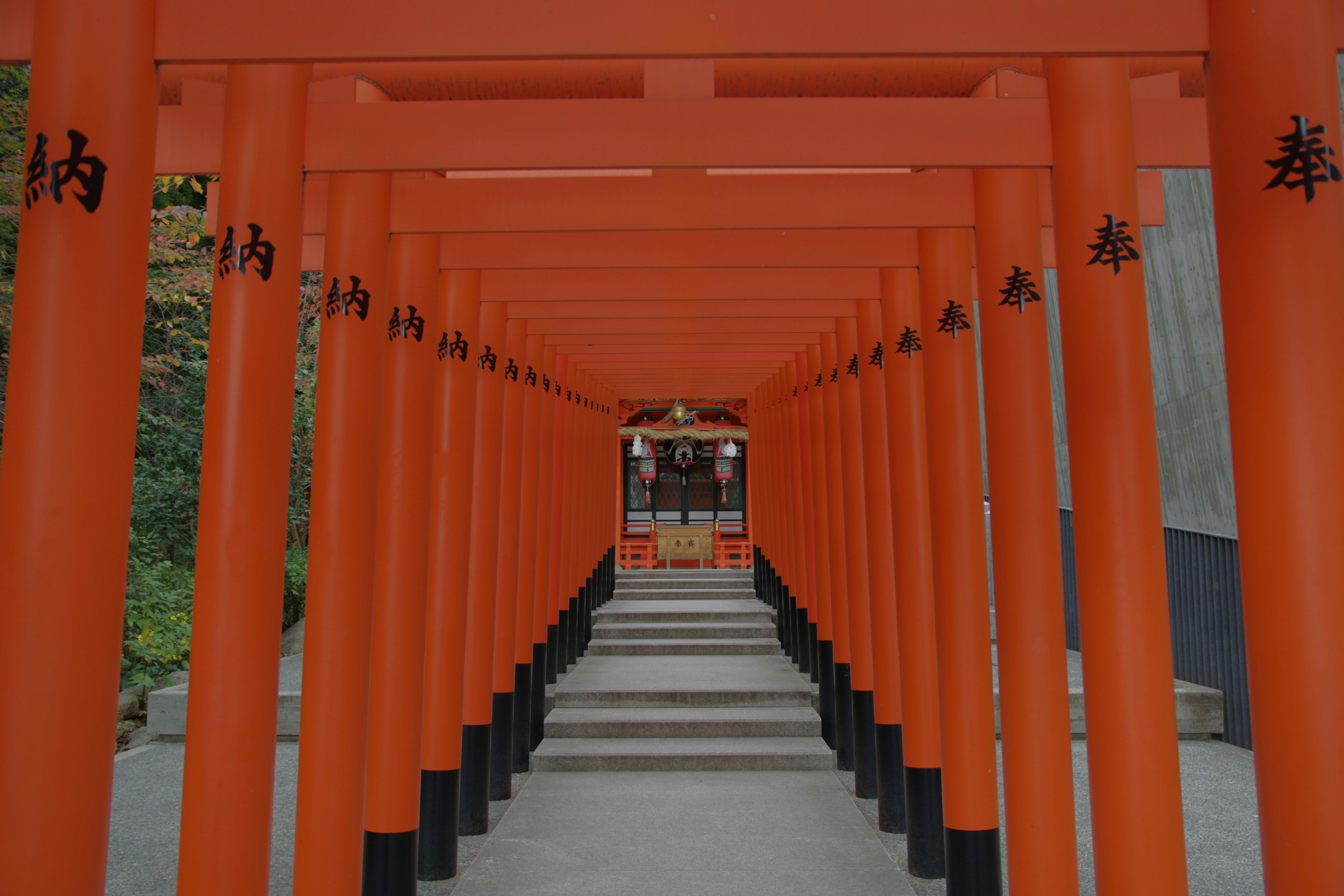
Kyoto (Fushimi Inari, Kinkaku-ji Golden Temple, Arashiyama Bamboo)
Shinkansen Bullet Train Experience (300 km/h)
Osaka Castle, Nara Deer Park, Hiroshima Peace Memorial
Japan Tour Packages from India
A Japan tour package from India costs roughly ₹1,55,999 to ₹2,90,000+ per person, and getting there has genuinely improved in the last two years: Air India, ANA and Japan Airlines fly nonstop from Delhi, Air India flies nonstop from Mumbai, and Japan Airlines flies nonstop from Bengaluru and since 2024, Indian citizens can apply for a fully electronic tourist visa instead of the older sticker process.
Most Bayard travellers choose a classic 7–8 night Tokyo–Hakone–Kyoto–Osaka circuit, an 8–9-night version that adds Hiroshima and Nara, or a longer 10–14-day grand tour with Mount Fuji and the Japanese Alps. Below, we explain the eVisa process properly, tell you exactly which of your nearest airports already has a direct flight, give you an honest verdict on whether the Japan Rail Pass is worth buying for your route, and help you choose between Tokyo Disneyland, Tokyo DisneySea and Universal Studios Japan instead of leaving you to guess.
Japan trip at a glance
Ideal duration | 7–8 nights for the classic Tokyo–Hakone–Kyoto–Osaka circuit; 8–9 nights to add Hiroshima and Nara; 10–14 days for an extended Mount Fuji–Japanese Alps grand tour |
Cost from India | ₹1,55,999–₹2,90,000+ per person, depending on hotel category, duration and how many regions you cover — see the full breakdown below |
Best season | March–May (spring, cherry blossoms) and September–November (autumn foliage) for the most comfortable sightseeing weather |
Entry for Indians | Tourist visa required — Japan is not visa-free or visa-on-arrival for Indian passport holders. Since April 2024, an electronic visa (eVisa) is available for single-entry tourism up to 90 days via VFS Global, alongside the traditional sticker-visa route. Last verified 28 August 2026 — full section below |
Flight from India | Direct service from Delhi (Air India, ANA, Japan Airlines), Mumbai (Air India, to Haneda) and Bengaluru (Japan Airlines, to Narita); Chennai, Hyderabad and other South Indian cities currently need a one-stop routing |
Main entry point | Tokyo (Narita/Haneda), Osaka (Kansai) or Nagoya (Chubu) airports; onward travel between cities is mainly by Shinkansen bullet train |
Do Indians need a visa for Japan in 2026?
Yes, Japan is not visa-free for Indian citizens, and there is no visa-on-arrival option, whatever you may read elsewhere. Every Indian traveller needs either a traditional sticker visa or, since April 2024, an electronic visa (eVisa) applied for through VFS Global’s Japan Visa Application Centres in India.
How the eVisa actually works
• Available for single-entry short-term tourism, for stays of up to 90 days.
• Applications go through VFS Global (not a direct online portal for Indian applicants) — you still submit documents and, depending on the current process, may need to visit a VFS centre.
• Once approved, you receive an electronic “visa issuance notice” instead of a passport sticker — this is shown on a mobile device at check-in and at Japanese immigration, so make sure you’ll have working internet access when you travel.
• The traditional paper sticker visa remains available as an alternative and is still required for some visa categories (business, long-stay, and cases needing special handling).
• Standard tourist-visa documentation applies either way: a valid passport with blank pages, a completed application form, proof of itinerary (flights and hotel bookings), and financial proof such as recent bank statements.
Visa fees and the exact application process were correct at the time of writing and can change — the Embassy of Japan in India revised its fee schedule effective 1 July 2026. Last verified: 28 August 2026. Source: Embassy of Japan in India. Recheck before booking, and see the review cadence in Step 4.
Japan package cost from India
A 6–8-night Japan package from Bayard starts from around ₹1,55,999–₹1,65,999 per person for a Tokyo–Hakone–Kyoto–Osaka-style circuit, rising through the ₹1,70,000–₹2,00,000 range for 9–10-night trips that add Hiroshima and Nara, and up to ₹2,90,000+ per person for extended 10–14-night circuits that include Mount Fuji, the Japanese Alps or additional regions. These are Bayard’s own live package prices; international airfare, meals beyond the stated inclusions and optional paid experiences are always itemised separately.
Japan package price by travel style
Travel style | Typical duration | What’s included | Approx. price (per person) |
Classic circuit | 6–8 nights | 3–4★ hotels, breakfast, transfers, Tokyo–Hakone–Kyoto–Osaka core sightseeing | ₹1,55,999–₹1,80,000 |
Culture & history add-on | 8–9 nights | 4★ hotels, more meals, adds Hiroshima and Nara | ₹1,70,000–₹2,00,000 |
Extended circuit | 10–11 nights | Better hotels, adds Mount Fuji, the Japanese Alps, or a ski-season variant | ₹1,80,000–₹1,99,999 |
Grand / premium circuit | 6–7 nights, premium tier | 4–5★ hotels, fuller inclusions, higher-category rooms in Tokyo/Osaka/Kyoto | ₹2,10,000–₹2,90,000+ |
Prices move with hotel category and location (central Tokyo and Kyoto command a premium over outer-district stays), how many regions you add beyond the golden-route core, and the season you travel in (cherry blossom and autumn-foliage weeks run higher). Bayard quotes flights, theme park tickets and any Shinkansen pass separately so you can see exactly what’s driving your total.
Get a fixed price for your dates →
Choose your Japan itinerary
Classic Japan — Tokyo–Hakone–Kyoto–Osaka, 7–8 Nights
From ₹1,55,999 per person · Best for first-time visitors, couples and families wanting the core Japan experience
• Day 1–3 — Arrive Tokyo; Shibuya Crossing, Senso-ji Temple in Asakusa, Meiji Shrine, Akihabara.
• Day 4 — Hakone: Mount Fuji viewpoints, an onsen (hot-spring) experience, and a Lake Ashi cruise.
• Day 5–6 — Train to Kyoto: Fushimi Inari Shrine, Kinkaku-ji (the Golden Pavilion), Arashiyama Bamboo Grove.
• Day 7–8 — Train to Osaka: Osaka Castle, Dotonbori, then departure.
Customise this itinerary →
Culture & History Japan — Tokyo–Kyoto–Osaka–Hiroshima, 8–9 Nights
From ₹1,70,000 per person · Best for culture-travellers and history-enthusiasts
Adds Hiroshima (Peace Memorial Park, the Atomic Bomb Dome, Miyajima’s Itsukushima Shrine) and Nara (free-roaming deer at Nara Park, Todai-ji Temple) to the classic golden-route cities — genuinely the itinerary shape where a Japan Rail Pass starts to make financial sense (see our honest JR Pass verdict below).
Plan a culture-focused Japan trip →
Grand Japan — Tokyo–Mount Fuji–Kyoto–Osaka–Hiroshima–Japanese Alps, 10–14 Days
From ₹1,80,000 per person · Best for nature-lovers, photographers and repeat visitors
Adds the Japanese Alps (Takayama, Shirakawa-go, Kanazawa) and a fuller Mount Fuji experience to the culture-and-history route, for travellers who want depth over a compact loop.
Build an extended Japan trip →
Getting to Japan from your city
Unlike a few years ago, Japan is now directly connected to three of Bayard’s core Indian markets. Air India, ANA and Japan Airlines all operate nonstop service from Delhi; Air India flies nonstop from Mumbai to Tokyo Haneda; and Japan Airlines flies nonstop from Bengaluru to Tokyo Narita. For Chennai, Hyderabad and other South Indian cities, a one-stop connection is still the honest, current picture.
From (India) | Direct carrier(s) | Approx. flight time / frequency |
Delhi | Air India, ANA, Japan Airlines | About 7.5 hours nonstop; multiple weekly departures across carriers to Haneda and/or Narita |
Mumbai | Air India | About 7.5–8 hours nonstop to Tokyo Haneda |
Bengaluru | Japan Airlines | About 8 hours nonstop to Tokyo Narita, several times weekly |
Chennai | No direct service found | Connect via Delhi, Mumbai or Bengaluru for a direct flight, or route via Singapore, Bangkok or Hong Kong |
Hyderabad | No direct service found | Same routing logic as Chennai |
Kochi and other South Indian cities | No direct service found | Connect via Bengaluru, Chennai or a Delhi/Mumbai hub, or a one-stop international routing |
Flying from Bengaluru
Bengaluru has a genuine, current nonstop option to Tokyo Narita on Japan Airlines, running several times a week — a real, currently under-promoted advantage worth checking against your exact travel dates, since frequency can shift seasonally.
Flying from Chennai, Hyderabad and other South Indian cities
There’s no direct Japan service from these cities at the time of writing. The practical routing is a short domestic connection into Bengaluru, Delhi or Mumbai to join a direct flight, or a one-stop international routing via Singapore, Bangkok or Hong Kong, whichever works out better on your dates.
Get a quote for your city →
Is the Japan Rail Pass worth it for your trip?
Almost every Bayard Japan itinerary moves between cities by Shinkansen bullet train, so it’s worth answering this honestly rather than treating “bullet train passes” as a vague inclusion. The nationwide Japan Rail Pass costs ¥50,000 for 7 days in Ordinary class in 2026 — up roughly 70% from ¥29,650 before an October 2023 price reset, a change that materially shifted the math for most travellers.
• A plain Tokyo–Kyoto–Osaka loop: individual Shinkansen tickets usually cost less than the 7-day pass — skip it and buy point-to-point tickets.
• A trip that adds Hiroshima or another long leg: the pass typically starts paying for itself, plus it adds the flexibility of unlimited local JR travel.
• A note on speed: the fastest Nozomi and Mizuho Shinkansen services require an extra supplement even with the pass the slightly slower Hikari and Sakura trains are fully covered and usually only add 20–30 minutes.
JR Pass pricing was correct at the time of writing. An increase for passes bought through overseas channels is scheduled from 1 October 2026 — always confirm current pricing before quoting a package that includes a rail pass.
Best time to visit Japan
For most Indian travellers, the best time to visit Japan is March–May and September–November.
Months | What it’s like | Verdict |
March–May | Mild spring weather; cherry blossoms (sakura) at their peak in late March–early April in most of the country | Best overall for iconic sakura photos and comfortable city walking, but also the most crowded and priciest window |
September–November | Comfortable, drier weather; vibrant autumn maple (momiji) colours from October | An equally strong choice, often with slightly lower crowds than peak cherry-blossom weeks |
June–August | Hot, humid, with a rainy season in June–July and typhoon risk later in summer | Workable for festivals and summer events, but pack for heat and possible weather disruption |
December–February | Cold, especially in the north; good for skiing and winter scenery | Good weather for winter sports, but expect fewer flowering/foliage sights and colder city sightseeing |
If you want the classic cherry-blossom photos, plan tightly around late March–early April and book well ahead — sakura timing shifts year to year and hotel rates in Tokyo and Kyoto rise sharply around it. For a calmer, equally photogenic trip, September–November’s autumn colours are a genuine alternative most first-time visitors don’t consider.
Tokyo Disneyland, DisneySea or Universal Studios Japan — which one to choose
Japan is unusual among Bayard’s destinations in offering not two but three major theme park days, and most itineraries can only comfortably fit one or two — worth answering honestly rather than assuming a family can “do all three.”
• Choose Tokyo Disneyland if you have younger children or want the classic Disney-character experience — it’s more stroller-friendly and better suited to children under 4–5.
• Choose Tokyo DisneySea if you’re travelling as a couple or with older children — it’s more atmospheric and adult-oriented, with more hills and stairs, and is generally considered the more “premium” of the two parks in feel rather than in price.
• Choose Universal Studios Japan (Osaka) if anime, Nintendo or Harry Potter-style immersive lands are the priority — it’s a different park entirely from the two Tokyo parks and sits near Osaka rather than Tokyo, so it usually only makes sense if your itinerary already includes Osaka.
• All three parks use date-based dynamic pricing, with one-day adult tickets typically running roughly ¥7,900–¥10,900 (about ₹4,700–₹6,500) at the two Tokyo parks and a broadly similar ¥8,600–¥11,800 range at Universal Studios Japan, depending on the exact date you visit.
• If your schedule allows more than one, give each its own full day — they’re in different cities (Tokyo vs Osaka) or, within Tokyo, different parks with separate tickets and no combined pass.
Ticket prices above are indicative and change with each park’s own seasonal pricing calendar always confirm current prices before quoting a package.
A brief, honest note on climbing Mount Fuji
Every Bayard Japan itinerary treats Mount Fuji as a Hakone-area viewpoint, hot-spring and Lake Ashi cruise experience rather than an actual summit climb, which suits the vast majority of travellers and itinerary lengths. If you’re specifically interested in climbing to the summit, 2026 rules require a mandatory ¥4,000 entry fee and online pre-registration on all four official trails, plus a gate closure between 2 p.m. and 3 a.m. for anyone without a confirmed mountain-hut booking — genuinely new restrictions brought in to manage overcrowding and unsafe overnight “bullet climbing.” The climbing season itself is short, typically opening around 1 July and closing by mid-September. Speak to your Bayard consultant if you’d like to build an actual summit attempt into your itinerary rather than a viewing-only Hakone day.
Top places to include in your Japan package
Tokyo — Neon Capital & Modern Culture
Tokyo is the usual entry point and cultural heart of most Japan trips. Best for first-time visitors, families and anime fans. Highlights: Shibuya Crossing, Senso-ji Temple in Asakusa, Meiji Shrine, Akihabara, Tokyo Skytree, and immersive digital-art spaces like teamLab.
Hakone & Mount Fuji — Onsen & Iconic Views
Hakone adds natural beauty and hot-spring culture, and is most travellers’ main Mount Fuji experience. Best for couples and nature-lovers. Highlights: Mount Fuji viewpoints, a Lake Ashi cruise, onsen hot springs, and the Hakone ropeway.
Kyoto — Ancient Temples & Traditional Japan
Kyoto adds centuries of temples, shrines and traditional culture. Best for culture-travellers and photographers. Highlights: Fushimi Inari Shrine’s thousands of red torii gates, Kinkaku-ji (the Golden Pavilion), the Arashiyama Bamboo Grove, and the Gion district.
Osaka — Food Capital & Modern City
Osaka adds food, nightlife and Universal Studios Japan. Best for foodies and theme-park-focused families. Highlights: Osaka Castle, the Dotonbori canal-side food district, Shinsekai, and USJ.
Hiroshima & Nara — History and Deer Parks
Hiroshima’s Peace Memorial Park, the Atomic Bomb Dome and Miyajima’s Itsukushima Shrine add real historical depth; Nara’s free-roaming deer and Todai-ji Temple are an easy, memorable half-day add-on. Best for culture-lovers and history-enthusiasts.
The Japanese Alps — Takayama, Shirakawa-go & Kanazawa
A genuinely different side of Japan — traditional mountain villages and a slower pace, currently under-explained relative to how distinctive it is on the page. Best for nature-lovers, photographers and repeat visitors wanting to go beyond the golden route.
Practical notes for Indian travellers
Vegetarian and Indian food
Japanese cuisine isn’t naturally vegetarian-forward by default — dashi (the base stock for many soups and sauces) is usually made from bonito fish flakes or kombu, and can appear in dishes that look entirely plant-based, so it’s worth asking rather than assuming, especially if you keep a strict vegetarian or Jain diet. That said, Tokyo, Osaka and Kyoto all have well-established Indian-restaurant clusters with dedicated vegetarian and Jain-friendly menus, making it straightforward to eat familiar food when you want to, and a growing number of standalone vegetarian and vegan-friendly cafés (including some modern vegan ramen shops) have opened in visitor-heavy areas of Tokyo in recent years.
Getting around
Shinkansen bullet trains connect the major cities, while each city’s own subway/metro network (Tokyo’s especially extensive) handles local transport, generally with English signage. An IC card such as Suica or Pasmo covers metro, bus and many local train journeys across most of the country without needing a separate ticket for every leg — useful even if you also decide the Japan Rail Pass isn’t worth it for your specific route.
Currency
Japan’s currency is the Japanese Yen (JPY), and cards are widely accepted in hotels, restaurants, and most shops in major cities — carrying some cash is still useful for smaller stalls, temple donation boxes, and a handful of older shops and rural areas that remain cash-only.
Visit Japan Web
Japan’s official Visit Japan Web service lets travellers pre-register immigration and customs details online before arrival, which can meaningfully speed up the airport process at busy entry points like Narita and Haneda. It’s optional rather than mandatory, but worth setting up a few days before departure.
Common mistakes to avoid
• Assuming Japan is visa-free or offers visa-on-arrival for Indians — it doesn’t; apply for your eVisa or sticker visa well in advance.
• Buying a 7-day Japan Rail Pass by default for a simple Tokyo–Kyoto–Osaka loop — check the honest verdict above first, since individual tickets are often cheaper.
• Trying to fit Tokyo Disneyland, Tokyo DisneySea and Universal Studios Japan into one trip without checking your itinerary actually has enough days and city coverage for all three.
• Assuming Japanese “vegetable” dishes are automatically vegetarian — dashi-based stock is common even in vegetable-forward dishes, so ask if you keep a strict diet.
• Under-budgeting for domestic transport between multiple cities on top of the package cost — confirm what your Shinkansen or transfer arrangements actually include before you travel.
What’s included in a Bayard Japan package
Included | Not included |
Hotel stays in Tokyo, Hakone, Kyoto, Osaka, Hiroshima, Nara and the Japanese Alps (as per itinerary) | International airfare, unless you ask us to bundle it |
Daily breakfast; some packages include additional meals | Meals beyond what’s specifically stated |
Airport transfers and core city sightseeing (Tokyo city tour, Hakone onsen, Kyoto temples, Osaka Castle, Hiroshima Peace Memorial, Nara Park) | Optional paid experiences, USJ tickets, private guides and museum passes not named in your package |
Key activity inclusions where stated (Shibuya/Shinjuku tour, Mount Fuji viewpoints, Fushimi Inari, Kinkaku-ji, Dotonbori) | Shinkansen/JR Pass, unless specifically bundled into your chosen package |
Bullet-train assistance and local English-speaking guides on relevant packages | Personal expenses: shopping, tips, mini-bar and local transport extras beyond the itinerary |
Why book Japan with Bayard Vacations
• The direct-flight story stated plainly — we tell you exactly which of your nearest airports (Delhi, Mumbai, Bengaluru) already has a nonstop option, rather than a vague “well connected” claim
• Honest Disneyland-vs-DisneySea-vs-USJ guidance based on your group and your itinerary, not a one-size-fits-all park recommendation
• A straight answer on whether the Japan Rail Pass is worth buying for your specific route, before you spend ¥50,000 on a pass you might not need
• eVisa guidance so you understand the current, easier route into Japan’s mandatory visa process, rather than defaulting to the older paper-sticker path
Talk to a Japan specialist →
Japan package FAQs
Do Indians need a visa for Japan?
Yes. Japan is not visa-free for Indian citizens and there is no visa-on-arrival option. You need either a traditional sticker visa or, since April 2024, an electronic visa (eVisa) for single-entry tourism of up to 90 days, applied for through VFS Global’s Japan Visa Application Centres in India.
What is the Japan eVisa and how do I apply?
The eVisa is an electronic tourist visa introduced for Indian applicants in April 2024. You apply through VFS Global, and once approved, receive a “visa issuance notice” shown on your phone at check-in and immigration instead of a passport sticker. It covers single-entry tourism for stays of up to 90 days.
Are there direct flights from India to Japan?
Yes. Air India, ANA and Japan Airlines all fly nonstop from Delhi. Air India also flies nonstop from Mumbai to Tokyo Haneda, and Japan Airlines flies nonstop from Bengaluru to Tokyo Narita. Chennai, Hyderabad and other South Indian cities currently need a one-stop connection.
Does Bengaluru have a direct flight to Japan?
Yes — Japan Airlines operates a nonstop Bengaluru–Tokyo Narita service several times a week, a genuine and currently under-promoted option for South India travellers. Check the live schedule against your travel dates, as frequency can vary seasonally.
How much does a Japan trip cost from India?
Bayard’s Japan packages start from ₹1,55,999 per person for a 6–8-night classic circuit, rising to ₹1,70,000–₹2,00,000 for an 8–10-night trip adding Hiroshima and Nara, and up to ₹2,90,000+ per person for an extended premium circuit. International airfare is quoted separately unless bundled.
Is the Japan Rail Pass worth buying?
It depends on your route. For a simple Tokyo–Kyoto–Osaka loop, individual Shinkansen tickets are usually cheaper than the 7-day pass, which costs ¥50,000 in 2026. The pass starts paying off once your itinerary adds a longer leg such as Hiroshima.
How many days are enough for Japan?
7–8 nights covers the classic Tokyo–Hakone–Kyoto–Osaka circuit comfortably. 8–9 nights allows Hiroshima and Nara as well. 10–14 days suits an extended circuit with Mount Fuji and the Japanese Alps.
What is the best time to visit Japan from India?
March–May for cherry blossoms, or September–November for autumn foliage — both offer comfortable, moderate weather. June–August is hot and humid with a rainy season; December–February is cold but good for winter scenery and skiing.
Should I choose Tokyo Disneyland, Tokyo DisneySea or Universal Studios Japan?
Disneyland suits younger children and classic-Disney fans; DisneySea suits couples and older children wanting a more atmospheric park; Universal Studios Japan in Osaka suits anime, Nintendo and Harry Potter fans and is a different city and park experience entirely. Most itineraries can realistically fit one or two of the three.
Do I need to climb Mount Fuji to see it?
No — most travellers experience Mount Fuji from Hakone’s viewpoints, the Lake Ashi cruise, and onsen towns rather than climbing it. If you do want to summit, 2026 rules require a ¥4,000 entry fee and online pre-registration on all trails, with a short July–mid-September climbing season.
Is vegetarian food available in Japan?
Yes, though Japanese cuisine isn’t naturally vegetarian-forward by default — dashi stock is often fish-based even in vegetable-looking dishes. Tokyo, Osaka and Kyoto all have well-established Indian-restaurant clusters with dedicated vegetarian and Jain-friendly menus.
What is included in a Bayard Japan package?
Hotels in cities like Tokyo, Hakone, Kyoto and Osaka, daily breakfast, airport transfers, core city sightseeing, and key activity inclusions where stated in your chosen package. International airfare, a Shinkansen/JR Pass and meals beyond breakfast are quoted separately unless bundled.
Planning a Japan holiday? Tell us your city, your dates and who’s travelling. We’ll send back a costed itinerary that already accounts for your direct flight where one exists, an honest JR Pass recommendation, and the right theme park choice for your group.
Enquire now · WhatsApp · Call
japan Packages


Signature Collections
Handpicked signatures and top-rated escapes in japan

We Are Bayard Vacations
Not just another travel company. We're dreamweavers, adventure architects, and memory makers.
Explore
Now Featuring
Thailand

Highlight
Meet Bayard Buddy – Advanced AI Chatbot for Everyday Help
Experience 01
Mount Fuji with cherry blossoms at Chureito Pagoda
Explore HighlightExplore
Experience 02
Senso-ji Temple in Asakusa with traditional architecture
Explore HighlightExplore
Experience 03
Fushimi Inari Shrine with thousands of red torii gates
Explore HighlightExplore
Experience 04
Ueno Park Tokyo with thousands cherry blossom trees
Explore HighlightExplore

Experience 05
Dotonbori Osaka at night with neon signs and canal
Explore HighlightExplore
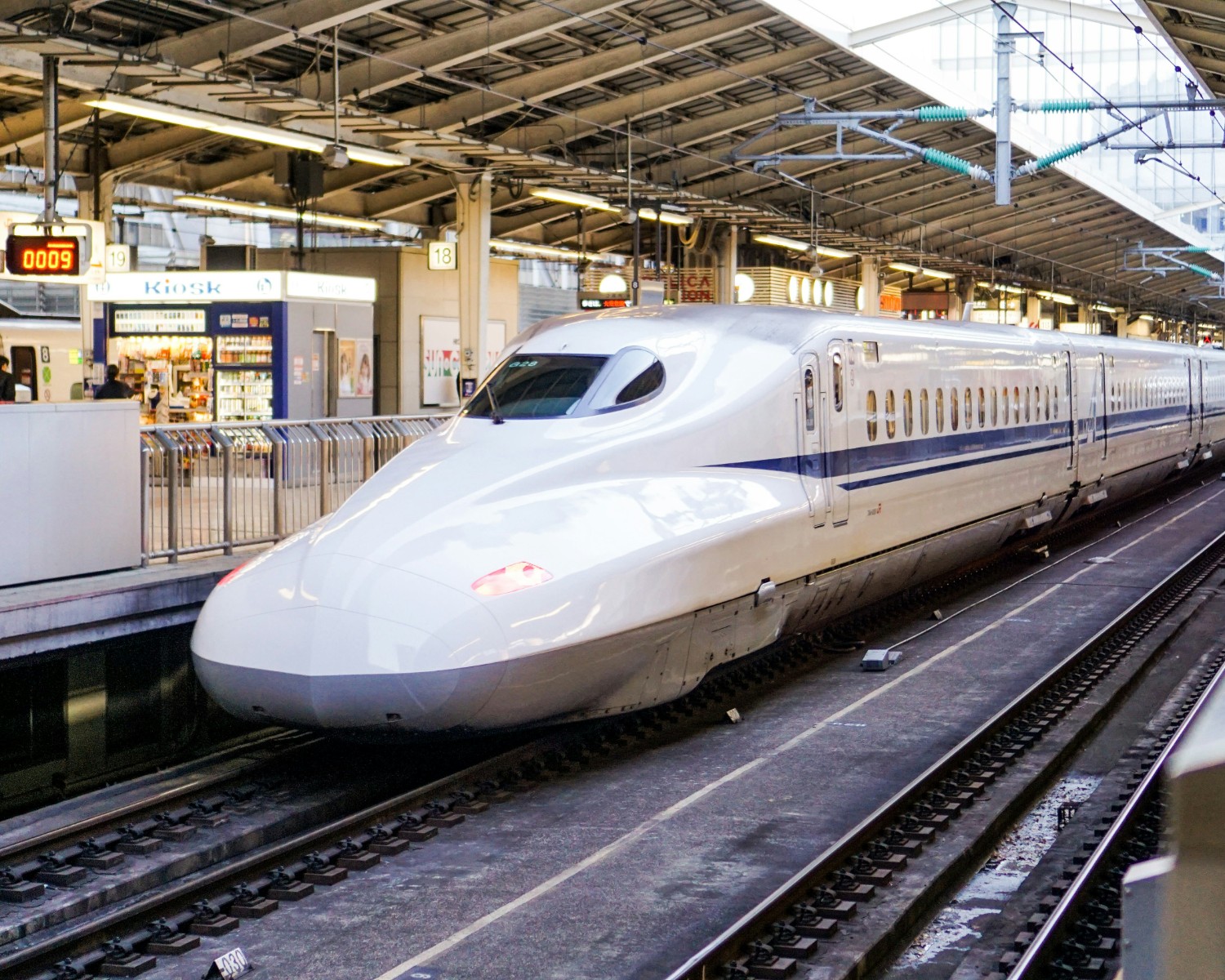
Experience 06
Shinkansen bullet train speeding past Mount Fuji
Explore HighlightExplore
Experience 07
Kaiseki multi-course traditional Japanese dining
Explore HighlightExplore
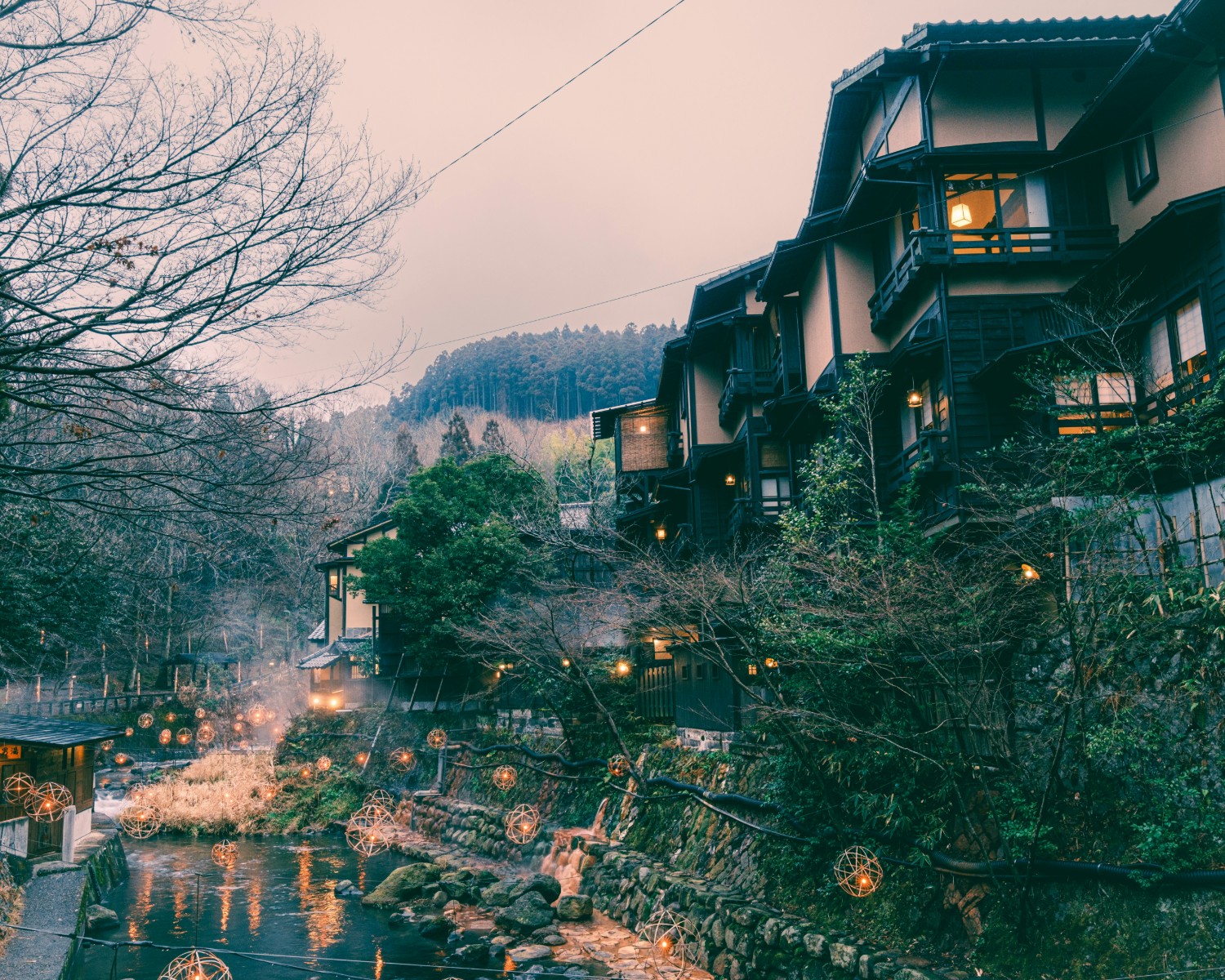
Experience 08
Traditional ryokan room with tatami mats and futon
Explore HighlightExplore
KNOWLEDGE HUB
Things to Know in Tips for japan
Japan is an island nation where Shinto shrines and Zen temples coexist with bullet trains and anime culture—perfect for those seeking the best Japan tours. From early Jomon settlements through samurai rule, imperial isolation, rapid modernization, and post‑war rebirth, Japan has become one of the world’s most technologically advanced yet deeply traditional societies.
From Samurai Era to Superpower
Japan is an island nation where Shinto shrines and Zen temples coexist with bullet trains and anime culture—perfect for those seeking the best Japan tours. From early Jomon settlements through samurai rule, imperial isolation, rapid modernization, and post‑war rebirth, Japan has become one of the world’s most technologically advanced yet deeply traditional societies.
| Jomon & Yayoi (14,000 BC – 250 AD)
Hunter‑gatherer Jomon culture left cord‑patterned pottery and ritual artifacts, later followed by Yayoi rice agriculture, metal tools, and the emergence of early clan‑based societies.
| Classical Nara & Heian (710–1185)
Capital cities at Nara and Kyoto saw Buddhism, Shinto, and Chinese influences flourish. Court culture produced classics like The Tale of Genji and refined arts, calligraphy, and poetry.
| Samurai & Shogunates (1185–1868)
Warrior clans established military governments (shogunates). Samurai codes of honor (bushidō), castles, and tea ceremony evolved, while Japan later entered two centuries of self‑imposed isolation under the Tokugawa shogunate.
| Meiji Restoration & Empire (1868–1945)
With the Meiji Restoration, Japan rapidly industrialized, built railways, adopted Western institutions, and became an imperial power—leading to expansion in Asia and eventual defeat in World War II.
| Post‑War Miracle (1945–1980s)
After devastation in 1945, Japan rebuilt under a pacifist constitution. High‑speed growth made it a global economic powerhouse, with innovations in cars, electronics, and high‑speed rail.
| Contemporary Japan
Today, Japan blends ancient traditions with cutting‑edge technology. It remains a constitutional monarchy with an emperor as symbolic head of state and is renowned for safety, efficiency, and cultural soft power.
Modern Constitution
1947
Pacifist constitution adopted after World War II
UN Membership
1956
Joined United Nations as a peaceful nation
World Heritage Sites
25+
Cultural & natural UNESCO sites across Japan
Capital
Tokyo
One of the world’s largest metropolitan areas
Travel Stories & Tips
Get inspired for your next adventure to japan

Guest Stories
H
Hemanth R
4 months agoExceptional Service and Stunning Views! I just returned from a trip to Kerala curated by Bayard Vacations, and I'm still thinking about the views. Unlike generic packages, Dhanushree from Bayard took the time to tailor the itinerary to my preferences. Every hotel and houseboat was chosen for its...
P
Prajwal Raikar
5 months agoWe went to Dubai, and Bayard Vacations made our entire trip truly joyful and memorable. Adarsh from Bayard Vacations was extremely helpful in arranging the yacht and managing a few issues promptly, which made our vacation smooth and stress-free.
M
Muthahir
5 months agoWe had a wonderful vacation in Dubai, all thanks to Bayard Vacations. From planning to execution, everything was smooth and well-organized. The itinerary was perfectly balanced, the accommodations were comfortable, and all arrangements were completely hassle-free. A special thanks to Mr. Adarsh for...
S
Spoorthy Venkatesh
5 months agoWe had an amazing time in Dubai with Bayard Vacation. Adarsh, our destination specialist, explained everything super smoothly and stayed in touch with us the whole time, which made the trip feel really easy and well organized. The team was great with the transport arrangements too. The drivers were...
B
Bakasura Brahmana
5 months agoBest iternary prepared by them. The best travel agency I suggest
H
Harsha Vardhan Attuluri
5 months agoWe recently went on a trip to Coorg and Wayanad with Bayard Vacations, and the experience was seamless. We opted for a private package, and all the arrangements were excellent. The communication was clear throughout the process. A special thanks to our agents, Rahul and Sowmya, who handled the plann...
A
Abhishek Satapathy
5 months agoWe had a wonderful vacation in Thailand thanks to the...
S
Shilpa Wartak
5 months agoWe booked our Hampi and Badami tour with Bayard Vacation and had an absolutely amazing experience! Everything was perfectly planned and very smooth from start to finish. The hotel location was excellent and close to all major places, and the drive was super comfortable. The whole trip was completely...
A
Abhilash Cr
5 months agoWe recently completed a 4-5 day Andaman trip with Bayard Vacation, and overall it was a very pleasant and well-organized experience. From the planning stage to the end of the journey, the team especially team of Rahul, Dhanushree, was supportive and responsive, making the trip smooth and stress-free.

Medha Devatraj
a month agoLoved our trip to Kerala(Munnar, Thekkady, Alleppey, Varkala and Kovalam) with Bayard Vacations. They've tailored our package and made adjustments according to our itinerary. Agents Sooraj and Dhanushree were the ones who planned and executed our trip so well🙌🙌. They were very polite and friendly. The vehicle arranged was a comfortable and spacious one for our family of 9. We were apprehensive about the tour but returned with beautiful and lifelong memories🫶🫶. A trip with Bayard Vacations is value for money ♥️♥️.

Sriram appalla
a month agoI recently took a 5N/6D trip to Kerala with Bayyard Vacation, and it turned out to be a lovely experience. Even before the trip began, the Bayyard team, especially Sooraj, helped me with every little detail and was super quick with his responses. Our assigned driver, Jbin Alex, was incredibly humble, kind, and supportive throughout the journey. I’d strongly recommend him if you’re planning a Kerala trip, and I’d definitely suggest choosing Bayyard Vacation for your travels. There was a small miss where one of the complimentary items mentioned in the itinerary couldn’t be fulfilled, but aside from that, everything went smoothly. Overall, I’d rate Bayyard Vacation a solid 4.5/5.

jothees waran
2 weeks agoManasa, sincere thanks for curating such an elegant and seamless Thailand experience. Every aspect of the journey was impeccably planned—from punctual transfers and smooth pickups to a perfectly balanced itinerary. The attention to detail, premium coordination, and effortless execution truly elevated the trip. Everything flowed with precision, allowing us to relax and enjoy each moment without a single concern. Your professionalism and commitment to excellence were evident throughout. Bayard Vacations delivers not just a trip, but a truly luxurious and memorable travel experience. Highly recommended.

Kaustubh Rastogi
3 weeks agoWe recently traveled to Malaysia and had a fantastic experience with Bayard Vacations. Their quick responses and excellent service made the entire planning process smooth and stress-free. Balaji’s recommendations were absolutely on point and perfectly matched our preferences. His attention to detail and prompt support truly made a difference. Highly satisfied with the overall experience and would definitely choose Bayard Vacations again for future trips. Highly recommended! ⭐⭐⭐⭐⭐

Manu Manu
in the last weekThe trip was very beautiful. We have experienced many places and we got chance to have the package. They guided us very safely and assured as everything that you need and food was also good and was in care of everything was fantastic trip. We went to Thailand and Bangkok, and we did alKaiser show Quarter Island and we explored a lot in the Water, also like paragliding Jaki riding And there was a dinner cruise in Bangkok. Also was very nice. Totally we really appreciate for the trip and we will like to do more.
Authentic Experiences
Read All Reviews Join 25,000+ happy travelers who explored japan with us.
Got Questions?
Frequently Asked Questions
Still have questions?
Our travel experts are ready to help you craft the perfect itinerary. Reach out for personalized recommendations and support.
You Might Also Like
Discover more incredible destinations and experiences tailored for you


Why Choose Bayard Vacations?
100%
Secure Booking
8+
Years Experience
25K+
Happy Travelers
24/7
Support Available
Best Price
Guaranteed
Personalized
Customized Trips
Expert
Local Guides
100+
Destinations Covered