Back to Blogs
Rajput Warriors: Rajasthan's Legendary Legacy of Courage & Heritage
PublishedMarch 18, 2026
CategoryTravel Guide
AuthorBayard Team
Rajasthan stands as India's most storied heritage destination, defined by the valor, honor, and sacrifice of Rajput warriors who shaped centuries of history. From the towering ramparts of Chittorgarh Fort to the majestic battlements of Mehrangarh, the legacy of these fierce warrior clans continues to inspire travelers, historians, and culture enthusiasts worldwide. This comprehensive guide explores the origins, battles, iconic figures, and enduring traditions of Rajput warriors—transforming your Rajasthan journey into an immersive history experience.
The Origins of Rajput Warriors: Rajputra to Royal Dynasty
Etymology and Early History
The term "Rajput" derives from the Sanskrit word Rajputra ("son of a king"), denoting a warrior class that emerged around the 6th century CE in northern and western India. By the 8th-12th centuries, Rajput clans had established powerful kingdoms throughout present-day Rajasthan, becoming the defining political and military force of the region.
Major Rajput Clans and Their Kingdoms
Rajasthan's political landscape was shaped by several dominant Rajput clans, each controlling distinct territories and maintaining unique cultural identities:
· Sisodia Clan (Kingdom of Mewar): Centered in Udaipur, the Sisodia dynasty produced legendary rulers including Maharana Pratap, known for fierce resistance against Mughal expansion. Mewar remained the most independent Rajput kingdom, rarely accepting tributary status.
· Rathore Clan (Kingdom of Marwar): Based in Jodhpur, the Rathores built the magnificent Mehrangarh Fort and controlled the largest Rajput territory. The clan produced formidable warriors like Ajit Singh, who led the 1708 Rajput Rebellion against Mughals.
· Kachwaha Clan (Kingdom of Amber/Jaipur): Established in the eastern Aravalli region, the Kachwaha dynasty later shifted their capital to Jaipur, creating the Pink City. Unlike other Rajput kingdoms, Kachwaha rulers often maintained diplomatic alliances with Mughals.
· Chauhan Clan (Kingdom of Ajmer): The Chauhans controlled the Ajmer region and produced the legendary Prithviraj Chauhan, immortalized in the epic Prithviraj Raso for his resistance against invading forces.
The Rajput Code of Honor: Principles That Defined Warriors
Core Warrior Virtues
Rajput warriors adhered to a strict code of honor called Rajputana, which governed every aspect of their lives and defined their legendary reputation:
1. Courage in Battle (Veerta)
o Rajput warriors believed death on the battlefield represented the highest honor
o Retreat or surrender was considered a permanent stain on family honor
o Entire communities mobilized for defensive battles, viewing warfare as sacred duty
2. Loyalty to Kingdom and Ruler (Bhakti)
o Warriors pledged absolute allegiance to their maharaja or feudal lord
o Betrayal of the ruler was considered the gravest offense, punishable by exile or death
o Family honor depended on unwavering loyalty across generations
3. Protection of Honor and Family Prestige (Sammaan)
o Defending family reputation superseded personal safety
o Insults to family honor demanded immediate response, often leading to ritualistic duels
o Women's honor and family dignity were paramount considerations in all decisions
4. Sacrifice and Duty (Kartavya)
o Rajput history overflows with stories of warriors choosing death rather than dishonor
o Duty to protect subjects and territory was considered sacred responsibility
o Individual desires were always subordinate to kingdom and family obligations
The Concept of Jauhar and Saka
Two significant practices emerged from the Rajput honor code:
· Jauhar: Mass self-immolation by women and children when defeat appeared inevitable, chosen to avoid capture and abuse by invading forces. This practice reflects the extreme lengths Rajputs went to protect family honor.
· Saka: Ritual battle where warriors knew defeat meant death, yet fought with complete acceptance. The most famous Saka was at Chittorgarh (1567-68), where defenders chose certain death rather than surrender.
Legendary Rajput Warriors: Icons of Indian History
Maharana Pratap: The Symbol of Rajput Resistance
Maharana Pratap (1540-1597) stands as the most iconic Rajput warrior, remembered for his lifelong struggle to preserve Mewar's independence against Mughal emperor Akbar's expansionist ambitions.
Key Achievements:
· Led the famous Battle of Haldighati (1576), fighting against a vastly larger Mughal army with only 3,000 warriors against 60,000
· Refused to accept Akbar's supremacy, maintaining Mewar's sovereignty despite facing military defeat
· Retreated to the Aravalli hills, conducting guerrilla warfare to reclaim lost territories
· Recovered most of Mewar's domains by 1597, reinstating his rule just before his death
· His horse Chetak became legendary, with folklore describing the noble steed carrying wounded Pratap to safety while mortally injured.
Legacy:
Maharana Pratap epitomizes Rajput values—choosing honor over comfort, independence over tributary submission. His 30-year resistance against the Mughal Empire inspired generations of warriors and remains celebrated in Rajasthani folk traditions.
Prithviraj Chauhan: The Warrior Poet King
Prithviraj Chauhan III (1166-1192) ruled the Chauhan kingdom from Ajmer and Delhi, earning fame as both a skilled military strategist and accomplished poet. His life is immortalized in the epic Prithviraj Raso, composed by his court poet Chand Bardai.
Notable Campaigns:
· Fought against Mohammad of Ghor and other Islamic invaders from Central Asia
· Conquered neighboring kingdoms, extending Chauhan rule across North India
· Defended Hindu kingdoms during the early phase of Islamic invasions
· Famous for romantic legend involving Princess Samyogita of Kannauj
Historical Significance:
Prithviraj Chauhan's era marked a critical transition in Indian history, representing Hindu resistance during the early Islamic invasions. Though ultimately defeated and captured by Mohammad of Ghor, his legacy symbolizes Rajput valor during turbulent medieval periods.
Rana Sanga: The Uniter of Rajput Clans
Rana Sanga (1482-1527) of the Sisodia clan earned reputation as a formidable military strategist who unified fractious Rajput clans against common threats.
Military Achievements:
· Fought over 100 battles, suffering 80 wounds yet continuing military campaigns
· Unified Rajput kingdoms to resist Mughal invasions under Babur
· The Battle of Khanwa (1527) against Babur became a defining moment in North Indian history
· Despite tactical excellence, ultimately succumbed to Mughal military superiority
Cultural Impact:
Rana Sanga's determination to unite Rajput clans despite personal injuries exemplifies the warrior spirit. His refusal to surrender despite overwhelming odds remains celebrated in Rajasthani military traditions.
Amar Singh Rathore: The Last Great Rajput Rebel
Amar Singh Rathore (1652-1708) represents the final chapter of significant Rajput resistance against Mughal rule. His tragic life and dramatic death epitomize the decline of independent Rajput kingdoms.
Key Events:
· Led the Rajput Rebellion of 1708, uniting Rajput clans against Mughal authority
· Fought alongside Maharaja Ajit Singh of Marwar and Maharana Amar Singh of Mewar
· Represented the last coordinated Rajput effort to reclaim political independence
· Died in exile, symbolizing the end of Rajput political sovereignty
Historic Rajput Battles: Conflicts That Shaped Rajasthan
Battle of Haldighati (1576): The Iconic Resistance
Context: Emperor Akbar sought to expand Mughal control over independent Rajput kingdoms. Maharana Pratap's Mewar remained the most defiant territory.
The Battle:
· Forces: Maharana Pratap commanded approximately 3,000 warriors against Akbar's 60,000-strong army led by Raja Man Singh
· Location: Haldighati Pass in the Aravalli Hills, chosen strategically by Pratap to neutralize Mughal numerical superiority
· Duration: A single day of intense combat with hand-to-hand fighting
· Outcome: Though tactically a Mughal victory, Pratap's forces inflicted significant casualties and escaped to continue resistance
Historical Significance:
This battle symbolizes Rajput defiance against overwhelming odds. Rather than representing a decisive military victory, Haldighati became a moral triumph for Rajput honor and determination. Maharana Pratap's refusal to submit despite defeat inspired subsequent Rajput resistance.
Siege of Chittorgarh (1567-1568): Ultimate Sacrifice
Context: Akbar personally led forces to reduce Chittorgarh, the most important Mewar fortress and symbol of Rajput power.
The Siege:
· Defenders: Rana Udai Singh led approximately 8,000 warriors defending the fortress
· Duration: Five months of continuous siege warfare
· Defensive Tactics: Chittorgarh's formidable walls and internal fortifications enabled prolonged resistance despite Mughal siege weapons
· Final Defense: As breaches widened and defeat became inevitable, defenders performed Saka—ritual suicide while fighting, refusing to surrender
· Casualties: Estimates suggest 8,000 defenders died; women performed Jauhar to avoid capture
Cultural Impact:
The Siege of Chittorgarh became the defining moment in Rajput collective memory, representing the ultimate sacrifice of honor. The fortress's partial destruction remains visible today, with blackened stones marking areas of intense combat. This siege demonstrated that Rajput resistance, though militarily defeated, achieved psychological and cultural victory through the warriors' unwillingness to surrender.
Battle of Khanwa (1527): Rana Sanga Against Babur
Context: Babur's invasion threatened to establish Mughal rule in North India. Rajput kingdoms united under Rana Sanga's leadership to resist.
The Battle:
· Forces: Rana Sanga commanded combined Rajput armies (estimates: 100,000+ warriors) against Babur's estimated 12,000 Mughal forces
· Location: Near Agra, strategically important for controlling North Indian territories
· Mughal Advantages: Superior artillery, tactical formations, and experienced commanders compensated for numerical disadvantage
· Outcome: Despite Rajput numerical superiority, Mughal military tactics and weaponry proved decisive; Rana Sanga was severely wounded and retreated
Historical Lessons:
Khanwa represented a critical turning point—despite Rajput military prowess and numerical superiority, Mughal military technology and tactics proved superior. This battle illustrated that traditional warrior societies struggled against centralized empires with organized military infrastructure.
Rajput Forts: Architectural Marvels and Military Strongholds
Rajput forts represent far more than impressive architecture—they embody military strategy, engineering brilliance, and the determination to resist invasions.
Chittorgarh Fort: Symbol of Rajput Pride
Overview:
The largest fort in India, sprawling across 680 acres on a hilltop 180 meters above surrounding plains. Chittorgarh epitomizes Rajput architectural and military achievement.
Historical Significance:
· Served as the capital of Mewar kingdom for centuries
· Endured multiple sieges (1567-68 being the most famous) yet remained unconquered until Akbar's final assault
· Contains multiple palaces, temples, and towers including the iconic Vijay Stambh (Tower of Victory)
· The partially destroyed fortress stands today as testament to Rajput defiance
Key Structures:
· Vijay Stambh: Nine-story tower built by Maharaja Kumbha to commemorate victory over Sultan of Malwa
· Palace of Rani Padmini: Associated with the legendary queen whose story inspired countless Rajasthani tales
· Gaumukh Reservoir: Elaborate water management system providing fort's water supply
· Temples: Multiple Hindu temples reflecting Mewar's religious heritage.
Mehrangarh Fort: Marwar's Magnificent Fortress
Overview:
Perched dramatically on a 125-meter rocky outcrop overlooking Jodhpur, Mehrangarh Fort represents the architectural pinnacle of Rajput military construction.
Construction and Evolution:
· Founded by Rao Jodha in 1459, establishing Jodhpur as Marwar's capital
· Expanded and fortified by successive Rathore rulers over 500+ years
· Features towering walls (up to 36 meters high), multiple bastions, and intricate defensive systems
· Contains seven gates, each named after different concepts and directions
Architectural Features:
· High Walls: Massive fortifications designed to withstand cannon fire and siege warfare
· Multiple Palaces: Elaborate royal residences including Phool Mahal (Palace of Flowers) with intricate mirror work
· Museum Collections: Swords, shields, cannons, and royal regalia chronicling Marwar's military history
· Jaali Work: Intricate stone latticework allowing air circulation while maintaining privacy.
Kumbhalgarh Fort: The Great Wall of Rajasthan
Overview:
Often compared to the Great Wall of China, Kumbhalgarh boasts a continuous wall structure spanning 36 kilometers—the longest continuous wall after China's Great Wall.
Engineering Marvel:
· Built by Maharaja Kumbha (1433-1468) over 15 years using advanced construction techniques
· Features 360 towers and multiple bastions enabling comprehensive defensive coverage
· Altitude (1,100 meters) provides natural defensive advantage against invading armies
Historical Importance:
· Served as refuge for Maharana Pratap during his 30-year struggle against Akbar
· Birthplace of Maharana Pratap, holding special significance in Mewar history
· Remained largely unconquered due to its strategic location and defensive architecture.
Jaisalmer Fort: The Living Golden Fort
Overview:
Unique among Rajput forts for remaining a living fortress where hundreds of families continue residence, maintaining vibrant community within medieval walls.
Distinctive Characteristics:
· Constructed using pale yellow sandstone that glows golden at sunset
· Rises dramatically from surrounding desert plains, visible from 50+ kilometers distance
· Contains residential areas, shops, temples, and administrative centers within fortress walls
· Exemplifies how Rajput fortifications integrated defensive functions with civilian habitation.
Rajput Women: Courage Beyond Warriors
Rajput women played equally powerful roles in their society's historical narrative, embodying the same honor codes that defined male warriors.
The Tradition of Jauhar
During enemy sieges, particularly when defeat appeared inevitable and capture threatened, Rajput women sometimes chose ritual self-immolation rather than face potential abuse or enslavement. This practice, called Jauhar, represented an extreme expression of the honor code.
Historical Examples:
· Rani Padmini of Chittorgarh: Perhaps the most famous case, where legendary accounts describe the queen leading mass Jauhar when Akbar's forces breached the fortress
· Udai Singh's Women: During sieges, multiple instances of women choosing Jauhar rather than surrender documented in historical records
Cultural Interpretation:
While modern sensibilities question this practice, historians recognize Jauhar as a reflection of Rajput women's fierce commitment to honor and family dignity. These women were not passive victims but active participants in maintaining cultural values, choosing death rather than submit to an enemy's control.
Regent Queens and Political Leaders
Beyond Jauhar tradition, Rajput women exercised significant political and military authority:
· Regent Queens: When kings died or were absent, capable queens managed kingdoms, commanding armies and diplomatic negotiations
· Military Strategists: Historical records document women advising on battle strategy and managing fort defenses
· Cultural Preservers: Women maintained traditions, sponsored arts, and preserved cultural knowledge across generations
Rajput Culture and Traditions in Modern Rajasthan
Contemporary Rajasthan vibrates with living traditions directly descended from the Rajput warrior era.
Traditional Arts and Performances
· Folk Music: Instruments like the sarangi and folk songs recount warrior tales and romantic legends
· Sword Displays: Traditional martial demonstrations showcasing weapons and combat techniques
· Puppet Theater: Kathputli performances narrate epic battles and heroic legends
· Kathakali and Dance: Classical dance forms depicting historical events and mythological stories
Festivals Celebrating Rajput Heritage
Festival | Location | Dates | Highlights | |
Mewar Festival | Udaipur | March-April | Celebrates Sisodia dynasty traditions; royal processions, cultural performances honoring Mewar's legendary rulers | |
Gangaur Festival | Jaipur, Udaipur | March | Traditional royal processions featuring ornate palanquins, women's participation in ancient fertility rituals | |
Desert Festival (Maru Mahotsav) | Jaisalmer | January-February | Showcases Rajput martial traditions through folk dances, camel polo, turban tying competitions celebrating desert warrior heritage | |
Teej Festival | Jaipur, Jodhpur | July-August | Cultural parades featuring traditional costumes, music, and dance performances rooted in Rajput folklore | |
Marwar Festival | Jodhpur | September-October | Specifically honors Rajput heroes through cultural performances, folk music, and traditional warrior demonstrations | |
Nagaur Fair | Nagaur | January-February | Historic fair featuring cultural performances, livestock trading, and traditional Rajput community celebrations |
|
Major Rajput Heritage Destinations for History Enthusiasts
Udaipur: City of Maharana Pratap and Mewar Legacy
Highlights:
· City Palace: Architectural marvel combining Mughal and Rajasthani styles, partly residency of royal family
· Lake Pichola: Serene artificial lake reflecting palace architecture, created by Maharaja Udai Singh
· Jagdish Temple: Dedicated to Lord Krishna, featuring intricate stone carving and spiritual significance
· Maharana's Cenotaphs: Honor fallen rulers including Maharana Pratap
Why Visit: Udaipur remains the spiritual heart of Mewar, where Sisodia dynasty legacy permeates every corner.
Chittorgarh: Fortress of Sacrifice and Valor
Key Attractions:
· Chittorgarh Fort: 680-acre historical fortress with partially destroyed ramparts visible after Akbar's siege
· Vijay Stambh: Nine-story tower built by Maharaja Kumbha celebrating military victory
· Rani Padmini's Palace: Traditional lakeside palace associated with legendary queen
· Meenál Temple: Ancient temple showcasing medieval Rajasthani architecture
Historical Significance: Chittorgarh represents Rajput resistance epitomized—a place where warriors chose honorable death over submission. The fortress's partial destruction visually reminds visitors of the costs of maintaining independence against empire.
Jodhpur: Home of Marwar's Mighty Rathores
Must-See Sites:
· Mehrangarh Fort: Commanding 125-meter hilltop position offering panoramic desert vistas
· Rajasthan Military Heritage Museum: Chronicles Rathore military achievements through weapons, armor, and historical documentation
· Clock Tower and Markets: Historic bazaars where traditional crafts and warrior memorabilia are traded
· Mandore Gardens: Former capital featuring royal cenotaphs and temple complexes
Cultural Experience: Jodhpur pulses with Rathore pride—the dominant Marwar clan whose warrior legacy shaped regional history.
Jaipur: Capital of Kachwaha Rajputs
Notable Landmarks:
· City Palace: Functioning royal residence combining Mughal and Rajasthani architecture
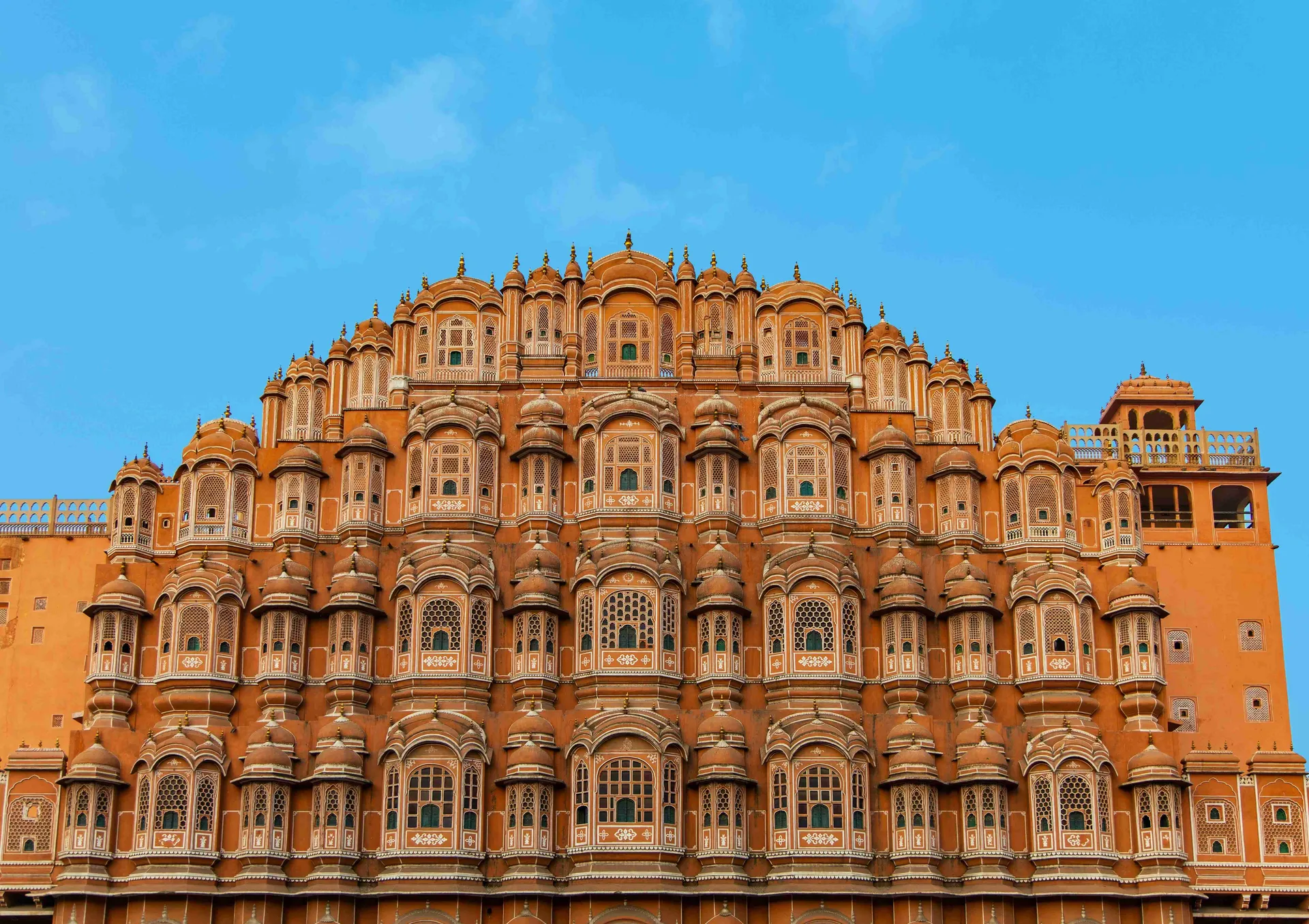
· Hawa Mahal (Palace of Winds): Iconic pink-colored five-story structure featuring intricate jali work
· Jantar Mantar: UNESCO site featuring astronomical measuring instruments built by Maharaja Sawai Jai Singh II
· Nahargarh Fort: Hilltop fortress offering city views and historical military significance
Distinction: Unlike fiercely independent Mewar and Marwar, Jaipur's Kachwaha rulers often maintained diplomatic relationships with Mughals—representing alternative Rajput political strategy.
Kumbhalgarh: Birthplace of Maharana Pratap
Historical Importance:
· Site of Maharana Pratap's birth (1540)
· Provided refuge during 30-year struggle against Akbar
· Exemplifies masterful Rajput military architecture
Trekking Opportunity: Visitors can trek Kumbhalgarh's 36-kilometer wall structure—Asia's longest continuous defensive wall—experiencing warrior-era strategic thinking.
Jaisalmer: Golden Desert Fort
Key Attractions:
· Jaisalmer Fort: Living medieval fortress with golden sandstone construction
· Patwon Ki Haveli: Magnificent merchant mansion showcasing desert city wealth and architectural sophistication
· Sam Sand Dunes: Desert landscape reminiscent of Rajput-era cavalry movement zones
· Desert Heritage Festival: Annual celebration of Rajasthani Rajput traditions
Experience: Jaisalmer captures the mystique of desert Rajput kingdoms—isolated, prosperous, and culturally distinctive.
Practical Travel Guide: Exploring Rajput Heritage in Rajasthan
Best Time to Visit
October-March (Peak Season):
· Pleasant daytime temperatures (20-28°C), cool nights
· Clear skies enabling optimal fort photography and sightseeing
· All festivals scheduled during winter months
· Ideal for desert trekking and outdoor activities
April-May (Off-Peak):
· Extreme heat (40-45°C+) limits comfortable sightseeing
· Fewer tourists create solitude for reflection
· Hotels offer 30-40% discounts
· Best for early morning visits; mid-day rest essential
June-September (Monsoon):
· Dramatic rainfall transforms desert landscape to green
· Limited tourist infrastructure
· Some forts become less accessible during heavy rains
· Most suitable only for weather-adapted travelers.
Essential Travel Tips
Before Departure:
· Advance Bookings: Reserve heritage hotel accommodations 8-10 weeks before preferred dates, particularly for October-March peak season
· Fort Entry Permits: Some royal properties require permission; arrange through travel agencies
· Health Precautions: Carry antimalarial medications; consult doctors for altitude-sensitive destinations (Kumbhalgarh: 1,100m)
· Cultural Sensitivity: Respect dress codes in temples and sacred fort areas (covered shoulders and knees recommended)
During Your Visit:
· Hire Local Guides: Professional historians provide invaluable context about battles, architecture, and Rajput social systems
· Early Morning Sightseeing: Explore forts between 6-9 AM before afternoon heat and crowds intensify
· Stay Hydrated: Carry electrolyte-enriched water bottles; desert environment and stone fort temperatures increase dehydration risks
· Photography Planning: Golden hour photography (sunrise/sunset) yields optimal images of golden forts and palace architecture
· Night Performances: Attend traditional Rajasthani performances featuring folk music, dance, and warrior story recitations
Physical Preparation:
· Fort exploration involves significant walking (8-12 km daily); ensure reasonable fitness
· Wear comfortable, supportive footwear suitable for uneven historic stone surfaces
· Sun protection essential (high SPF sunscreen, hats, sunglasses)
· Loose, modest clothing in light colors reflects heat while respecting cultural norms
Why Bayard Vacations: Curated Rajput Heritage Experiences
Exploring Rajasthan's legendary warrior past demands more than guidebook knowledge—it requires insider expertise, thoughtful itinerary planning, and seamless logistical coordination.
Specialized Rajput Heritage Tours
Bayard Vacations designs immersive heritage experiences featuring:
· Fort and Palace Exploration: Private fort visits with professional historians providing detailed context about specific battles and architectural significance
· Cultural Immersion: Participation in local festivals, traditional meal experiences, and interaction with heritage communities preserving Rajput traditions
· Expert Local Guides: Trained historians offering comprehensive knowledge of Mewar resistance, Rathore military campaigns, and Rajput social structures
· Authentic Royal Experiences: Stay in heritage hotels within functioning royal palaces where descendants of Rajput rulers maintain historic residences
· Photography-Focused Itineraries: Dedicated timing for optimal fort photography, sunrise/sunset moments, and architectural detail capture
Comprehensive Itinerary Options
Heritage Trail (5-7 days):
Jaipur → Jodhpur → Jaisalmer → Mehrangarh Fort → Desert experience
Mewar Discovery (6-8 days):
Udaipur → Chittorgarh → Kumbhalgarh → City Palace → Maharana heritage exploration
Desert Warriors Circuit (8-10 days):
Complete Rajasthan circuit including all major forts, desert experiences, and festival participation
Customized Programs:
Tailor itineraries around specific interests—military history emphasis, architecture focus, cultural practices exploration, or photography specialization
Why Choose Bayard for Rajasthan Heritage
· Local Expert Network: Direct partnerships with professional historians, heritage hotel managers, and cultural organizations
· Logistical Excellence: Handle all transportation, permits, and complicated scheduling ensuring stress-free exploration
· Authentic Experiences: Access restricted heritage areas and royal family interactions unavailable through standard tourism channels
· Cultural Respect: Ensure visitor behavior respects sacred sites, ancient traditions, and local community sensitivities
· Expert Guidance: Travel consultants match itineraries to individual knowledge levels—from casual history enthusiasts to serious heritage researchers
Frequently Asked Questions About Rajput Warriors and Heritage
Who were the Rajputs, and why are they historically significant?
Rajputs were a warrior class that ruled kingdoms throughout North and Western India, particularly Rajasthan, from the 6th-18th centuries. Their significance lies in their fierce resistance against external powers, sophisticated military strategies, and a distinctive honor code that shaped Indian medieval history.
Was Maharana Pratap the greatest Rajput warrior?
While many consider Maharana Pratap the most iconic—his 30-year resistance against Akbar represented unprecedented defiance—other legendary warriors like Prithviraj Chauhan, Rana Sanga, and Amar Singh Rathore commanded equal respect. "Greatest" depends on criteria: military success, cultural impact, or symbolic resistance.
What was Jauhar, and why did Rajput women practice it?
Jauhar was ritualistic self-immolation chosen by women to avoid capture during military defeats. Rooted in the Rajput honor code where family dignity superseded individual survival, Jauhar represented women's agency in maintaining cultural values—though modern perspectives recognize such extreme practices as products of their historical context.
Which Rajput fort is most impressive to visit?
Each major fort offers distinct experiences: Chittorgarh for historical significance (Akbar's siege), Mehrangarh for architectural magnificence, Kumbhalgarh for engineering marvels (36-km wall), and Jaisalmer for golden aesthetic beauty and desert setting. Choice depends on individual interests.
What's the best strategy for visiting multiple forts in one trip?
The Rajasthan circuit typically follows: Jaipur → Jodhpur (Mehrangarh) → Jaisalmer (Jaisalmer Fort) → Udaipur (Chittorgarh + Kumbhalgarh). This routing minimizes backtracking while enabling 5-10 day comprehensive heritage exploration.
How has Rajput culture influenced modern Rajasthan?
Rajput traditions permeate contemporary Rajasthan through: festivals celebrating warrior heritage, folk arts depicting battle narratives, architectural preservation of royal palaces, living traditional practices in rural communities, and the continued influence of noble families in cultural life.
What should first-time Rajasthan visitors prioritize for optimal heritage experience?
First-timers should focus on: Jaipur (culture/architecture introduction) → Jodhpur's Mehrangarh Fort (architectural magnificence) → Jaisalmer (desert Rajput experience) → Udaipur (romantic heritage). This 5-7day circuit provides comprehensive overview without overwhelming scheduling.
Conclusion: The Eternal Legacy of Rajput Warriors
The story of Rajput warriors transcends centuries—it represents a civilization's commitment to honor, sacrifice, and independence even when facing overwhelming imperial power. From Maharana Pratap's 30-year struggle to maintain Mewar's sovereignty, to the defenders of Chittorgarh choosing death over dishonor, Rajput history chronicles human determination confronting fate.
Today's Rajasthan preserves this warrior legacy through magnificent forts perched on dramatic escarpments, thriving cultural traditions celebrating ancestral valor, and communities maintaining customs unchanged for centuries. When you explore Chittorgarh's partially destroyed ramparts or gaze from Mehrangarh's towering walls across desert plains, you're witnessing physical evidence of warrior pride and architectural brilliance.
Rajasthan isn't merely a travel destination—it's a living history museum where warrior traditions continue shaping cultural identity. The golden forts catching sunset light, folk songs narrating battles, and festivals honoring ancestors all testify to Rajput civilization's enduring impact on Indian history.
Experience Rajasthan's Warrior Heritage
Whether you're drawn to military history's strategic complexities, architectural marvels' engineering brilliance, or cultural traditions' human dimensions, Rajasthan offers profound experiences. Bayard Vacations specializes in transforming heritage tourism from passive sightseeing into immersive historical journeys where you truly understand the warriors who shaped civilization.
Ready to explore Rajasthan's legendary past?
Discover Rajput Heritage Tours
Subscribe for Exclusive Heritage Updates – Receive specialized destination insights and cultural guides
Let Bayard Vacations transform your Rajasthan journey into an unforgettable exploration of warrior legend, architectural brilliance, and timeless cultural traditions.
Ready to go?
Explore Rajasthan Packages
Tags:
RajasthanBayard VacationsHistorywarriorsBayard Domestic ToursBayard PackagesHidden GemsTravel.
Start Your Adventure
Our travel experts are ready to plan your next dream vacation.
No spam, only pure inspiration.
Trending Rajasthan Packages
Discover carefully curated itineraries for your holiday in Rajasthan


Related Articles
Continue your discovery with more travel insights