
arunachal pradesh
Arunachal Pradesh
Eastern Himalayas meet Tibetan spirituality, making it a key highlight in any Arunachal Pradesh tourism search. Tawang Monastery towers at 2,800 meters where indigenous tribes preserve ancient Buddhist traditions.
4+
packages
20k
Travelers
4.9
Rating
12+
Activities
Explore
Destination Overview
About Arunachal Pradesh
Land of the Dawn-Lit Mountains, where pristine Himalayan peaks meet vibrant tribal traditions and untouched wilderness.
Arunachal Pradesh, literally meaning 'Land of the Dawn-Lit Mountains' (Arun = dawn, Achal = mountain), is India's easternmost state with a history spanning millennia of diverse tribal kingdoms and spiritual traditions, making it a key focus in any things to do in Arunachal Pradesh search. Monyul Kingdom From the ancient Monyul (Lhomon) kingdom through Tibetan Buddhist influence to modern statehood (1987), Arunachal Pradesh embodies resilience, cultural richness, and the defiant preservation of indigenous identity against modernization pressures. Home to 26+ indigenous tribes, each with distinct language, culture, and governance systems, Arunachal Pradesh has remained one of India's most pristine, least developed regions—intentionally preserved to protect tribal heritage.
Best TimeOct - Apr
CurrencyINR (₹)
ClimateAlpine to Subtropical
Time ZoneUTC+5:30 (IST)
LanguagesTibeto-Burman, Tai
PermitInner Line Permit (ILP)
CapitalItanagar
Population≈1.38M
Best Time
Oct - Apr
Currency
INR (₹)
Climate
Alpine to Subtropical
Time Zone
UTC+5:30 (IST)
Languages
Tibeto-Burman, Tai
Permit
Inner Line Permit (ILP)
Capital
Itanagar
Population
≈1.38M
Why Choose arunachal pradesh?
The Tawang Monastery: 'Second Lhasa' & Spiritual Epicenter
Perched at 3,500 meters in the Tawang valley, the Tawang Monastery (Ganden Namgey Lhatse—'celestial paradise in a clear night') is Asia's second-largest Tibetan Buddhist monastery and Arunachal's holiest site. Established in 1681, it houses 500+ monks, ancient Tibetan texts (Kangyur & Tengyur), and sacred artifacts. The architecture blends Tibetan, Bhutanese, and local influences. The Monpa's 17th-century embrace of Gelugpa Buddhism—facilitated by this monastery—represents one of history's most remarkable peaceful religious transformations. Today, Tawang Monastery attracts pilgrims, scholars, and visitors from across Asia; its annual Losar (Tibetan New Year) celebration drawing thousands.
26+ Tribal Nations: A Living 'Linguistic Museum'
Arunachal Pradesh hosts 26+ distinct indigenous tribes, each with unique language, governance, traditions, and belief systems. Major groups include Monpa (Buddhist, Tawang), Adi (sun-moon worshippers, diverse festivals), Apatani (unique facial tattoos, skilled craftspeople), Mishmi (eastern hills), Nyishi (central), and Naga (southeastern, warrior traditions). Over 50 distinct languages exist, belonging to Tibeto-Burman and Tai linguistic families. This staggering diversity within a single state reflects isolation—mountains prevented inter-tribal mixing for centuries. Each tribe maintains independent identity, language, customs, dress, and oral histories spanning centuries. The diversity is both source of richness and challenge for national integration.
The Inner Line Permit: Preserving Tribal Identity Through Bureaucratic Wall
Established by the British in 1873 and retained post-independence, the Inner Line Permit (ILP) system uniquely restricts entry to Arunachal Pradesh. All non-resident Indians require an ILP; foreigners require a Protected Area Permit (PAP, group-only, government-approved tour operator required). While criticized as anachronistic, the ILP deliberately slows migration, tourism development, and cultural homogenization. This 'fortress' approach paradoxically preserves Arunachal's tribal heritage in an era of globalization. Post-COVID, the government has relaxed ILP issuance significantly, approving 90% of domestic tourist applications (often in real-time online). The permit remains symbolic of Arunachal's unique status: protected, restricted, and intentionally preserved.
Tribal Festivals: Living History & Seasonal Renewal
Each tribal community celebrates distinct festivals rooted in agricultural cycles, spiritual beliefs, and martial traditions. Adi celebrate Solung (September harvest, 5 days of dances & ceremonies), Etor (May war dances), and Aran (March). Apatani celebrate Drii and Myoko. Khamti celebrate Sangken (April 14, water-splashing blessing festival). Monpa's Losar (Tibetan New Year, February) dominates Tawang with monastery rituals. Festivals represent living connections to ancestral traditions—unmechanized, unscripted, deeply spiritual. Tourism marketing often commodifies these, yet communities maintain authentic observance. Visitors respectfully participate in Losar, Solung, and Sangken, witnessing centuries-old cultural continuity.
Must-Experience Attractions
Tawang Monastery (17th-century, 3,500m elevation)
Sela Pass (4,170m) & Bumla Pass (3,480m)
Ziro Valley (Apatani tribal culture, living traditions)
Nuranang Falls & PT Tso Lake
Bomdila Monastery & War Memorials
Namdapha National Park (wildlife sanctuary)
Arunachal Pradesh Tour Packages
Arunachal Pradesh is India's least crowded Himalayan frontier mist-wrapped monasteries, high-altitude passes, one-horned rhinos in the Brahmaputra floodplains, and more than two dozen indigenous tribal cultures, all reached by road through some of the most dramatic mountain scenery in the country. With Bayard Vacations, your Arunachal Pradesh holiday can be built around a classic Guwahati–Kaziranga–Tawang–Bomdila circuit, a high-altitude pass-focused trip, or a tribal-heritage and nature escape through Ziro Valley and Namdapha.
The honest planning basics first: the drive from Guwahati into the hills genuinely takes 12–16 hours to Tawang, not a quick afternoon transfer most travellers break it over two days with a night in Bomdila or Dirang. Every non-resident Indian needs an Inner Line Permit, and a visit to Bumla Pass specifically needs a further, separate local permit. And the two best-known highlights on this page — Kaziranga's wildlife safaris and the high-altitude passes near Tawang actually want close to opposite seasons. None of this makes Arunachal Pradesh harder to enjoy; it just means the trip is genuinely better when it's planned around the real logistics rather than an optimistic transfer time.
Get an Arunachal Pradesh quote →
Arunachal Pradesh trip at a glance
|
|
Ideal duration | 7D/6N for the classic Guwahati–Kaziranga–Tawang–Bomdila circuit; 9–13 days for deeper pass-focused or Shillong-combined itineraries |
Best season | October–April for clear skies and monastery/valley travel; note that Kaziranga (Nov–Apr) and Bumla Pass (roughly May–Oct) want close to opposite windows — see the honest note below |
Entry for Indians | Inner Line Permit (ILP) mandatory for every non-resident Indian citizen. Apply online at arunachalilp.com — roughly ₹300 for up to 3 days, ₹500 for 4–14 days, usually approved within 24–48 hours. Confirm current fee before travel |
Bumla Pass | Needs a further, separate local permit (Deputy Commissioner's office, Tawang, countersigned by the Army) arranged a day ahead — realistically accessible only around May–October |
Getting there | Fly or take the train to Guwahati (GAU), then road transfer to the hills. Guwahati–Tawang is genuinely 12–16 hours by road — most travellers split this over two days with a halt at Bomdila or Dirang |
Winter access | The Sela Tunnel (opened March 2024) now gives all-weather, year-round road access to Tawang beneath the old Sela Pass, largely removing the multi-day winter snow closures of previous years |
Permits: what you actually need, and what it costs
The Inner Line Permit (ILP) - mandatory for every non-resident Indian
• Apply online at arunachalilp.com (or the official mobile app) - you'll need a valid photo ID (Aadhaar, voter ID or passport) and a passport-style photograph.
• Current fee: roughly ₹300 for a permit of up to 3 days, and ₹500 for 4–14 days - this covers Dirang, Bomdila, Tawang and Ziro Valley; Guwahati, Kaziranga and Shillong don't require it.
• Processing is usually same-day to 24–48 hours, but apply at least 4–5 business days ahead of travel to give yourself a buffer around peak-season delays.
• Offline applications are also available at Arunachal Bhawan offices in Guwahati, Kolkata, Delhi and a few other cities, if you'd rather not use the online portal.
Bumla Pass - a separate, local permit on top of your ILP
If your itinerary includes Bumla Pass, know that your ILP alone doesn't get you there. A further permit is issued locally in Tawang by the Deputy Commissioner's office and must be countersigned by the Indian Army — in practice, this is almost always arranged for you by your hotel or local operator a day in advance, using copies of your ILP and photo ID. There's a fixed departure window (typically an early-morning start) and checkpoint-clearance times along the way, and only specific local SUVs are permitted on the route. Bumla Pass is realistically open only from around May to October — it sits under snow for much of the rest of the year so if seeing it matters to you, plan your trip inside that window rather than the general Oct–Apr best-time recommendation for the rest of the state.
Choose your Arunachal Pradesh itinerary
1. Guwahati–Kaziranga–Dirang–Tawang–Bomdila — 7D / 6N
Best for: first-time Northeast visitors, families, wildlife + culture mix seekers.
• Day 1 — Arrive Guwahati; transfer to Kaziranga National Park.
• Day 2 — Kaziranga jungle safari (one-horned rhinos, elephants, wildlife spotting).
• Day 3 — Long drive day toward Dirang via Tezpur and Bhalukpong; visit Dirang Dzong on arrival.
• Day 4 — Dirang to Tawang via the Sela Tunnel; Tawang Monastery and local sightseeing.
• Day 5 — Bomdila Monastery, War Memorials, local crafts, on the way back toward Guwahati.
• Day 6 — Return to Guwahati; departure.
2. Hill of Mountains + Jungle Safari - 9D / 8N
Best for: adventurers, photographers, repeat Northeast travellers.
• Sela Pass (4,170m) with dramatic mountain vistas - accessible year-round via the Sela Tunnel, with the option to drive over the pass itself in clear weather.
• Bumla Pass (3,480m/frontier zone) — a genuine frontier-border experience, subject to the separate local permit and seasonal access described above.
• Extended Kaziranga wildlife coverage.
3. Shillong–Cherrapunjee–Kaziranga–Arunachal — 10D / 9N
Best for: families wanting hill + wildlife + culture comfort, couples, senior travellers.
• Shillong (Khilanjima Peak, Pollock Avenue).
• Cherrapunjee (sunset points, waterfalls).
• Kaziranga safari.
• Tawang Monastery + Ziro Valley tribal culture.
4. Wari Chora–Shillong–Arunachal — 13D / 12N
Best for: adventure seekers, culture-travellers, photographers wanting comprehensive Northeast coverage.
Deeper exploration including Wari Chora (a hidden Meghalaya gem) alongside a full Arunachal circuit.
Trip cost from Arunachal Pradesh
Arunachal Pradesh is budget-to-mid-range for a domestic frontier, monastery and wildlife trip. Current published packages:
Travel style | Typical duration | What's included | Approx. price (per person) |
Budget | 7D/6N | 3-star hotels, breakfast, Kaziranga safari, Tawang/Bomdila transfers, key sights | ₹27,999 |
Budget–Mid | 9D/8N | 3–4 star mix, some meals, Sela/Bumla pass access, more mountain inclusions | ₹36,999 |
Mid-range | 10D/9N | Better hotels, Shillong + Kaziranga + Arunachal, more activities | ₹47,999 |
Premium / Cultural | 13D/12N | 4-star/boutique stays, Wari Chora + full Northeast, guided tribal sessions | ₹55,000 |
What's not usually included: your ILP fee (₹300–500), domestic airfare to Guwahati unless bundled, the Bumla Pass local permit (typically arranged and paid for locally), and personal expenses.
Get a fixed, all-in price for your dates →
Best time to visit Arunachal Pradesh
For most travellers, October–April is the strongest overall window - clear skies, comfortable temperatures for monastery visits and valley travel, and Kaziranga's full wildlife-safari season.
Months | What it's like | Verdict |
October–April | Clear skies, cool and comfortable, Kaziranga fully open, Sela Tunnel keeps Tawang reliably accessible | The strongest overall window for the classic circuit; includes February's Losar (Tibetan New Year) at Tawang |
May–October | Warmer, monsoon-influenced, Kaziranga closed for flooding, but Bumla Pass and the high passes are at their most accessible | The right window specifically if Bumla Pass and the high-altitude frontier experience are your priority |
Late May–September | Kaziranga closed entirely for the monsoon (typically 25–29 May through around 1 October) | Avoid if wildlife safari is part of your plan |
This replaces the page's current top-of-page "Best Time: Oct – Apr" quick-fact, which sits slightly at odds with the body copy's "October–May" — see Defect 8 in Step 1 — and adds the honest Kaziranga/Bumla Pass seasonal-mismatch note that isn't on the page today.
Getting to Arunachal Pradesh - the real travel times
Guwahati (GAU) is the main gateway, well connected by air and rail from Delhi, Mumbai, Bengaluru, Hyderabad and Kolkata. From there, it's road transfers into the hills — and the honest figures matter for planning your days:
Route | Distance | Realistic travel time |
Guwahati to Kaziranga | ~215 km | About 4–5 hours |
Guwahati to Dirang | ~340 km | About 9–10 hours |
Guwahati to Tawang | ~500 km | 12–16 hours — almost always split over two days with a halt at Bomdila or Dirang |
Bomdila to Tawang | ~170 km | About 6–7 hours via the Sela Tunnel |
Itanagar to Tawang | ~445 km | 12–16 hours — a similar order of magnitude to the Guwahati route, not a shortcut |
Donyi Polo Airport, Itanagar (opened 2022) connects Itanagar directly with Delhi, Mumbai, Kolkata, Bengaluru and Chennai via IndiGo, plus Guwahati via Alliance Air. It's a genuinely useful gateway if your trip is centred on Itanagar, Ziro Valley or Namdapha but since it doesn't sit on the route to Tawang, it isn't a shortcut for Bayard's classic monastery-and-passes circuit, which still runs through Guwahati.
The Sela Tunnel: opened in March 2024, this now provides year-round, all-weather road access to Tawang beneath the old Sela Pass, which used to close for days at a time under winter snow. You can still drive over the pass itself for the views on a clear day the tunnel is there as the reliable, weather-proof alternative underneath it.
Get a quote for your city →
Top places to include in your Arunachal Pradesh package
Place | Highlights | Best for |
Tawang Monastery | 17th-century, 3,500m elevation, 500+ monks, breathtaking Himalayan views | Pilgrims, culture-lovers, photographers |
Sela Pass & Sela Tunnel | Pass at 4,170m; year-round tunnel access beneath it since March 2024 | Adventurers, photographers, winter travellers |
Bumla Pass | 3,480m frontier pass at the India–China LAC; separate local permit and roughly May–Oct access | Adventurers wanting a genuine frontier experience, in the right season |
Ziro Valley | Apatani tribal culture, cascading rice paddies, living museum of traditions | Culture-travellers, tribal-heritage enthusiasts |
Nuranang Falls & PT Tso Lake | Cascading falls into an emerald pool; crystalline lake with peak reflections | Photographers, nature-lovers |
Bomdila Monastery & War Memorials | Hillside monastery complex, local crafts, border history | Culture-lovers, history enthusiasts |
Namdapha National Park | Wildlife sanctuary (red pandas, snow leopards), pristine forests | Wildlife enthusiasts, adventurers |
Kaziranga National Park | One-horned rhinos, elephant safaris, dense forests; open Nov–Apr only | Wildlife lovers, families |
Practical notes for your trip
Currency and connectivity
The Indian Rupee (₹) is used throughout, as anywhere else in India. Mobile network coverage thins out noticeably beyond Bomdila and can drop out entirely around Bumla Pass — download offline maps and let people know your rough schedule before you head into the hills.
Altitude and cold
Tawang sits at roughly 3,000m and Bumla Pass at over 4,500m pack proper winter layers even outside the coldest months, and build in an easy first day at altitude rather than driving straight into strenuous sightseeing.
Common mistakes to avoid
• Planning the Guwahati–Tawang leg as a single day's drive - it's realistically 12–16 hours and almost always split over two days.
• Assuming your ILP alone covers Bumla Pass - it doesn't; budget time and paperwork for the separate local Army-countersigned permit.
• Booking a winter trip specifically to see Bumla Pass - it's realistically only open May–October.
• Assuming Donyi Polo Airport in Itanagar shortens your journey to Tawang - it doesn't meaningfully; Guwahati remains the practical gateway for that circuit.
• Booking Kaziranga for a May–September trip without checking the current season's exact closure dates first - the park closes for the monsoon every year.
What's included in a Bayard Arunachal Pradesh package
Included | Not included |
Hotel stays in Guwahati, Kaziranga, Dirang, Tawang, Bomdila and other destinations on your route | Domestic airfare to Guwahati/Itanagar, unless specifically bundled |
Daily breakfast; many packages include additional meals | Your Inner Line Permit fee (roughly ₹300–500) and the separate local Bumla Pass permit, where applicable |
Airport/rail-station transfers and local sightseeing transfers (monasteries, passes, wildlife safaris, tribal villages) | Optional paid activities — elephant-safari upgrades, private boat tours, extra permit fees |
Key activity inclusions — Kaziranga jungle safari, Tawang Monastery visits, Sela Pass drives, Ziro Valley cultural sessions, Nuranang Falls & PT Tso Lake visits | Personal expenses: shopping, tips, minibar |
On-trip assistance and local guidance | Bumla Pass excursion cost/vehicle, typically arranged and paid for locally in Tawang |
Why book Arunachal Pradesh with Bayard Vacations
• Realistic drive-time planning, so your days are built around the actual 12–16 hour Guwahati–Tawang journey, not an optimistic transfer estimate
• Clear, upfront permit guidance - ILP fees, the separate Bumla Pass permit, and how far ahead to apply for each
• Honest seasonal advice on Kaziranga versus the high-altitude passes, so you know which combination genuinely suits your travel dates
• Current infrastructure knowledge - including the Sela Tunnel's year-round access — instead of outdated route information
Talk to a Northeast specialist →
Arunachal Pradesh package FAQs
How long does it really take to get from Guwahati to Tawang?
Genuinely 12–16 hours of driving over roughly 480–550 km — not a quick afternoon transfer. Most travellers split this over two days with an overnight halt in Bomdila or Dirang.
What permits do I need for Arunachal Pradesh?
Every non-resident Indian citizen needs an Inner Line Permit (ILP), available online at arunachalilp.com for roughly ₹300 (up to 3 days) or ₹500 (4–14 days), usually approved within 24–48 hours. If your itinerary includes Bumla Pass, you'll also need a separate, local permit arranged in Tawang.
Do I need a special permit for Bumla Pass?
Yes — beyond your ILP, Bumla Pass requires a further permit issued by the Deputy Commissioner's office in Tawang and countersigned by the Indian Army, typically arranged by your hotel or local operator a day in advance.
When is Bumla Pass open?
Realistically from around May to October - it sits under snow for much of the rest of the year, which is roughly the opposite of the state's general Oct–Apr best-time window.
What is the Sela Tunnel, and does it change my trip?
Opened in March 2024, the Sela Tunnel provides year-round, all-weather road access to Tawang beneath the old Sela Pass, largely removing the multi-day winter snow closures that used to affect this route. You can still drive over the pass itself for the views on a clear day.
Is Itanagar a shortcut to Tawang?
No — Donyi Polo Airport in Itanagar is a genuine gateway for Itanagar, Ziro Valley or Namdapha-focused trips, but Itanagar to Tawang is itself a 12–16 hour drive, similar to the route from Guwahati. Guwahati remains the practical gateway for the classic monastery-and-passes circuit.
When is Kaziranga National Park open?
Typically 1 October to late May, closing every year for the monsoon (usually around 25–29 May) when the Brahmaputra floods much of the park. Confirm exact dates for your travel season before booking.
Can I see both Kaziranga and Bumla Pass at their best on one trip?
Not quite — Kaziranga is best November–April, while Bumla Pass is realistically only open May–October. If Bumla Pass is a priority, plan for the warmer months; if wildlife is the priority, plan for the cooler months and treat any high-pass excursion as weather-dependent.
How many days are enough for Arunachal Pradesh?
7 days suits the classic Guwahati–Kaziranga–Tawang–Bomdila circuit, though it's a driving-heavy week. 9+ days gives you more time in Tawang itself and room for the high-altitude passes without rushing.
What is the best time to visit Arunachal Pradesh overall?
October–April for the most reliable weather, clear mountain views, and Kaziranga's full safari season — including February's Losar (Tibetan New Year) celebrations at Tawang Monastery.
What is included in a Bayard Arunachal Pradesh package?
Hotel stays, daily breakfast, transfers, and key sightseeing (Kaziranga safari, Tawang Monastery, Sela Pass, Ziro Valley cultural sessions, as per your package). Domestic airfare, your ILP fee, the separate Bumla Pass permit, and personal expenses are separate.
Planning an Arunachal Pradesh holiday?
Tell us your dates and travel style. We'll send back a costed itinerary that already accounts for the real Guwahati–Tawang travel time, the right permits for your route, and honest guidance on which season suits the highlights you care about most.
Enquire now · WhatsApp · Call
arunachal pradesh Packages


Signature Collections
Handpicked signatures and top-rated escapes in arunachal pradesh

We Are Bayard Vacations
Not just another travel company. We're dreamweavers, adventure architects, and memory makers.
Explore
Now Featuring
Thailand

Highlight
Meet Bayard Buddy – Advanced AI Chatbot for Everyday Help
Experience 01
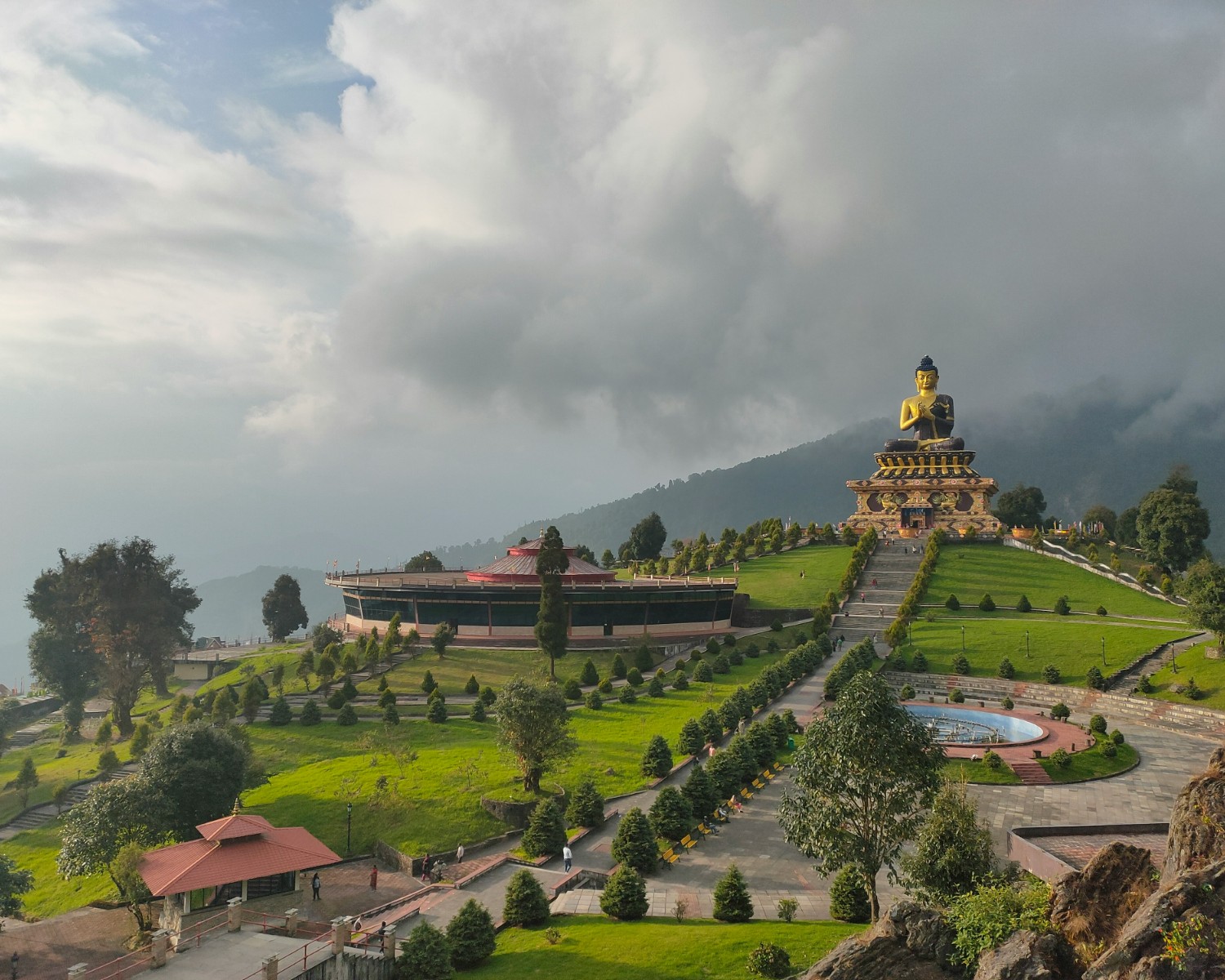
Tawang Monastery perched at 3,500m with Himalayan backdrop
Explore HighlightExplore
Experience 02
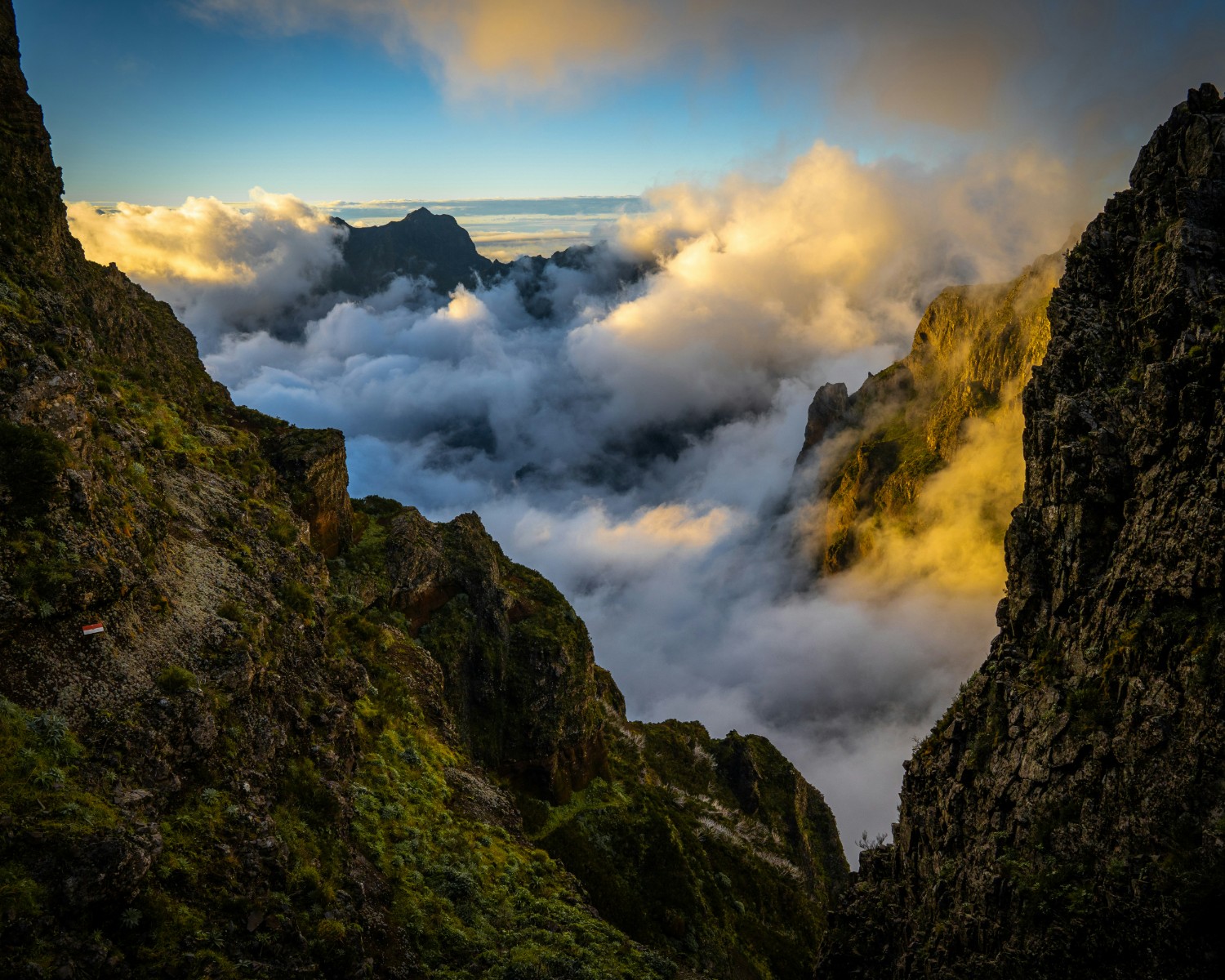
Sela Pass at 4,170m with dramatic mountain vistas
Explore HighlightExplore
Experience 03
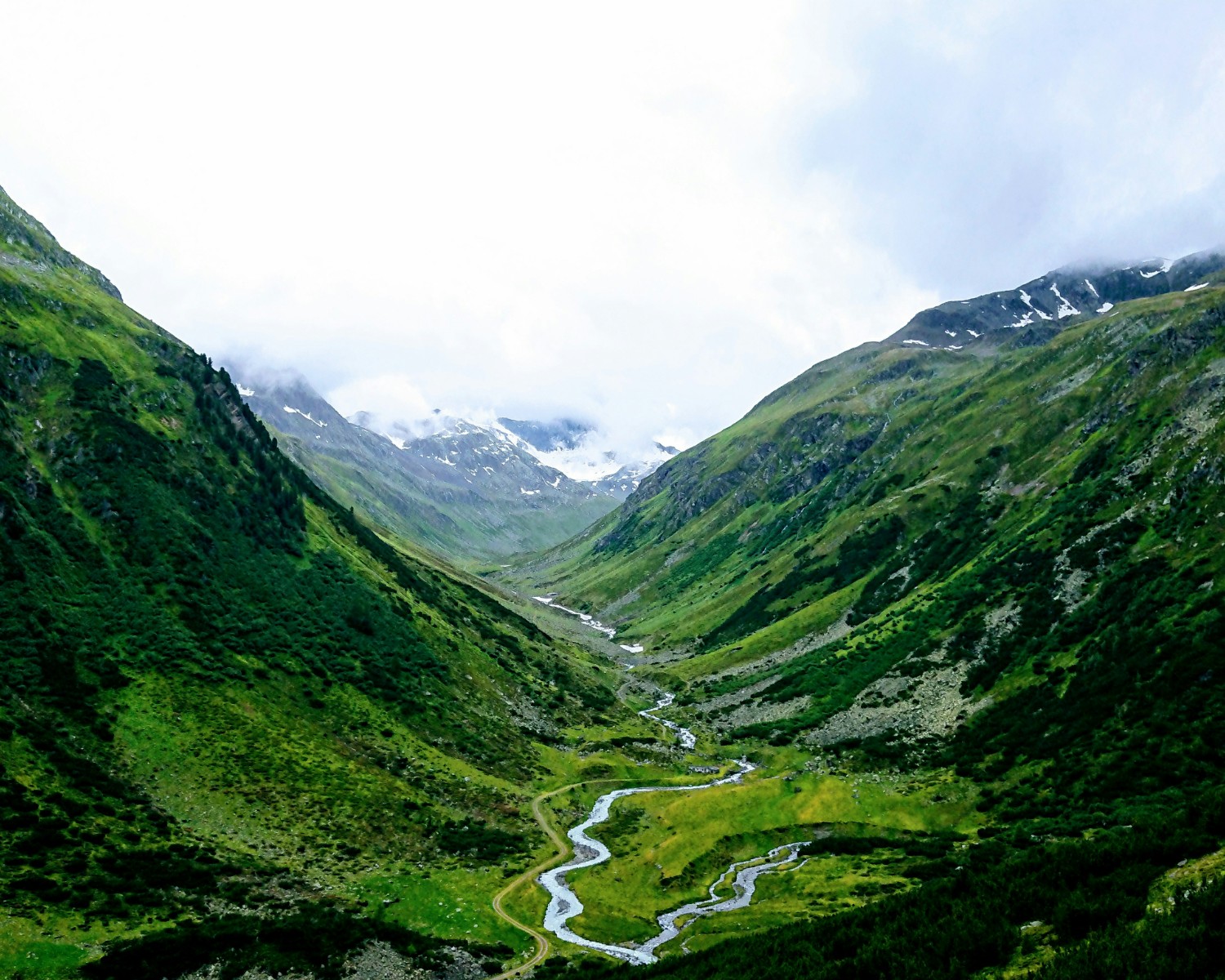
Ziro valley with cascading rice paddies and tribal villages
Explore HighlightExplore
Experience 04
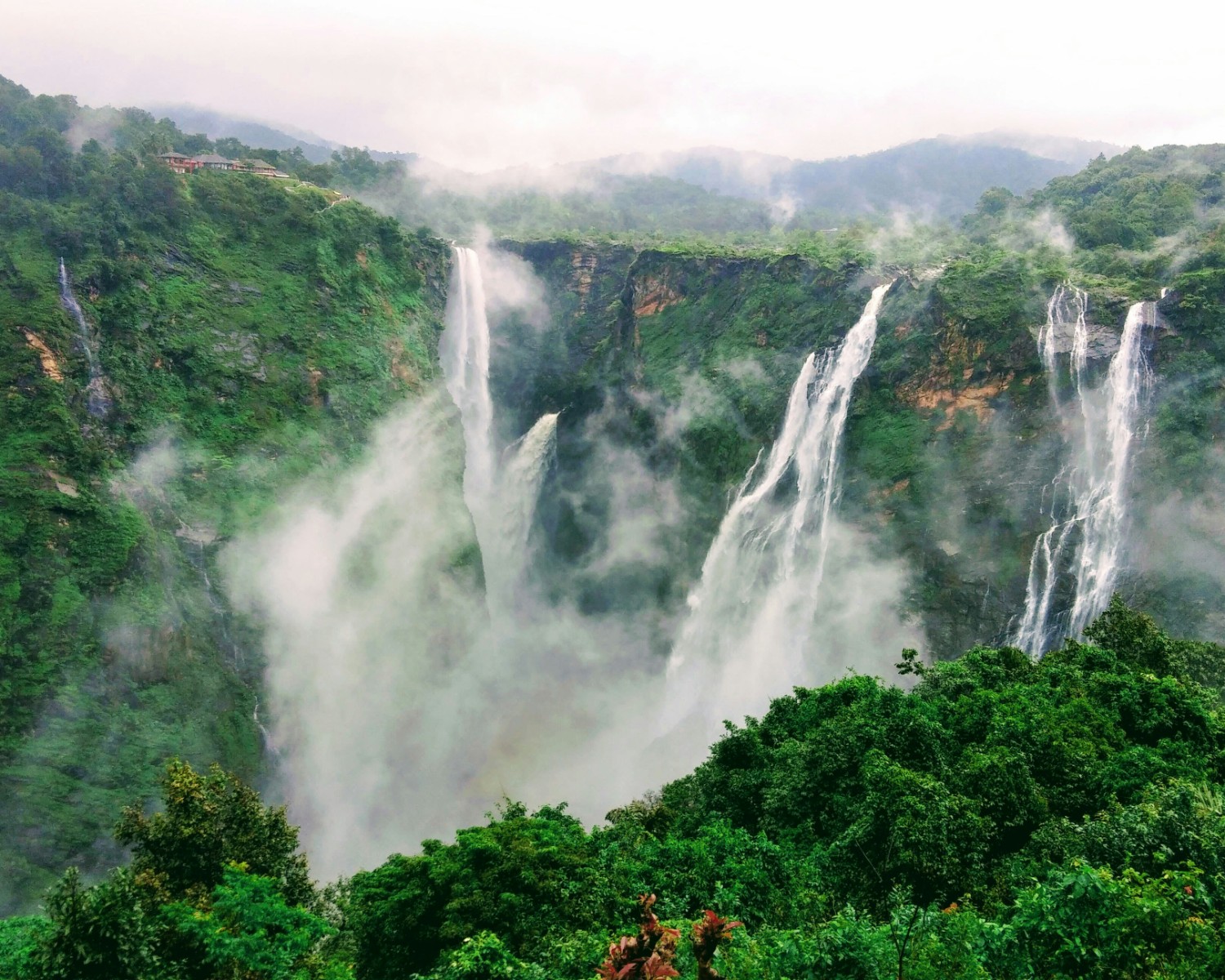
Nuranang Falls cascading into emerald pool
Explore HighlightExplore
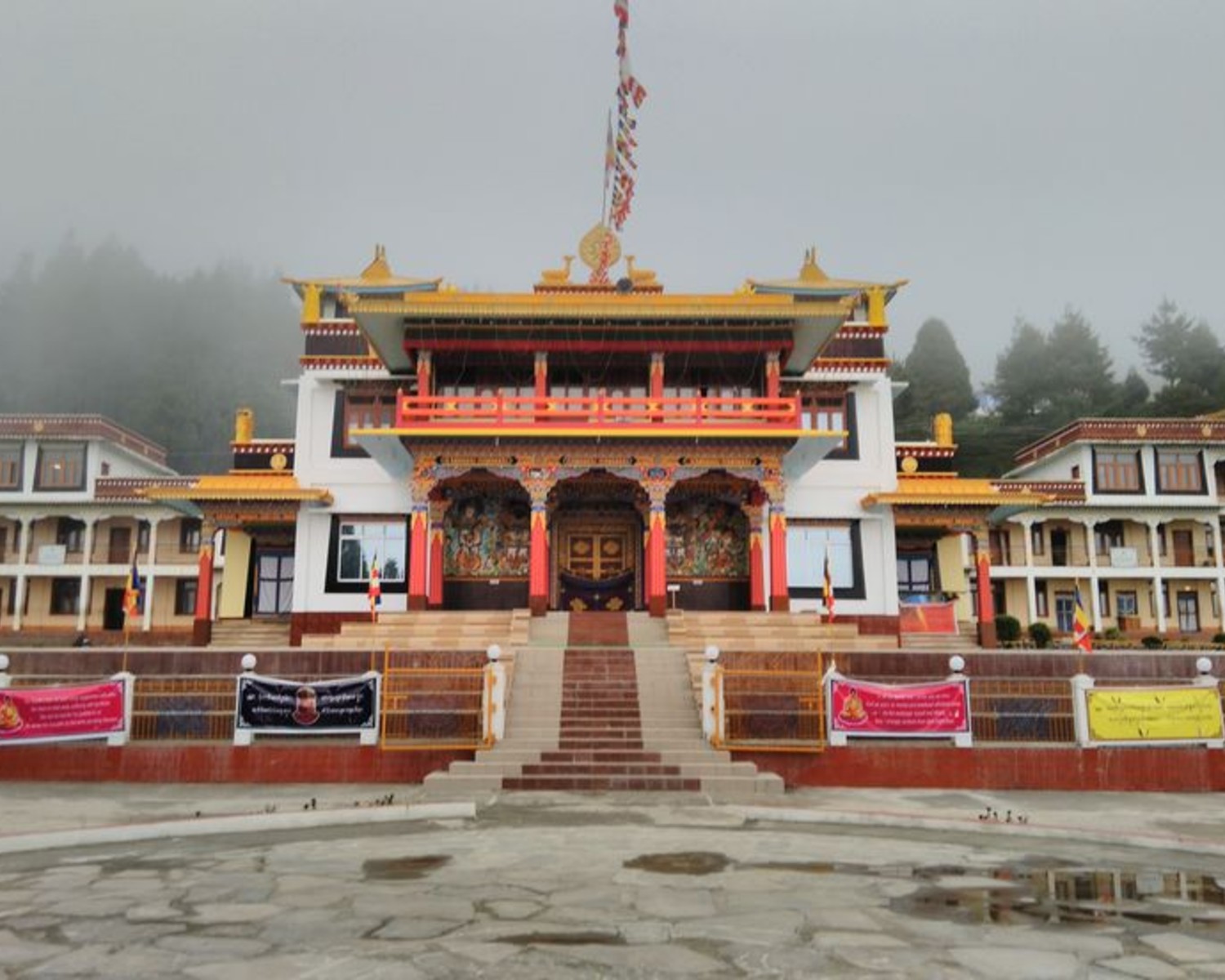
Experience 05
Bomdila monastery complex on hillside
Explore HighlightExplore
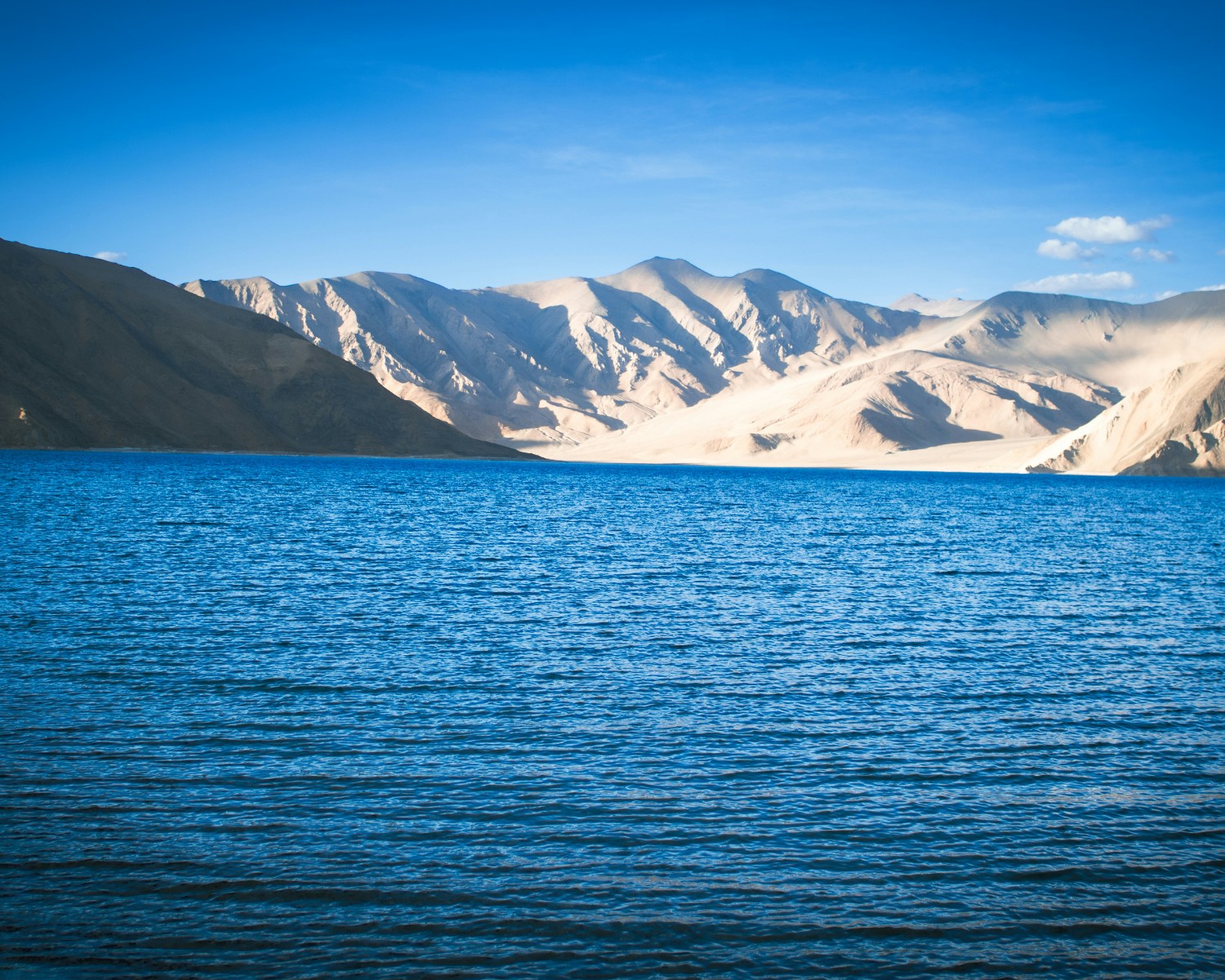
Experience 06
PT Tso lake with crystalline water and peak reflections
Explore HighlightExplore
KNOWLEDGE HUB
Things to Know in Tips for arunachal pradesh
Arunachal Pradesh, literally meaning 'Land of the Dawn-Lit Mountains' (Arun = dawn, Achal = mountain), is India's easternmost state with a history spanning millennia of diverse tribal kingdoms and spiritual traditions, making it a key focus in any things to do in Arunachal Pradesh search. Monyul Kingdom From the ancient Monyul (Lhomon) kingdom through Tibetan Buddhist influence to modern statehood (1987), Arunachal Pradesh embodies resilience, cultural richness, and the defiant preservation of indigenous identity against modernization pressures. Home to 26+ indigenous tribes, each with distinct language, culture, and governance systems, Arunachal Pradesh has remained one of India's most pristine, least developed regions—intentionally preserved to protect tribal heritage.
From Ancient Kingdoms to Land of the Dawn: A Tribal Heritage Journey
Arunachal Pradesh, literally meaning 'Land of the Dawn-Lit Mountains' (Arun = dawn, Achal = mountain), is India's easternmost state with a history spanning millennia of diverse tribal kingdoms and spiritual traditions, making it a key focus in any things to do in Arunachal Pradesh search. Monyul Kingdom From the ancient Monyul (Lhomon) kingdom through Tibetan Buddhist influence to modern statehood (1987), Arunachal Pradesh embodies resilience, cultural richness, and the defiant preservation of indigenous identity against modernization pressures. Home to 26+ indigenous tribes, each with distinct language, culture, and governance systems, Arunachal Pradesh has remained one of India's most pristine, least developed regions—intentionally preserved to protect tribal heritage.
| Ancient Kingdom of Monyul/Lhomon (500 BC – 600 AD)
The Monpa people trace their presence to the ancient kingdom of Monyul (also called Lhomon, meaning 'Dark Valley' in Tibetan), which ruled the Tawang region for over 1,000 years. Archaeological evidence confirms continuous human habitation in the region spanning at least this period. Monyul represented an early organized tribal governance system, distinct from lowland Indian kingdoms.
| Early Buddhist Influence & Bon Syncretism (8th-17th Century)
In the 8th century, Guru Padmasambhava, the Indian Buddhist saint, visited the Tawang region, introducing Buddhism to indigenous populations then following the Bon (pre-Buddhist Tibetan) religion. The Monpa gradually syncretized Buddhist doctrines with existing beliefs, creating a unique religious-cultural hybrid. This process laid groundwork for future Gelugpa Buddhism establishment.
| Tawang Monastery & Gelugpa Buddhism (1680–1681)
Merak Lama Lodre Gyatso established the iconic Tawang Monastery (Ganden Namgey Lhatse) in 1680–1681 with the 5th Dalai Lama's blessings, marking a watershed moment in Arunachal's spiritual landscape. The monastery became a center of Gelugpa Buddhism learning, housing 500+ monks and ancient texts (Kangyur, Tengyur). Known as 'Second Lhasa', Tawang Monastery transformed the region into a major Buddhist pilgrimage site, cementing Tibetan Buddhist identity in Arunachal.
| Tribal Diversity & Independent Kingdoms (15th-19th Century)
While Tawang came under Tibetan-Buddhist influence, the rest of Arunachal Pradesh remained home to 26+ distinct tribal groups—each governed by independent clan-based kingdoms with unique languages, traditions, and belief systems. Adi, Apatani, Nyishi, Mishmi, Naga groups maintained fierce autonomy, resisting external control. This tribal polarity—Buddhist west vs. animist/Christian east—remains defining.
| British Colonial Rule & Inner Line Permit System (1873-1947)
The British established the Inner Line Permit system in 1873 to demarcate the northeastern frontier and protect indigenous tribes from external exploitation. The British classified the region as the 'North-East Frontier Agency' (NEFA)—a heavily controlled, restricted zone designed to preserve tribal autonomy and prevent cultural erosion through migration. This paternalistic protection, while controversial, inadvertently preserved Arunachal's tribal heritage in near-pristine form.
| India's Independence & Union Territory Status (1947-1987)
After Indian independence (1947), Arunachal Pradesh remained NEFA—a union territory under direct central governance. On February 20, 1987, NEFA officially became the state of Arunachal Pradesh, gaining semi-autonomous status while retaining ILP restrictions to protect tribal populations. The permit system, though archaic, was preserved to prevent uncontrolled migration and cultural dilution.
| Modern Arunachal Pradesh: Tourism Boom & Cultural Preservation (1987-Present)
Post-statehood, Arunachal Pradesh has opened selectively to tourism (domestic visitors grew from ~5 lakh pre-COVID to 1+ million in 2023-2024). The government pursues a deliberate 'preservation through controlled development' strategy—easing permits for domestic Indian tourists while maintaining strict restrictions for foreigners (PAP required, group-only). This balancing act aims to generate revenue while protecting tribal identity from external pressure. Modern infrastructure (airport, railway, highways) now connects the state while ILP remains ironically intact—a living anachronism serving preservationist goals.
State Status
February 20, 1987
Became full state (NEFA → Arunachal Pradesh)
Tawang Monastery
1680-1681
Founded by Merak Lama; 500+ monks today
ILP System
1873
British colonial permit system still in effect
Tribal Diversity
26+ Groups
50+ distinct languages, independent heritage
Travel Stories & Tips
Get inspired for your next adventure to arunachal pradesh


Guest Stories
H
Hemanth R
4 months agoExceptional Service and Stunning Views! I just returned from a trip to Kerala curated by Bayard Vacations, and I'm still thinking about the views. Unlike generic packages, Dhanushree from Bayard took the time to tailor the itinerary to my preferences. Every hotel and houseboat was chosen for its...
P
Prajwal Raikar
5 months agoWe went to Dubai, and Bayard Vacations made our entire trip truly joyful and memorable. Adarsh from Bayard Vacations was extremely helpful in arranging the yacht and managing a few issues promptly, which made our vacation smooth and stress-free.
M
Muthahir
5 months agoWe had a wonderful vacation in Dubai, all thanks to Bayard Vacations. From planning to execution, everything was smooth and well-organized. The itinerary was perfectly balanced, the accommodations were comfortable, and all arrangements were completely hassle-free. A special thanks to Mr. Adarsh for...
S
Spoorthy Venkatesh
5 months agoWe had an amazing time in Dubai with Bayard Vacation. Adarsh, our destination specialist, explained everything super smoothly and stayed in touch with us the whole time, which made the trip feel really easy and well organized. The team was great with the transport arrangements too. The drivers were...
B
Bakasura Brahmana
5 months agoBest iternary prepared by them. The best travel agency I suggest
H
Harsha Vardhan Attuluri
5 months agoWe recently went on a trip to Coorg and Wayanad with Bayard Vacations, and the experience was seamless. We opted for a private package, and all the arrangements were excellent. The communication was clear throughout the process. A special thanks to our agents, Rahul and Sowmya, who handled the plann...
A
Abhishek Satapathy
5 months agoWe had a wonderful vacation in Thailand thanks to the...
S
Shilpa Wartak
5 months agoWe booked our Hampi and Badami tour with Bayard Vacation and had an absolutely amazing experience! Everything was perfectly planned and very smooth from start to finish. The hotel location was excellent and close to all major places, and the drive was super comfortable. The whole trip was completely...
A
Abhilash Cr
5 months agoWe recently completed a 4-5 day Andaman trip with Bayard Vacation, and overall it was a very pleasant and well-organized experience. From the planning stage to the end of the journey, the team especially team of Rahul, Dhanushree, was supportive and responsive, making the trip smooth and stress-free.

Medha Devatraj
a month agoLoved our trip to Kerala(Munnar, Thekkady, Alleppey, Varkala and Kovalam) with Bayard Vacations. They've tailored our package and made adjustments according to our itinerary. Agents Sooraj and Dhanushree were the ones who planned and executed our trip so well🙌🙌. They were very polite and friendly. The vehicle arranged was a comfortable and spacious one for our family of 9. We were apprehensive about the tour but returned with beautiful and lifelong memories🫶🫶. A trip with Bayard Vacations is value for money ♥️♥️.

Sriram appalla
a month agoI recently took a 5N/6D trip to Kerala with Bayyard Vacation, and it turned out to be a lovely experience. Even before the trip began, the Bayyard team, especially Sooraj, helped me with every little detail and was super quick with his responses. Our assigned driver, Jbin Alex, was incredibly humble, kind, and supportive throughout the journey. I’d strongly recommend him if you’re planning a Kerala trip, and I’d definitely suggest choosing Bayyard Vacation for your travels. There was a small miss where one of the complimentary items mentioned in the itinerary couldn’t be fulfilled, but aside from that, everything went smoothly. Overall, I’d rate Bayyard Vacation a solid 4.5/5.

jothees waran
2 weeks agoManasa, sincere thanks for curating such an elegant and seamless Thailand experience. Every aspect of the journey was impeccably planned—from punctual transfers and smooth pickups to a perfectly balanced itinerary. The attention to detail, premium coordination, and effortless execution truly elevated the trip. Everything flowed with precision, allowing us to relax and enjoy each moment without a single concern. Your professionalism and commitment to excellence were evident throughout. Bayard Vacations delivers not just a trip, but a truly luxurious and memorable travel experience. Highly recommended.

Kaustubh Rastogi
3 weeks agoWe recently traveled to Malaysia and had a fantastic experience with Bayard Vacations. Their quick responses and excellent service made the entire planning process smooth and stress-free. Balaji’s recommendations were absolutely on point and perfectly matched our preferences. His attention to detail and prompt support truly made a difference. Highly satisfied with the overall experience and would definitely choose Bayard Vacations again for future trips. Highly recommended! ⭐⭐⭐⭐⭐

Manu Manu
in the last weekThe trip was very beautiful. We have experienced many places and we got chance to have the package. They guided us very safely and assured as everything that you need and food was also good and was in care of everything was fantastic trip. We went to Thailand and Bangkok, and we did alKaiser show Quarter Island and we explored a lot in the Water, also like paragliding Jaki riding And there was a dinner cruise in Bangkok. Also was very nice. Totally we really appreciate for the trip and we will like to do more.
Authentic Experiences
Read All Reviews Join 25,000+ happy travelers who explored arunachal pradesh with us.
You Might Also Like
Discover more incredible destinations and experiences tailored for you
Why Choose Bayard Vacations?
100%
Secure Booking
8+
Years Experience
25K+
Happy Travelers
24/7
Support Available
Best Price
Guaranteed
Personalized
Customized Trips
Expert
Local Guides
100+
Destinations Covered