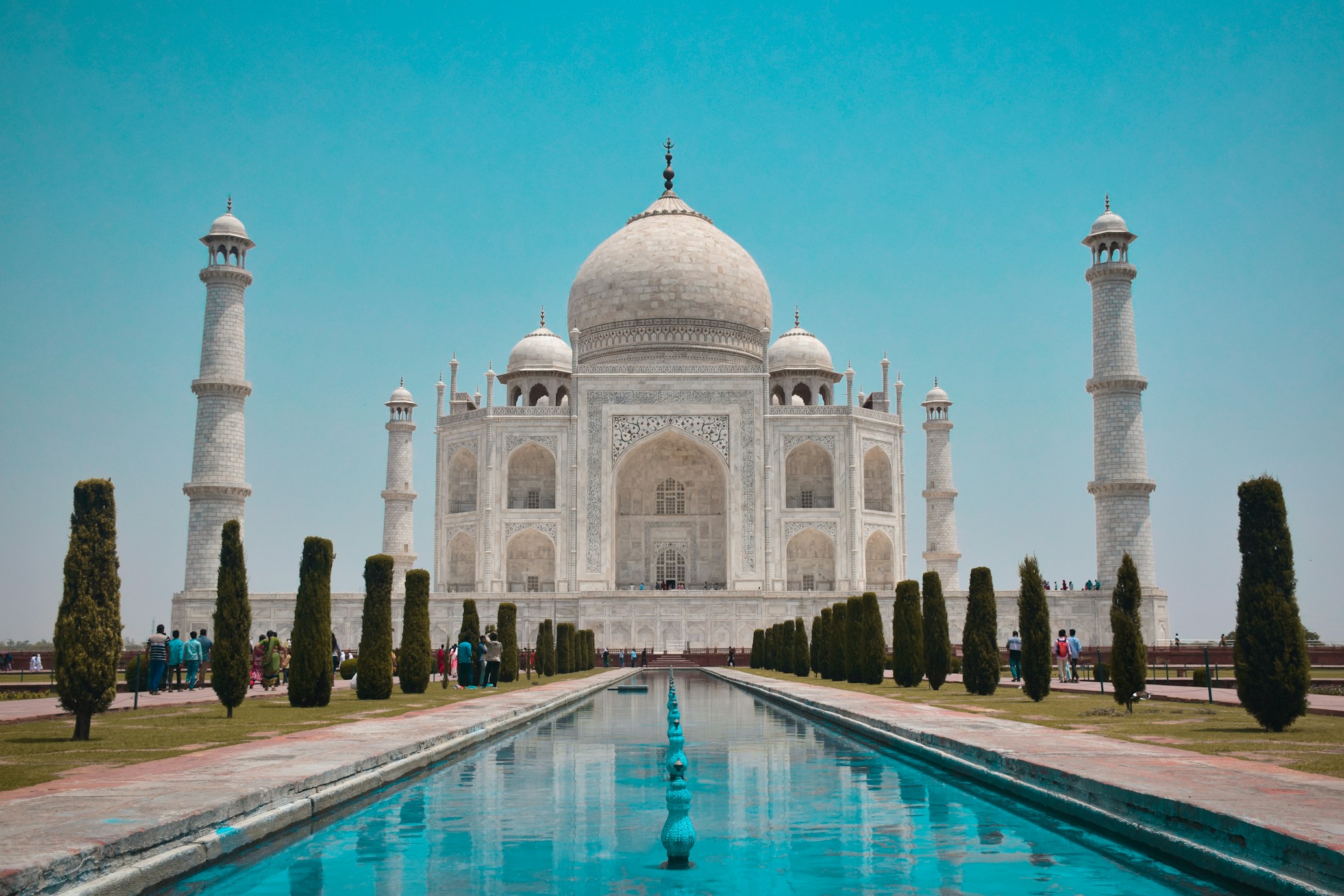
Delhi & The Golden Triangle
factsheet
From Mughal magnificence and colonial grandeur to tiger-filled jungles—experience India's soul through history, culture, wildlife, and timeless romance.
The Essentials
Best Time
Oct - Mar
Currency
INR (₹)
Climate
Subtropical/Temperate
Time Zone
UTC+5:30 (IST)
Language
Hindi/English
Visa
Domestic/Foreign
Capital
New Delhi
Population
32M (Delhi NCR)
Calling Code
+91
Power Plug
Type D & M (230V)
Tipping
10% customary (₹50-100 appreciated)
Emergency
100 / 101 / 108
History & Heritage
From Ancient Capital to Modern Metropolis
Delhi—India's 7-city heritage spanning 2,300+ years—served as capital to multiple empires: Hindu (Pandavas, Maurya, Gupta), Islamic (Delhi Sultanate, Mughal), British, making it a key highlight in any Delhi travel guide and places to visit in Delhi. The Red Fort, commissioned by Shah Jahan (1639), epitomizes Mughal grandeur. The Golden Triangle—Delhi, Agra (Taj Mahal), Jaipur (Pink City)—attracts 35% of India's 18.4M international tourists (2024-2025). Ranthambore National Park extension surged: 727,268 visitors YE May 2025 (+₹72 crore revenue; 80+ Bengal tigers). Tourist trend: extending stays 7.3+ nights, exploring beyond iconic trio to regional villages, wildlife sanctuaries, adventure activities.
Ancient Delhi – Hindu Kingdoms (1200 BCE–1193 CE)
Delhi's legendary connection to Mahabharata epic (Pandavas city Indraprastha). Mauryan (3rd century BCE), Gupta (4th–5th centuries CE), and other empires ruled. Ancient city symbolized power; Yamuna River provided sustenance. Hindu temples, ashrams, and learning centers flourished.
Delhi Sultanate & Islamic Era (1193–1526)
Muhammad of Ghor's conquest (1193) established Delhi Sultanate. Multiple dynasties ruled (Slave, Tughlaq, Lodi). Islamic architecture, Persian governance, and Sufi culture transformed Delhi. Nasir-ud-Din Mahmud (14th century) commissioned Feroz Shah Kotla. Delhi became Islamic power center; Persian language, Mughal administrative systems introduced.
Mughal Golden Age – Shah Jahan Era (1526–1858)
Babur founded Mughal Empire (1526). Shah Jahan (1627–1658) shifted capital Agra→Delhi (1639), commissioning Red Fort (completed 1648). Architect Ustad Ahmad Lahori (Taj Mahal's designer) created the iconic octagonal fort straddling Yamuna River. Shahjahanabad (Old Delhi) flourished: bazaars, mosques, caravanserais, Persian poetry, Mughal cuisine. Aurangzeb added Moti Masjid (Pearl Mosque). Mughal architects blended Persian, Indian, Islamic styles—creating architectural masterpieces.
British Colonization & Delhi as Dual Capital (1803–1947)
British East India Company defeated Marathas (Battle of Delhi, 1803); took Red Fort as military garrison. 1857 Indian Rebellion: Delhi became rebellion epicenter; Mughal Emperor Bahadur Shah Zafar led resistance, was exiled. British executed harsh reprisals, demolished fort's marble structures. Delhi Durbar (1911) declared Delhi (not Calcutta) British India's capital. British built New Delhi (1911–1931): wide avenues, government buildings, colonial architecture (Rashtrapati Bhavan, Parliament House, India Gate). Delhi became symbol of British imperial power; Indians resented alien rule, sparking independence movement.
Independence & Modern Delhi (1947–Present)
India independence (August 15, 1947); partition violence devastated Delhi—communal riots, mass migration. Mahatma Gandhi assassinated (1948) at Raj Ghat, Delhi. Republic Day (January 26, 1950) proclaimed India sovereign democratic republic (Red Fort ceremony). Modern Delhi development: infrastructure, metro system, IT industry, hospitality boom. Delhi hosts global events (Commonwealth Games 2010, Asian Games 2023 planned). Today: Delhi NCR 32M+ population; economic hub; cosmopolitan culture blending ancient heritage with contemporary innovation.
Spotlight: Chandni Chowk – 300-Year-Old Bazaar Soul of Old Delhi
Chandni Chowk—legendary bazaar established Shah Jahan era (1650s)—epitomizes Old Delhi's chaos, color, culture, things to do in Old Delhi. "Chowk" means intersection; "Chandni" (moonlit) reflects past water channels reflecting moonlight. Historic marketplace: Paranthe Wali Gali (stuffed bread street), Moti Bazaar (jewelry), Chor Bazaar (antiques), Jalebi makers, spice vendors. Red Fort overlooks; Jama Masjid nearby. Crowded, pungent, vibrant—authentic Delhi experience. Walking street food tour through Chandni Chowk iconic Delhi immersion: samosas, jalebis, kulfi (frozen desserts), chaat mastery.
International Visitors 2024-2025
18.4M (India total)
Golden Triangle: 35% (6.4M+ arrivals)
Ranthambore Tigers
80+
727,268 visitors YE May 2025; ₹72 crore revenue
Delhi-Agra-Jaipur-Ranthambore
5-9 days
Standard package (USD 870–1,200); domestic Indians +121% YoY growth
Red Fort Commissioned
1639
Shah Jahan; UNESCO World Heritage Site
Climate & Time
Time Zone
Standard
UTC+5:30 (IST - Indian Standard Time)
Difference
Same as India (no offset)
🎯 Best Months
October, November, December, January, February, March
Climate
The climate in Delhi varies significantly by region, offering a diverse range of weather conditions from coastal areas to mountain peaks.
Winter (November–February)
Nov – Feb
9–22°C daytime; 4–12°C nights
PEAK SEASON: Perfect weather for sightseeing. Nov-early Dec: clear, pleasant, festive (Diwali celebrations). Late Dec-Jan: cold but manageable; occasional smog (pollution from stubble burning). Layered clothing needed. Morning fog; brilliant sunny afternoons. Outdoor activities peak. Hotels, flights expensive; early booking essential. Ideal for tiger safaris (animals active in cool).
Spring (March–May)
Mar – May
16–35°C; peak 40–45°C May
March pleasant (18–28°C), blooming flowers, Holi festival (colors celebration). April-May scorching heat (35–45°C); 'loo' (hot wind) from Thar Desert. Early morning/evening activities only. Dehydration risk. AVOID peak summers (May-June); unbearable for sightseeing. March good compromise: warm days, manageable. Water usage essential.
Monsoon (June–September)
Jun – Sep
25–34°C; high humidity
Heavy rainfall (especially Jul-Aug); flooding possible. Atmospheric oppressive, misty. Not ideal sightseeing (wet, muddy, poor visibility). However: lush green landscapes, fewer tourists, budget-friendly hotels/flights. Ranthambore core zones closed Jul-Sep (conservation); buffer zones open. Avoid if outdoor priority; good for cultural/indoor activities, palace tours, food experiences. Rain interrupts plans frequently.
Autumn (September–October)
Sep – Oct
15–33°C
Shoulder season: September warm (20–33°C), monsoon rain decreasing. October perfect (18–28°C): clear skies, pleasant weather, fewer crowds than peak winter. Ranthambore reopens (Oct 1); tiger activity increases. Budget lower than Nov-Feb. Good compromise: ideal weather, manageable prices, less congestion. Dussehra (festival) late Sep/early Oct: celebrations in Jaipur, Varanasi side-trips.
Seasonal Packing List
Language Guide
Official Language
Hindi (Devanagari script) & English (Constitution official)
Hindi spoken 40%+ Delhi; English widespread tourism, business, upper classes. Old Delhi: Urdu, Hindi; New Delhi: English-dominant. Regional languages (Punjabi, Marathi) spoken communities. Younger generations bilingual Hindi-English. All road signs, official documents bilingual. Tourism sector heavily English-oriented.
Local Signage
Essential Phrases
Hello
Namaste
Thank you
Shukriya / Dhanyavaad
Goodbye
Khuda Hafiz / Phir Milenge
Yes / No
Haan / Nahi
Please
Kripaya
Excuse me
Maaf kijiye
How much?
Kitna kharch hai?
Where is...?
Kahan hai...?
Currency & Money
Official Currency
Indian Rupee
₹ (INR)
Exchange Rates
Denominations
Banknotes
₹10, ₹20, ₹50, ₹100, ₹200, ₹500, ₹2000
Coins
50p, ₹1, ₹2, ₹5, ₹10
Culture & Vibes
Vibrant Cosmopolitanism, Ancient Reverence, Chaotic Harmony
"Delhi pulses with contradictions: ancient temples adjacent modern skyscrapers; Muslim mosques & Hindu temples coexist peacefully; Mughal heritage blends contemporary art scene. Society traditional-progressive hybrid: joint family values yet urban individualism; religious devotion + secular governance; poverty alongside wealth extremes. Hospitality sacred (guest treated as god—'Atithi Devo Bhava'); community-first ethos. Street life vibrant: chai vendors, street food culture, bazaar bargaining, traffic chaos create palpable energy. Tolerance, resilience, humor characterize Delhi psyche—weathering partition trauma, adapting colonialism's legacy, embracing globalization."
Respect for Religion & Sacred Sites
India deeply spiritual: temples, mosques, gurudwaras, churches respected. Remove shoes entering religious spaces. Dress modestly (cover shoulders, knees). Women may be restricted certain temple areas during menstruation (traditional). Photography in holy sites: ask permission. Respect Ganges (Yamuna River)—sacred; never cross river disrespectfully. Cows considered sacred; never disrespect beef products publicly.
Hierarchy & Respect for Elders
Indian society hierarchical: age/status respected. Address seniors 'Uncle/Aunty' (affectionate respect). Stand greeting elders. Hierarchical workplace culture; subordinates obey seniors. Remove shoes entering homes. Accept tea/snacks graciously (refusal insulting). Handshakes acceptable; women often prefer 'namaste' (hands together). Avoid direct disagreement with elders publicly.
Conservative Social Norms
Delhi modern yet traditional: public displays affection (kissing) uncommon, sometimes controversial. Dating exists but arranged marriage still common (40%+ cases). LGBTQ+ rights progressing; society conservative. Cohabitation judged; live-in relationships stigmatized. Family approval paramount. Respect these norms; avoid provocative behavior publicly.
Festival & Celebration Culture
Festivals sacred: Diwali (lights, fireworks Oct-Nov), Holi (colors, March), Eid (Muslim), Christmas (Christian), Baisakhi (Sikh). Participate respectfully; dress appropriately. Festivals intense celebrations: public holidays, decorations, family gatherings, special foods. Respect religious observances; avoid negative commentary.
Essential Dos
- • Remove shoes entering homes, temples, mosques
- • Accept tea/snacks graciously; refusing insulting
- • Greet elders first; stand when introduced
- • Bargain respectfully bazaars; expected cultural exchange
- • Learn Hindi phrases; locals deeply appreciate effort
- • Ask permission photographing people (sacred etiquette)
- • Respect Ganges/Yamuna; avoid thoughtless river behavior
- • Embrace chaos warmly; Delhi's energy infectious
Essential Don'ts
- • Don't disrespect cows, religious symbols, leaders publicly
- • Don't refuse hospitality (tea, food); deeply insulting
- • Don't display excessive affection publicly; culturally insensitive
- • Don't touch anyone's feet unless specific relationship
- • Don't point feet at people (disrespectful)
- • Don't discuss sensitive topics: politics, corruption, caste openly
- • Don't litter; environmental consciousness growing but still lacking
- • Don't expect punctuality rigidly; Indian Standard Time flexible
Specific Etiquette
Dining Etiquette
Remove shoes entering homes. Wait for host to seat, begin eating. Bread sacred; never waste, place upside-down, or step over. Eat with right hand (left hand considered unclean traditionally). Compliment food generously; finishing plate shows appreciation. Tea/coffee after meal customary. 10% tipping customary restaurants; service tax usually included. Family meals social, leisurely; rushing considered rude. Accept seconds graciously.
Business Etiquette
Business cards exchanged formally (both hands, right hand primary). Meetings begin with tea. Hierarchy respected: address seniors formally. Relationship-building essential before business; trust paramount. Punctuality increasingly valued in modern Delhi but flexibility still exists. Handshakes firm; eye contact shows honesty.
Gifting Etiquette
Avoid knives (cutting friendship), clocks (symbolize death), handkerchiefs (tears), shoes (disrespect). Wrap gifts beautifully; color matters (red, yellow auspicious; black avoided). Odd numbers (₹501, ₹1001) lucky; even discouraged. Receive gifts with both hands respectfully. Give/receive don't open immediately (modesty).
Chaat, Kebabs & Mughal Legacies – Delhi's Culinary Kingdom
Delhi cuisine—India's gastronomical crown—reflects 2,300-year history: Hindu-Rajput, Mughal, Persian, Arabic, Turkish influences layered through centuries. Chaat (savory snacks with tamarind, chickpeas, potato)—daily staple—from Mughal emperor Shah Jahan's 17th-century health prescription (spicy, tangy dishes cured citizens' waterborne illnesses). Mughlai cuisine dominates: kebabs, biryanis, curries. Street food culture democratic: ₹20 samosas taste regal; Michelin-starred restaurants source inspiration street vendors. Old Delhi Chandni Chowk epicenter: paranthe wali gali (stuffed bread), jalebi makers (spiral sweets), kulfi vendors (frozen desserts). Food isn't sustenance—sacred ritual, cultural expression, social bonding.

Chaat – "Snack of Wealth" (Daulat Ki Chaat)

Gol Gappas (Pani Puri, Puchka)

Paranthe (Stuffed Bread)

Kebabs – Mughlai Grilled Meats

Biryani – Rice Masterpiece

Jalebi – Orange Spirals of Sweetness
Where to Eat
Street Food Stalls
Chaat wallahs, kebab vendors, samosa shops. Authentic, affordable (₹10–50), hygienic despite appearances. Look busy stalls (high turnover = fresh). Old Delhi Chandni Chowk epicenter. Immune systems adapting; start cautiously.
Dhabas (Roadside Eateries)
Family-run casual restaurants; Mughlai staples (kebabs, biryani, curries). ₹100–300 per meal. Generous portions, authentic recipes. Famous dhabas: Haveli Dharampura (Chandni Chowk), Karim's (kebabs), Aslam Chicken (Old Delhi).
Bakeries & Tea Shops
Chai wallahs, samosa-selling bakeries. Breakfast/snack culture: chai+bun, paranthe, jalebi. Budget-friendly (₹20–50), social spaces. Locals gather; cultural immersion.
Restaurants (Mid-Range to Fine Dining)
Modern Indian, international cuisines. Mid-range (₹300–800/person), upscale (₹1,000–3,000+). Heritage restaurants (Haveli Dharampura), contemporary (Trèsind), Michelin prospects. Reservations recommended peak hours.
Dining Etiquette
- •Meals are social events; rushing inconsiderate
- •Bread sacred—never waste, place upside-down, step over
- •Right hand for eating (left hand considered unclean traditionally)
- •Compliment cook's skills generously; refusing food insulting
- •Finish most plate showing appreciation; waste disrespectful
- •10% tipping customary; service tax usually included
- •Bazaar food safe despite appearance; vendors maintain hygiene standards
- •Bargain street food prices expected; negotiation ritual
- •Vegetarian options abundant; inform dietary restrictions early
- •Spice levels customizable; communicate comfort levels
Signature Drinks
Shop & Bring Home
Delhi shopping spectrum: historic bazaars (Chandni Chowk, 300+ years) to luxury malls (Connaught Place, Khan Market). Traditional markets: textiles, jewelry, spices, handicrafts negotiable prices; modern malls: fixed prices, international brands. Delhi craftsmanship renowned: carpets, inlay work, jewelry, textiles from Jaipur/Rajasthan. Shopping therapy cultural ritual: bargaining bazaars social theater; mall browsing cosmopolitan leisure. Merchandise: handicrafts, clothing, jewelry, spices, souvenirs—diverse price points, cultural authenticity.
Handicrafts & Textiles
- Hand-woven carpets (Rajasthani, Kashmiri)
- Silk scarves, embroidered fabrics
- Brassware (Lahij-inspired), copperware
- Miniature paintings, jewelry
Jewelry & Precious Items
- Silver jewelry, gemstones
- Artificial/fashion jewelry (affordable)
- Temple jewelry (tourist version)
- Antique jewelry (authentic pieces)
Spices & Food
- Saffron, cardamom, cinnamon
- Dry fruits (cashews, pistachios)
- Tea (Darjeeling, Assam)
- Sweets (barfi, halwa), nuts
Clothing & Fashion
- Sarees (silk, cotton, designer)
- Salwar kameez (traditional dress)
- Designer Indian wear
- Accessories (dupattas, bangles)
Where to Shop (Local Hubs)
Chandni Chowk (Old Delhi)
Historic Bazaar – Heart of Old Delhi
"300-year-old legendary bazaar: Paranthe Wali Gali (bread street), Moti Bazaar (jewelry), Chor Bazaar (antiques), spice vendors, temples, mosques, chaos, vibrancy. Crowded, pungent, authentic. Bargaining essential. Walking street food tour iconic."
Khan Market
Upscale Shopping Enclave
"Posh market: boutique shops, international brands, bookstores (Full Circle), jewelry (Amrapali), home décor (Good Earth), cafés (Turtle, Big Chill). Fixed prices; no bargaining. ₹200–5,000+ shopping typical."
Connaught Place (CP)
Colonial-Era Commercial Hub
"British-era circular marketplace: luxury brands, department stores, restaurants, multiplexes. Inner circle (A-F blocks): Allen Solly, Lee, Lacoste; outer circle (G-P blocks): brand outlets. Air-conditioned, modern; fixed prices."
Janpath Market
Budget Shopping Street
"Off-Connaught Place: artificial jewelry, trendy clothes, watches, footwear, decorative items. Budget-friendly (₹100–500 range). Bargaining possible; young tourist vibe."
Dilli Haat (Delhi Bazaar)
Curated Traditional Crafts
"Government-managed open-air bazaar: artisans from across India sell handicrafts, textiles, jewelry, food, art. Fixed prices; supports rural artisans directly. ₹200–5,000 range; authentic."
Modern Malls (MGF Metropolitan, Ambiance)
Contemporary Retail
"International brands, Indian designers, restaurants, cinemas, entertainment. Air-conditioned; fixed prices; familiar shopping experience. ₹500–50,000+ budgets."
On the Move
Airport
IGI
15 km southwest; 15–20 min metro
Rideshare
Uber/Ola
Safe, affordable, dominant
Metro Network
12+ lines
400+ km network; 245+ stations
Airport Arrival
Indira Gandhi International Airport (IGI—Delhi's primary airport), located 15km southwest New Delhi city center. Journey to city: 15–20 min metro, 20–30 min taxi/Uber, 30–45 min pre-booked transfer.
Travel Tech
Travel Tips
Delhi Metro card saves time/money; buy at stations. Refillable; best value.
Download Google Maps offline; Delhi streets confusing without navigation
Uber/Ola safer than non-app taxis; use evenings/unfamiliar areas
Auto-rickshaws insist meter; negotiate fixed fares only if meter broken
Avoid rush hours (7–10 AM, 5–7 PM) metro if traveling light; peak crowding intense
Private drivers/taxis recommended intercity (Delhi-Agra-Jaipur-Ranthambore)
Trains authentic experience; early booking essential peak season (Oct-Mar)
Traffic Delhi chaotic; patience essential; travel times unpredictable
Intercity Travel
Trains (Indian Railways)
Express trains: Delhi→Agra (3–4 hrs), Delhi→Jaipur (4–5 hrs). Overnight trains available. Classes: AC, sleeper, general. Booking: IRCTC website or agents. Slower than flights; cheaper; authentic Indian experience.
Domestic Flights
Delhi→Agra (1 hr), Delhi→Jaipur (1.5 hrs). Air India, IndiGo, SpiceJet. Booking online; fares ₹2,000–5,000. Time-saving for tight schedules; pricier than trains/buses.
Interstate Buses (Roadways)
AC coaches: Delhi→Agra (3–4 hrs), Delhi→Jaipur (5–6 hrs), Jaipur→Ranthambore (4 hrs). BRTC (Rajasthan), state-operated services. Budget; slower; comfort variable. Popular backpackers.
Taxis / Private Drivers
Best Golden Triangle+Ranthambore circuit. Hotels arrange; 5–9 day packages USD 870–1,200. Customizable itineraries; flexible schedules; personalized guide. Most expensive but recommended first-timers.
Car Rental Self-Drive
International license required; Indian driving chaotic—recommended experienced drivers only. Rentals: ₹800–1,500/day. Petrol widely available. Insurance compulsory.
BakıKart
Delhi Metro Smart Card / Contactless RFID: Universal transit card for Metro, buses, DTC. Single journey: ₹10–40 depending distance (max 30 km zones). Travel card: unlimited rides; cost-effective daily commuters. Available Metro stations kiosks.
Visa Entry
No Visa Required – Domestic Travel for Indian Citizens
Delhi, Agra, Jaipur, Ranthambore: domestic Indian destinations. Indian citizens require NO visa—national travel documents (Aadhaar, PAN, voter ID) suffice. Foreigners visiting Delhi/Golden Triangle need appropriate visas (tourist, business, etc.). This guide targets Indians exploring heritage homeland; international visitors consult Indian High Commission/Embassy visa requirements specific nationalities.
Carry valid government ID (Aadhaar primary; PAN, voter ID secondary)
Book flights/hotels using ID number
Check-in: provide ID to hotel (registration automatic)
Attractions: monuments (Red Fort, Taj Mahal, etc.) require ticket purchase; ID verification standard
Ranthambore safaris: book ahead; ID required entry
Registration
Penalty: Staying unregistered 24+ hours: police questioning (rare for hotels/documented stays)
Entry Requirements
- • Valid Aadhaar Card (most accepted nationwide) OR
- • PAN Card + Voter ID OR
- • Driving License + Passport OR
- • Any government-issued photo ID with recent address