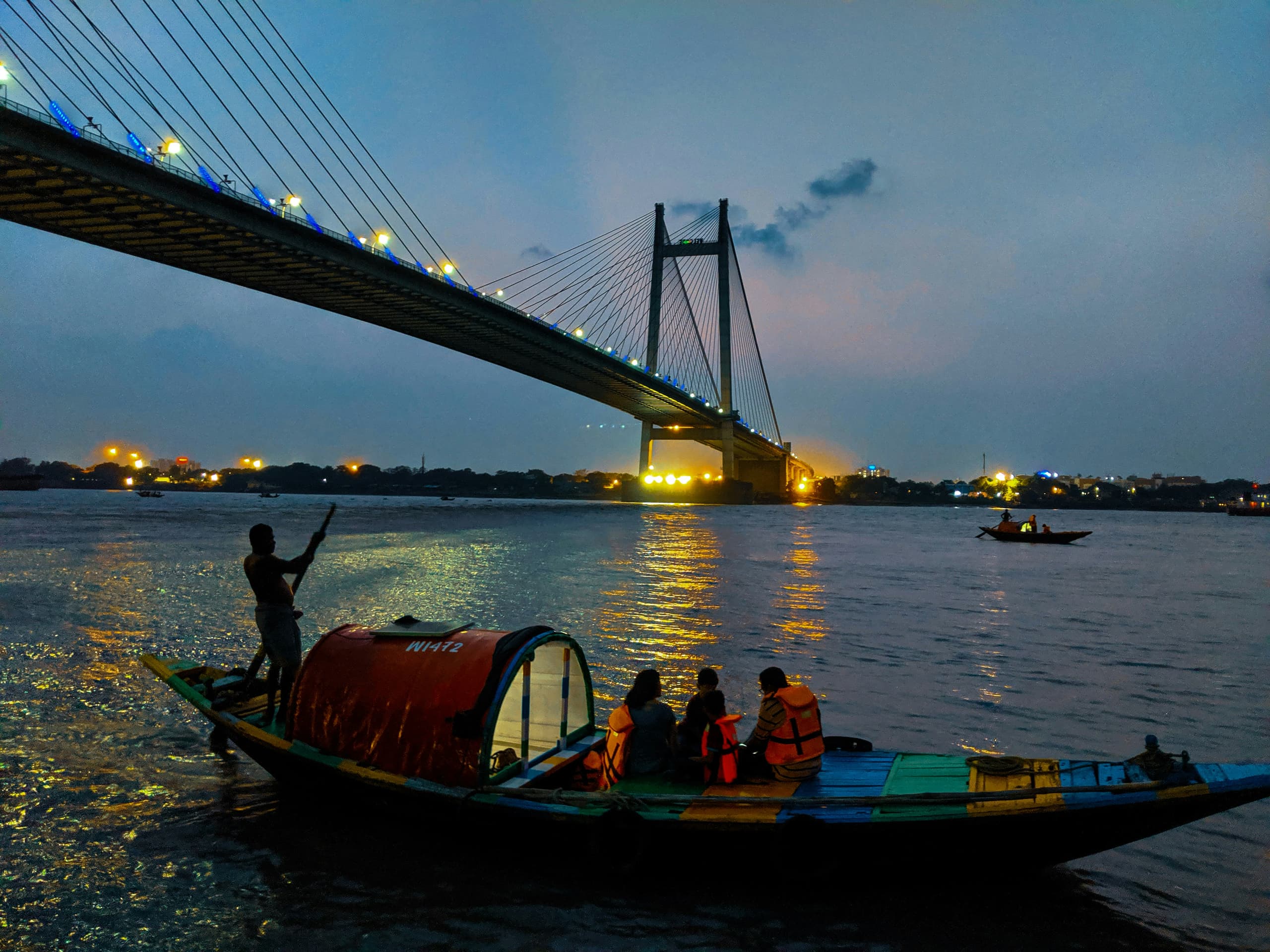
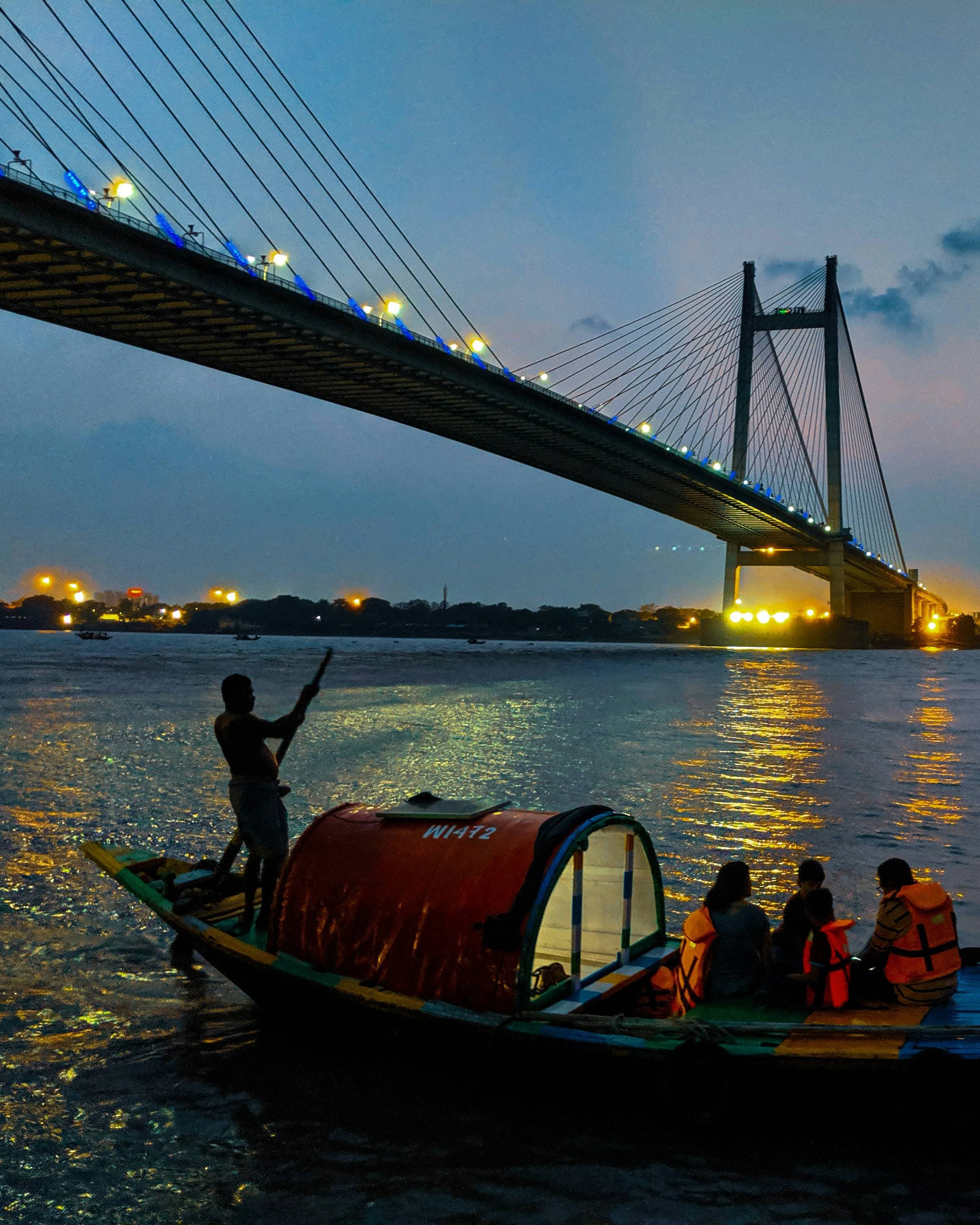
West Bengal
factsheet
Where literature breathes, mountains touch the sky, tea gardens stretch endlessly, and Bengal's soul echoes through centuries of cultural renaissance.
West Bengal: Oct-Mar best, INR, tropical climate, Kolkata Darjeeling tea Sundarbans, literature & tips.
The Essentials
Best Time
Oct - Mar
Currency
INR (₹)
Climate
Tropical to Alpine
Time Zone
IST (UTC+5:30)
Language
Bengali, Hindi, English
Travel Pass
Indian Passport / Visa
Capital
Kolkata
Population
91.3M
STD Code
+91-33 (Kolkata), +91-354 (Darjeeling)
Power Plug
Type A, C, D, M (230V)
Tipping
Price on request
Emergency
100 (Police), 101 (Fire), 102 (Ambulance)
History & Heritage
West Bengal—'Bangla'—and the fascinating history of West Bengal span 2,500 years: ancient Buddhist centers, medieval Hindu kingdoms, British colonial rule, and modern independence struggle. Bengal's Tagore, Roy, and Bandyopadhyay shaped India's intellectual landscape. Region preserves ancient temples, colonial architecture, Darjeeling's legacy, and thriving cultural traditions.
Ancient Period & Mauryan Empire (3rd Century BC–8th Century AD)
Mauryan Empire (Ashoka) controlled Bengal; Buddhism flourished. Nalanda University (5th–12th century) world-renowned learning center; 10,000+ students studied. Palas Dynasty (8th–12th century) patronized art, literature, Buddhism. Terracotta artifacts, Buddhist monasteries, sculpture heritage preserved. Bengali script origins traced.
Medieval Hindu Kingdoms (12th–16th Centuries)
Senas dynasty ruled Bengal; Hindu temples constructed (Dakshineswar Temple architectural style evolved). Literature, music flourished. Sanskrit scholars patronized. Local governance structures developed. Muslim sultanates competed for power; cultural synthesis began.
Mughal & Islamic Era (16th–18th Centuries)
Mughal Empire controlled Bengal; Islamic architecture introduced (mosques, minarets). Bengali language evolved; Persian-Bengali cultural fusion. Nawabs governed Bengal (1757 final Nawab); administrative centers established. Trade prospered; ports (Hooghly, Calcutta) developed.
British Colonial Period (1757–1947)
East India Company conquered Bengal (Battle of Plassey, 1757). Calcutta became British India's capital (1772–1911). Colonial infrastructure: railways, roads, schools, universities established. Indian education system developed. Tea plantations (Darjeeling tea legendary worldwide). British Raj centered in Bengal; administrative hub.
Bengal Renaissance & Independence Movement (19th–20th Centuries)
Bengal Renaissance: intellectual awakening. Rabindranath Tagore, Sri Ramakrishna Paramahamsa, Swami Vivekananda philosophical leaders. Indian National Congress founded in Calcutta (1885). Independence struggle: Subhas Chandra Bose, Khudiram Bose, Bhagat Singh revolutionary leaders. Bengal center of freedom movement.
Modern Independence & Partition (1947–Present)
India independence (1947); Bengal partitioned (East Bengal = Bangladesh, West Bengal = India). Calcutta remained West Bengal capital. Modernization: industrialization, education expansion, arts flourishing. Kolkata cultural capital of India; literature, cinema, theatre centers. Contemporary Bengal: Mamata Banerjee political influence; cultural revival.
Climate & Weather
West Bengal climate varies by geography: tropical plains (Kolkata, Sundarbans), subtropical hills (Darjeeling, Himalayan foothills), monsoon-dominated (June–September heavy rainfall). Winter pleasant (10–25°C); summer hot, humid (30–40°C). Monsoons define agricultural calendar.
Time Zone
IST (Indian Standard Time, UTC+5:30)
Same timezone throughout India
Best Months
October–March (post-monsoon, winter)
Winter (Shit)
Nov – Feb
8–25°C (plains); 3–15°C (hills)
Ideal tourist season. Clear skies, pleasant weather. Darjeeling snowfall possible (Jan–Feb). Kolkata comfortable (15–25°C). Tea harvest season (autumn). Festivals (Durga Puja October, Diwali). Perfect sightseeing, trekking weather.
Spring (Vasant)
Mar – May
20–35°C (plains); 12–22°C (hills)
Flowers bloom (rhododendrons hills, marigolds plains). Summer approaching; heat increasing. Pre-monsoon showers. Chia (traditional spring dish) season. Gardens vibrant. Heat tolerable until May.
Monsoon (Barsha)
Jun – Sep
23–32°C (plains); 12–20°C (hills)
Heavy rainfall; lush green landscapes. Darjeeling misty, atmospheric. Sundarbans flooded (challenging visibility). Roads damaged; landslides possible (hills). Fewer tourists. Challenging trekking. Flooding risks (plains). Local festivals minimal.
Autumn (Sharad)
Oct – Oct (brief)
20–30°C (plains); 10–20°C (hills)
Monsoon retreats; skies clear. Golden landscapes. Durga Puja festival (Sept–Oct) major celebration. Tea harvest season (Darjeeling). Wildlife visible (post-monsoon abundance). Ideal trekking conditions. Cultural festivals peak.
Seasonal Packing List
Language Guide
Official Language
Bengali (official); Hindi, English widely understood
Bengali 260+ million speakers globally; rich literary tradition. Hindi lingua franca (union language). English prevalent (colonial legacy, education, business). Sanskrit tradition strong; classical literature preserved. Bengali dialects vary by region (Kolkata vs. rural areas).
Local Signage
Useful Phrases
Hello
nuh-MOHSH-kar / shoo-nuh-MOH-nay
Nomoshkar / Shunemone
Thank you
dhahn-NYOH-bahd / dhohn-NYOH-bahd
Dhannyobad / Dhonnobad
Goodbye
kho-DAH hah-FEEZ / ah-loh-MIL-um
Khoda Hafiz / Alomilum
Yes / No
HAHN / NAH
Haan / Na
Please
ah-noo-GROH KOH-ray / DOH-yah KOH-ray
Onugroho Kore / Doya Kore
Excuse me
kho-MAH-ay DAH-oh / ah-posh-TREE-nah
Khomae Dao / Opostrina
How much?
KIT-nay / KOH-toh
Kitne? / Koto?
Where is...?
KOH-thay AH-chay
...kothay ache?
Also Commonly Spoken
Bengali
Official language; 260+ million speakers globally. Kolkata primarily Bengali-speaking; rural areas more dialectal. Educated population bilingual (Bengali-English).
English
Colonial legacy; widely understood (educated population, tourism, business). Hotels, restaurants, guides speak English. Younger generation fluent. Preferred in intellectual circles.
Hindi
Union language; understood but often resisted (linguistic identity politics). Business communities use Hindi. Educational medium in some schools.
Tibetan
Understood in Darjeeling, Kalimpong (Tibetan refugee community). Buddhist monasteries use Tibetan. Limited to hill stations.
Currency & Money
Official Currency
Indian Rupee
₹ (INR) — ₹1 = 100 paise
Banknotes
₹10, 20, 50, 100, 200, 500, 2,000
Coins
₹1, 2, 5, 10
Cash & ATMs
Cash preferred in West Bengal. ATMs abundant in Kolkata, Darjeeling, major towns. Rural/remote areas: limited ATM access; carry cash. ICICI, SBI, HDFC networks reliable.
Digital Payments (UPI)
UPI revolution (Google Pay, PhonePe, Paytm) prevalent in cities; penetrating rural areas. Many merchants, street vendors accept QR codes. Kolkata highly digitized; convenient. Darjeeling, Sundarbans less developed.
Credit & Debit Cards
Hotels, restaurants (upscale), malls accept cards. Rural areas, street vendors, small shops cash-only. Card infrastructure developing. Carry backup cash always.
Daily Budget Estimates
Budget Traveler (Backpacker)
Price on request
Mid-Range Traveler
Price on request
Luxury Traveler
Price on request
Visa & Entry
For Indians: Carry state photo ID (Aadhaar, Driving License, Voter ID, Passport).
For International visitors: Apply Indian visa at embassy/consulate or e-visa portal (indianvisaonline.gov.in).
For Sundarbans: permits obtainable through authorized tourism operators (hotels, travel agencies assist).
Register at hotels/accommodations (auto-registered by management).
Inner Line Permit (ILP): NOT required for West Bengal (unlike Arunachal Pradesh, Mizoram, Nagaland).
Registration
Arrive at police station (usually automatic via hotel); provide passport copy, accommodation details.
Registration not required for stays under 14 days. Longer stays: register at local police station (hotels usually handle).
Penalty: Non-registration no serious consequences for tourists; legally enforceable for visa overstay.
Visa Extension
Submit application 7 days before expiration; provide justification (medical, force majeure).
Cost: Price on request
Requirements
- • Valid passport (international travelers; 6+ months validity).
- • Passport photos (digital copy; specifications per visa type).
- • Completed visa application form.
- • Employment proof/student ID.
- • Travel itinerary, hotel bookings.
- • Bank statements (proving financial capacity).
- • Return flight ticket.
- • For Sundarbans: wildlife permit (tourism operator handles).
Getting There & Around
Intercity Travel
Trains (Scenic Routes)
Kolkata hub: routes to Darjeeling (toy train UNESCO heritage), North Bengal, Northeast India. Romantic journey; slow but scenic. Book via IRCTC app.
Darjeeling Toy Train (UNESCO Heritage Railway)
Historic narrow-gauge railway (1881–present). 2-foot gauge; scenic 88-km route Siliguri–Darjeeling (7–10 hours). Iconic heritage journey. Memorable experience.
State Buses & Private Coaches
West Bengal Transport Corporation, private operators. Kolkata to Darjeeling (10–12h), Sundarbans (4h), North Bengal. Frequent, budget-friendly.
Shared Minibuses & Sumo
Local transport between towns; shared seats. Depart when full; unpredictable schedules. Authentic local experience; chaotic.
Getting Around
Kolkata Metro (Underground)
Modern metro system; extensive coverage. Crowded rush hours but efficient. Runs 6 AM–10 PM. Women's coaches available.
Buses & Minibuses
Government, private buses; local routes. Crowded, chaotic. Basic amenities. Frequent, unreliable timing. Cash payment.
Taxis (Ola, Local, Rickshaws)
Ola popular in Kolkata. Apps recommended. Non-metered informal taxis overcharge.
Walking & Exploring
Kolkata walkable (neighborhood exploration). Street life vibrant. Trams historic (heritage). Bookshops, cafés define culture. Comfortable shoes essential.
Culture & Local Life
Intellectual Ferment with Deep Spiritual Roots & Artistic Soul
West Bengal culture blends Hindu-Buddhist-Islamic traditions, Bengal Renaissance intellectual legacy, Tagore humanism, and contemporary artistic expression. Warm, hospitable, intellectually stimulating. Strong community bonds, respect for arts/literature, seasonal festivals central. Coffee culture, bookshop gatherings define intellectual identity.
Durga Puja & Festival Culture
Durga Puja (Sept–Oct) Bengal's grand festival. Elaborate pandals (temporary structures), idol worship, community celebrations. Kumari Pujo (girl goddess worship), Vijayadashami (victory day). Kolkata pandals artistic masterpieces. Entire city participates; streets festive. Social gatherings, family meals central.
Tagore & Cultural Celebrations
Rabindranath Tagore venerated. Poila Boishakh (Bengali New Year, April 14) celebrated with songs, processions, traditional dress (Tagore-era fashion). Tagore Day (May 8, his birthday) observed. Tagore songs (Rabindra Sangeet) sung in schools, cultural events. Intellectual legacy honored.
Kali Worship & Spiritual Practices
Kali Puja (November) honoring Goddess Kali. Kaliighat Temple pilgrimage site; animal sacrifice traditionally (controversial, declining). Women-centric rituals. Tantric traditions present (esoteric Buddhism). Spiritual depth; devotion intense. Sacred geography; spiritual tourism.
Kolkata's Intellectual & Café Culture
Coffee House, Peter's Café legendary intellectual gathering spaces. Philosophy, politics, arts debated passionately. Bookshops (College Street bustling); literary culture. Theatre (experimental, traditional) thriving. Cinema halls (Satyajit Ray films screened). Intellectual ferment; creative energy palpable.
Gifting Etiquette
Avoid knives (cutting friendship), clocks (death symbolism), leather (Hindu culture). Wrap gifts simply. Odd numbers preferred; even numbers inauspicious. Books (respecting literary tradition) appreciated gifts. Open gifts immediately; express gratitude.
Business Etiquette
Business cards exchanged respectfully. Handshakes firm. First names used after invitation. Meetings often include tea. Personal relationships = trust foundation. Kolkata business culture: relaxed, discussion-oriented.
Dining Etiquette
Eat/drink with right hand (left unclean). Wait for elders to start eating. Bengali fish, rice staple; lentils, vegetables seasonal accompaniment. Compliment cook's skills. Meals leisurely; rushing disrespectful. Fish curry, rice sacred combination. Street food (momos, phuchka) widely available, casual.
Food & Drink
Bengali cuisine legendary; fish-centric (Ganges abundance), rice staple, unique spice blends. Mustard oil signature ingredient; cumin, turmeric, asafoetida prevalent. Vegetarian culture strong (Hindu tradition). Street food iconic (momos, phuchka, rolls). Sweets exquisite (rasgulla, sandesh, mishti doi).
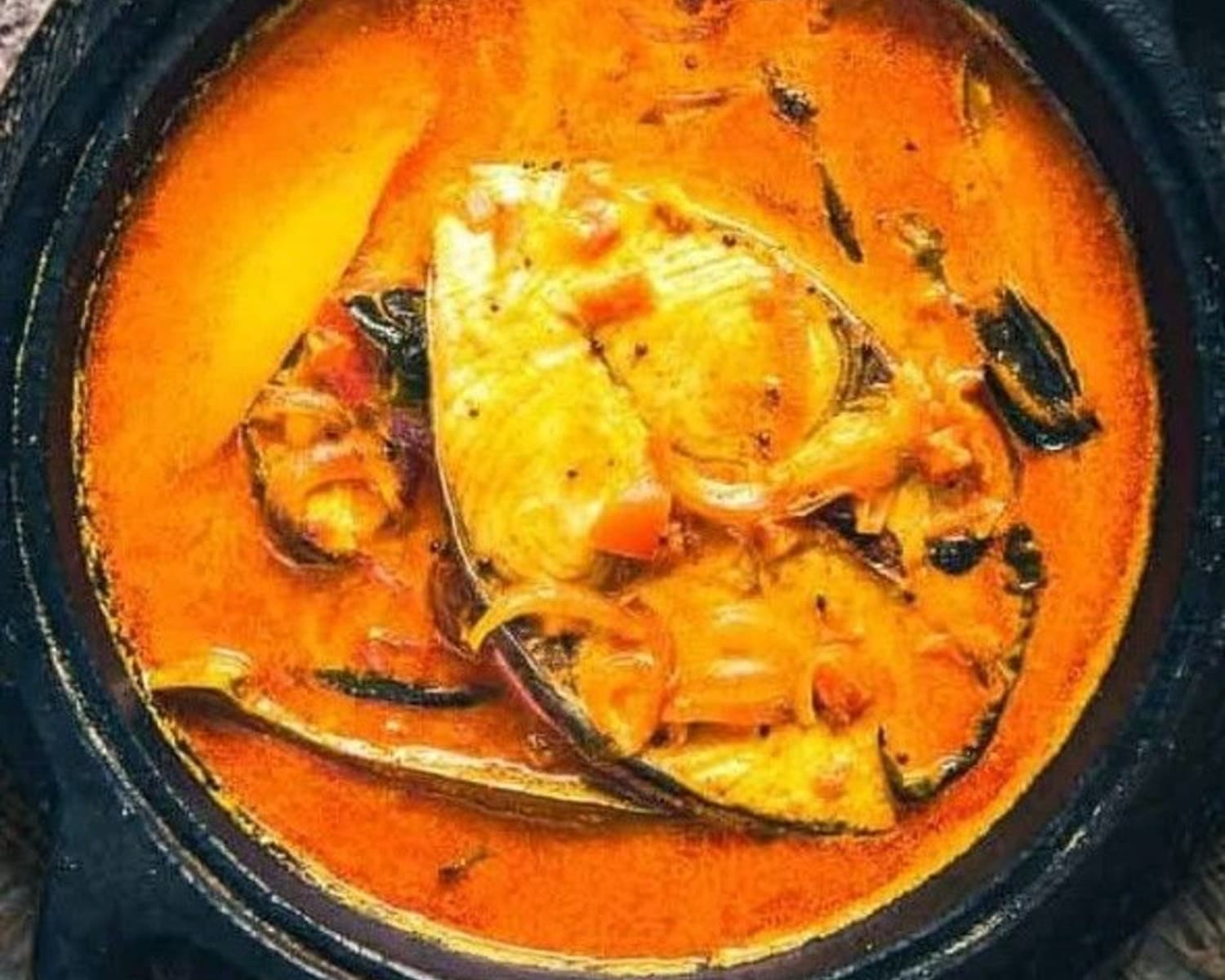
Fish Curry (Mach Jhol)
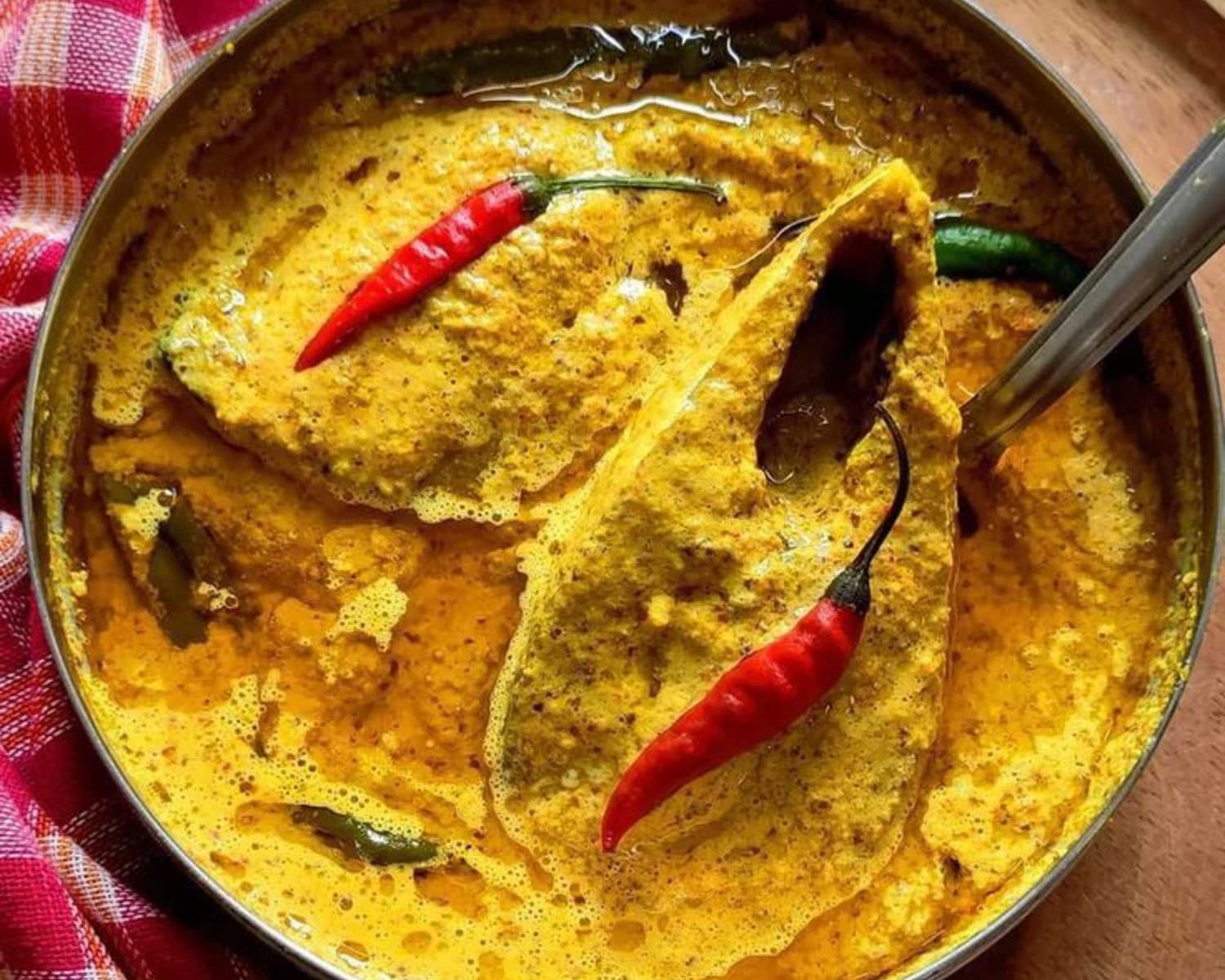
Hilsa Fish (Ilish)
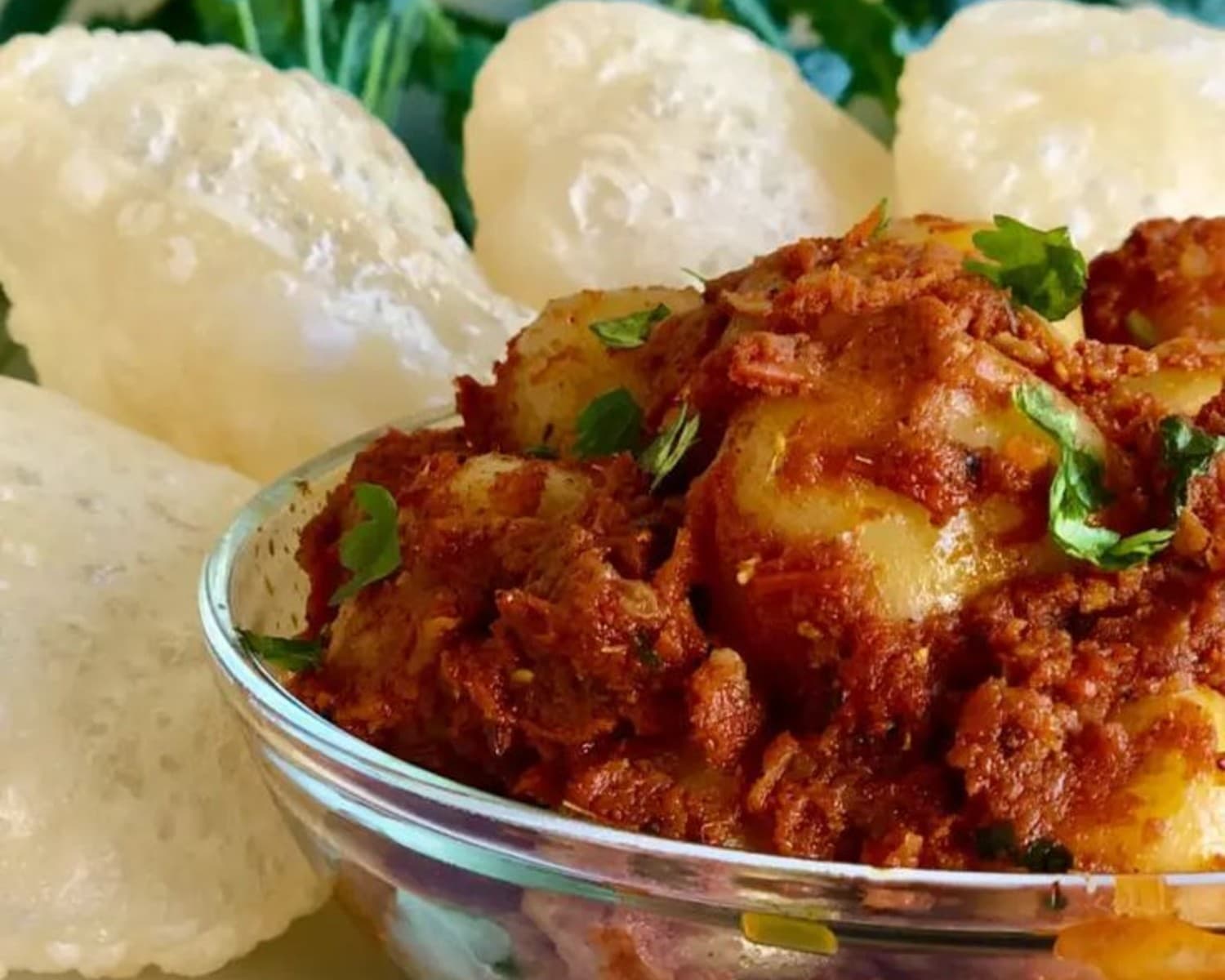
Luchi & Aloo Dum
Momos (Chinese-Bengali Fusion)
Phuchka (Golgappe Regional Variant)
Biryani (Bengali Style)
Shukto (Mixed Vegetable Curry)
Dining Etiquette
- • Eat/drink with right hand (left unclean; left-handed travelers exception allowed).
- • Wait for elders/honored guests to start eating.
- • Finish all food on plate (waste insulting; 'Anna Brahma' = food is sacred).
- • Compliment cook's skills generously.
- • Meals leisurely; rushing disrespectful.
- • Fish, rice staple; vegetables, lentils accompaniment.
- • Tea ritual: accept offered tea (refuse insulting).
- • Price on request
Signature Drinks
Shop & Bring Home
West Bengal offers unique handicrafts, Darjeeling tea, books (Kolkata bookshop culture), handloom textiles, earthenware. Kolkata shopping blends colonial bookshops with modern malls. Handmade items support artisans; ethical sourcing emphasized.
Books & Literature
Price on request
- Tagore works (collected writings)
- Classic Bengali literature (Bankim, Vidyasagar)
- Contemporary Indian authors
- Art books, reprints (Indian publishers)
Kolkata books capital. College Street historic bookshop district. New, used, rare editions. Literary culture; intellectual gifts.
Darjeeling Tea & Local Products
Price on request
- Darjeeling black tea (premium, organic)
- Darjeeling tea souvenirs, gift sets
- Honey (Darjeeling, hill stations)
- Local spices, dried fruits (Himalayan)
Darjeeling tea 'liquid gold'; varying quality/price. Direct from tea estates affordable. Premium quality as gifts.
Handicrafts & Textiles
Price on request
- Kolkata pottery (terracotta, ceramic)
- Handloom textiles (Santiniketan weaving)
- Baluchari silk sarees (traditional weave)
- Benarasi silk items
Santiniketan (Tagore university) handloom center. Authentic, culturally significant. Support artisans; fair trade important.
Souvenirs & Local Items
Price on request
- Tagore portraits, prints
- Kali Temple souvenirs
- Kolkata tram replicas, heritage items
- Traditional Adivasi craft items
Tourist-friendly items; quality varies. Kolkata markets, malls offer contemporary. Bazaars authentic; bargaining expected.