Belgium : the Chocolate Capital of the World
Discover how Belgium became the chocolate capital of the world through its rich history, famous pralines, artisan chocolatiers, and unique chocolate culture.
Planning a Belgium trip? Packages from ₹65,000 per person.
Belgium packages from BangaloreBelgium packages from HyderabadBelgium packages from Chennai
Few countries are as closely associated with chocolate as Belgium. Mention Belgium anywhere in the world, and images of elegant pralines, artisan chocolate shops, and beautifully wrapped chocolate boxes instantly come to mind. But how did a relatively small European nation earn the reputation of being the world's chocolate capital?
The answer lies in a fascinating combination of history, craftsmanship, innovation, and an unwavering commitment to quality. Today, Belgium produces hundreds of thousands of tons of chocolate annually, exports its products worldwide, and remains a dream destination for food lovers.
Whether you're a chocolate enthusiast, a curious traveler, or someone planning a trip to Belgium, understanding the country's chocolate story offers a unique perspective on its culture and heritage.
In this guide, we'll explore how Belgium became the chocolate capital of the world, the traditions that make Belgian chocolate special, and the best places to experience this sweet legacy firsthand.
The Origins of Belgium's Chocolate Story
Chocolate wasn't originally native to Belgium.
The journey began in the 17th century when cocoa beans arrived in Europe through trade routes established by Spanish explorers. Initially, chocolate was consumed as a luxury drink reserved for aristocrats and wealthy merchants.
Belgium's strategic location in Europe helped it become an important trading center. As international commerce expanded, access to cocoa became easier, allowing Belgian chocolatiers to experiment with recipes and techniques.
By the 19th century, chocolate consumption had become increasingly popular among the general public, setting the stage for Belgium's future leadership in the industry.
The Colonial Influence and Access to Cocoa
One of the major factors that contributed to Belgium's chocolate industry was its access to cocoa supplies.
During the late 19th and early 20th centuries, cocoa imports became more readily available, enabling Belgian manufacturers to scale production and refine their craft.
While modern discussions around colonial history are complex and important, there's no denying that access to high-quality cocoa played a role in Belgium's ability to establish itself as a major chocolate producer.
This abundance of raw materials allowed chocolatiers to focus on quality, innovation, and consistency.
The Birth of the Belgian Praline
No discussion about Belgian chocolate is complete without mentioning the praline.
In 1912, Belgian chocolatier Jean Neuhaus revolutionized the chocolate world by inventing the filled chocolate praline.
Instead of simply producing solid chocolate bars, Neuhaus created chocolates filled with creams, nuts, caramel, and other ingredients.
This innovation transformed chocolate from a simple confection into a luxury experience.
Today, pralines remain one of Belgium's most famous culinary exports and can be found in chocolate boutiques throughout the country.
Why Belgian Chocolate Is Considered the Best
Many countries produce excellent chocolate, so what makes Belgian chocolate stand out?
Exceptional Ingredients
Belgian chocolatiers are known for using premium cocoa beans and high-quality ingredients.
Many producers maintain strict standards regarding cocoa content, freshness, and production methods.
Traditional Craftsmanship
Belgium's chocolate-making tradition has been passed down through generations.
Many family-owned chocolatiers continue to create chocolates using techniques refined over decades.
Innovation and Creativity
Belgian chocolate makers constantly experiment with flavors and fillings while preserving traditional methods.
This balance between innovation and heritage helps keep Belgian chocolate relevant and exciting.
Quality Regulations
Belgium has developed a reputation for maintaining high standards in chocolate production, contributing to consumer trust worldwide.
Famous Belgian Chocolate Brands
Belgium is home to some of the world's most recognized chocolate brands.
Known as the inventor of the praline, Neuhaus remains one of Belgium's most prestigious chocolate companies.
Godiva
Founded in Brussels, Godiva became an international luxury chocolate brand recognized worldwide.
Leonidas
Popular for offering premium chocolates at accessible prices.
Pierre Marcolini
Renowned for artisan craftsmanship and premium cocoa sourcing.
Guylian
Famous for its iconic chocolate seashells and praline fillings.
These brands have helped establish Belgium's global reputation as a chocolate powerhouse.
Chocolate Culture in Belgium
Chocolate isn't just a product in Belgium—it's part of everyday life.
Visitors quickly notice that chocolate shops are found in nearly every city and town.
Belgians often purchase chocolates for:
Celebrations
Gifts
Holidays
Family gatherings
Corporate occasions
The country takes enormous pride in its chocolate heritage, treating it as both an art form and a cultural symbol.
Best Cities for Chocolate Lovers
If you're planning a chocolate-focused trip, these Belgian cities deserve a place on your itinerary.
Brussels
The capital city is home to numerous luxury chocolatiers, chocolate museums, and tasting experiences.
Bruges
Often called one of Europe's most beautiful cities, Bruges combines medieval charm with exceptional chocolate boutiques.
Antwerp
Known for fashion and diamonds, Antwerp also offers a thriving artisan chocolate scene.
Ghent
A vibrant university city with excellent local chocolatiers and food culture.
Best Months to Visit Belgium for Chocolate Experiences
City | Best Months | Why Visit |
Brussels | April–June, September–October | Pleasant weather and walking tours |
Bruges | May–September | Outdoor exploration and chocolate workshops |
Antwerp | April–October | Food festivals and cultural events |
Ghent | May–October | Historic sightseeing and local markets |
These months provide comfortable conditions for exploring Belgium's cities on foot while enjoying chocolate-themed experiences.
Chocolate Festivals and Events in Belgium
Belgium celebrates its chocolate culture through various events and festivals.
Festival | Location | Typical Time |
Salon du Chocolat | Brussels | February |
Choco-Laté Festival | Bruges | Spring |
Brussels Food Festival | Brussels | Summer |
Belgian Chocolate Week | Nationwide | Autumn |
Winter Chocolate Markets | Various Cities | December |
Christmas Chocolate Fairs | Nationwide | December |
These events provide opportunities to meet chocolatiers, sample products, and learn about chocolate-making traditions.
Beyond Chocolate: What Else to Explore in Belgium
While chocolate may be the highlight, Belgium offers much more.
Historic Architecture
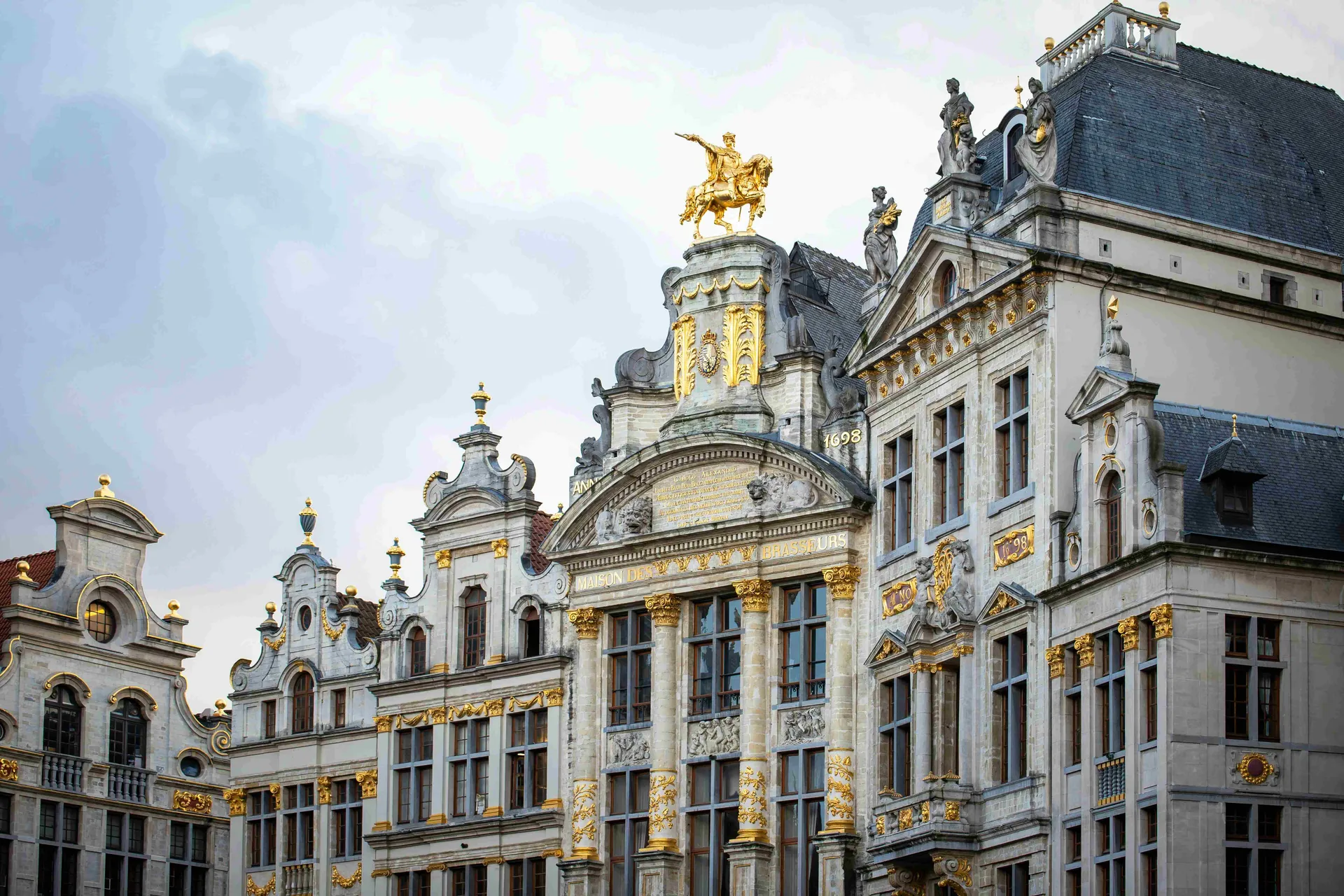
Discover medieval squares, Gothic churches, and UNESCO-listed landmarks.
Belgian Waffles
Another world-famous culinary tradition worth experiencing.
Belgian Beer Culture
Belgium's brewing heritage is recognized globally.
Coastal Escapes
Belgium's North Sea coast offers charming seaside towns such as Ostend and Knokke-Heist.
Art and Museums
Explore works by Flemish masters and contemporary artists.
A chocolate-themed trip can easily become a broader cultural adventure.
Practical Tips for Chocolate Travelers
Visit Local Chocolatiers
Independent artisan shops often offer unique creations unavailable elsewhere.
Join Chocolate Workshops
Many cities offer hands-on experiences where visitors can create their own chocolates.
Purchase Before Departure
Chocolate makes an excellent souvenir, but buy it close to your travel date for maximum freshness.
Mix Famous and Local Brands
Don't limit yourself to internationally recognized names. Smaller chocolatiers often produce exceptional products.
Check Seasonal Collections
Many chocolatiers release limited-edition chocolates during holidays and festivals.
Why Belgian Chocolate Remains Unmatched
Belgium's success isn't based on one invention or one company.
Instead, it comes from:
Centuries of expertise
Consistent quality standards
Skilled craftsmanship
Innovation
Strong cultural appreciation for chocolate
This combination has allowed Belgium to maintain its position as one of the world's most respected chocolate-producing nations.
Even as global tastes evolve, Belgian chocolate continues to set the benchmark for excellence.
Experience Belgium's Sweetest Tradition
Belgium's chocolate story is more than a tale of delicious treats it's a reflection of the country's history, culture, creativity, and entrepreneurial spirit.
For travelers looking to combine food, culture, and unforgettable experiences, Belgium delivers far more than just chocolate.
At Bayard Vacations, we design Belgium itineraries that help travelers experience the country's most authentic highlights. Whether you're interested in chocolate tastings, cultural heritage tours, medieval cities, culinary experiences, or scenic countryside escapes, our travel experts can help create a journey tailored to your interests.
Our Belgium experiences may include:
Guided chocolate tours
Visits to renowned chocolatiers
Historic city explorations
Food and cultural experiences
Customized travel itineraries
Want a Belgium itinerary designed around your dates, interests, and travel style?
Frequently asked questions
Why is Belgium famous for chocolate?+
Belgium is known for its high-quality ingredients, skilled craftsmanship, and invention of the praline.
Who invented the Belgian praline?+
Jean Neuhaus created the first filled chocolate praline in Brussels in 1912.
Which city is best for chocolate lovers in Belgium?+
Brussels is often considered the top destination due to its concentration of famous chocolatiers.
What makes Belgian chocolate different?+
Its emphasis on premium ingredients, traditional techniques, and innovative flavors.
Can visitors tour chocolate factories in Belgium?+
Yes. Many factories, museums, and workshops offer guided tours and tastings.
When is the best time to visit Belgium for chocolate experiences?+
Spring and autumn provide pleasant weather and fewer crowds.
Is Belgian chocolate expensive?+
Prices vary, but Belgium offers options ranging from affordable artisan chocolates to luxury collections.
Which Belgian chocolate brand is most famous?+
Godiva, Neuhaus, Leonidas, and Pierre Marcolini are among the best-known brands.
Can I bring Belgian chocolate home as a souvenir?+
Yes. Chocolate is one of the most popular souvenirs purchased by visitors.
Is Belgium worth visiting even if I'm not a chocolate lover?+
Absolutely. Belgium offers rich history, architecture, cuisine, museums, and beautiful cities beyond its chocolate culture.
Ready to go? Explore our Belgium packages.
Browse packagesWant this trip priced for you?
A Bayard travel expert calls you back within 15 minutes in working hours (Mon–Sat, 10 am–7 pm), otherwise first thing next working morning.
Belgium packages
View all →

You might also like
More from our planners in Travel Tips.