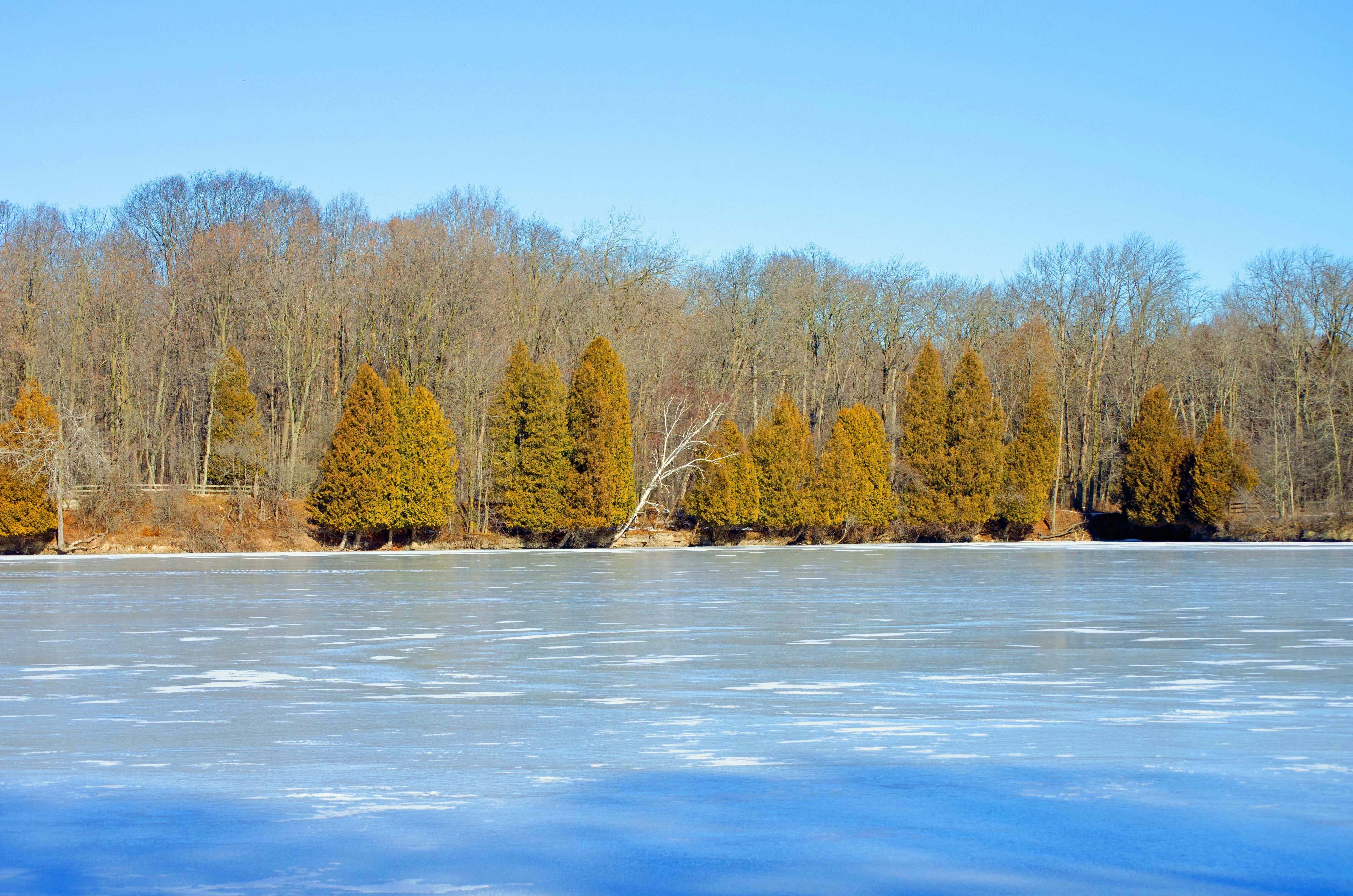
Belgium
factsheet
Medieval majesty meets modern Europe in a land of chocolate, beer, and timeless architecture.
The Essentials
Best Time
May - Sep
Currency
EUR (€)
Climate
Temperate
Time Zone
UTC+1/+2
Language
Dutch/French/German
Visa
Schengen (Type C)
Capital
Brussels
Population
11.6M
Calling Code
+32
Power Plug
Type C & E (230V)
Tipping
10% service charge included (optional rounding)
Emergency
112
History & Heritage
From Roman Legions to European Heart
The history of Belgium dates back to the era of the ancient Celts and Romans until the medieval period. As one of the regions in Charlemagne’s empire, it grew into a strong trading hub under the reign of Burgundy. Throughout its history, ranging from Spanish domination to Austrian control, French occupancy to Belgian sovereignty in 1830, this tiny country has had an immense influence on European history. Belgium represents the promise of peaceful continental unity and remains a top European travel destination.
Roman Era (57 BC - 5th Century AD)
Caesar conquers the Belgae (Celtic tribes) in 57-51 BC. Under Pax Romana, the region becomes prosperous with trade routes and urban development. The Salian Franks gradually occupy northern territories, beginning the cultural transformation of the Low Countries.
Frankish & Charlemagne Period (5th - 9th Century)
After Roman withdrawal, Frankish tribes establish kingdoms. Charlemagne (768-814) creates a vast empire encompassing most of Belgium, crowned as Emperor of the West by Pope Leo III in 800. His reign fosters commerce and arts, with organized trade flourishing along Belgium's rivers.
Medieval Fragmentation (9th - 12th Century)
Following Charlemagne's death, Belgium is divided among heirs under the Treaty of Verdun (843). The region fragments into duchies of Brabant, Luxembourg, and the bishopric of Liège. Cities like Ghent, Bruges, and Ypres rise to power through wool industries and international trade.
Burgundian Golden Age (15th - 16th Century)
Through political marriages, all of present-day Belgium passes to the powerful Dukes of Burgundy. Brussels becomes the capital of the Low Countries. This era witnesses unprecedented political prestige and artistic splendor—the 'Great Dukes of the West' make Belgium a European cultural powerhouse.
Foreign Rule Era (16th - 18th Century)
After Mary of Burgundy's death (1482), Belgium enters centuries of foreign domination: Spanish rule, Austrian control, and French occupation. Each power leaves its mark on Belgian culture, architecture, and society, creating a unique blend of influences.
Modern Independence (1830 - Present)
On August 25, 1830, Belgium declares independence from the Dutch Kingdom. The nation evolves into a constitutional monarchy and becomes a haven for democracy and prosperity. Post-World War II, Belgium joins NATO and the European Union, establishing Brussels as the capital of United Europe.
Spotlight: The Grand Place (Grote Markt)
Brussels' most iconic square, surrounded by opulent 17th-century guildhalls featuring ornate façades of Baroque, Art Nouveau, and Flamboyant Gothic styles. This UNESCO World Heritage Site was rebuilt after being destroyed by French bombardment in 1695. Today, it remains the theatrical heart of Brussels and one of Europe's most beautiful squares.
Independence
August 25, 1830
Separated from the Netherland
Grand Place Rebuilt
1695-1750
Reconstructed after French bombardment
EU Founded
1957
Treaty of Rome signed in Brussels
Capital
Brussels
Heart of the European Union
Climate & Time
Time Zone
Standard
CET (UTC+1) / CEST (UTC+2 in summer)
Difference
4 hours 30 minutes behind IST (India Standard Time)
🎯 Best Months
May, June, September & October
Climate
The climate in Belgium varies significantly by region, offering a diverse range of weather conditions from coastal areas to mountain peaks.
Spring (Lente)
Mar – May
8–18°C
Bluebells bloom in Hallerbos forests. Easter celebrations and spring markets. Moderate rainfall. Perfect for walking tours. Peak season begins mid-May.
Summer (Zomer)
Jun – Aug
15–22°C
Warmest season, though still mild. Major festivals (Tomorrowland, Gentse Feesten). Longer daylight hours until 9 PM. Best for outdoor exploration and canal tours.
Autumn (Herfst)
Sep – Oct
15–20°C
Golden foliage in parks and forests. Crisp, clear weather. Fewer tourists. Perfect for sightseeing. Belgian Beer Weekend in autumn. Harvest season.
Winter (Winter)
Nov – Feb
0–8°C
Christmas markets (Brussels, Bruges). Festive decorations. Cold but rarely harsh. Occasional snow in Ardennes. Budget-friendly hotels. Cozy café culture.
Seasonal Packing List
Language Guide
Official Language
Dutch (Flanders), French (Wallonia), German (East Belgium)
Belgium has three official languages reflecting its position at the junction between Germanic and Romance Europe. Dutch is spoken by ~59% (Flanders), French by ~40% (Wallonia), and German by ~1% (Eastern cantons). Brussels is officially bilingual (Dutch and French) but predominantly French-speaking. English proficiency is high among younger generations (80%+ under 30) and in tourism sector.
Local Signage
Essential Phrases
Hello
Hallo / Bonjour
Thank you
Dank u / Merci
Goodbye
Tot ziens / Au revoir
Yes / No
Ja / Nee / Oui / Non
Please
Alstublieft / S'il vous plaît
Excuse me
Pardon / Excusez-moi
How much?
Hoeveel kost dit? / Combien ça coûte?
Where is...?
Waar is...? / Où est...?
Currency & Money
Official Currency
Euro
€ (EUR)
Exchange Rates
Denominations
Banknotes
5, 10, 20, 50, 100, 200 EUR
Coins
1, 2, 5, 10, 20, 50 cents; 1, 2 EUR
Culture & Vibes
European Sophistication with Local Warmth
"Belgium blends sophisticated European sensibilities with a down-to-earth local culture. Known for directness and pragmatism, Belgians value work-life balance, culinary excellence, and cultural appreciation. The culture is proud of its linguistic heritage, regional identity, and role as Europe's crossroads. Modesty, respect for privacy, and appreciation for quality characterize Belgian society."
Greetings
Handshakes are standard, with good eye contact. Close friends may exchange single cheek kisses (especially in Wallonia). Formal 'vous' used until invited to use first names.
Religious Sites
Respect for churches: remove hats, speak softly. Modest dress (cover shoulders/knees) recommended. Photography may be restricted during services. Always ask before photographing inside.
Dining Culture
Meals are taken seriously. Wait to be seated. Don't start eating until host begins. Compliment the cook. Belgians are critical but fair critics of food quality—honesty is valued.
Social Etiquette
Belgians value punctuality in business but are relaxed socially. Avoid discussing wealth, personal finances, or regional/linguistic tensions. Respect for privacy is paramount—don't ask personal questions.
Essential Dos
- • Keep hands visible on table during meals (elbows acceptable between courses)
- • Praise local cuisine and beer—Belgians are proud of their gastronomy
- • Negotiate prices at markets and antique shops (expected)
- • Learn basic phrases in the local language (Dutch/French)—effort is appreciated
- • Arrive on time or slightly early for social engagements
- • Remove shoes when invited to someone's home
- • Accept offered drinks and food graciously
- • Admire Belgian design, art, and cultural achievements
Essential Don'ts
- • Don't make the 'OK' sign (means zero in Belgium)
- • Don't stand with hands in pockets while conversing (disrespectful)
- • Don't snap fingers to get someone's attention (rude)
- • Don't discuss politics, religion, or linguistic divisions in casual settings
- • Don't wear sunglasses while talking to someone (appears evasive)
- • Don't backslap or engage in excessive physical contact
- • Don't refuse offered food or drinks—it's insulting
- • Don't flaunt wealth or be ostentatiously loud in public
- • Don't give chrysanthemums (symbolize death) as gifts
Specific Etiquette
Dining Etiquette
Wait to be seated. Finish food on plate (waste is frowned upon). Use fork in left hand, knife in right. Chew with mouth closed. Keep elbows off table except between courses. Praise the meal's quality. Knife and fork placed at 5:25 position when finished.
Gifting Etiquette
Wrap gifts beautifully. Odd numbers of flowers are appropriate; even numbers reserved for funerals. Avoid chrysanthemums (death). Gifts opened immediately in front of giver. Small gifts/chocolates appreciated. Don't give extravagant gifts (implies debt).
Business Etiquette
Business cards exchanged formally. Punctuality is essential in professional settings. Formal dress (dark suits) expected. First meetings conducted with formality; relaxed only after relationship established. Hierarchies respected.
Culinary Excellence: Waffles, Beer & Chocolate
Belgian cuisine blends French refinement with Flemish heartiness, producing globally-renowned delicacies. From craft beers to artisanal chocolates, from crispy frites to warming stews, Belgium's food culture reflects centuries of tradition and innovation. Meals are social events celebrating quality ingredients, preparation mastery, and regional pride.
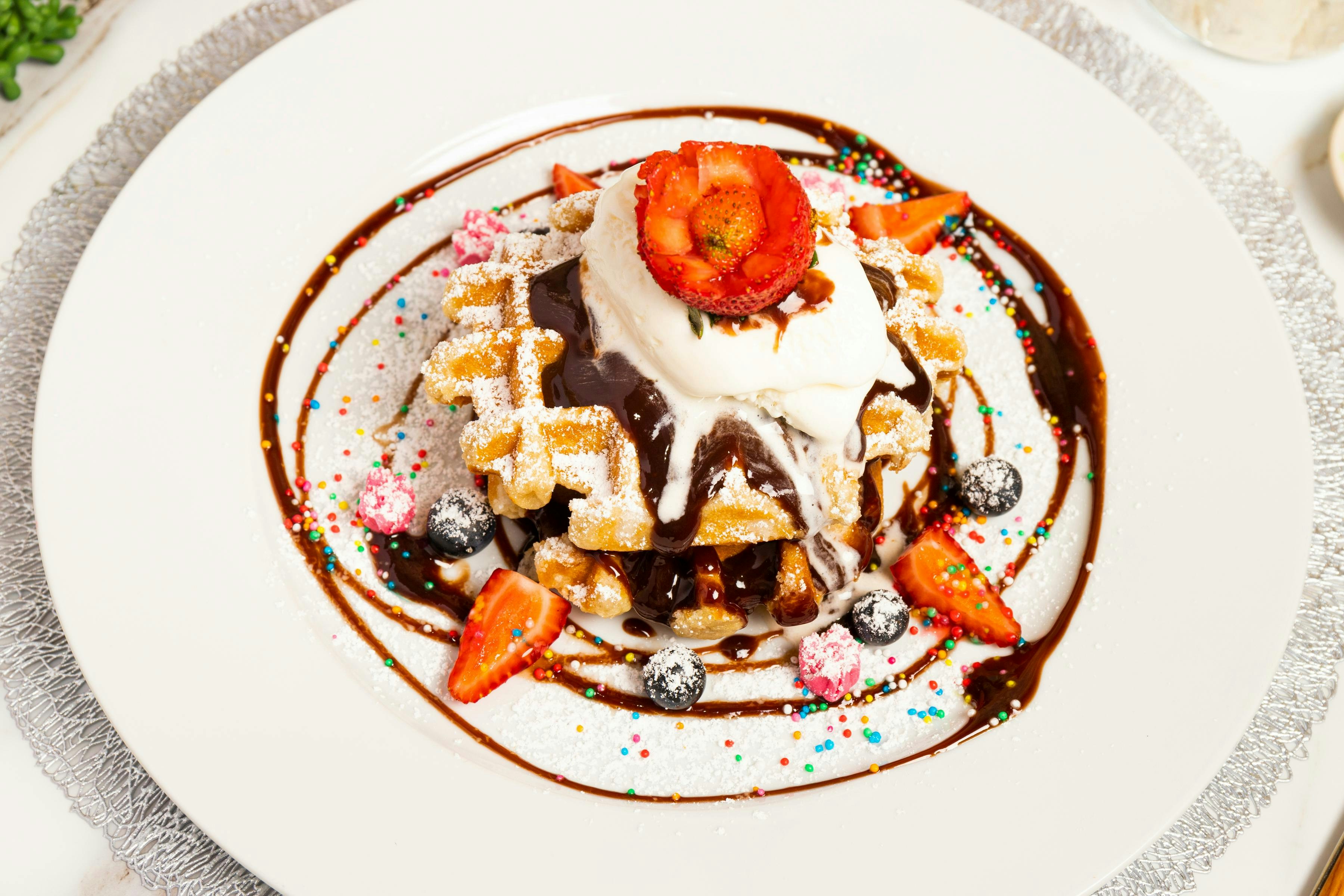
Belgian Waffles
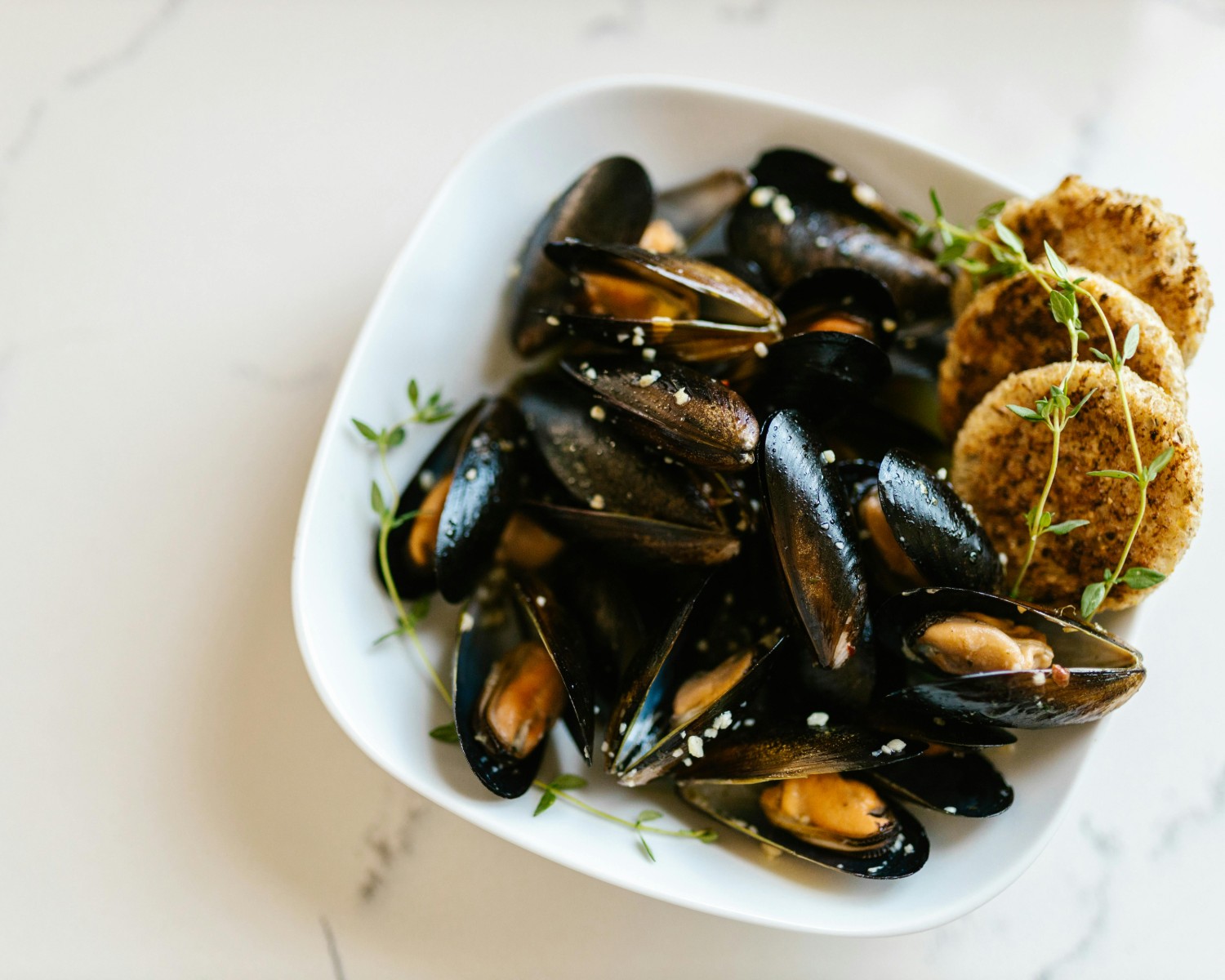
Moules-Frites (Mussels with Fries)
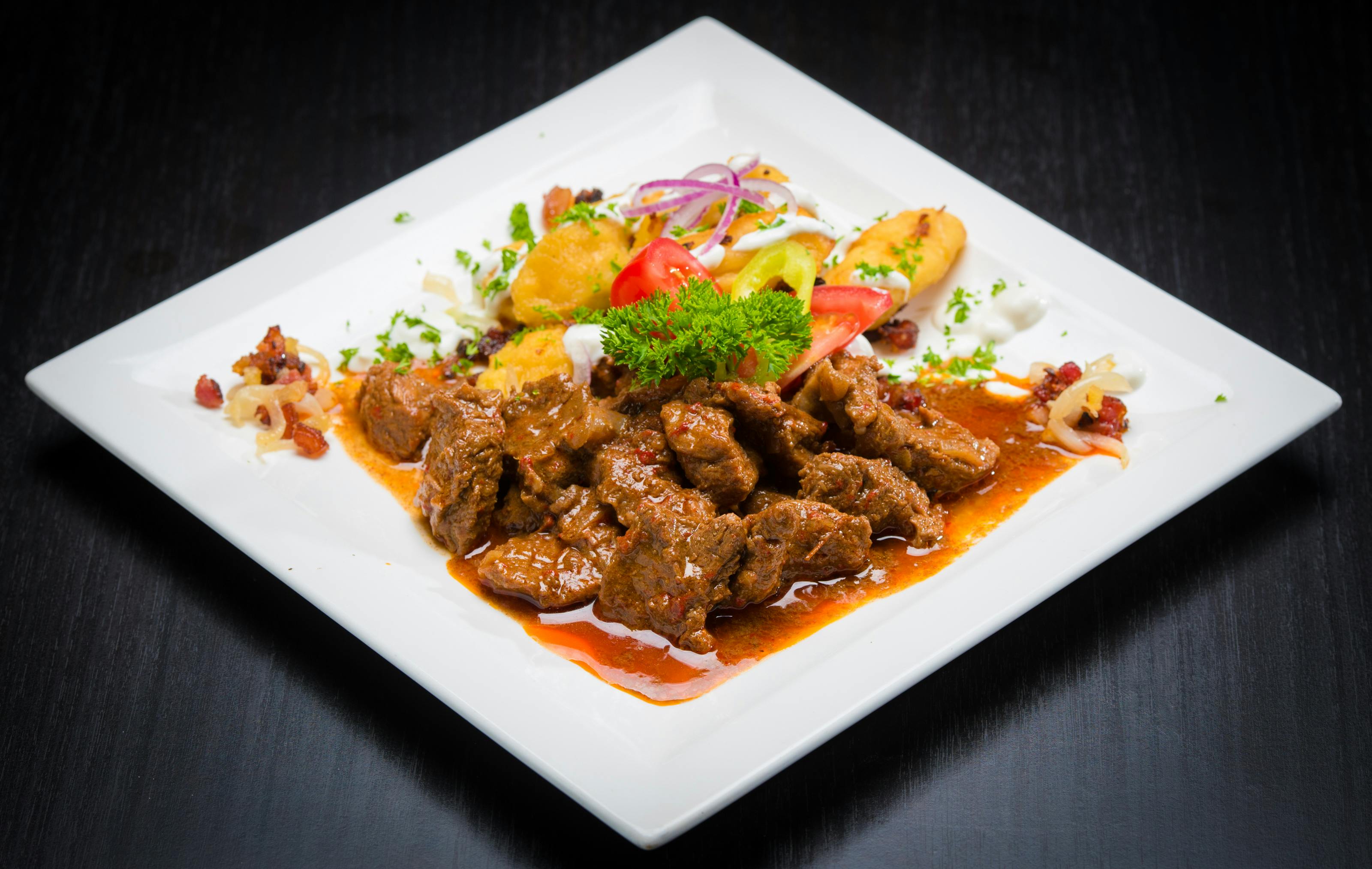
Stoofvlees (Flemish Beef Stew)
Belgian Fries (Frites)
Speculoos (Spiced Biscuits)
Belgian Chocolate
Waterzooi
Where to Eat
Restaurants (Restaurant)
Formal or casual settings. Full meal service. €15-50+ per person. Found in cities and towns.
Cafés/Brasseries (Café/Brasserie)
Casual dining, beer, snacks. €8-20 per person. Social gathering spaces. Open late.
Street Food (Frituur/Friterie)
Fries, waffles, kebabs, crepes. €2-6. Quick, affordable, authentic. Found on pedestrianized streets.
Markets (Markt/Marché)
Fresh produce, cheese, bread, flowers. Snack options available. €5-15. Experience local life.
Chocolate Shops (Chocolaterie)
Artisanal pralines, truffles. €8-20 per selection. Premium experience. Essential stop in Bruges/Brussels.
Dining Etiquette
- •Meal times: Breakfast 7-10 AM, Lunch 12-2 PM, Dinner 7-10 PM
- •Most restaurants open 11:30 AM and close 10-11 PM; many closed Mondays
- •Tipping: 10% service charge usually included; additional small tip (€2-5) appreciated but not obligatory
- •Vegetarian options increasingly available in cities; less common in rural areas
- •Reservations recommended for dinner in popular restaurants
- •Belgians take food seriously—discuss meals and cuisines openly
- •Regional specialties vary: Walloon dishes differ from Flemish cuisine
- •Alcohol widely available in restaurants; Belgium has no strict drunk-driving laws for over-21s
Signature Drinks
Shop & Bring Home
Belgium offers iconic souvenirs reflecting centuries of craftsmanship: Belgian chocolate from artisanal chocolatiers, authentic Bruges lace, handcrafted beer, and unique comic memorabilia (Tintin, The Smurfs). Modern malls blend international brands with local designers. Markets offer fresh produce, flowers, and regional specialties.
Chocolate & Pralines
- Artisanal Pralines (handmade)
- Truffles
- Chocolate Bonbons
- Speculoos Cookies
- Chocolate Spread (Nutella-style)
Beer & Spirits
- Trappist Ales (11%+ ABV)
- Abbey Beers
- Lambics (fruit beers)
- Saison Dupont
- Jenever (local spirit)
Lace & Textiles
- Hand-woven Bruges Lace
- Embroidered Linens
- Tablecloths
- Handkerchiefs
- Doilies
Comics & Collectibles
- Tintin Comic Books
- The Smurfs Figurines
- Lucky Luke Comics
- Original Artwork
- T-shirts with Belgian characters
Local Crafts & Souvenirs
- Delftware (pottery)
- Manneken Pis replicas
- Waffles irons
- Mustard (Tierenteyn-Verlent)
- Speculoos molds
Where to Shop (Local Hubs)
Brussels Grand Place Area
Historic & Luxury Shopping
"Upscale galleries, chocolate shops, luxury brands. Surrounding streets have boutiques. Beautiful backdrop but touristy pricing."
Galeries Royales Saint-Hubert (Brussels)
Historic Covered Arcade
"19th-century glass-roofed arcade. Designer shops, cafés. Elegant, refined shopping experience. Fixed prices."
Bruges Markt (Market Square)
Historic Square & Souvenir Shops
"Surrounded by chocolate shops, lace stores, beer shops. Picturesque setting. Tourist-oriented but authentic."
Gent Graffiti Street & Patershol
Vintage & Artisan Boutiques
"Independent vintage shops, local designers, street art scene. More authentic than Brussels. Negotiable prices."
Antwerp Meir Street
Fashion & Contemporary Shopping
"Belgium's fashion capital. High-end boutiques, local designers, international brands. Modern architecture."
Modern Malls
Contemporary Shopping Centers
"Galeries Anspach (Brussels), Shopping City Docks (Antwerp). International brands, local stores, restaurants. Fixed prices."
On the Move
Airport
BRU
12 km northeast; 20-30 min to center
Taxi Apps
Bolt/Uber
Safe, professional, transparent pricing
Inter-city
Eurostar/SNCB
High-speed rail to Paris, Amsterdam, Cologne
Airport Arrival
Brussels Zaventem Airport (BRU) located 12 km northeast of Brussels city center. Journey time: 20-30 minutes by train, 25-35 minutes by taxi.
Travel Tech
Travel Tips
Buy 10-journey tickets (€20 Brussels) instead of single tickets (€2.10)—better value
Download STIB/De Lijn apps for real-time schedules
Metro is fastest for city transport; walk for short distances
Eurostar tickets cheaper if booked in advance (€29 base fares available)
Rental cars ideal for exploring Ardennes countryside; limited for city centers
Taxis metered or fixed-rate; Bolt/Uber always transparent
Bike rentals: Villo! (Brussels sharing system) or independent shops
Intercity Travel
Eurostar (High-Speed Trains)
Now unified brand (formerly Thalys). Connects Brussels to Paris (1h 22m), Amsterdam (1h 50m), Cologne (2h 30m). Modern comfort, WiFi. €29-100+ depending on class.
SNCB Regional Trains
Connect Brussels to Bruges (20 min), Ghent (35 min), Antwerp (45 min), Leuven (30 min). Frequent, reliable, affordable. €5-15.
Buses (Flixbus, etc.)
Budget inter-city travel. €10-30 depending on distance. Comfortable coaches. Slower than trains but economical.
Car Rental
International license required. Drive on right. Good roads. €30-60 daily. Petrol widely available.
BakıKart
De Lijn/STIB cards available: Single journey €2.10 (Brussels), 10-journey ticket €20. Valid on metro, tram, bus.
Visa Entry
Schengen Visa (Type C) - Short-Stay
Belgium uses the Schengen Visa system for non-EU citizens. Indian nationals can apply for a Schengen Type C visa (90 days) through the Belgian embassy in India. Alternatively, visa-free entry to EU for Indians requires approval on case-by-case basis.
Check India-Belgium visa portal or Belgian embassy website for current requirements
Book appointment at Belgian embassy/consulate in your city (online booking mandatory)
Prepare all required documents and financial proofs
Attend in-person appointment to provide biometrics (fingerprints, photo)
Submit application with all supporting documents
Pay visa fee (€75 or equivalent in INR)
Receive decision within 15-60 business days; visa collected at embassy
Present visa at airport immigration upon arrival in Belgium
Registration
Penalty: Non-registration can result in fines (€20-100+) or deportation in extreme cases.
Entry Requirements
- • Valid passport (6+ months validity, 2 blank pages)
- • Visa application form (Schengen form, available on embassy website)
- • Passport-size photo (35x40mm, colored, taken within 6 months)
- • Hotel booking confirmation or letter from host (for all nights)
- • Return airline ticket or proof of onward travel
- • Travel insurance (Schengen-compliant, €30,000+ coverage minimum)
- • Proof of financial means (€45-95 per day; bank statements, credit card, etc.)
- • Employment letter (if employed) or student enrollment proof
- • Birth certificate or family relation document (if visiting family)
- • Police clearance certificate (if requested by embassy)