Back to Blogs
Pilgrimage or Hill Station? Two Very Different Tamil Nadu Trips
PublishedAugust 29, 2026
CategoryTravel Guide
AuthorBayard Team
Introduction
There is no single tour of Tamil Nadu - there are two genuinely distinct tours, and forcing them into a single itinerary invariably sacrifices both.
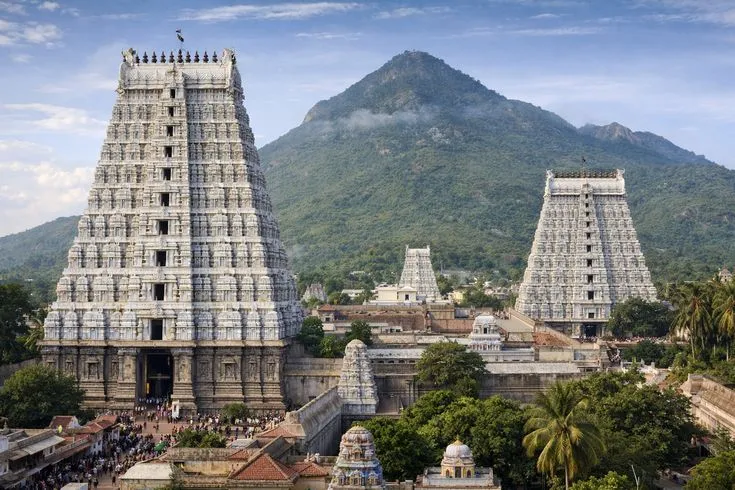
On one side you have the state’s identity as a destination devoted to the temples: an ancient religious landscape with a sequence of pilgrimage sites like Madurai, Rameswaram, and Thanjavur, the destinations revolving around millennia-old architecture and a living religious culture.
On the other hand, you have Tamil Nadu’s relatively more placid hill country: the high-country resorts of Ooty and Kodaikanal, with their tea plantations, misty viewing points and entirely distinct style of travel.
This blog outlines what each tour looks like in reality, what compromises each entails in a travel itinerary.
What Tamil Nadu Pilgrimage Trip Looks Like
Typical Tamil Nadu Pilgrimage Tour usually entails travel across temple towns - Kanchipuram, Thanjavur, Madurai and Rameswaram each with temples that are centuries, and in some cases over a thousand years old.
The Meenakshi Temple in Madurai, and the Brihadeeswarar Temple in Thanjavur (part of the UNESCO World Heritage-recognised Great Living Chola Temples) are not merely attractions for the visitor; they are living centers of worship, where you can witness daily ceremonies, processions and a sense of ongoing tradition that is a rare treat. Such an itinerary will appeal most to visitors interested in history, architecture and spirituality, and moves at a relatively brisk pace as visiting hours, temple ritual times and appropriate attire can influence your schedule.
The downside: The pilgrim route across Tamil Nadu is warm to very warm for a significant part of the year, and involves traversing quite long distances between destinations - from Madurai to Rameswaram, for example, is some 170 km.
What Tamil Nadu Hill Station Trip Looks Like
A Typical Tamil Nadu Hill Station Tour In contrast, the opposite end of the experiential spectrum lies in Tamil Nadu’s famous hill stations, Ooty and Kodaikanal. Both provide cool weather year round, views of tea plantations and eucalyptus forests, lakes and an inherently slower pace of life: from walks around Ooty Lake to scenic drives through the Nilgiri Hills or a quiet morning in Kodaikanal’s pine forests. If a holiday focused on relaxation, rather than deep immersion into heritage sites, is what you’re seeking, the hill stations are Tamil Nadu’s most laid-back destination.
The downside: While the hill stations are relaxing, they may lack the historical and cultural weight of Tamil Nadu's temple circuit.
Ooty and Kodaikanal are pretty, but don't carry the same rich history or religious significance of places like Thanjavur or Madurai; you might find the hill station experience closer to a 'generic hill station' feel than the distinct heritage identity of Tamil Nadu.
Comfort vs Cultural Depth: Core Decision
Fundamental question to ask yourself before deciding is what’s your primary travel motivation:
• Select pilgrimage tour - if you're after a deep immersion into local culture, architecture and spirituality are prepared to cope with higher temperatures, adhere to temple visiting etiquette (such as the dress code, shoe removal and specific visiting times); and you seek an authentic Tamil Nadu experience that isn't replicated elsewhere in India.
• Select hill station tour - if comfort and leisure is a priority over cultural experiences; prefer to be surrounded by cooler temperatures and enjoy leisurely mornings; and are happy with a holiday that resembles many of India's other hill resorts, rather than a distinctly Tamil Nadu experience.
It's essential to remember that neither choice is intrinsically ‘right’ or 'wrong', and that the decision simply depends on what type of experience you want from your trip.
Why a combined journey on a shorter trip seldom works
One might argue that hill stations and temple towns are located quite far apart from each other in Tamil Nadu; and the shift in both temperatures and daily routine when traveling between them would naturally impact upon a traveler's overall experience.
Travelers with short trip lengths, (under 7 days), are generally not recommended to try to cover "one temple town + one hill station" as it may result in a superficial visit that hardly scratches the surface of both the experiences. It's usually better to select a single theme for a short visit (under a week), and save the combining of the two themes for long itineraries (over 10 days).
Seasonal Timing Changes the Decision Too
For pilgrimage trips: October to March offers the most manageable weather for temple town travel, avoiding Tamil Nadu's harsher summer heat (April-June), when daytime temperatures in Madurai and Thanjavur regularly cross 38°C.
For hill station trips: Ooty and Kodaikanal are comfortable almost year-round, but summer (April-June) is peak season, when the hills offer a cool escape from the heat scorching the rest of the state - meaning hill station demand actually rises exactly when pilgrimage travel becomes least comfortable.
Impact on decision-making: if you're traveling in Tamil Nadu's summer months, the hills are the more practical choice by default; if you're traveling in winter, both options are equally viable, which makes the decision more about interest than climate.
Bayard Vacations Tamil Nadu Packages - Created with Your Travel Choice
Instead of prescribing a standard package to each and every visitor to Tamil Nadu, Bayard Vacation’s itineraries have been built around two contrasting trip types.
Heritage & Temple Circuit: The program that covers the state's magnificent and historic temples, following the major devotional trail of Chennai, Kanchipuram, Thanjavur, Madurai and Rameswaram with time built in for temple visits and local guidance.
Hill Country Escape: Travel the rolling hills of Ooty and Kodaikanal at a leisurely, resort-style pace and experience the natural beauty and tranquil hill station atmosphere.
Combined Grand Circuit (10 days +): A tour for those with plenty of time to comfortably experience the depth and variety of Tamil Nadu's spiritual and scenic regions.
Ask our travel experts which circuit fits your available days and travel priorities.
Conclusion
Tamil Nadu's temple towns and hill stations aren't lesser or greater versions of the same trip; they're genuinely different experiences, each rewarding a different kind of traveler.
A pilgrimage trip offers cultural depth and living tradition at the cost of heat and structured pacing; a hill station trip offers comfort and slow travel at the cost of the state's distinctive heritage identity. Knowing which one you actually want is the most important planning decision you'll make.
Not sure which Tamil Nadu trip fits you?
Bayard Vacations can help you choose between a temple heritage circuit, a hill country escape, or a combined trip based on your travel dates, interests, and how much time you have.
FAQs
1. Should I choose a temple tour or a hill station trip in Tamil Nadu?
It depends on your priority: choose a temple tour for cultural and architectural depth, or a hill station trip for relaxation and cooler weather.
2. Can I combine temple towns and hill stations in one Tamil Nadu trip?
Yes, but it works best with 10 or more days. Shorter trips usually feel rushed trying to cover both, given the distance and pacing differences.
3. What is the best time to visit Tamil Nadu's temple towns?
October to March offers the most comfortable weather for temple town travel, avoiding the intense summer heat between April and June.
4. Is Ooty or Kodaikanal better for a Tamil Nadu hill station trip?
Both offer cool weather and scenic landscapes; the choice usually comes down to Ooty's slightly larger tourist infrastructure versus Kodaikanal's quieter, more low-key atmosphere.
5. Why is Tamil Nadu called the "land of temples"?
Tamil Nadu is home to thousands of temples, many centuries old, including UNESCO-listed sites like the Great Living Chola Temples, reflecting an unbroken tradition of temple architecture and worship.
Ready to go?
Explore Tamil Nadu Packages
Tags:
Tamil Nadu temple tourTamil Nadu hill stationsTamil Nadu tour packageOoty Kodaikanal tripTamil Nadu pilgrimage tourOoty vs KodaikanalTamil Nadu tour package from BangaloreChennai to Madurai temple tripTamil Nadu heritage tour
Start Your Adventure
Our travel experts are ready to plan your next dream vacation.
No spam, only pure inspiration.
Trending Tamil Nadu Packages
Discover carefully curated itineraries for your holiday in Tamil Nadu


Related Articles
Continue your discovery with more travel insights
July 6, 2026by Bayard Team
Hidden Gems in Vietnam That Tourists Still Haven't Discovered
Read Article

July 3, 2026by Bayard Team
Why Singapore Is Becoming a Favourite Destination for Indian Travelers
Read Article

July 1, 2026by Chethan Kumar N P
Europe Through Indian Eyes: Why the Next Chapter of Travel Is Being Written Differently
Read Article