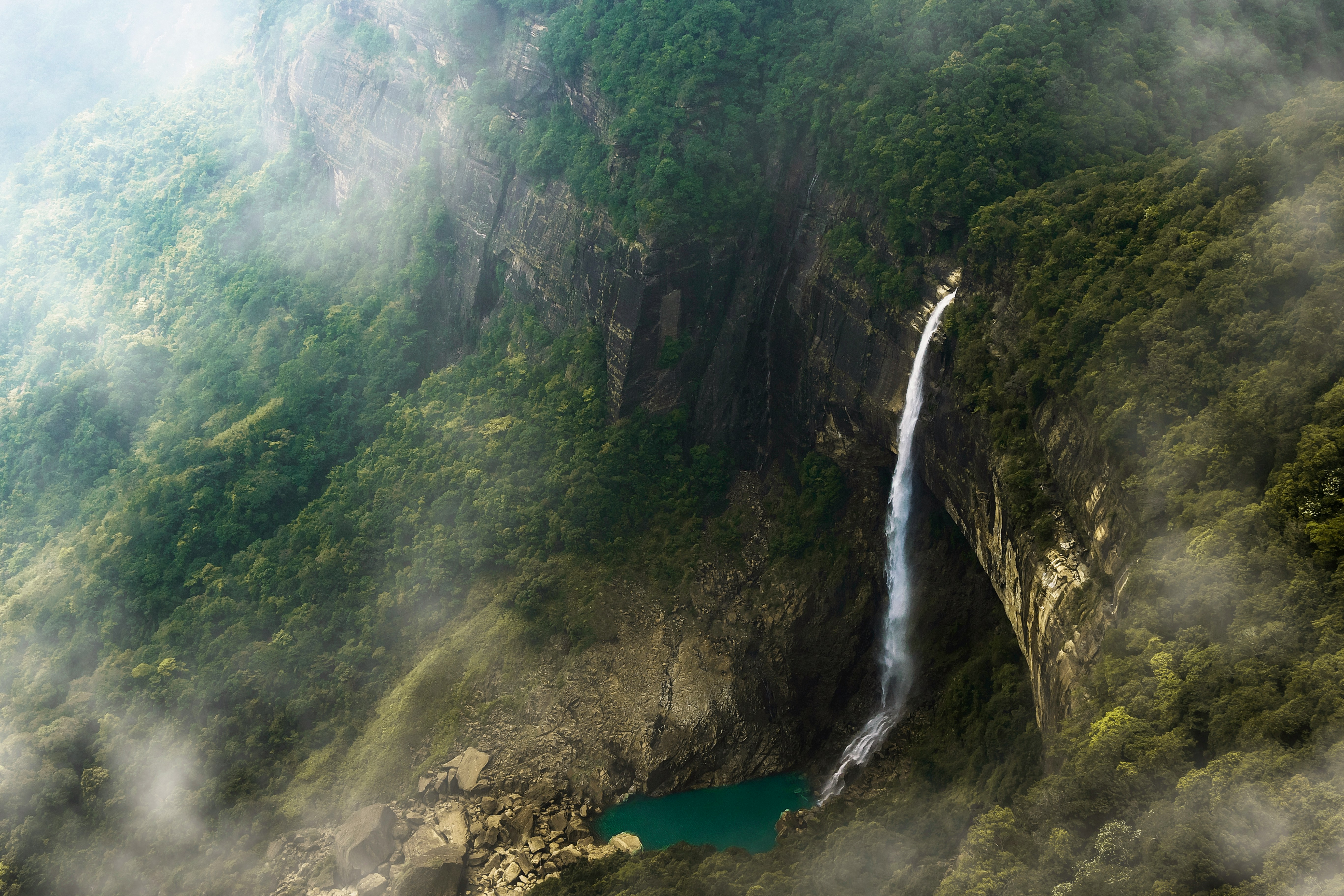
Northeast India
factsheet
Where mist-shrouded mountains meet lush green valleys, ancient tribes preserve timeless traditions, and pristine wilderness reveals nature's untouched splendor.
The Essentials
Best Time
Oct - Apr
Currency
INR (₹)
Climate
Subtropical to Alpine
Time Zone
IST (UTC+5:30)
Language
Assamese, English, Hindi
Travel Pass
Indian Passport / Visa
Major Cities
Guwahati, Itanagar, Shillong
Combined Population
55M+
STD Codes
+91-361 (Assam), +91-360 (AP), +91-364 (Meghalaya)
Power Plug
Type A, C, D, M (230V)
Tipping
Optional (₹50-100 appreciated)
Emergency
100 (Police), 101 (Fire), 102 (Ambulance)
History & Heritage
From Ancient Kingdoms to Modern India
Northeast India—Assam, Arunachal Pradesh, Meghalaya—represents India's cultural frontier. Ancient kingdoms (Ahom, Tezpur, Khasi), tribal heritage spanning millennia, colonial transformation, and modern integration into the Indian federation. Start planning your perfect Northeast India vacation to explore this region that preserves pristine forests, indigenous traditions, and a diverse ethnic tapestry unmatched in India.
Pre-Colonial Tribal Societies (2000 BC–13th Century)
Indigenous tribes—Khasi, Garo, Mishing, Apatani, Naga—thrived in forested regions. Sophisticated agrarian systems (jhum cultivation), tribal governance structures, oral traditions preserved. No written records but archaeological evidence confirms settlements. Sacred groves, animistic beliefs shaped sustainable ecosystems. Trade routes connected to Myanmar, China, Tibet.
Ahom Kingdom of Assam (1228–1826)
Ahom dynasty founded powerful kingdom in Assam valley. 600-year reign transformed region: irrigation systems, administration, military organization. Tai people (Thai-Kadai origin) assimilated into local culture. Peak power (16th–17th centuries) resisted Mughal expansion. Architecture: Ahom temples, palaces. Literature, music flourished. Ended with British conquest (1826).
Medieval Kingdoms & Tribal Confederacies (13th–18th Centuries)
Meghalaya: Khasi kingdom established matrilineal governance (unique to region). Garo, Jaintia kingdoms maintained independence. Arunachal Pradesh: Monpa, Naga kingdoms preserved traditional structures (headmanship, village councils). Limited external contact; internal autonomy maintained. Trade in spices, forest products.
British Colonial Period (1826–1947)
East India Company conquered Assam (1826); extended control to adjoining regions. British established tea plantations (Assam tea became world-famous). Infrastructure: railways, roads, colonial architecture. Indigenous populations marginalized; forest resources exploited. Hill tribes classified as 'scheduled tribes' (administrative designation). Resistance movements emerged (Assam Rebellion 1835–1851).
Independence & State Formation (1947–Present)
Assam independent state (1947); partitioned with Muslim-majority Sylhet to Pakistan (1947). Arunachal Pradesh acquired from China (1962 war); remained union territory until statehood (1987). Meghalya separated from Assam (1972); became independent state. Modern period: ethnic tensions, indigenous movements, development challenges. Preservation of tribal culture alongside modernization.
Spotlight: Kaziranga National Park—One-Horned Rhino Sanctuary
UNESCO World Heritage Site; 65% of world's one-horned rhinoceros population (2,600+ individuals). Founded 1908; became symbol of conservation success. Home to tigers, elephants, wild water buffalo. Monsoon floods (Brahmaputra river) reshape landscape seasonally. Jeep/elephant safaris iconic experience. Represents Assam's commitment to wildlife preservation despite human pressures.
Ahom Kingdom
1228–1826
600-year reign; resisted Mughal expansion
Khasi Matrilineal Society
Millennia-old
Unique property inheritance; women's rights
Cherrapunji Rainfall
11,777 mm/year
World's wettest place; Meghalaya identity
One-Horned Rhinos
2,600+
Kaziranga National Park; global significance
Climate & Time
Time Zone
Standard
IST (Indian Standard Time, UTC+5:30)
Difference
Same timezone throughout India
🎯 Best Months
October–April (dry season)
Climate
The climate in 3 Sisters varies significantly by region, offering a diverse range of weather conditions from coastal areas to mountain peaks.
Winter (Hemanto)
Dec – Feb
5–20°C (lowlands); -5 to 10°C (mountains)
Ideal tourist season. Clear skies, crisp air. Migratory birds (Kaziranga). Rhododendron blooms (Arunachal). Tribal festivals (Hornbill Festival December). Perfect trekking, wildlife viewing. Occasional snow (higher altitudes).
Spring (Vasant)
Mar – May
15–30°C
Flowers bloom (orchids, rhododendrons). Warmer, pleasant. Temple festivals (Ambubashi Mela). Garden season begins. Humidity increasing. Longer daylight. Adventure activities peak.
Monsoon (Barsha)
Jun – Sep
20–28°C
Heavy rainfall (Meghalaya world's wettest). Landslides common; roads treacherous. Lush green landscapes, waterfalls spectacular. Fewer tourists. Challenging trekking; roads damaged. Local festivals (Rongali Bihu harvest festival). Spiritual atmosphere.
Autumn (Sharad)
Oct – Nov
15–25°C
Monsoon retreats; skies clear. Golden landscapes, misty mornings. Tribal festivals (Hornbill, Nongkrem). Wildlife visible (post-monsoon abundance). Ideal conditions: trekking, wildlife safari. Moderate rainfall; improving roads.
Seasonal Packing List
Language Guide
Official Language
Assamese (Assam), English, Hindi (union languages); Khasi (Meghalaya), Monpa/Naga (Arunachal Pradesh)
Northeast India linguistically diverse; 300+ languages spoken. Assamese (13M speakers) major regional language. English widely understood (colonial legacy). Hindi presence increasing but often resisted (regional identity strong). Tribal languages endangered but preservation efforts active.
Local Signage
Essential Phrases
Hello
Namaste / Salaam
Thank you
Dhannyabad (Assamese) / Shukriya (Hindi)
Goodbye
Bey / Phir Milenge
Yes / No
Hoy / Noh
Please
Daya kora (Assamese)
Excuse me
Khomali dio / Maaf kijiye
How much?
Kimat koti? (Assamese) / Kitna hai?
Where is...?
...kote ache? (Assamese) / ...kahan hai?
Currency & Money
Official Currency
Indian Rupee
₹ (INR)
Exchange Rates
Denominations
Banknotes
₹10, 20, 50, 100, 200, 500, 2,000
Coins
₹1, 2, 5, 10
Culture & Vibes
Warm Hospitality with Deep Tribal Roots & Spiritual Connection
"Northeast Indian culture blends ancient tribal traditions, animistic spirituality, colonial influences, and modern identity. Warm, welcoming hospitality ('Atithi Devo Bhava'—guest is god). Strong community bonds, respect for nature, seasonal festivals central. Linguistic diversity, ethnic pride, indigenous governance models (tribal councils) unique."
Greetings & Respect
Namaste (palms pressed) traditional; handshakes increasingly common. Respect elders by touching feet (North India tradition less common; verbal respect sufficient). Direct eye contact shows honesty. Remove shoes when entering homes, temples, sacred spaces.
Religious & Sacred Sites
Dress modestly; cover shoulders, knees, head (temples, mosques, sacred groves). Remove shoes. Women cover head in temples. Sacred groves (Khasi belief systems): respect boundaries, photography restricted. Animistic sites: ask permission before entering.
Tea & Food Culture
Refusing tea, food deeply insulting (sacred hospitality). Accept at least one cup/plate. Assamese tea culture: strong chai with milk, spices. Sharing meals = friendship, trust. Always eat/drink with right hand (left considered unclean).
Family & Community
Family paramount; extended family networks strong. Tribal councils (Khasi 'Shnong,' Naga 'Morung') govern communities. Respect tribal elders, village headmen. Age hierarchy respected. Individual decisions often require family/community consensus.
Essential Dos
- • Remove shoes entering homes, temples, sacred groves.
- • Accept tea, food, gifts graciously; refusing insults hosts.
- • Learn basic Assamese greetings; locals deeply appreciate.
- • Respect tribal customs, festivals; ask before photographing.
- • Participate in community meals, celebrations if invited.
- • Support local artisans, small businesses; ethical tourism.
- • Follow 'leave no trace' principle; environmental respect paramount.
- • Interact respectfully with tribal communities; ask permission for photos.
Essential Don'ts
- • Don't photograph tribal people/children without explicit permission.
- • Don't disrespect sacred groves, burial sites, religious spaces.
- • Don't eat beef in Hindu areas; pork offends Muslims.
- • Don't enter temples with shoes, menstruating women (orthodox beliefs).
- • Don't point feet at people/sacred objects (disrespectful).
- • Don't refuse food/tea; deeply insulting.
- • Don't litter, damage environment; conservation central to tribal belief.
- • Don't discuss sensitive politics (regional autonomy, border issues).
Specific Etiquette
Business Etiquette
Business cards exchanged respectfully. Handshakes firm. First names used after invitation. Meetings begin with tea. Punctuality increasingly valued (urban areas). Rural areas relaxed; patience essential. Personal relationships = trust foundation.
Gifting Etiquette
Avoid knives (cutting friendship), clocks (death symbolism), leather (Hindu culture). Wrap gifts simply. Odd numbers preferred; even numbers (4, 6) inauspicious. Handmade, local items appreciated. Open gifts immediately; express gratitude.
Dining Etiquette
Eat/drink with right hand (left unclean). Wait for elders/honored guests to begin. Finish food (waste insulting). Compliment cook's skills. Meals leisurely; rushing rude. Rice, meat, vegetables staple. Alcohol present (rice beer) but respect regional preferences.
Flavors of the Northeast—Rice, Fish & Forest Harvests
Northeast Indian cuisine reflects tribal heritage, river abundance (Brahmaputra), monsoon harvests, and colonial influences. Rice staple; fish sacred (Brahmaputra, streams abundant). Tribal communities: fermented foods, bamboo shoots, organic vegetables. Fresh herbs, local spices (ginger, turmeric, chili) define flavor profile.

Assamese Pitha & Rice Cakes
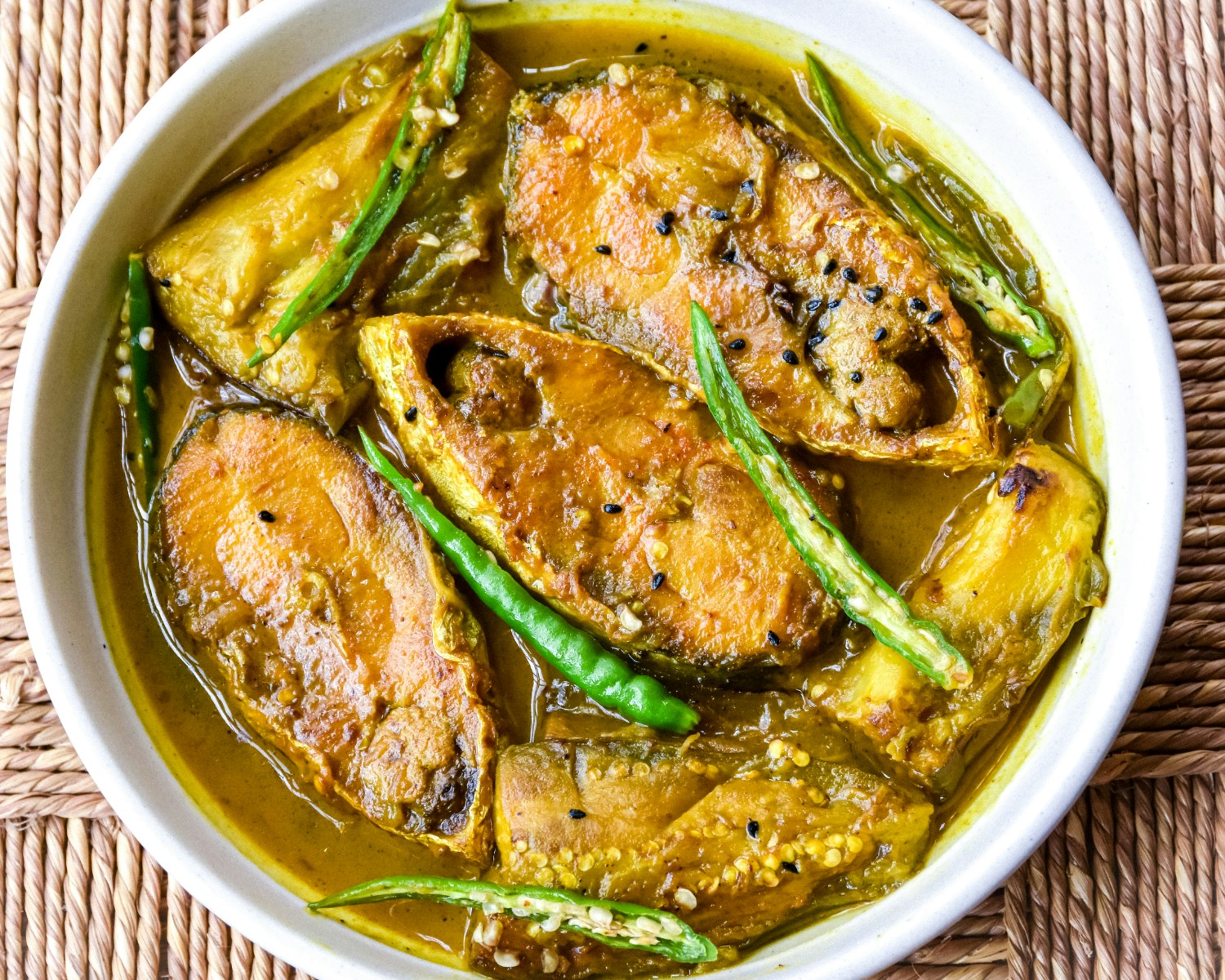
Fish Curry (Maas Tenga)
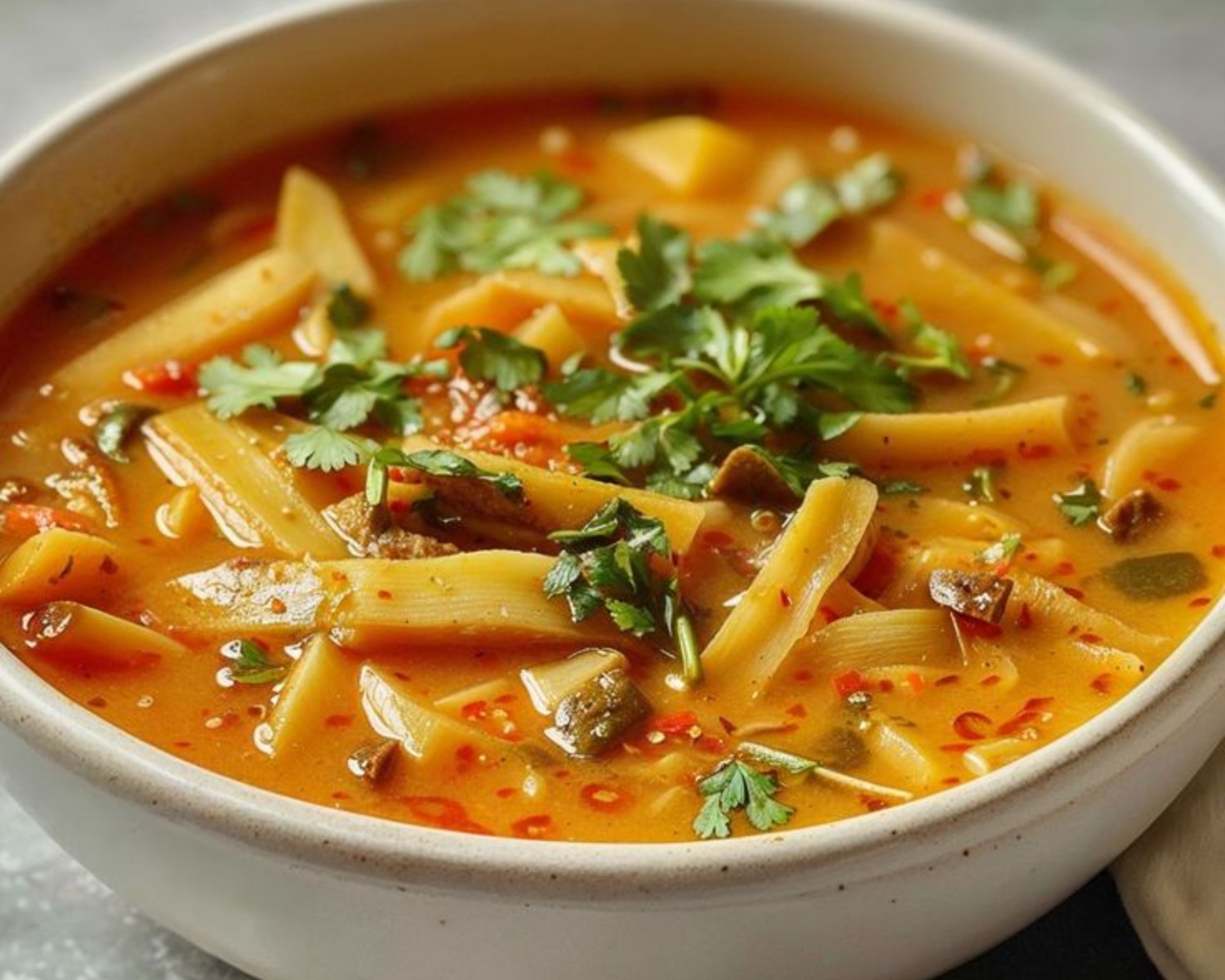
Bamboo Shoot Curry (Kosu)
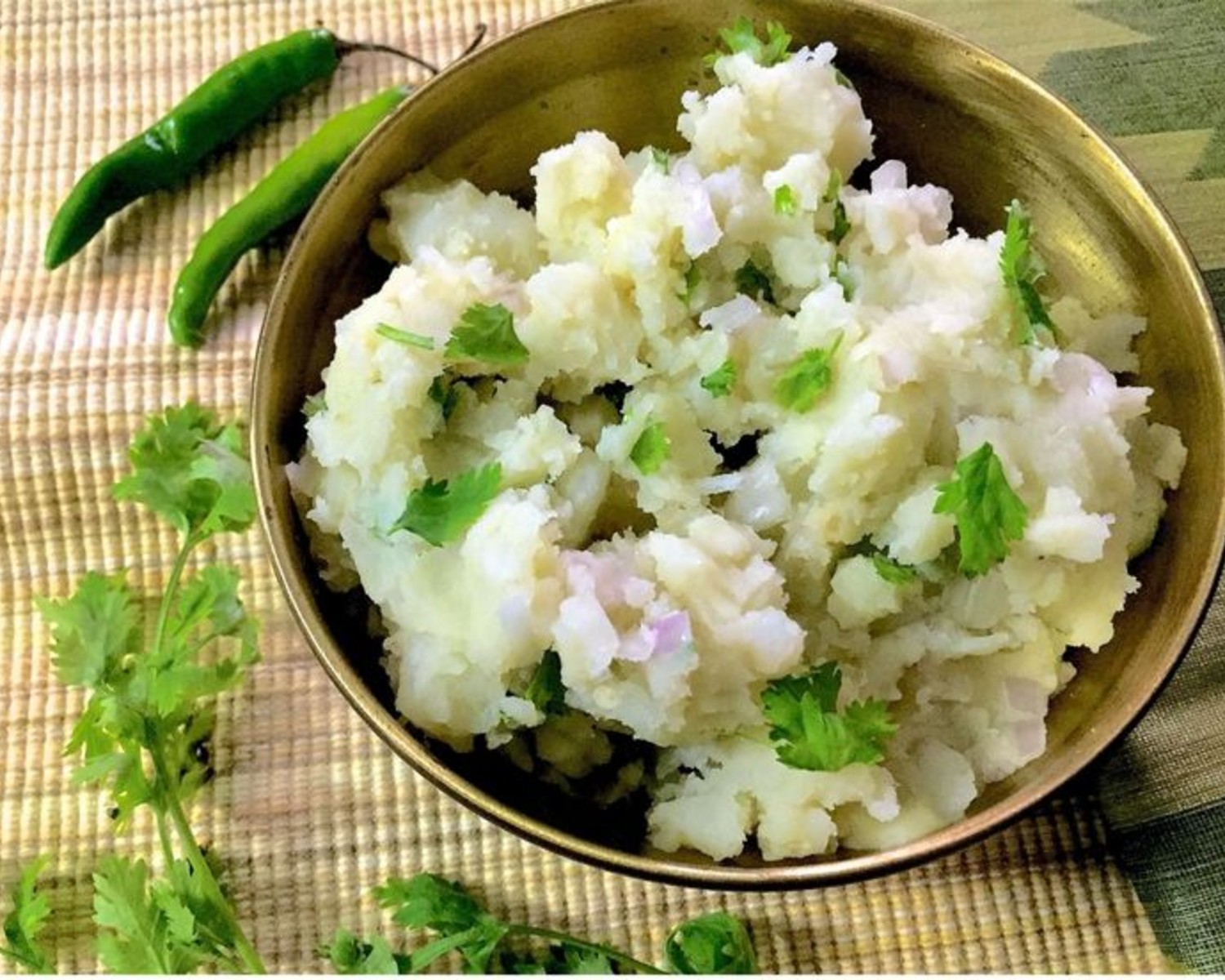
Alu Pitika (Mashed Potato Delicacy)
Omelette & Egg Curry (Assamese Style)
Assamese Thali (Complete Meal)
Khichdi & Luchi (Rice & Bread)
Where to Eat
Local Restaurants & Eateries
Traditional Assamese/tribal cuisine; family-run establishments. Authentic flavors, reasonable prices (₹150–350 per meal). Found in Guwahati, Shillong, Itanagar.
Street Food & Vendors
Pitha, alu pitika, fish curry, luchi stalls. Safe, delicious, authentic (₹30–100). Market areas, roadsides. Early morning, evening peak hours.
Homestays & Family Meals
Best authentic experience; home-cooked traditional cuisine. Homestay operators serve daily thali, special dishes. Highly recommended; ₹200–400 per meal. Personal, educational.
Cafés & Tea Houses
Tea culture; chai stalls ubiquitous. Modern cafés emerging (Guwahati, Shillong) serving coffee, snacks. Tea houses serve light meals (₹30–150).
Dining Etiquette
- •Eat/drink with right hand (left considered unclean; left-handed travelers politely allowed exception).
- •Wait for elders/honored guests to start eating.
- •Finish all food on plate (waste insulting; 'Anna Brahma' = food is sacred).
- •Compliment cook's skills generously.
- •Meals social, leisurely; rushing disrespectful.
- •Rice staple; fish/meat curry accompaniment.
- •Alcohol optional; respect regional preferences.
- •Tipping: not customary; rounding up appreciated (₹20–50 per meal).
Signature Drinks
Shop & Bring Home
Northeast India offers unique handicrafts, tribal art, tea, and handwoven textiles. Assam tea (world-renowned), Meghalaya betel nuts & spices, Arunachal Pradesh tribal artifacts. Shopping blends artisanal craftsmanship with modern convenience (urban malls).
Handicrafts & Tribal Art
- Khasi bamboo crafts (baskets, mats)
- Naga tribal artifacts (shields, spears, traditional jewelry)
- Handwoven shawls, scarves (Assamese designs)
- Terracotta items, wooden masks
Assam Tea & Spices
- Assam Tea (loose leaf, premium grades)
- Spices (ginger, turmeric, cinnamon from Assam)
- Honey from Assamese apiaries
- Bamboo shoots (dried)
Handwoven Textiles & Apparel
- Assamese mekhela chadors (traditional dress)
- Khasi handwoven shawls, scarves
- Naga traditional shawls with tribal motifs
- Cotton fabrics, handloom products
Souvenirs & Collectibles
- Tribal jewelry (beads, silver items)
- Bamboo lamps, decorative items
- Local art prints, photographs
- Tea-themed merchandise
Where to Shop (Local Hubs)
Guwahati Bazaar (Fancy Bazaar, Pan Bazaar)
Traditional Markets & Handicrafts
"Chaotic, vibrant traditional markets. Spices, tea, handicrafts, textiles. Local experience; bargaining expected. Crowded; watch belongings. Authentic atmosphere."
Assam State Handicraft & Handloom Emporium (Guwahati)
Government-Sponsored Crafts
"Official artisan store; authentic Assamese products. Fixed prices; quality guaranteed. Textiles, handicrafts, tea. Expensive but supports artisans directly."
Shillong Bazaar & Police Bazaar
Shopping Hub & Traditional Markets
"Meghalaya's main shopping area. Khasi crafts, handwoven items, local products. Police Bazaar = modern shops; traditional bazaar = artisan stalls. Mixed atmosphere; variety."
Ward Lake & Artisan Stalls (Shillong)
Scenic Shopping Area
"Picturesque lakeside area; artisan stalls, souvenir shops. Traditional Khasi items, jewelry, handicrafts. Tourist-friendly; reasonable prices; beautiful setting."
Itanagar Markets & Tribal Craft Centers
Arunachal Pradesh Tribal Art
"Authentic Arunachal Pradesh tribal items. Masks, traditional jewelry, handwoven scarves. Local artisans; direct purchasing supports communities. Unique, culturally significant."
On the Move
Main Airport
GAU (Guwahati)
22 km east; 20–30 min to city center
Taxi Apps
Ola, local apps
Available; reasonable rates
Railways
Guwahati Hub
Narrow gauge, broad gauge; scenic routes
Airport Arrival
Guwahati (Lokpriya Gopinath Bordoloi International Airport - GAU) primary gateway; 22 km east of city center. Dimapur (Nagaland), Imphal (Manipur) secondary. Guwahati: 20–30 min by taxi, 45–60 min by bus.
Travel Tech
Travel Tips
Book transport in advance (buses, trains); last-minute travel difficult.
Monsoon (June–Sep) roads treacherous; travel risky; delays common.
Cash essential; many areas lack card infrastructure.
Use Ola/Uber apps; transparent, safe; local taxis often overcharge.
Driving standards vary; professional drivers safer than self-driving.
Permits required for Arunachal Pradesh; arrange via tour operator.
Luggage security: keep belongings close; theft occasional.
Intercity Travel
Trains (Scenic Routes)
Guwahati hub: routes to Assam, Bengal, Northern India. Broad/narrow gauge; slow but scenic. ₹200–1,000+ depending on class/distance. Bookable via IRCTC app.
State Buses & Private Coaches
Government (ASRTC, ARUNRTC) & private operators. Guwahati to Shillong (3h), Itanagar (8h), hill stations. ₹150–500 depending on route, comfort. Frequent services.
Shared Minibuses (Sumo/Tempo)
Local transport between towns; shared seats. Cheap (₹100–300). Depart when full; unpredictable schedules. Authentic local experience; chaotic.
Car Rental & Private Drivers
International license required. Roads improving but conditions vary (monsoon treacherous). Rental + driver: ₹1,500–3,000 daily. Recommended for comfort, safety, flexibility.
BakıKart
No unified transit card; local systems vary. Guwahati: prepaid passes for city buses. Shillong, Itanagar: cash per journey.
Visa Entry
Indian Travel Documentation
For Indian citizens: State identity sufficient (no passport needed for domestic travel). For international visitors: Indian visa required (available at all countries' embassies). Arunachal Pradesh requires special 'Protected Area Permit' (inner line permit—ILP).
For Indians: Carry state photo ID (Aadhaar, Driving License, Voter ID, Passport).
For International visitors: Apply Indian visa at embassy/consulate or e-visa portal (indianvisaonline.gov.in).
For Arunachal Pradesh: Obtain ILP from Chief Secretary Office (Itanagar); tour operators assist. Alternatively, book with registered tour operator (they arrange permit).
Register at hotels/accommodations (auto-registered by management).
Restricted areas in Arunachal Pradesh require additional permits (climbing expeditions, remote areas).
Registration
Penalty: Non-registration no serious consequences for tourists; legally enforceable for visa overstay.
Entry Requirements
- • Valid passport (international travelers; 6+ months validity).
- • Passport photos (digital copy; specifications per visa type).
- • Completed visa application form.
- • Employment proof/student ID.
- • Travel itinerary, hotel bookings.
- • Bank statements (proving financial capacity).
- • Return flight ticket.
- • For Arunachal Pradesh: Employer/school letter (Indian citizens non-Northeast), ILP application.