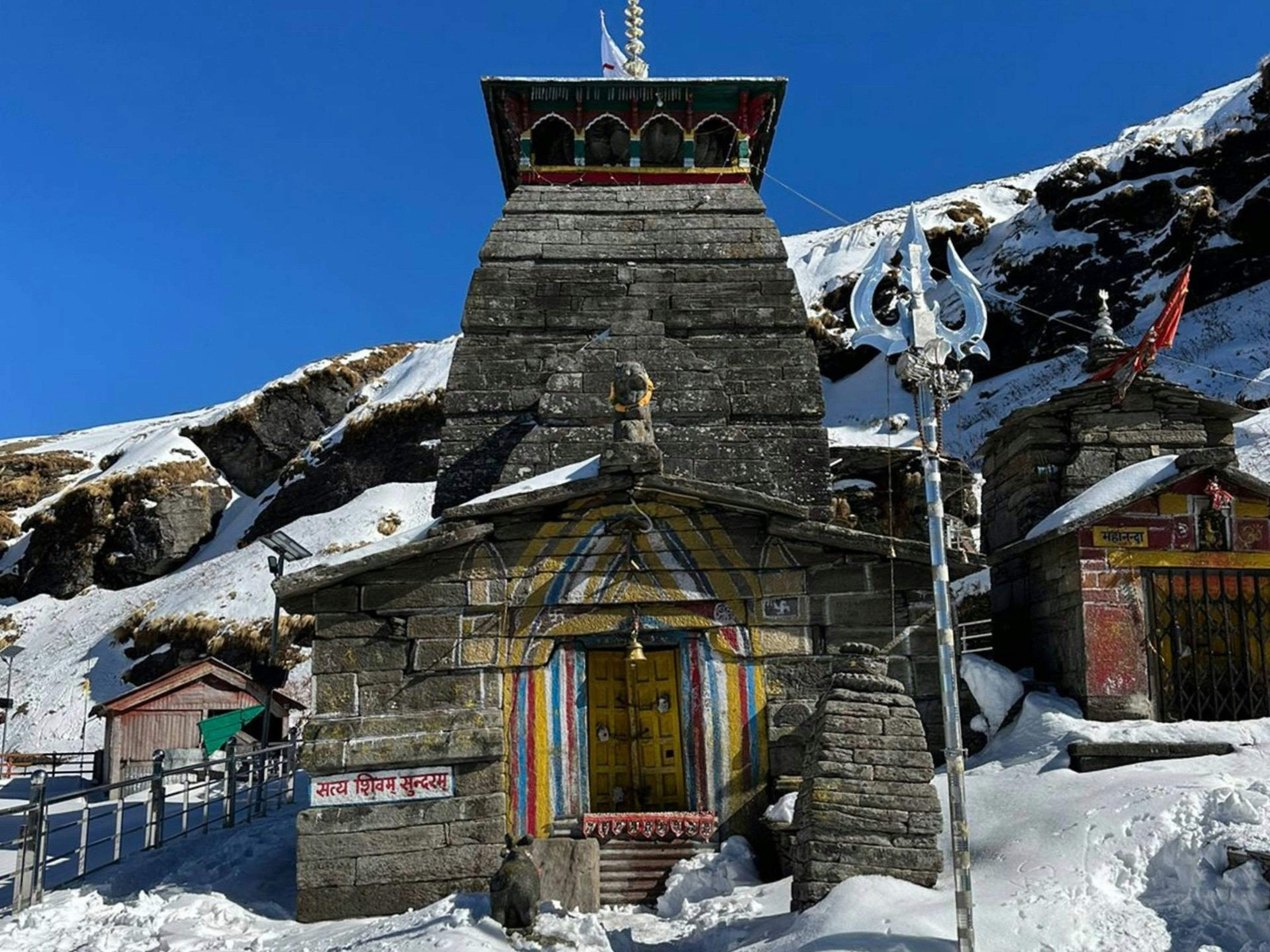
Uttarakhand
factsheet
The land of gods and mountains, where pilgrimage meets adventure, ancient temples touch the sky, and nature whispers eternal wisdom.
The Essentials
Best Time
Mar - Jun, Sep - Nov
Currency
INR (₹)
Climate
Alpine to Subtropical
Time Zone
IST (UTC+5:30)
Language
Hindi, Garhwali, English
Travel Pass
Indian Passport / Visa
Capital
Dehradun
Population
10.1M
STD Code
+91-135 (Dehradun), +91-1364 (Mussoorie)
Power Plug
Type A, C, D, M (230V)
Tipping
Optional (₹50-100 appreciated)
Emergency
100 (Police), 101 (Fire), 102 (Ambulance)
History & Heritage
From Ancient Kingdoms to Adventure Paradise
Uttarakhand—'Land of Gods'—spans 4,000+ years: ancient Hindu kingdoms, Buddhist monasteries, Vedic learning centers, British hill stations, independence struggle, and modern adventure tourism. As the sacred pilgrimage heartland, our Uttarakhand sightseeing tours explore this 'Devbhumi' (abode of gods) cultural identity where Himalayan spirituality is preserved.
Pre-Classical & Vedic Period (3000 BC–5th Century AD)
Vedic civilization flourished; Uttarakhand sacred geography (Himalayan pilgrimages). Ancient kingdoms: Kumaon, Garhwal ruled independently. Sacred texts composed; yoga, meditation traditions originated. Buddhist monasteries established (Nalanda connections). Archaeological evidence: ancient settlements, Ashoka edicts. Spiritual significance: Ganges source (Uttarkashi), sacred peaks.
Medieval Hindu Kingdoms (5th–12th Centuries)
Kumaon Kingdom, Garhwal Kingdom prospered. Temple construction peak: Kedarnath, Badrinath, Tungnath pilgrimage centers. Raja Harish Chandra (Garhwal) legendary ruler; architectural patronage. Local governance: village councils (Panchayat system). Trade routes connected Tibet, Nepal; merchant communities. Hindu pilgrimage circuit established; spiritual centers developed.
Islamic & Mughal Era (13th–18th Centuries)
Mughal expansion limited (mountains protected independence). Local kingdoms maintained autonomy; hill forts erected. Garhwal, Kumaon rulers negotiated tributary relationships. Cultural synthesis limited; Hindu traditions dominated. Architecture preserved (temples, forts). Trade with Central Asia, Tibet continued. Regional autonomy preserved until British conquest.
British Colonial Period (1815–1947)
East India Company conquered foothills (1815). British established hill stations: Mussoorie (1823), Nainital (1841), Almora (1862). Colonial administration; Dehradun military center. Infrastructure: railways (Himalayan narrow-gauge), roads, schools developed. Forest Service established (colonial exploitation). Hill station culture: British summer refuges. Local population marginalized; agricultural disruption.
Independence & Statehood (1947–2000)
Uttarakhand union territory initially; merged states (Garhwal, Kumaon). Independence movement strong; freedom fighters honored. Statehood achieved 2000 (2,500+ years unified). Administrative reorganization; pilgrimage infrastructure developed. Hydroelectric projects initiated. Tourism emerging; adventure activities developing. Environmental consciousness growing.
Modern Era—Pilgrimage & Adventure Tourism (2000–Present)
Uttarakhand transformed: pilgrimage destination, adventure tourism capital. Trekking, mountaineering, paragliding, river rafting, yoga retreats. Infrastructure development: roads, airports (Pantnagar), improved connectivity. Tech startups emerging (Dehradun IT hub). Environmental sustainability emphasized. Climate change challenges: glacier melting, floods (2013 Kedarnath disaster). Modern spirituality: yoga, wellness tourism flourishing.
Spotlight: Char Dham Pilgrimage—Sacred Quartet
Char Dham pilgrimage (4 sacred sites): Yamunotri (Yamuna source), Gangotri (Ganges source), Kedarnath (Shiva temple), Badrinath (Vishnu temple). 4,000+ year pilgrimage tradition; Hindu faith core. Located 3,000–4,000m elevation; extreme terrain. Accessibility seasonal (May–October); harsh winters. 2013 Kedarnath disaster tested resilience. Modern infrastructure improving pilgrimage; spiritual significance eternal. Sacred = national religious identity.
Sacred Temples
4,000+
Pilgrimage sites; spiritual centers
Char Dham Pilgrimage
4 Sites
Yamunotri, Gangotri, Kedarnath, Badrinath
Statehood
November 9, 2000
Separated from Uttar Pradesh
Capital
Dehradun
Gateway to Himalayas
Climate & Time
Time Zone
Standard
IST (Indian Standard Time, UTC+5:30)
Difference
Same timezone throughout India
🎯 Best Months
March–June (spring/early summer), September–November (autumn)
Climate
The climate in Uttarakhand varies significantly by region, offering a diverse range of weather conditions from coastal areas to mountain peaks.
Spring (Vasant)
Mar – May
15–25°C (lowlands); 5–15°C (hills)
Wildflower blooms (rhododendrons, orchids). Longer daylight, pleasant weather. Fruit blossoms. Adventure season begins. Perfect hiking, trekking. Clear mountain views. Festival season (Holi celebrations).
Summer (Garmi)
Jun – Aug
20–30°C (foothills); 10–20°C (hills)
Peak tourism season. Monsoon rains (lush green landscapes). Adventure activities peak. Alpine meadows blooming. Fewer clear days (clouds, rain). Landslides possible; roads damaged. Pilgrimage season (char dham).
Autumn (Sharad)
Sep – Oct
18–28°C (lowlands); 8–18°C (hills)
Ideal season; clear skies, crisp air. Golden landscapes. Visibility excellent (Himalaya stunning). Trekking optimal; weather stable. Fewer tourists than summer. Festivals (Diwali preparations).
Winter (Sardi)
Nov – Feb
5–15°C (lowlands); -10 to 5°C (hills); below -15°C (high altitude)
Heavy snowfall (3,000m+). Skiing season (Auli). Lower hill stations mild. Snow tourism. Many trekking routes closed. Roads treacherous; travel risky. Budget accommodations cheaper.
Seasonal Packing List
Language Guide
Official Language
Hindi (official); Garhwali, Kumaoni (regional); English widely understood
Hindi lingua franca (union language). Garhwali (Garhwal region), Kumaoni (Kumaon region) local languages. English prevalent (colonial legacy, education, tourism). Sanskrit learning centers preserve classical language. Local dialects endangered; preservation efforts active.
Local Signage
Essential Phrases
Hello
Namaste / Shukriya
Thank you
Dhannyavaad / Shukriya
Goodbye
Phir Milenge / Alvida
Yes / No
Haan / Nahi
Please
Kripaya / Mehrbani se
Excuse me
Kshama kijiye / Maaf kijiye
How much?
Kitna hai? / Kya kimat hai?
Where is...?
...kahan hai?
Currency & Money
Official Currency
Indian Rupee
₹ (INR)
Exchange Rates
Denominations
Banknotes
₹10, 20, 50, 100, 200, 500, 2,000
Coins
₹1, 2, 5, 10
Culture & Vibes
Spiritual Serenity with Mountain Adventure & Himalayan Hospitality
"Uttarakhand culture blends ancient Hindu-Buddhist traditions, Vedic spirituality, tribal heritage, British colonial influences, and contemporary adventure ethos. Warm hospitality ('Atithi Devo Bhava'—guest is god). Strong community bonds, respect for nature, pilgrimage central. Mountain simplicity; minimal materialism; close family ties."
Greetings & Respect
Namaste (palms pressed) traditional; handshakes increasingly common. Respect elders by touching feet (North Indian tradition). Direct eye contact shows honesty. Remove shoes entering homes, temples.
Temples & Sacred Sites
Dress modestly; cover shoulders, knees. Remove shoes; often provided racks. Women cover head (hair) in temples. Photography restricted in inner sanctums; ask permission. Pilgrimage sites: respectful behavior paramount.
Tea & Food Culture
Refusing tea, food insulting (sacred hospitality). Accept at least one cup/plate. Uttarakhand chai (with milk, spices) central to culture. Sharing meals = friendship, trust. Eat/drink with right hand (left considered unclean).
Mountain Respect & Nature
Mountains sacred ('Devbhumi'); treated with reverence. 'Leave No Trace' principle integral. Environmental respect paramount. Sacred peaks: photography restricted; spiritual significance honored.
Essential Dos
- • Remove shoes entering homes, temples, sacred sites.
- • Accept tea, food, gifts graciously; refusing insulting.
- • Learn basic Hindi greetings; locals deeply appreciate.
- • Respect sacred sites, temples, pilgrimage areas.
- • Support local artisans, small businesses; ethical tourism.
- • Follow 'Leave No Trace' principle; environmental respect paramount.
- • Participate in local festivals, celebrations if invited.
- • Interact respectfully with spiritual teachers, monks; listen, learn.
Essential Don'ts
- • Don't photograph people/monks without explicit permission.
- • Don't disrespect sacred mountains, temples, pilgrimage sites.
- • Don't eat beef in Hindu areas; pork offends Muslims.
- • Don't enter temples with shoes; menstruating women face restrictions (orthodox).
- • Don't point feet at people/sacred objects (disrespectful).
- • Don't refuse food/tea; insulting.
- • Don't litter, damage environment; conservation central.
- • Don't discuss sensitive politics (Uttarakhand autonomy, border issues).
Specific Etiquette
Business Etiquette
Business cards exchanged respectfully. Handshakes firm. First names used after invitation. Meetings begin with tea. Personal relationships = trust foundation. Dehradun business culture: relaxed, discussion-oriented.
Dining Etiquette
Eat/drink with right hand (left unclean). Wait for elders/honored guests to start. Finish all food (waste insulting; 'Anna Brahma' = food is sacred). Compliment cook's skills. Rice, dal, vegetables staple. Meals leisurely; rushing disrespectful.
Gifting Etiquette
Avoid knives (cutting friendship), clocks (death symbolism), leather (Hindu culture). Wrap gifts simply. Odd numbers preferred; even numbers inauspicious. Handmade, local items appreciated. Open gifts immediately.
Himalayan Cuisine—Mountain Flavors & Spiritual Simplicity
Uttarakhand cuisine reflects mountain geography: locally grown vegetables (potatoes, beans, leafy greens), local grains, minimal spice. Momos (Tibetan dumplings), thukpa (noodle soup), dal-bhaat staples. Organic, seasonal, fresh. Tea culture central; hospitality rituals around meals.
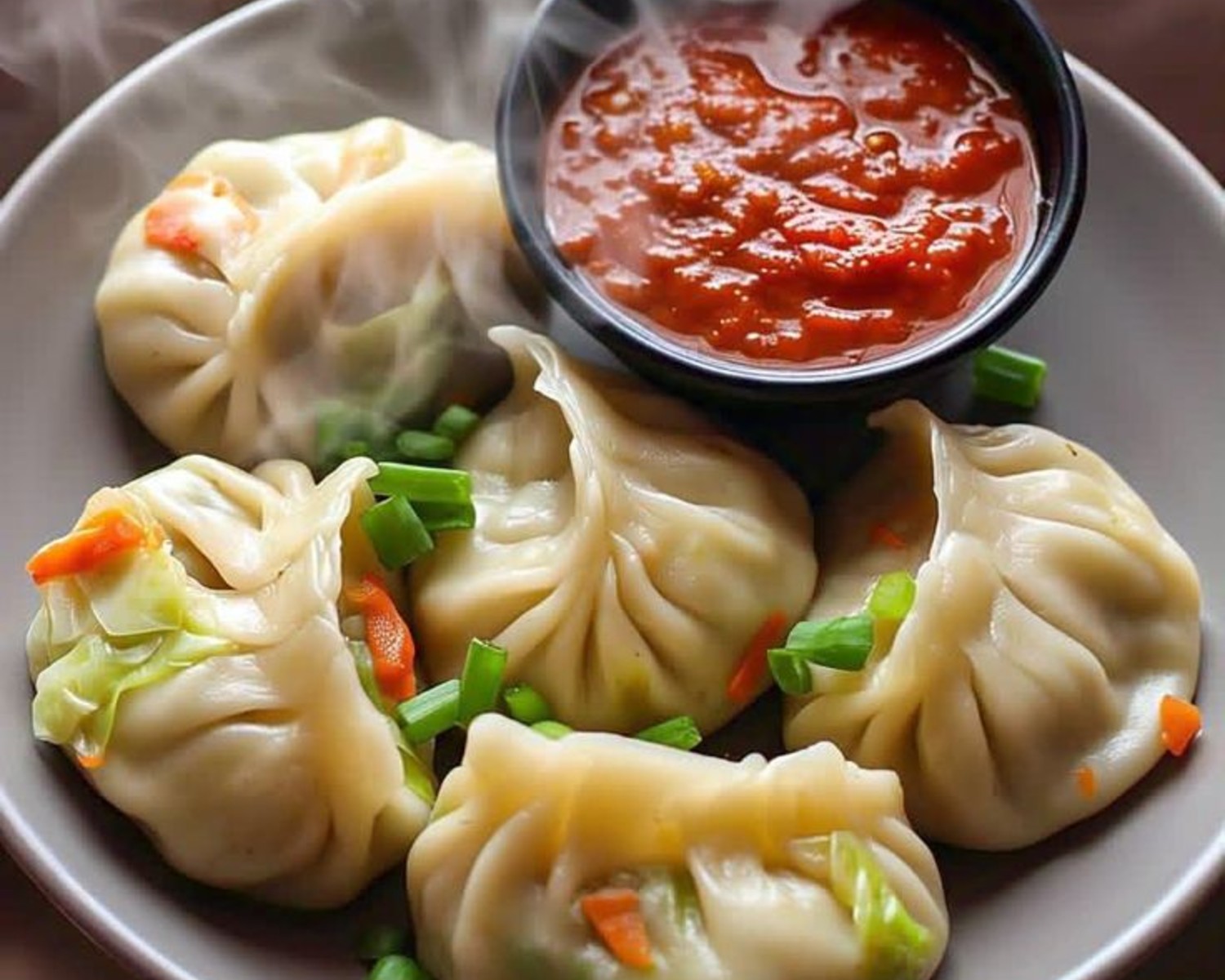
Momos (Dumplings)
Thukpa (Noodle Soup)
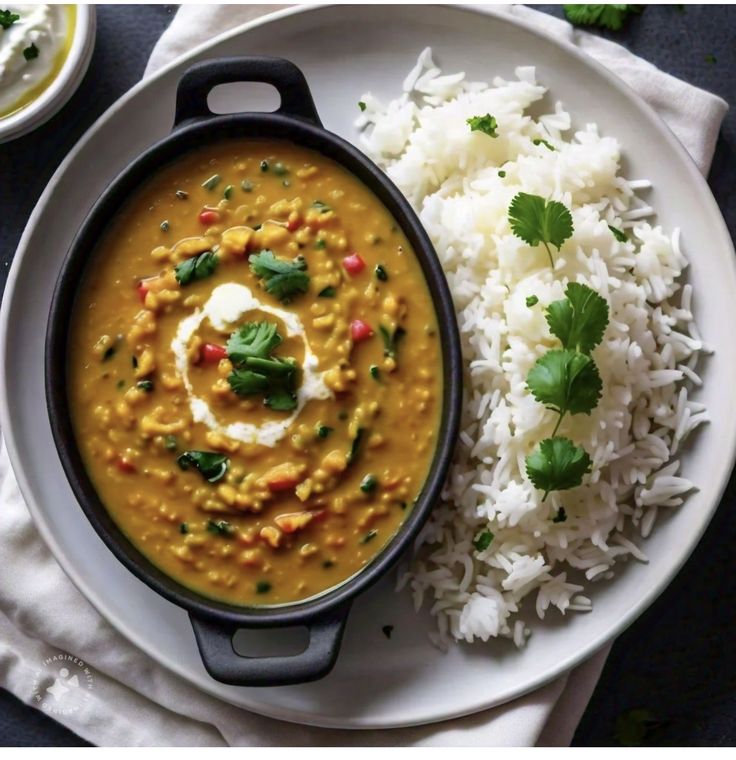
Dal-Bhaat (Lentils & Rice)
Aloo ke Parathas (Potato Bread)
Bhey (Bean Curry)

Trout (Mountain Fish)
Apple & Fruit Desserts
Where to Eat
Local Restaurants & Eateries
Traditional Himalayan cuisine; family-run establishments. Authentic flavors, reasonable prices (₹100–250 per meal). Dehradun, Mussoorie, hill stations scattered.
Homestays & Guesthouses
Best authentic experience; home-cooked meals. Traditional Himalayan cuisine. Highly recommended; ₹150–350 per meal. Personal, educational, family atmosphere.
Adventure Lodges & Cafés
Trekking lodges: simple, hearty meals. Mountaineering huts: basic provisions. Himalayan cafés: momos, thukpa, tea. Tourist-friendly (₹100–300).
Tea Shops & Dhabas
Traditional local eateries; cheap, authentic. Tea culture central; chai shops ubiquitous. Breakfast staple (parathas, dal). Budget-friendly (₹20–50).
Dining Etiquette
- •Eat/drink with right hand (left unclean; left-handed travelers exception allowed).
- •Wait for elders/honored guests to start eating.
- •Finish all food on plate (waste insulting; 'Anna Brahma' = food is sacred).
- •Compliment cook's skills generously.
- •Meals leisurely; rushing disrespectful.
- •Rice/dal staple; vegetables seasonal accompaniment.
- •Tea ritual: accept offered tea (refuse insulting).
- •Tipping: not customary; rounding up appreciated (₹20–50 per meal).
Signature Drinks
Shop & Bring Home
Uttarakhand offers unique handicrafts, handwoven textiles, wooden artifacts, Himalayan honey, local tea. Shopping supports artisans; ethical sourcing emphasized. Dehradun, Mussoorie blend modern malls with traditional bazaars.
Handicrafts & Wooden Artifacts
- Wooden masks, figurines (traditional crafts)
- Hand-carved boxes, decorative items
- Tribal artifacts
- Traditional musical instruments
Handloom Textiles
- Traditional shawls, scarves (hand-woven)
- Wool blankets, throws
- Traditional dress items (Garhwali attire)
- Embroidered fabrics
Himalayan Honey & Local Products
- Pure organic honey (local bees)
- Herbal honey preparations
- Apple products (jams, pies)
- Local spices, dried herbs, tea
Souvenirs & Local Items
- Hill station-themed items
- Mountain-crafted artifacts
- Temple souvenirs
- Uttarakhand magnets, postcards
Where to Shop (Local Hubs)
Paltan Bazaar (Dehradun)
Traditional Shopping District
"Historic market; textiles, handicrafts, spices. Local atmosphere. Negotiable prices; traditional bargaining. Ethnic diversity; cultural experience."
Mussoorie Mall Road
Colonial-Era Shopping
"Historic shopping street; boutiques, handicraft shops, restaurants. Colonial charm. Fixed prices; premium positioning. Pleasant, tree-lined, cool weather."
Nainital Shopping District
Lake Town Shopping
"Local shops, handicrafts, souvenirs. Lake-side atmosphere. Tourist-oriented; prices variable. Negotiable in bazaars; fixed in malls."
Government Emporium (Dehradun)
Official Handicraft Center
"Handicrafts, textiles, artifacts. Government-supported artisans. Fixed prices; fair trade. Quality certified; investment pieces."
Local Farmers' Markets
Organic Produce Hub
"Apples, honey, local vegetables. Farm-to-market freshness. Negotiable; organic certification. Support local economy."
On the Move
Main Airports
DED (Dehradun), PAN (Pantnagar)
Regional hubs; Delhi connections
Taxi Apps
Ola (limited)
Dehradun available; limited elsewhere
State Transport
UTRTC Buses
Inter-state regional routes
Airport Arrival
Indira Gandhi International Airport (Delhi, IGI): 240 km; 5–6 hours drive to Dehradun. Pantnagar Airport (Uttarakhand, PAN): 50 km; 2 hours to Nainital. Jolly Grant Airport (Dehradun, DED): 30 km. Dehradun primary hub.
Travel Tech
Travel Tips
Book transport in advance (buses, pilgrimages); last-minute travel difficult.
Monsoon (June–Sept) roads treacherous; travel risky; landslides common.
Cash essential; rural areas lack card infrastructure.
Use Ola app in Dehradun; transparent, safe.
Mountain roads narrow, steep; professional drivers safer than self-driving.
Weather variable; misty mornings; visibility poor.
Trekking boots essential (muddy terrain).
Char Dham pilgrimages: book guides, porters in advance; extreme terrain.
Intercity Travel
State Buses (UTRTC)
Uttarakhand Road Transport Corporation; regional routes. Dehradun to Mussoorie (2h), Nainital (5h), Kedarnath (10h). ₹200–600 depending on route. Frequent, budget-friendly.
Private Coaches
Private operators; longer routes (Delhi connections, Char Dham pilgrimages). Dehradun to Delhi (6h), Shimla (8h). ₹400–1,000 comfort varies.
Shared Minibuses & Sumo
Local transport between towns; shared seats. Cheap (₹100–400). Depart when full; unpredictable schedules. Authentic local experience.
Private Cabs & Personal Drivers
Best customized tours, pilgrimage routes, trekking bases. Hotels arrange. ₹2,000–5,000 per day. Comfortable; flexible timing; highly recommended.
BakıKart
No unified transit card. Dehradun: local buses (cash payment). Hill stations: local taxis, private transport. Uttarakhand: regional variation.
Visa Entry
Indian Travel Documentation
For Indian citizens: State identity sufficient (no passport needed for domestic travel). For international visitors: Indian visa required (available at all countries' embassies). No special permits required for Uttarakhand (unlike Arunachal Pradesh).
For Indians: Carry state photo ID (Aadhaar, Driving License, Voter ID, Passport).
For International visitors: Apply Indian visa at embassy/consulate or e-visa portal (indianvisaonline.gov.in).
Register at hotels/accommodations (auto-registered by management).
Inner Line Permit (ILP): NOT required for Uttarakhand (unlike Arunachal Pradesh, Mizoram).
Registration
Penalty: Non-registration no serious consequences for tourists; legally enforceable for visa overstay.
Entry Requirements
- • Valid passport (international travelers; 6+ months validity).
- • Passport photos (digital copy; specifications per visa type).
- • Completed visa application form.
- • Employment proof/student ID.
- • Travel itinerary, hotel bookings.
- • Bank statements (proving financial capacity).
- • Return flight ticket.
- • Travel insurance (recommended).