Why Choose England
Discover the best London tourist destinations in England, which boasts of famous landmarks such as Buckingham Palace and the Tower of London that make up its unique geographical landscape. As the number of tourists to England continues to grow, making it one of the most popular destinations among foreign visitors, with an astonishing influx of more than half-a-million tourists from India alone, now is the best time to visit UK and experience the place that gave birth to international culture.
London: A City of Superlatives
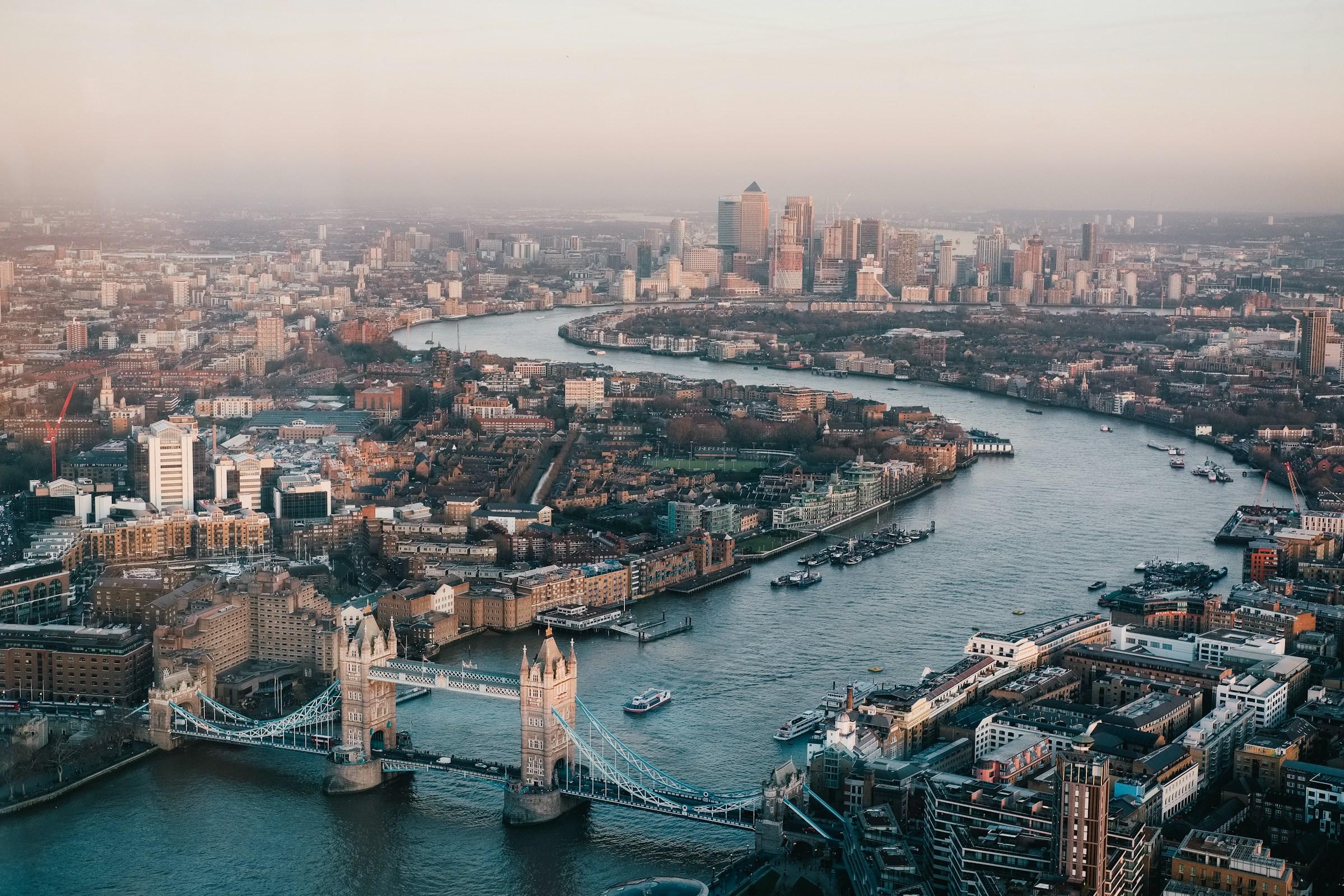
London captivates as one of the world's most dynamic cities, where the Thames flows past iconic monuments at every turn. Big Ben's Gothic splendor dominates the Houses of Parliament. The Tower of London, standing for 1,000+ years, holds the Crown Jewels and reveals centuries of royal drama. Tower Bridge's Victorian engineering creates Instagram-worthy views. Westminster Abbey, where monarchs are crowned, preserves medieval architecture alongside royal tombs of centuries past. Buckingham Palace—official royal residence—hosts the famous Changing of the Guard ceremony daily. The London Eye offers 360° perspectives over the sprawling metropolis. Museums—British, Natural History, V&A—offer free admission to world-class collections. Markets—Camden, Borough, Portobello—overflow with local character. From Notting Hill's pastel-painted charm to Covent Garden's street performances, London feels like stepping into centuries of living history.
Medieval Castles & Royal Pageantry
England's castles represent architectural ambition across centuries. Windsor Castle, the oldest occupied royal residence (900+ years), sits majestically above the Thames. Its state rooms, where royal functions occur, showcase the finest interior design and artworks. The castle's Long Walk offers dramatic approaches through grounds. Stonehenge, the prehistoric mystery, predates Roman Britain by 1,500+ years—aligned with celestial patterns, it whispers of ancient knowledge. Canterbury Cathedral showcases Gothic architecture begun in 1070, where pilgrims have journeyed for centuries. Hampton Court Palace reveals Tudor opulence from Henry VIII's era. Leeds Castle, 'the loveliest castle in the world,' reflects in moat waters surrounded by 500 acres of parkland. These castles aren't museum exhibits—they're lived-in, working residences where royal ceremonies continue. Visiting involves experiencing history not as past but as present—where traditions endure and pageantry marks the national calendar.
Literary & Cultural Landmarks
England breathes literature. Shakespeare's Stratford-upon-Avon pilgrimage visits his birthplace, where his words still resonate in performances at the Royal Shakespeare Company. Sherlock Holmes' fictional 221B Baker Street draws devotees seeking mystery and Victorian London. Harry Potter filming locations—Platform 9¾ at King's Cross, Alnwick Castle—connect literary imagination to physical reality. The British Library holds original manuscripts—Beatles lyrics, Shakespeare folios, medieval illuminated texts. Oxford and Cambridge Universities, centuries-old intellectual centers, shaped global thought through brilliant minds. Highclere Castle from 'Downton Abbey,' Jane Austen's home, the Brontë parsonage—literary pilgrimages dot the landscape. West End theatre—London's Broadway equivalent—offers West End shows where audiences experience contemporary and classical drama in ornate Victorian theatres. Bookshops like Notting Hill's legendary locations inspire devotion. England is where language itself originated, evolved, and conquered the world—visiting means touching the source.
Countryside & Natural Beauty
Beyond London, England's countryside reveals pastoral perfection. The Lake District, a UNESCO World Heritage Site, captivates with dramatic mountain scenery, pristine lakes, and charming villages. Windermere—England's largest lake—invites cruises, sailing, and kayaking surrounded by steep peaks. Hiking trails range from gentle lake walks to challenging mountain ascents like Scafell Pike (England's highest point). The Cotswolds offer rolling hills, honey-colored stone villages, and countryside charm that inspired centuries of artists. The cliffs of Cornwall plunge dramatically into turquoise Atlantic waters—perfect for coastal walks and adventure. The Pennines, North York Moors, and South Downs National Park offer hiking paradise. Hadrian's Wall walks trace Roman fortifications across northern landscapes. Garden tourism flourishes—Kew Gardens, Lost Gardens of Heligan, Sissinghurst Castle Garden—showcase botanical splendor. This countryside contrast with urban sophistication makes England uniquely complete—you can experience Medieval cathedrals by morning and pastoral walks by afternoon.
Affordable World-Class Culture
England offers exceptional value through free world-class museums. The British Museum's collection spans continents and millennia—Egyptian mummies, Greek sculptures, Chinese artifacts, the Rosetta Stone—all free to explore. The Natural History Museum staggers visitors with dinosaur skeletons and blue whales. The V&A (Victoria & Albert) showcases decorative arts from medieval to contemporary. The National Gallery displays masterpieces by Van Gogh, Turner, Constable at no cost. This commitment to public access means visitors experience world-class culture without premium admission fees. Accommodation offers choices at every budget level. Pubs serve hearty meals—fish and chips, steak pies, ploughman's lunches—at reasonable prices. London offers free walking tours where guides' expertise gets shared for voluntary contributions. This combination—free museums, affordable food, reasonable attractions—makes England accessible to travelers of all budgets.
British Warmth & Cultural Hospitality
Despite stereotypes of British reserve, the reality is more nuanced. Pub culture invites strangers into conversation over pints. Locals offer directions with genuine helpfulness. Tea culture creates daily rituals of conversation and connection. Hotels and Airbnbs feature personalized service. Restaurants offer table-side attention. The tradition of afternoon tea—scones, clotted cream, tea service—embodies hospitality rituals. Festivals celebrate community—Glastonbury, Edinburgh Fringe, Chelsea Flower Show—where strangers bond over shared passions. The monarchy itself, though distant, inspires national pride and ceremonial excellence that makes visitors feel welcomed into something grand. Indian visitors specifically report above-average recommendation rates—86% of Indian visitors say they'd recommend Britain, higher than the 82% market average. This suggests English warmth resonates particularly with Indian travelers, perhaps through linguistic kinship and cultural appreciation.
Key Highlights
The essential soul of England.
London's Iconic Landmarks
Experience the world's most famous city where royal palaces, Gothic monuments, and modern marvels converge.
London's landmarks form a global icon recognized everywhere. Big Ben (officially the Elizabeth Tower after 2012 renaming) houses the world's most famous clock, marking time since 1859. The Houses of Parliament, designed in ornate Gothic Revival, symbolize democratic governance. Westminster Abbey, begun in 1066, is where monarchs are crowned—40 monarchs lie entombed within its walls. The Tower of London, built by William the Conqueror in 1066, remains one of the most visited attractions—the Crown Jewels, held within, represent monarchical power. Tower Bridge (1894) combines Gothic towers with Victorian engineering, creating one of the world's most photographed bridges. The London Eye, a massive observation wheel added in 2000, offers 360° views over 55 kilometers on clear days. Buckingham Palace—375 rooms housing the official royal residence—hosts the Changing of the Guard daily at 11 AM. St. Paul's Cathedral, where Prince Charles married Diana, features the famous Whispering Gallery. These landmarks, built across centuries, aren't museum pieces—they function as living monuments where ceremonies, functions, and democratic processes continue. Visiting involves experiencing active heritage, not static preservation.
Quick Facts
Big Ben clock tower took 16 years to build (1844-1859) and required precision engineering—the clock faces are 7 meters in diameter with hands 2.7 and 4.2 meters long
The Tower of London, built 1066, has guarded the Crown Jewels since 1303—now includes 21 crowns, scepters, and regalia worth billions of pounds
Westminster Abbey contains 3,300+ burials including 17 monarchs, making it one of the most historically significant burial sites in history
Stonehenge & Ancient Mysteries
Unravel the mysteries of Europe's most famous prehistoric monument and ancient religious site.
Stonehenge stands as one of humanity's greatest mysteries—erected around 3000 BC, its purpose remains hotly debated. The megaliths, massive sarsen stones (some weighing 25 tons) positioned with astronomical precision, suggest sophisticated knowledge of celestial mechanics. Theories range from religious temple to burial ground to astronomical observatory. The monument's alignment with summer and winter solstices supports astronomical function. Archaeological discoveries reveal that construction spanned centuries, with multiple building phases suggesting evolving religious significance. The stones themselves were transported from quarries 30 kilometers away—requiring engineering knowledge, labor organization, and spiritual motivation. Visiting Stonehenge involves walking among these ancient stones, sensing the energy and mystery that inspired countless interpretations. The visitor center provides archaeological context, explaining theories and discoveries. The surrounding landscape—Salisbury Plain—was sacred ground, dotted with Bronze Age barrows (burial mounds) and other mysterious earthworks. Modern Stonehenge experiences include summer solstice gatherings (20,000+ people witness sunrise together) or peaceful winter visits with minimal crowds. Standing before these stones, visitors connect with ancestors who gazed at the same stars, asked similar existential questions, and created monuments to mark cosmological significance. The archaeological mystery makes Stonehenge more powerful than solved monuments.
Quick Facts
Stonehenge's construction began around 3000 BC and continued through multiple phases for 1,500+ years, suggesting evolving religious and astronomical purposes
The sarsen stones (outer ring) weigh 25 tons each and were transported 30 kilometers from Marlborough Downs, suggesting sophisticated logistics and engineering
The monument aligns precisely with the summer solstice sunrise—on June 21, the sun rises directly above the Heel Stone, visible from the monument's center
Lake District & Alpine Beauty
Explore England's most stunning mountain scenery, lakes, and hiking paradise.
The Lake District, a UNESCO World Heritage Site in northwest England, captivates with dramatic mountain scenery, pristine lakes, and charming villages. Formed during the Ice Age, the landscape reveals glacial valleys, cascading waterfalls, and steep peaks. Windermere, England's largest lake (17 kilometers long), invites cruises, sailing, kayaking, and water sports. Coniston Water offers similar aquatic adventures with quieter vibes. Derwentwater—described as the Lake District's most beautiful lake—features seven islands and is surrounded by dramatic peaks. Scafell Pike (978 meters), England's highest mountain, challenges hikers with rewarding views. Catbells offers easier ascents with spectacular panoramas. Trails vary from gentle lakeside walks (suitable for all ages) to challenging mountain scrambles. Villages like Ambleside, Keswick, and Grasmere provide literary connections—Wordsworth lived here, writing poems inspired by daffodils and mountains. The region's accommodation ranges from budget hostels to luxury lakeside hotels. Adventure activities expand beyond hiking—rock climbing, abseiling, Via Ferrata climbing at Honister slate mine, paragliding, kayaking, wild swimming. The dramatic scenery inspired the Romantic poets—Wordsworth, Coleridge, Shelley—who found transcendence in nature. Visiting the Lake District means combining physical adventure with cultural history, natural beauty with literary inspiration. Weather remains unpredictable—bringing layers and waterproofs ensures comfort through rapidly changing conditions.
Quick Facts
The Lake District covers 2,362 square kilometers and was designated England's first national park in 1951, protecting pristine landscape and communities
Windermere stretches 17 kilometers long and reaches 67 meters depth, making it a focal point for water sports—sailboats, steamers, kayaks, and water skiers share the lake
Scafell Pike stands 978 meters high and represents the highest mountain in England—the ascent via Scafell Pike takes 3-4 hours with increasingly steep terrain
Royal Castles & Medieval Heritage
Walk through centuries of royal history in England's most impressive castles and fortresses.
England's castles represent architectural ambition across centuries, from Norman fortresses to Tudor palaces. Windsor Castle, the oldest occupied royal residence (940+ years of continuous use), dominates the Thames from its hilltop perch. The State Rooms showcase art collections rivaling major museums. St. George's Chapel houses royal tombs and conducts royal weddings and ceremonies. The Long Walk, a 4-kilometer tree-lined avenue, offers dramatic approaches to the castle. Hampton Court Palace, built by Henry VIII, reveals Tudor opulence with 280 rooms, intricate gardens, and the famous hedge maze. The State Apartments showcase royal furnishings and paintings. Canterbury Cathedral, begun 1070, represents Gothic architecture at its finest—the cathedral where Thomas Becket was murdered in 1170 (a defining medieval moment). Leeds Castle, described as 'the loveliest castle in the world,' sits on two islands within a moat surrounded by 500 acres of parkland. Tower of London, built 1066, begins with William the Conqueror and continues through modern times—the Crown Jewels remain the primary draw, but tours reveal medieval architecture, prison histories, and ghost stories. These aren't historical museums alone—they're working residences where royal functions, ceremonies, and contemporary life continue. Royal weddings still occur in these chapels, state dinners still grace these tables, and the monarchy's presence remains tangible, making these castles feel alive rather than archived.
Quick Facts
Windsor Castle spans 52,609 square meters (largest occupied castle in the world) and has been continuously occupied for 940+ years—the royal residence where Elizabeth II spent weekends
Hampton Court Palace contains 1,314 doors and 52 staircases, with 280 rooms showcasing architectural ambition from Henry VIII's era and requiring 200+ staff to maintain
Leeds Castle has hosted royalty for 900+ years (since 1119) and remains owned by private trusts—state visits and royal dinners still occur in its magnificent halls
Literary Heritage & Cultural Sites
Walk in the footsteps of legendary writers and experience England's literary landscape.
England breathes literature. Shakespeare's Stratford-upon-Avon is a pilgrimage site for literature devotees—his birthplace, now a museum, displays the rooms where he lived. The Royal Shakespeare Company performs his works in a modern theatre, where his words resonate across centuries. Sherlock Holmes' fictional 221B Baker Street draws devotees seeking Victorian London atmosphere—the museum recreates his sitting room with props from the novels. Harry Potter locations include Platform 9¾ at King's Cross Station (actually Platform 8 and 9 combined), Alnwick Castle (Hogwarts exterior), and Glenfinnan Viaduct. Oxford and Cambridge Universities shaped global intellectual history—touring the colleges (Christ Church, King's, Trinity) reveals where C.S. Lewis, Stephen Hawking, and countless brilliant minds studied and taught. The Brontë Parsonage in Haworth preserves Charlotte, Emily, and Anne Brontë's home and manuscripts. Jane Austen's home in Chawton is a modest cottage where she wrote some of her finest novels. The British Library holds original manuscripts—Shakespeare folios, Beatles lyrics, Magna Carta—where literary and historical artifacts sit protected. Westminster Abbey contains monuments and tombs of poets—Chaucer, Browning, Tennyson—among the writers honored there. West End theatre offers London equivalents to Broadway—Victorian theatres hosting contemporary and classical drama. Scotland Yard inspired detective fiction. Cornwall inspired gothic novels. Every region claims literary connections, making England a living literature museum where fiction connects to geography and history.
Quick Facts
Shakespeare wrote 37 plays and 154 sonnets during his lifetime (1564-1616), producing works that shaped English language and continue globally—more than any other author
Sherlock Holmes, fictional character created 1887, has inspired more adaptations and continuing interpretations than any other character—Baker Street remains a pilgrimage destination
The British Library holds 170 million items including original Shakespeare First Folio (1623), Beatles handwritten lyrics, Magna Carta, and Dead Sea Scrolls fragments
Food & Tea Traditions
Experience English culinary traditions from afternoon tea to pub classics.
English food culture centers on tradition, comfort, and ritual. Afternoon tea—served 3-5 PM—is a quintessential experience involving loose-leaf tea, scones with clotted cream and jam, finger sandwiches (cucumber, smoked salmon, egg salad), and petit fours. Grand hotels like Fortnum & Mason and the Ritz serve afternoon tea in ornate settings, though local tea rooms offer accessible versions. The Sunday roast—traditionally beef, lamb, chicken, or pork with roast potatoes, vegetables, and gravy—brings families together for meals prepared with care and pride. Fish and chips, Britain's national dish, originated in the 1860s and remains a beloved takeaway found in 10,500+ chip shops ('chippys'). The battered fish and thick-cut chips, served with malt vinegar and mushy peas, satisfy cravings at seaside towns or urban streets. Pub culture—gastropubs serving elevated comfort food alongside traditional ales—represents social life. Steak and ale pies, bangers and mash (sausages and mashed potatoes), shepherd's pie, toad in the hole, ploughman's lunch—these dishes embody working-class heritage now celebrated nationally. Full English breakfast includes fried bacon, eggs, sausages, baked beans, grilled tomatoes, mushrooms, and toast—a hearty start to the day. Cornish pasties—crescent-shaped pastries filled with beef, potatoes, onion, and rutabaga—originated as mining food but remain beloved throughout. British cheeses (Cheddar, Stilton, Wensleydale), ales (Guinness, Newcastle Brown), and ciders complete the culinary experience. Tea culture pervades daily life—'builders' tea' (strong, milky, sugary) contrasts with delicate refined teas. Visiting England means experiencing these food rituals not as tourist performances but as living traditions that structure social life.
Quick Facts
Afternoon tea tradition originated in 1840 with the Duchess of Bedford, who found the gap between lunch and late dinner too long—afternoon tea became fashionable among aristocracy
Fish and chips was invented by Joseph Malin, an Eastern European Jewish immigrant, who combined Portuguese fried fish with Belgian chips in 1860—now a British national dish
The Sunday roast tradition dates back to Henry VII (1485-1509) who supposedly ate roast beef every Sunday and fed it to his guards—where the term 'Beefeaters' originates
Must-Experience Attractions
Perfect For...
For History Enthusiasts
Tower of London, Westminster Abbey, Windsor Castle, Stonehenge, medieval cathedrals, and 1000+ years of heritage.
For Literary Lovers
Shakespeare's Stratford, Sherlock Holmes locations, Harry Potter sites, Oxford/Cambridge universities, author homes.
For Nature Adventurers
Lake District hiking, Cornish coastal walks, mountain climbing, water sports, national parks, and countryside.
For Culture & Foodies
Afternoon tea traditions, pub culture, Sunday roasts, West End theatre, museums, markets, and fine dining.
Best Time to Visit
Spring (Mar-May)
Gardens bloom, mild temperatures 12-20°C, Easter holidays, Chelsea Flower Show, fewer summer crowds, perfect for countryside walks
Summer (Jun-Aug)
Warmest weather 18-25°C, longest daylight (21:00 sunsets), peak season, festivals, outdoor activities, beach season, school holidays
Autumn (Sep-Oct)
Golden foliage, comfortable temperatures 15-25°C, fewer tourists, harvest festivals, clear skies, perfect for sightseeing
Winter (Dec-Feb)
Cold 2-7°C, Christmas markets and decorations, indoor attractions less crowded, theatre season, cozy pubs, festive atmosphere
Budget Estimate
Budget Traveler
Price on request
Mid-Range
Price on request
Luxury
Price on request
flights
Price on request
accommodation
Price on request
visa
Price on request
food
Price on request
activities
Price on request
Local Secrets
The Crown Jewels
The Tower of London holds 21 crowns and regalia worth billions—among the most significant royal artifacts on Earth, guarded since 1303.
Stonehenge Solstice Alignment
Stonehenge aligns precisely with summer solstice sunrise—celestial engineering from 3000 BC that predates recorded history.
Shakespeare's Legacy
Shakespeare shaped English language more than any single figure—40% of common English phrases originated from his 37 plays.
Indian Travelers at a Glance
Visas Granted2024
549,249 Indian visitor visas (25% of all UK visas)
Total Spending
£806.4 million (₹95,000+ average per visit)
Travel Purpose
78% leisure, 22% business (vs 17% market average)
Recommendation
86% extremely likely to recommend UK (vs 82% market average)
India Ranking
7th largest source market globally; top among South Asian nations
Source
VisitBritain Research & UK Home Office Data 2024
Source Regions
25% from Mumbai, 23% from Delhi NCR, remainder distributed
Age Profile
33% aged 55+, above global average—older demographic traveling
Visitors In2024
603,000 Indian visits (record high)
England Tour Packages from India
Most Bayard travellers choose a 5-night London and Stonehenge break, a 6–7 night London plus one region trip, or a 9–11 night England and Scotland itinerary.
Below, we set out the UK visa at its real 2026 cost and explain the one change that catches almost everyone out this year there is no longer a visa sticker in your passport tell you exactly which nonstop your nearest airport has, and give you the honest ticket-by-ticket budget for London, including the 20% you will not be getting back at the airport.
Get an England quote →
England trip at a glance
Ideal duration | 5–6 nights for London and one day-trip region; 7–8 nights to add Oxford, Bath or the Cotswolds; 9-11 nights if you’re adding Scotland |
Cost from India | Price on request |
Best season | May–September for the warmest weather and longest daylight; July–September if seeing inside Buckingham Palace matters; December for Christmas markets |
Entry for Indians | No visa on arrival. Since 25 February 2026 it is issued as a digital eVisa with no passport sticker. Last verified 2 September 2026 - full section below |
Flight from India | Nonstop to London Heathrow from Bengaluru, Chennai, Hyderabad, Delhi and Mumbai. Kochi, Trivandrum, Coimbatore and Mangaluru connect with one stop |
Main entry point | London Heathrow, with Gatwick and Stansted as secondary gateways. England is not part of the Schengen Area — a Schengen visa does not cover it |
Do Indians need a visa for England in 2026?
Yes. Every Indian passport holder needs a UK Standard Visitor visa, applied for and approved before you fly. There is no visa on arrival, and there is no ETA option for Indian nationals — the UK’s Electronic Travel Authorisation covers visa-exempt countries only, so if you have read that Indians need “a visa and an ETA,” that is incorrect. You need the visa.
What it costs
Longer-validity versions — 2, 5 and 10 years — cost more but still limit each individual stay to six months. The fee is the same for adults and children, is paid per person, and is not refunded if your application is refused. VFS Global’s own service and courier charges sit on top of the Home Office fee.
The change most people miss: there is no visa sticker any more
For visit visa applications paid for on or after 25 February 2026, the UK no longer puts a vignette sticker in your passport. Instead you are issued a digital eVisa. That means:
• After approval you’ll get an email from UK Visas and Immigration telling you how to create a UKVI account.
• You must link the exact passport you intend to travel on to that account. If you renew your passport between approval and departure, you must update it.
• Before you fly, sign in and check you can actually see your status. Your airline will verify it electronically at check-in.
• Do not go looking for a sticker in your passport and assume something has gone wrong when there isn’t one. There won’t be one.
What else to expect in the application
A passport valid for your travel dates, six months of bank statements, income tax returns, a booked itinerary and accommodation, and an in-person biometrics appointment at a VFS Global centre VFS is the only UK application partner in India. Standard processing runs to about three weeks, and a priority service is available at extra cost. Apply at least six to eight weeks before you travel, and earlier for summer and December departures.
Visa rules and fees were correct at the time of writing and change with little notice — the fee rose twice between April 2025 and April 2026. Recheck immediately before applying, and see the review cadence in Step 4.
England trip cost from India the real, all-in pcture
Here’s what sits outside the package price.
The costs most England quotes don’t spell out
• No VAT refund. Great Britain abolished tax-free shopping for tourists on 1 January 2021. Unlike Paris, Milan or Dubai, you cannot reclaim the 20% VAT at Heathrow on anything you carry home in your luggage the tax is already in the shelf price and it stays there. The only exception is direct export, where a store like Harrods or Selfridges ships your purchase to your Indian address and removes the VAT at the till. If you’re planning a Bicester Village or Oxford Street day, budget the full sticker price.
• Attraction tickets add up fast. Warner Bros. We itemise these in your quote rather than burying them.
England package price by travel style
Travel style | Typical duration | What’s included | Approx. price (per person) |
London short break | 5–6 nights | London base, 3-star hotel, breakfast, key sightseeing, one day trip (Stonehenge or Windsor) | Price on request |
England, two-city | 6–7 nights | London plus Manchester, Bath or Oxford; 3/4-star hotels, rail between cities | Price on request |
England in depth | 8–10 nights | London, Stonehenge, Bath, Oxford, Cotswolds; more inclusions and a slower pace | Price on request |
England + Scotland / multi-country | 9–12 nights | Two or more nations, 4-star hotels, longer rail or internal flights | Price on request |
Get a fixed, itemised price for your dates →
Getting to England from your city
If you’re flying from South India, England is better connected than you probably think. Bengaluru has three nonstop carriers to London Heathrow; Chennai and Hyderabad each have their own nonstop.
From (India) | Nonstop carrier(s) to London Heathrow | Approx. flight time |
Bengaluru | British Airways, Air India, Virgin Atlantic | About 11–11.5 hours nonstop, year-round |
Chennai | British Airways | About 10–10.5 hours nonstop, year-round |
Hyderabad | British Airways | About 10.5 hours nonstop, year-round |
Delhi | British Airways, Air India, Virgin Atlantic | About 8.5–9 hours nonstop, year-round |
Mumbai | British Airways, Air India, Virgin Atlantic | About 9.5–10 hours nonstop, year-round |
Kochi, Trivandrum, Coimbatore, Mangaluru | No nonstop service | One stop via Bengaluru, Chennai, Delhi or a Gulf hub |
Flying from Bengaluru, Chennai or Hyderabad
All three have genuine, current, year-round nonstop service to Heathrow you do not need to route through Dubai, Doha or Frankfurt unless the fare or timing suits you better. Bengaluru’s three-carrier competition often makes it the best-value South Indian departure point.
Flying from Kochi, Trivandrum, Coimbatore or Mangaluru
There is no nonstop UK service from these airports. The practical options are a domestic connection through Bengaluru or Chennai onto a nonstop, or a one-stop Gulf routing via Emirates, Qatar or Etihad often cheaper and better-timed, at the cost of two or three hours. Book it as a single through-ticket rather than two separate tickets, so the carrier is responsible if your first leg is delayed.
Flying into Manchester or Birmingham
There is currently no nonstop service from India to either. Reach them via Heathrow plus a domestic connection or a two-hour train, or one-stop through a Gulf hub. (IndiGo operated nonstops to Manchester until 31 August 2026 and to Heathrow from Mumbai and Delhi; these are paused check current status before planning around them.)
Get a quote for your city →
Best time to visit England
For most Indian travellers, May to September is the sweet spot: warm by English standards, and daylight running to nine or ten in the evening in midsummer, which effectively adds hours of sightseeing to every day.
Months | What it’s like | Verdict |
May–June | Mild, gardens and parks at their best, long days, before peak crowds | The best balance of weather, daylight and price |
July–August | Warmest, busiest, most expensive; UK school holidays | Book far ahead. The only window when Buckingham Palace’s State Rooms are open |
September | Still mild, noticeably quieter after the school holidays end | Excellent value; State Rooms open until 27 September in 2026 |
October–November | Cooler, wetter, daylight shortening fast | Fine for museums and indoor London; less so for the Lake District or Cotswolds |
December | Cold and dark by 4pm, but Christmas markets, lights and New Year fireworks | A genuinely different, atmospheric trip — and a real reason to travel in winter |
January–March | Coldest, shortest days, lowest prices | Best value of the year if your trip is London-and-museums rather than countryside |
A timing note worth planning around: the State Rooms at Buckingham Palace are only open in summer 9 July to 27 September in 2026 and entry is on timed slots. Outside that window you can see the exterior and, on scheduled days, Changing the Guard, but not the interior. Changing the Guard is not daily; the current pattern is Monday, Wednesday and Friday at 11am where scheduled, and dates change. If seeing inside the Palace matters to you, tell your consultant before we fix your dates.
Choose your England itinerary
London & Stonehenge Getaway - 6 Days / 5 Nights
Best for first-time visitors and short breaks
• Day 1: Arrive at Heathrow, transfer to your hotel, evening walk around Westminster or the South Bank.
• Day 2: Tower of London and the Crown Jewels, Tower Bridge, Thames cruise, London Eye at dusk.
• Day 3: Stonehenge day trip, returning to London in the evening.
• Day 4: British Museum, Covent Garden, an afternoon tea, and a West End show.
• Day 5: Buckingham Palace exterior and Changing the Guard on a scheduled day, Hyde Park, Oxford Street.
• Day 6: Departure.
Customize this itinerary →
London, Windsor & Harry Potter - 7 Days / 6 Nights
Best for families and first-time travellers with children
• Day 1: Arrive, check in, gentle evening.
• Day 2: London royal and historic highlights.
• Day 3: A full day at Warner Bros. Studio Tour London. Not a half day the Studio is at Leavesden, reached by train to Watford Junction plus a shuttle, and three to four hours inside is realistic. Tickets are timed-entry, pre-booked only, and are not sold at the door.
• Day 4: Windsor Castle, the largest occupied castle in the world.
• Day 5: Oxford - Christ Church College, the Bodleian, and the dining hall that inspired the Hogwarts Great Hall.
• Day 6: Museums, Camden or Covent Garden, and shopping.
• Day 7: Departure.
England & Scotland - 9 to 11 Days
Best for travellers who want two nations in one trip
London and its day trips, then rail or a short flight to Edinburgh for the Castle, the Royal Mile and Holyrood, with the option of a Highlands or Lake District day. Note that one UK visa covers England, Scotland, Wales and Northern Ireland there is no second visa or border formality between them.
Build a multi-nation UK trip →
Getting around London and England
Use a contactless card or your phone, not an Oyster. For almost every visitor this is now the better choice: the fares and the daily and weekly caps are identical to Oyster, there’s no card fee to pay and no leftover balance to reclaim before you fly home.
Once you hit the cap, further travel in those zones that day costs nothing extra.
• Touch in and out on the Tube, DLR, Overground, Elizabeth line and rail. On buses and trams, touch in only.
• Each card, phone and watch counts as a separate card. Two people cannot share one — you’ll break the capping and pay more. Everyone taps their own.
• The weekly cap runs Monday to Sunday, not any rolling seven days. If your trip starts mid-week, it resets on Sunday night.
• Children under 11 travel free with a fare-paying adult. For 11–15s, a Young Visitor discount loaded onto an Oyster at a station ticket office halves the fare — worth doing, and the one clear case for choosing Oyster over contactless.
For Indian travellers specifically: enable international usage on your card before you leave, check what your bank charges as a forex markup per transaction, and carry a backup card. If your bank charges a fee on every tap, a physical Oyster loaded once may actually work out cheaper.
Between cities, England’s rail network is the easy part — London to Windsor, Oxford or Cambridge runs 30 minutes to an hour with departures every 15–30 minutes, and London to Manchester or Bath is around two hours. Advance tickets are substantially cheaper than walk-up fares, so tell us your dates early and we’ll book them at the right time.
Top experiences to include in an England package
Royal & Historic London
Tower of London and the Crown Jewels, Westminster Abbey, Tower Bridge, the Houses of Parliament and the Elizabeth Tower (the clock tower that houses the bell known as Big Ben — the tower itself isn’t open to overseas visitors). Best for first-time visitors and history travellers.
Warner Bros. Studio Tour London book early or not at all
The single most-requested inclusion on our England packages, and the one with the tightest booking constraint. Timed entry, advance booking only, no door sales, and slots sell out weeks and sometimes months ahead during school holidays and seasonal events. Tell us on your first call if this is a priority it determines your dates, not the other way round.
Buckingham Palace & Changing the Guard
Changing the Guard happens on scheduled days only — typically Monday, Wednesday and Friday at 11am and needs no ticket if you’re watching from the public areas.
Windsor, Oxford, Bath & the Cotswolds
Windsor Castle, Oxford’s colleges, the Roman Baths, and the villages of Bibury and Bourton-on-the-Water. Best reached as day trips from a London base, or as a slower two-centre trip. Best for families, couples and anyone who wants England beyond the capital.
Museums & the West End
The British Museum, National Gallery, Natural History Museum and V&A are free to enter a real and underused way to build good days into an expensive city. Pair with a West End show, which does need booking ahead.
Stonehenge & the Lake District
Stonehenge runs on timed entry and is usually paired with Bath or Windsor as a day trip. The Lake District, a UNESCO World Heritage site since 2017, needs at least two nights to be worth the journey don’t try to day-trip it from London.
Practical notes for Indian travellers
Money
England runs on Pounds Sterling and is close to cashless — cards and phones are accepted almost everywhere, including on buses, and you can comfortably travel with very little cash. Carry a small amount for markets and tips.
Tipping
Many London restaurants add a discretionary service charge to the bill, typically around 12.5%. Check the bill before adding anything on top, and you’re within your rights to ask for it to be removed if the service was poor. Taxis and pubs don’t expect tips the way restaurants do.
Vegetarian and Indian food
London is one of the easiest cities in the world for Indian and vegetarian travellers extensive Indian restaurant options, clear vegetarian labelling in supermarkets and on menus, and Jain and vegan options widely available in central London. Outside the major cities this thins out; tell us if it matters and we’ll plan around it.
Weather
Pack layers whatever the month. English summer means 18–25°C with a real chance of rain; English winter means 2–8°C and dark by 4pm. A waterproof jacket is more useful than an umbrella.
Common mistakes to avoid
• Assuming a Schengen visa covers England. It doesn’t the UK is not in the Schengen Area, and a London-plus-Paris trip needs two separate visas.
• Looking for a visa sticker in your passport. Since February 2026 there isn’t one your visa is digital, in your UKVI account, and you must link your travel passport to it before you fly.
• Budgeting a 20% VAT refund on shopping. That scheme ended in 2021 and has not returned.
• Booking Buckingham Palace’s interior into an April or May itinerary. The State Rooms are closed then.
• Leaving Warner Bros. Studio Tour tickets until you arrive. There are no door sales.
• Assuming Bengaluru, Chennai or Hyderabad need a connection. All three have nonstop service to Heathrow.
• Two people tapping one card on the Tube. Each traveller needs their own card or device or the fare capping won’t work.
What’s included in a Bayard England package
Included | Not included |
Hotel accommodation in the class specified, in well-connected central or Zone 1–2 locations | International airfare, unless you ask us to bundle it |
Daily breakfast; other meals as specified in your itinerary | Price on request |
Airport transfers, city transfers, and rail tickets between cities where applicable | Travel insurance |
Named attraction tickets — Tower of London, Windsor, Warner Bros. Studio Tour and others as per your plan | Attractions not named in your itinerary, and West End show upgrades |
On-trip support and coordination throughout | Personal expenses: shopping, tips, SIM or eSIM, and the Manchester or Liverpool nightly accommodation charge where it applies |
Why book your England trip with Bayard Vacations
• The visa explained at its real, current cost — including the eVisa change that means there’s no sticker in your passport any more, which most England pages still haven’t caught up with
• Verified nonstop routes from your city, so a Bengaluru, Chennai or Hyderabad traveller isn’t sent through a Gulf hub they don’t need
• An itemised budget, including the attraction stack and the VAT refund you won’t be getting, rather than a headline price that quietly grows
• Honest calendar advice — we’ll tell you before you book if your dates mean a closed Palace or a Changing the Guard that isn’t running
• Warner Bros. Studio Tour booked at the right time, because on this one attraction the tickets set the dates
Talk to an England specialist →
England package FAQs
Do Indians need a visa for England?
Yes. Every Indian passport holder needs a UK Standard Visitor visa approved before travel. There is no visa on arrival, and Indians are not eligible for the UK’s ETA that scheme covers visa-exempt nationalities only.
How much is the UK visa for Indians in 2026?
It’s charged per person including children, and it isn’t refunded if the application is refused. VFS Global service charges are additional.
Why is there no visa sticker in my passport?
Because the UK stopped issuing them for visit visas. For applications paid for on or after 25 February 2026, successful applicants receive a digital eVisa instead. You’ll need to create a UKVI account, link the passport you’re travelling on, and be able to view your status before you fly.
Does a Schengen visa cover England?
No. The UK is not part of the Schengen Area. A London-and-Paris trip needs a UK visitor visa and a Schengen visa two applications, two fees.
Are there direct flights from India to England?
Yes. British Airways flies nonstop to London Heathrow from Bengaluru, Chennai, Hyderabad, Delhi and Mumbai. Air India and Virgin Atlantic also fly Bengaluru, Delhi and Mumbai nonstop. Kochi, Trivandrum, Coimbatore and Mangaluru need one stop.
How much does an England trip cost from India?
Can I claim a VAT refund on shopping in England?
No. Great Britain abolished tax-free shopping for tourists on 1 January 2021, so you cannot reclaim the 20% VAT at the airport on goods in your luggage. The only exception is if a retailer ships your purchase directly to your address in India.
When is Buckingham Palace open to visitors?
The State Rooms open for around ten weeks each summer 9 July to 27 September in 2026 — on timed entry, and are closed the rest of the year. Changing the Guard runs on scheduled days, typically Monday, Wednesday and Friday at 11am.
How far in advance should I book Harry Potter Studio Tour tickets?
As early as you can. Tickets are timed-entry and pre-booked only, with no sales at the door, and slots sell out weeks or months ahead in school holidays. If this is a priority, tell us before we fix your travel dates.
Should I get an Oyster card or use contactless?
Contactless is better for almost every visitor identical fares and caps, no card fee, nothing to reclaim. Get an Oyster only if you’re travelling with an 11–15-year-old who qualifies for the Young Visitor discount, or if your bank charges a fee on every foreign transaction.
How many days are enough for England?
Five to six nights covers London and one day-trip region comfortably. Seven to eight lets you add Oxford, Bath or the Cotswolds. Nine or more if you’re adding Scotland.
Do I need a separate visa for Scotland?
No. One UK visa covers England, Scotland, Wales and Northern Ireland, with no internal border checks.
What’s the best time to visit England from India?
May to September for the warmest weather and longest days. July to September if you want the Buckingham Palace State Rooms. December for Christmas markets and New Year. January to March is the cheapest, and fine for a museum-focused London trip.
Planning an England trip?
Tell us your city, your dates and who’s travelling. We’ll send back a costed itinerary that already accounts for your nonstop flight where one exists, the real visa cost per person, and honest calendar advice on what will and won’t be open when you’re there.
Enquire now · WhatsApp · Call